Function Gemma: Function Calling at the Edge
I dove into Function Gemma to see how it could revolutionize function calling at the edge. Getting my hands on the Gemma 3270M model, the potential was immediately clear. With 270 million parameters and trained on 6 trillion tokens, it's built to handle complex tasks efficiently. But how do you make the most of it? I fine-tuned it for specific tasks and deployed it using Light RT. Watch out for the pitfalls. Let's break it down.

I dove into Function Gemma to see how it could revolutionize function calling at the edge. As soon as I got my hands on the Gemma 3270M model, its potential was clear: 270 million parameters, trained on 6 trillion tokens, this is a beast for handling complex tasks. But to truly harness it, I needed to dive into fine-tuning with the Hungace TRL library and ensure seamless integration with Hugging Face transformers. Then, deploying it using Light RT on edge devices was the next step—and here’s where the pitfalls come in. Missing context limits, for instance, is a classic mistake. But once mastered, the efficiency gains are tangible. I'm going to show you how I did it, why it's a game changer, and what pitfalls to avoid so you don't get burned.
Understanding Function Gemma and Edge Devices
When I first got my hands on Function Gemma, it was a game changer for edge devices. These devices, strategically placed close to the user, significantly reduce latency and boost the speed of real-time applications. The Gemma 3270M model, with its 270 million parameters, is a powerhouse for these devices. We're talking about processing capabilities that drastically enhance user experience by minimizing response times, which is crucial for real-time applications like augmented reality or voice command systems.
Watch out, though: even with its 270 million parameters, the model has its limits. It's vital to understand how these parameters interact with the specific tasks you want to accomplish. And that's where the power of edge computing comes in, allowing data processing locally for maximum efficiency.
Technical Deep Dive: Gemma 3270M Specifications
Let's get into the nitty-gritty: the famed 270 million parameters of the Gemma 3270M model. Of these, 100 million are dedicated to the transformer and the rest to the embedding parameters. It's like having a Ferrari engine under the hood of a racing car. This model was trained on 6 trillion tokens, an enormous amount that ensures exceptional robustness and flexibility. It's much more than some models with 1, 2, or even 4 billion parameters.
When I compare Gemma 3270M to other models, I see clear strengths: incredible adaptability and a compact format ideal for edge devices. However, it has its weaknesses, especially in highly specific tasks requiring extreme customization.
| Model | Number of Parameters | Training Tokens | Strength | Weakness |
|---|---|---|---|---|
| Gemma 3270M | 270M | 6 trillion | Adaptability | Customization |
| Other Model | 1B | Less than 6 trillion | Raw Power | Latency |
Fine-Tuning with Hungace TRL Library
To get the best out of Function Gemma, I use the Hungace TRL library for fine-tuning. It's like tweaking a race car's settings for a specific track. I followed a multi-step process, customizing the model for specific tasks, and found that you can do wonders by carefully adjusting the parameters. But be careful: each tweak has its trade-offs. Pushing too hard on one parameter can degrade overall performance.
By integrating this with hugging face transformers, I significantly enhanced the model's capabilities, but beware of overloading memory!
Deploying on Edge Devices with Light RT
For deployment, I chose Light RT over TensorFlow Light, and I don't regret it. The configuration and execution went smoothly, and the cost and efficiency gains are undeniable. First, I configure the model for the target device, and then I run it. Challenges like version incompatibilities or memory limits were overcome thanks to clear documentation and an active community.
Applications and Future of Function Gemma
The applications of Function Gemma are numerous and varied. Whether for voice assistants, mobile games, or recommendation systems, the possibilities are immense. However, like any model, it has its limitations. Sometimes, it struggles in highly specialized tasks without proper fine-tuning. But the business impact is already visible in many sectors, and I expect this to continue growing in the future.
Future developments are promising, with expected improvements in terms of customization and performance. But remember, every technological advancement comes with its own set of challenges to tackle.
So, I dove into Function Gemma for edge computing, and honestly, it's a powerhouse. I fine-tuned it and deployed it on edge devices, and it really amps up speed and efficiency. But, watch out, there are trade-offs to consider. The 270 million parameters of the Gemma 3270M model and the 6 trillion tokens it was trained on highlight its capacity, but deployment limitations on certain devices shouldn't be overlooked.
First, make sure to fine-tune Function Gemma for your specific tasks. Then, deploy it using Light RT for optimal performance. But be mindful of the potentially high resource requirements.
The future looks promising, with ongoing developments likely to further enhance its capabilities. Ready to take your edge computing to the next level? Start experimenting with Function Gemma today.
To see all this in action and deepen your understanding, check out the original video "FunctionGemma - Function Calling at the Edge" on YouTube. You won't be disappointed.
Frequently Asked Questions

Thibault Le Balier
Co-fondateur & CTO
Coming from the tech startup ecosystem, Thibault has developed expertise in AI solution architecture that he now puts at the service of large companies (Atos, BNP Paribas, beta.gouv). He works on two axes: mastering AI deployments (local LLMs, MCP security) and optimizing inference costs (offloading, compression, token management).
Related Articles
Discover more articles on similar topics
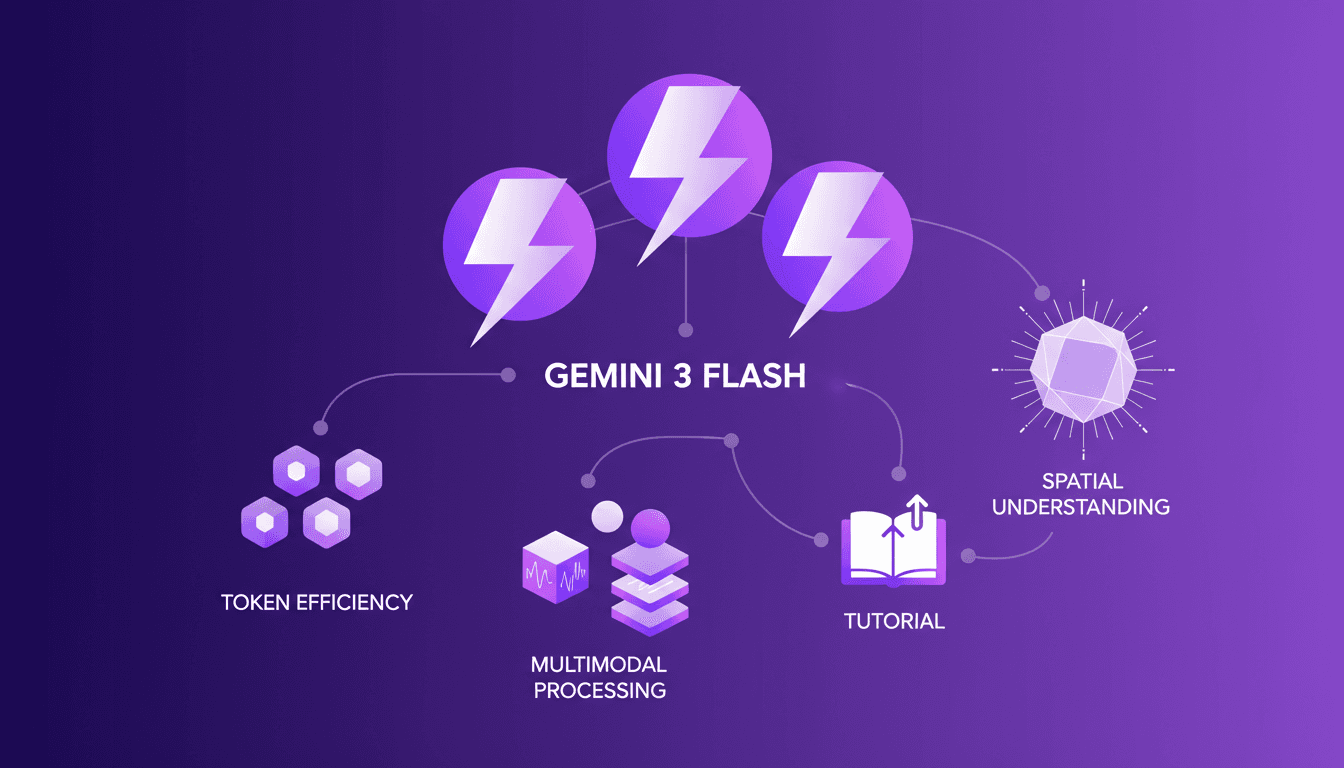
Gemini 3 Flash: Upgrade Your Daily Workflow
I was knee-deep in token usage issues when I first got my hands on Gemini 3 Flash. Honestly, it was like switching from a bicycle to a sports car. I integrated it into my daily workflow, and it's become my go-to tool. With its multimodal capabilities and improved spatial understanding, it redefines efficiency. But watch out, there are limits. Beyond 100K tokens, it gets tricky. Let me walk you through how I optimized my operations and the pitfalls to avoid.
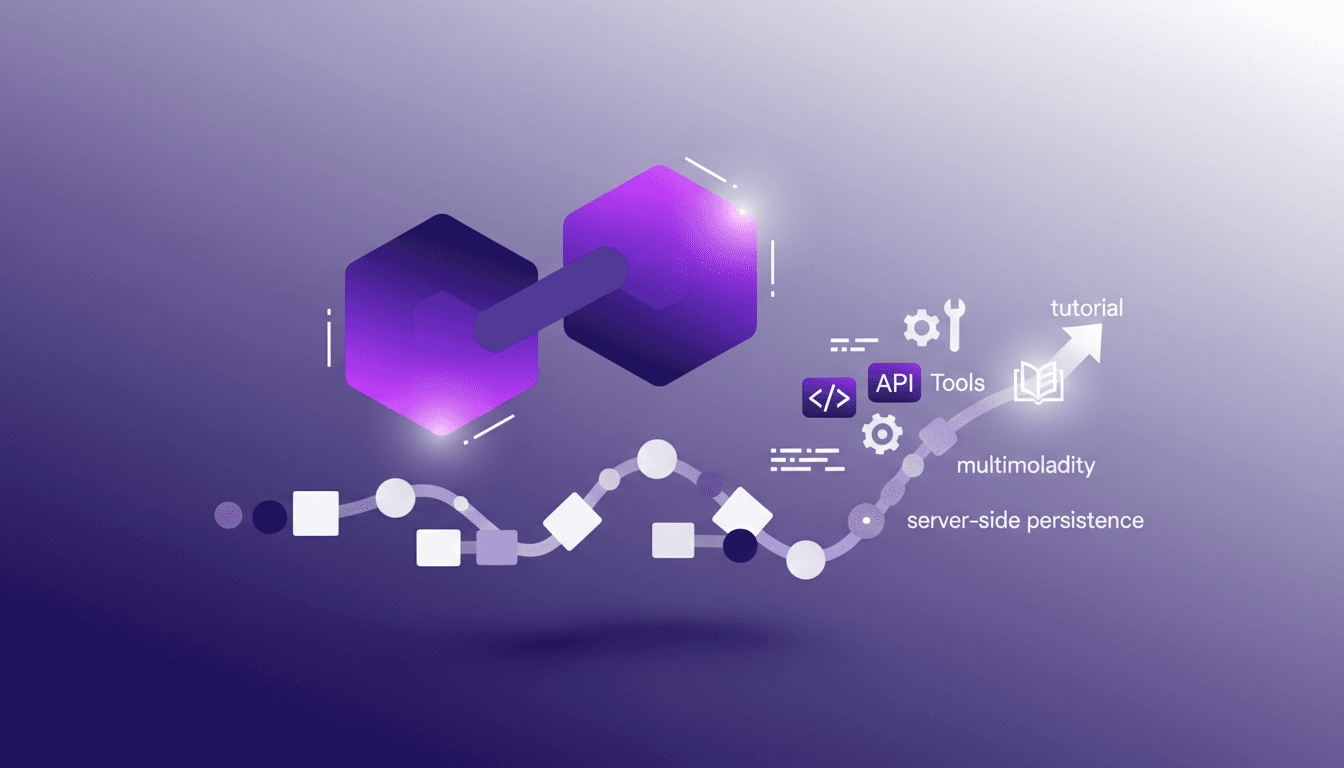
Mastering Gemini Interactions API: Practical Guide
I dove headfirst into the Gemini Interactions API, and let me tell you, it's a game changer if you know how to wield it. First, I connected the dots between its features and my daily workflow, and then I started seeing the real potential. But watch out, it's not all sunshine and rainbows—there are some quirks to navigate. By understanding its multimodality, managing tokens efficiently, and leveraging server-side state persistence, I was able to integrate advanced AI interactions into my applications. But honestly, I got burned more than once before mastering its nuances. So, are you ready to explore what the Gemini API can really do for you?
Optimize Your Code with Juny: Integration Efficiency
I stumbled upon Juny while looking to streamline my coding workflow. Sponsored by JetBrains, this tool promises to cut through the noise and focus on what truly matters: efficient, minimalistic coding. Picture an IDE that seamlessly integrates with IntelliJ IDEA or PyCharm to boost productivity without the usual clutter. Juny positions itself as an anti-vibe tool, perfect for professional developers aiming to optimize their code with minimal friction. Plus, it supports multiple languages and frameworks, making team onboarding and codebase understanding a breeze. Whether you're joining a new team or refining your solo project, Juny might just be the game changer you've been waiting for.
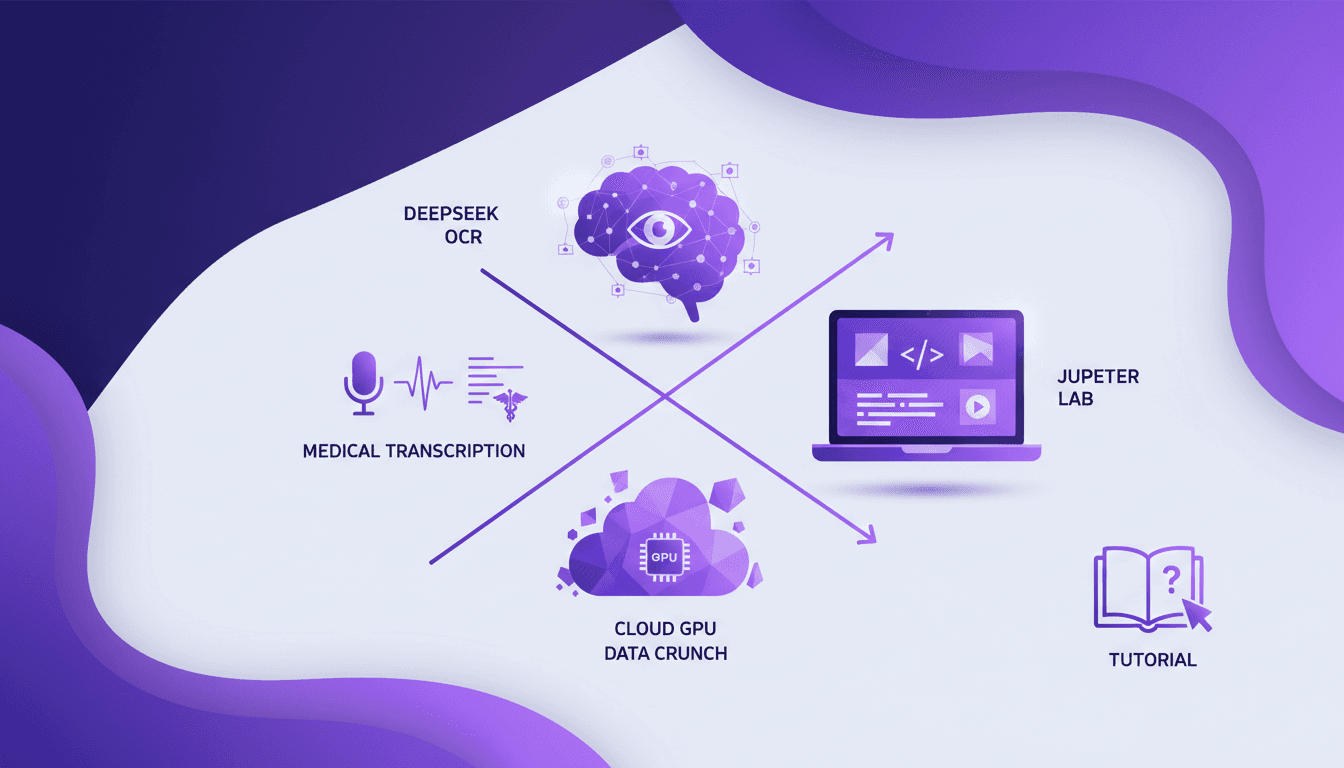
Running Deepseek OCR on Cloud GPU: A Hands-On Guide
I've been diving into OCR solutions for a while, but when I ran Deepseek OCR on a cloud GPU, things got real. In this hands-on guide, I'll walk you through how I set it up using Data Crunch and why it's a game changer for privacy and sustainability. We'll dig into configuration, costs, and how to optimize your GPU usage. With Deepseek OCR, we're talking about an open-source tool that's perfect for medical transcription and handwriting recognition. I'll share the technical steps on Jupyter Lab and how to effectively manage instances to maximize your ROI.
Nano Banana Hackathon: Strategies and Tips
I dove headfirst into the Nano Banana Hackathon, and let me tell you, it's a wild ride. With just 48 hours on the clock and fierce competition from 99 other participants, I had to act fast. In this high-stakes event, the right strategy can earn you significant API credits and valuable recognition. I'm breaking down how I navigated the chaos, aiming for a spot in the top 50. We'll explore the prizes, tools like the Gemini 2.5 Flash Image Preview API, and how I optimized my chances despite the tough judging criteria. Let's dive into the strategies and tips that can turn this experience into a real springboard.
Optimizing Function Gemma for Edge Computing
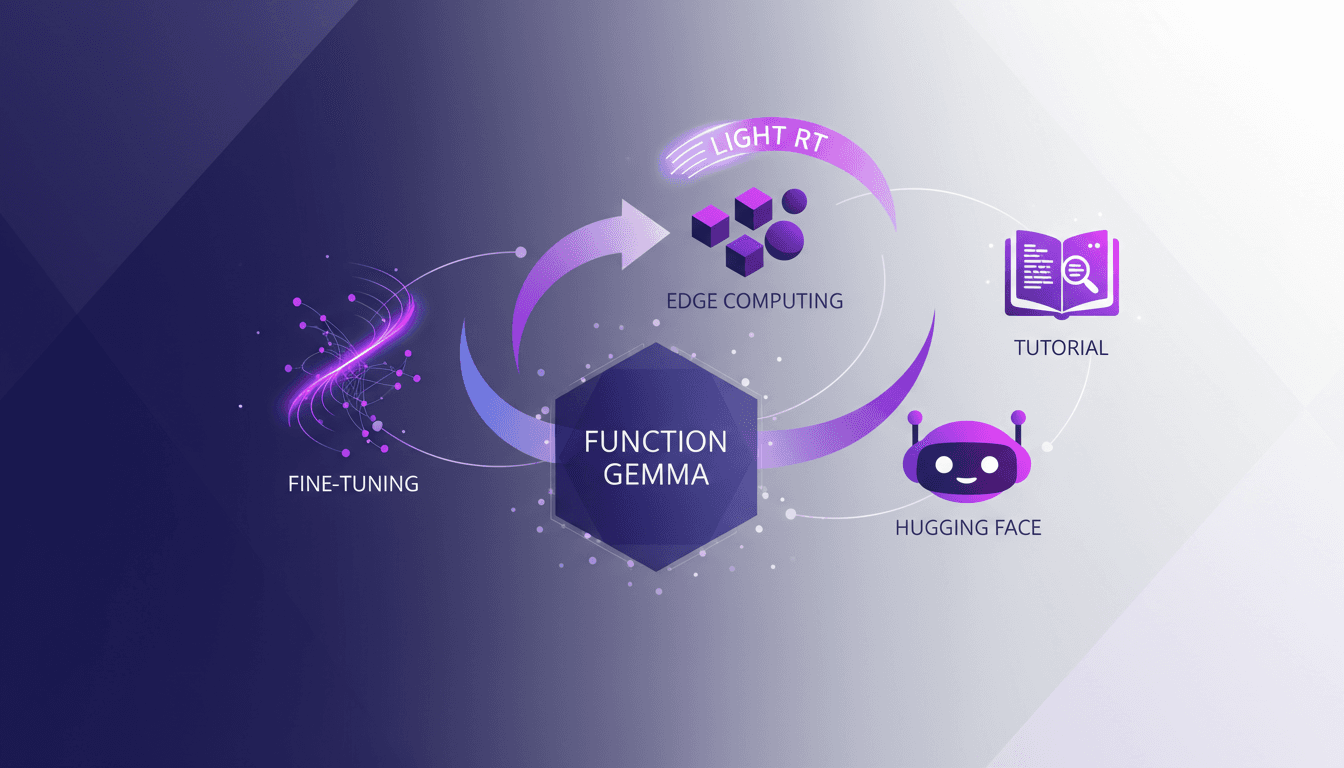
I remember the first time I deployed Function Gemma on an edge device. It was a game changer, but only after I figured out the quirks. With its 270 million parameters, the Gemma 3270M model is a powerhouse for edge computing. But to really leverage its capabilities, you need to fine-tune and deploy it smartly. Let me walk you through how I customized and deployed this model, so you don’t hit the same bumps. We're talking customization, deployment with Light RT, and how it stacks up against other models. You can find Function Gemma on Hugging Face, where I used the TRL library for fine-tuning. Don’t get caught by the initial limitations; improvements are there to be made. Follow me in this tutorial and optimize your use of Function Gemma for edge computing.
Optimizing Function Gemma for Edge Computing
I remember the first time I deployed Function Gemma on an edge device. It was a game changer, but only after I figured out the quirks. With its 270 million parameters, the Gemma 3270M model is a powerhouse for edge computing. But to really leverage its capabilities, you need to fine-tune and deploy it smartly. Let me walk you through how I customized and deployed this model, so you don’t hit the same bumps. We're talking customization, deployment with Light RT, and how it stacks up against other models. You can find Function Gemma on Hugging Face, where I used the TRL library for fine-tuning. Don’t get caught by the initial limitations; improvements are there to be made. Follow me in this tutorial and optimize your use of Function Gemma for edge computing.