Nano Banana Hackathon: Strategies and Tips
I dove headfirst into the Nano Banana Hackathon, and let me tell you, it's a wild ride. With just 48 hours on the clock and fierce competition from 99 other participants, I had to act fast. In this high-stakes event, the right strategy can earn you significant API credits and valuable recognition. I'm breaking down how I navigated the chaos, aiming for a spot in the top 50. We'll explore the prizes, tools like the Gemini 2.5 Flash Image Preview API, and how I optimized my chances despite the tough judging criteria. Let's dive into the strategies and tips that can turn this experience into a real springboard.
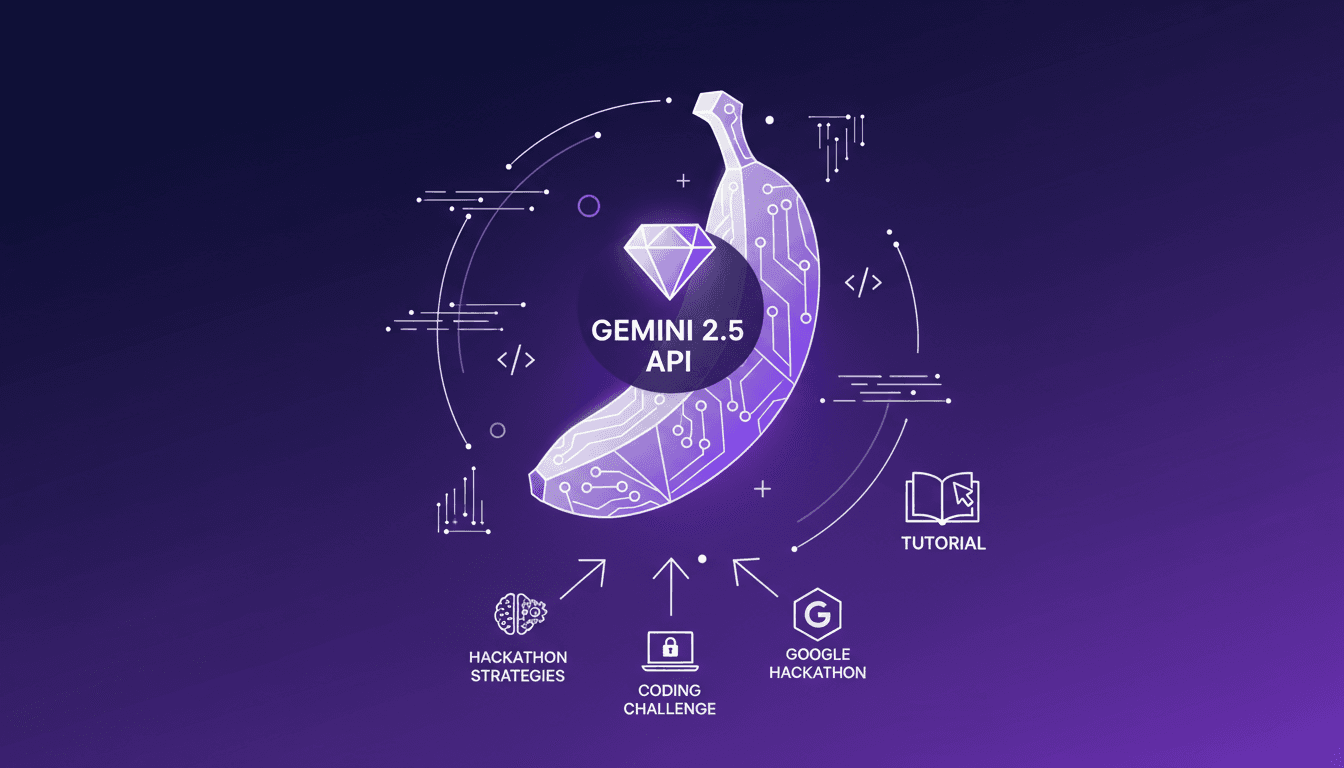
I dove headfirst into the Nano Banana Hackathon, and let me tell you, it's a wild ride. With only 48 hours and the pressure of 99 other participants breathing down my neck, I had to be quick and smart. Already lost two hours refining my strategy, and I was in survival mode. This isn't just another coding event; it's a fast-paced challenge where every second counts. The prizes? Significant API credits and recognition that could boost a career. But watch out, navigating through tight judging criteria and a war factor that can catch you off guard. I'm sharing how I used the Gemini 2.5 Flash Image Preview API, my technical choices (and a few mistakes), to aim for the top 50. If you want to know how to turn this chaos into opportunity, stick with me.
Understanding the Nano Banana Hackathon
The Nano Banana Hackathon, hosted by Google Deepmind, is a 48-hour sprint for developers, and we've already lost 2 hours. The goal? Utilize the Gemini 2.5 Flash Image Preview API to create innovative projects. This hackathon attracts creative minds from around the world, all eager to leverage this technology to stand out. And why all the excitement? The top 50 submissions have a chance to win $5,000 in Gemini API credits, $1,000 in file credits, and 11 million 11 Labs credits. That's a pretty motivating prize for any developer to get their keyboards clacking!
Event Structure
Over 48 hours, the hackathon is a frantic race towards innovation. Every minute counts, and it's crucial to plan quickly. Participants must submit a video demo, a public project link, and a brief write-up of up to 200 words. And watch out, with the "War Factor" weighing 40% in the judging criteria, there's no time to waste!
Leveraging the Gemini 2.5 Flash Image Preview API
The Gemini 2.5 API is at the heart of this hackathon. It allows for transforming images with impressive precision and creativity. In my project, I integrated this API to boost efficiency, using features like fusion and advanced editing. But beware, each API call consumes credits, and it's easy to overspend. To avoid this, I implemented a strict API credit management, prioritizing the most critical calls.
Avoiding Pitfalls
Working with the Gemini 2.5 API might seem straightforward, but watch out for the details. I learned the hard way that overusing certain features can slow down the application. It's better to test each step before rolling it out broadly.
Navigating Prizes, Incentives, and Judging Criteria
The prizes are enticing: $400,000 worth of rewards in total. But the real challenge lies in the "War Factor", accounting for 40% of the judging criteria. This means your project needs to be not just innovative, but also awe-inspiring. To align my submission with these expectations, I focused on creativity while ensuring technical feasibility.
Winning Strategies
A winning strategy involves balancing innovation and feasibility. It's easy to get carried away with grand ideas, but they must be achievable within the given time frame. I opted for a modular approach, allowing quick adjustments based on test feedback.
Submission Requirements and Deadlines
The deadline is set for September 7th at 11:59 p.m. PT. It's crucial to meet this deadline to avoid disqualification. Here's a checklist to ensure your submission succeeds:
- Video demo
- Public project link
- 200-word maximum write-up
Avoiding Common Mistakes
Don't overlook technical details. A minor error can compromise your entire submission. Proofread multiple times and have others test your project before the final submission.
Success Strategies and Real Use Cases
Inspired by Google employees like Alexander Shen, I adopted a pragmatic approach. Techniques that boosted my project's impact included rapid iteration and resource optimization. In my early attempts, I often failed due to overly ambitious planning. Now, I know to iterate quickly and adjust based on real-time feedback.
Lessons Learned
The key to success lies in adaptability. In such a short timeframe, it's essential to remain flexible and respond quickly to unforeseen challenges.
The Nano Banana Hackathon is where speed, strategy, and technical prowess collide. In this 48-hour race, being clever and quick is key. First thing I do is leverage the Gemini 2.5 API, especially the Flash Image Preview, to truly align my project with the judging criteria. Watch out, we've already lost 2 hours, and every minute counts now. The top 50 submissions will stand out.
- Maximize the Gemini 2.5 API to gain an edge.
- Align your project with judging criteria to maximize your chances.
- Don't waste time, every minute can transform your project.
Playing this game is about managing trade-offs too: a good strategy means knowing where not to waste energy. Ready to dive in? Start crafting your strategy and make those 48 hours count. For a deeper understanding, watch the original video to catch all the details I couldn't cover here.
Frequently Asked Questions

Thibault Le Balier
Co-fondateur & CTO
Coming from the tech startup ecosystem, Thibault has developed expertise in AI solution architecture that he now puts at the service of large companies (Atos, BNP Paribas, beta.gouv). He works on two axes: mastering AI deployments (local LLMs, MCP security) and optimizing inference costs (offloading, compression, token management).
Related Articles
Discover more articles on similar topics
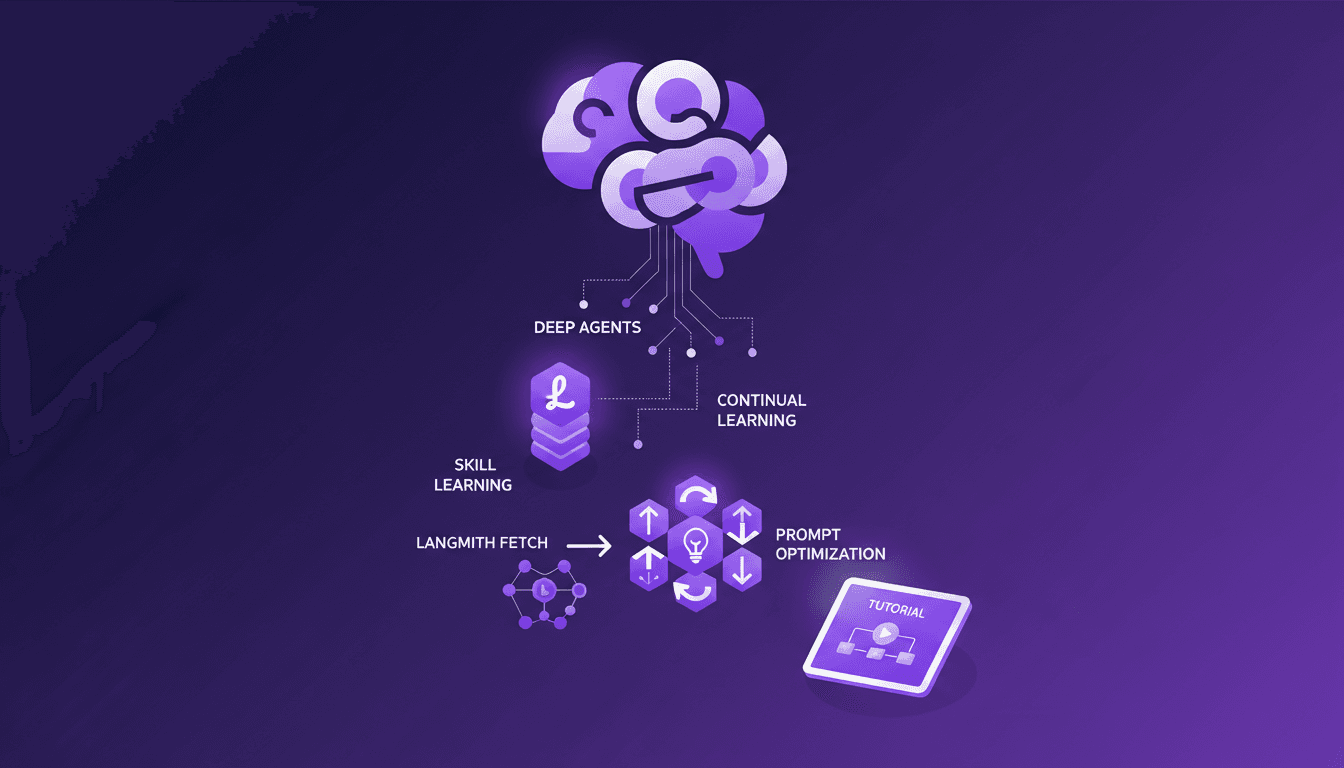
Continual Learning with Deep Agents: My Workflow
I jumped into continual learning with deep agents, and let me tell you, it’s a game changer for skill creation. But watch out, it's not without its quirks. I navigated the process using weight updates, reflections, and the Deep Agent CLI. These tools allowed me to optimize skill learning efficiently. In this article, I share how I orchestrated the use of deep agents to create persistent skills while avoiding common pitfalls. If you're ready to dive into continual learning, follow my detailed workflow so you don't get burned like I did initially.

Continual Learning with Deepagents: A Complete Guide
Imagine an AI that learns like a human, continuously refining its skills. Welcome to the world of Deepagents. In the rapidly evolving AI landscape, continual learning is a game-changer. Deepagents harness this power by optimizing skills with advanced techniques. Discover how these intelligent agents use weight updates to adapt and improve. They reflect on their trajectories, creating new skills while always seeking optimization. Dive into the Langmith Fetch Utility and Deep Agent CLI. This complete guide will take you through mastering these powerful tools for an unparalleled learning experience.

Integrate Claude Code with LangSmith: Tutorial
I remember the first time I tried to integrate Claude Code with LangSmith. It felt like trying to fit a square peg into a round hole. But once I cracked the setup, the efficiency gains were undeniable. In this article, I'll walk you through the integration of Claude Code with LangSmith, focusing on tracing and observability. We’ll use a practical example of retrieving real-time weather data to show how these tools work together in a real-world scenario. First, I connect Claude Code to my repo, then configure the necessary hooks. Watch out, tracing can quickly become a headache if poorly orchestrated. But when well piloted, the business impact is direct and impressive.
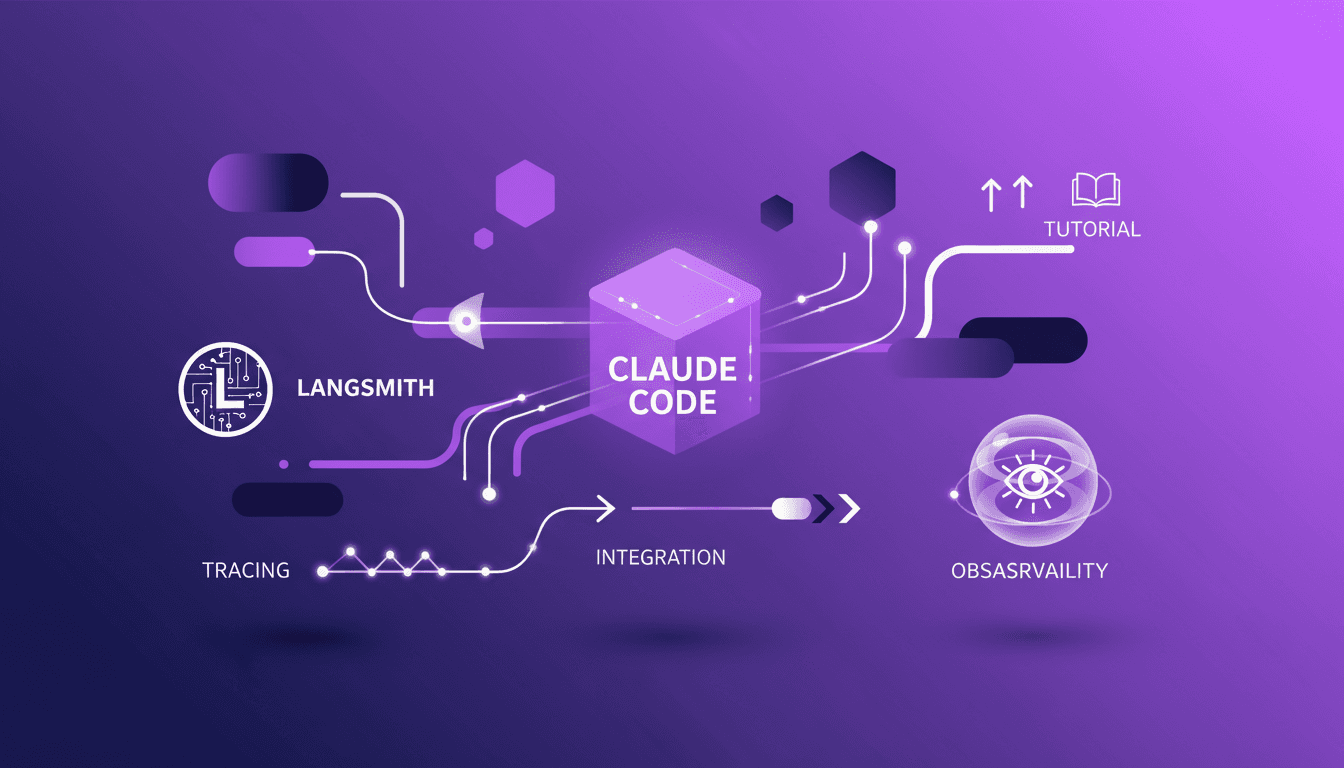
Claude Code-LangSmith Integration: Complete Guide
Step into a world where AI blends seamlessly into your workflow. Meet Claude Code and LangSmith. This guide reveals how these tools reshape your tech interactions. From tracing workflows to practical applications, master Claude Code's advanced features. Imagine fetching real-time weather data in just a few lines of code. Learn how to set up this powerful integration and leverage Claude Code's hooks and transcripts. Ready to revolutionize your digital routine? Follow the guide!
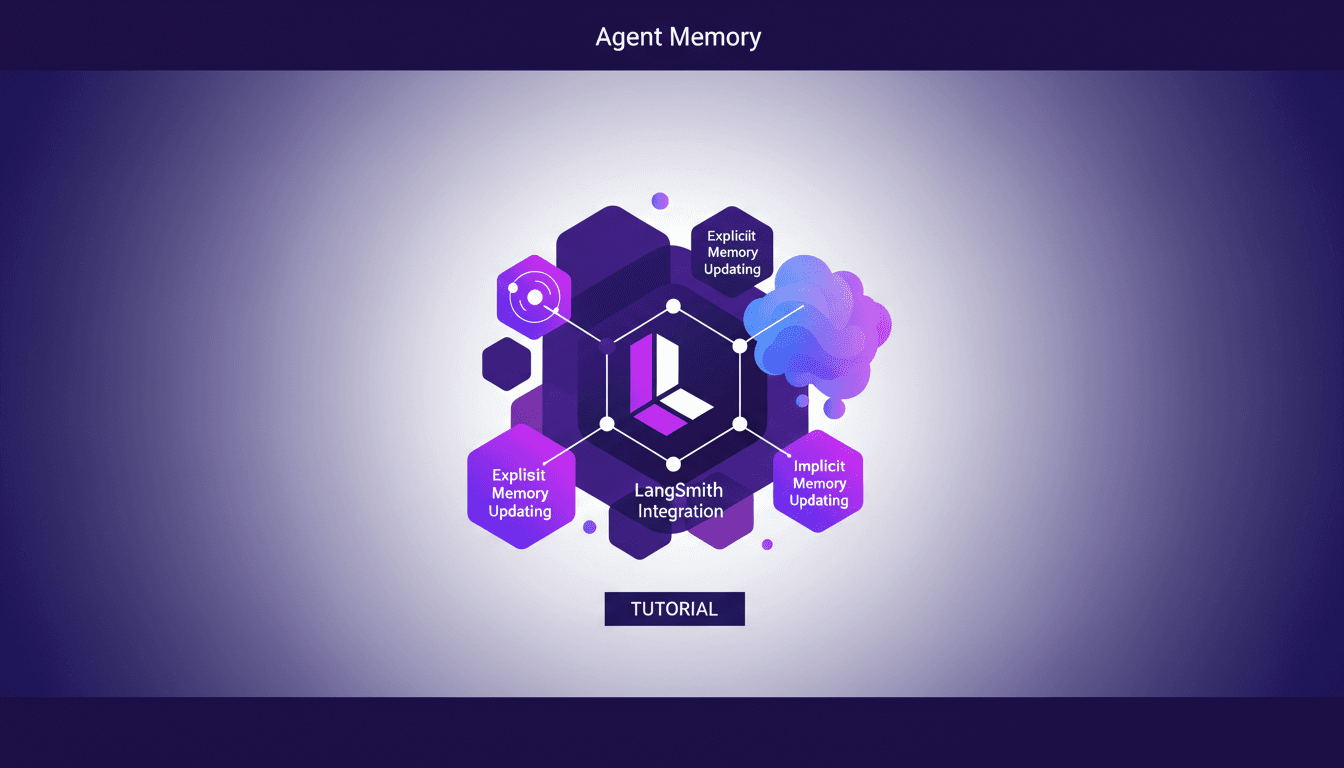
Managing Agent Memory: Practical Approaches
I remember the first time I had to manage an AI agent’s memory. It was like trying to teach a goldfish to remember its way around a pond. That's when I realized: memory management isn't just an add-on, it's the backbone of smart AI interaction. Let me walk you through how I tackled this with some hands-on approaches. First, we need to get a handle on explicit and implicit memory updates. Then, integrating tools like Langmith becomes crucial. We also dive into using session logs to optimize memory updates. If you've ever struggled with deep agent management and configuration, I'll share my tips to avoid pitfalls. This video is an advanced tutorial, so buckle up, it'll be worth it.