Winning Strategies for AI Projects: Field Lessons
I've been in the trenches of AI development, and let me tell you, it's not just about cutting-edge tech. It's about vision, strategy, and navigating a maze of regulations. Let's dive into what really makes or breaks AI projects. From the EU's AI Act to cultural and regulatory hurdles, I share insights from my journey and how younger leadership is reshaping the tech landscape. The keys to success lie in a clear vision and solid strategy, not to mention the open-source versus closed-source debate. But watch out, moving from proof of concept to production is fraught with pitfalls. Let's explore what truly works.
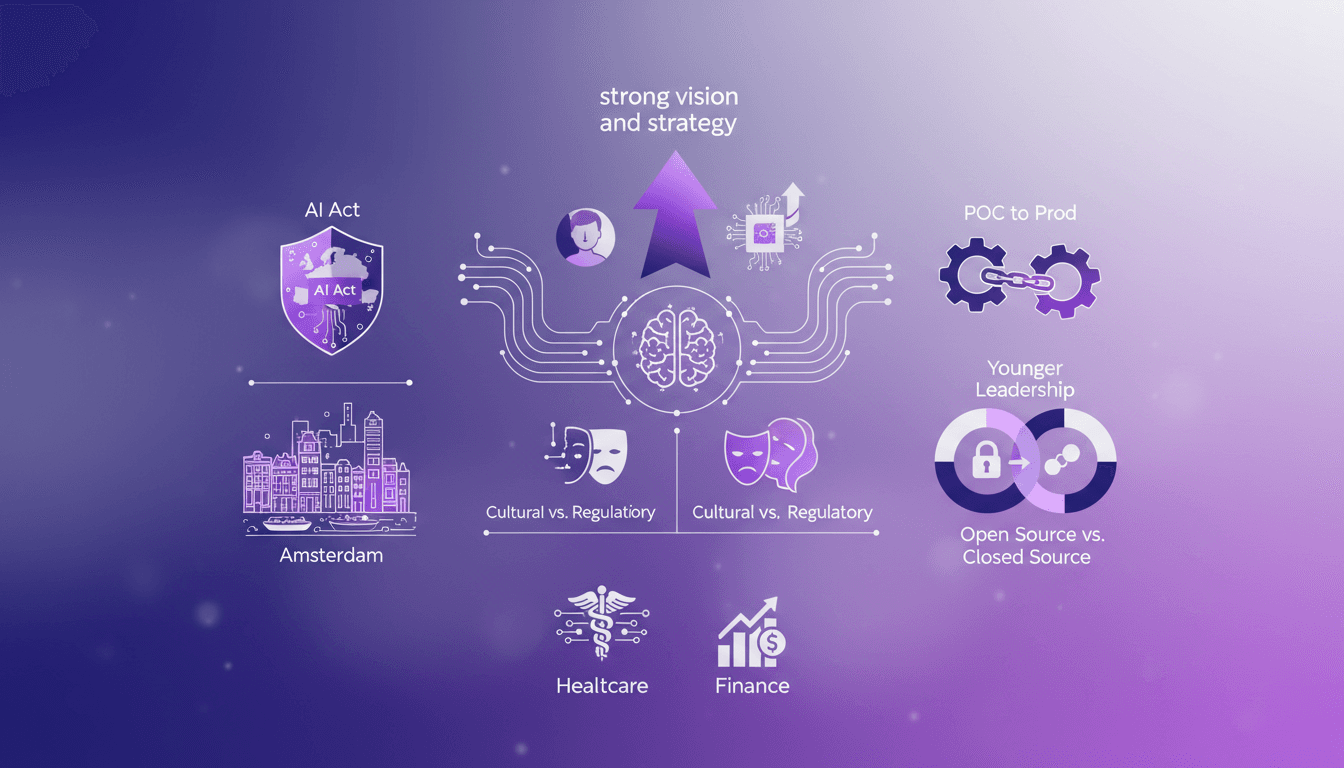
I've been there. In AI development, it's not just about the tech but the vision and strategy. Often overlooked, maneuvering through regulations like the EU's AI Act is a massive challenge. I've learned the hard way that without a strong vision, an AI project can quickly collapse. Imagine navigating a maze of laws and standards while pushing innovation forward. In Amsterdam, I chose to build an AI hub—a strategic move to weave through cultural and regulatory hurdles. Young leaders, with their fresh perspectives, are reshaping the industry. And the ongoing debate between open source and closed models only intensifies. Moving from proof of concept to production is where many stumble. So, let's dive into the strategies that really work on the ground.
Crafting a Strong Vision and Strategy
In the AI world, having a clear vision is essential. I've learned that without strong direction from leadership, bottom-up initiatives become ineffective. When building my strategy, I focused on aligning with long-term goals. This means every AI project must not only be innovative but also practical. I've often seen projects fail because they tried to be too ambitious without a clear roadmap.
To avoid these pitfalls, I always ensure my strategy is realistic, balancing innovation with practical implementation. This often means saying no to some ideas that, while brilliant, don't align with our long-term vision. As a visionary leader, it's crucial to guide the team towards AI success by navigating between dreams and reality.
Navigating the EU AI Act: What You Need to Know
The EU AI Act is a comprehensive framework aiming to set standards for AI. As a practitioner, I had to adapt my projects to comply with these new regulations. This involves identifying high-risk AI models and meeting regulatory requirements such as explaining data sources and human oversight. It's a balancing act between innovation and compliance.
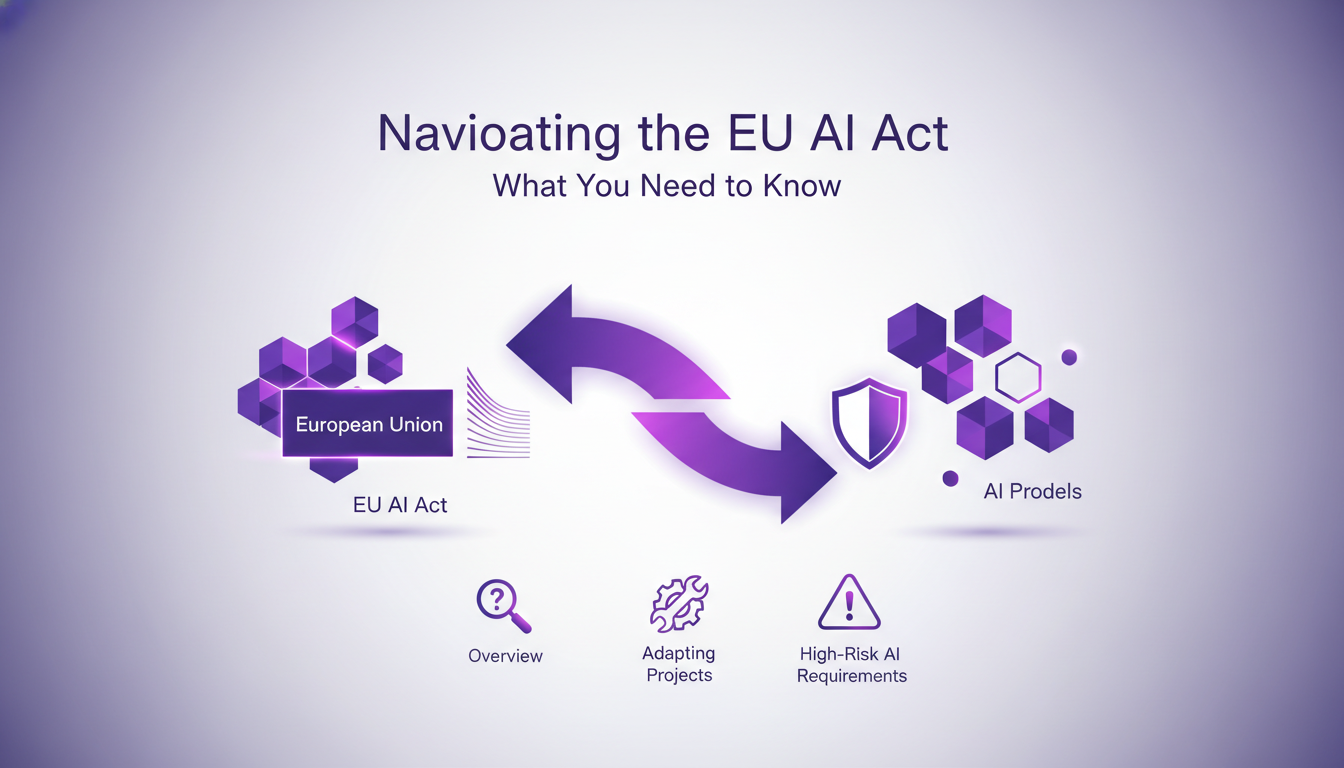
The benefits of working within this framework are numerous: user protection, innovation stimulation, and setting clear standards that avoid regulatory chaos. But watch out, it can also stifle innovation if you don't navigate this complex framework effectively.
From Proof of Concept to Production: The Real Challenges
Moving from proof of concept (POC) to a minimum viable product (MVP) is a challenge I've often faced. Understanding this difference is crucial: a POC shows something can work, while an MVP must actually work in the real world. Common hurdles include resource shortages, lack of feedback, and systems that aren't robust enough.
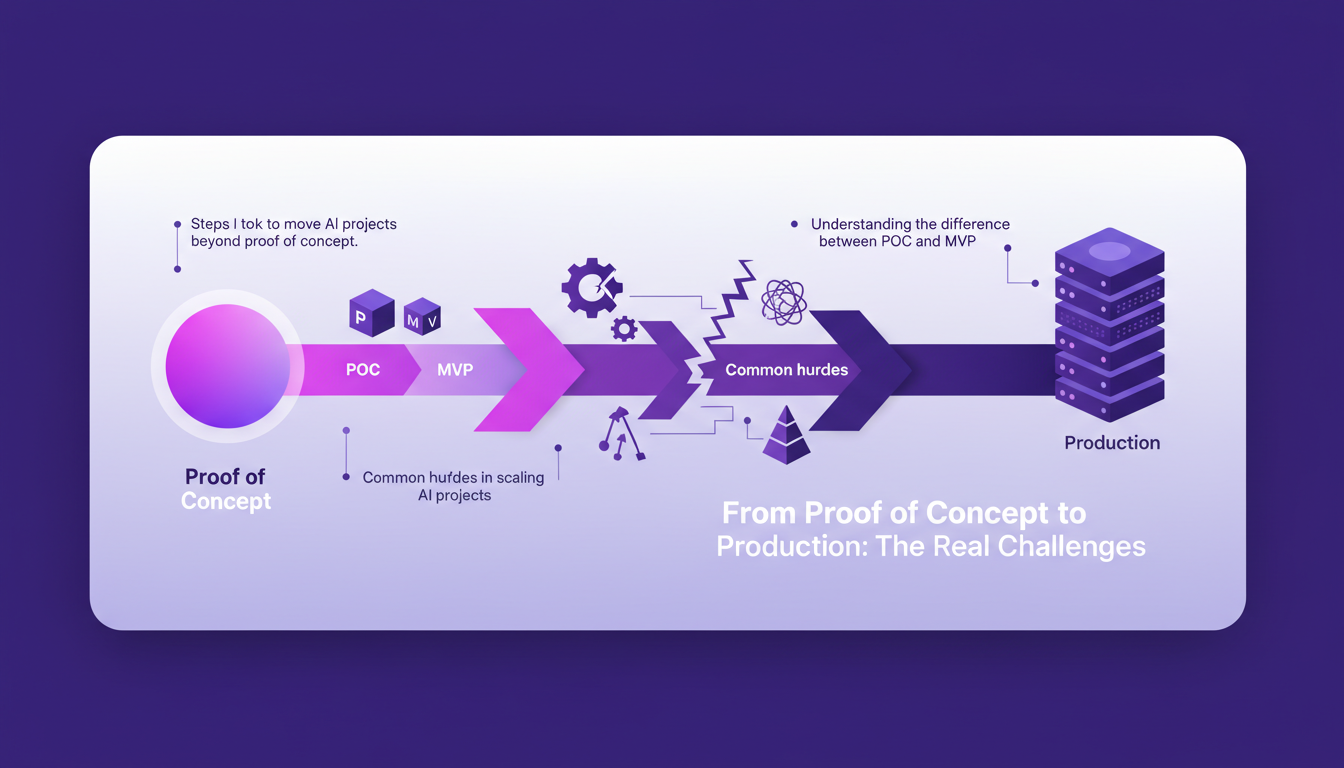
I've learned that feedback loops play a crucial role in refining AI systems. Every failure is a lesson, and knowing when to pivot can save a project. Never underestimate the power of constructive feedback.
Cultural vs. Regulatory Barriers: A Balanced Approach
Barriers to AI innovation are not just regulatory, they're also cultural. I've often had to tackle cultural resistance within my organization. Adopting a balanced approach by integrating diverse regulatory landscapes is essential. Younger leadership can often help overcome these barriers by bringing new perspectives.
Fostering an innovative culture while adhering to regulations isn't easy, but it's doable. This involves promoting an open mindset and encouraging bold initiatives while staying within legal boundaries.
Open Source vs. Closed Source: Making the Right Choice
Choosing between open source and closed source AI models is crucial. I've often had to weigh the pros and cons for each specific project. Open source can accelerate innovation through collaboration, but watch out, there are trade-offs to consider.
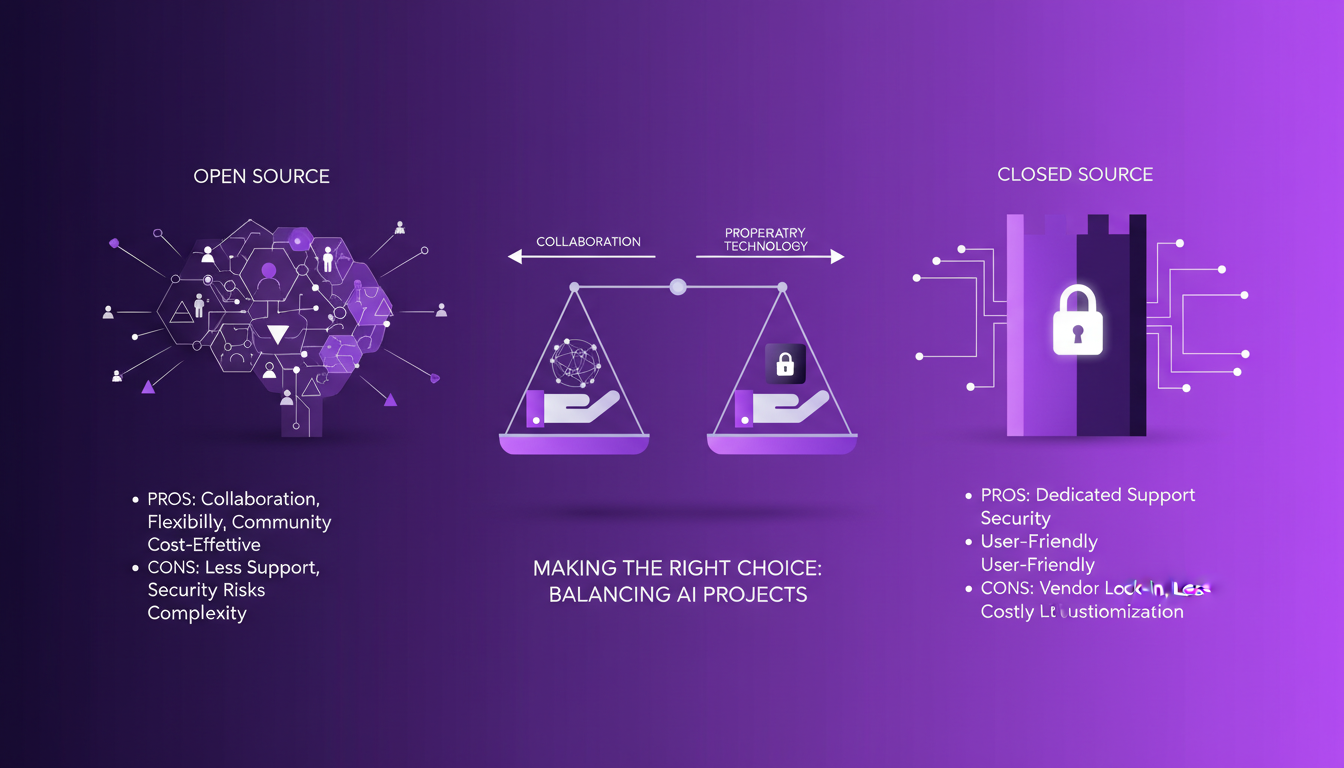
With open source, you benefit from a large community and rapid innovation. However, proprietary technologies offer control and data protection often needed. My experience shows that the right choice depends on the project's context and long-term goals.
- Balancing innovation and practical implementation is crucial.
- The EU AI Act offers benefits but requires careful navigation.
- Feedback loops are essential for refining AI systems.
- Younger leadership can overcome cultural barriers.
- Choosing between open source and closed source depends on context and goals.
Navigating AI projects is like mastering a complex dance between strategy, compliance, and innovation. First, I make sure I grasp the EU's AI Act — it's key to sidestepping nasty surprises down the line. Next, building a strong vision is non-negotiable for pushing projects from proof of concept to production. I've found that AI hubs, like Amsterdam's, offer fantastic synergy, but beware, you need to be in the top 0.001% to truly succeed. And don't get me started on the challenges of achieving growth and efficiency within 1 or 2 years — it's doable, but requires a serious amount of discipline.
Looking ahead? Aligning our AI strategy with these insights puts us on the right track to build smarter, more efficient solutions. So don't sit on the sidelines, go check out the full video for a deeper dive into these topics. Here's where it's at: YouTube link.
Frequently Asked Questions

Thibault Le Balier
Co-fondateur & CTO
Coming from the tech startup ecosystem, Thibault has developed expertise in AI solution architecture that he now puts at the service of large companies (Atos, BNP Paribas, beta.gouv). He works on two axes: mastering AI deployments (local LLMs, MCP security) and optimizing inference costs (offloading, compression, token management).
Related Articles
Discover more articles on similar topics
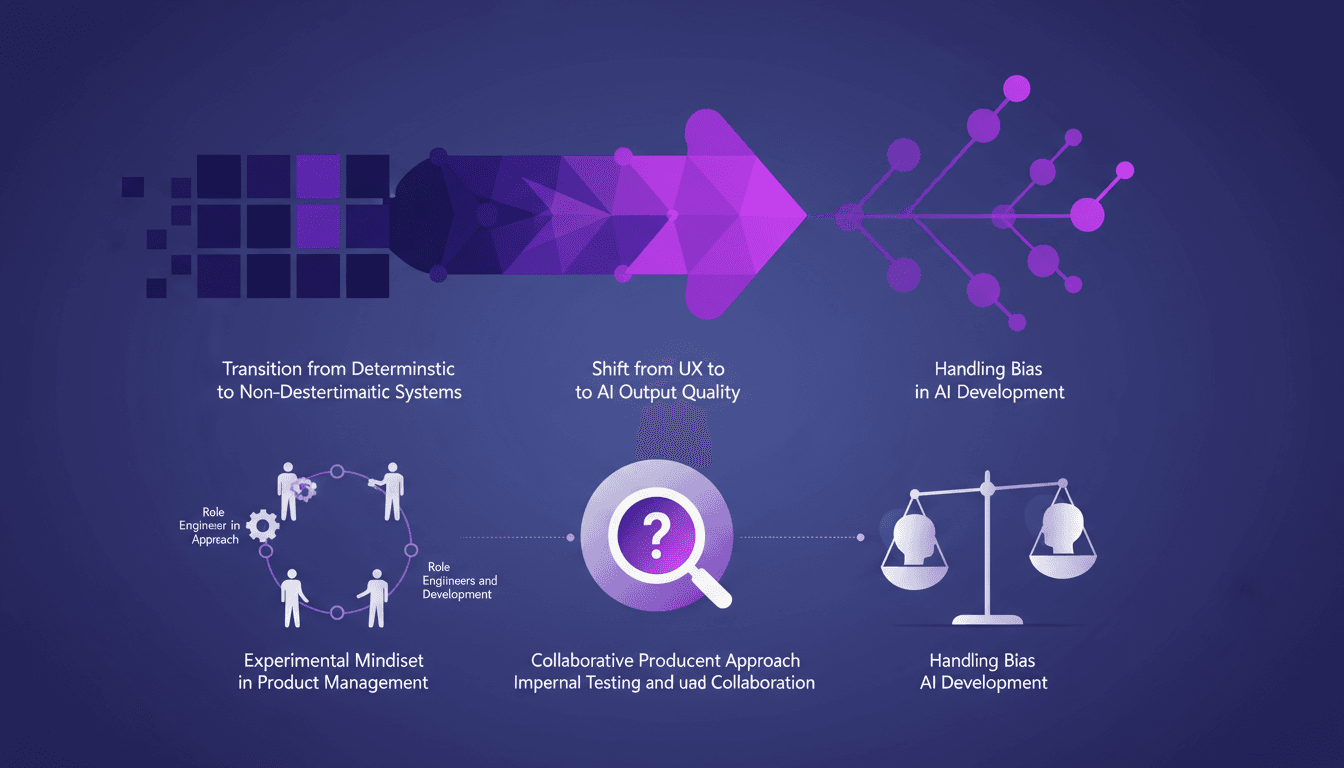
Building with AI: Beyond UX Focus
I remember when UX was king. We poured hours into perfecting interfaces, but now, it's all about the AI's output quality. The game has changed, and if you're still focused solely on UX, you're missing out. As a developer, I see it at every step: we've shifted from deterministic systems to non-deterministic ones, and it changes everything. We need an experimental mindset, involve users internally, and collaborate more. Engineers play a central role in this new paradigm, especially when handling AI biases. So, let's dive into this hot topic and see how it impacts our product management.
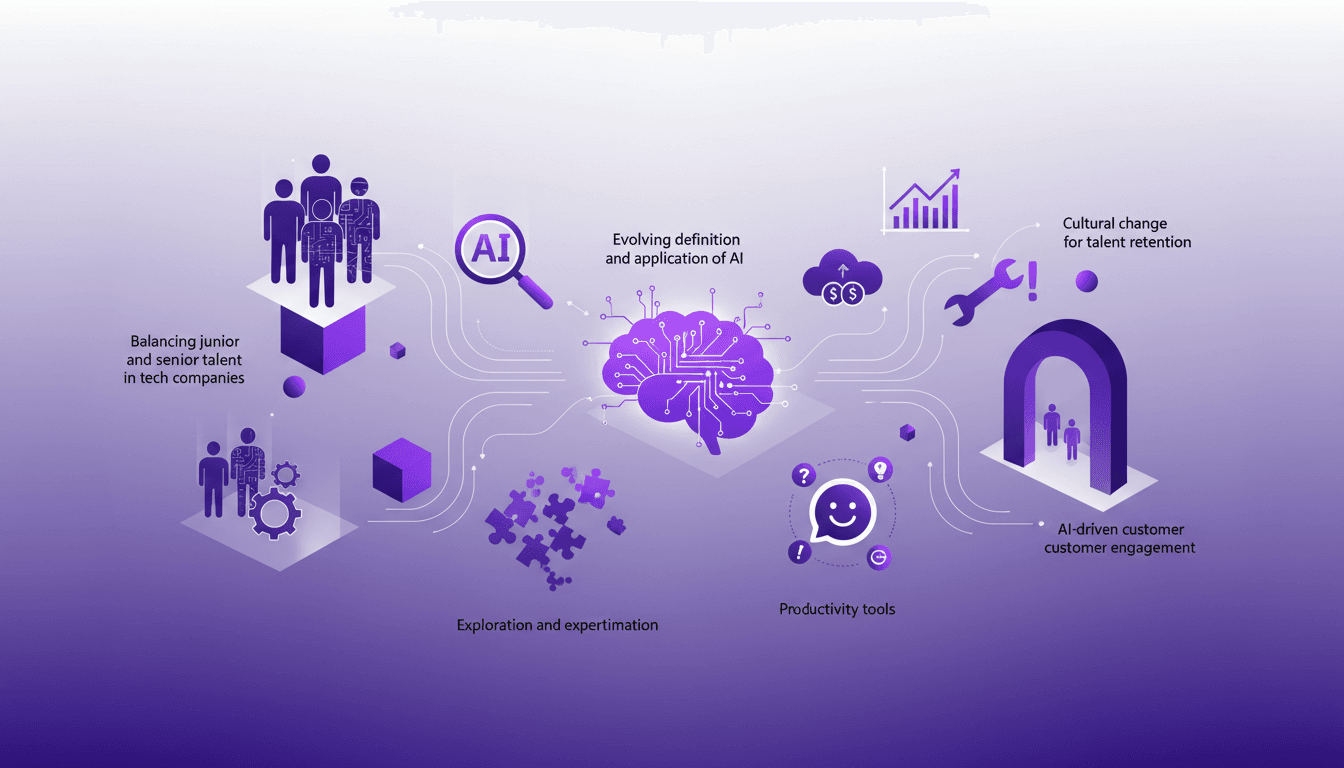
Impact of AI on Hiring Junior Engineers
I've been deep in the tech hiring trenches, and AI is shaking things up. Initially, it was just about evaluating junior engineers' skills. But then I realized it's about adapting these talents to AI-driven roles. AI isn't just a buzzword; it's redefining productivity and expectations. In this article, I dive into how AI impacts our hiring processes and the critical balance between junior and senior talent. We'll explore the practical implications, challenges, and opportunities for tech companies. Make no mistake, integrating AI into your teams is more than just adding another tool to your toolkit.
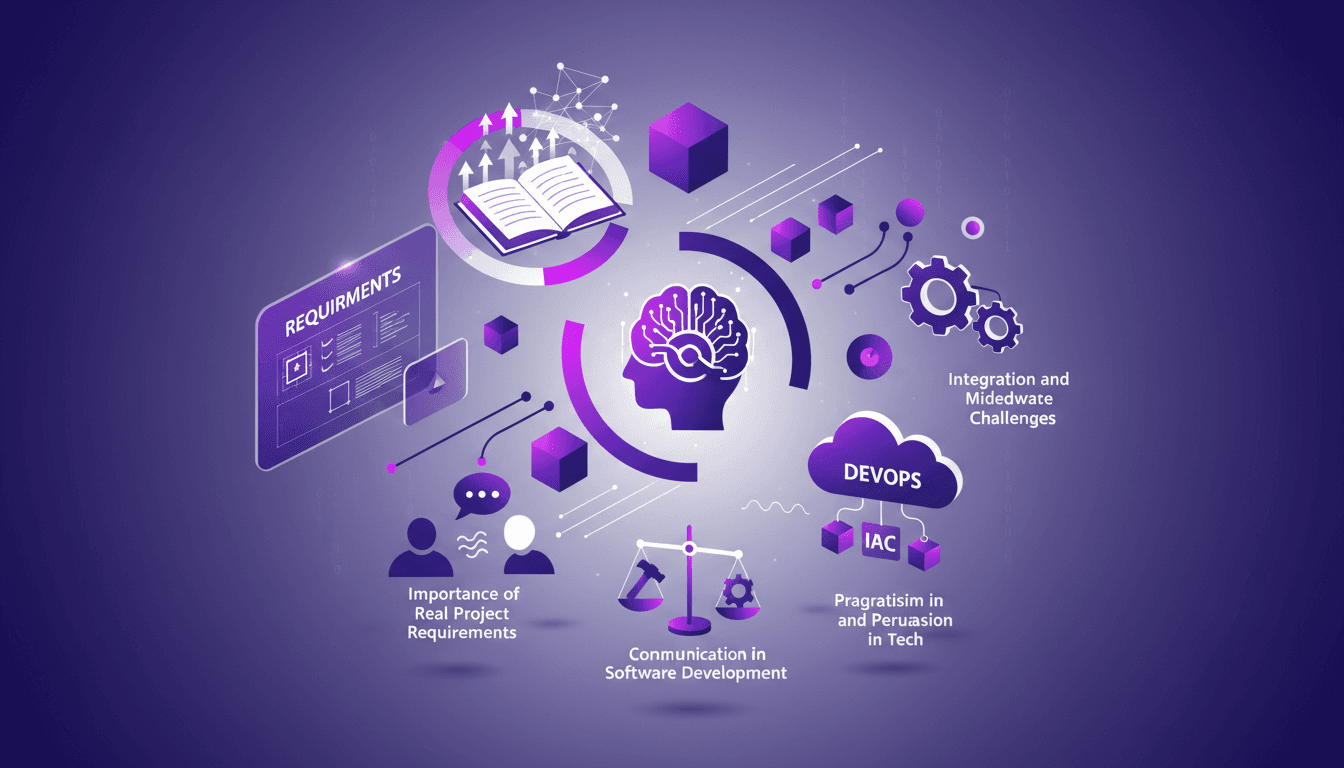
Mastering Software Engineering: From Junior to Architect
I remember when I first dipped my toes into software engineering. It felt like a maze of code and concepts. Fast forward to today, I'm orchestrating complex systems as an architect. Moving from a junior developer to an architect is about more than just coding. It's about mastering the art of software engineering, understanding real project demands, and navigating integration challenges. Let's talk about the core skills: continuous learning, reading and understanding code, facing middleware and DevOps challenges, and effectively communicating in tech. Let's dive in, I'll show you the way.
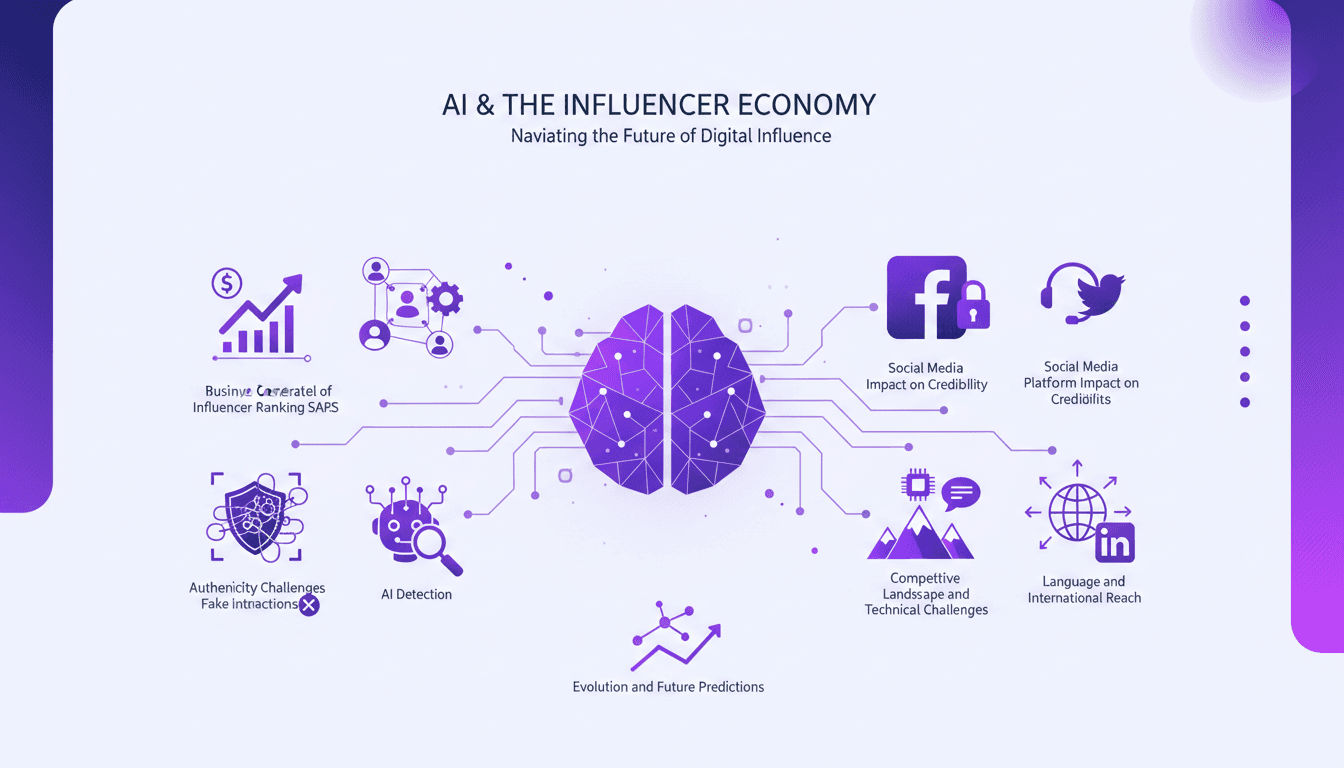
Generating €120K/Month with Influencer SaaS
I started with an idea and a laptop, and now my SaaS is pulling in €120K a month. I built an influencer ranking platform that cuts through the noise of fake engagements and delivers real value. In today's influencer marketing landscape, authenticity is king. But with fake interactions rampant, how do you build a tool that truly ranks influencers by their real impact? Here's how I tackled this challenge using AI, PLG, and a relentless focus on authenticity.
Unlock Productivity: Daily Habits and Key Tools
I started experimenting with productivity tools out of necessity. Eight-hour meetings were draining me, and my workflows felt outdated. So, I set up a Zettelkasten system and dove into 'Getting Things Done'. Here's how I transformed my daily grind into a streamlined machine. In this article, I’ll walk you through my journey of challenging workflows, leveraging AI, and balancing work with personal life. These aren't just theories; they're tested strategies that led to real productivity gains.