Building with AI: Beyond UX Focus
I remember when UX was king. We poured hours into perfecting interfaces, but now, it's all about the AI's output quality. The game has changed, and if you're still focused solely on UX, you're missing out. As a developer, I see it at every step: we've shifted from deterministic systems to non-deterministic ones, and it changes everything. We need an experimental mindset, involve users internally, and collaborate more. Engineers play a central role in this new paradigm, especially when handling AI biases. So, let's dive into this hot topic and see how it impacts our product management.
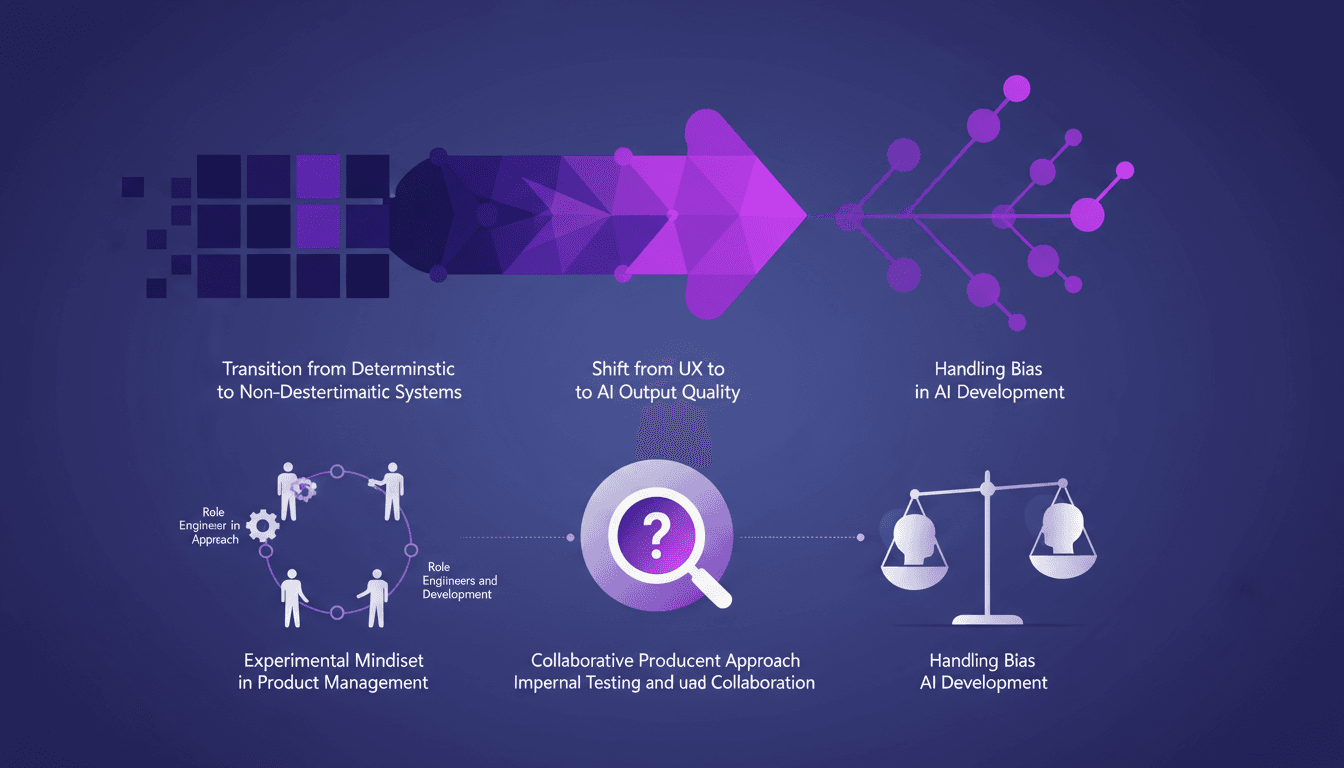
I remember when UX was king. We spent countless hours crafting every pixel of our interfaces. But today, everything's changed. It's all about the AI's output quality. If you're still fixated on UX, you're missing the bigger picture. In our field, we've moved from deterministic systems, where everything was predictable, to non-deterministic systems that demand an experimental approach. I've had to adapt my workflow: running internal tests, involving users right from the start, and collaborating continuously with other departments. Engineers are no longer just executors but key players in product management. Handling AI biases is a constant challenge. So, how does this shift impact our daily work? That's what I propose we dive into together.
From UX to AI Output Quality
Once upon a time, UX design was king. Every detail was polished to ensure a seamless user experience. But today, with AI stepping into the spotlight, output quality is the name of the game. I've seen this shift firsthand: we're no longer talking pixels but tokens. And trust me, no amount of good design can make up for poor AI output. I'm always aiming for that 95% accuracy baseline, a threshold I consider non-negotiable for launching AI products.

But watch out: focusing solely on UX can lead to missing the big picture. I've seen projects fail because they didn't prioritize AI performance. My advice? Always balance design with functionality.
- Prioritize AI output quality.
- Set a 95% accuracy baseline.
- Be cautious not to overlook AI performance for UX design.
Embracing Non-Deterministic Systems
Transitioning from deterministic to non-deterministic systems is like going from an automatic to a manual gearbox. You need to understand the role of randomness and probability in AI outputs. It's not straightforward, but it opens up incredible flexibility. I've had to adjust my expectations and accept an 80% accuracy threshold for some AI features.
Non-deterministic systems require more robust testing. Every time I work on a new model, I dedicate time to exhaustive testing to ensure we achieve the desired results. It takes more resources, but it's worth it.
- Understand the role of randomness in AI systems.
- Accept an 80% accuracy threshold for certain features.
- Prepare for more extensive testing.
Adopting an Experimental Mindset
In AI product development, being ready to experiment is crucial. Personally, I run up to 12 experiments in parallel. It might sound crazy, but it's essential for achieving statistically significant results. I use "dogfood users" within our team to test new features before releasing them.
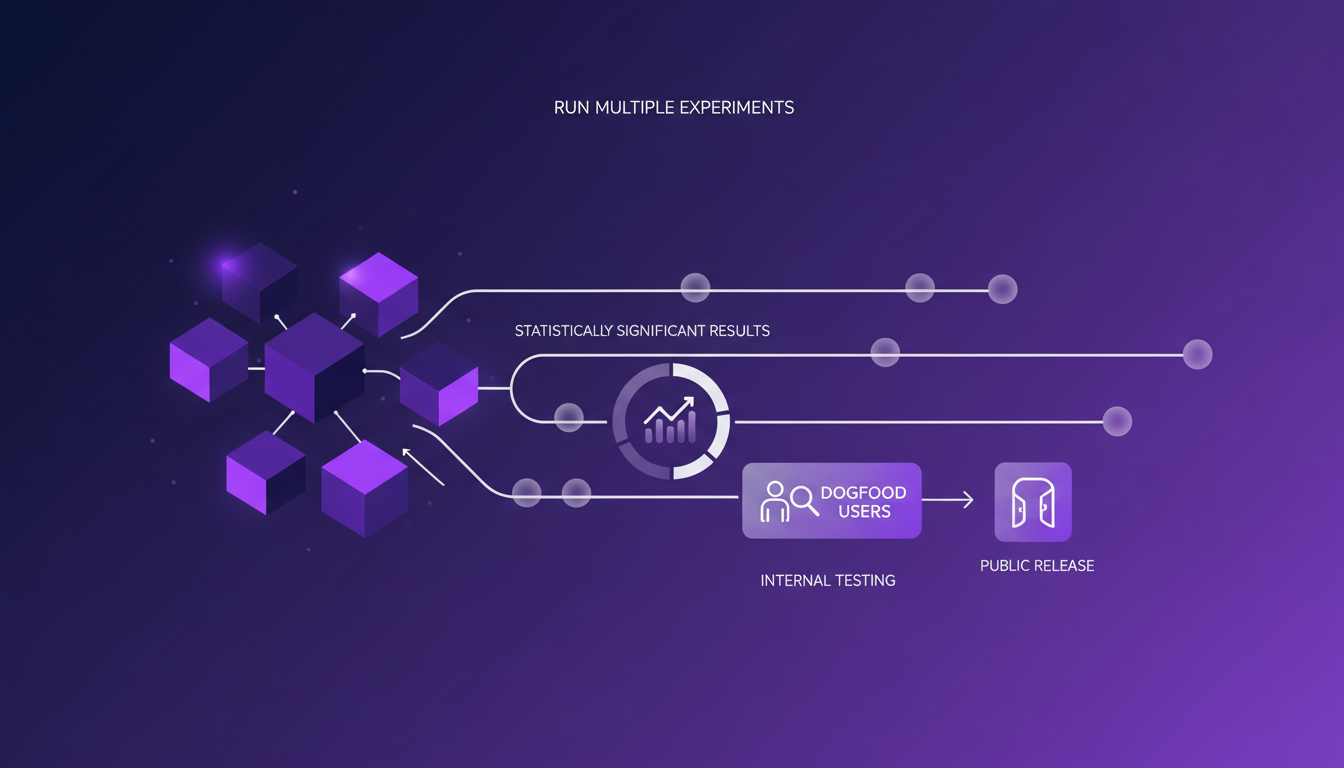
But be careful not to get stuck in analysis paralysis. Set clear goals for each experiment and don't waste time on endless hypotheses.
- Conduct multiple experiments simultaneously.
- Use significant results to guide decisions.
- Avoid "analysis paralysis" by setting clear objectives.
Collaborative Product Management
I've shifted from hierarchical product management to a collaborative approach. This means involving engineers early in the development process. Believe me, it's a radical but necessary change. Communication and collaboration are key to successful AI projects.
A warning, though: ensure all team members understand AI limitations. Otherwise, you risk creating unrealistic expectations that can derail the project.
- Adopt a collaborative approach to product management.
- Involve engineers from the start.
- Ensure the team understands AI limitations.
Setting the 'Non-Embarrassment Bar'
Before releasing an AI product, I always ensure it passes the 'non-embarrassment bar'. This means achieving a 90-95% confidence level before rolling it out to a wider audience. Gathering user feedback is crucial for refining the product.
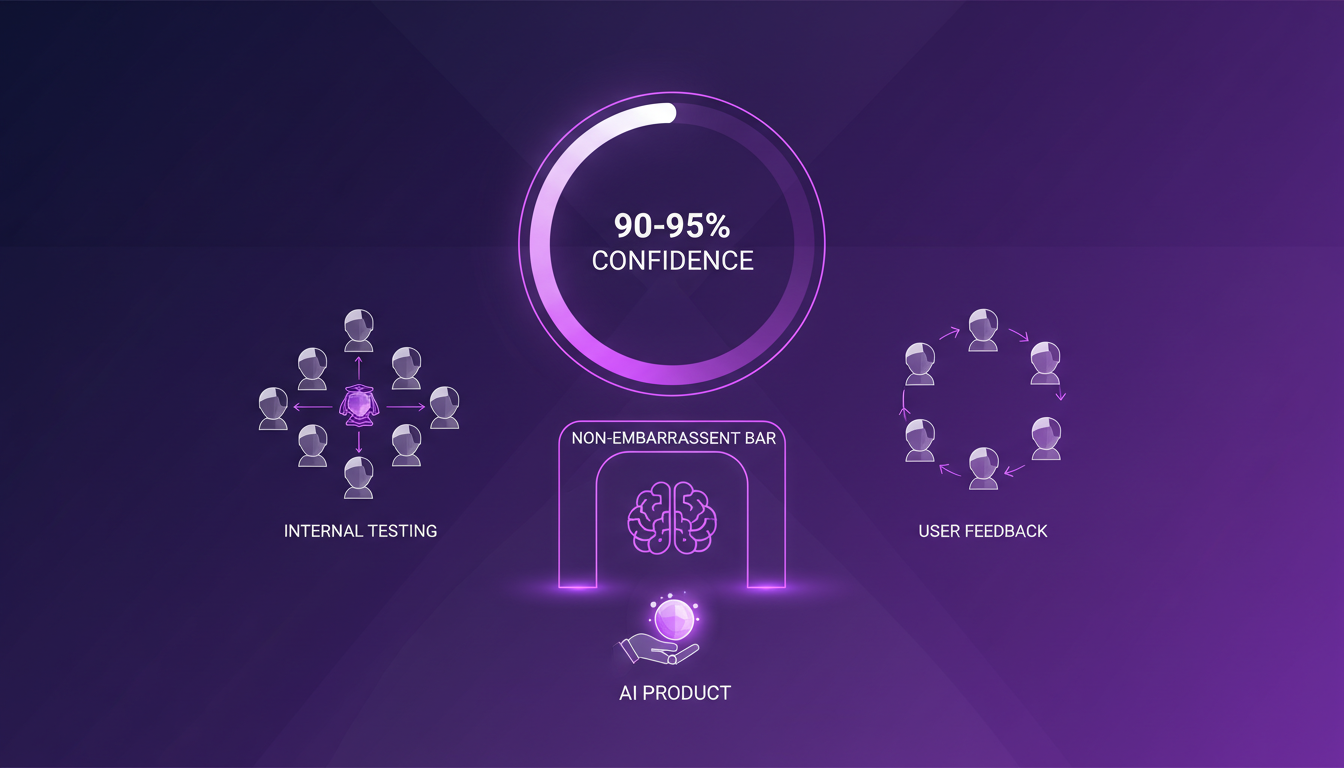
But beware, don't rush to market without thorough internal testing. I've seen products fail because they were launched prematurely. Better safe than sorry.
- Achieve a 90-95% confidence level before release.
- Use user feedback to improve the product.
- Be wary of premature launches.
So, shifting from UX to AI output quality, I've really embraced working with non-deterministic systems. First, you have to get comfortable with the messiness of it all. Precision isn't the goal; it's all about experimentation. Then, product management becomes a team sport. We need to collaborate to set the 'non-embarrassment bar' high and ensure AI development success. Don't rest easy: aim for a 95% accuracy for your AI, but know that you can ship at 80%. And, run a dozen experiments in parallel, that's where the real breakthroughs happen.
Looking ahead, this paradigm shift is a game changer. Ready to rethink your product development approach? Start involving your engineers and users today. For deeper insights, check out the full video: YouTube. It's worth a watch.
Frequently Asked Questions

Thibault Le Balier
Co-fondateur & CTO
Coming from the tech startup ecosystem, Thibault has developed expertise in AI solution architecture that he now puts at the service of large companies (Atos, BNP Paribas, beta.gouv). He works on two axes: mastering AI deployments (local LLMs, MCP security) and optimizing inference costs (offloading, compression, token management).
Related Articles
Discover more articles on similar topics
Mastering Software Engineering: From Junior to Architect
I remember when I first dipped my toes into software engineering. It felt like a maze of code and concepts. Fast forward to today, I'm orchestrating complex systems as an architect. Moving from a junior developer to an architect is about more than just coding. It's about mastering the art of software engineering, understanding real project demands, and navigating integration challenges. Let's talk about the core skills: continuous learning, reading and understanding code, facing middleware and DevOps challenges, and effectively communicating in tech. Let's dive in, I'll show you the way.
Why We Donated MCP to Linux
I was knee-deep in code when the idea hit me—what if we made the Model Context Protocol open-source? It wasn't just about sharing; it was about community and innovation. Donating the MCP to the Linux Foundation was our way of pushing boundaries and inviting others to join the journey. The technical challenges were many: security, context bloat, but that’s what makes the project exciting. The Agentic AI Foundation plays a crucial role in MCP's adoption and impact within the AI community. Our decision wasn't just a donation; it was an invitation to innovate together. Now, let's dive into the details.
Claude: Philosophy and Ethics in AI
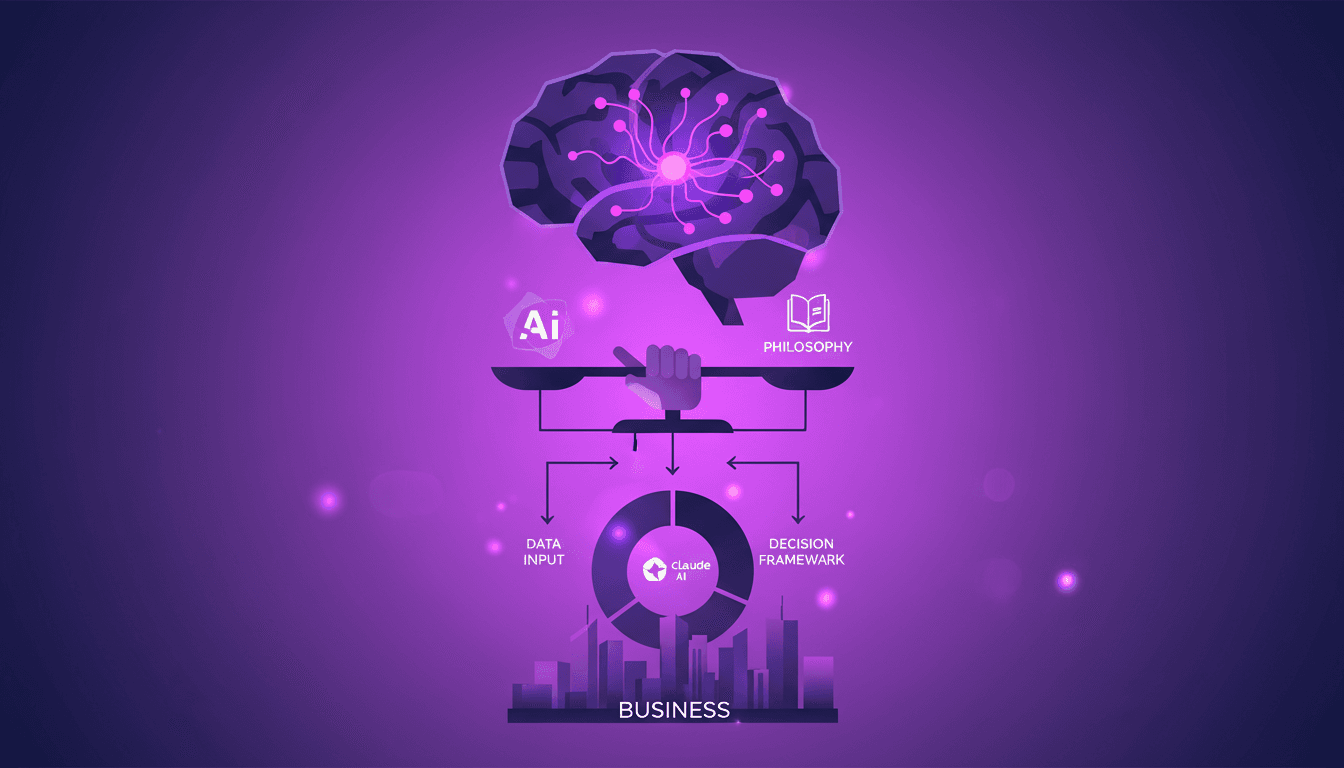
I joined Anthropic not just as a philosopher, but as a builder of ethical AI. First, I had to grasp the character of Claude, the AI model I’d be shaping. This journey isn't just about coding—it's about embedding ethical nuance into AI decision-making. In the rapidly evolving world of AI, ensuring that models like Claude make ethically sound decisions is crucial. This isn't theoretical; it's about practical applications of philosophy in AI. We tackle the character of Claude, nuanced questions about AI behavior, and how to teach AI ethical behavior. As practitioners, I share with you the challenges and aspirations of AI ethics.
Llama 4 Deployment and Open Source Challenges
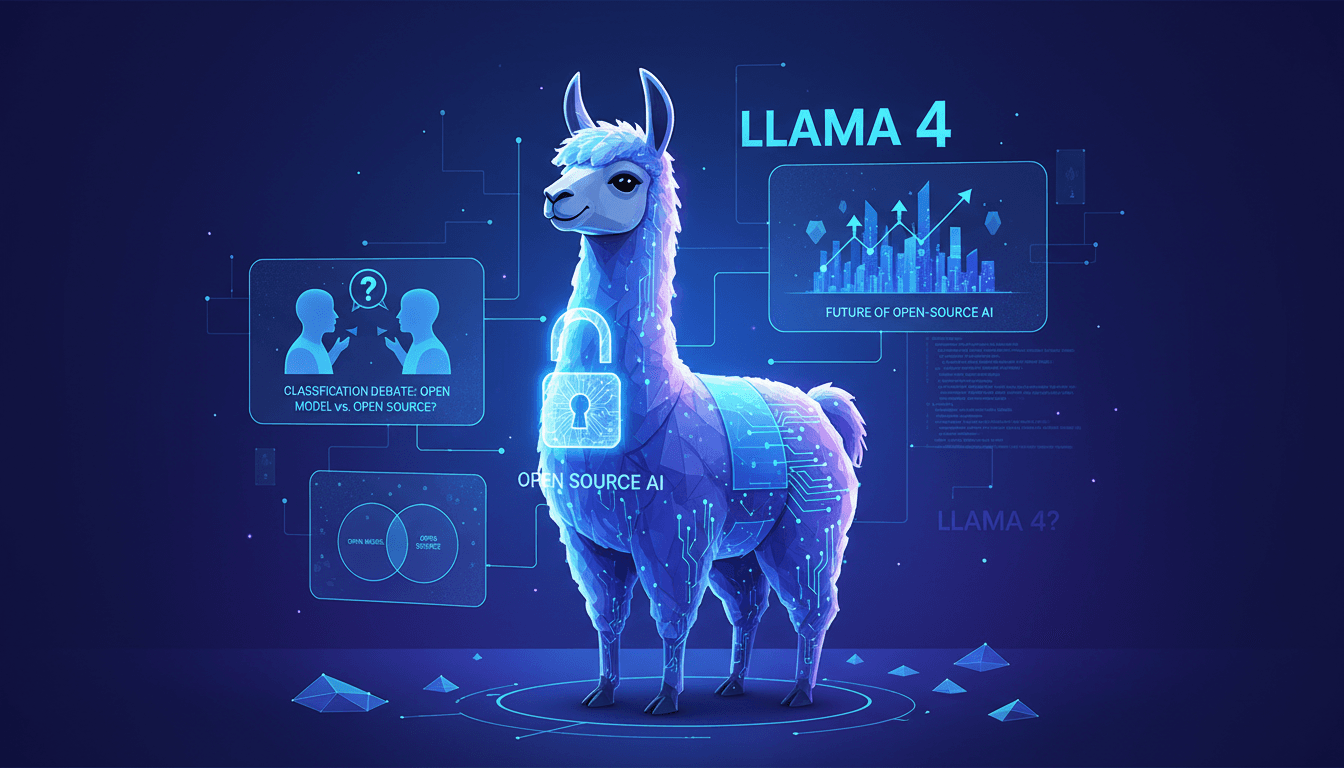
I dove headfirst into the world of AI with Llama 4, eager to harness its power while navigating the sometimes murky waters of open source. So, after four intensive days, what did I learn? First, Llama 4 is making waves in AI development, but its classification sparks heated debates. Is it truly open-source, or are we playing with semantics? I connected the dots between Llama 4 and the concept of open-source AI, exploring how these worlds intersect and sometimes clash. As a practitioner, I take you into the trenches of this tech revolution, where every line of code matters, and every technical choice has its consequences. It's time to demystify the terminology: open model versus open-source. But watch out, there are limits not to cross, and mistakes to avoid. Let's dive in!
Manus AI: Reinventing Automation and Creativity
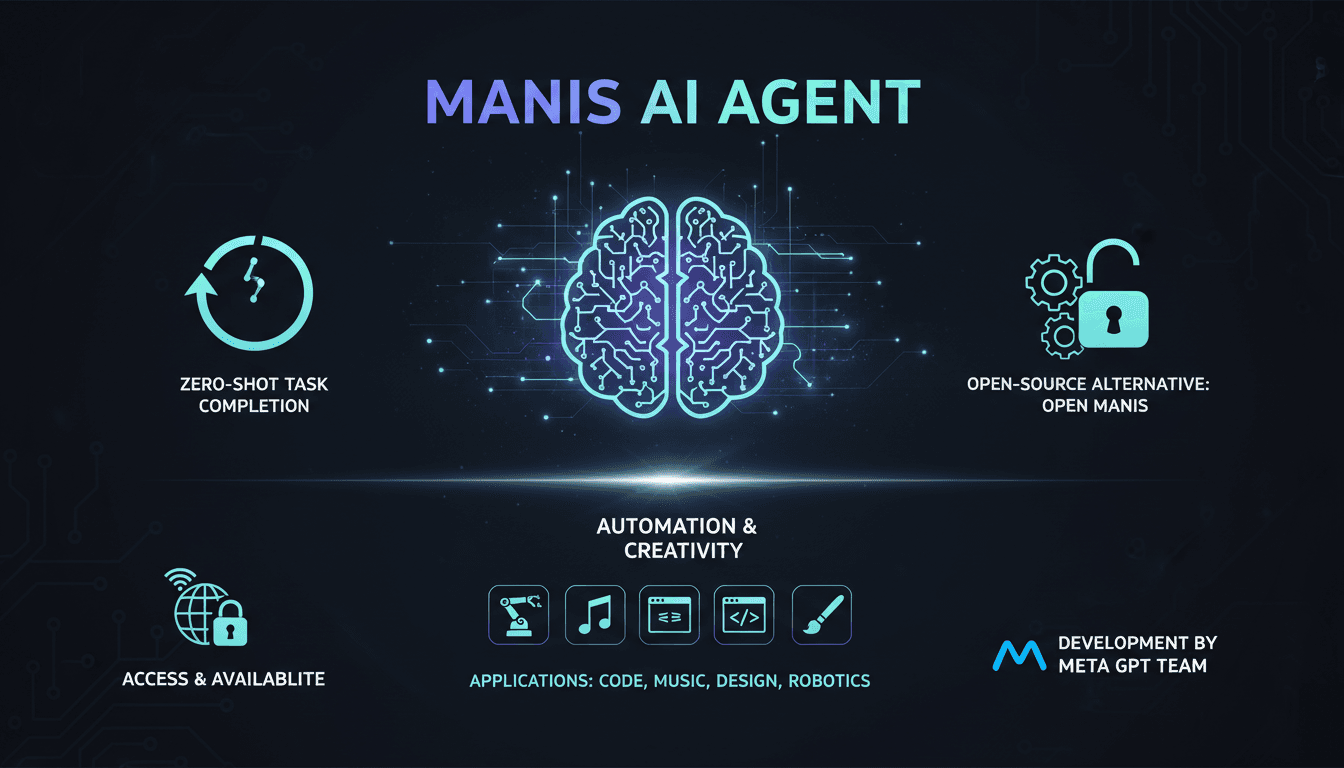
I dove into Manus AI, expecting just another tool, but it turned my workflow upside down. From coding games to planning trips, this AI agent is a real game changer. Developed by Meta GPT, it offers zero-shot task completion that cuts through the hype. I'm here to show you how I've integrated it into my daily projects. But watch out, you need to know its limits and orchestrate it effectively. And then there's Open Manis, the open-source alternative, which has already garnered 8,000 stars on its repo. Ready to discover what Manus can really do?