Mastering Software Engineering: From Junior to Architect
I remember when I first dipped my toes into software engineering. It felt like a maze of code and concepts. Fast forward to today, I'm orchestrating complex systems as an architect. Moving from a junior developer to an architect is about more than just coding. It's about mastering the art of software engineering, understanding real project demands, and navigating integration challenges. Let's talk about the core skills: continuous learning, reading and understanding code, facing middleware and DevOps challenges, and effectively communicating in tech. Let's dive in, I'll show you the way.
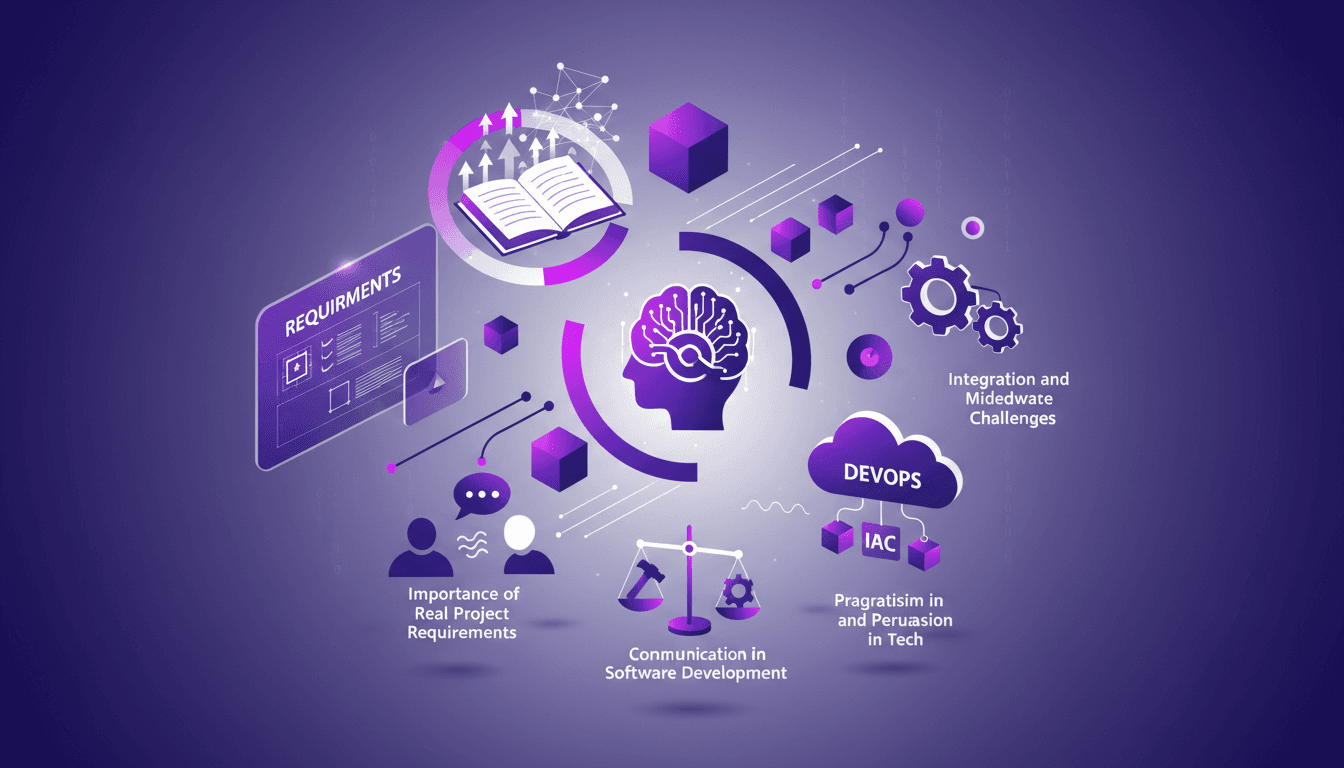
I remember when I first dipped my toes into software engineering. It felt like a maze of code and concepts. Fast forward eight years, and now I'm orchestrating complex systems as an architect. Moving from a junior developer to an architect isn't just about writing code. It's about mastering software engineering, understanding real project demands, and navigating integration challenges (don't even get me started on middleware stories). Early on, I realized reading and understanding code was crucial. Then there's continuous learning, DevOps challenges, and the need to persuade in tech. Got three team members resistant to new middleware? I've been there. So let's dive into the practical steps and insights that will make your transition smoother.
Building Mastery in Software Engineering: A Hands-On Approach
Mastery in software engineering isn't just about writing lines of code. It's about feeling in control of your projects, reaching a state where each new challenge doesn't overwhelm you. I've often joked that I prefer to build something that works the first time rather than tinker endlessly. This sentiment is echoed by Joris Kuipers, with his more than 25 years of experience. It's about understanding the nuances of your tools, incorporating concepts like idempotency and circuit breakers to ensure the reliability of your systems. This journey to mastery is paved with concrete learnings, far from abstract theories.
Continuous Learning and Real Project Requirements
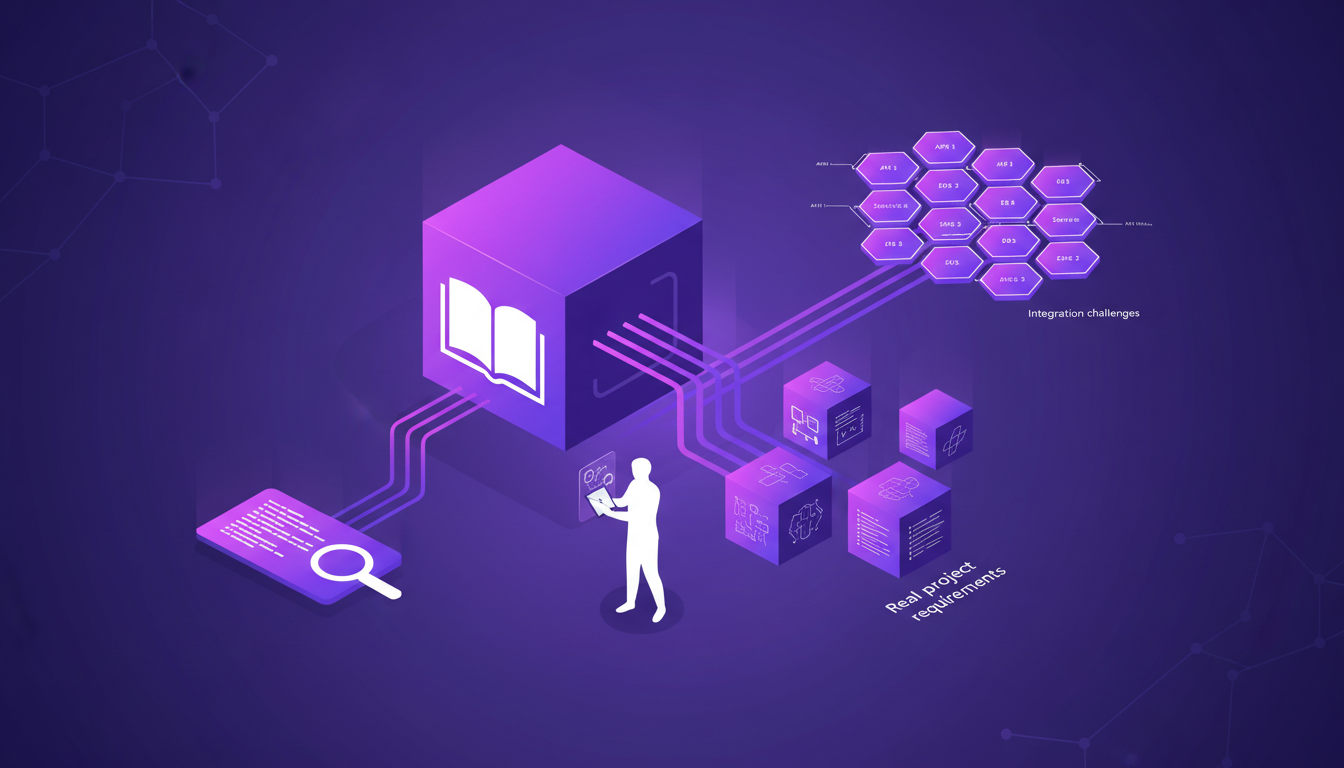
In our field, learning isn't just driven by curiosity, but by the very real demands of projects. That's where the difference lies. By reading and understanding open source code, we refine our skills, learning patterns and approaches that aren't always evident in books. With over 40 backends to integrate, I've learned to be adaptable. But watch out for middleware integration issues; they're not always well-received by teams. I've seen three team members resist the integration of new middleware.
"It's through real requirements that learning occurs, not just curiosity."
Infrastructure as Code and DevOps Evolution
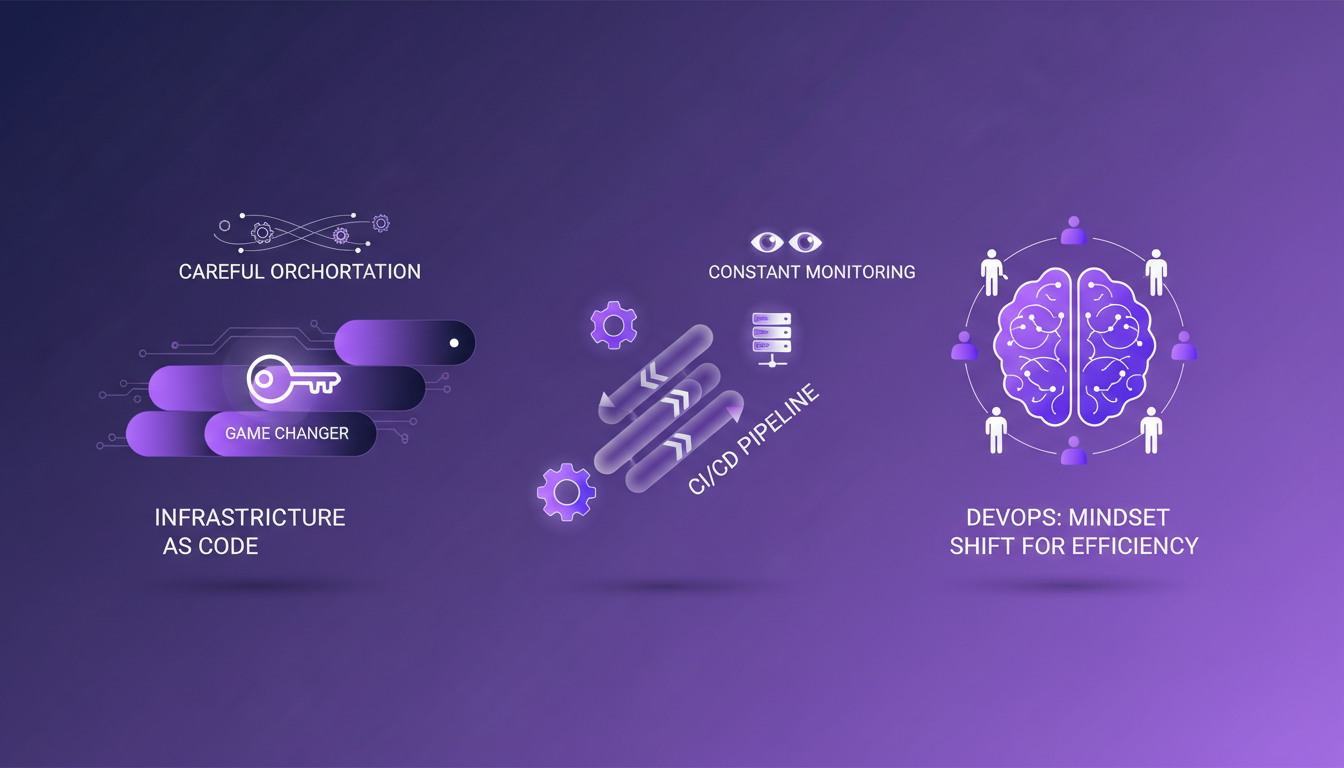
Infrastructure as Code is a game changer, but it requires careful orchestration. CI/CD pipelines streamline deployments, but need constant monitoring. DevOps isn't just a toolset; it's a mindset shift for efficiency. But watch out, infrastructure automation has its pitfalls. Context is key. I've seen projects collapse because the infrastructure wasn't well-suited to its specific needs.
Pragmatism and Context in Software Development
Pragmatism means choosing the right tool for the job, not necessarily the trendiest. Understanding context helps avoid over-engineering solutions. Microservices offer flexibility but come with orchestration challenges. It's crucial to balance innovation with practicality to efficiently meet project goals. I recall a project where we over-innovated, losing track of the initial need.
Communication and Persuasion in Tech Environments
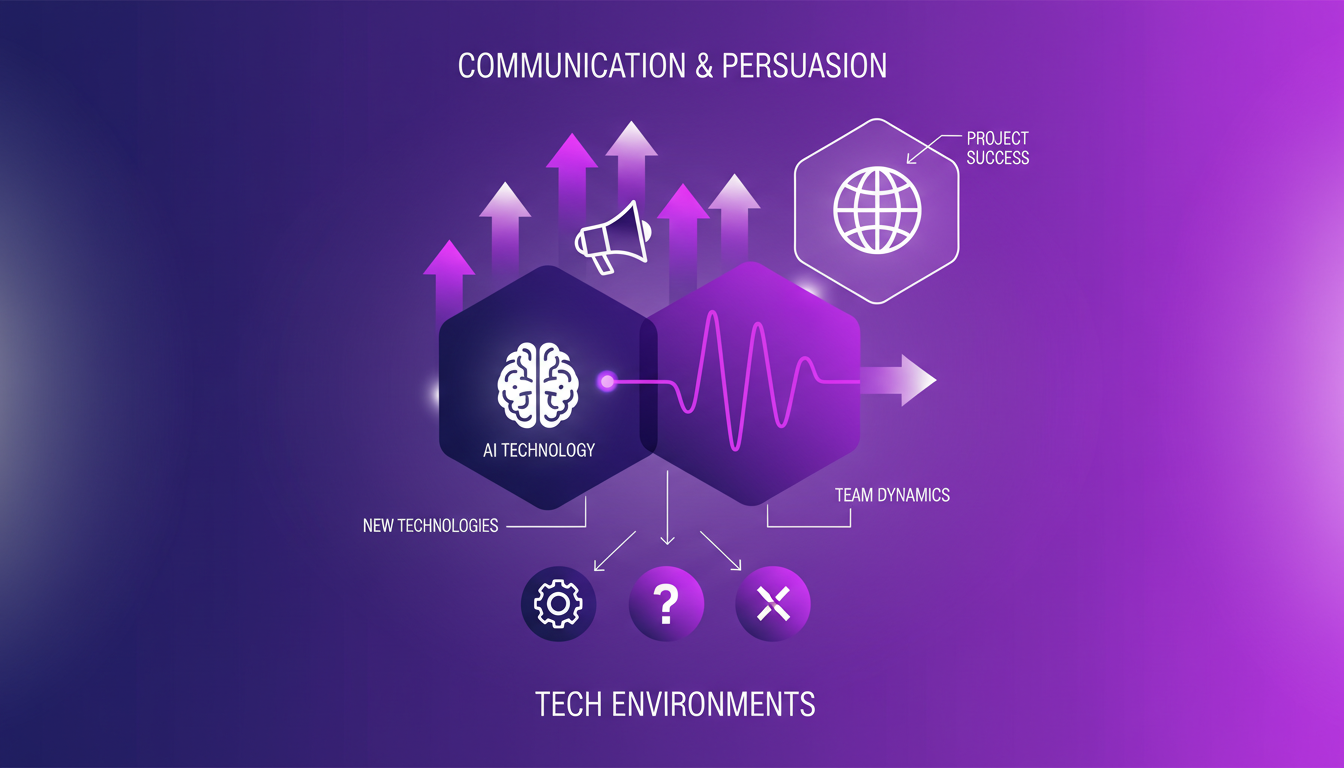
Effective communication can make or break project success. Persuasion skills are crucial when proposing new technologies. Understanding your team's dynamics is essential; not everyone will embrace change. Use data and clear examples to support your arguments. I once had to convince an entire team of the importance of observability, and it was no easy task.
- Mastery and control of your projects for greater efficiency.
- Continuous learning driven by real requirements.
- Infrastructure as Code: beware of orchestration.
- Pragmatism and choosing tools suited to the context.
- Communication and persuasion in team management.
In conclusion, mastery in software engineering is a continuous journey. It relies on learning from real projects, understanding tools and contexts, and effective communication. As Joris Kuipers said, "It's through real requirements that learning occurs." So, don't wait, dive into daily challenges and build your own mastery.
Transitioning from a junior developer to an architect is like scaling a mountain that keeps changing shape. I've learned that focusing on real project requirements and mastering integration is key to orchestrating complex systems effectively. And don't underestimate communication skills – they often bridge the gap between wild innovation and practicality.
- Stay curious: Continuous learning is your greatest asset.
- Listening to project needs first is crucial to avoid getting lost in technical details.
- Knowing your code inside out makes reading and interpreting entire systems easier.
In eight years in the industry, I've seen how a good balance between innovation and pragmatism can transform a team. But watch out, not everyone is always ready to embrace change (like those three teammates reluctant to introduce new middleware).
Ready to take the next step in your software engineering career? Start applying these principles today and watch your skills transform. For a deeper dive into the topic, check out the full video "How to Master Software Engineering (From Junior to Architect)" on YouTube. It might just be a game changer.
Frequently Asked Questions

Thibault Le Balier
Co-fondateur & CTO
Coming from the tech startup ecosystem, Thibault has developed expertise in AI solution architecture that he now puts at the service of large companies (Atos, BNP Paribas, beta.gouv). He works on two axes: mastering AI deployments (local LLMs, MCP security) and optimizing inference costs (offloading, compression, token management).
Related Articles
Discover more articles on similar topics
Generating €120K/Month with Influencer SaaS
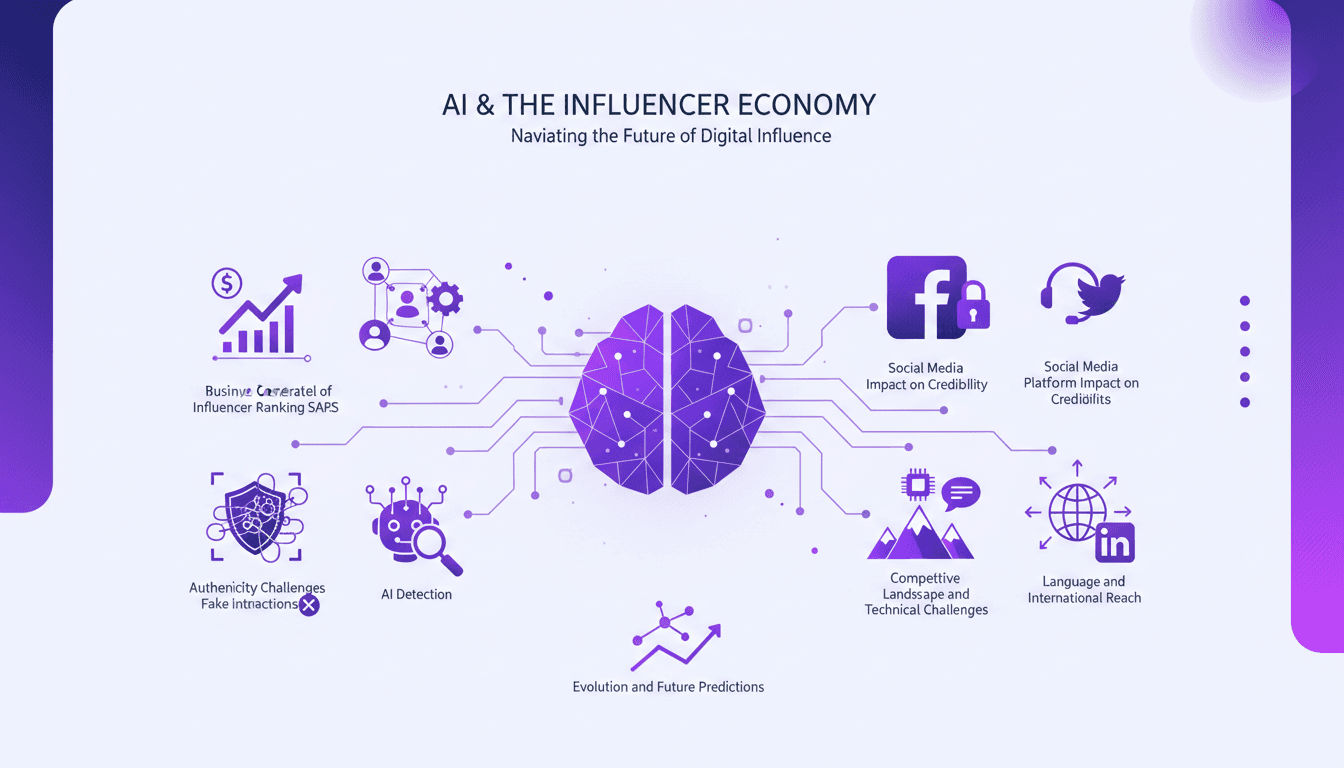
I started with an idea and a laptop, and now my SaaS is pulling in €120K a month. I built an influencer ranking platform that cuts through the noise of fake engagements and delivers real value. In today's influencer marketing landscape, authenticity is king. But with fake interactions rampant, how do you build a tool that truly ranks influencers by their real impact? Here's how I tackled this challenge using AI, PLG, and a relentless focus on authenticity.
Unlock Productivity: Daily Habits and Key Tools
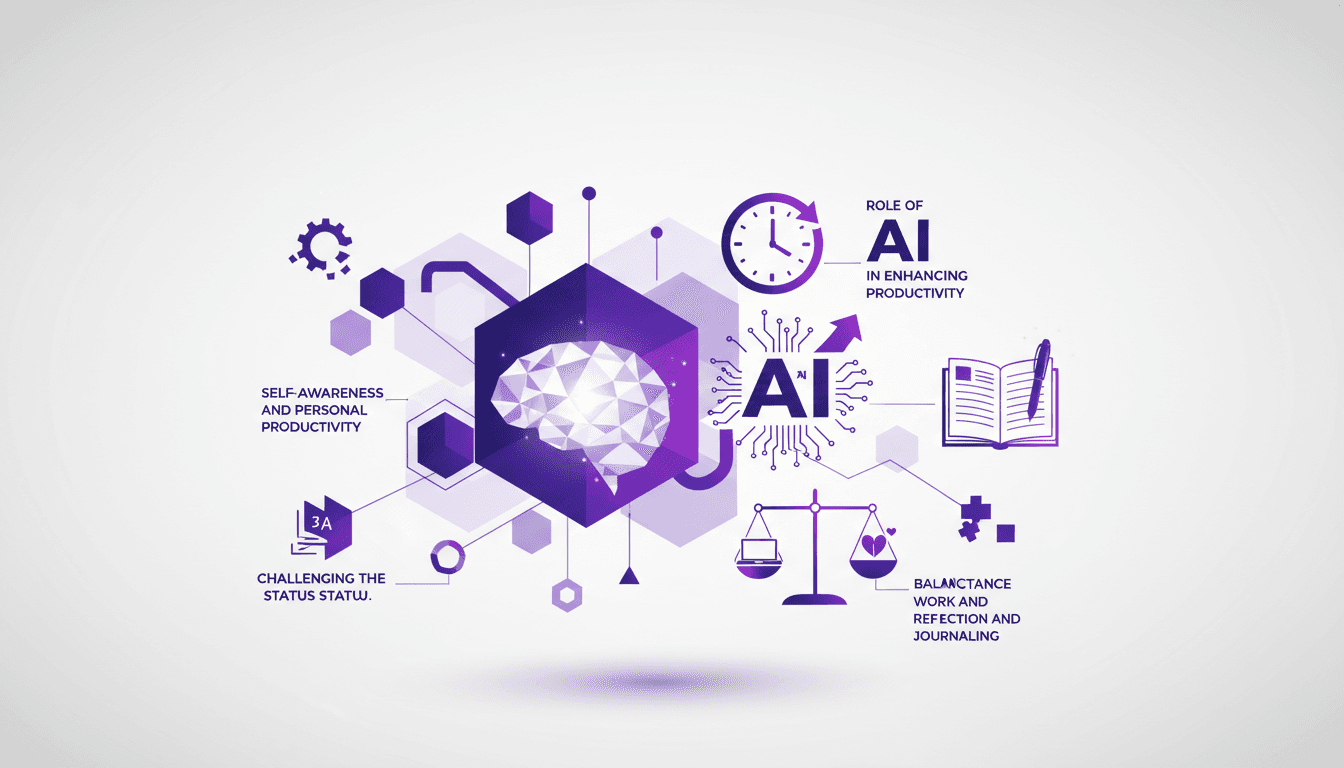
I started experimenting with productivity tools out of necessity. Eight-hour meetings were draining me, and my workflows felt outdated. So, I set up a Zettelkasten system and dove into 'Getting Things Done'. Here's how I transformed my daily grind into a streamlined machine. In this article, I’ll walk you through my journey of challenging workflows, leveraging AI, and balancing work with personal life. These aren't just theories; they're tested strategies that led to real productivity gains.
Integrating Search Everywhere: A Builder's Guide
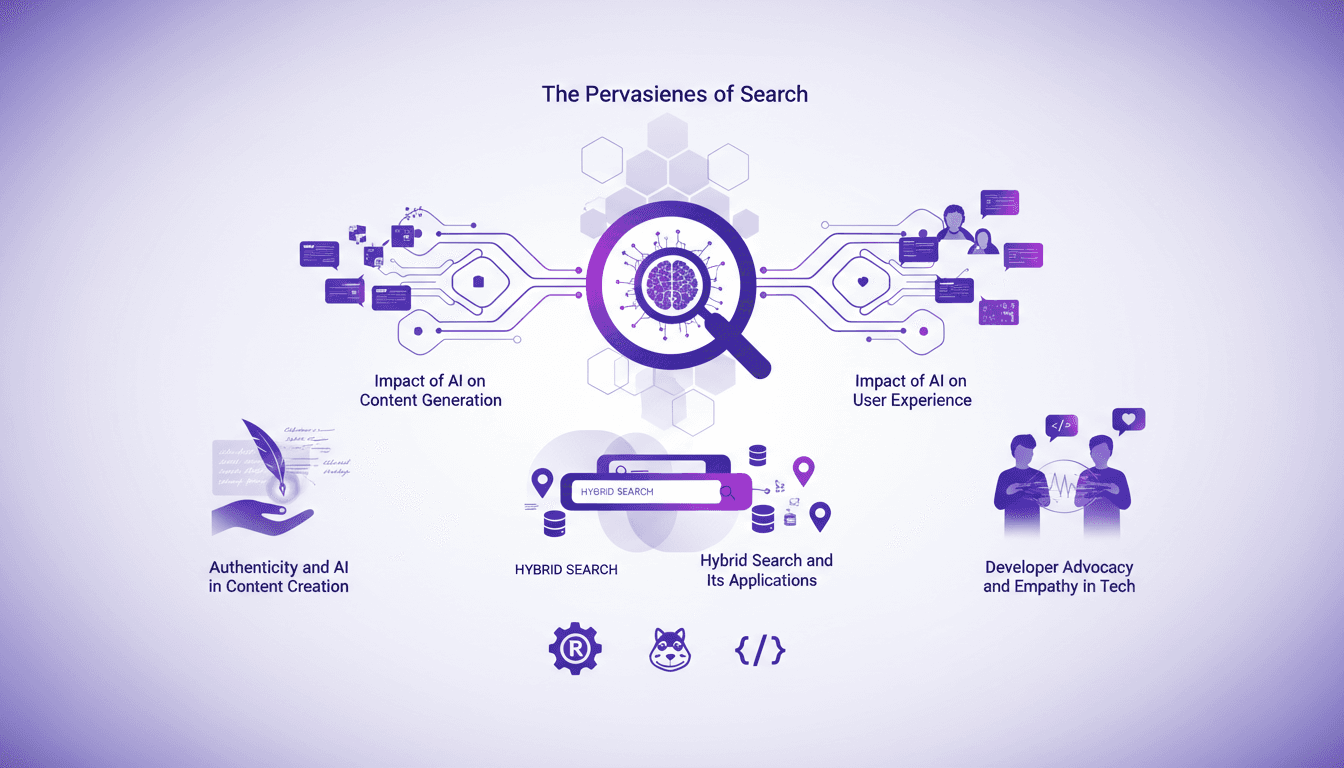
I've been building tech solutions for years, and if there's one thing I've learned, it's that search is everywhere. Whether you realize it or not, every app, every platform, every piece of tech you touch has some form of search baked in. And it's not just about finding stuff; it's about enhancing the user experience. In this article, I share my insights on integrating search into your projects, the trade-offs to watch out for, and how to leverage programming languages like Rust, Go, and JavaScript to optimize your solutions. Hybrid search, authenticity in AI content creation, and empathy in tech are key themes here. Get ready to see search from a new perspective.
VEED Ships AI Features Fast and Effectively
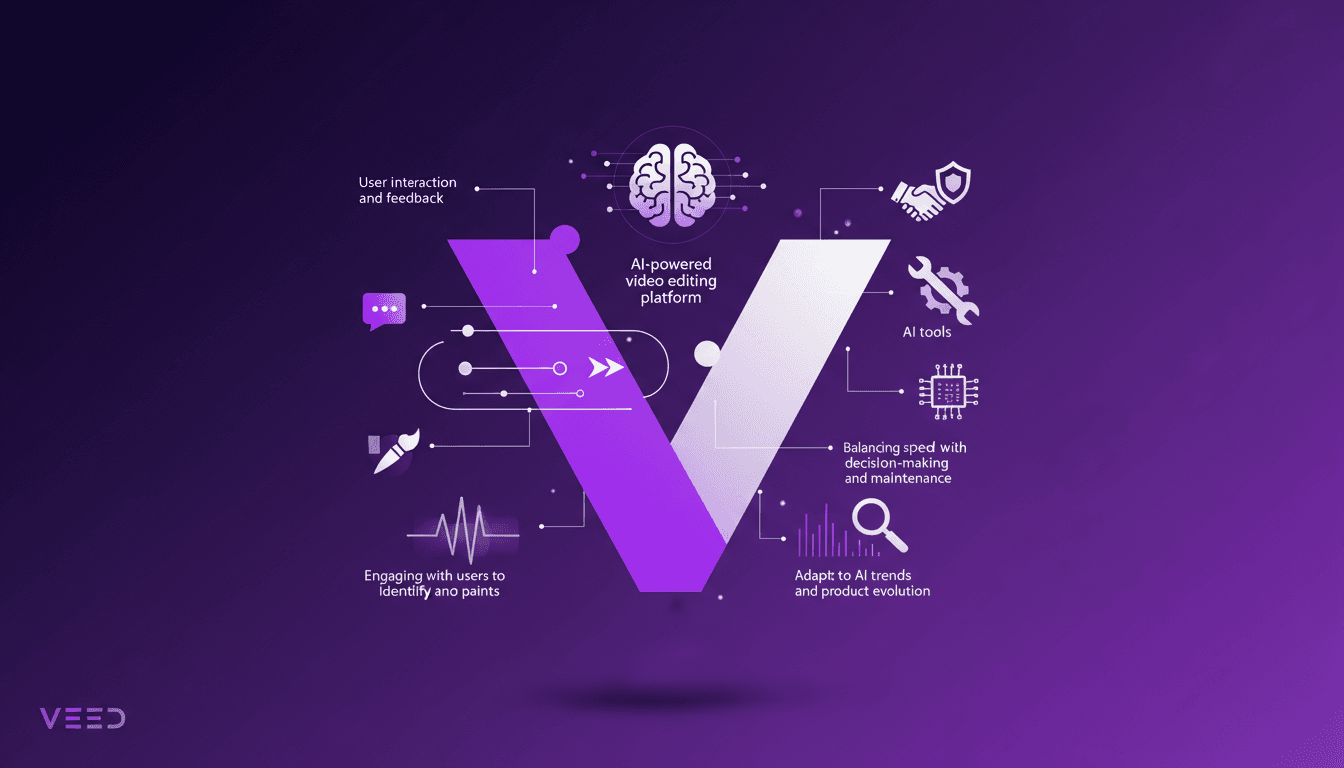
When I first joined VEED, I was blown away by how quickly we could iterate on AI features. It's not just about deploying fast; it's about making sure those features actually work for users. Let me walk you through our approach. VEED, the largest browser-based AI video editing platform, aims to deliver tools that genuinely enhance user experience. In this article, I share our workflow: how we ship AI features fast that resonate with our users without overcomplicating things. We focus on user interaction, identifying pain points, and balancing speed with creativity and maintenance. It's a delicate dance between following AI trends and evolving the product.
Rapid Growth Strategies: Limova.ai Hits 1 Million
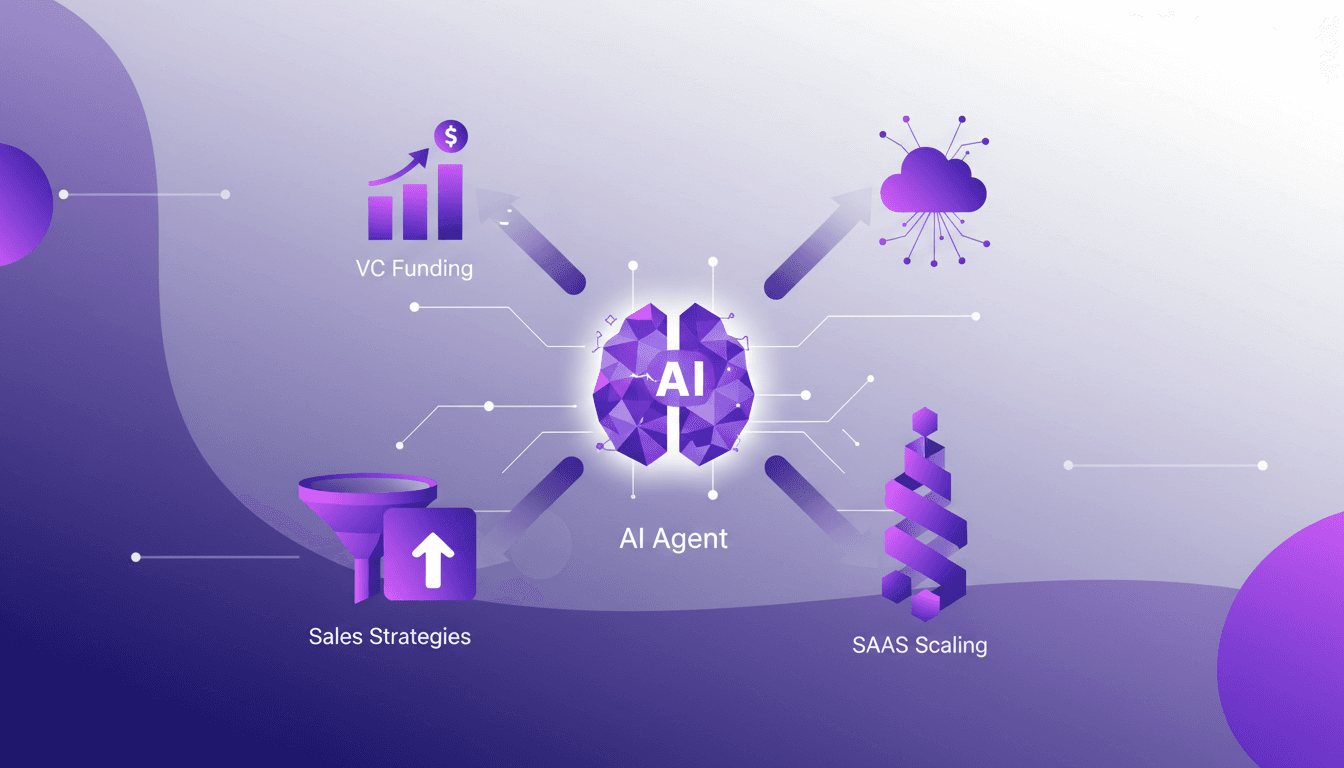
I remember the day Limova.ai hit that magical one million euro mark per month. It wasn't just a stroke of luck; it was the result of calculated strategy, clever use of AI agents, and deep market understanding. In this episode, I walk you through how we orchestrated this phenomenal growth. From sales strategies to media appearances, every move was made to maximize impact. And of course, AI agents played a crucial role in our operations. But watch out, rapid growth isn't without its challenges, and here I share the mistakes to avoid. If you're in the midst of scaling your business, these insights could be the game changer you've been waiting for.