Integrating Search Everywhere: A Builder's Guide
I've been building tech solutions for years, and if there's one thing I've learned, it's that search is everywhere. Whether you realize it or not, every app, every platform, every piece of tech you touch has some form of search baked in. And it's not just about finding stuff; it's about enhancing the user experience. In this article, I share my insights on integrating search into your projects, the trade-offs to watch out for, and how to leverage programming languages like Rust, Go, and JavaScript to optimize your solutions. Hybrid search, authenticity in AI content creation, and empathy in tech are key themes here. Get ready to see search from a new perspective.
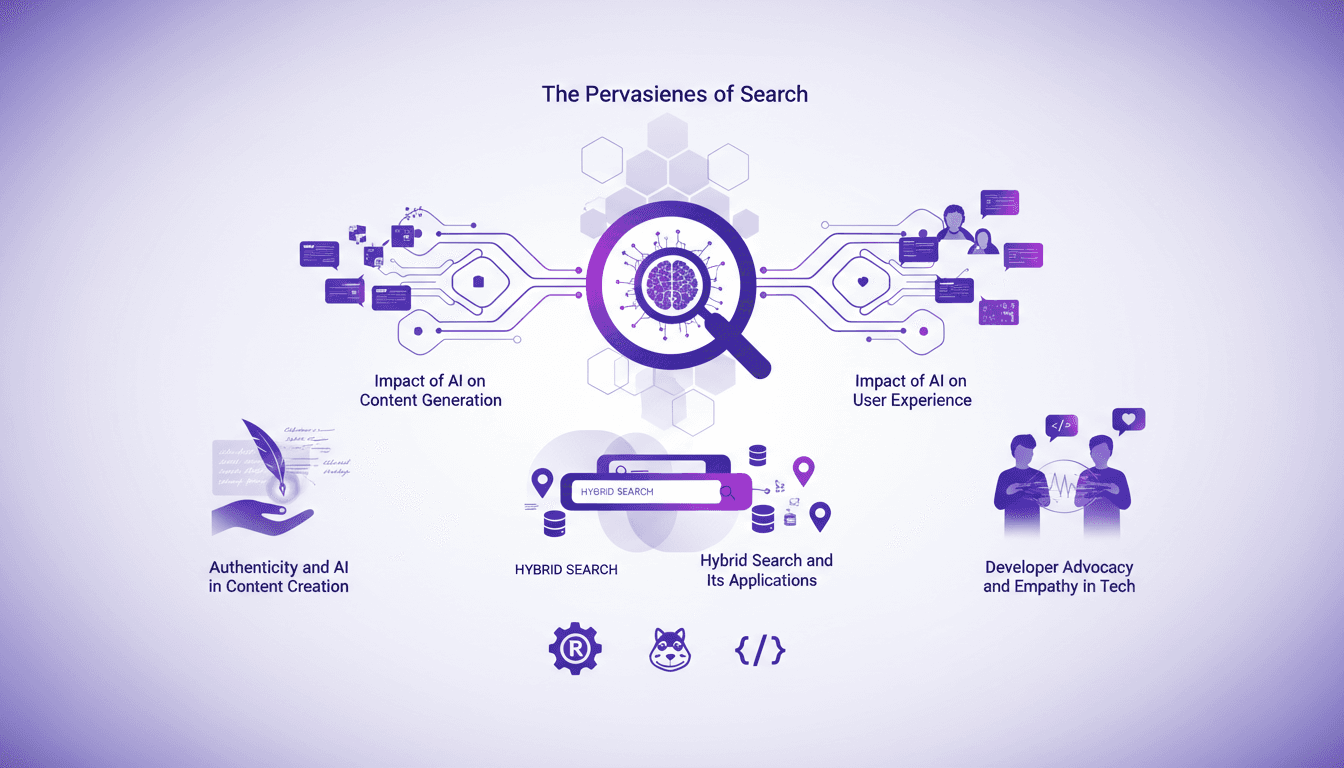
I've been building tech solutions for years, and if there's one thing I've learned, it's that search is everywhere. Every time I dive into a project—be it a mobile app or a web platform—I realize just how critical search is, not just for finding information, but for enhancing user experience. Every time I connect a service or steer a strategy, I consider the impact of well-integrated search. In this article, I'm sharing my experiences on integrating search into your projects, the pitfalls to avoid (trust me, I've been burned before), and how to leverage languages like Rust, Go, and JavaScript to optimize your solutions. We'll also dive into hybrid search, authenticity in AI content creation, and empathy in development. Buckle up, because search is about to transform how you build.
The Evolution of Search and User Experience
In the realm of development, search is no longer just a feature; it's a fundamental part of the user experience. I see it in every project I handle, whether developing an e-commerce platform or using recommendation systems. For instance, on Amazon, 100% of user interactions are shaped by search. Why? Because search has evolved far beyond simple text queries. Today, with AI and complex models, it allows a contextual understanding of user intent. But watch out, don't overcomplicate search features. Sometimes, simplicity is the key to success.
Search technologies have allowed for drastic improvements in user satisfaction and engagement. But you have to be cautious: an overly complex search can confuse users more than it helps them. It's a lesson I learned while developing search engines for client sites. Too many filters or parameters can quickly turn a useful tool into a usability nightmare.
Understanding and Implementing Hybrid Search
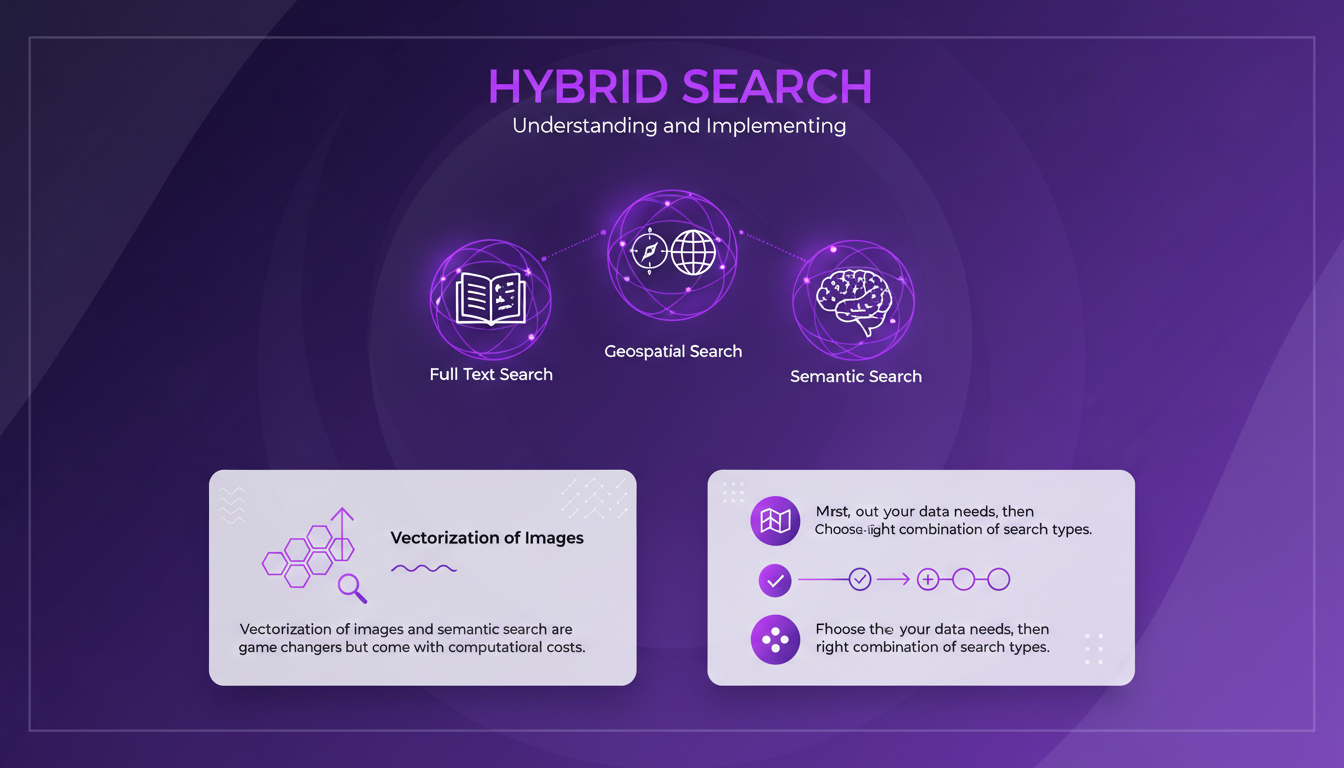
Hybrid search is a fascinating concept that combines full text, geospatial, and semantic search. It's a real game changer in how we structure data and meet user needs. But beware, vectorization of images and semantic search, while revolutionary, come with significant computational costs. I always start by mapping out my data needs, then choose the right combination of search types. That's what I did during a project for a logistics company where geospatial precision was crucial.
Hybrid search can be extremely powerful, but don't overuse it where basic search suffices. I've seen projects get bogged down by unnecessary complexity. Keep it lean and focused. In the end, efficiency is often more valuable than exhaustiveness.
Key takeaways:
- Map out needs before choosing the type of search.
- Avoid unnecessary complexity.
- Tailor search tools to the real needs of the user.
AI in Content Generation: Balancing Authenticity
AI can generate content quickly, but maintaining authenticity is crucial. In my agency, I've found that AI should enhance, not replace, human creativity. First, define your content goals; then integrate AI tools to support those goals. I got burned by relying too heavily on AI in a blog publishing project. The human touch remains important.
Cost and efficiency are important, but not at the expense of authenticity. It's a lesson I learned the hard way when I had to rewrite content that had lost all human substance.
Key takeaways:
- Define content goals before using AI.
- Ensure a human touch to maintain authenticity.
- Balance cost and authenticity.
Choosing the Right Language: Rust vs Go vs JavaScript
Choosing a programming language is crucial, and each language has its strengths. Rust for performance, Go for simplicity, and JavaScript for flexibility. I always start by assessing project needs before selecting the language that aligns with them. In a recent project, I chose Go for its simplicity and speed in backend services, whereas Rust would have been overkill for a web app.
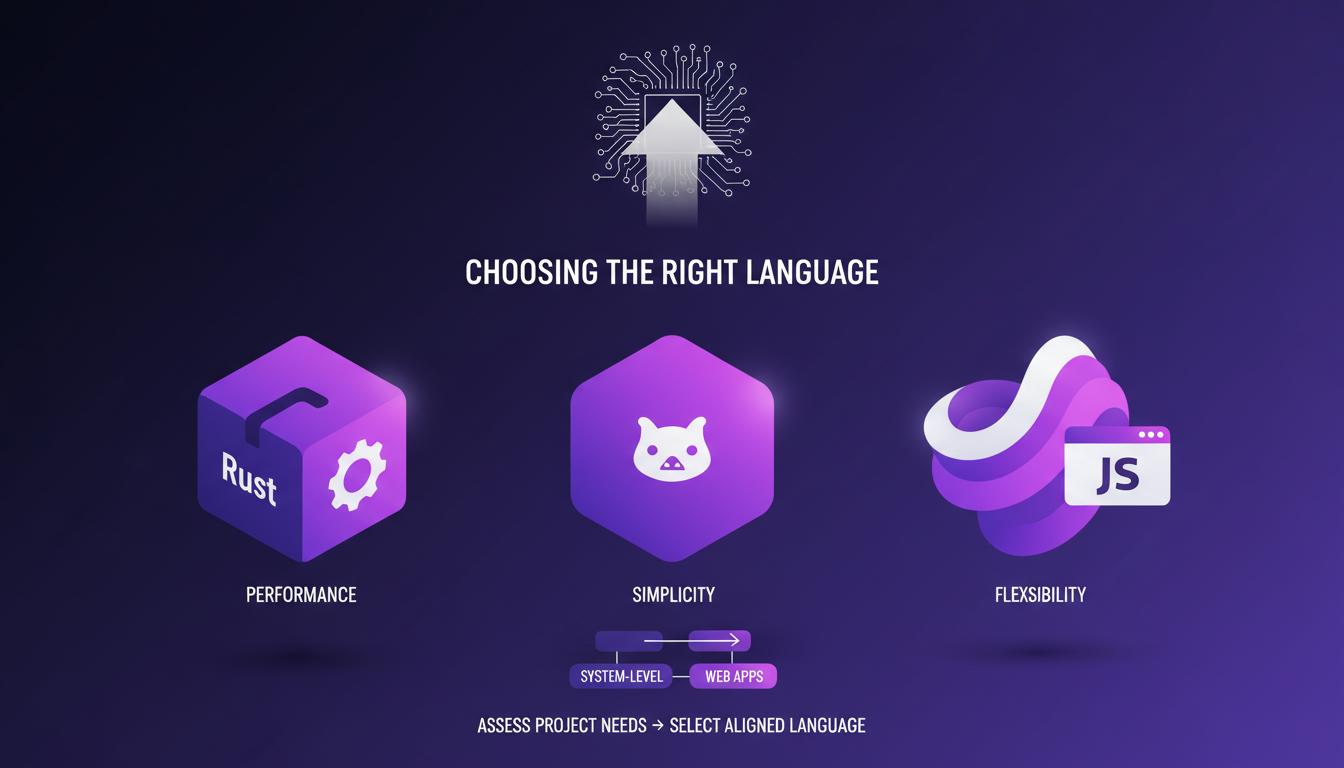
JavaScript remains the king of the web, but watch out for its quirks. Sometimes, good old JavaScript is the most flexible solution, especially for client-side interactivity. But don't get caught in its well-known traps.
Key takeaways:
- Assess project needs before choosing a language.
- Go for simplicity and speed.
- JavaScript for web flexibility, but watch out for pitfalls.
Developer Advocacy and Empathy in Tech
Developer advocacy is about balancing technical depth with user empathy. Empathy in tech leads to better user-centric solutions. I always start by listening to my users; then, I tailor my solutions to meet their needs. I've learned that empathy can't be automated; it's a crucial human skill.
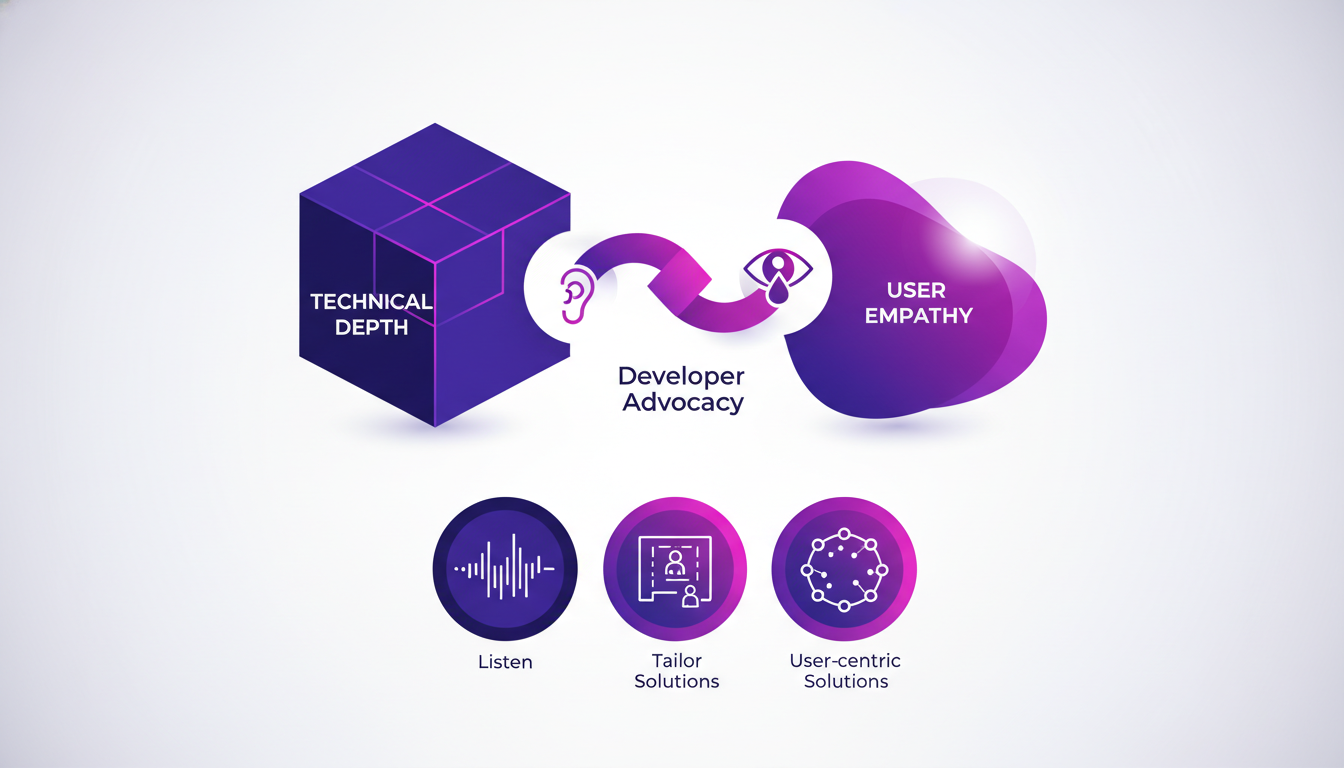
Advocacy involves continuous learning and adapting to new tech trends. It's something I practice daily, always seeking to improve user experience.
Key takeaways:
- Listen to users to create tailored solutions.
- Empathy is a key human skill, not automatable.
- Continuous learning and adaptation are essential.
So, search is more than just a tool; it's a cornerstone of modern tech. First, I got a personal update from the Rust community, which opened my eyes to the five places where search is actually embedded. Then, integrating AI into content creation is a game changer, but let's be clear, it should never replace the human touch. And don't forget about hybrid search models—they offer great flexibility, but choosing the right tech—Rust, Go, JavaScript—each has its strengths and limitations.
I'd recommend thinking about how you can integrate smarter search into your next project. Start small, iterate, and watch the impact on user experience. For a deeper dive, check out Pratim Bohsale's full video. It's really useful for understanding how search is in everything we build. YouTube link
Frequently Asked Questions

Thibault Le Balier
Co-fondateur & CTO
Coming from the tech startup ecosystem, Thibault has developed expertise in AI solution architecture that he now puts at the service of large companies (Atos, BNP Paribas, beta.gouv). He works on two axes: mastering AI deployments (local LLMs, MCP security) and optimizing inference costs (offloading, compression, token management).
Related Articles
Discover more articles on similar topics
VEED Ships AI Features Fast and Effectively
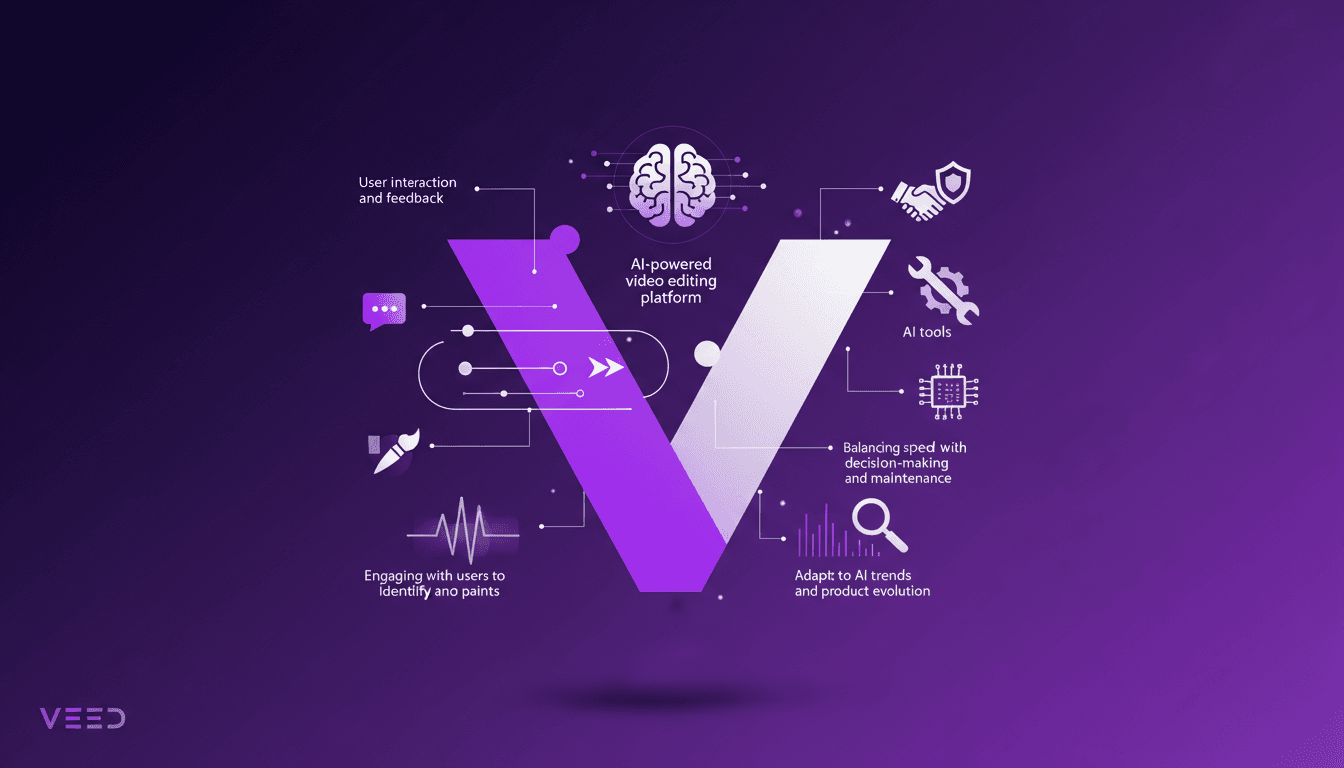
When I first joined VEED, I was blown away by how quickly we could iterate on AI features. It's not just about deploying fast; it's about making sure those features actually work for users. Let me walk you through our approach. VEED, the largest browser-based AI video editing platform, aims to deliver tools that genuinely enhance user experience. In this article, I share our workflow: how we ship AI features fast that resonate with our users without overcomplicating things. We focus on user interaction, identifying pain points, and balancing speed with creativity and maintenance. It's a delicate dance between following AI trends and evolving the product.

Rapid Growth Strategies: Limova.ai Hits 1 Million
I remember the day Limova.ai hit that magical one million euro mark per month. It wasn't just a stroke of luck; it was the result of calculated strategy, clever use of AI agents, and deep market understanding. In this episode, I walk you through how we orchestrated this phenomenal growth. From sales strategies to media appearances, every move was made to maximize impact. And of course, AI agents played a crucial role in our operations. But watch out, rapid growth isn't without its challenges, and here I share the mistakes to avoid. If you're in the midst of scaling your business, these insights could be the game changer you've been waiting for.

Building a Successful SaaS with Twitter
I kicked off with a simple idea on Twitter and turned it into a $10K/month SaaS business. Building in public isn't just a catchphrase—it's a strategy that works. Let me show you how I orchestrated this transformation, from tools used to viral content tactics, overcoming challenges, and monetization strategies. If you've ever wondered how to leverage Twitter for building a thriving business, stay with me. I break it all down, step by step, including the importance of vulnerability and authenticity. Remember: never underestimate what the platform wants—that's the key to success.

Building a SaaS on Twitter: My Journey to $10K/Month
I started with a simple idea and a Twitter account. Fast forward, I'm pulling in $10K a month. How? By building a SaaS in public with SuperX. Every tweet, every mistake, every breakthrough was a lesson. Building on Twitter isn’t just about coding; it’s about crafting a community, being transparent, and having a smart strategy. I’m sharing my journey, the challenges I faced, and the tools that turned my vision into reality. This is a creation journey where authenticity and vulnerability are your best allies. Ready to find out how?

Validate Your App Idea Using Viral Content
I remember the first time I thought I had a million-dollar app idea. I was ready to dive headfirst into development. But then, I discovered a smarter way: validating the idea with viral content. With Push School, I used this approach to hit $30K in monthly revenue without writing a single line of code. Let me walk you through how I orchestrated this, leveraging viral content and strategic distribution to ensure success. In this article, we'll explore how to validate an app idea, Push School's business model, and why distribution is crucial even before you think of an MVP.