Why We Donated MCP to Linux
I was knee-deep in code when the idea hit me—what if we made the Model Context Protocol open-source? It wasn't just about sharing; it was about community and innovation. Donating the MCP to the Linux Foundation was our way of pushing boundaries and inviting others to join the journey. The technical challenges were many: security, context bloat, but that’s what makes the project exciting. The Agentic AI Foundation plays a crucial role in MCP's adoption and impact within the AI community. Our decision wasn't just a donation; it was an invitation to innovate together. Now, let's dive into the details.
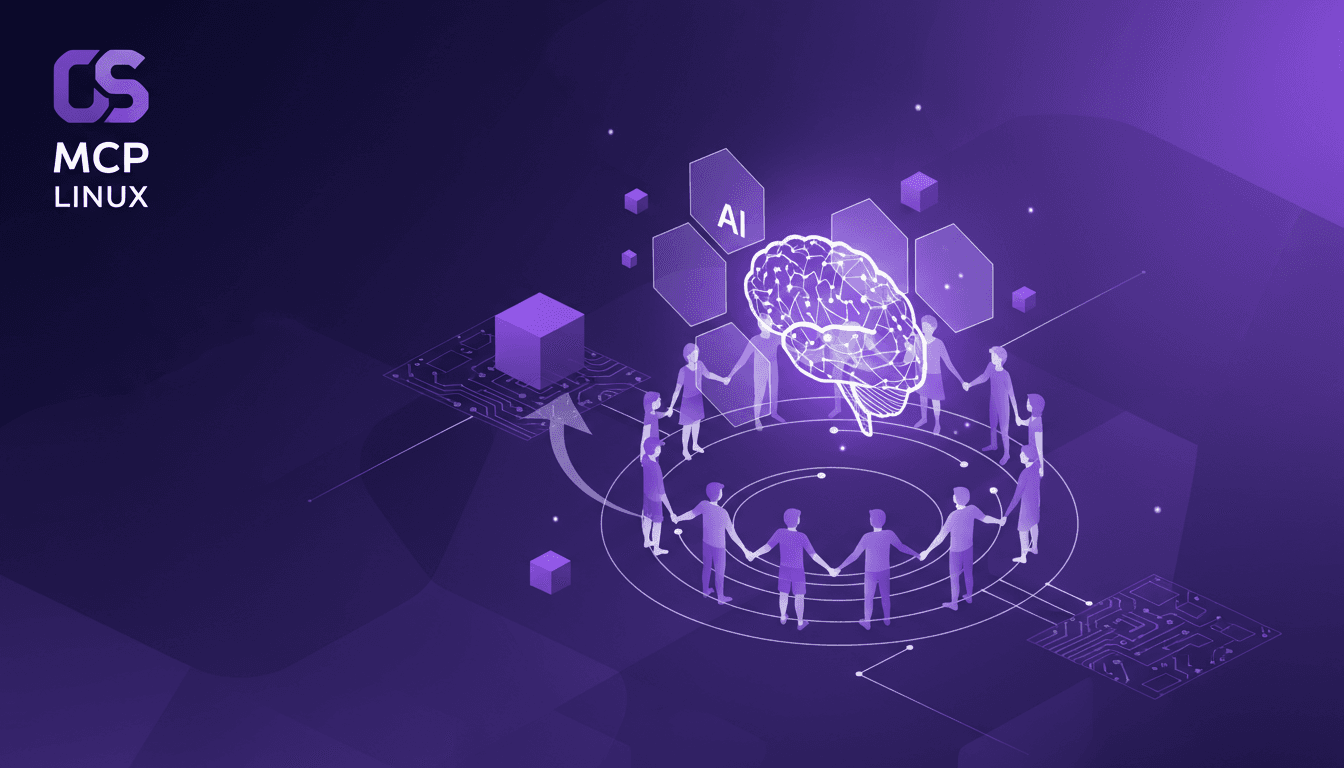
I was knee-deep in code when the idea hit me—what if we made the Model Context Protocol open-source? It wasn't just about sharing; it was about community and innovation. As a developer, I know that in the world of AI, collaboration is key. So when the opportunity arose, I orchestrated the donation of MCP to the Linux Foundation to push boundaries and invite others to join the journey. Of course, there were technical challenges: security, context bloat, but that’s also what makes the project exciting. The role of the Agentic AI Foundation is crucial for MCP's adoption and impact within the AI community. Our decision to open MCP wasn't just a donation; it was an invitation to innovate together. Now, let's dive into the details.
From Ownership to Open Source: The Journey
When I first engaged with the Model Context Protocol (MCP), it was very much under Anthropic's control. Yes, all the trademarks, even parts of the code, were theirs. But last November, just before the holiday season, we decided to open it up to the world. A strategic decision, obviously, but more importantly, a move to bolster collaboration and innovation. The idea for MCP sprouted in late August the previous year, and from the get-go, we knew hackathons would be pivotal. They were our idea lab, a space where every contribution mattered. Imagine, by October, we witnessed massive adoption thanks to these internal events. It was like watching your baby take its first steps.
Overcoming Technical Challenges in MCP
The technical challenges with MCP were significant. Security issues and context bloat topped the list. Prompt injection, for example, was a real headache. How did we tackle it? By designing a stateful protocol that manages context more efficiently. But watch out, there's always a delicate balance between security and usability. A protocol that's too rigid can stifle user creativity. That's why we had to juggle these parameters, sometimes sacrificing one to enhance the other.
Collaborating with the Linux Foundation
Collaborating with the Linux Foundation and the Agentic AI Foundation was a key step. These partnerships not only strengthened the project but also opened doors to invaluable community collaboration. With open-source standards, AI development becomes a collective effort. I learned that community feedback is essential. It drives innovation, and often, the simplest ideas have the most significant impact. It's a lesson I won't forget.
Future Plans and Innovations for MCP
So, what does the future hold for MCP? Our next steps include features that emphasize scalability and efficiency. Imagine a world where AI context management is not only seamless but also intuitive. Innovation is at the heart of our concerns, and the community drives our roadmap. Every feedback, every idea shapes what MCP will become. It's a collective journey, and I can't wait to see where it leads us.
Adoption and Impact in the AI Community
The adoption of MCP across different AI platforms has been phenomenal. The business implications are enormous. But it's not just about adopting a new technology. It's about balancing innovation with practical deployment. With each iteration, we create feedback loops that ensure continuous improvement. The real impact? A protocol that not only works but transforms how we interact with AI.
By donating the Model Context Protocol (MCP) to the Linux Foundation, I committed to fostering a true culture of collaboration and innovation in AI. It's more than a technical decision; it's a shared vision. Here's what I took away:
- First, open-sourcing MCP was a real challenge, especially with security and context bloat issues. But it paves the way for more robust solutions.
- Then, donating means we no longer hold the trademarks and some of the code. This frees MCP for greater innovation in the community.
- Finally, the timing, just before the holidays, was strategic to maximize the impact of our announcement.
Looking ahead, the possibilities for improvement are vast, but watch out for the ongoing technical challenges. I invite you to join our collective effort to shape the future of AI. Share your insights and contribute to the MCP project. For a deeper understanding, I recommend watching the full video "Why we built—and donated—the Model Context Protocol (MCP)" on YouTube. It's an opportunity to dive into the technical and strategic details of this initiative.
Frequently Asked Questions

Thibault Le Balier
Co-fondateur & CTO
Coming from the tech startup ecosystem, Thibault has developed expertise in AI solution architecture that he now puts at the service of large companies (Atos, BNP Paribas, beta.gouv). He works on two axes: mastering AI deployments (local LLMs, MCP security) and optimizing inference costs (offloading, compression, token management).
Related Articles
Discover more articles on similar topics
Understanding the AI Bubble: Economic Implications
Artificial intelligence has transformed our lives. But are we on the brink of stabilization or witnessing a looming economic bubble? In this article, we delve into the AI economy, shifting model preferences, and potential economic impacts. From infrastructure companies to new AI applications, we explore emerging trends and their effects on startups and innovation. What are the technical challenges ahead? Most importantly, what does the future hold for AI development? Dive into this compelling analysis with us.

Chasing Hard Problems in Innovation
In the fast-paced world of technology, the greatest innovations often arise from tackling daunting challenges. Are you ready to chase those hard problems? This article delves into the art of pursuing technically challenging ideas. It highlights how courage and sharp skills are essential for innovation. Avoid isolation: discover the vital importance of customer feedback in refining your products. Learn to balance product readiness with customer interaction. Read on to understand how the brightest minds of our time chase hard problems to shape the future.
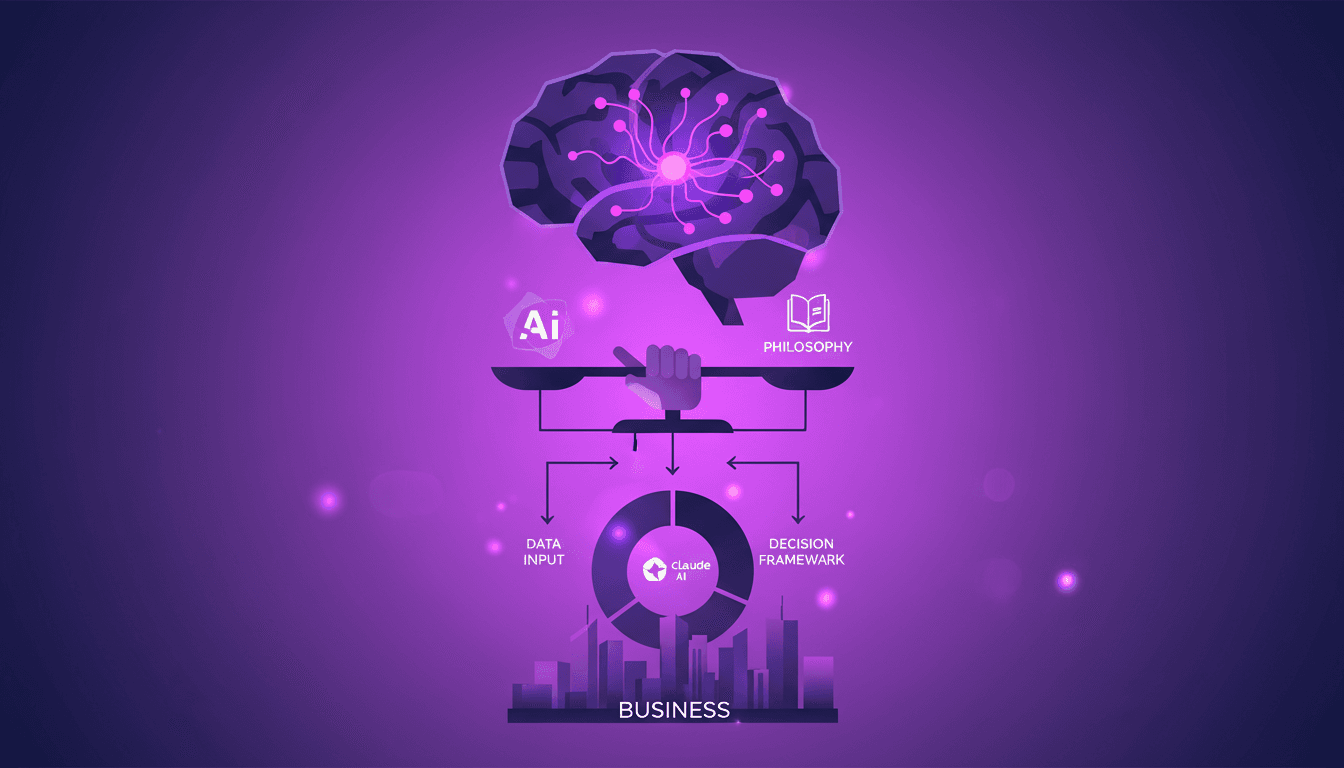
Claude: Philosophy and Ethics in AI
I joined Anthropic not just as a philosopher, but as a builder of ethical AI. First, I had to grasp the character of Claude, the AI model I’d be shaping. This journey isn't just about coding—it's about embedding ethical nuance into AI decision-making. In the rapidly evolving world of AI, ensuring that models like Claude make ethically sound decisions is crucial. This isn't theoretical; it's about practical applications of philosophy in AI. We tackle the character of Claude, nuanced questions about AI behavior, and how to teach AI ethical behavior. As practitioners, I share with you the challenges and aspirations of AI ethics.
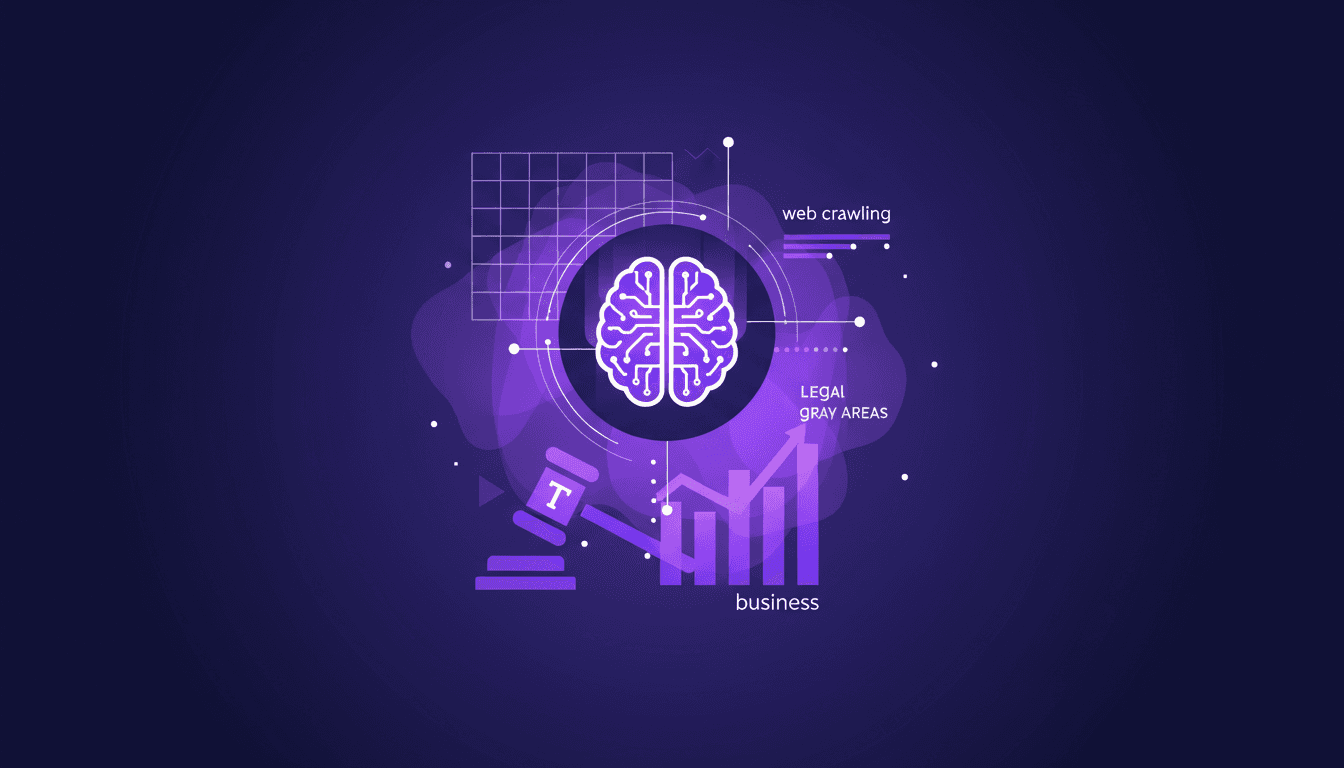
Startup Ideas: Legal Gray Areas & Opportunities
In a world where tech races ahead, laws lag behind. Startups seize the moment in these legal gray areas. Companies like Lyft and Open AI are rewriting the rules. They drive innovation while sparking legal change. Discover how these trailblazers navigate murky waters. Balancing innovation and legality is tricky. Yet, consumer benefits are undeniable. Dive into the riveting tale of technology versus legislation.

AI Evaluation Framework: A Guide for PMs
Imagine launching an AI product that surpasses all expectations. How do you ensure its success? Enter the AI Evaluation Framework. In the rapidly evolving world of artificial intelligence, product managers face unique challenges in effectively evaluating and integrating AI solutions. This article delves into a comprehensive framework designed to help PMs navigate these complexities. Dive into building AI applications, evaluating models, and integrating AI systems. The crucial role of PMs in development, iterative testing, and human-in-the-loop systems are central to this approach. Ready to revolutionize your product management with AI?