Why Arguing Fails: Effective Communication Tactics
Ever felt like arguing with your partner is like banging your head against a wall? I've been there. I used to think throwing facts at a problem would solve it, but I learned the hard way it's not that simple. Let's break down why arguing often fails and how to communicate more effectively. In relationships, especially romantic ones, communication can make or break the bond. Yet, many of us fall into the trap of arguing without understanding the deeper layers involved. This isn't just about winning an argument but about connecting and understanding.
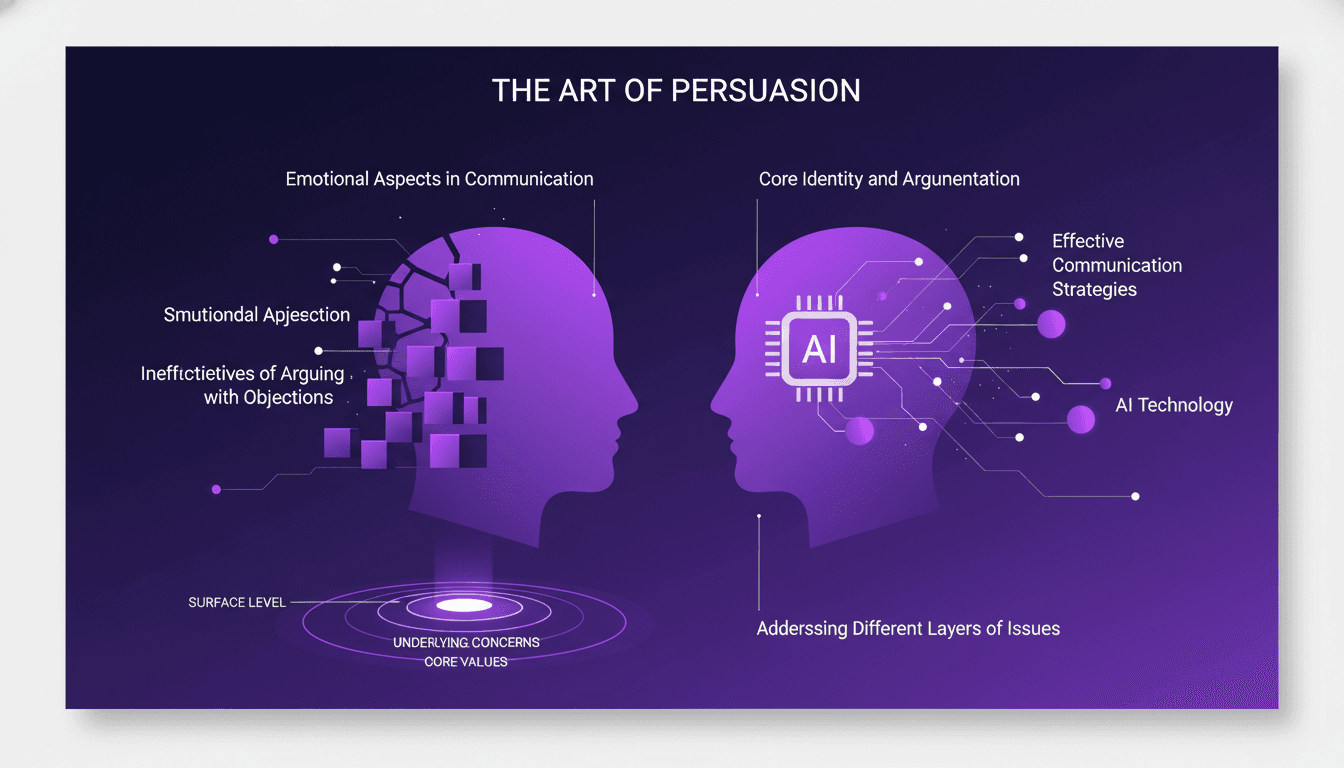
Ever felt like arguing with your partner is like banging your head against a wall? I've been there, and I got burned plenty of times before I understood that throwing facts at a problem doesn't solve it. Arguing often fails because we stop at the surface without delving into the real emotional and identity layers. And here's where it gets tricky: facts alone have limited power. You need to dig deeper, understand the underlying layers (identity, emotions) to really make progress. In this video, I'll walk you through how I navigate these tricky waters. You'll see it's not just about winning, but about better understanding and connecting.
1. Ineffectiveness of Arguing with Objections
When I found myself in a heated debate with a partner, it quickly became clear that arguing with objections often leads nowhere. It's like trying to swim upstream. The objections raised are usually just symptoms, not the root of the problem. I learned this the hard way in a disagreement that spiraled without ever reaching a resolution.
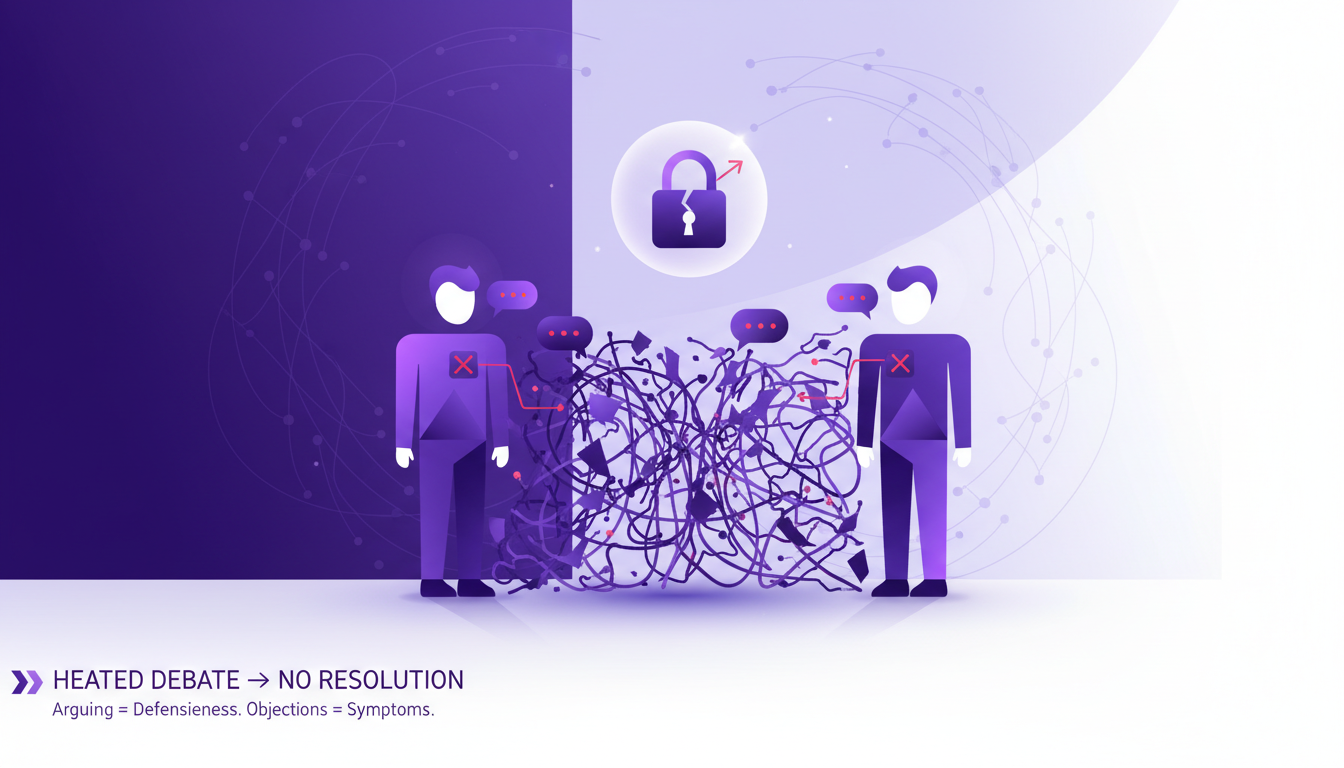
The first step is recognizing that objections are layered. If you fall into the trap of trying to "win" the argument, you lose sight of the main goal: resolving the issue.
- Objections are symptoms, not causes.
- Focusing on winning can lead to defensiveness.
- Avoid getting stuck on a superficial level.
2. Addressing Different Layers of Issues
Issues in arguments are often like an onion, with successive layers. Layer two involves surface-level objections, while layer three digs deeper. To truly progress, I've learned to ask questions that uncover these deeper layers. It's like digging to find the real core of the problem.

Listening for emotional cues, not just words, makes all the difference. Don't stop at the first layer; dig deeper for real solutions.
- Issues are often layered, like an onion.
- Layer two is superficial; layer three is deeper.
- Well-chosen questions can reveal underlying problems.
3. Limitations of Using Facts Alone
Facts are important, but in emotional arguments, they're not the whole story. I've often seen people feel invalidated when met with just facts. A real-world example: in a disagreement, I used facts to back up my point, and it only exacerbated the conflict.
First, you need to acknowledge emotions, then introduce facts. Balancing facts with empathy is crucial to prevent the discussion from spiraling out of control.
- Facts alone aren't sufficient in emotional arguments.
- People can feel invalidated.
- Acknowledge emotions before presenting facts.
4. Emotional Aspects in Communication
Emotions often drive arguments more than logic. Recognizing emotional triggers can prevent escalation. I've learned to pause and assess the emotional undercurrents.
Practical tip: validate emotions before addressing content. Ignoring these emotions can lead to unresolved issues.
- Emotions often fuel debates more than logic.
- Recognizing triggers can prevent escalation.
- Validate emotions before tackling content.
5. Core Identity and Argumentation
Often, underlying arguments are core identity issues. Arguments can threaten a person's sense of self. In practice, addressing identity issues can defuse tension.
First, identify if identity is at play, then proceed with care. Respecting identity leads to more productive discussions.
- Identity issues often underlie arguments.
- Arguments can threaten a person's sense of self.
- Respecting identity leads to more productive discussions.
To learn more about practical techniques for handling objections, check out this article: Practical Techniques for Handling Objections.
When I find myself in a heated discussion, I don't just throw facts around anymore. I've learned to grasp the deeper layers of objections. First, it's crucial to identify the layers of objection (layer two, layer three) to really address the root of the issue. Then, I make sure to acknowledge the emotional aspects because that's often where the real crux lies. Finally, I strive to foster genuine communication, beyond mere factual arguments. It's a real game changer, but be cautious, it requires patience and active listening. Moving forward, I encourage you to try these techniques in your next tough conversation and notice the difference. Share your experiences and let's refine these strategies together. Check out the original video for a deeper understanding: YouTube link.
Frequently Asked Questions

Thibault Le Balier
Co-fondateur & CTO
Coming from the tech startup ecosystem, Thibault has developed expertise in AI solution architecture that he now puts at the service of large companies (Atos, BNP Paribas, beta.gouv). He works on two axes: mastering AI deployments (local LLMs, MCP security) and optimizing inference costs (offloading, compression, token management).
Related Articles
Discover more articles on similar topics

Handling Sales Objections: Practical Techniques
Ever been in a sales meeting where you couldn't quite read the room? I've been there, and here’s how I handle it when objections seem invisible. In sales, recognizing objections—or their absence—is crucial. I'm not talking theory, but real-world scenarios. How can AI lend a hand? I'll share how I uncover hidden motivations through precise questioning and create space for genuine communication. It's not about overusing AI, but integrating it smartly into the sales process. Let’s dive into this tutorial with practical techniques that I use daily to navigate these tricky waters.
How I Became an Actor: My Journey
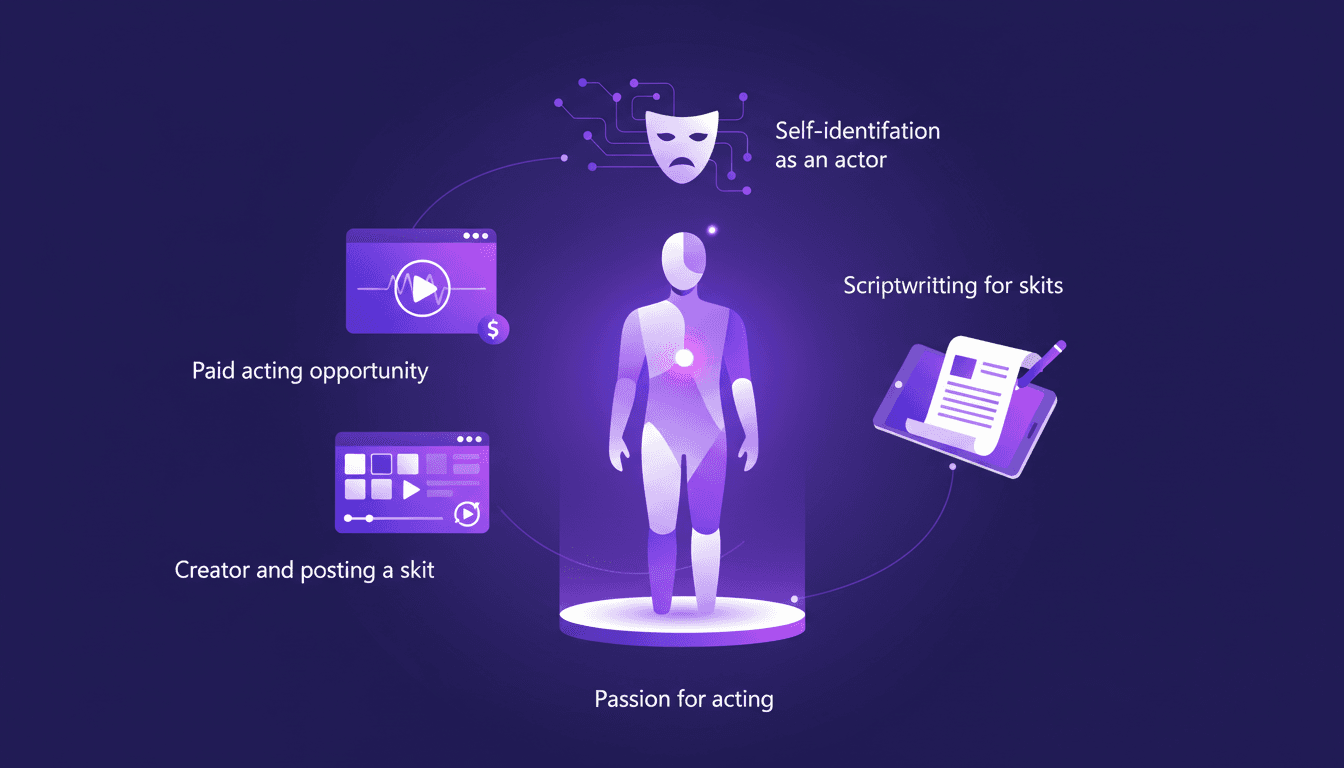
I always knew I had a knack for acting. One day I'm making people laugh, the next I'm crying. But identifying as an actor? That took some encouragement. In this article, I'll take you through how my passion turned into my profession. I'll show you the journey from my first steps to landing a paid role. You'll see how I created and posted my first skit, and I'll share some insights on scriptwriting. If you're thinking of diving in or just looking for inspiration, join me on this adventure. You'll find the path is full of surprises, but also great achievements.
Acquisitions vs. Dispositions: Real Estate Approach
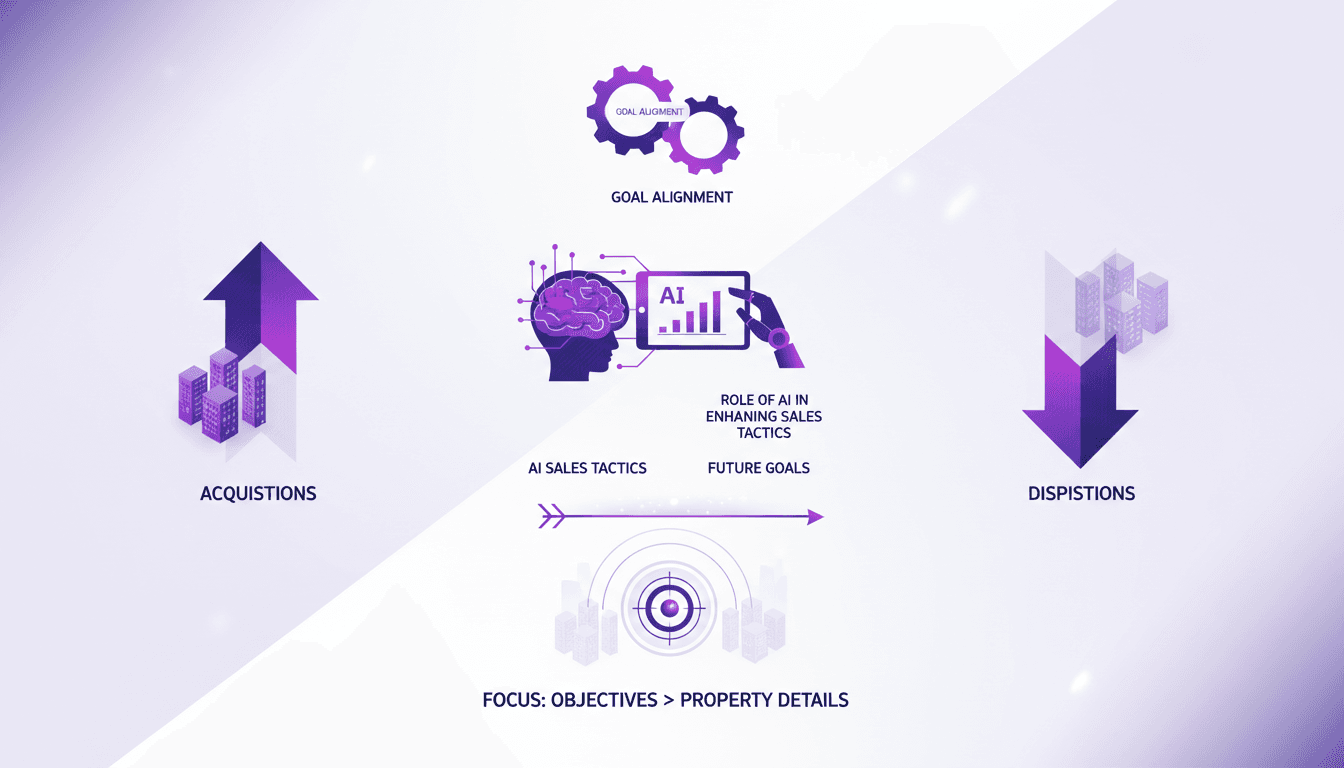
When I first dove into real estate, I thought acquisitions and dispositions were just two sides of the same coin. Rookie mistake. With each deal I closed, I realized just how fundamentally different these two key stages are. Today, I'm taking you through my journey where aligning goals, leveraging AI, and focusing on what truly matters became essential for success. You'll see how in real estate, understanding these nuances can completely transform your strategy. This isn't just theory—it's lived experience. We'll talk about the importance of goal alignment, the role of AI in enhancing sales tactics, and why setting future goals, like those for 2026, is critical. Come along and find out how to avoid the costly mistakes I made.
Influencing Difficult People: Practical Techniques
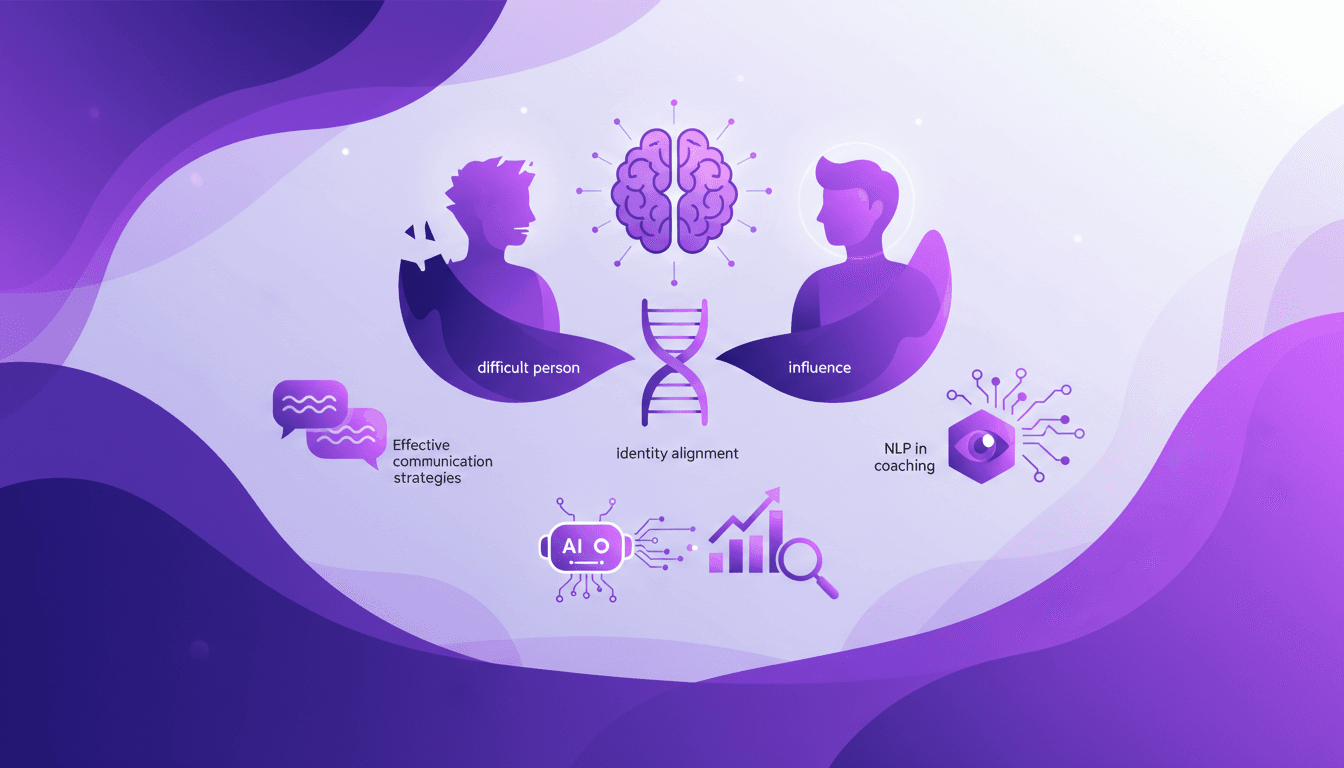
I've been there—staring down a negotiation with someone who just won't budge. It's frustrating, but here's what I've learned: it’s all about aligning their identity with the task at hand. Let me walk you through how I orchestrate this using insights from Tony Robbins and a bit of AI magic. When dealing with difficult people, it often feels like you're speaking different languages. But by aligning actions with identity and leveraging tools like NLP and AI bots, you can turn the tide in your favor.
Rapid Idea Testing with Codex
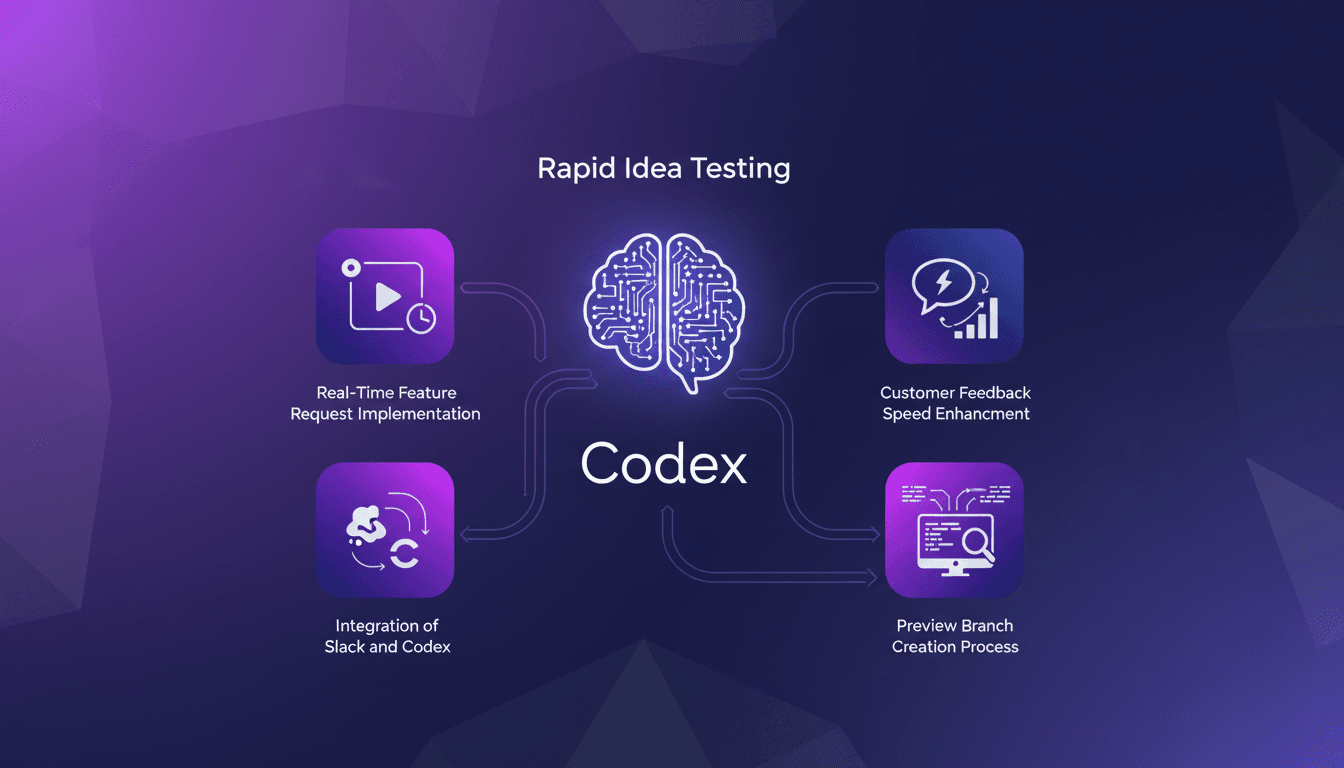
I remember the first time I integrated Codex into our workflow. It was like flipping a switch on our idea testing process. What used to take days could now be done in hours. Codex isn't just a tool; it's a game changer for any team looking to speed up their development cycle. In this article, I'll show you how I orchestrated the integration of Codex with Slack to enhance customer feedback speed and create preview branches in the blink of an eye. Whether it's for rapid idea testing or real-time feature request implementation, Codex has transformed the way we work.