Influencing Difficult People: Practical Techniques
I've been there—staring down a negotiation with someone who just won't budge. It's frustrating, but here's what I've learned: it’s all about aligning their identity with the task at hand. Let me walk you through how I orchestrate this using insights from Tony Robbins and a bit of AI magic. When dealing with difficult people, it often feels like you're speaking different languages. But by aligning actions with identity and leveraging tools like NLP and AI bots, you can turn the tide in your favor.
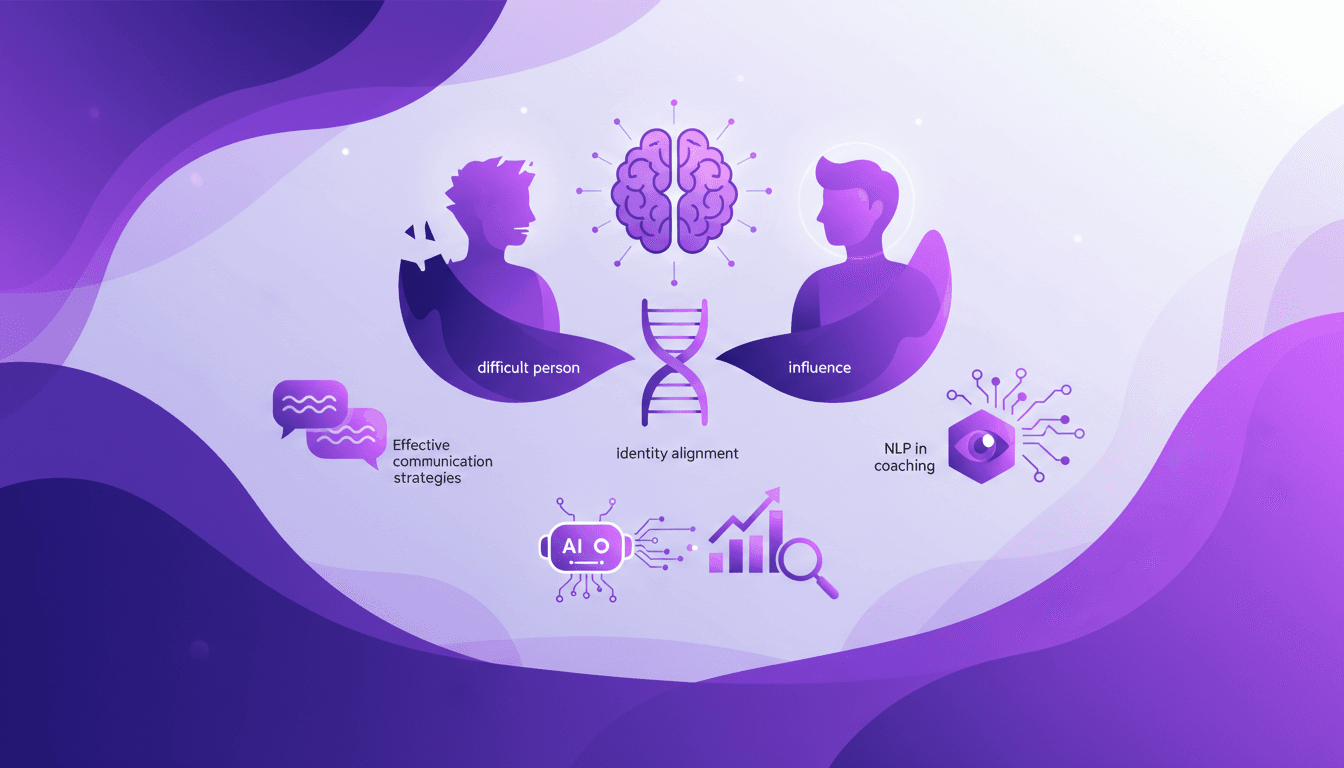
I've been in that spot—stuck in a negotiation with someone who just won't give an inch. We've all been there, right? It’s maddening, but here's the insight I gained: it’s all about aligning their identity with the task at hand. Let me walk you through how I orchestrate this, drawing from Tony Robbins and a dash of AI magic. When dealing with difficult people, it can feel like you're speaking different languages. But I've found that aligning actions with identity, and leveraging tools like NLP and AI bots, can really turn the tide in your favor. First, I make sure to understand their worldview—that’s where Tony Robbins shines, capturing what truly motivates people. Then, I use NLP to subtly influence, and trust me, AI bots can work wonders in sales and lead generation. You’ll see, this isn’t just theory, it’s practical stuff that’s transformed how I pilot my projects.
Understanding Identity-Based Influence
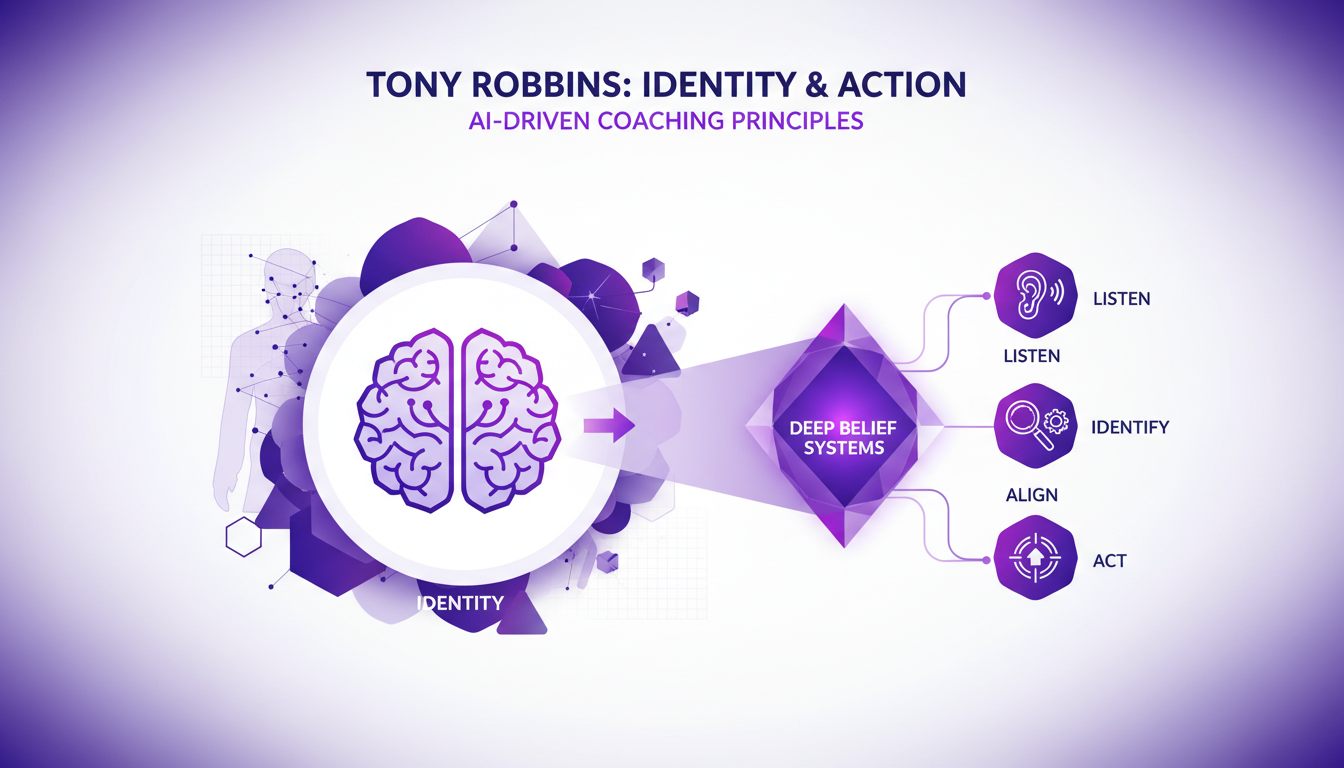
When it comes to influencing behavior, understanding identity alignment is crucial. Tony Robbins' method hinges on this idea: you must first understand the audience's identity. I've seen it in action, and it's a real game-changer. The idea is to align actions with identity to achieve sustainable change. It's not just about surface-level adjustments but getting to the root of beliefs.
And watch out, identity misalignment can backfire. I've seen cases where change attempts fail because they don't consider people's deep identities. It's like trying to plant an oak tree in sand: it won't hold.
Tony Robbins' Coaching Techniques in Practice
Robbins uses identity to guide his audience's decisions. His approach is to listen, identify, align, and act. It sounds simple, but it requires real active listening and empathy. I've often noticed that this is where many fail. They listen but don't truly hear. Robbins, however, delves into deep belief systems.
I've pushed too hard at times and met resistance. Don't overuse these techniques, or you might provoke the opposite effect. The key is balance. I always keep this in mind when working with new clients.
Effective Communication Strategies Using NLP
NLP, or Neuro-Linguistic Programming, helps decode communication barriers. Practically, it's a powerful tool for aligning identity. I often use NLP techniques to influence behavior through language. But, let me warn you, NLP alone isn't enough. It must be coupled with empathy.
Beware of over-relying on NLP. I've seen cases where it leads to unrealistic expectations. Always consider the context, or it can quickly become an empty concept.
Leveraging AI Bots in Sales and Lead Generation
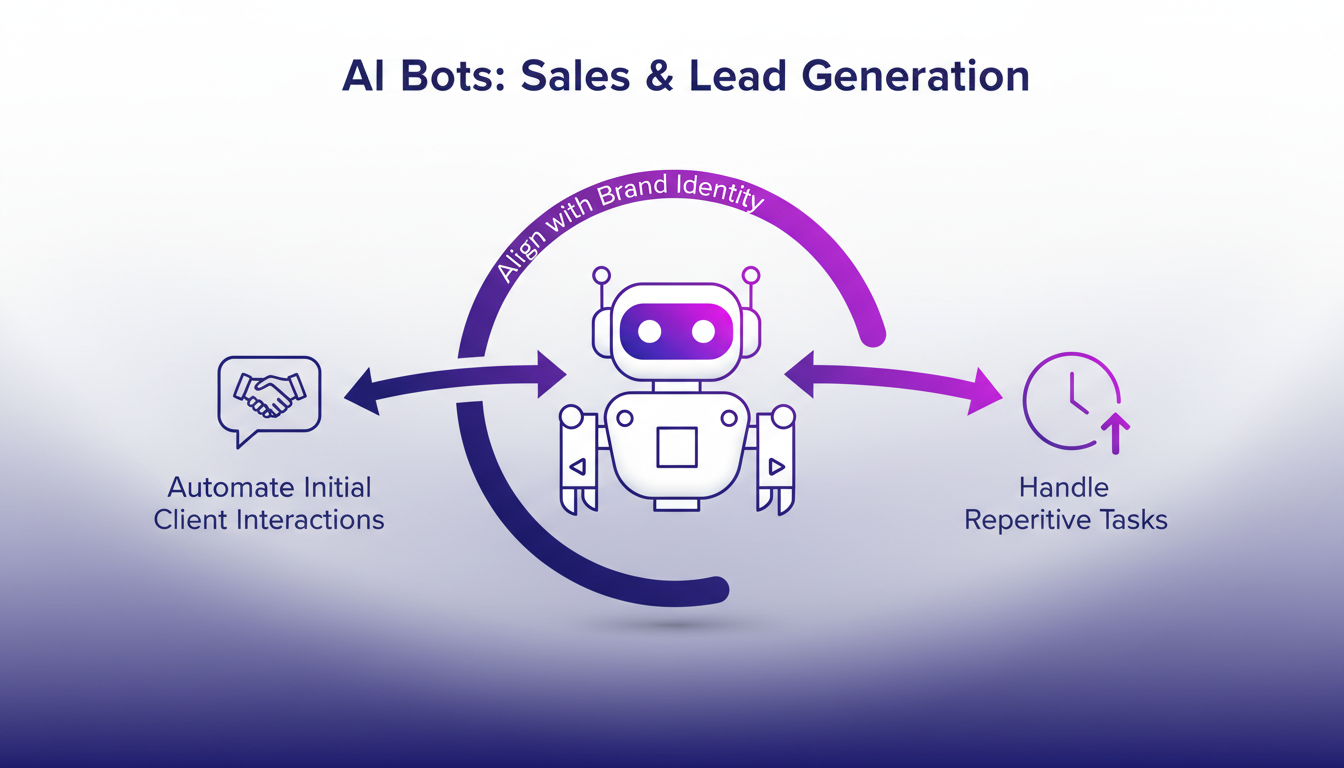
AI bots can automate initial client interactions. In my agency, they save us a ton of time by handling repetitive tasks. But it's crucial to align bot communication with the brand's identity.
I'm not going to lie, AI isn't foolproof. Human oversight is essential. I've had to adjust several times to avoid costly errors. And while it's cost-effective, there's an initial setup investment that shouldn't be overlooked.
Integrating Techniques for Maximum Impact
To truly maximize impact, I combine identity alignment, NLP, and AI bots. It's like orchestrating a symphony: each element must harmonize with the others. My practical workflow: start with identity, apply NLP, then integrate AI.
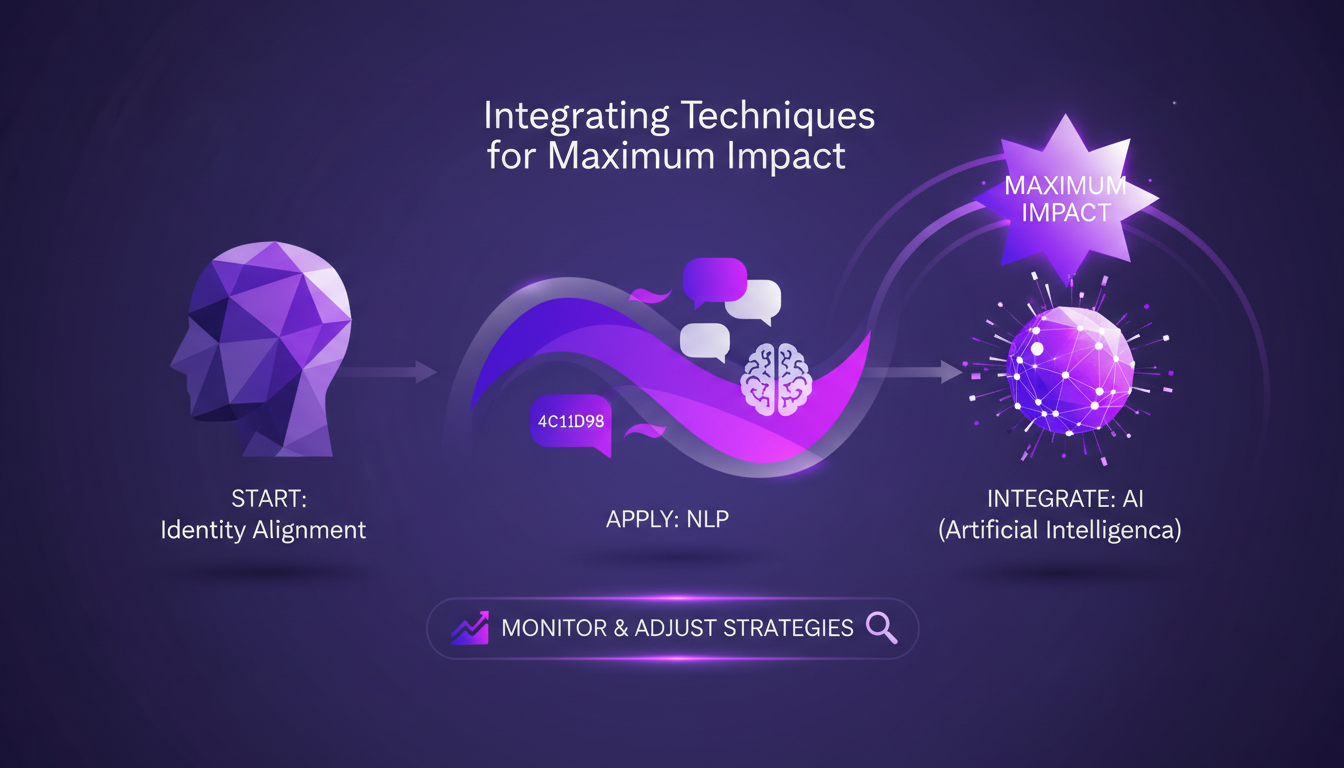
I constantly monitor results and adjust strategies as needed. The secret is balancing tech usage with human interaction. Never forget that efficiency and empathy go hand in hand.
Aligning identity, using NLP, and integrating AI aren't just theories—I've put them into practice with difficult people, and they work. Here’s what I’ve learned:
- Identity Alignment: I started by understanding how my values aligned with the other person's, and it transformed our exchanges.
- Using NLP: By observing language patterns, I could influence without manipulating, just by tweaking my communication.
- AI Integration: AI helped me better predict reactions, but remember, it's a tool not a magic bullet.
Ready to dive in? These techniques can truly shift the dynamics of your daily interactions. Try them in your next challenging conversation.
For more insights, check out the full video here. Tony Robbins shows how to influence live. It's a real game changer, but remember: every tool has its limits.
Frequently Asked Questions

Thibault Le Balier
Co-fondateur & CTO
Coming from the tech startup ecosystem, Thibault has developed expertise in AI solution architecture that he now puts at the service of large companies (Atos, BNP Paribas, beta.gouv). He works on two axes: mastering AI deployments (local LLMs, MCP security) and optimizing inference costs (offloading, compression, token management).
Related Articles
Discover more articles on similar topics
Harnessing CRM: $200K from Dead Real Estate Leads
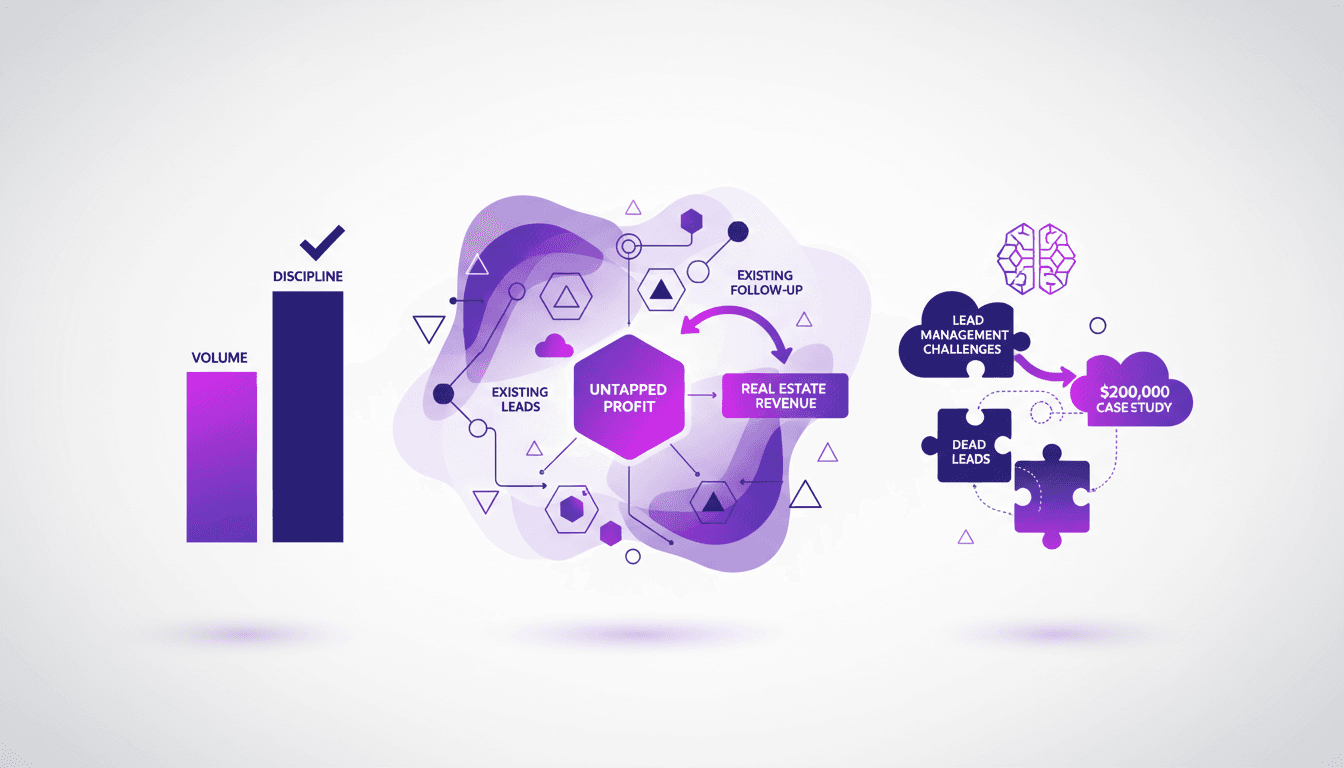
I plugged my supposedly dead real estate leads into an AI-driven CRM and walked away with $200K. Here's how I did it. In real estate, we often chase new leads while ignoring the goldmine sitting in our CRM. Let's talk about how follow-up can transform 'dead' leads into significant revenue. From my experience, 70% of deals come from follow-up. So I thought, why not revisit those forgotten leads? The result: $200,000 generated. It's not rocket science, but it requires discipline and a rigorous follow-up strategy. Want to know how to harness this untapped potential? Join me in this case study.
Handling Sales Objections: Practical Techniques
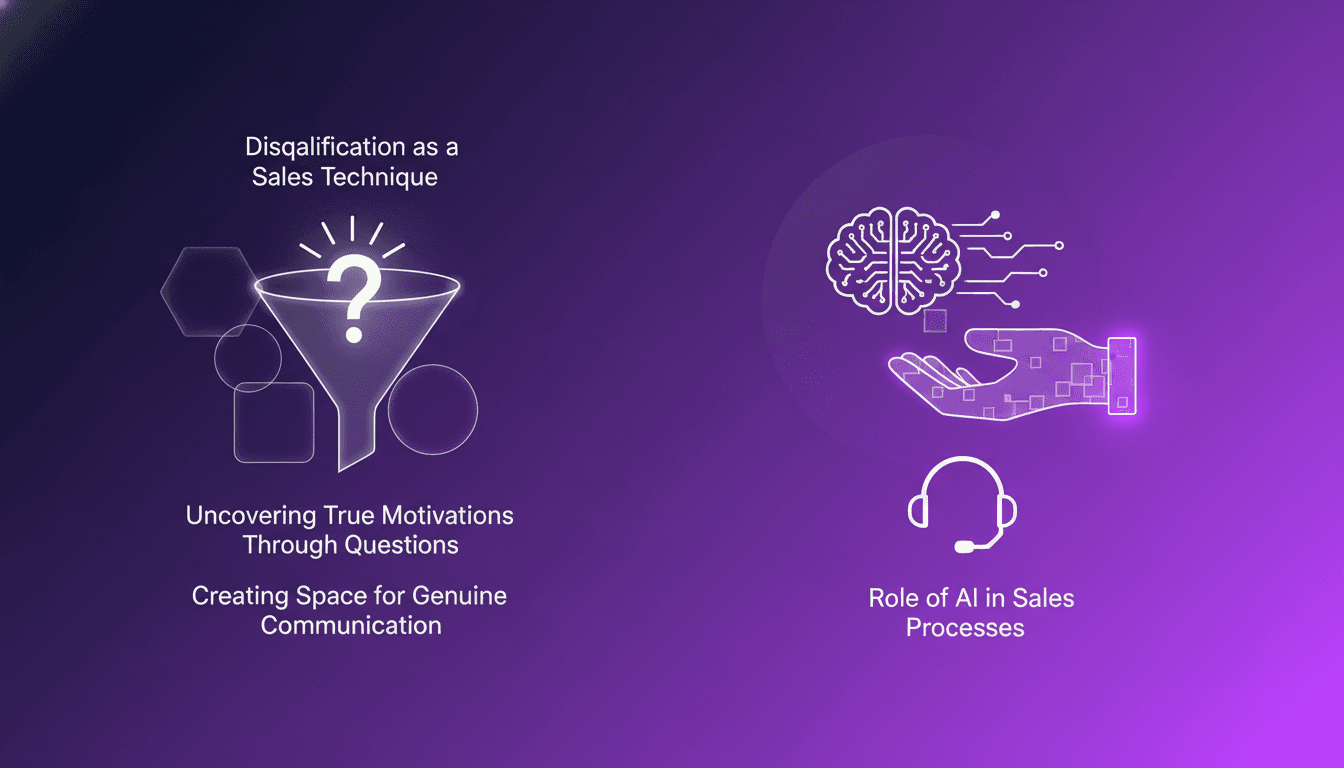
Ever been in a sales meeting where you couldn't quite read the room? I've been there, and here’s how I handle it when objections seem invisible. In sales, recognizing objections—or their absence—is crucial. I'm not talking theory, but real-world scenarios. How can AI lend a hand? I'll share how I uncover hidden motivations through precise questioning and create space for genuine communication. It's not about overusing AI, but integrating it smartly into the sales process. Let’s dive into this tutorial with practical techniques that I use daily to navigate these tricky waters.

AI Auto-Evolution: Towards Autonomy
I remember the first time I saw an AI tweak its own code. It was like watching a child learn to walk—thrilling and a bit terrifying. In this article, I'm diving into the world of AI self-improvement, where machines aren't just executing tasks but redefining their capabilities. With AI systems now capable of modifying their own source code, we're witnessing a shift in software evolution. This isn't just a theoretical leap; it's a practical reality impacting industries like e-commerce and automotive. Discover how this AI auto-evolution is transforming key players like Shopify, Stripe, and Tesla, and what it means for the future of AI-driven development.
Reviving Dead Leads: AI in Real Estate
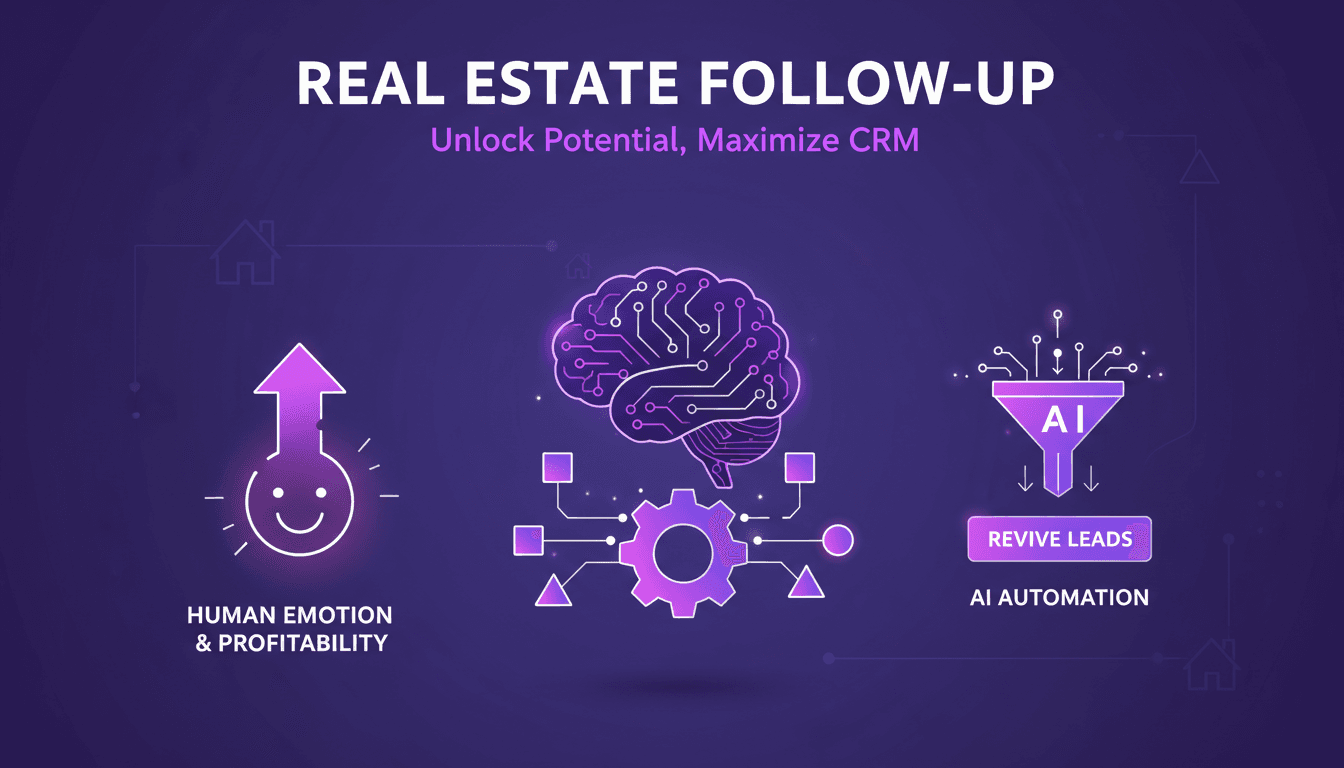
I remember staring at a list of 'dead leads', convinced they were a lost cause. Then it hit me: what if I could automate a follow-up system with AI? I dove in, connected our CRM to an AI model, orchestrated the whole thing, and boom, $200K in revenue. Think your dead leads are hopeless? Think again. In real estate, follow-up is often the game changer. With AI, I transformed forgotten contacts into a goldmine. We often underestimate the hidden potential in our databases. Don't just watch your prospects fade away. Revive them, reinvent your strategy with AI, and watch the magic happen.
Software Development: Fast Coding, But at What Cost?
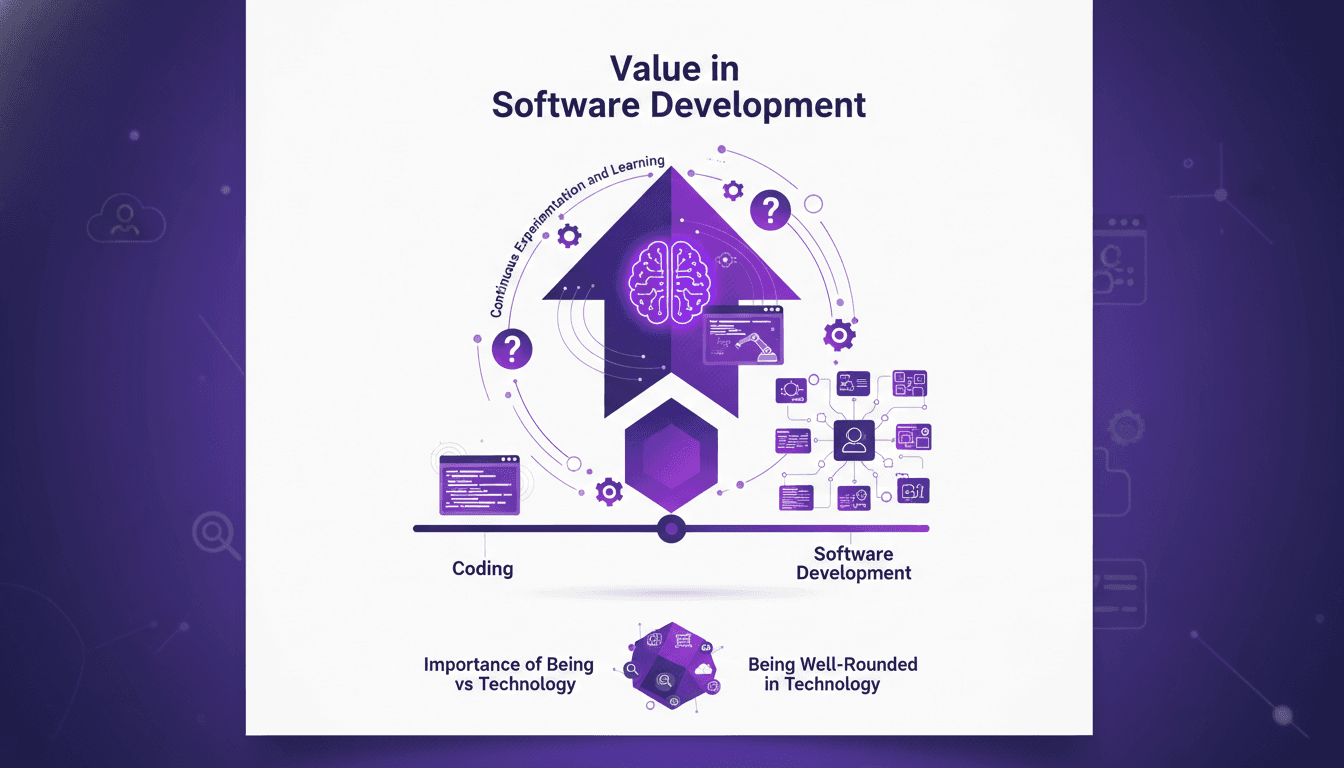
I've been coding at breakneck speed, but over time, I learned that the real cost isn't just about how fast you type. Software development is a whole different game. You can code 55 times faster, but if you're not careful, costs can skyrocket. Let's dive into why coding is cheap, but software is expensive. We'll explore the importance of being well-rounded, the role of junior engineers and AI, and why continuous experimentation is key. It's in understanding the value beyond mere lines of code that successful projects are distinguished from costly failures.