Software Development: Fast Coding, But at What Cost?
I've been coding at breakneck speed, but over time, I learned that the real cost isn't just about how fast you type. Software development is a whole different game. You can code 55 times faster, but if you're not careful, costs can skyrocket. Let's dive into why coding is cheap, but software is expensive. We'll explore the importance of being well-rounded, the role of junior engineers and AI, and why continuous experimentation is key. It's in understanding the value beyond mere lines of code that successful projects are distinguished from costly failures.
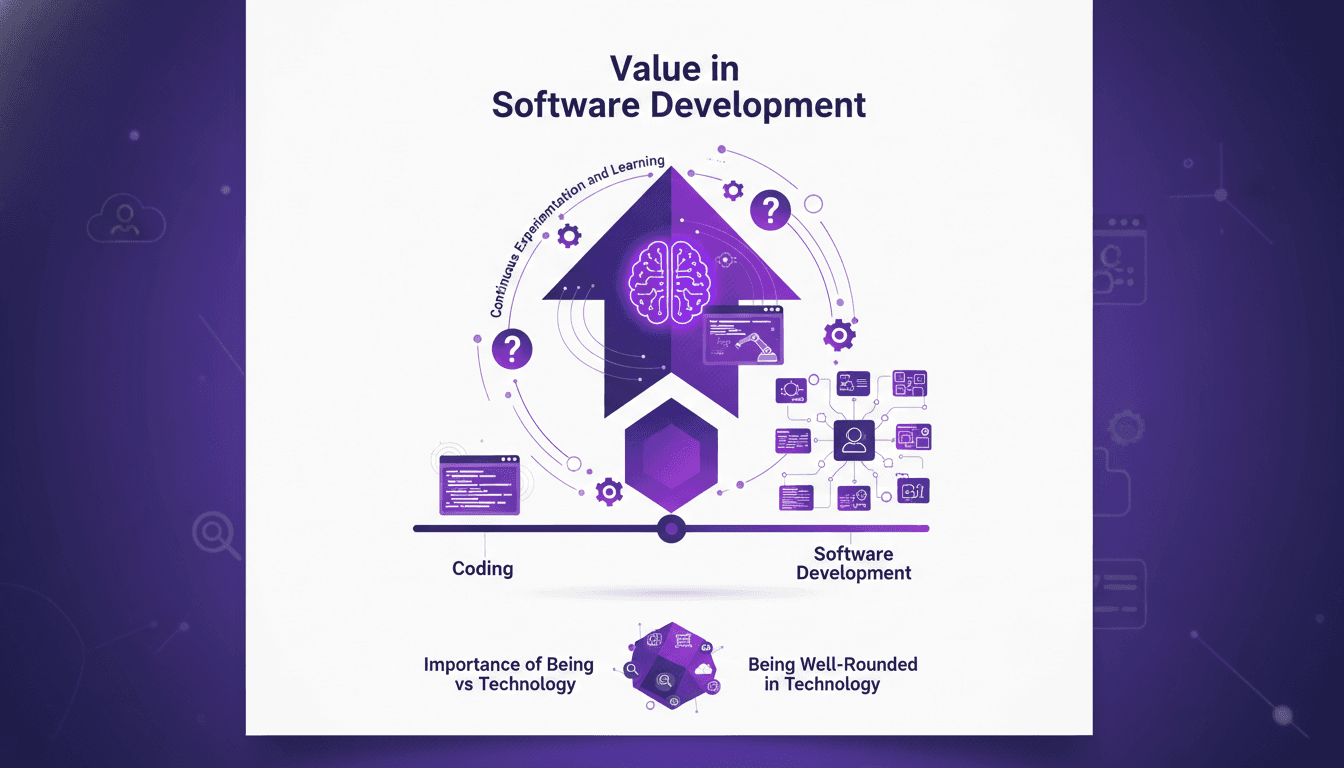
I've been in the trenches where coding happens at lightning speed, but software development can quickly become a money pit if you're not careful. You can code 55 times faster, but watch out for those costs that can spiral out of control. Speed is crucial, but understanding the value beyond just lines of code is what separates successful projects from costly failures. Let's talk about why coding is cheap, but software is expensive. I'll walk you through the importance of being well-rounded in tech, the role of junior engineers and AI. Trust me, I've learned the hard way that continuous experimentation is key to keeping your project from crashing. A good developer knows the real challenge is turning lines of code into valuable software without blowing the budget.
Coding Speed: A Double-Edged Sword
You might have heard that with the right tools and practices, coding can be 55 times faster. I've experienced this firsthand. Leveraging modern frameworks and automation tools can drastically speed up the process. But beware, this speed can also be a trap. I learned the hard way that rapid coding without rigorous management can lead to substantial technical debt. You end up fixing, patching, and rewriting code that wasn't built to last.
The key here is balance. Yes, you need to be fast to stay competitive, but you shouldn't sacrifice quality. I've seen projects where the initial rush to deliver turned into a maintenance nightmare. You need to integrate testing, code reviews, and, most importantly, anticipate future evolutions. Speed is great, but without a critical eye on quality, you'll end up paying a hefty price.
"Coding fast is good, but coding smart is better."
- Use frameworks to speed up development, but watch out for technical debt.
- Integrate testing from the start to balance speed and quality.
- Don't sacrifice long-term design for short-term gains.
Value Beyond the Code: What Really Matters
Software development is not just about code. It's primarily about solving real problems. I've often seen junior engineers focus solely on code, missing the importance of understanding business needs upfront. This is a costly mistake. I always emphasize the importance of knowing the context and end-users before writing the first line of code.
Ignoring these aspects can lead to expensive revisions and features that don't truly serve the users. In my agency, I've seen projects where the lack of clear vision led to endless iterations and significant time loss. Code is just a means to an end, and that end is solving concrete user problems.
- Prioritize understanding needs before coding.
- Consider code as a tool, not an end in itself.
- Involve end-users to avoid costly revisions.
AI and Junior Engineers: A New Dynamic
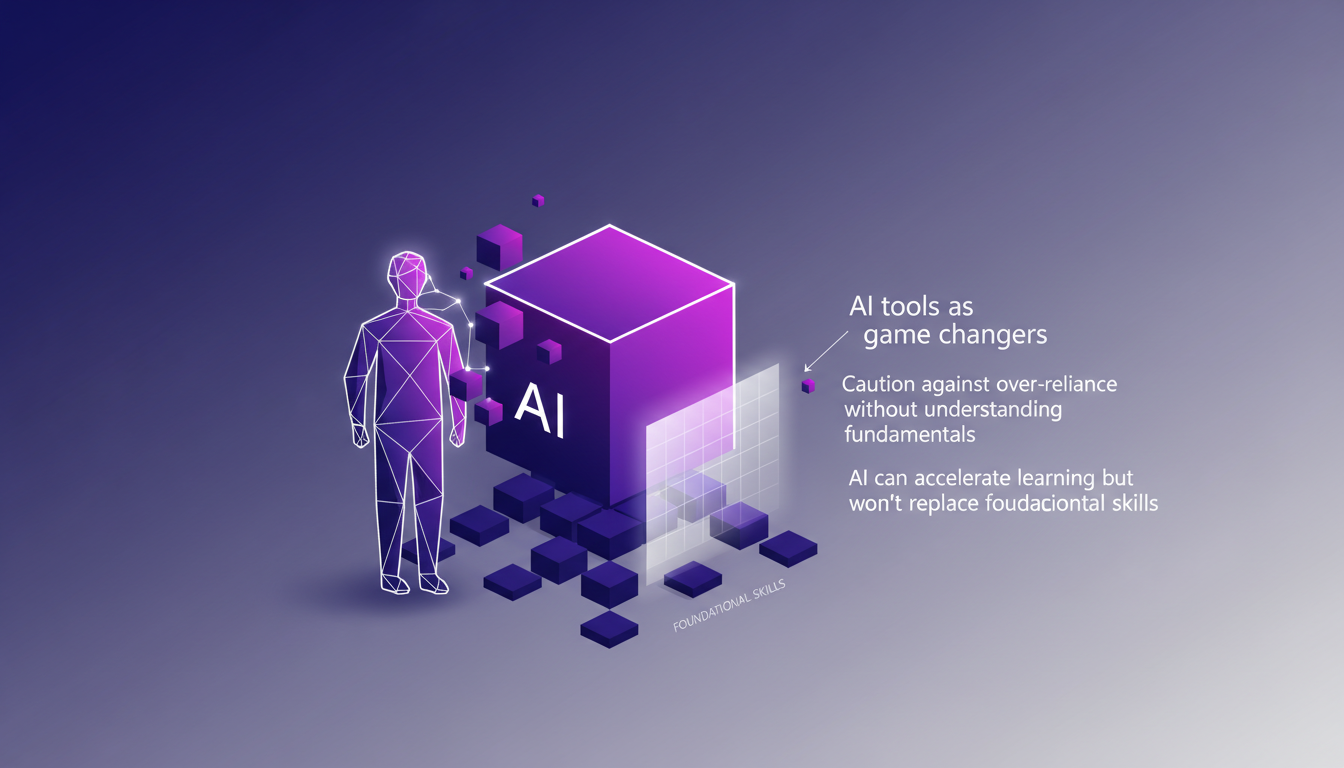
Artificial intelligence tools are true game changers for junior engineers, but only if used correctly. I've seen teams where AI facilitated learning and skill growth, especially by automating certain repetitive tasks. However, it's crucial not to fall into the trap of over-reliance. Understanding the fundamentals remains essential.
I recall a project where a junior, overly dependent on AI, produced code that worked but that he didn't really understand. It became an issue when maintenance was needed. AI can accelerate learning, but it doesn't replace foundational skills. You need to know when to use AI and when to roll up your sleeves and code yourself.
- Use AI for repetitive tasks, but understand the code produced.
- Complement AI learning with solid programming basics.
- Balance AI assistance with hands-on coding for optimal learning.
Experimentation: The Heart of Innovation
Continuous experimentation is essential for developing better software solutions. In my experience, small, iterative changes often save costs over large overhauls. A culture of experimentation and perpetual learning fosters adaptability, which is crucial in our ever-evolving field.
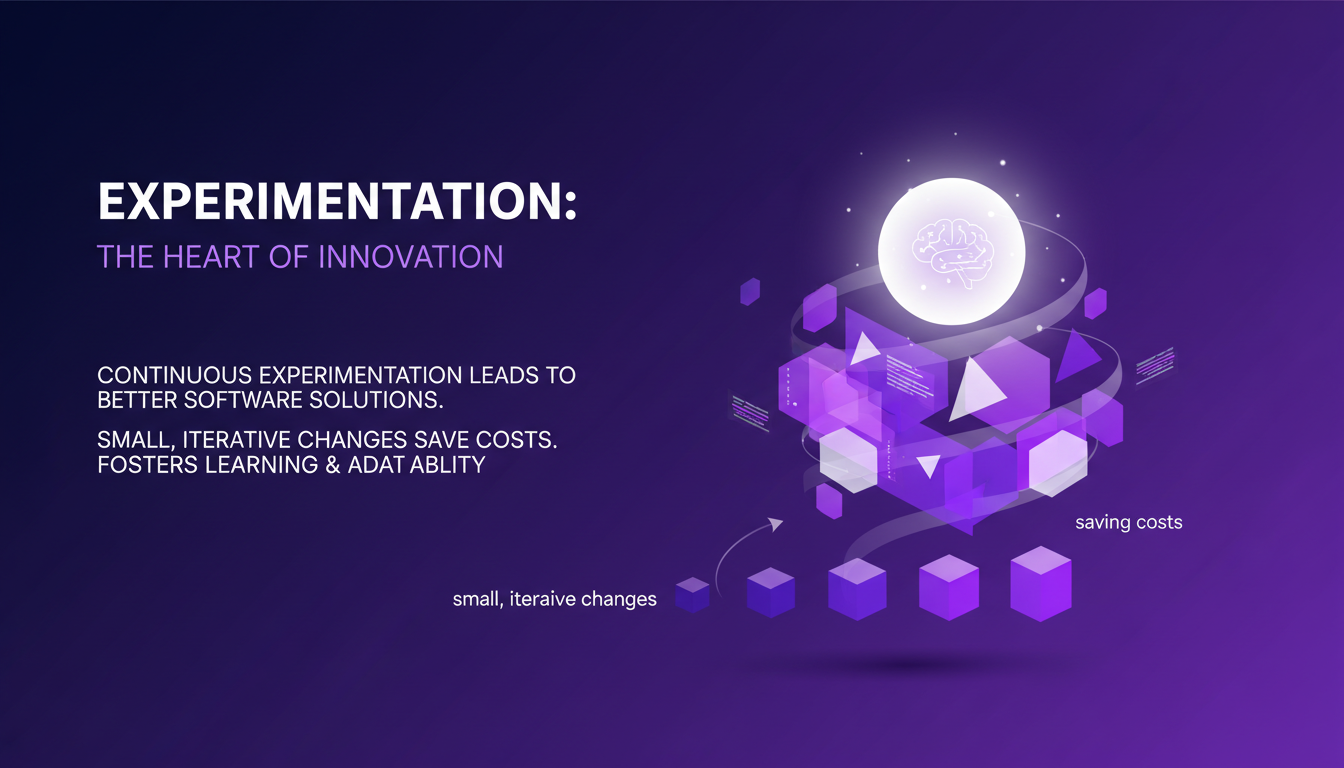
But watch out, don't fall into the trap of over-analysis. Sometimes it's faster to test and learn rather than spend time analyzing every detail. I've seen projects stagnate because of this. Experimentation allows you to respond quickly to changes and remain competitive.
- Adopt an iterative approach to save costs.
- Encourage a culture of learning and adaptability.
- Avoid over-analysis, favor quick testing and learning.
Cost Analysis: Coding vs. Software Development
Coding is just a fraction of the total software development cost. I've often had to explain to clients that hidden costs, like maintenance and updates, far exceed the simple cost of initial development. A clear understanding of the full lifecycle cost is crucial for proper project budgeting.
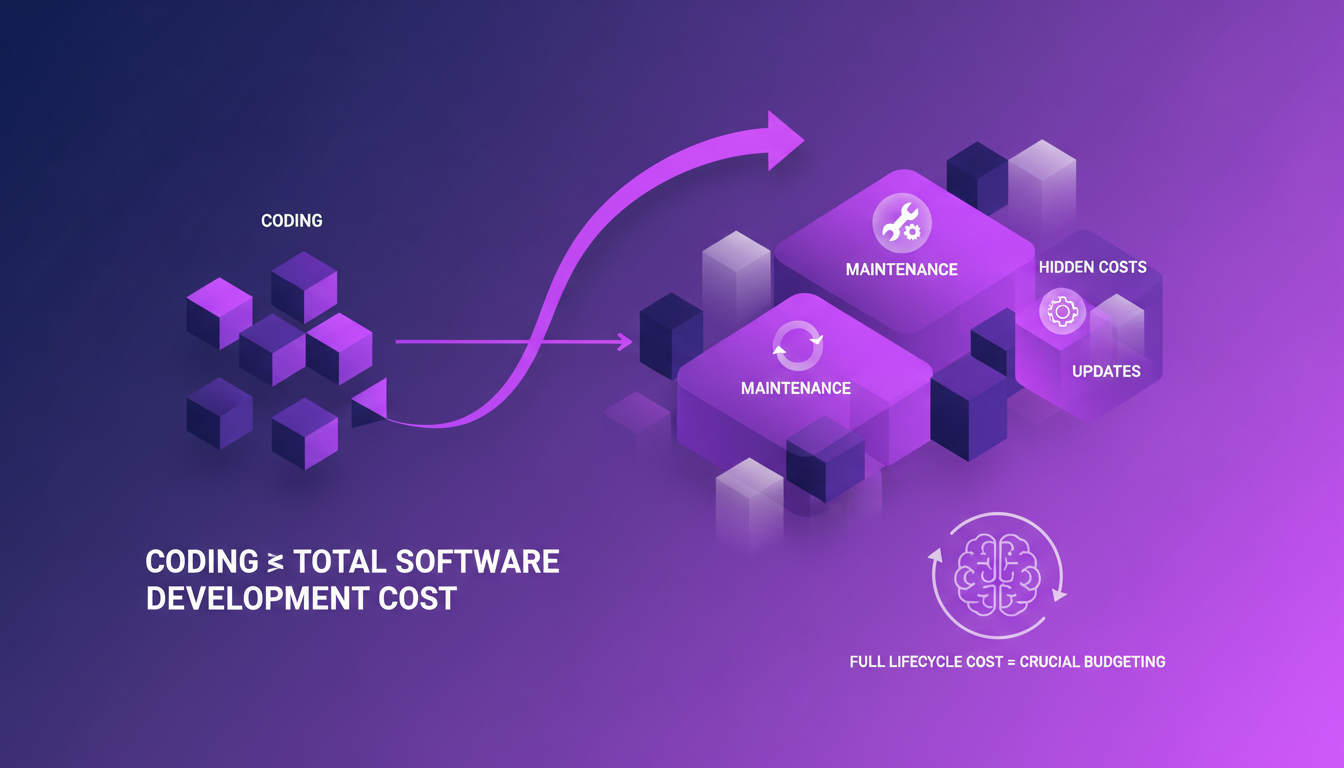
Beware of apparent savings that can lead to downstream expenses. I've seen projects where choosing cheaper solutions short-term led to significant overages later. Coding may seem cheap, but software development is expensive.
- Consider not just the coding cost, but the entire lifecycle.
- Identify hidden costs like maintenance and updates.
- Be wary of short-term savings leading to long-term overages.
Coding fast is just the start, folks. The real challenge is managing the full software development lifecycle efficiently and cost-effectively. Here's what I took away:
- Sure, you can code 55 times faster with the right tools, but that doesn't solve the maintenance and scalability issues.
- Junior engineers and AI are valuable, but they need to be part of a framework that encourages continuous learning and experimentation.
- The true value is in our ability to develop sustainable software, not just deliver quickly.
Looking forward, I think we need to focus on practices that balance speed with sustainability. It's a real game changer if managed well.
I urge you to reflect on your current development practices. Are you optimizing for speed or for sustainable software success? To dive deeper, I recommend checking out the original video "Coding Is Cheap, Software Is Expensive" on YouTube. It's definitely worth a watch to expand on these ideas!
Frequently Asked Questions

Thibault Le Balier
Co-fondateur & CTO
Coming from the tech startup ecosystem, Thibault has developed expertise in AI solution architecture that he now puts at the service of large companies (Atos, BNP Paribas, beta.gouv). He works on two axes: mastering AI deployments (local LLMs, MCP security) and optimizing inference costs (offloading, compression, token management).
Related Articles
Discover more articles on similar topics
From Coding to Solution-Focused Engineering
I've spent enough sleepless nights coding to know that the real challenge isn't about how much code we write, but the solutions we deliver. In a world where you can code 55 times faster, the mistake is focusing solely on churning out lines of code. What really matters is solution-focused software engineering, AI adoption, and integrating all this into our platforms. If you've ever wondered why your productivity only improves by 14% despite all your efforts, maybe it's because you haven't yet embraced this holistic approach that pushes beyond just coding.
Building an App Downloaded 7 Billion Times
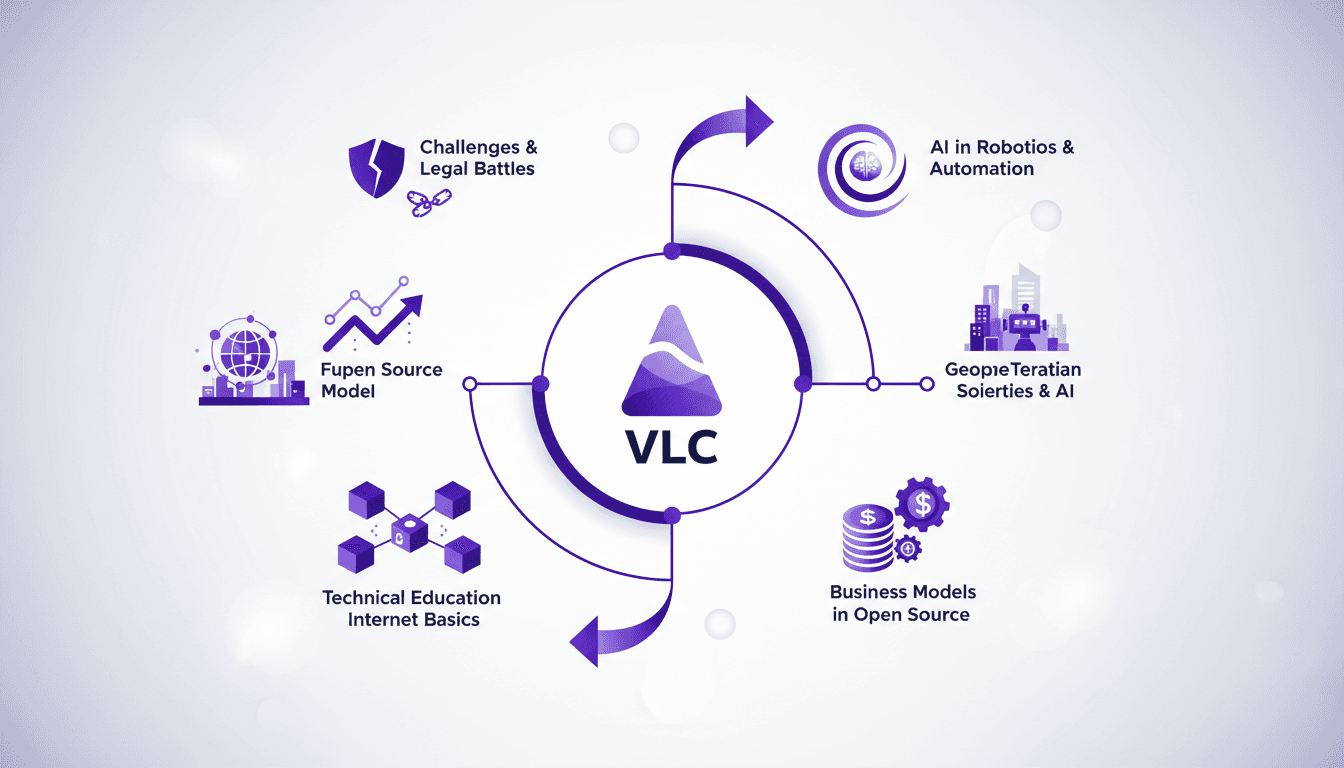
I remember the first time I saw the download numbers for VLC skyrocket. It was a real game changer, but it wasn't all smooth sailing. This is where you realize that behind every phenomenal success, there are mountains of challenges to overcome. Between legal battles and the implications of open source, VLC's journey is anything but ordinary. As a developer, we often think the hardest part is coding, but sustaining and growing an app downloaded 7 billion times is a whole different ball game. Let's dive into the story of VLC, an adventure where technology and perseverance are tightly intertwined.
AI in Sales: 24/7 Availability and Financial Impact
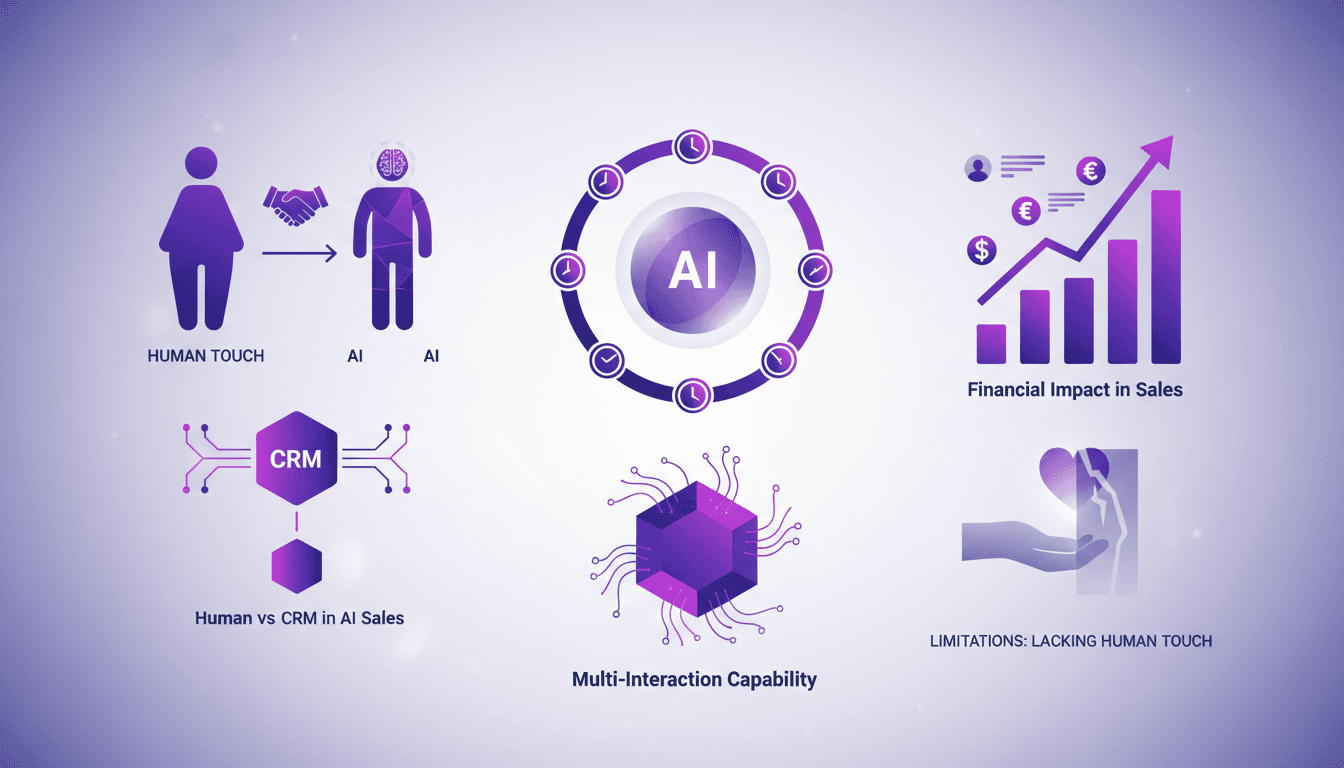
I've been in sales long enough to see trends come and go, but AI is different. It's not just another tool; it's a game changer if you know how to use it. Let me show you how AI is reshaping sales, but also where it falls short. Picture this: your AI in the CRM making $300 a day, 24/7. That's a massive advantage, but it can't replace the human touch. We're talking about continuous availability and multi-interaction capability, but don't forget that humans still have their role. I'll walk you through my workflow to help you harness AI's potential while sidestepping its pitfalls.
Low-Latency Audio Intelligence: AI Workflow Insights
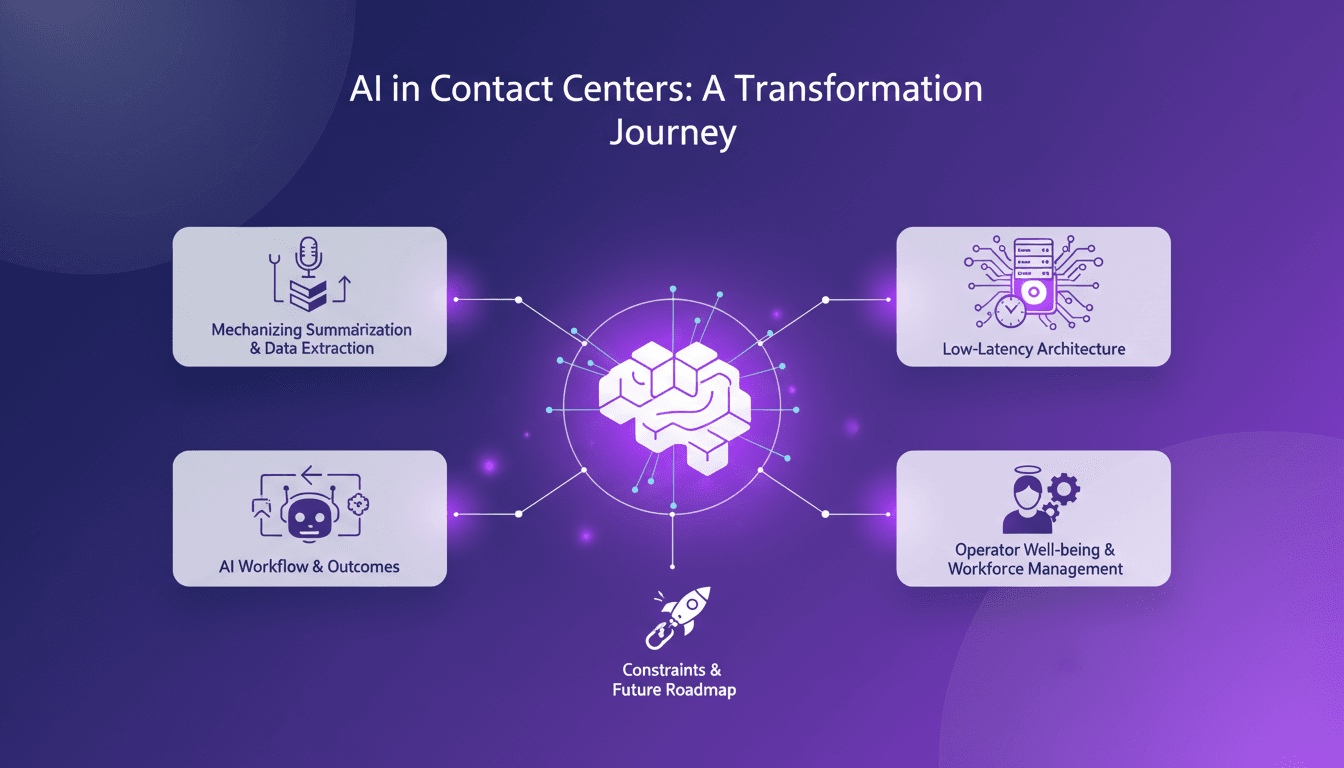
I've spent countless hours in the trenches of contact centers, where every minute counts. When I decided to tackle low-latency intelligence extraction from messy audio streams, I knew I was up against a giant. But I figured out how to mechanize the process to save time and boost efficiency. Contact centers, the backbone of customer interaction, face major hurdles: hiring, training, productivity. AI can change the game, especially in summarizing and extracting data from audio. Let's dive into the workflow, the technical architecture, and the outcomes.
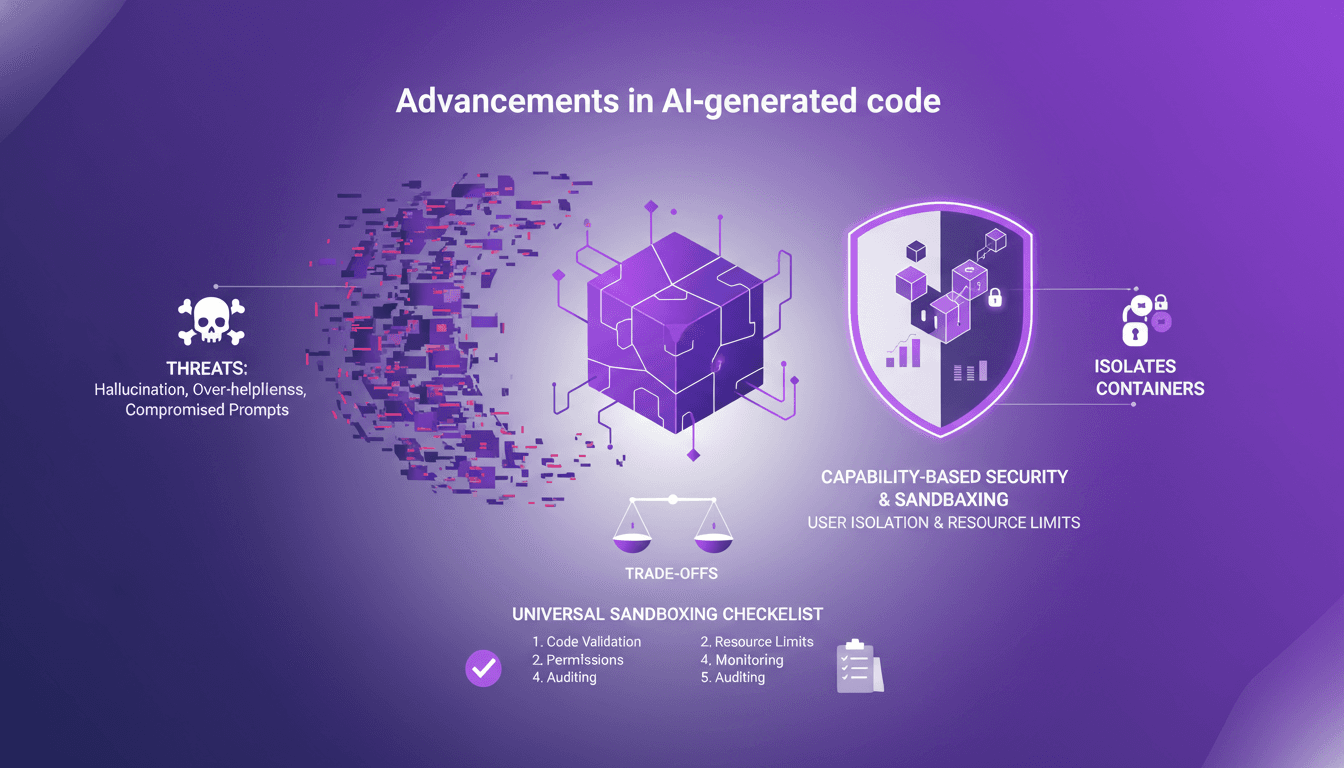
Sandboxing AI Code: Secure Your Projects
I've been burned by AI-generated code more times than I'd like to admit. From hallucinations that crashed my server to overly helpful suggestions that sent me spiraling down rabbit holes, I knew I had to sandbox that AI code. First, I'll walk you through why sandboxing is crucial, then how I set it up to protect my projects. With AI-generated code becoming more prevalent, robust security practices are essential. We’ll explore the threats posed by AI code and how sandboxing can mitigate these risks. (Hint: containers and isolates each have their trade-offs.)