From Coding to Solution-Focused Engineering
I've spent enough sleepless nights coding to know that the real challenge isn't about how much code we write, but the solutions we deliver. In a world where you can code 55 times faster, the mistake is focusing solely on churning out lines of code. What really matters is solution-focused software engineering, AI adoption, and integrating all this into our platforms. If you've ever wondered why your productivity only improves by 14% despite all your efforts, maybe it's because you haven't yet embraced this holistic approach that pushes beyond just coding.
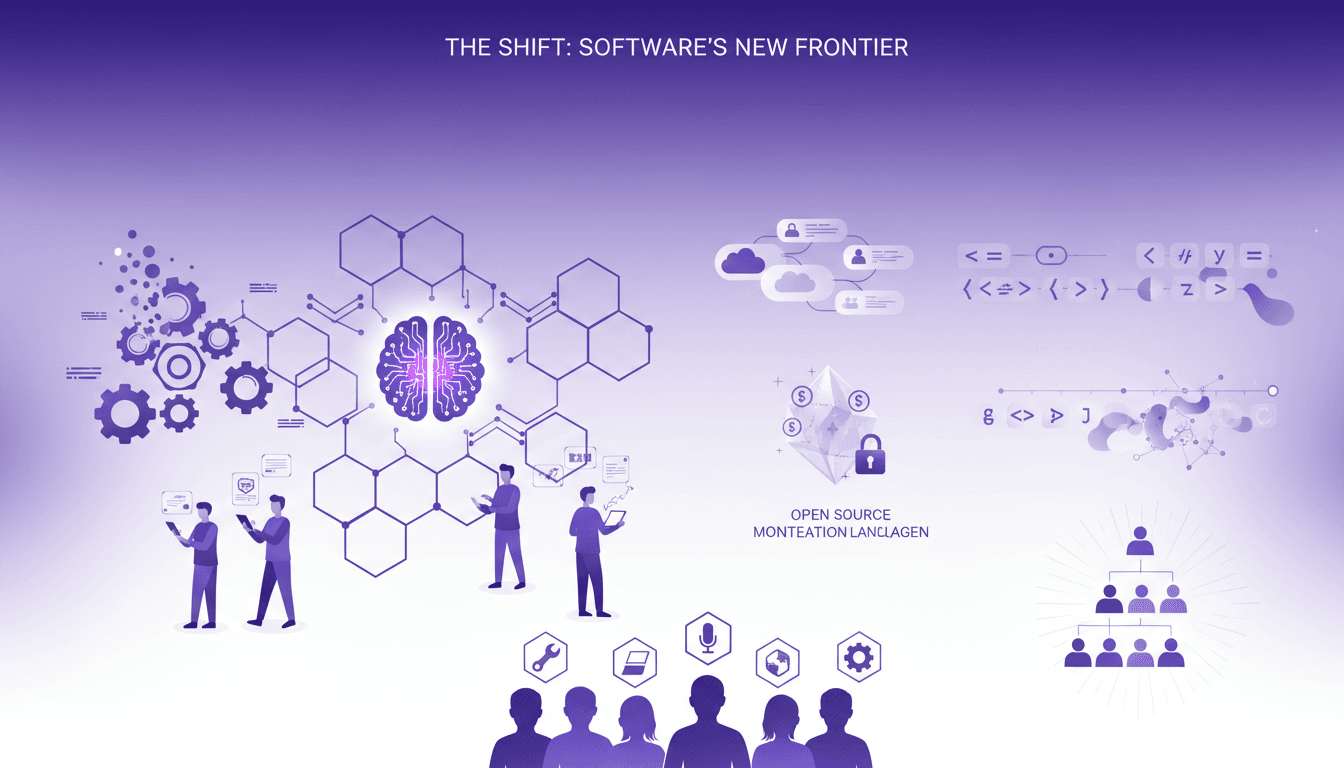
I've been in the trenches of software development long enough to see the shift from just writing lines of code to actually solving problems with software. Today, if you're focusing solely on coding, you're missing the point. The key is solution-focused software engineering. With platform engineering and AI adoption, that's where the difference is made. I've stumbled myself a few times before realizing that coding faster (55 times faster in some cases) doesn't necessarily mean being more productive. We're talking about only a 14% productivity improvement, and that's not enough. What really matters is how we orchestrate our skills, our tools, to create solutions that have a real impact. And let's not forget the challenges of open source monetization and how our organizational culture influences software development.
The Shift from Coding to Solution-Focused Engineering
I used to think writing 90% of the code was the goal, but now it's about the 10% that actually delivers value. Solution-focused engineering means understanding the problem before diving into code. It's this shift that has saved me from overengineering traps. More code doesn't always mean better solutions. Efficiency and cost savings come from streamlining processes, not just speeding up coding.
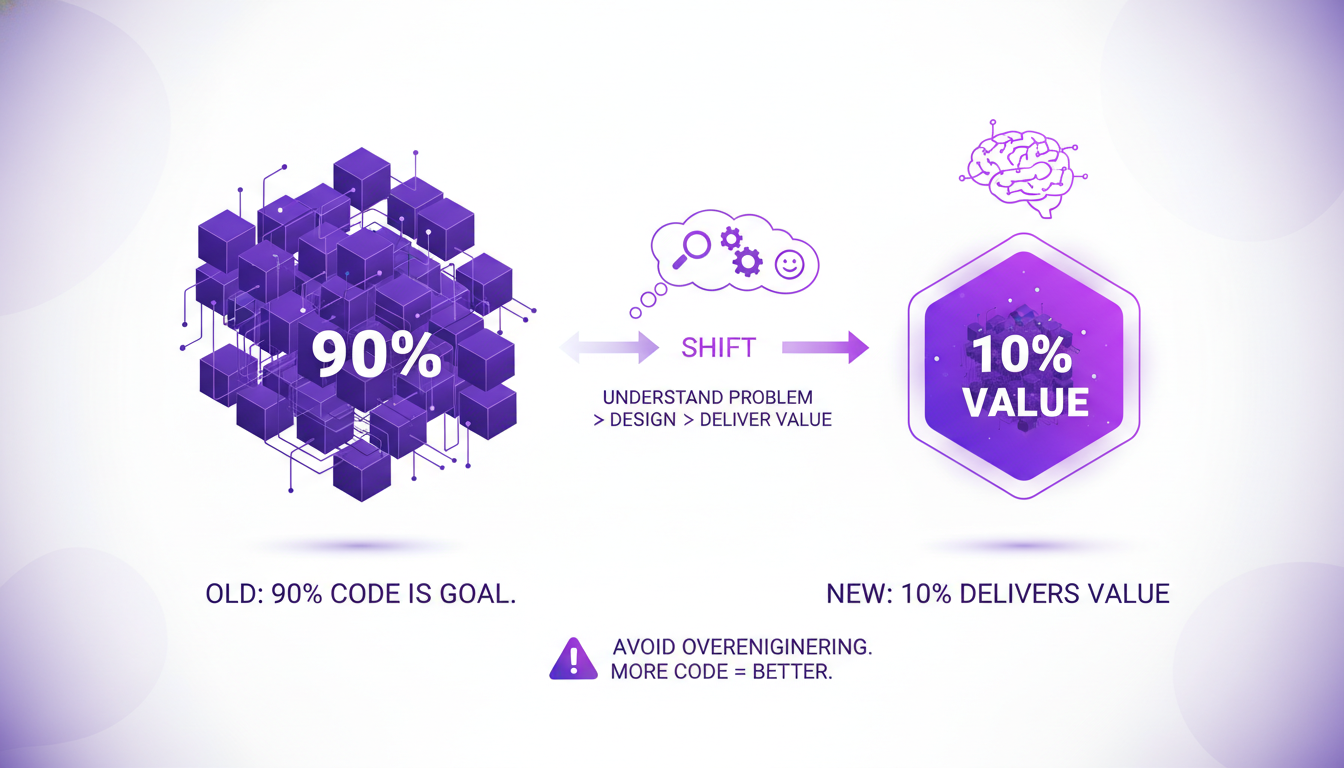
"Coding represents only 10% of the value; the rest is in the solution."
First, I start by defining the problem accurately. Then, I ensure the solutions I propose align with the actual needs of the project. But watch out for the pitfall of overengineering—this is a mistake I've made several times before realizing that sometimes it's better to simplify.
Role of Junior Engineers and AI Adoption
Junior engineers are often the most adaptable to AI tools, coding 55 times faster with the right support. AI isn't replacing engineers; it's augmenting their capabilities. Integrating AI into your workflow can improve productivity by 14%. However, don't underestimate the learning curve—start small and scale AI adoption gradually.
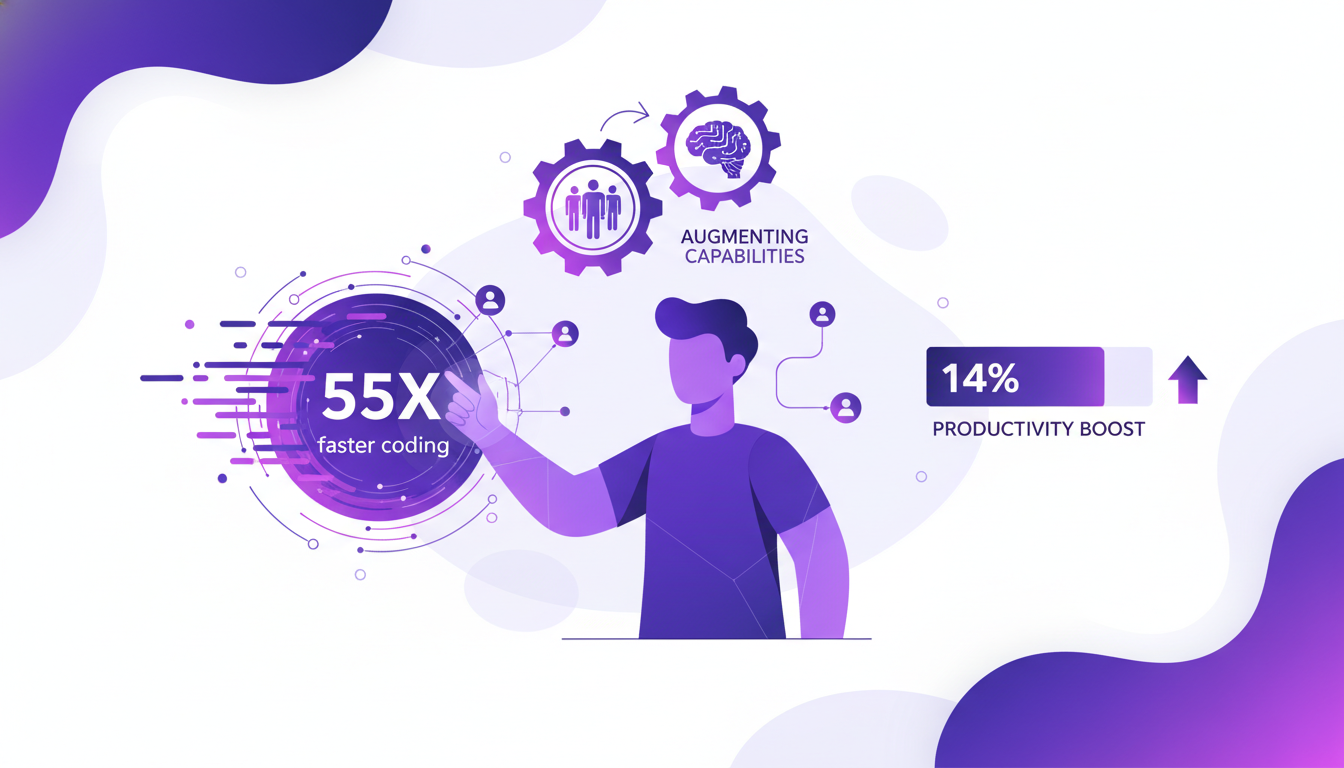
- Junior engineers adapt more easily to AI.
- Productivity increased by 14%.
- Start small for successful AI adoption.
Importance of Platform Engineering and Collaboration
Platform engineering is about building the right infrastructure for your team to thrive. Collaboration tools are essential—I've seen projects succeed or fail based on team synergy. T-shaped engineers thrive in platform engineering—broad skills with deep expertise in one area.
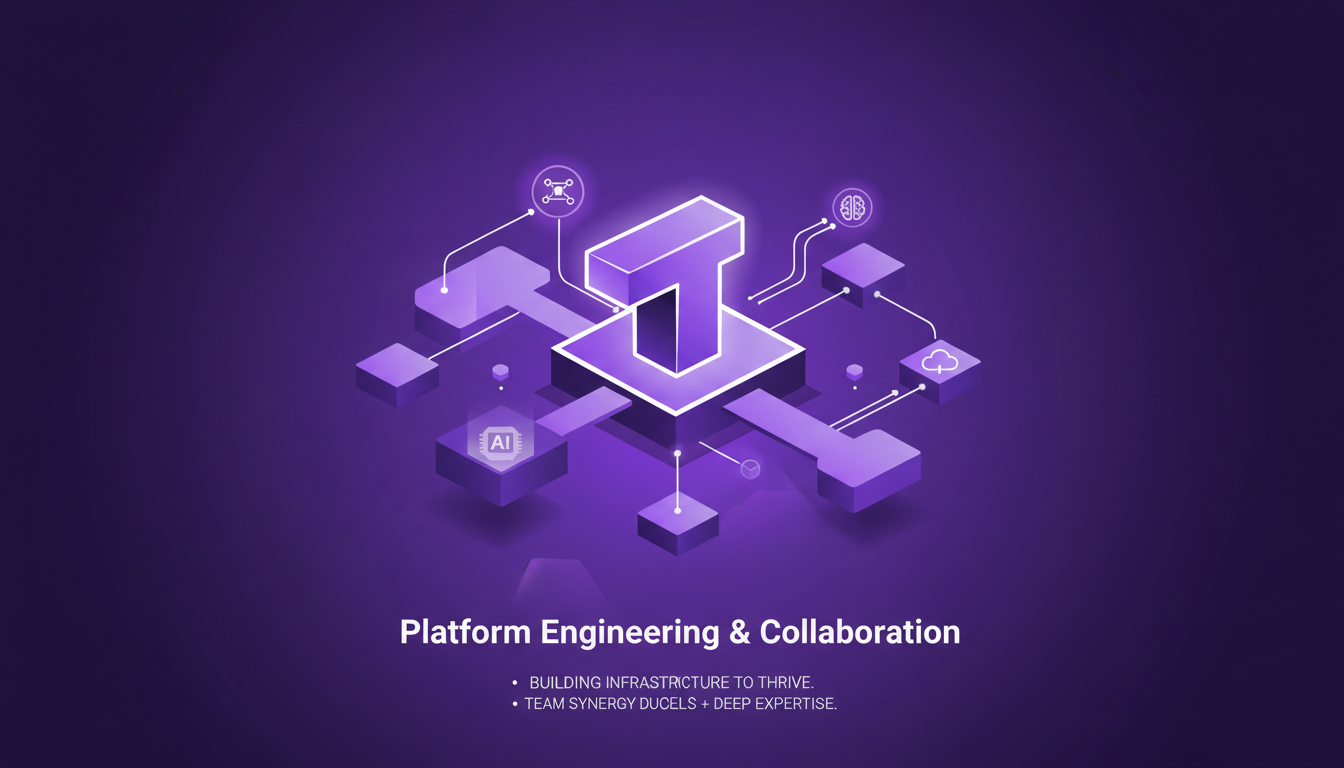
- Building the right infrastructure is key.
- Collaboration tools for project success.
- T-shaped engineers thrive in this structure.
Challenges in Open Source Monetization
Monetizing open source is tricky—balancing community contributions with profitability. I've learned that offering premium features can be a viable path. But watch out for dependency issues; relying on too many open-source projects can be risky. Sustainability is key; ensure your open source model supports long-term growth.
I've seen too many projects fail because they couldn't maintain this balance. Offering premium features isn't a betrayal of the open-source spirit, but rather a way to ensure projects remain viable in the long term.
The Future of Programming Languages and AI Influence
AI is influencing the evolution of programming languages—expect more abstraction. Generative software engineering is on the rise, changing how we think about coding. Don't get stuck on one language; adaptability is crucial as languages evolve.
Cultural and organizational shifts are necessary to embrace these changes effectively. This means we must be ready to reevaluate our methods and adopt new approaches, even if it means letting go of practices we are comfortable with.
In conclusion, the future of software engineering is exciting but fraught with challenges. As practitioners, we must be ready to adapt, learn, and constantly reinvent our approaches to stay relevant and effective.
Alright, here's what I take away from this. First, we need to shift from just coding to a more solution-focused approach. With 90% of the code already written, why reinvent the wheel? Next, adopting AI, even for junior engineers, can make us code 55 times faster. It's a game changer, but be careful not to rely on it too much. Lastly, don't underestimate the importance of platform engineering and collaboration—that's where innovation really happens. Now, on the challenge side, open source monetization is still tricky, but don't let that hold you back.
Looking forward, I'm excited to see how these practices will continue to transform our work. Start integrating them into your workflow today, and you'll see the impact on your projects and team efficiency. For a deeper dive, check out the original video. It's like chatting with a colleague who offers practical, field-tested advice. Watch the video here.
Frequently Asked Questions

Thibault Le Balier
Co-fondateur & CTO
Coming from the tech startup ecosystem, Thibault has developed expertise in AI solution architecture that he now puts at the service of large companies (Atos, BNP Paribas, beta.gouv). He works on two axes: mastering AI deployments (local LLMs, MCP security) and optimizing inference costs (offloading, compression, token management).
Related Articles
Discover more articles on similar topics
AI Resource Struggles: Nvidia Delays, Open Source
I remember the first time I hit a wall with AI compute resources. It felt like trying to run a marathon on a treadmill stuck at walking speed. In this rapidly evolving AI landscape, we're facing real challenges—from Nvidia's delays to the growing allure of open-source models. The market is in flux, with financial movements like Mistral's debt announcements adding another layer of complexity. We need to navigate resource shortages, the emergence of smaller AI models, and supply chain issues affecting component lead times. Let's dive into these dynamics from a practitioner’s perspective, focusing on practical solutions and trade-offs.
Building an App Downloaded 7 Billion Times
I remember the first time I saw the download numbers for VLC skyrocket. It was a real game changer, but it wasn't all smooth sailing. This is where you realize that behind every phenomenal success, there are mountains of challenges to overcome. Between legal battles and the implications of open source, VLC's journey is anything but ordinary. As a developer, we often think the hardest part is coding, but sustaining and growing an app downloaded 7 billion times is a whole different ball game. Let's dive into the story of VLC, an adventure where technology and perseverance are tightly intertwined.
Agentic Engineering: Collaborate with AI
I remember when I first started integrating AI tools into my workflow. It was like discovering a new continent. But the trick wasn't just using AI; it was working with it. That's where agentic engineering comes into play. Today, collaborating with AI goes beyond automation. It's about forging a true partnership with technology. In this article, I'll share how I and other engineers are making this shift—integrating AI models into our development processes, managing context effectively, and configuring AI agents that adapt to our needs. We're no longer passive users; we're active orchestrators. Ready to explore this new frontier?
Securing Software: Project Glasswing
I've spent years wrestling with software vulnerabilities, and let me tell you, the game has changed with Project Glasswing. It's not just theory—I've seen it in action. With the Claude Mythos Preview Model, we're revolutionizing vulnerability detection, especially in systems like OpenBSD and Linux. Imagine this: a bug lurking for 27 years in OpenBSD, uncovered thanks to this initiative. In just a few weeks, more bugs found than in my entire life. Software security is no longer an endless chase; it's a new era of collaborative cybersecurity.
Football Scouting: Maximize TikTok Effectively
I remember trying to help my brother get noticed as a footballer. Navigating the maze of social media platforms, scouting networks, and endless hours of content creation, I learned how to really make TikTok work. Today, getting scouted isn't just about on-field talent. It's about strategic self-promotion, where TikTok becomes a powerful tool. We're talking POV videos, collaborations with influencers like Nemo, and fighting hard for your dreams. But watch out, you need to really orchestrate this to make it work.