Agentic Engineering: Collaborate with AI
I remember when I first started integrating AI tools into my workflow. It was like discovering a new continent. But the trick wasn't just using AI; it was working with it. That's where agentic engineering comes into play. Today, collaborating with AI goes beyond automation. It's about forging a true partnership with technology. In this article, I'll share how I and other engineers are making this shift—integrating AI models into our development processes, managing context effectively, and configuring AI agents that adapt to our needs. We're no longer passive users; we're active orchestrators. Ready to explore this new frontier?
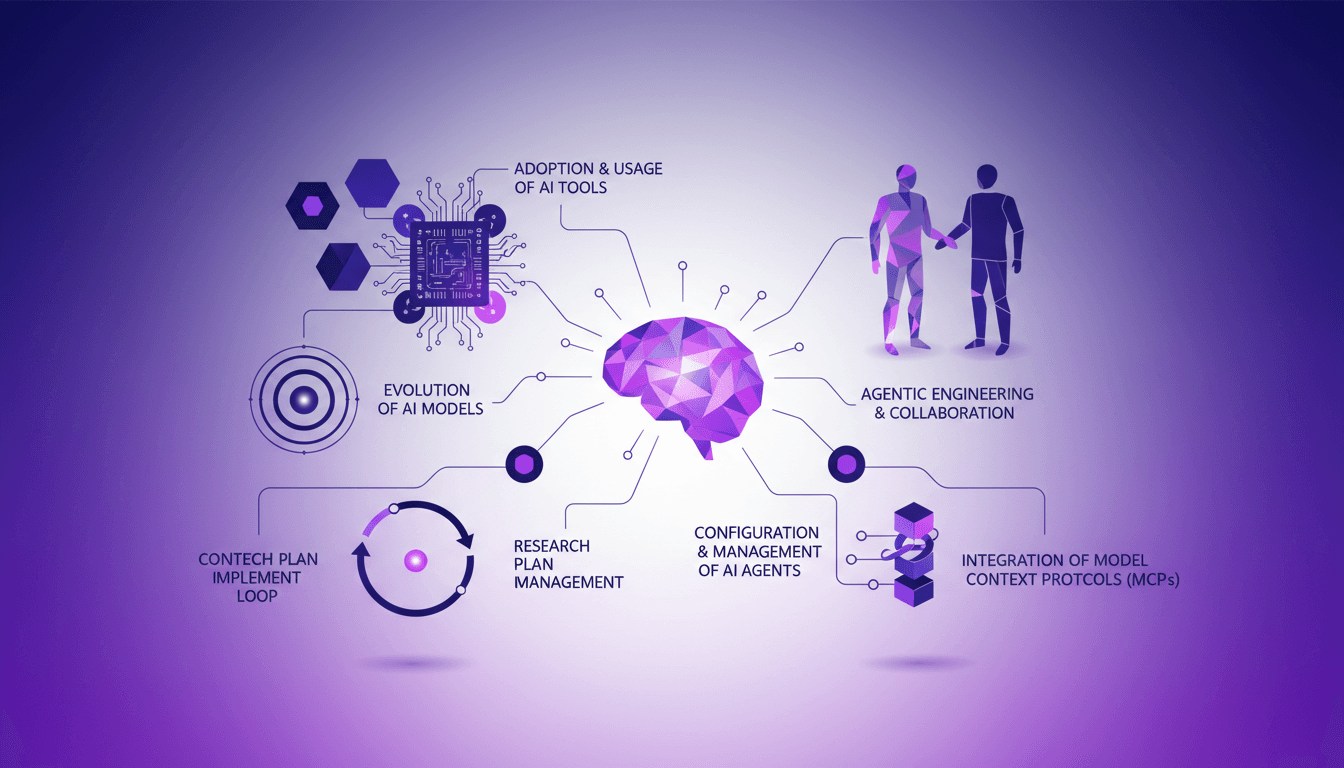
I remember when I first started integrating AI tools into my workflow—like opening a door to a whole new world. But here's the thing: it wasn't just about using AI; it was about working with it. That's where agentic engineering comes into play. In today's rapidly evolving tech landscape, leveraging AI isn't just about automation; it's about collaboration. Engineers are moving beyond traditional usage to a more integrated, agentic approach. In this article, I'll walk you through how I and many others are making this shift. We're talking about adopting and using AI tools, the evolution of AI models in software engineering, and the importance of context management in AI engineering. And, crucially, how we're orchestrating this with well-configured AI agents. Because yes, we're at that point: no longer passive users, we're active collaborators.
Adopting AI Tools: A Practical Approach
As an engineer, I often experience the excitement surrounding AI tools. However, while 90% of engineers have used these tools, only 50% use them regularly. Why not more? The answer often lies in practical integration into daily workflows. For me, adopting an AI tool is like adding a new team member. It's not just about installing software, but about integrating it into the existing workflow.
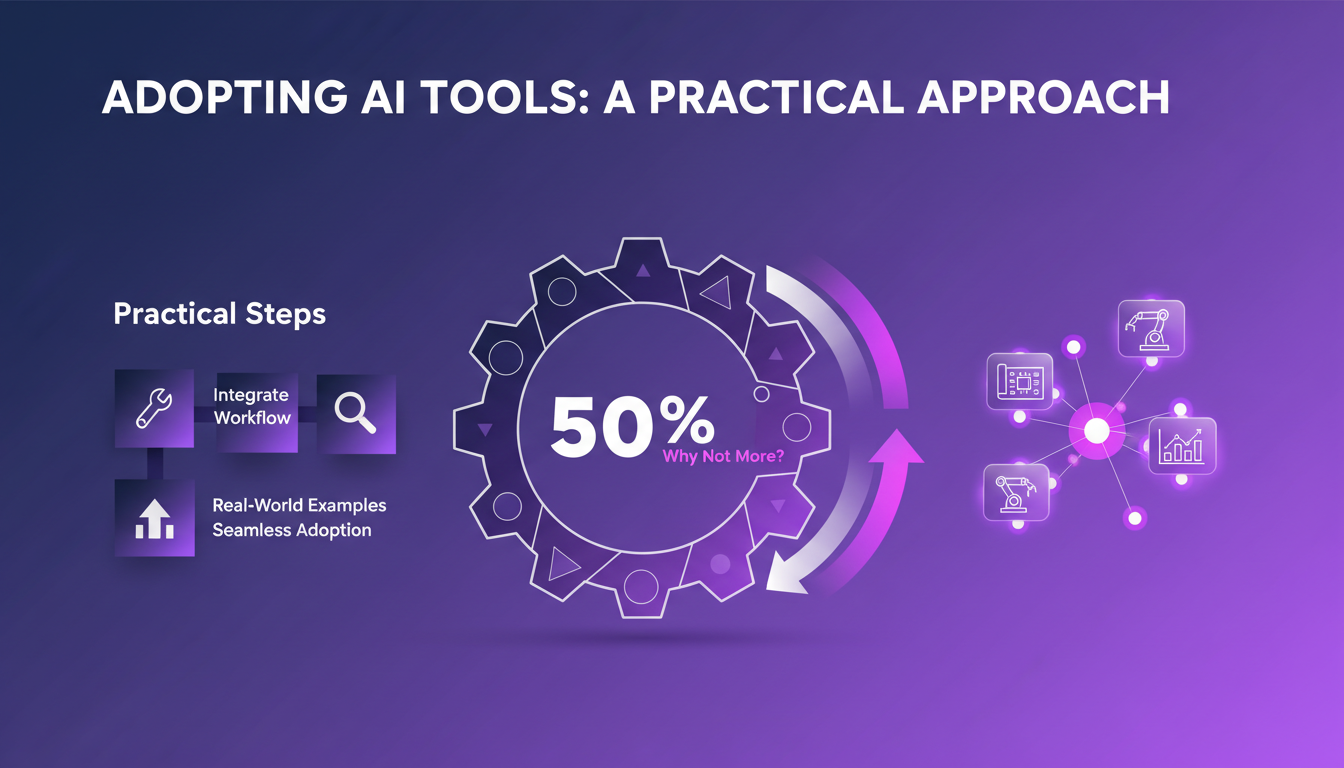
To start, I mapped out repetitive and tedious tasks in my workflow. Then, I explored how tools like GitHub Co-pilot could automate them. For instance, in code generation, Co-pilot has revolutionized my productivity by suggesting entire functions. But watch out, adoption isn't without pitfalls.
- Don't jump on every AI suggestion indiscriminately.
- Avoid over-reliance on automated suggestions.
- Constantly evaluate the relevance of suggestions to the project context.
Evolving AI Models in Software Engineering
With the evolution of AI models, we've moved from static systems to dynamic systems capable of executing tasks autonomously. This impacts our daily engineering tasks directly. For instance, in 2025, AI models began executing tasks independently, including submitting pull requests. In my experience, this transformed how we approach projects.
I recall a project where AI suggested not just code, but also performed tests and proposed changes. It was a real game changer. However, it's crucial to balance innovation with stability during AI model updates.
- Monitor frequent updates to avoid unexpected disruptions.
- Consider compatibility with existing systems.
- Ensure the team is trained on the new capabilities of AI models.
Mastering Context Management in AI Engineering
Context management is a subtle yet essential art in AI engineering. Poor management can lead to quality degradation of over 50%. The Model Context Protocol (MCP) plays a crucial role here. In my work, I learned to fill the context window with only relevant information.
For instance, during a project, I had to manage parallel agents, which has become increasingly common. Adding incorrect or excessive context can make the model less effective. Here are some practical tips:
- Limit context to essential information.
- Avoid overloading the agent with unnecessary details.
- Use MCP to structure interaction with tools like the GitHub API.
Agentic Engineering: Collaborating with AI
Agentic engineering represents a fundamental shift in our interaction with AI. Instead of just using these tools, we collaborate with them. For example, in a recent project, I worked with an AI agent capable of reading and applying best practices from Stack Overflow.
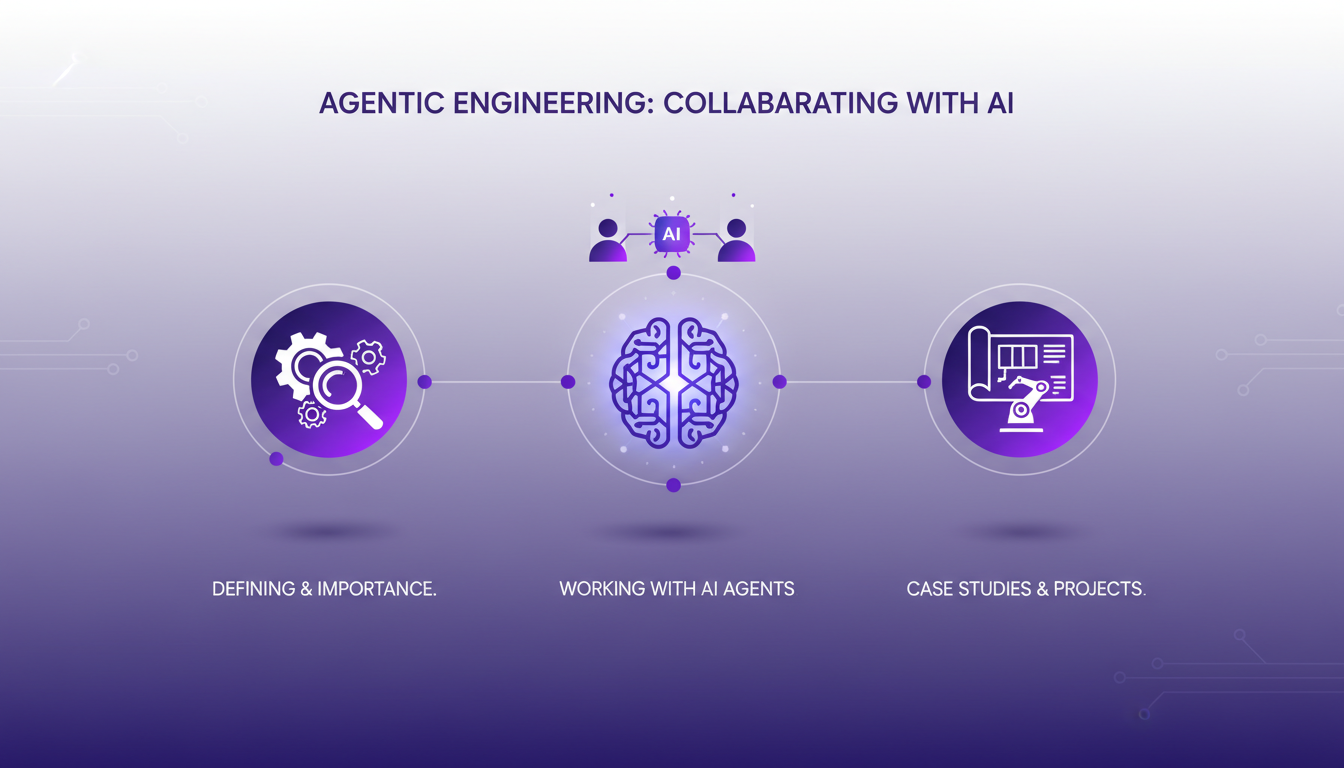
However, AI lacks judgment. It doesn't understand business context or specific architectural decisions. Armand, the creator of Flask, gained more than 30% of his time thanks to AI, but he knows what to keep for himself. That's the difference between using AI and collaborating with it.
- Direct the AI's work rather than blindly accepting every suggestion.
- Identify the limits of the agentic approach and necessary trade-offs.
Implementing the Research Plan Implement Loop
The research-plan-implement loop is a powerful method for enhancing AI engineering processes. It starts with thorough research, followed by structured planning, then implementation. In my practice, I've seen how this approach improves accuracy and efficiency.
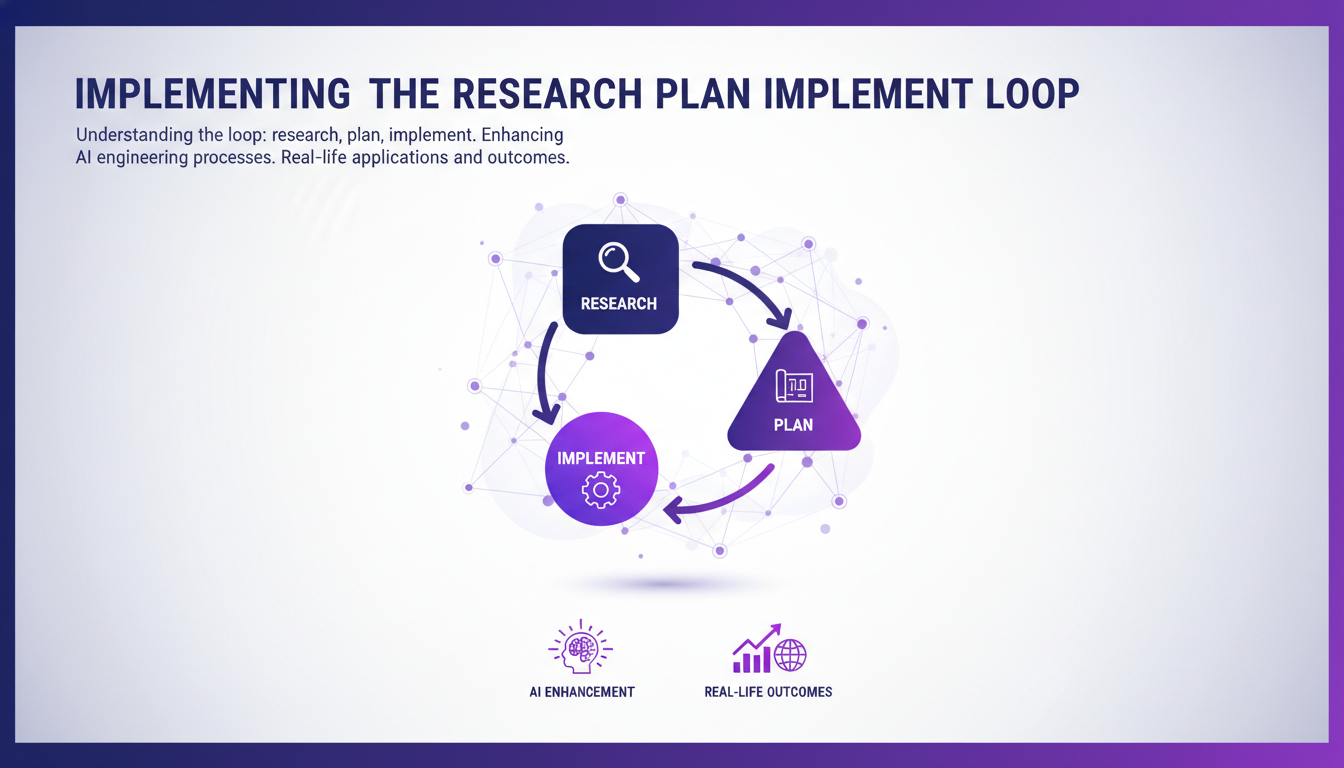
During a project, I first mapped tasks into small steps, which allowed for better management and error reduction. However, challenges remain:
- Planning can be lengthy but is essential to avoid costly errors.
- Adjustments are often necessary along the way.
- Iteration is key: each cycle improves the next.
Agentic engineering has been a game changer for me, reshaping how I collaborate with AI in daily workflows. First, I realized it's not just about using tools but truly engaging with them. That's a big mindset shift. Then, I noticed that only about half of engineers are using AI tools regularly—there's so much untapped potential for efficiency here. By managing context more strategically, I saw real gains. It's like having four different ways to work with my internal platform APIs. But watch out—you need to know the limits to avoid performance pitfalls. Now, I'm convinced that integrating these strategies into your workflow can really make a difference. So, share your experiences and let's evolve together. For those wanting a deeper dive, check out Brendan O'Leary's full video: Agentic Engineering: Working With AI, Not Just Using It. It's a real eye-opener.
Frequently Asked Questions

Thibault Le Balier
Co-fondateur & CTO
Coming from the tech startup ecosystem, Thibault has developed expertise in AI solution architecture that he now puts at the service of large companies (Atos, BNP Paribas, beta.gouv). He works on two axes: mastering AI deployments (local LLMs, MCP security) and optimizing inference costs (offloading, compression, token management).
Related Articles
Discover more articles on similar topics
GMA4: Google's Open-Source AI Revolution
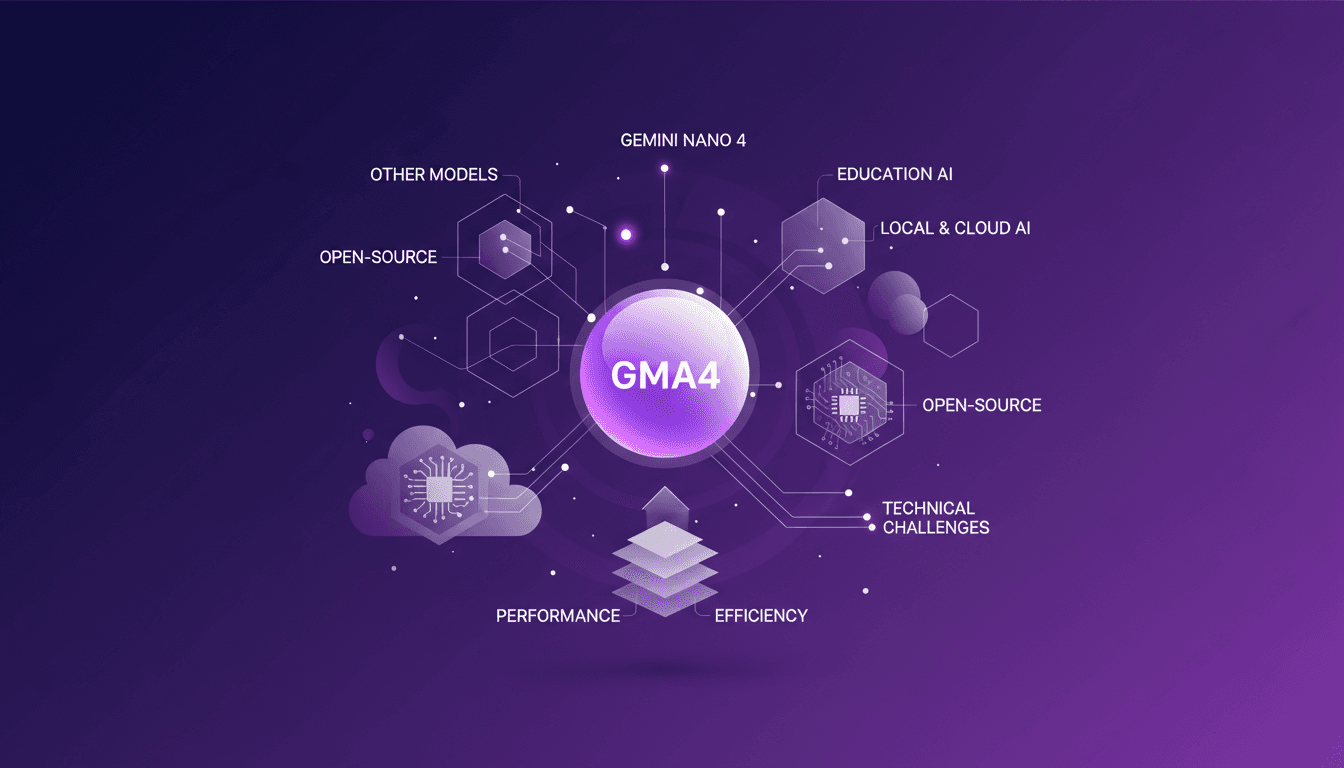
When Google released the GMA4 model, I knew it would be a game changer. I dove right into integrating it with Gemini Nano 4 for Android. And let me tell you, it wasn't a walk in the park. GMA4 is not just another AI model. With its open-source structure, it redefines local AI processing. But watch out, there are technical traps to avoid. I got burned several times, especially on performance optimization and efficiency. Yet, when you truly get a handle on these aspects, the impact is massive. Imagine a model 30 times smaller than its competitors but just as powerful. That's GMA4, a revolution in local and cloud AI. We'll talk about the educational opportunities for integrating this technology and what it means for the future of AI.
How AI Handles Every Sales Objection
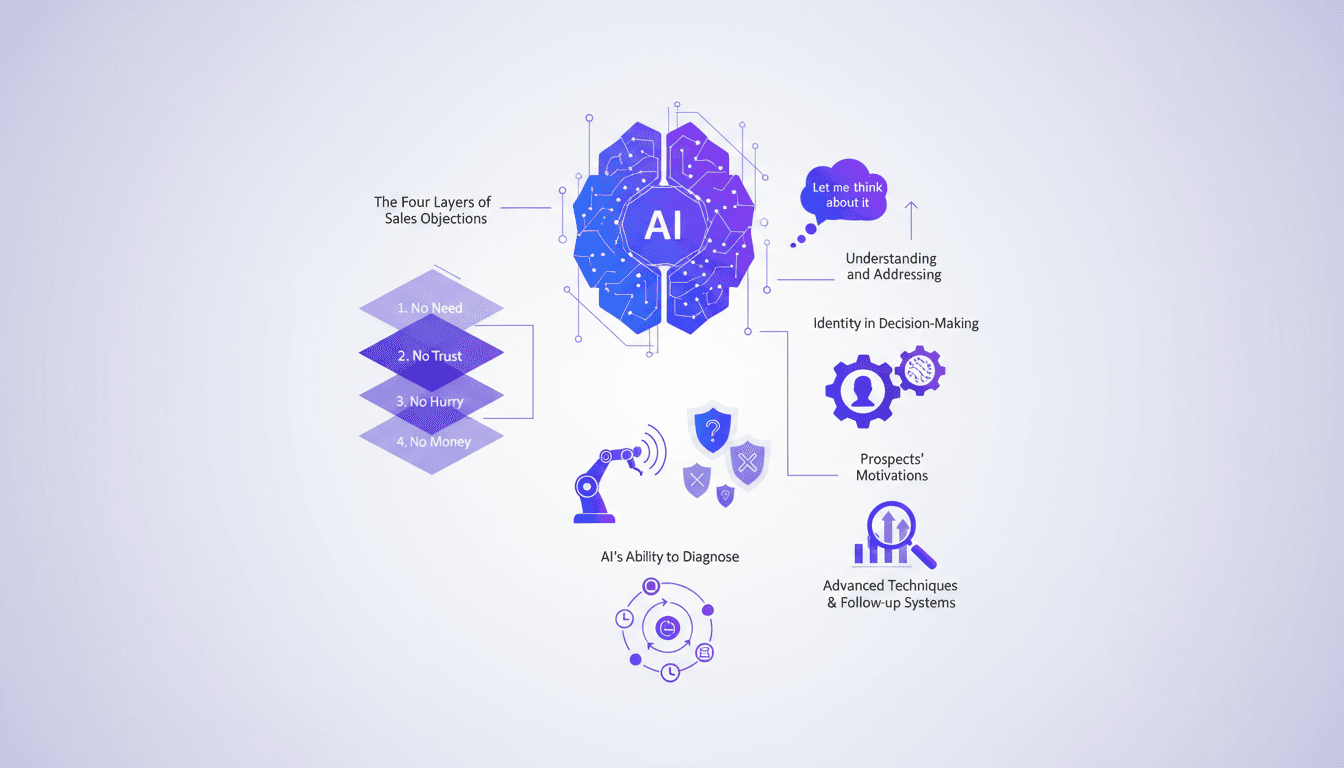
I've been in sales long enough to know that objections are inevitable. But when AI stepped into the game, I realized we could tackle these hurdles more efficiently. Let me walk you through how AI learned to navigate the tricky waters of sales objections. We're not talking theory here—this is practical, field-tested strategy. With AI, we can dissect objections into manageable layers and address them systematically. It's a real game changer, but watch out for the limits, especially when it comes to understanding prospects' motivations. I'll show you how we move from 'Let me think about it' to closing a deal.
AI in Sales: Mastering the VRP=C Strategy
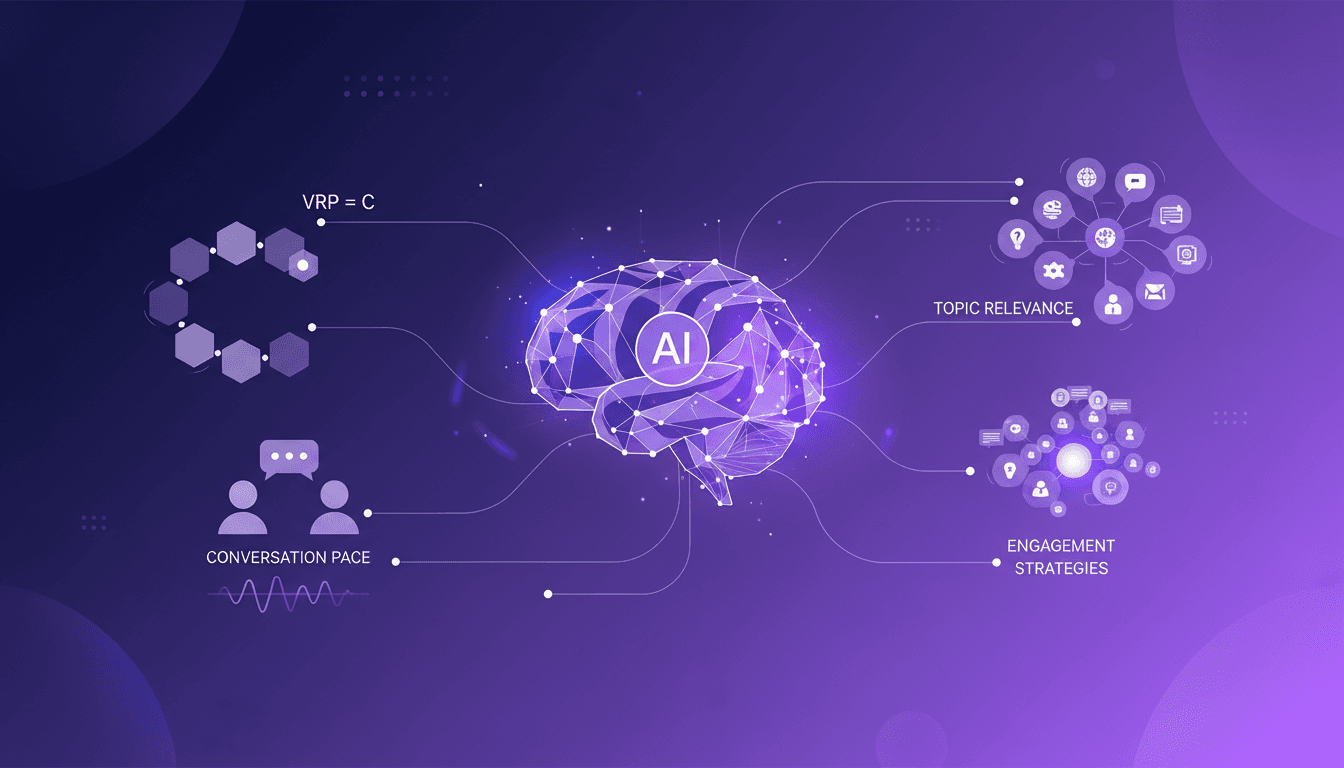
I've spent years refining my sales techniques, but nothing has surprised me quite like the impact AI is having on our methods. We often talk about automation, but what interests me is how AI can truly transform our sales conversations at a deep level. I used AI to close a sale where humans traditionally stumble. The key here is the VRP=C strategy. In this article, I'm going to break down how AI is redefining our approach, not just in terms of speed, but also in terms of precision and strategy. Get ready to discover how adjusting conversation pace can make all the difference.
Integrating LangChain with Arcade: A Practical Guide
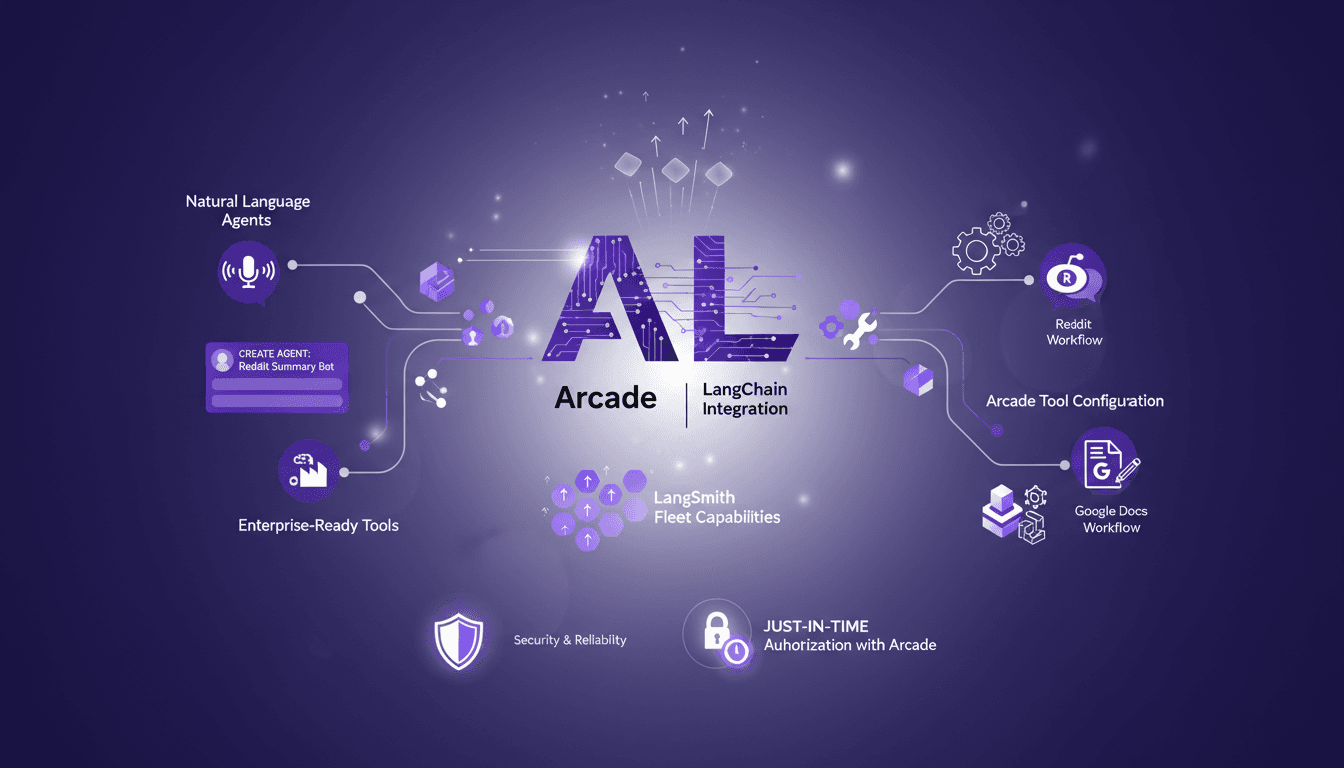
I dove headfirst into integrating LangChain with Arcade, and let me tell you, the capabilities are game-changing. But, like any powerful tool, it’s all about how you set it up and use it. With over 7,500 Arcade.dev tools now available in LangSmith Fleet, the opportunities for creating AI agents with natural language are unprecedented. However, you need to orchestrate these tools wisely to avoid pitfalls. In this guide, I'll show you how to get the most out of this integration, with concrete examples like using Reddit and Google Docs. And importantly, I'll discuss the challenges of security and reliability in production environments, as well as just-in-time authorization with Arcade. In short, a comprehensive overview for those looking to maximize the impact of their AI projects.
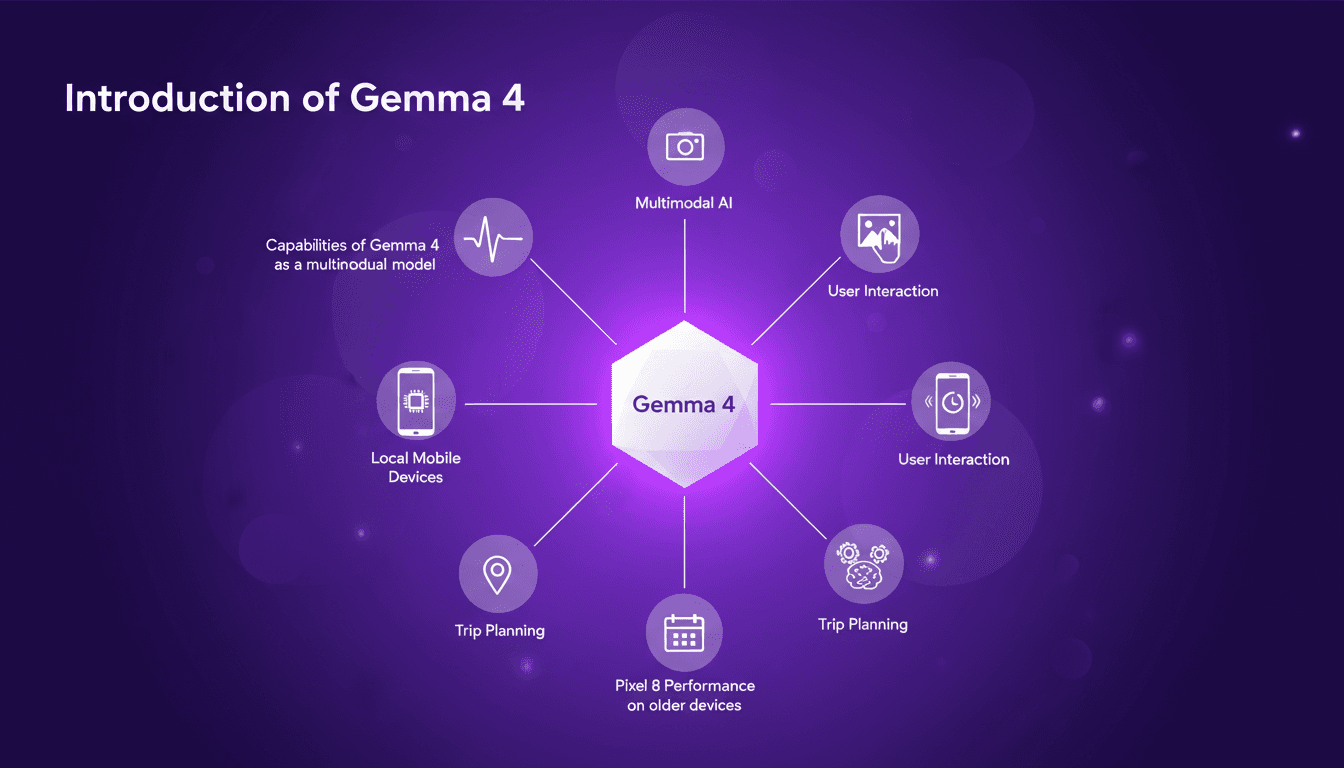
Exploring Gemma 4: Google's Multimodal Model
I just got my hands on Gemma 4, Google's latest AI model, and it's a true multimodal powerhouse! I've started testing it on my mobile devices, and honestly, it's impressive. It's not just about flashy tech; it's about practical applications and efficiency, even on older devices like the Pixel 8. Imagine planning your next trip with an AI that understands not just text but images and voice as well: that's what Gemma 4 promises. I was pleasantly surprised by its performance on older devices. In this tutorial, I'll show you how to make the most of Gemma 4 with the Google AI Edge Gallery. Ready to see how it works?