GMA4: Google's Open-Source AI Revolution
When Google released the GMA4 model, I knew it would be a game changer. I dove right into integrating it with Gemini Nano 4 for Android. And let me tell you, it wasn't a walk in the park. GMA4 is not just another AI model. With its open-source structure, it redefines local AI processing. But watch out, there are technical traps to avoid. I got burned several times, especially on performance optimization and efficiency. Yet, when you truly get a handle on these aspects, the impact is massive. Imagine a model 30 times smaller than its competitors but just as powerful. That's GMA4, a revolution in local and cloud AI. We'll talk about the educational opportunities for integrating this technology and what it means for the future of AI.
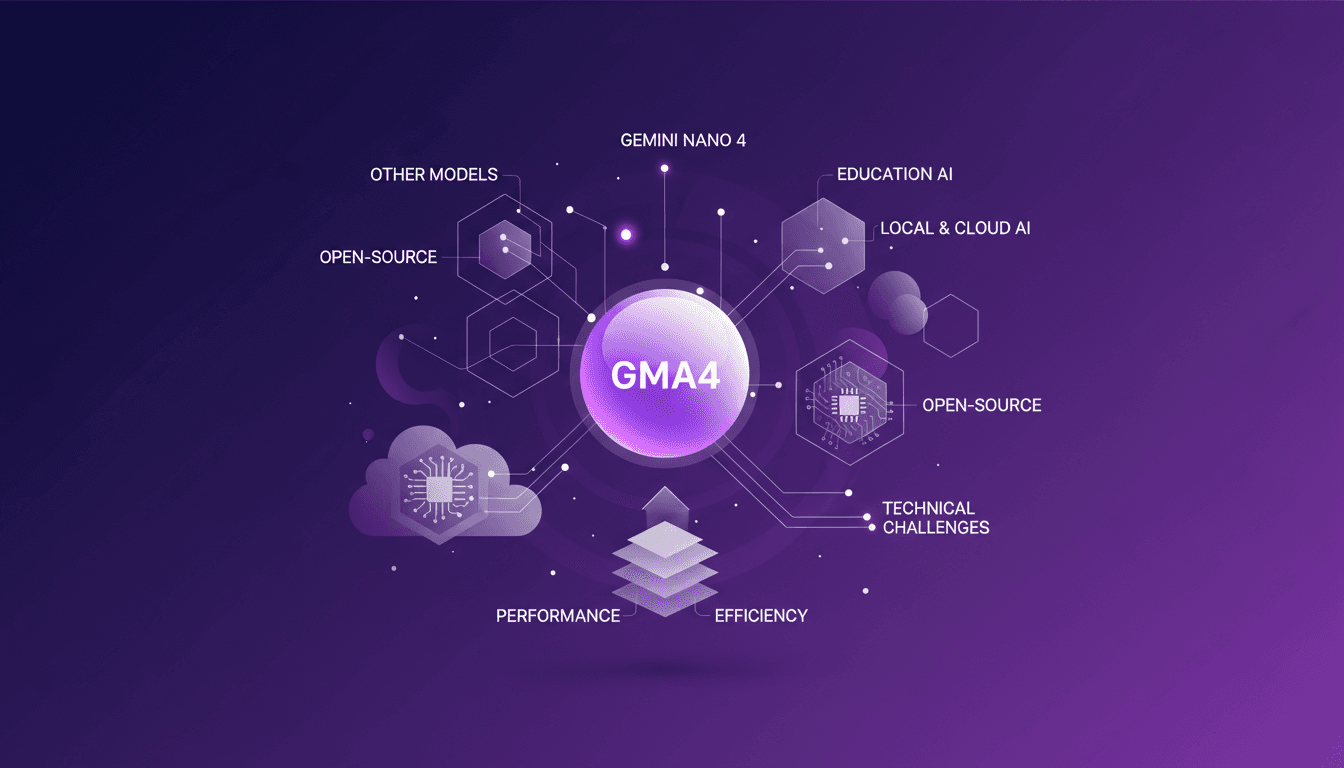
When Google released the GMA4 model, I knew it was going to be a game changer. I dove straight into integrating it with Gemini Nano 4 for Android, and let me tell you, it was quite a journey. GMA4 isn't just another AI model. With its open-source structure, it redefines what it means to process AI locally. I connected the APIs, orchestrated the workflows, and quickly realized this model was no walk in the park. I had to juggle performance optimization and efficiency, getting burned several times on technical details. Imagine a model 30 times smaller than its predecessors but just as powerful. It's a real shake-up. Yet, when you master these elements, the impact is direct and colossal. We'll explore together why GMA4 deserves our attention, how it stacks up against other models, and most importantly, what opportunities it opens for AI integration in our systems, whether local or in the cloud. And let's not forget the educational opportunities it offers to those looking to dive into AI.
Getting Started with GMA4: What You Need to Know
Google recently unveiled GMA4, an open-source AI model that's already making waves. Personally, I think its open-source status is a real game changer. First off, it's ranked third globally, which is no small feat. Compared to traditional AI models, it's 30 times smaller while remaining efficient. What does that mean? Well, you can run it on your own machine without needing massive servers.

Why is this important for developers and businesses? Because it opens incredible doors. I can modify, sell, or create applications without restrictions. It's a strong signal compared to more closed models. If you work in a company, imagine being able to tailor an AI model to your specific needs without going through an external provider.
- GMA4 is ranked 3rd globally
- 30 times smaller than other models
- Available as open-source without commercial restrictions
Integration with Gemini Nano 4: Step-by-Step
Integrating GMA4 with Gemini Nano 4 for Android is another story. The initial setup is quite straightforward, but don't underestimate the hardware requirements. I had to ensure my machine was well-equipped, especially with a decent graphics card. Once that's done, integration with Android is seamless thanks to Google's API.
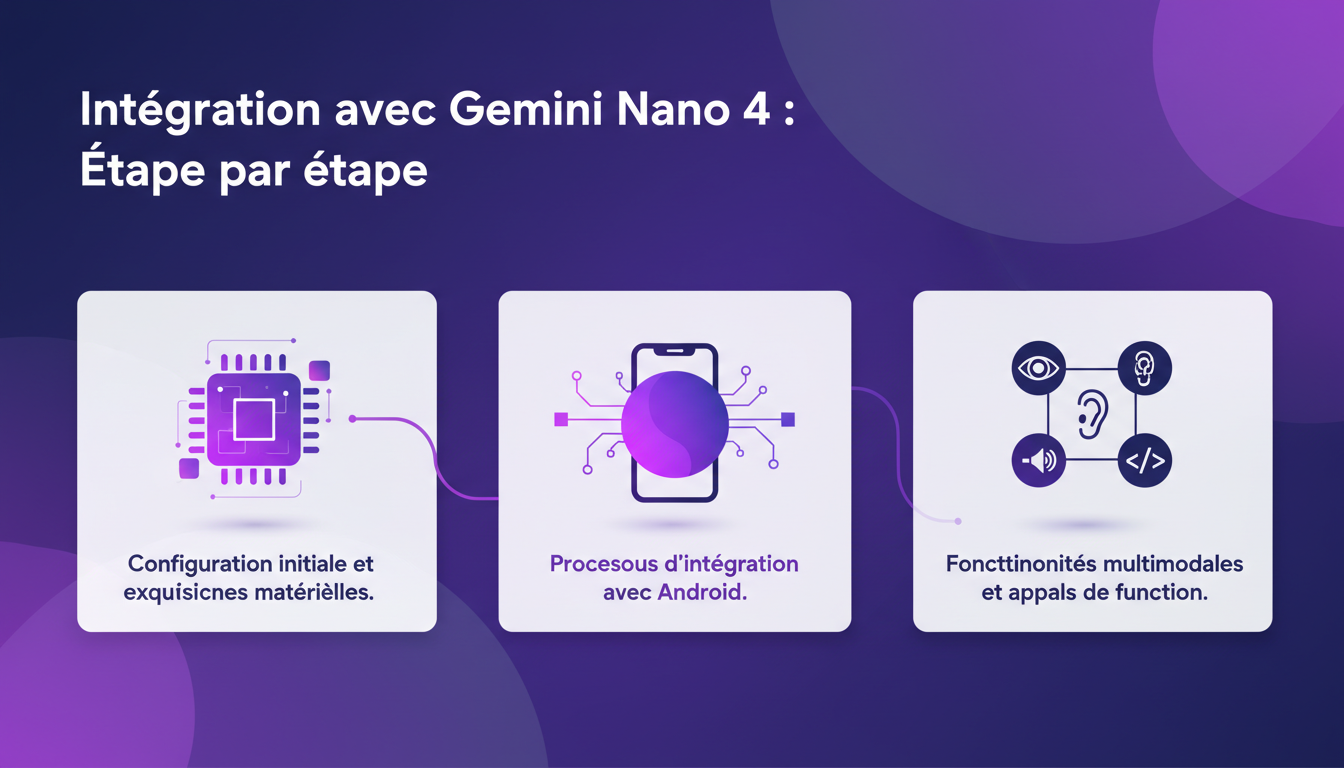
The multimodal features are impressive. GMA4 natively handles images, videos, and audio. I tested the function calls, and they work perfectly. But watch out for common errors: forgetting to properly configure the model can cost you in time and frustration.
- Check your hardware setup
- Use Google's API for Android integration
- Be cautious with configuration errors
Performance and Efficiency: What I Discovered
Analyzing the performance of GMA4 was a real pleasure. Compared to other models, it is extremely efficient. It has 31 billion parameters, yet it competes with much larger models. It's a real generational leap. However, watch out beyond 100K tokens, as performance can suffer.
In terms of energy efficiency, this is where GMA4 truly shines. I noticed a significant reduction in consumption compared to other models I've used. In terms of costs, this translates to significant savings, especially if you need to deploy at scale.
- 31 billion parameters
- Exceptional performance for its size
- Beware of limits beyond 100K tokens
Technical Challenges and Improvements: My Experience
Using GMA4 isn't without its challenges. I encountered speed issues with the MoE model of 26 billion parameters. To overcome these challenges, I had to optimize my task orchestration and revisit some configurations. Don't make the mistake of ignoring the balance between local and cloud processing. It's crucial.
The improvements made to the model by Google are notable. Compared to previous versions, GMA4 has made a leap forward in terms of speed and accuracy. If you're just starting out, I recommend understanding the model's functionality before diving in.
- Speed issues with the 26 billion model
- Optimization needed for better orchestration
- Balance between local and cloud processing
The Future of AI: Local and Cloud Integration
The future of AI lies between local and cloud integration. Trends show a growing preference for local solutions, especially for privacy and digital sovereignty reasons. Google, with GMA4, paves the way for more accessible and efficient AI models.

In terms of educational opportunities, integrating AI into existing systems is easier than ever. Open-source models like GMA4 promise to lower entry barriers. To prepare for upcoming changes, it's crucial to stay informed about technological developments and adapt quickly.
- Preference for local integration for privacy
- Lower barriers thanks to open-source models
- Importance of staying informed about developments
GMA4 has totally redefined my approach to AI, especially with its local integration. First off, realizing that this model ranks third worldwide while being 30 times smaller is a testament to its compact efficiency. Then, the integration with Gemini Nano 4 for Android is a game changer for anyone developing mobile solutions. But watch out, local integration challenges are no joke, particularly when it comes to resource consumption. I'm curious to see how local AI and cloud will coexist moving forward. If you haven't explored GMA4 yet, now's the time to dive in and share your findings. I'd recommend watching the original video for a deeper understanding: Google vient de TOUT changer.
Frequently Asked Questions

Thibault Le Balier
Co-fondateur & CTO
Coming from the tech startup ecosystem, Thibault has developed expertise in AI solution architecture that he now puts at the service of large companies (Atos, BNP Paribas, beta.gouv). He works on two axes: mastering AI deployments (local LLMs, MCP security) and optimizing inference costs (offloading, compression, token management).
Related Articles
Discover more articles on similar topics
Exploring Gemma 4: Google's Multimodal Model
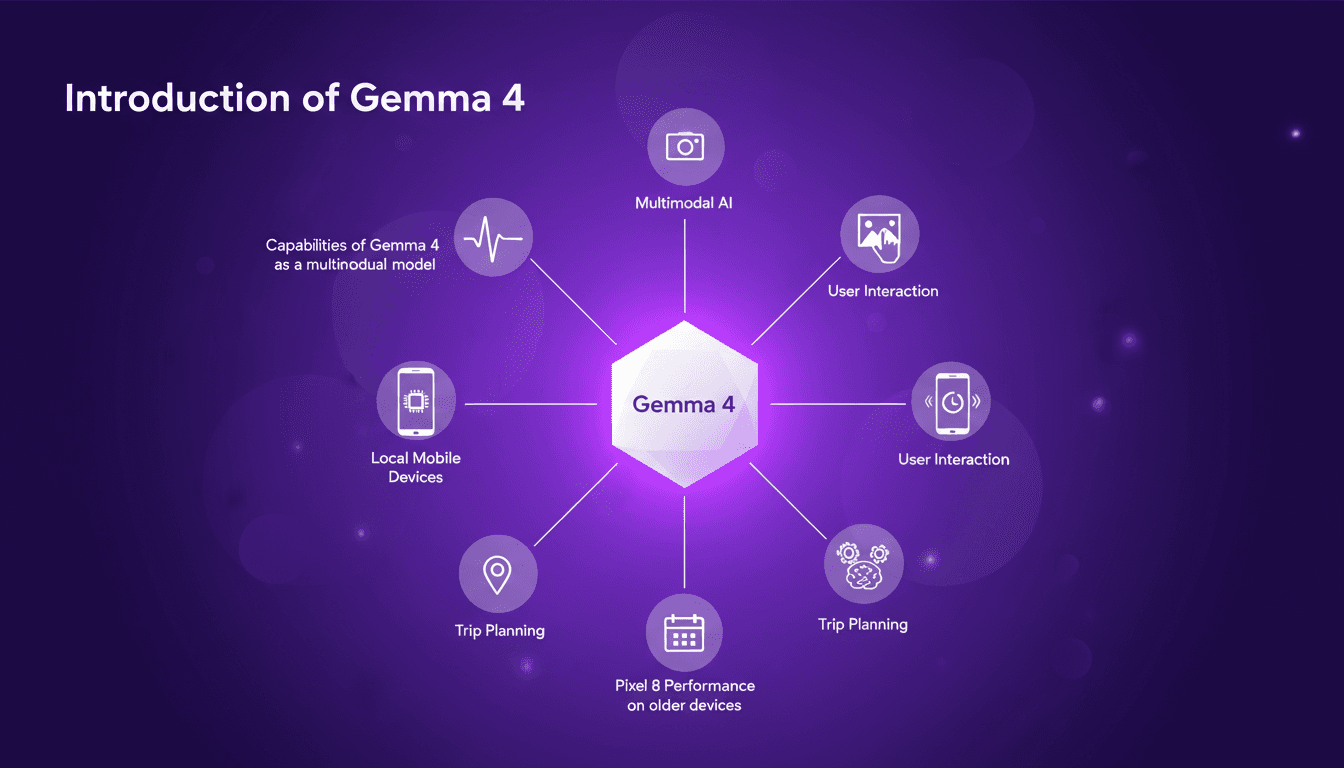
I just got my hands on Gemma 4, Google's latest AI model, and it's a true multimodal powerhouse! I've started testing it on my mobile devices, and honestly, it's impressive. It's not just about flashy tech; it's about practical applications and efficiency, even on older devices like the Pixel 8. Imagine planning your next trip with an AI that understands not just text but images and voice as well: that's what Gemma 4 promises. I was pleasantly surprised by its performance on older devices. In this tutorial, I'll show you how to make the most of Gemma 4 with the Google AI Edge Gallery. Ready to see how it works?
Influencer Strategy: $35K/Month with One App
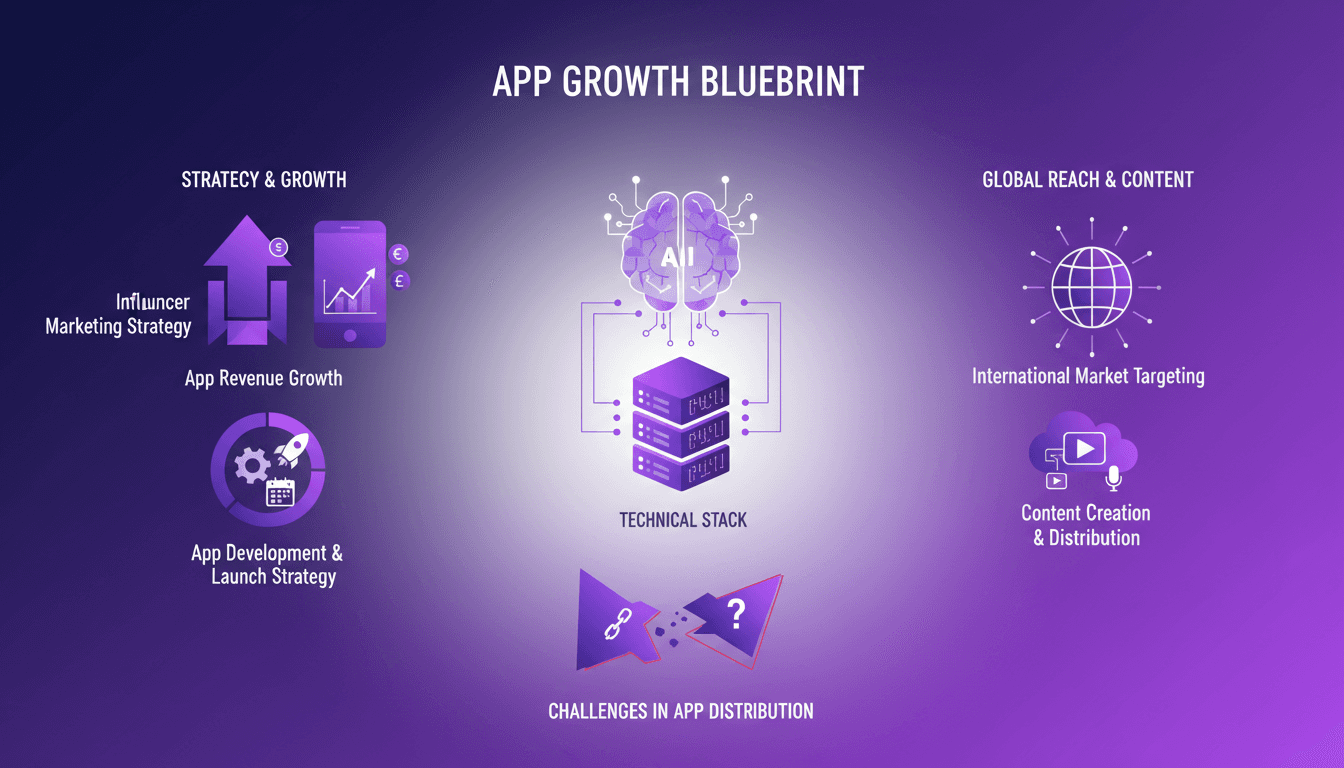
I turned an app idea into a $35K/month cash machine by partnering with just one influencer. How? By orchestrating an influencer marketing strategy that skyrocketed our revenue by 10,000%. I'll walk you through how I navigated the challenges of app development, international market launch, and powerful content creation. And watch out—there are pitfalls to avoid (I've been burned more than once)!
Codex: Revolutionizing Code Review at RAMP
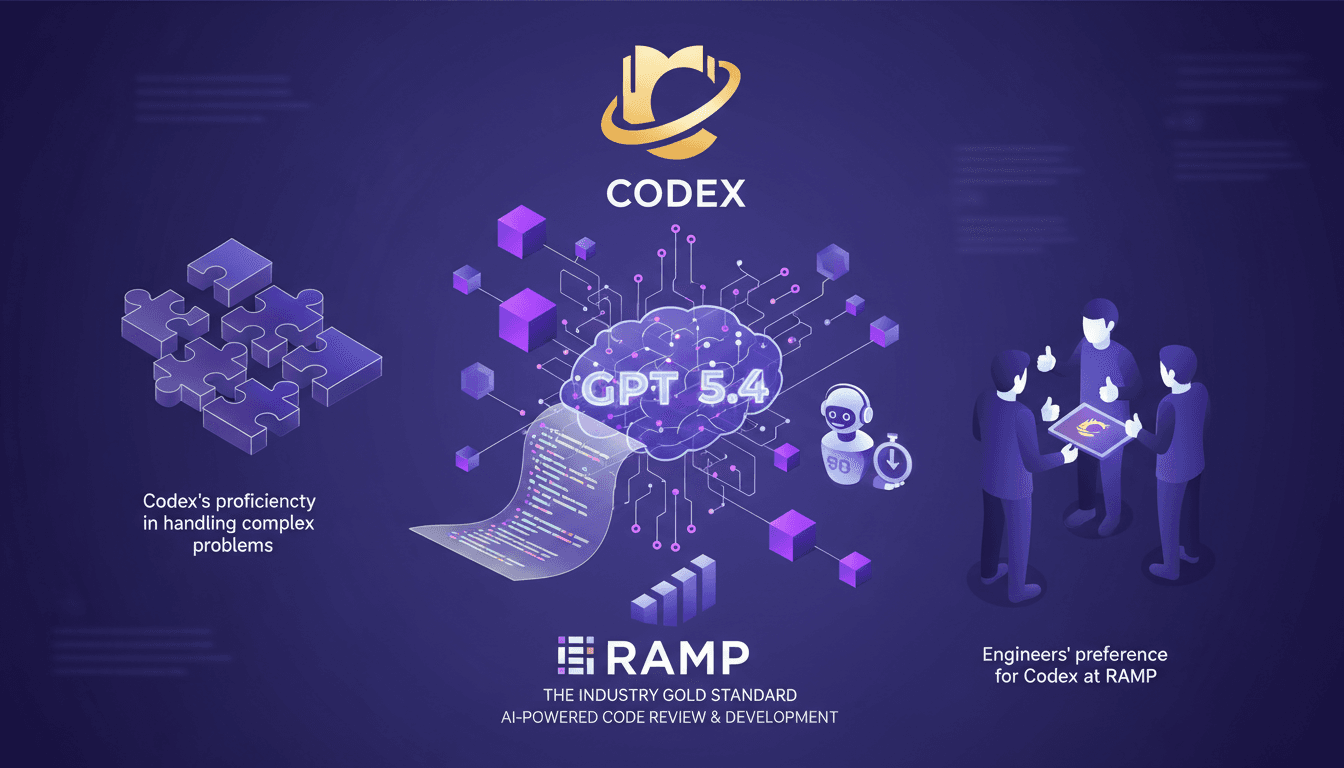
When I first integrated Codex with GPT 5.4 at RAMP, I knew we were onto something big. The way it slashed code review times from hours to minutes was a game changer. That's not just talk. By pairing Codex with GPT 5.4, we've not only optimized our workflows but also developed an AI-driven on-call assistant that changed how we tackle complex problems. Codex has become the industry standard for code review, and at RAMP, our engineers swear by it. Let's dig into how this setup works and why it's winning over everyone here.

Harnessing Quantum Power in Living Organisms: Guide
I've spent countless hours in the lab wrestling with quantum computing concepts, and here's the kicker: our bodies are already quantum machines. By diving into the natural world, down to the cellular level, we find quantum principles that challenge even the giants like Google and IBM. Picture this: every second, the microtubules in our cells are performing super radiance quantum processes a trillion times. This untapped quantum biology power could revolutionize how we approach technology and AI. Let's dive into this new frontier together.
Unitree at CES: Boosting Innovation
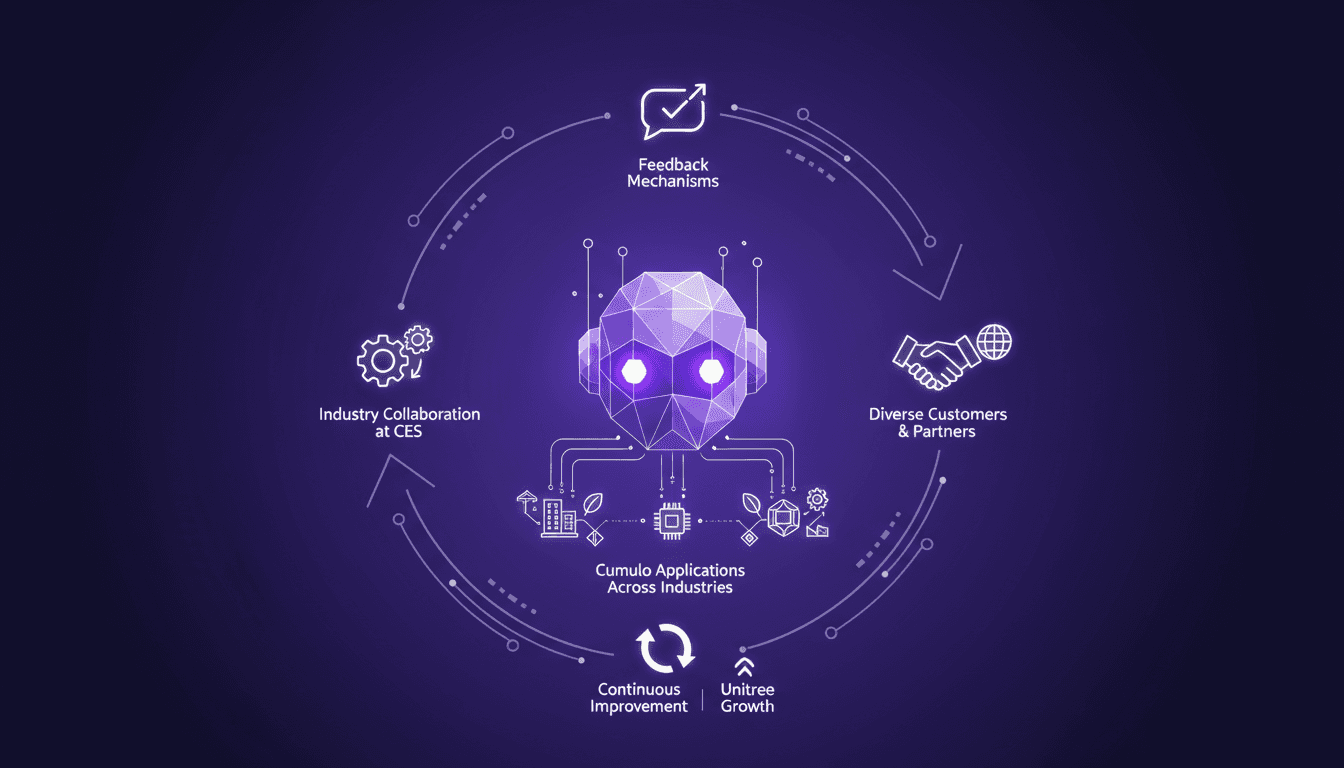
I've been to CES more times than I can count, but this year with Unitree felt different. Our Cumulo robot stole the spotlight on the main stage, and I saw firsthand how CES is more than a showcase—it's a catalyst for genuine innovation. I orchestrated demos, gathered invaluable feedback, and connected with partners from around the globe. The insights we gained there? Absolutely crucial for refining our applications across various industries. Ultimately, CES was a launchpad for Unitree, showing that innovation thrives on listening and adapting.