Harnessing Quantum Power in Living Organisms: Guide
I've spent countless hours in the lab wrestling with quantum computing concepts, and here's the kicker: our bodies are already quantum machines. By diving into the natural world, down to the cellular level, we find quantum principles that challenge even the giants like Google and IBM. Picture this: every second, the microtubules in our cells are performing super radiance quantum processes a trillion times. This untapped quantum biology power could revolutionize how we approach technology and AI. Let's dive into this new frontier together.

I've burned the midnight oil, wrestling with quantum computing concepts. And yet, the real revelation is right under our noses: our bodies already operate like quantum computers. Yes, you read that right, each cell, each molecule, is part of a sophisticated network that even Google and IBM struggle to match. Speaking of numbers, imagine that since the dawn of time, the entire biosphere has accumulated about 10^60 quantum operations. Our cells orchestrate super radiance quantum processes a thousand to ten thousand billion times per second! This is phenomenal, yet largely untapped potential that could transform how we integrate AI into quantum research and even revolutionize the medical field. Let's see what quantum biology has in store for us builders of tomorrow.
Understanding Quantum Computing in Nature
A few years back, I dove headfirst into the fascinating world of quantum computing as it naturally occurs, and the revelations were nothing short of astounding. It all began with a staggering calculation: the cumulative quantum computing power of all living beings on Earth over 4.5 billion years. This figure is so colossal it rivals the computing capacity of the observable universe. To put this in perspective, the biosphere has performed about 10^60 operations since the origin of life. It's as if every bacterium, every blade of grass, contributes to a quantum symphony of cosmic proportions.
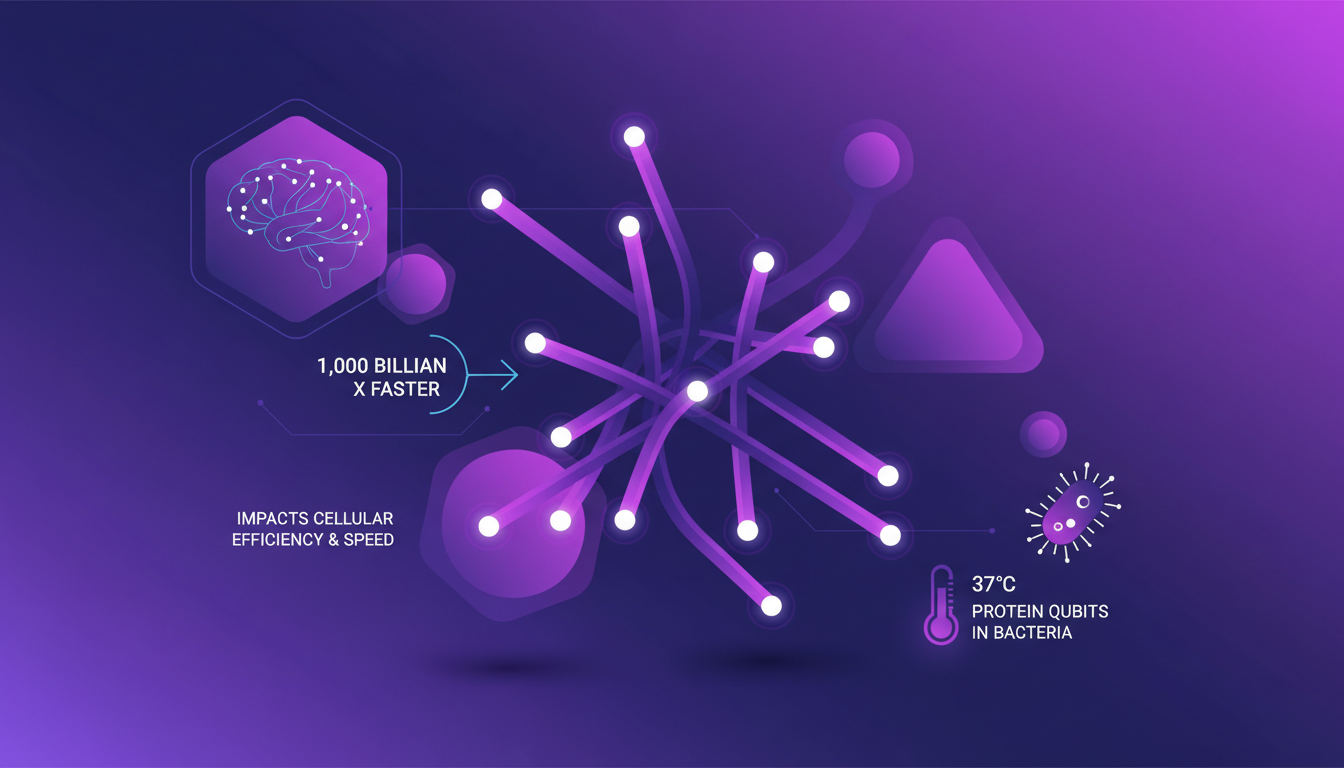
Then, I delved into how living organisms leverage quantum superposition and decoherence. Imagine super radiance processes operating within cell microtubules at speeds between 1,000 billion and 10,000 trillion times per second. That's a billion times faster than classic neural signaling. These discoveries have upended my perception of quantum biology, demonstrating an unforeseen efficiency and speed at the cellular level.
Super Radiance and Its Cellular Impact
Super radiance in microtubules is like having a mini quantum reactor in every cell. At 37°C, protein qubits operate even within bacteria, defying the extreme conditions required by traditional quantum processors. But watch out, over-relying on classical analogies to explain these phenomena can mislead if not carefully managed.
Seeing this phenomenal speed, it's clear that cells are masters of efficiency. They orchestrate a symphony of quantum operations that far surpasses our current technologies. This realization has made me appreciate just how much we have to learn from nature, especially in terms of speed and efficiency.
The Quantum Basis of Consciousness
Next, I explored the link between consciousness and quantum processes in the brain. Practical experiments suggest that consciousness might be rooted in quantum phenomena. This is a fascinating avenue, but it requires balancing quantum models with neurological data. There are trade-offs, but the implications are massive. If consciousness is indeed a quantum phenomenon, it could revolutionize our understanding of artificial intelligence and open new avenues in neuroscience.
When AI Meets Quantum Research
I've experimented with integrating AI to enhance the efficiency of quantum research. AI, by modeling and simulating quantum processes, can significantly accelerate research cycles. But there are limits: AI models can oversimplify complex quantum systems. That said, the cost and time savings are real, and AI has the potential to transform our approach to quantum research.
Quantum Sensors and Medical Advancements
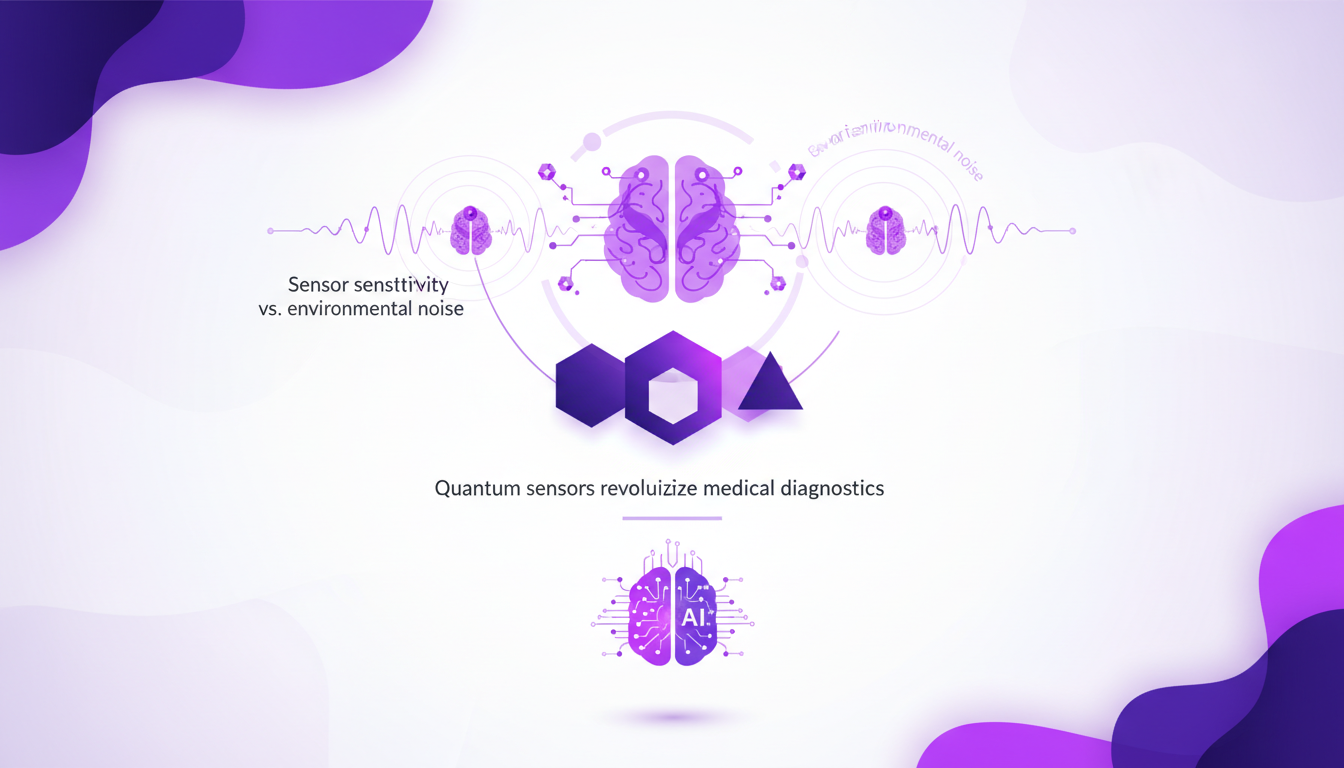
Quantum sensors are revolutionizing medical diagnostics. I've worked with sensors capable of detecting minute biological changes, paving the way for much more precise diagnostics. However, there's a trade-off between sensor sensitivity and environmental noise. But the outlook is promising: drastically cutting healthcare costs through more effective diagnostics.
In conclusion, the future of quantum biology and its applications in medicine looks bright. The recent advancements not only push the boundaries of our understanding but could well revolutionize our approach to health and human consciousness.
- The cumulative quantum computing power of living beings over 4.5 billion years reaches 10^60 operations.
- Super radiance processes in cells outpace current technologies in speed.
- Consciousness might have a quantum basis, reshaping neuroscience paradigms.
- AI accelerates quantum research, but beware of excessive simplifications.
- Quantum sensors promise to revolutionize medical diagnostics.
When I dive into quantum biology, I'm not just theorizing—I'm challenging tech giants on a practical level. Here's what I discovered:
- Living organisms harness quantum computing power that outpaces Google and IBM. 4.5 billion years of evolution make for one hell of a computer.
- Super radiance quantum processes operate at insane speeds, between 1,000 and 10,000 trillion times per second in our cells.
- Consciousness might have a quantum basis, which could revolutionize our understanding of cognition.
This is a real game changer, but watch out for limitations, especially in modeling. The potential is massive, but we need to tread carefully. I encourage you to embark on your own quantum research journey. Let's push the boundaries of what's possible together. Check out the full video: Your body is a quantum computer.
Frequently Asked Questions

Thibault Le Balier
Co-fondateur & CTO
Coming from the tech startup ecosystem, Thibault has developed expertise in AI solution architecture that he now puts at the service of large companies (Atos, BNP Paribas, beta.gouv). He works on two axes: mastering AI deployments (local LLMs, MCP security) and optimizing inference costs (offloading, compression, token management).
Related Articles
Discover more articles on similar topics
Breaking Light Speed: Reality or Myth?
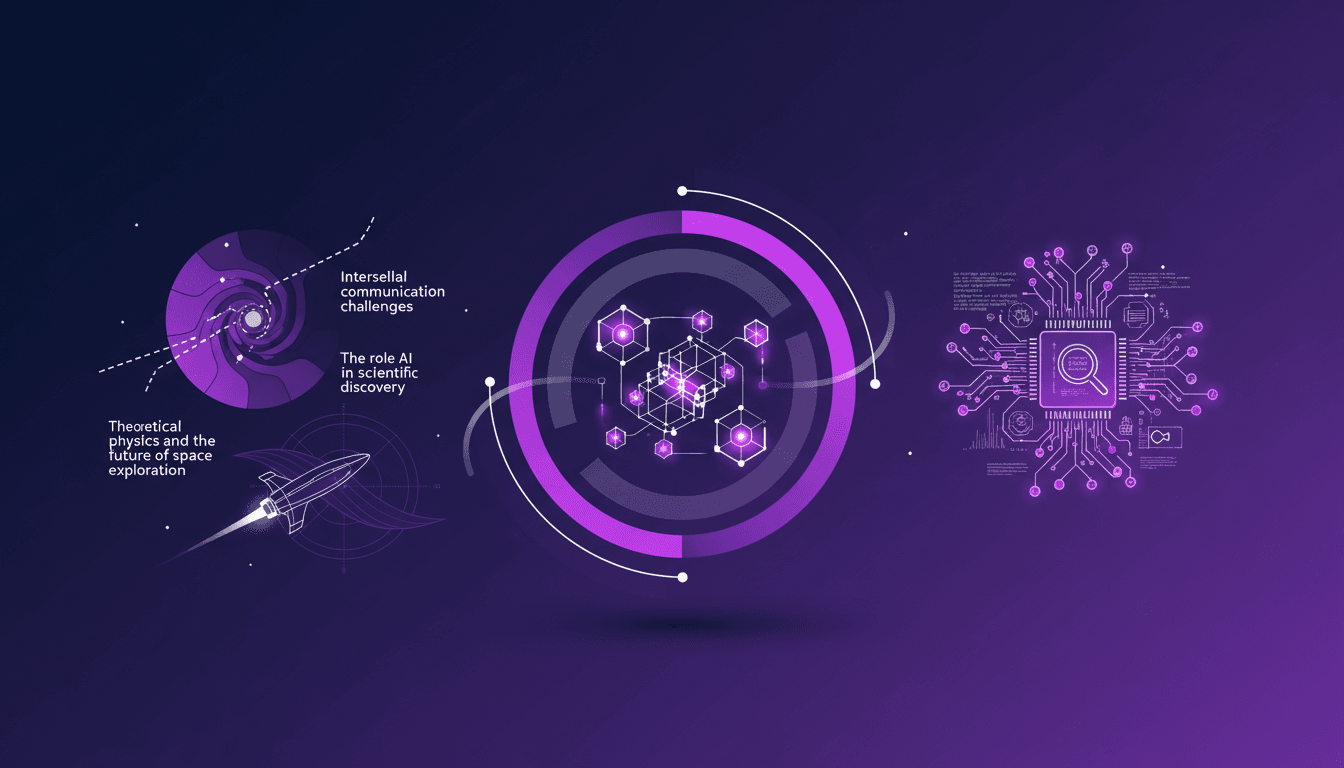
I was knee-deep in a quantum computing project when it hit me: what if the speed of light isn't the untouchable barrier we've always thought it was? This revelation opened up a world of possibilities. Today, I'm diving into how quantum mechanics and AI are reshaping our understanding of the universe. We'll explore why 97% of physicists still hold onto this belief and what it could mean for the future of interstellar communication. Don't be fooled by conventional wisdom; the future might be much faster than light lets on.
Codex: Revolutionizing Code Review at RAMP
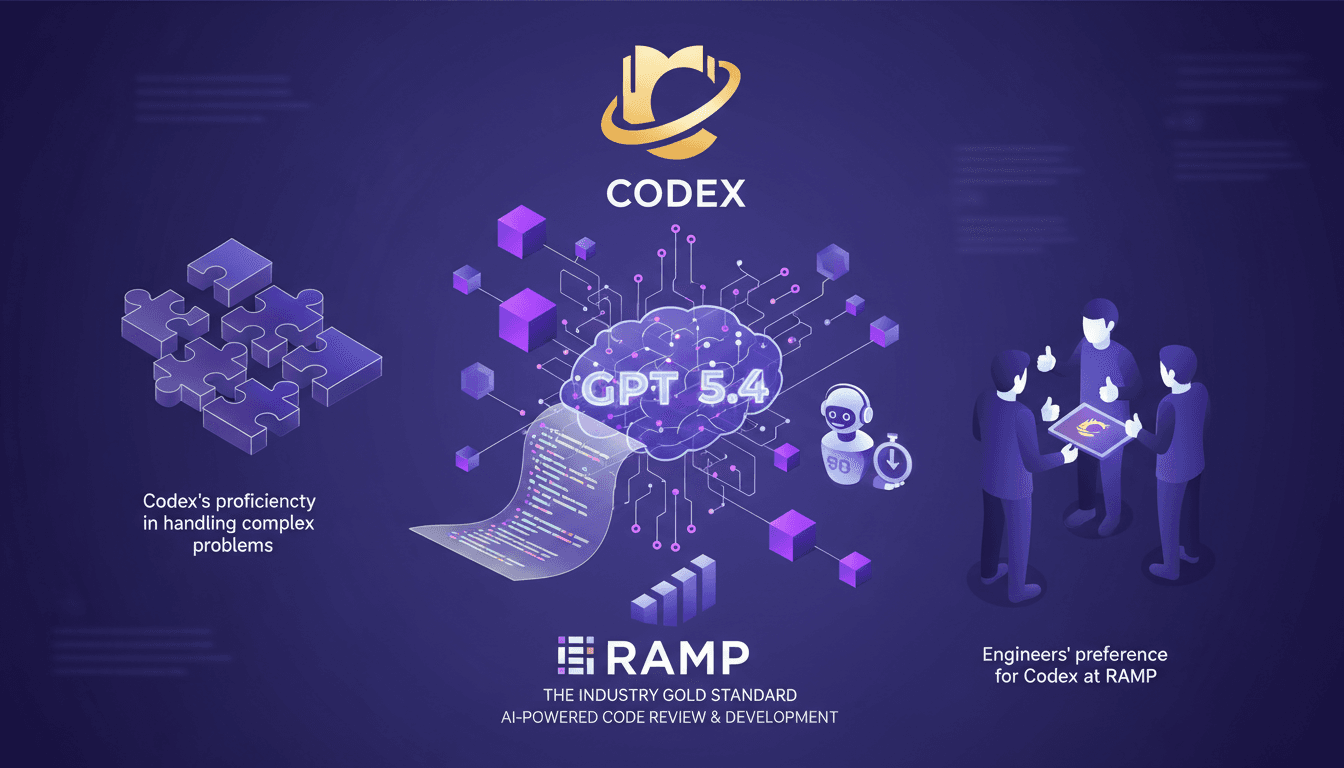
When I first integrated Codex with GPT 5.4 at RAMP, I knew we were onto something big. The way it slashed code review times from hours to minutes was a game changer. That's not just talk. By pairing Codex with GPT 5.4, we've not only optimized our workflows but also developed an AI-driven on-call assistant that changed how we tackle complex problems. Codex has become the industry standard for code review, and at RAMP, our engineers swear by it. Let's dig into how this setup works and why it's winning over everyone here.
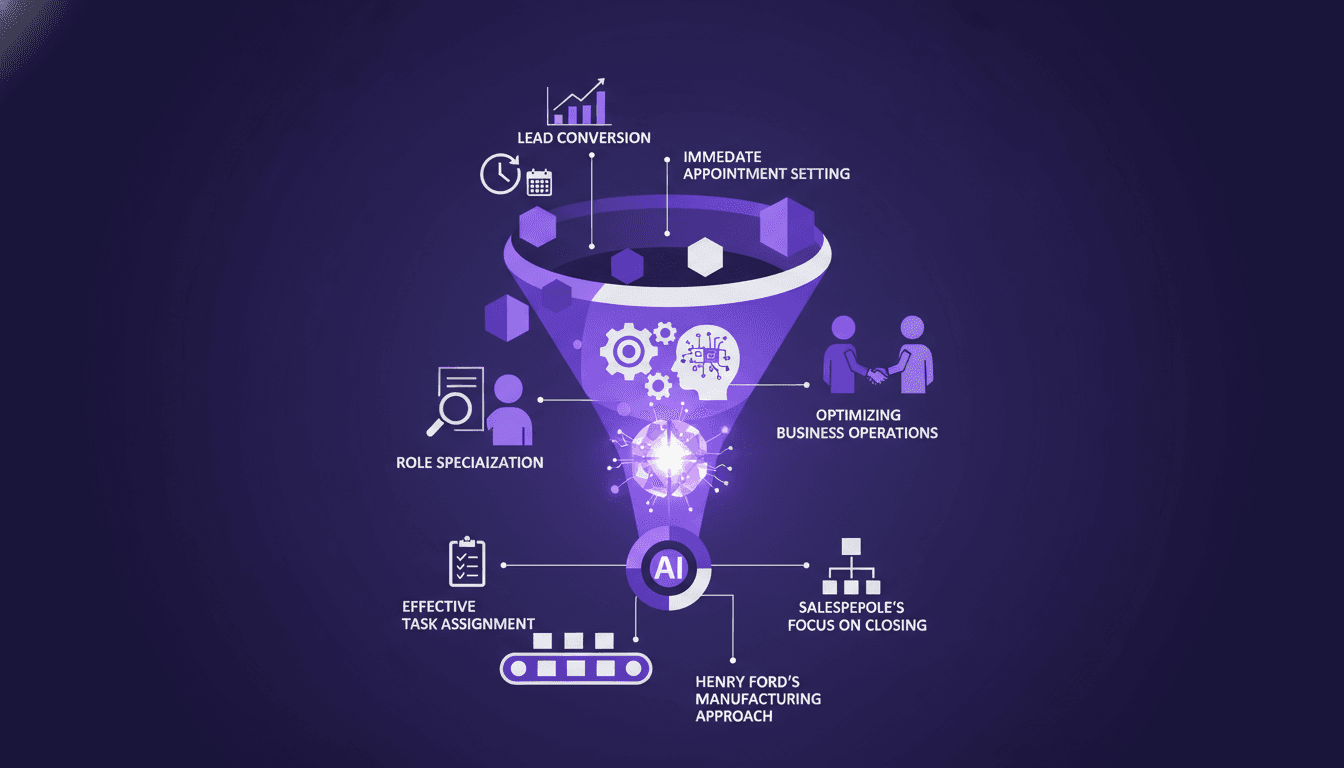
Optimize Sales: Don't Let Your Best Reps Do This
I used to think my top salespeople should handle every stage of the sales process. Big mistake. I discovered that role specialization can significantly boost our conversion rates. Let me walk you through how I optimized our workflow for better results. In sales, every lead is gold, but not every task should fall into the lap of your best closers. Inspired by Henry Ford, I restructured our operations so everyone focuses on their core strength. The outcome? Less wasted time, more appointments set, and skyrocketing conversion rates.
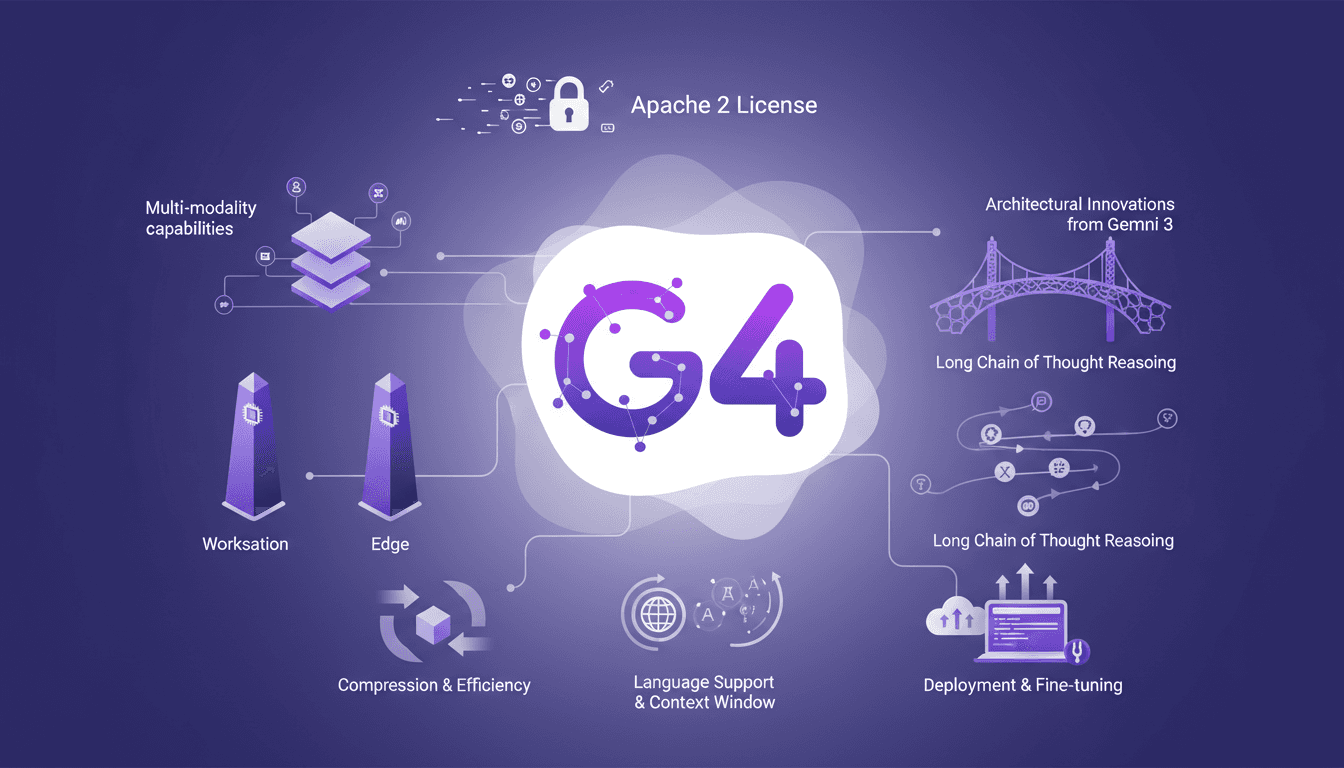
Deploying and Optimizing Gemma 4
When Gemma 4 landed, I knew it was time to dive in. With its Apache 2 license, it's not just about access but what you can build. Let me walk you through my journey with Gemma 4, from deployment to fine-tuning. The new features, multi-modality capabilities, and architectural innovations from Gemini 3 are all here. But watch out, those 128K context windows and 26 billion parameters require real expertise to master. I'll share how I navigated these waters, from deploying Gemma models for workstations to optimizing for edge models.
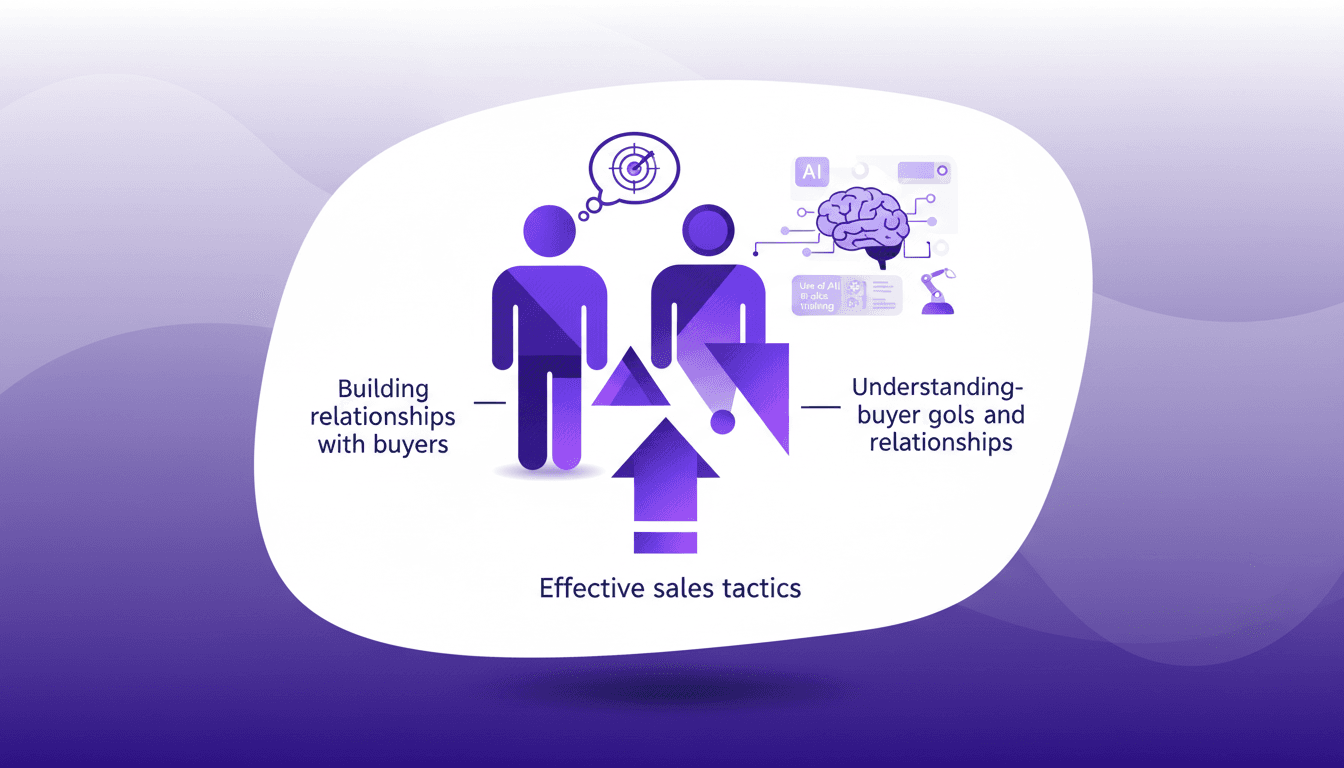
Building Lasting Buyer Relationships in Sales
I’ve stopped just sending deals to buyers. Now, I build strong relationships and truly understand their goals. This shift has transformed how I approach sales. In real estate, it’s easy to get lost in numbers and transactions. But I’ve found that real success comes from understanding buyer needs and leveraging AI to enhance our sales tactics. By spending less time pushing deals and more time listening, I’ve forged long-term relationships that deliver real value. If you really want to make it in this field, it's time to rethink your strategy. Instead of sending deals, connect with your clients and prioritize their needs. You’ll see, the impact on your sales will be significant.