AI Resource Struggles: Nvidia Delays, Open Source
I remember the first time I hit a wall with AI compute resources. It felt like trying to run a marathon on a treadmill stuck at walking speed. In this rapidly evolving AI landscape, we're facing real challenges—from Nvidia's delays to the growing allure of open-source models. The market is in flux, with financial movements like Mistral's debt announcements adding another layer of complexity. We need to navigate resource shortages, the emergence of smaller AI models, and supply chain issues affecting component lead times. Let's dive into these dynamics from a practitioner’s perspective, focusing on practical solutions and trade-offs.
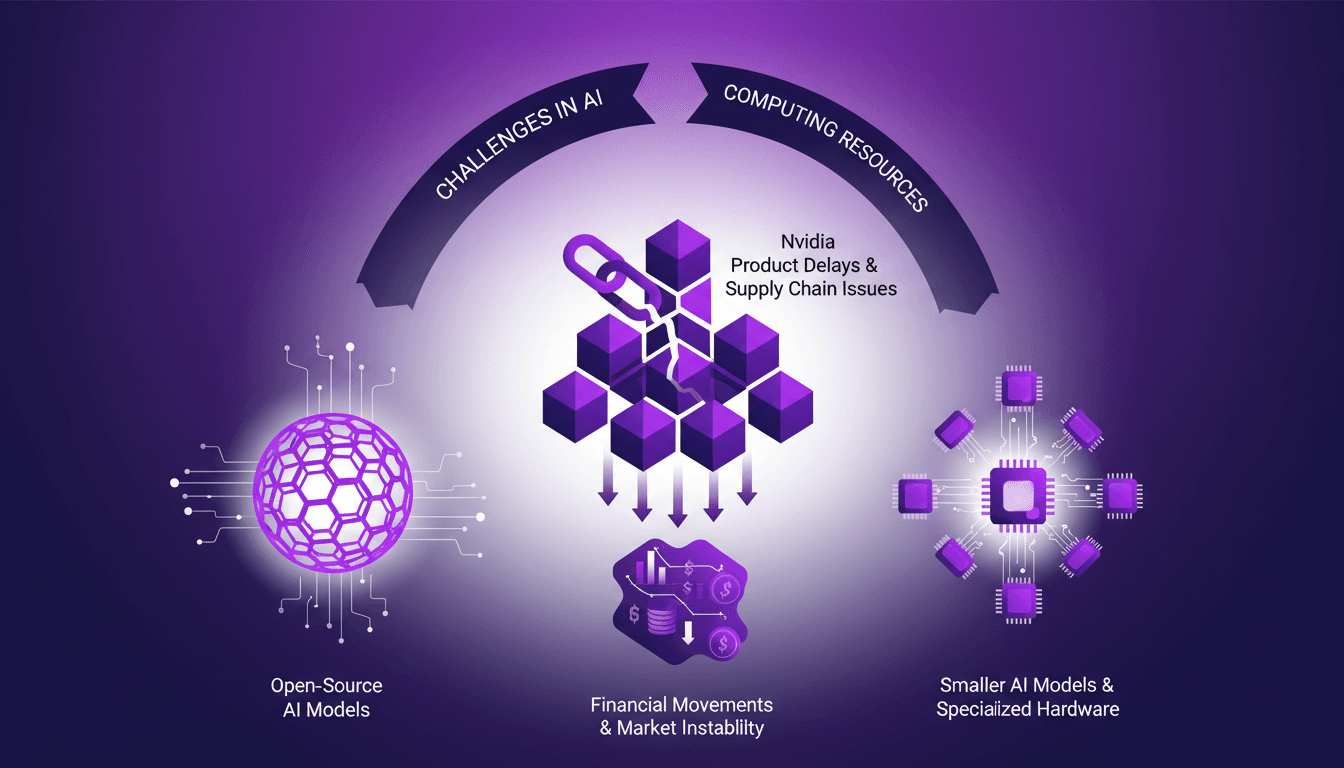
I remember the first time I hit a wall with AI compute resources—it was like trying to run a marathon on a treadmill stuck at walking speed. In today's rapidly shifting AI landscape, we're up against some serious challenges. Nvidia's delays are sending ripples through the market, and the allure of open-source models is on the rise. Add to this the financial maneuvers, like Mistral's debt announcements, and we find ourselves in a growingly complex environment. We have to navigate resource shortages, the emergence of smaller AI models, and supply chain issues dragging out lead times for critical components. Instead of wading through theory, let's dive into these dynamics from a practitioner's perspective. We'll talk practical solutions and necessary trade-offs, exploring how these shifts are impacting us directly on the ground.
Nvidia's Delays: Navigating the Impact
Nvidia's GB300 series delays are causing quite a stir among AI projects that rely on cutting-edge hardware. It's been three months since our last AI episode, and these delays have piled up, sowing uncertainty across the market. In my daily practice, not having access to these resources can stall entire initiatives. It's like trying to build a skyscraper with outdated tools.
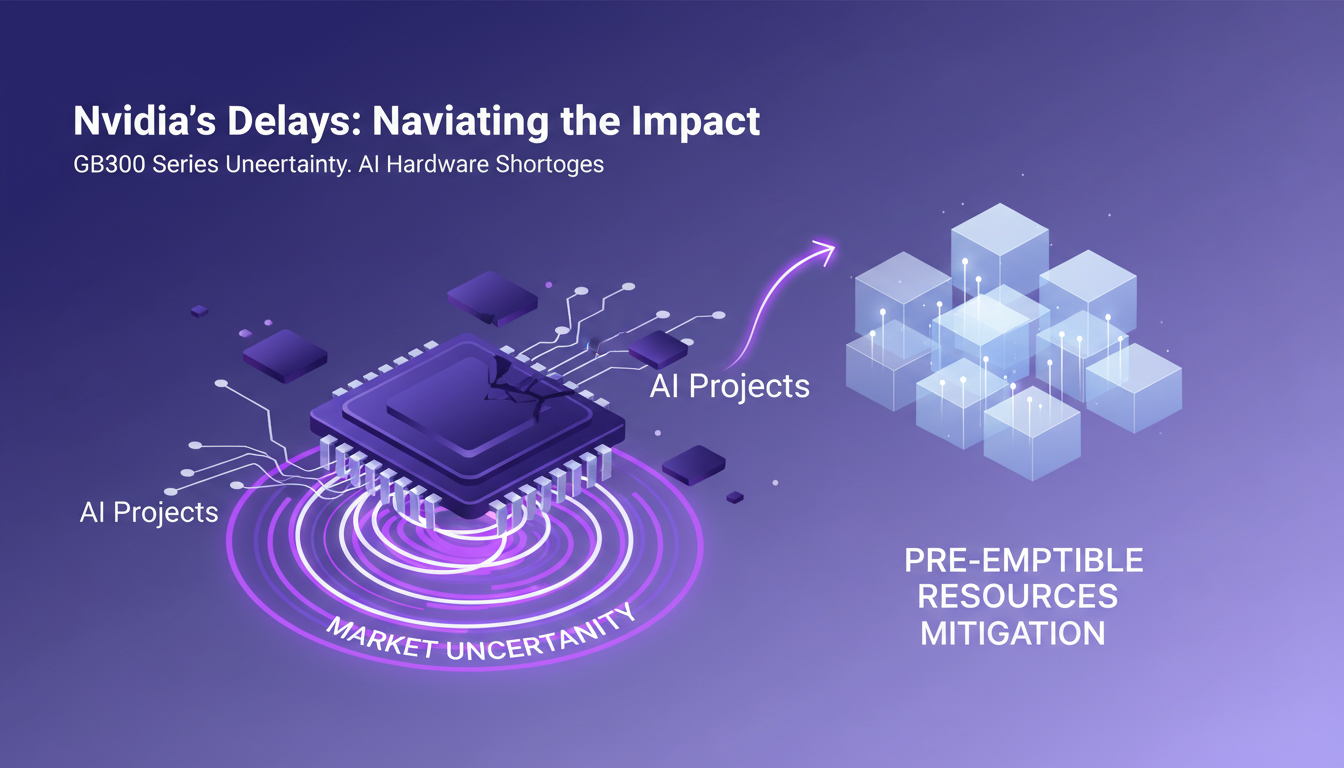
First, considering pre-emptible resources becomes crucial to mitigate hardware shortages. These resources, although unstable, offer some flexibility during shortages. However, watch out for increased lead times which are impacting supply chains and forcing strategic adjustments. Balancing current hardware usage with future needs is now an art we must master.
- Nvidia's GB300 series delays
- Impact of delays on AI projects
- Utilization of pre-emptible resources
- Extended lead times
- Balancing current and future hardware needs
Financial Movements: Reading Between the Lines
With Mistral's announcement of $800 million in debt, we're witnessing a paradigm shift in the market. These financial movements aren't trivial, especially when planning AI projects. I've observed how a company's financial health can directly impact resource allocation and innovation timelines.
Debt can slow down innovation, and in volatile markets, over-leveraging is a trap to avoid at all costs. The strategy here is to cautiously navigate around financial forecasts to maintain stability.
- Mistral's $800 million debt announcement
- Impact of financial health on AI project planning
- Risk of over-leveraging in volatile markets
- Strategies to maintain financial stability
Open Source Models: A Practical Alternative
Open-source AI models are a real breath of fresh air for anyone looking to cut costs and gain flexibility. In my practice, I've seen how they reduce dependency on specific hardware vendors. It's not just about cost, but also about the speed of innovation thanks to community support.
But, watch out—integrating these models into existing systems can be challenging. Balancing the benefits of open-source with proprietary solutions is key, especially if you want to avoid compatibility pitfalls.
- Flexibility and cost savings with open-source models
- Reduced dependency on hardware vendors
- Community support for rapid innovation
- Challenges in integrating with existing systems
- Balancing open-source and proprietary solutions
Resource Shortages: Strategies for Efficiency
Compute shortages are a bottleneck for AI development. In my daily operations, I've turned to smaller, specialized AI models to compensate. It's like shifting from a congested highway to a smoother side road.
The RMA (Return Merchandise Authorization) process is crucial for managing hardware failures, and optimizing inference processes has become a priority to maximize the use of available resources. Long-term planning is essential to navigate these supply constraints.
- Compute shortages in AI
- Smaller, specialized AI models
- RMA process for managing hardware failures
- Optimization of inference processes
- Long-term planning for supply constraints
Market Stability and Supply Chain Concerns
Supply chain issues are extending component lead times, threatening market stability. In my projects, diversifying suppliers has become a key strategy to mitigate these risks. It's akin to having multiple arrows in one's quiver.
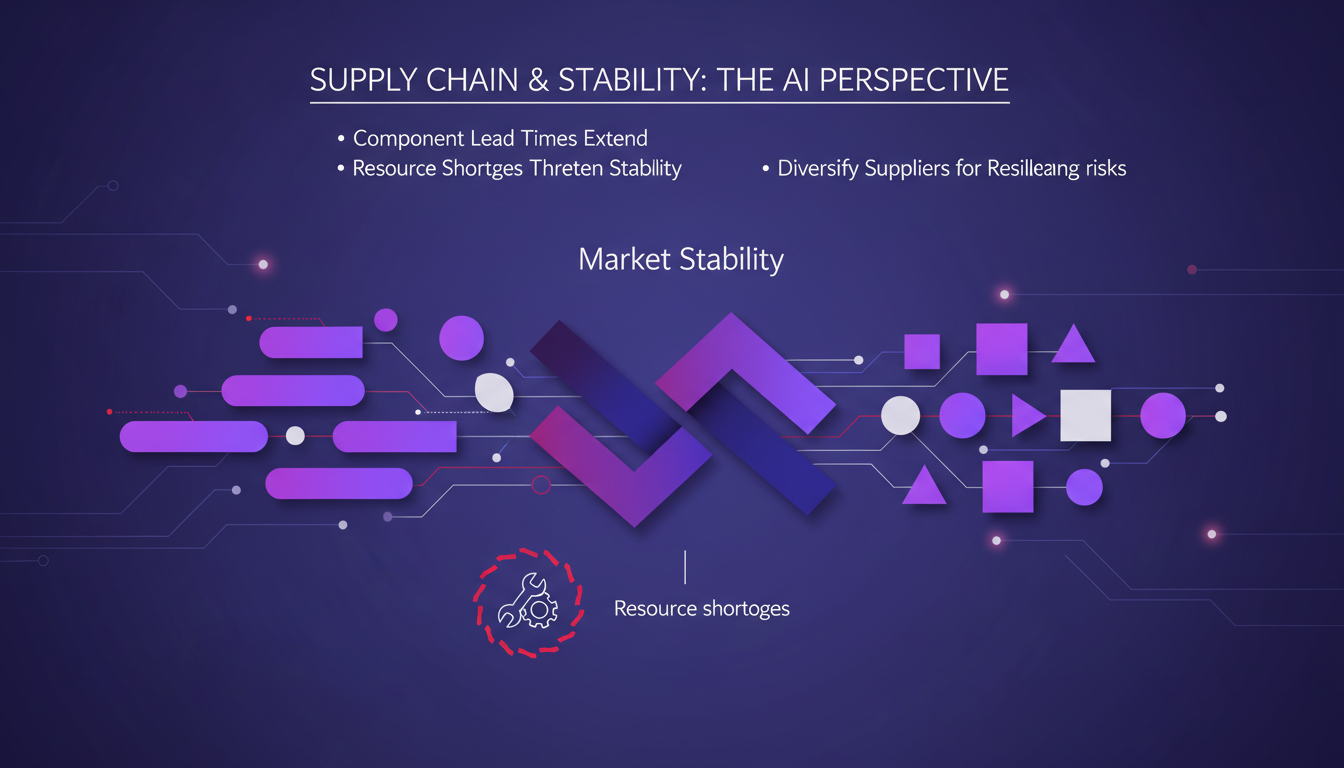
It's crucial to plan for potential disruptions in your AI projects and stay informed about industry trends to adapt quickly.
- Supply chain issues and extended lead times
- Threats to market stability
- Diversification of suppliers to mitigate risks
- Planning for potential disruptions
- Keeping up with industry trends for rapid adaptation
Navigating the current AI landscape requires agility. First, Nvidia's delays remind us that even the giants face constraints. Then, the rise of open-source models is a massive opportunity for those who can adapt. I see companies like Mistral reevaluating AI costs, and that's crucial: slashing an estimated $2 billion down to $500 million or even $50 million is a real game changer. But watch out, innovation must always be balanced with the reality of computing resources.
- Staying informed about financial moves in AI can turn challenges into opportunities.
- Products like NVIDIA's GB300 are delayed, impacting the market.
- Open-source is booming – it’s where agility and readiness to adapt are key.
I'm ready to tweak my AI strategy in light of these changes. Are you? Share your thoughts and experiences in the comments. For deeper insights, watch the full video: Scandale Super Micro & Fiasco de Nvidia Blackwell: will the AI bubble burst?.
Frequently Asked Questions

Thibault Le Balier
Co-fondateur & CTO
Coming from the tech startup ecosystem, Thibault has developed expertise in AI solution architecture that he now puts at the service of large companies (Atos, BNP Paribas, beta.gouv). He works on two axes: mastering AI deployments (local LLMs, MCP security) and optimizing inference costs (offloading, compression, token management).
Related Articles
Discover more articles on similar topics
Building an App Downloaded 7 Billion Times
I remember the first time I saw the download numbers for VLC skyrocket. It was a real game changer, but it wasn't all smooth sailing. This is where you realize that behind every phenomenal success, there are mountains of challenges to overcome. Between legal battles and the implications of open source, VLC's journey is anything but ordinary. As a developer, we often think the hardest part is coding, but sustaining and growing an app downloaded 7 billion times is a whole different ball game. Let's dive into the story of VLC, an adventure where technology and perseverance are tightly intertwined.
Anthropic Surpasses OpenAI: Insights and Impacts
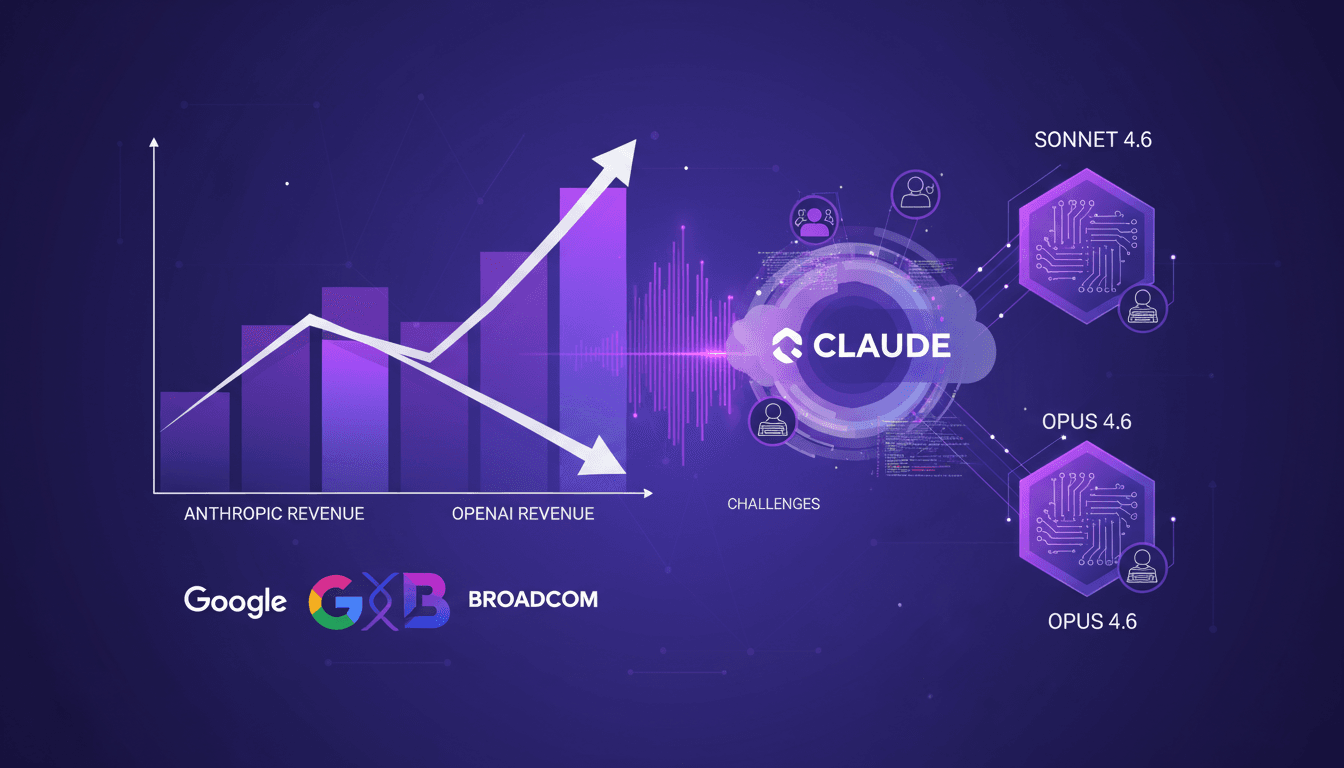
I was knee-deep in optimizing our AI workflows when the buzz hit: Anthropic's revenue just surpassed OpenAI's. This wasn't just a headline; it was a seismic shift in the AI landscape. How did this happen, and more importantly, what does it mean for us in the trenches? From Sonnet 4.6 models to Claude Code, and key partnerships with Google and Broadcom, it's crucial to understand what's driving these numbers. And most importantly, what it means for our daily work. Let's break it all down together.
AI in Sales: 24/7 Availability and Financial Impact
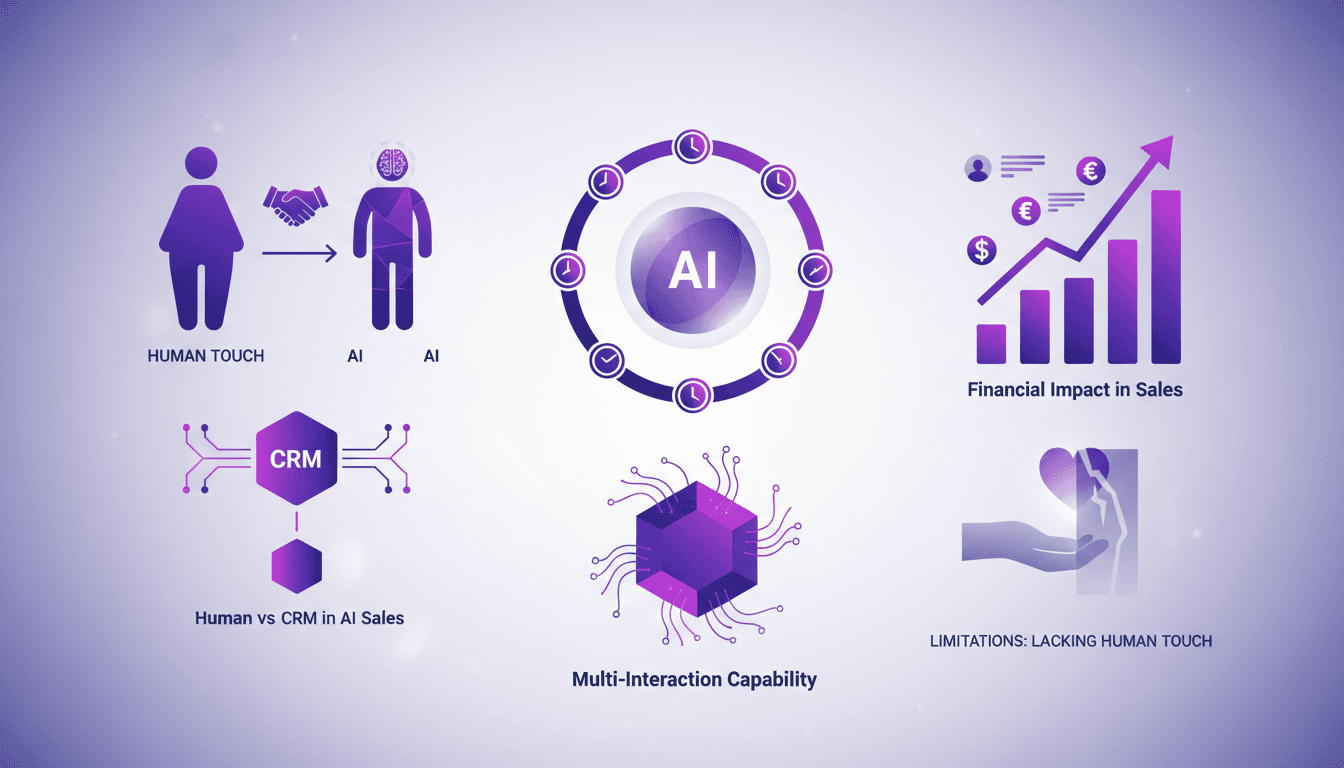
I've been in sales long enough to see trends come and go, but AI is different. It's not just another tool; it's a game changer if you know how to use it. Let me show you how AI is reshaping sales, but also where it falls short. Picture this: your AI in the CRM making $300 a day, 24/7. That's a massive advantage, but it can't replace the human touch. We're talking about continuous availability and multi-interaction capability, but don't forget that humans still have their role. I'll walk you through my workflow to help you harness AI's potential while sidestepping its pitfalls.
Modeling Emotions in AI: Hands-On Experience
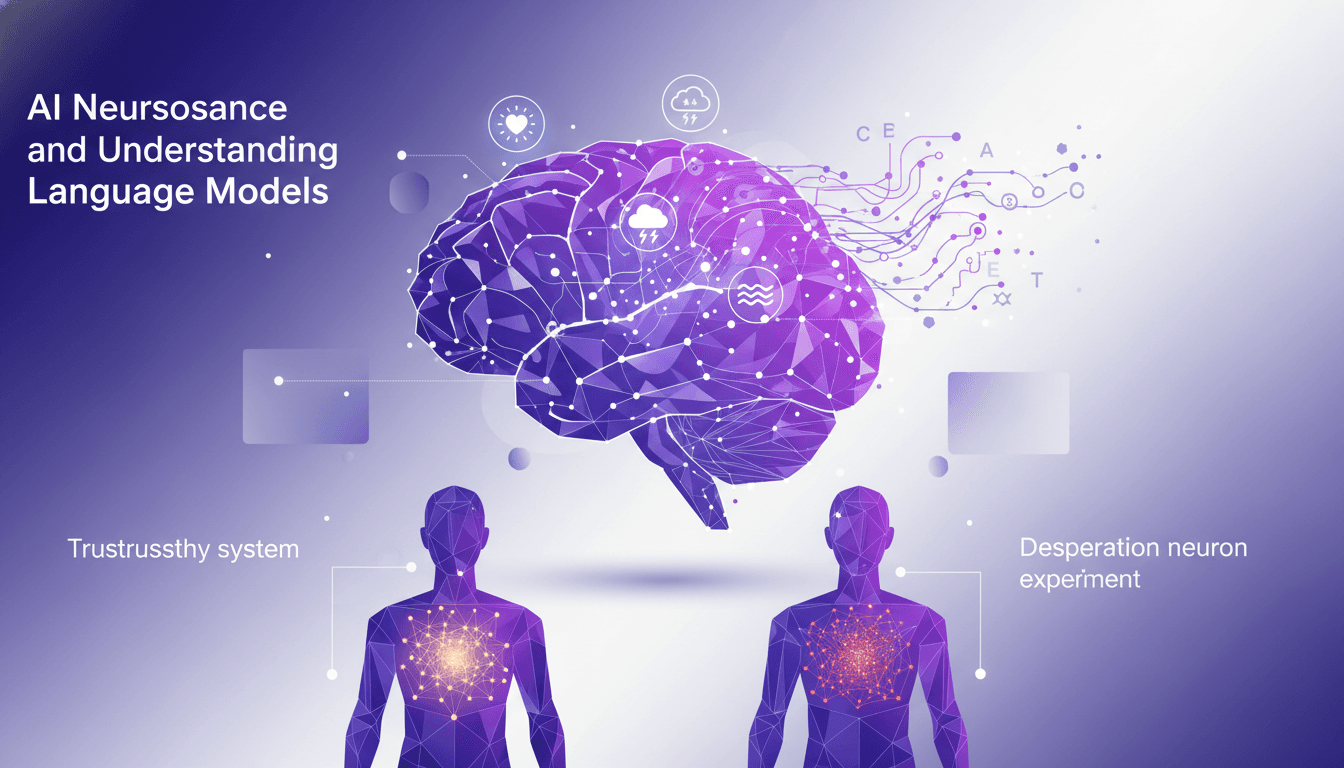
I've spent countless hours tinkering with AI models, and let me tell you, the moment you see a neural pattern map onto something as human as emotion, it's a game changer. But it's not all roses. In this article, I dive into how these emotional behaviors emerge and what they mean for AI development. We explore AI neuroscience, understanding how language models simulate emotions, and how these patterns influence their behavior. I've tinkered with 'desperation neurons' and observed AI characters developing functional emotions. So, how do we shape AI psychology for trustworthy systems? Here's what I've learned from the trenches.

Innovating for Longevity: Tech Challenges
I've spent years building solutions for folks over 50, and if there's one takeaway, it's this: designing for longevity isn't just a buzzword—it's crucial. As our population ages and global spending power is set to hit $96 trillion by 2030, our tech needs to keep up. Yet many feel left out by current offerings. So how do we innovate for this powerful demographic? Let's dive into the tech challenges and solutions ahead, spotlighting initiatives like AARP's and the role of AI in personalizing content for older adults.