Innovating for Longevity: Tech Challenges
I've spent years building solutions for folks over 50, and if there's one takeaway, it's this: designing for longevity isn't just a buzzword—it's crucial. As our population ages and global spending power is set to hit $96 trillion by 2030, our tech needs to keep up. Yet many feel left out by current offerings. So how do we innovate for this powerful demographic? Let's dive into the tech challenges and solutions ahead, spotlighting initiatives like AARP's and the role of AI in personalizing content for older adults.

I've spent years building solutions for the over 50 crowd, and if there's one thing I've learned, it's this: designing for longevity isn't just a trend—it's a necessity. Picture this: by 2030, we'll have more people over 65 than under 18, and this group will wield a staggering $96 trillion in global spending power. Yet, many feel that today's tech just doesn't cater to them. So how do we make technology truly speak to this powerful demographic? As someone who's been in the trenches, I've been burned a few times, but I've also learned how to orchestrate solutions that matter. Let's dive into the tech challenges and solutions ahead, spotlight AARP's initiatives, and explore how AI can personalize content for older adults. Because, ultimately, it's our job to build technology that supports this unprecedented demographic shift.
Understanding the Aging Demographic Shift
By 2030, the demographic landscape will shift significantly. I've often seen businesses overlook this transition, but it's a mistake. There will be more people over 65 than under 18, and that's huge for our business strategy. With 125 million Americans over 50, ignoring them would be a missed opportunity. This demographic is a cornerstone of our economy.
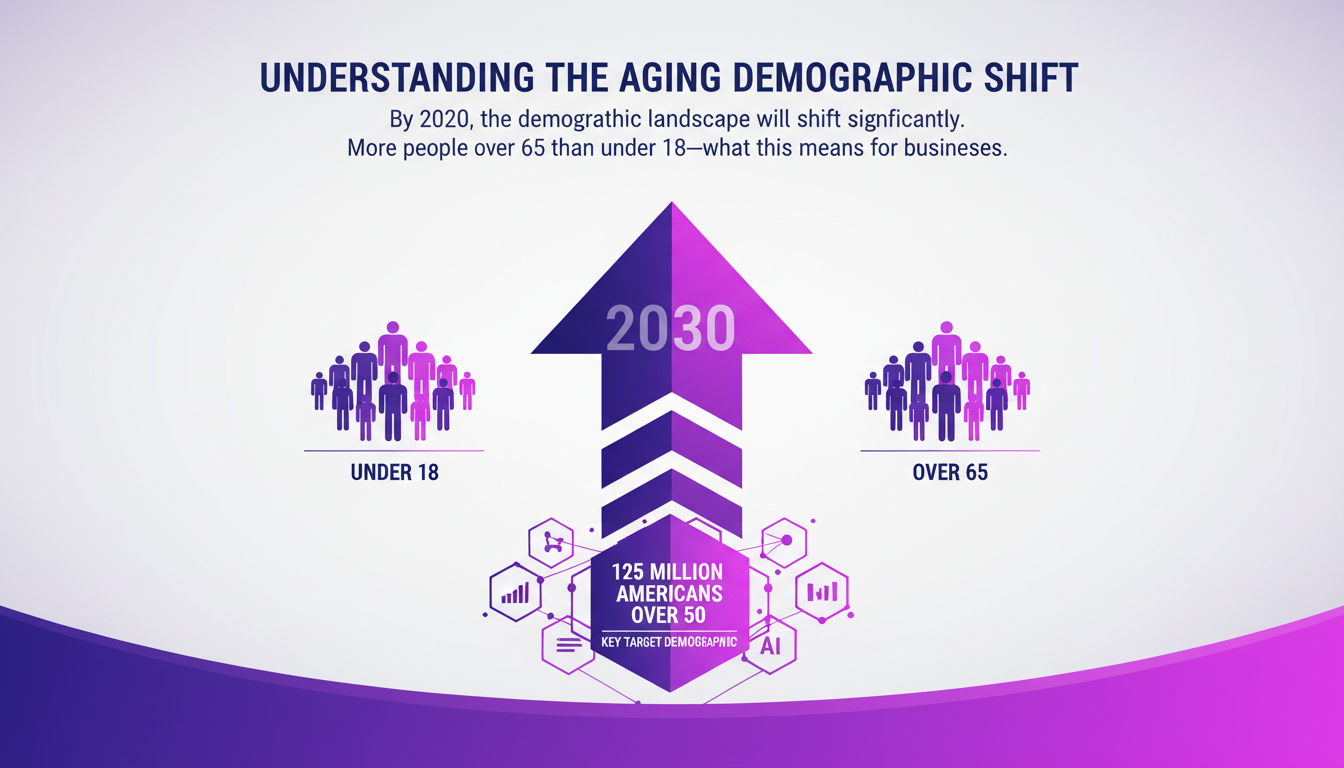
One thing I've learned: watch out for assumptions about tech adoption among older adults. They are often more tech-savvy than we give them credit for, especially with 73% of them considering technology critical for improving their lives. However, 60% feel current tech isn't designed for them. This is where we, as designers, have a crucial role to play.
Harnessing the Growing Consumer Spending Power
The current global consumer spending power is $36 trillion, and it's projected to increase to $96 trillion by 2030. That's a potential not to be overlooked. Businesses must pivot strategies to cater to older adults. Why? Because their spending power is immense and growing.
Personalized services play a key role in capturing this market. But be careful: you need to balance short-term gains with long-term loyalty. Sometimes, investing in a long-term relationship is wiser than aiming for immediate profit.
I've piloted campaigns focused on immediacy, and trust me, it can backfire. Older consumers appreciate the recognition of their unique needs and a personalized approach.
Technology's Role in Enhancing Lives Over 50
73% of adults over 50 see technology as crucial for a better life. However, 60% say current tech isn't made for them. It's clear: there's a gap to bridge. Designing intuitive interfaces is vital. I've worked on projects where accessibility wasn't a priority, and the results weren't impressive.
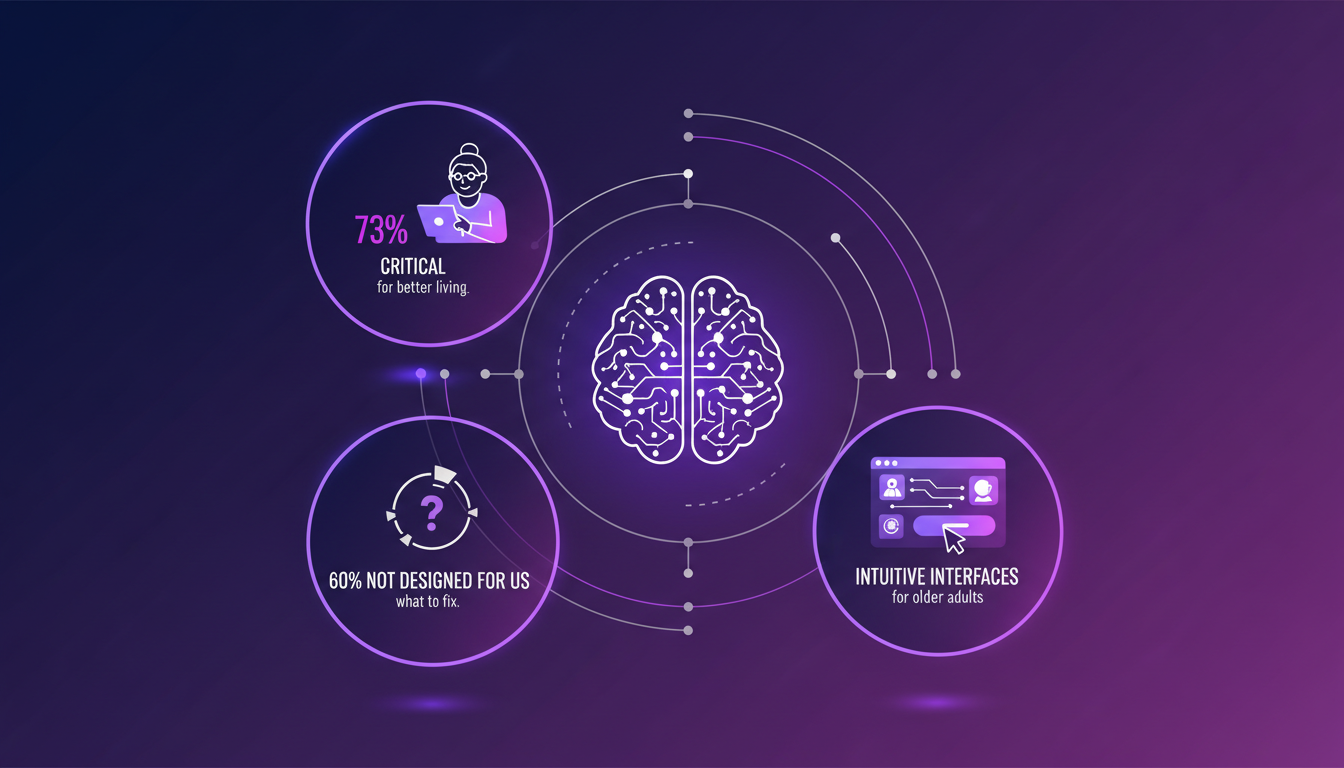
Sometimes it's faster to iterate on existing tools than to create new ones from scratch. I learned this the hard way when trying to reinvent the wheel. Keep it simple, but effective.
AI and Personalization: Meeting Unique Needs
AARP uses AI for content personalization and employs agentic AI. This approach allows addressing specific needs of older users. But watch out, don't rely too much on AI. Human insight must remain central.
To implement AI in services, start with practical steps, like analyzing user data to offer relevant recommendations. However, keep in mind that AI has its limits in fully understanding the aging experience.
I've seen projects fail because they were too tech-centric, forgetting the importance of human intuition.
Designing Technology for Longevity
It's crucial to design technology with longevity in mind. AARP is implementing initiatives to stay relevant to the over 50s. Innovation is great, but we must also know how to keep things simple for this audience.
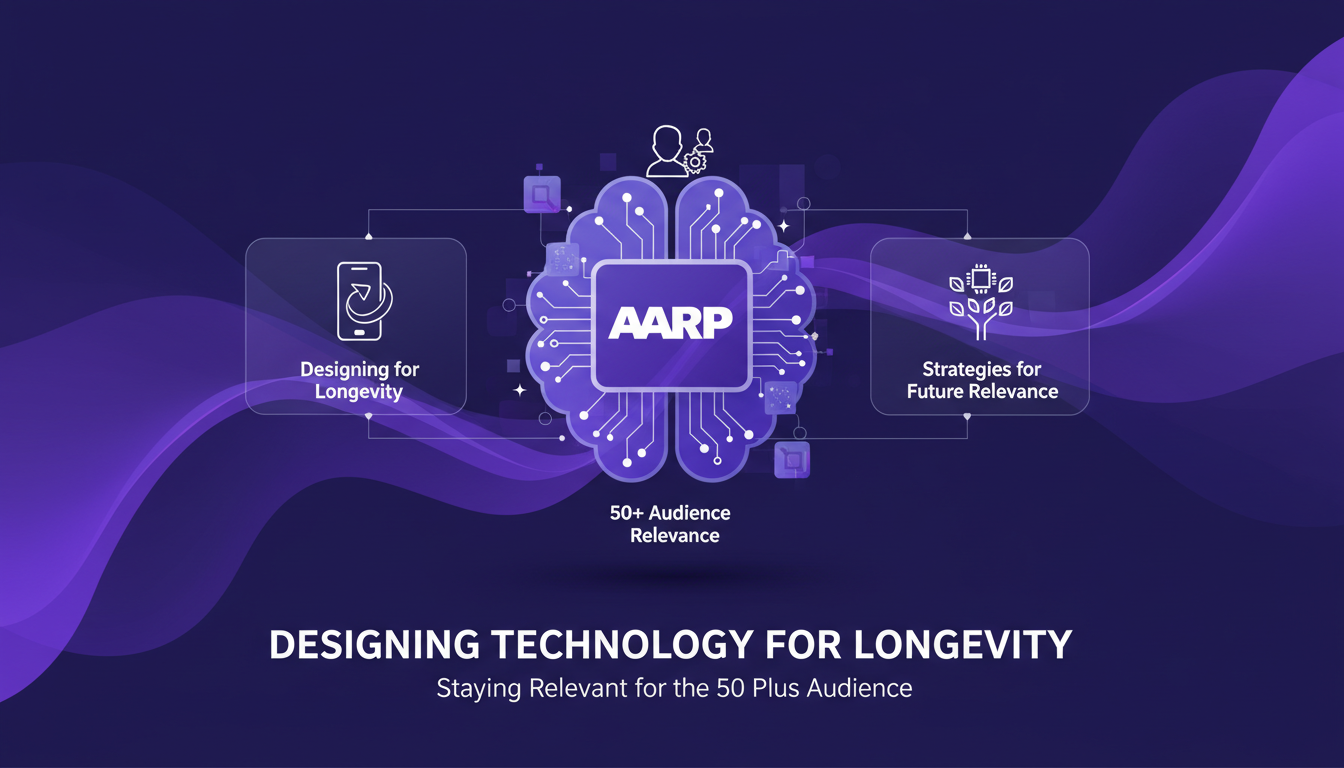
Don't overuse complexity. I've too often seen projects fail because they overlooked this basic rule. Simplicity and relevance should guide our tech choices.
First, I dived into the numbers: 125 million Americans over 50. That's a massive market that AARP is targeting, and with a current global spending power of 36 trillion dollars (projected to hit 96 trillion by 2030), we can't ignore this potential. Then, I realized that true innovation means designing with their needs in mind. Technology must be intuitive and accessible, or it risks gathering dust. A design that's too complex or not user-friendly is a guaranteed flop. But if we can create solutions that make their daily lives easier, that's a real growth driver.
Now's the time to step into the future. Let's keep pushing boundaries, but always with a sharp focus on true usability and relevance. Ready to design for the future? Start by truly understanding your audience and tailoring your tech to meet their needs. Let's build something that lasts. For a deeper dive, watch the full video: it's a must-see for anyone serious about tapping into this market. Watch the video.
Frequently Asked Questions

Thibault Le Balier
Co-fondateur & CTO
Coming from the tech startup ecosystem, Thibault has developed expertise in AI solution architecture that he now puts at the service of large companies (Atos, BNP Paribas, beta.gouv). He works on two axes: mastering AI deployments (local LLMs, MCP security) and optimizing inference costs (offloading, compression, token management).
Related Articles
Discover more articles on similar topics

AI for Empowerment: Rakuten and Codex
I vividly remember the first time I saw AI in action at Rakuten. It wasn't just about automation; it was about revolutionizing personal empowerment. With Codex, we've transformed how people interact with technology, and it's a game changer. Sure, I've hit roadblocks with context limits, but once we adjusted our approach, the impact was immediate. AI isn't just a tool; it's an ally for personal empowerment. In this talk, I'll show you how Rakuten and Codex are paving the way for this transformation.

AI in Sales: Why AI Beats Humans
I've been in sales for over a decade, juggling client details until AI completely redefined my approach. Picture this: I could hold four things in my head, but AI can manage thousands. It's been a real game changer. In this article, I'll walk you through how AI's cognitive capabilities and precision execution are transforming sales strategies, drawing from my own experiences and industry experts' insights. We'll dive into the cognitive constraints of humans versus AI, AI's memory capacity, and its knack for language nuances.
How AI Booked $1.2M: My Revenue Journey
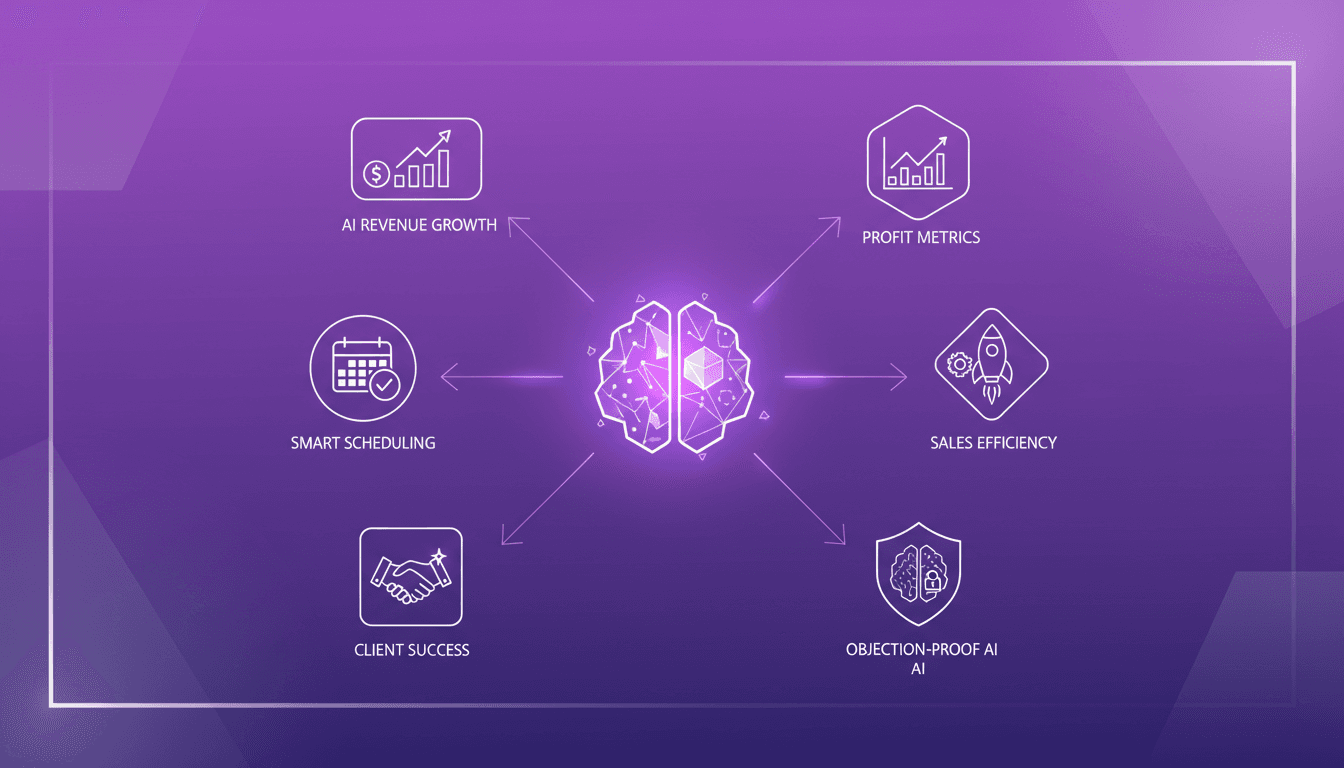
I was pretty skeptical at first. But when AI booked $1.2 million in revenue for us, I knew we hit on something big. This isn't just about automating tasks; it's about transforming our sales approach. AI in appointment scheduling has redefined efficiency and effectiveness in sales processes. Imagine thousands of closings in just a few weeks, with revenue pouring in. In this article, I'll take you behind the scenes of this digital revolution, sharing client success stories and objection-proof strategies. Don't get lost in the buzz; dive into the concrete.
AI Lead Calls in 8 Seconds: Advantage or Disaster?
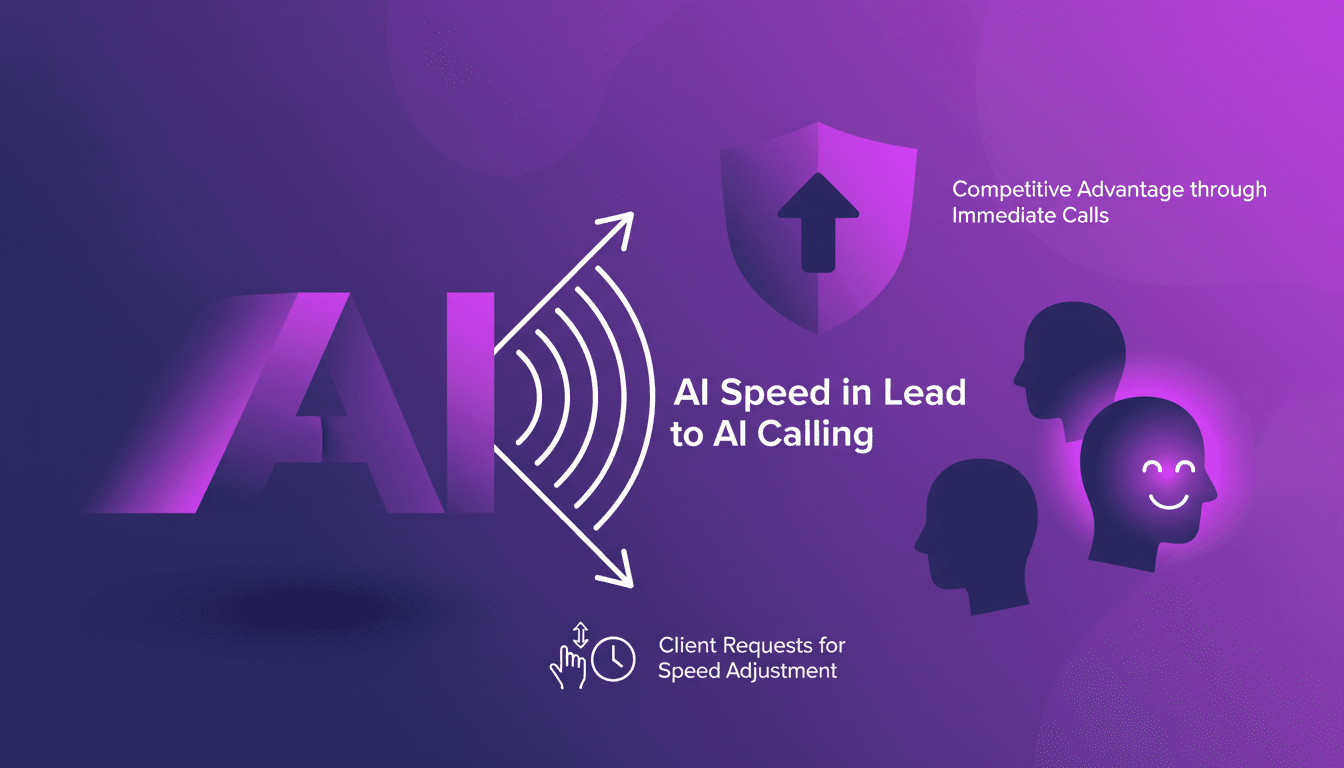
I remember the first time I set up an AI to call leads. It was a game changer—calls made in 8 seconds flat. But not everyone was thrilled. The catch? Speed isn't always the hero in sales. In a world where responsiveness is key, AI promises to revolutionize lead engagement. However, this rapidity can also backfire. As a practitioner, I've found that clients often want to tweak this speed to better match their specific needs. Let's dive into the world of AI calls: the competitive edge, client reactions to blistering speed, and how to balance responsiveness with client satisfaction.
Understanding AI: Stupidity and Genius in Sales
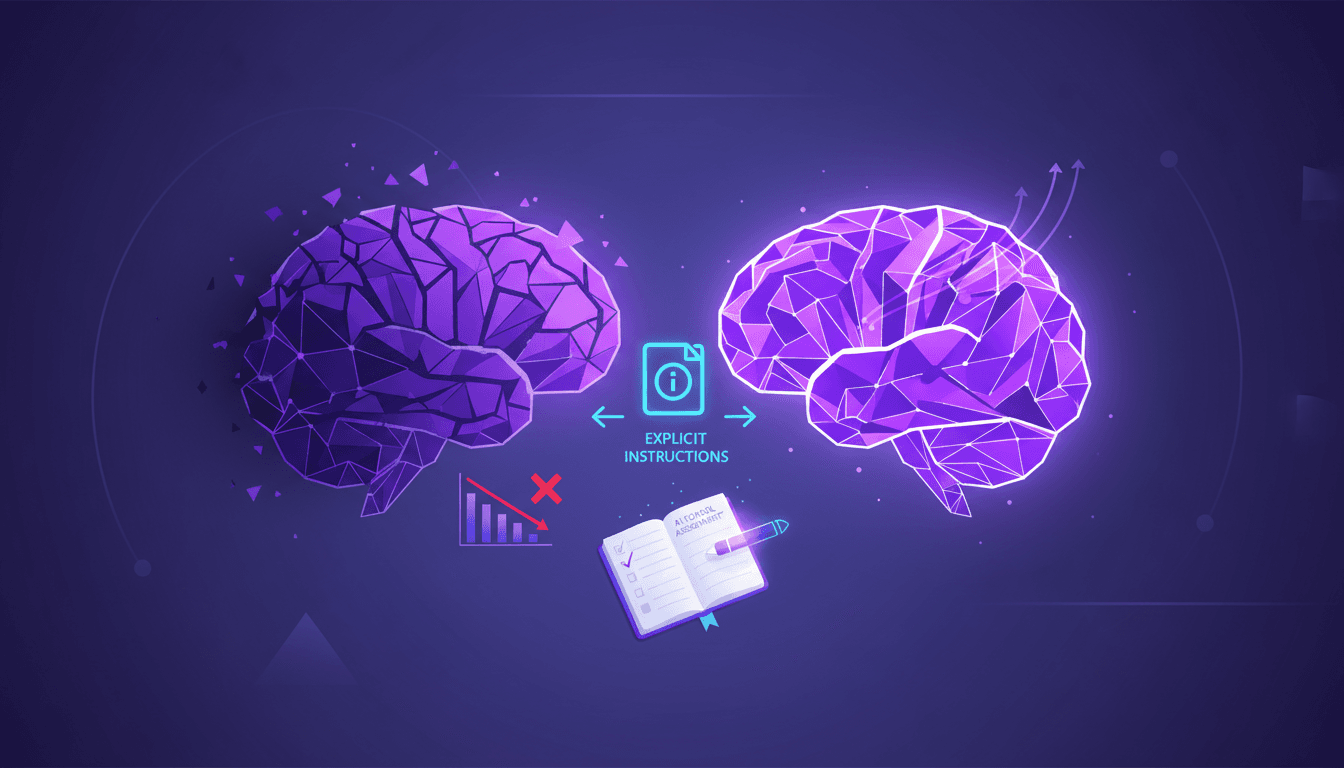
I've been there, watching AI spit out answers that make you scratch your head. It's both a genius and a fool, and I've learned to navigate this dual nature in my sales workflows. AI can be a game changer in sales, but only if you understand its quirks. Let me show you how I train AI with clear instructions and handle flawed data to get results that actually make sense.