AI for Empowerment: Rakuten and Codex
I vividly remember the first time I saw AI in action at Rakuten. It wasn't just about automation; it was about revolutionizing personal empowerment. With Codex, we've transformed how people interact with technology, and it's a game changer. Sure, I've hit roadblocks with context limits, but once we adjusted our approach, the impact was immediate. AI isn't just a tool; it's an ally for personal empowerment. In this talk, I'll show you how Rakuten and Codex are paving the way for this transformation.
I vividly remember the first time I saw AI in action at Rakuten. It wasn't just about automation; it was genuinely about empowering individuals. With Codex, we've managed to transform how people interact with technology. It's a real game changer. Initially, I struggled with context limits and data management, but once I adjusted our approach, the impact was immediate. AI has become more than just a tool; it's an ally for personal empowerment. In this talk, I'll show you how Rakuten and Codex are leading the way in this transformation, collaborating to make technology accessible and powerful for everyone. You'll see how AI is changing the game by giving power back to users, and how, as builders, we must navigate challenges to maximize its impact. Follow along to discover how AI can truly empower you.
Understanding AI Empowerment
Artificial Intelligence (AI) isn't just about complex algorithms or high-performing automata. No, its true potential lies in empowering individuals, a subtle yet crucial shift from automation to empowerment. I've seen this firsthand in my agency, where AI transformed previously time-consuming tasks into opportunities for personal innovation. Tools like ChatGPT have enabled some colleagues to multiply their productivity by seven times. But beware, too much reliance on AI can be counterproductive. It's about finding the right balance between leveraging technology and maintaining critical thinking.
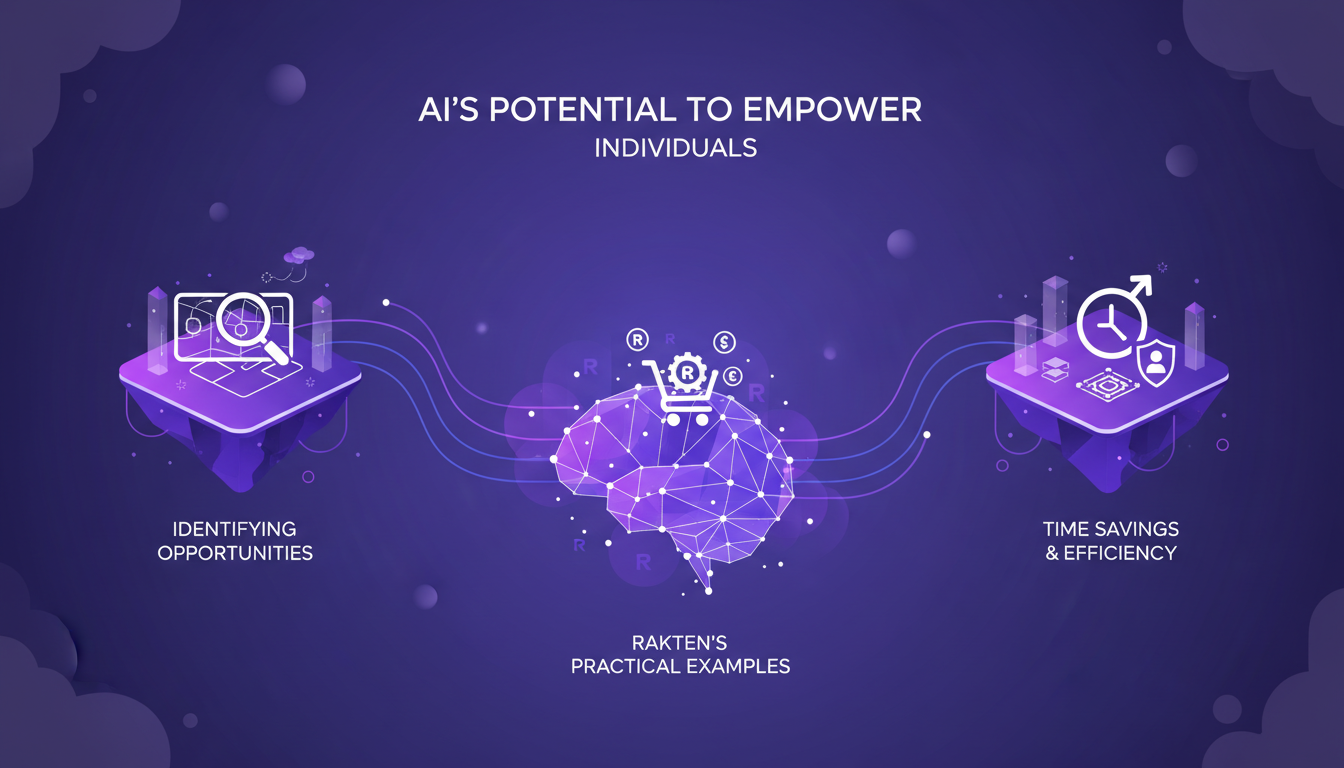
As a practitioner, I've often noticed that AI offers more than just automation; it offers an extension of our human capabilities. Sometimes, it's like having a personal assistant that understands our needs and adapts accordingly. But we must remain cautious: an overreliance can lead to mistakes. AI should be a tool, not a substitute for human thought.
AI's Potential to Empower Individuals
To harness AI's potential, you first need to identify areas where it can really make a difference. At Rakuten, for instance, integrating AI has streamlined operations and improved overall efficiency. This didn't happen overnight, of course. I had to go through several iterations to adjust and optimize processes. A concrete example I've observed is using data to personalize the customer experience, creating a significant competitive advantage.
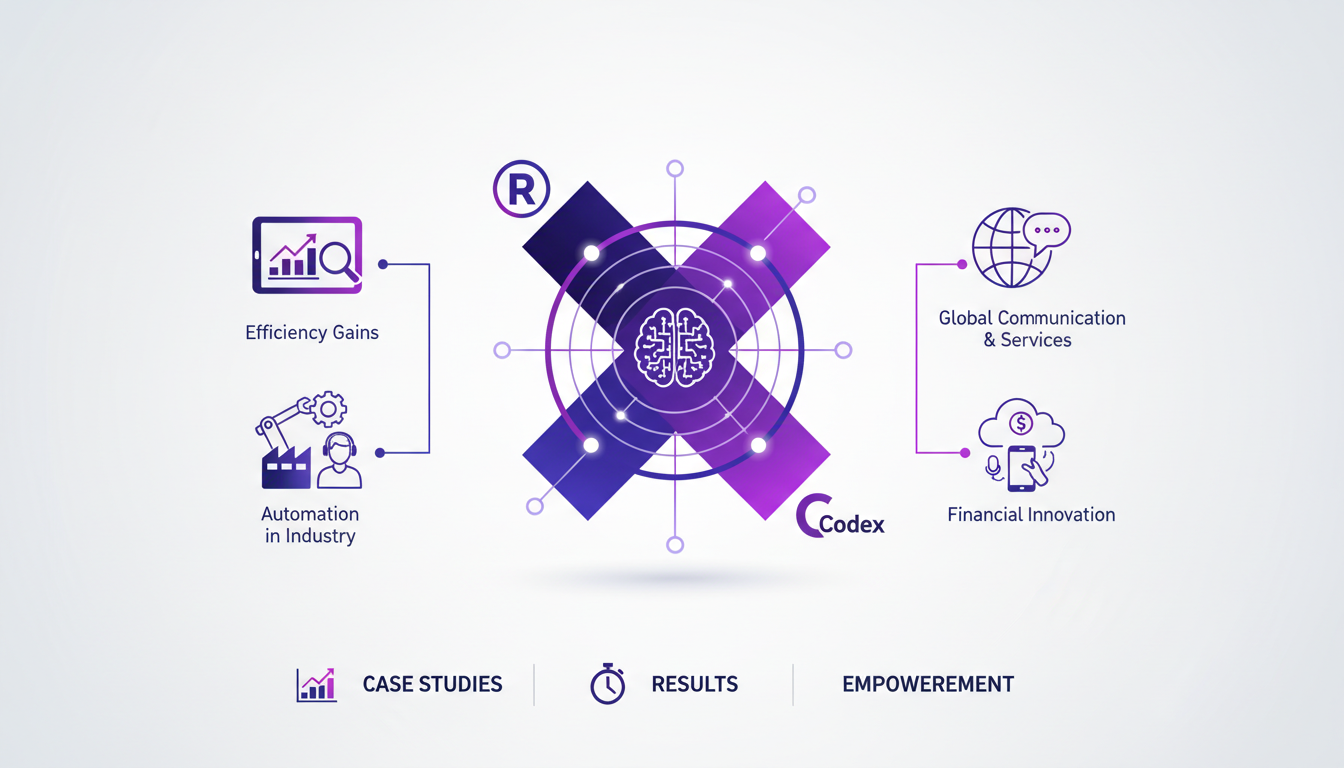
However, this integration comes with limits. AI, no matter how sophisticated, struggles to grasp the nuances of human context. This is a challenge I've often encountered: a machine can't always replace human intuition. Sometimes, it's quicker to trust your instinct than an algorithmic analysis.
Technological Empowerment in Action
In collaboration with Codex, Rakuten has leveraged AI technologies to create truly empowering tools. For example, using AI for data analysis has significantly reduced the time spent on analytical tasks, increasing productivity by 30%. It's a real game changer. However, this integration isn't without pitfalls. I've noticed that some tech solutions don't always solve the underlying problem, especially if user experience isn't considered.
Efficiency gains are not always guaranteed, and sometimes, it's necessary to backtrack to adjust parameters. I've learned this the hard way: technology can be a formidable ally, but it requires careful management to avoid missteps.
Rakuten and Codex: The Partnership
The partnership between Rakuten and Codex is a perfect example of how collaboration can lead to more effective AI solutions. By working together, we've been able to develop technologies that not only meet current needs but also anticipate future challenges. This partnership has been full of lessons: the importance of fluent communication between teams, the necessity of a shared vision, and above all, openness to innovation.
Ongoing projects focus on the continuous improvement of AI solutions, ensuring they remain relevant and adaptable. The future looks promising, but it's crucial to stay flexible and responsive.
Practical Takeaways for Implementing AI
For those looking to integrate AI into their workflow, here are some steps to follow:
- Assess your company's specific needs and identify where AI can add value.
- Consider initial costs and potential long-term savings.
- Don't forget to balance AI use with human input to maximize synergies.
- Stay open to adjustments and continuous improvements to get the most out of the technology.
Ultimately, AI can be a powerful empowerment tool, but it must be used judiciously and strategically to maximize its impact. To learn more about practical strategies to achieve your dreams with AI, check out our article here. For those interested in how AI is transforming creativity and product design, read our analysis.
Let's get straight to it—AI isn't just a tool; it's a full-on partner for empowerment. Seeing how Rakuten and Codex leverage AI, it's clear we can truly enhance our capabilities. Here are the concrete takeaways I see:
- Pair AI with our processes: It's not about replacing humans but supporting us to be more effective.
- Strategy first: Thoughtful use of AI is crucial, or you'll fall into the trap of blind automation.
- Balance: Over-reliance on AI can stifle creativity, so we need to balance wisely.
Looking ahead? I'm convinced that starting small, staying focused, can lead to real transformation.
So, why not give it a shot? Watch the video "Rakuten x Codex: AI can empower you" (https://www.youtube.com/watch?v=uobQ5nOkPZ4). It's worth the time, honestly. Between us, it's where you'll see AI's potential and limits and how we can use it in our daily lives.
Frequently Asked Questions

Thibault Le Balier
Co-fondateur & CTO
Coming from the tech startup ecosystem, Thibault has developed expertise in AI solution architecture that he now puts at the service of large companies (Atos, BNP Paribas, beta.gouv). He works on two axes: mastering AI deployments (local LLMs, MCP security) and optimizing inference costs (offloading, compression, token management).
Related Articles
Discover more articles on similar topics
Aerospace Engineer: My Practical Journey
Ever dreamt of reaching for the stars, literally? I did, and it led me to become an aerospace engineer at NASA. But dreams aren't enough—they need a practical roadmap. In this live stream, I share how I built mine, from investing in rocket companies to developing platforms that disrupt industries. We dive into Vibe coding, the Consult Sphere platform, and how these tools turn aspirations into tangible outcomes. Plus, let's not overlook the importance of community, credibility, and brand value in all of this.

Achieve Your Dreams: Practical Strategies and AI
At 15, I had big dreams but no compass. Fast forward to today, I'm not just chasing my dreams, I'm catching them with the power of AI and social media. Breaking free from limitations and leveraging technology has become essential to turn aspirations into reality. In this live stream, I'll show you how social media can be a game-changer for income generation and why side hustles are a must. We'll explore data-driven decisions for smarter choices and how AI can supercharge your personal branding. Trust me, it's persistence that truly breaks the chains and makes dreams come true. Ready to take the leap?
Distributing Books for Education: How I Started
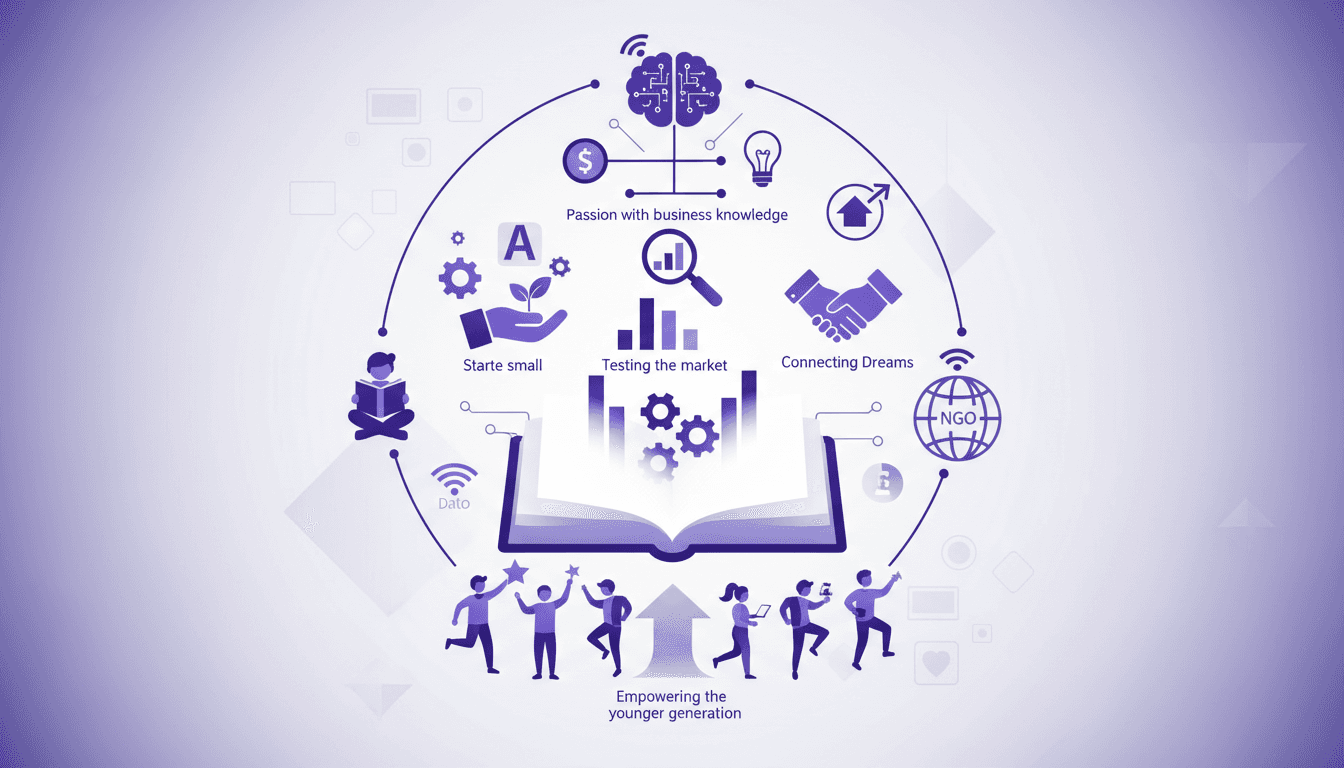
I remember the first time I held a children's book in my hand and thought, 'What if every kid in the world could have this experience?' That's where my journey began. Distributing books was my first step, but soon, the idea of founding an NGO for women's rights and educational opportunities took shape. In this live discussion, we dive into the practical steps to start educational projects by combining passion with business savvy. It's about using what you have creatively, testing the market before investing, and encouraging the younger generation to follow their dreams. Collaboration and asking for help can lead to big changes. If I can do it, so can you.
AI Meets Creativity: Transforming Product Design
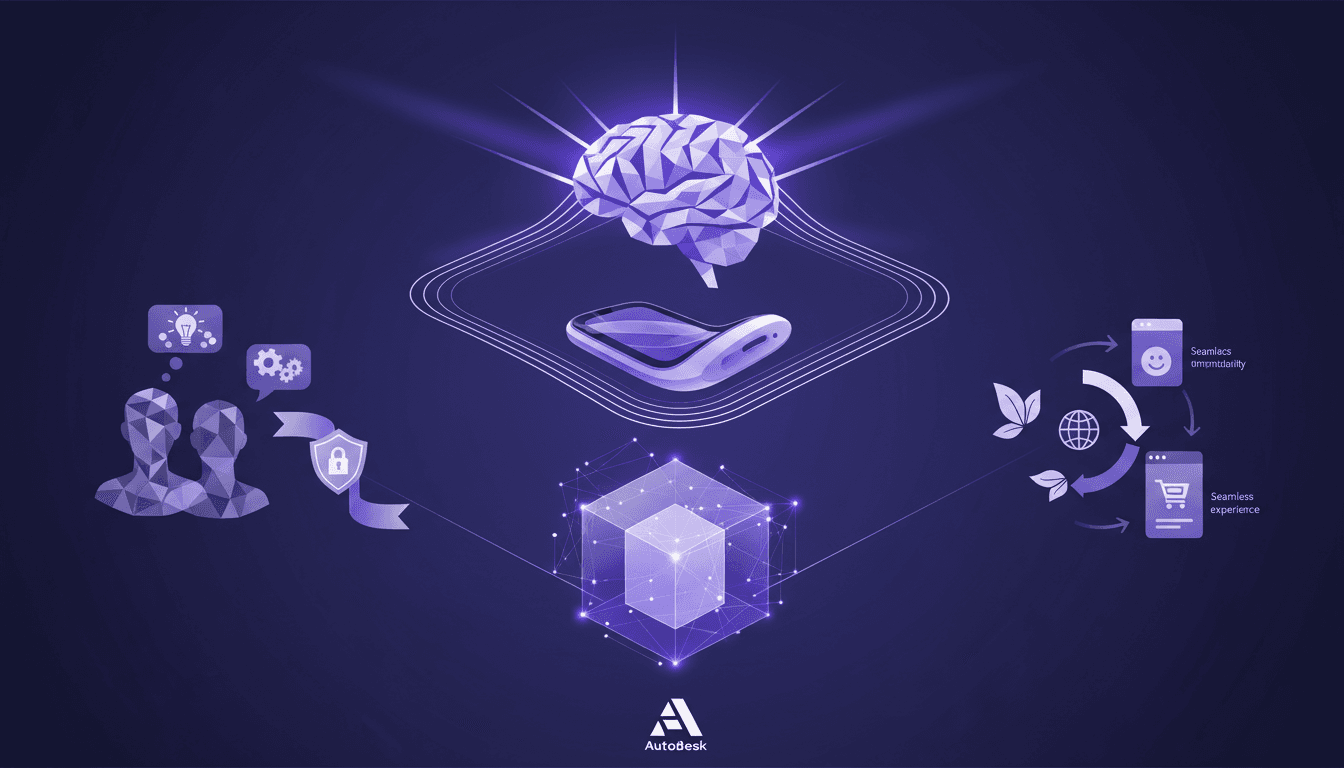
I vividly remember the first time I integrated AI into my design workflow. It was like handing a paintbrush to a machine and watching magic happen. But let's be real, AI is more than just magic; it's an amplifier of what we can do, faster and smarter. In today's design world, AI isn't just a tool—it's a partner. From Autodesk Fusion's capabilities to generative AI's precision, we're witnessing a revolution in product design. Let's dive into how these technologies are redefining creativity and consumer trust. How does AI augment our creativity and decision-making? How is Autodesk Fusion transforming product design? And what about the shift in consumer preferences towards authenticity? That's what we're diving into here.
Can AI Really Boost Sales Performance?
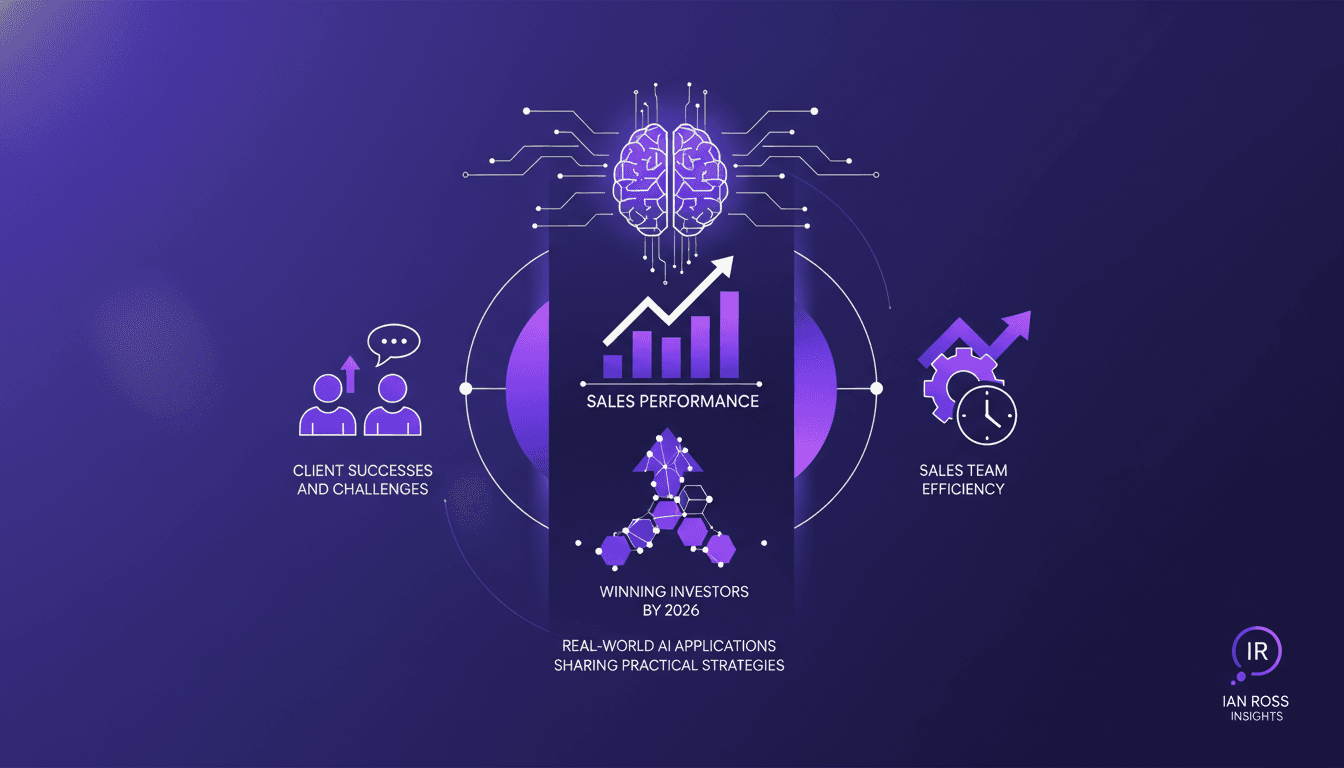
I've spent a decade in sales, and let me tell you, AI is changing the game. Not just in theory, but in how we actually close deals. Let's dive into how AI can outperform traditional methods and the real-world impact it has on our sales teams. AI is no longer a futuristic concept; it's here, reshaping how we approach sales. This isn't just about automating tasks—it's about enhancing performance and efficiency. We'll explore practical strategies, success stories, and the challenges you might face.