Can AI Really Boost Sales Performance?
I've spent a decade in sales, and let me tell you, AI is changing the game. Not just in theory, but in how we actually close deals. Let's dive into how AI can outperform traditional methods and the real-world impact it has on our sales teams. AI is no longer a futuristic concept; it's here, reshaping how we approach sales. This isn't just about automating tasks—it's about enhancing performance and efficiency. We'll explore practical strategies, success stories, and the challenges you might face.
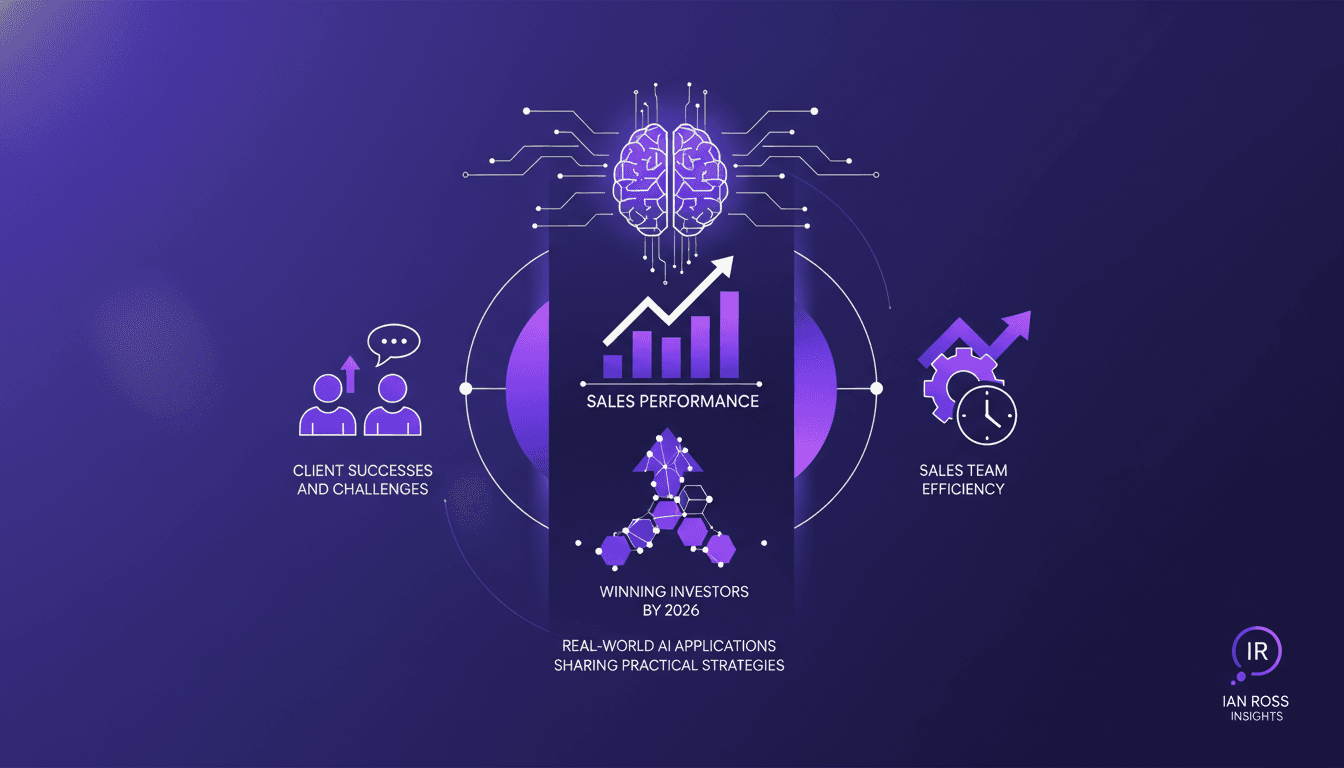
After a decade in the sales trenches, I can tell you firsthand—AI is revolutionizing our game. And this isn't just theory or buzzwords. I'm talking about deals getting closed because of AI, time saved on repetitive tasks, and teams operating more efficiently. If you're in sales, you know it's not just about hitting numbers; it's about optimizing every part of the process. AI is a powerful lever for that. In this podcast, we'll dive into how AI is tangibly transforming our approach, with strategies that have proven successful and stories from clients whose appointment numbers have skyrocketed. But watch out, there are challenges to anticipate too. Ian Ross will share insights on AI's impact on our day-to-day operations. In short, it's time to move from words to action and see how AI can truly boost your sales performance.
AI's Role in Enhancing Sales Performance
When it comes to sales performance, AI is clearly a game changer. Right from the start, I've integrated AI-driven sales automation tools into my daily workflow. The result? A boost in sales that traditional methods couldn't keep up with. Take lead reactivation, for instance: AI can analyze mountains of data to identify "dead" prospects that suddenly show potential again.
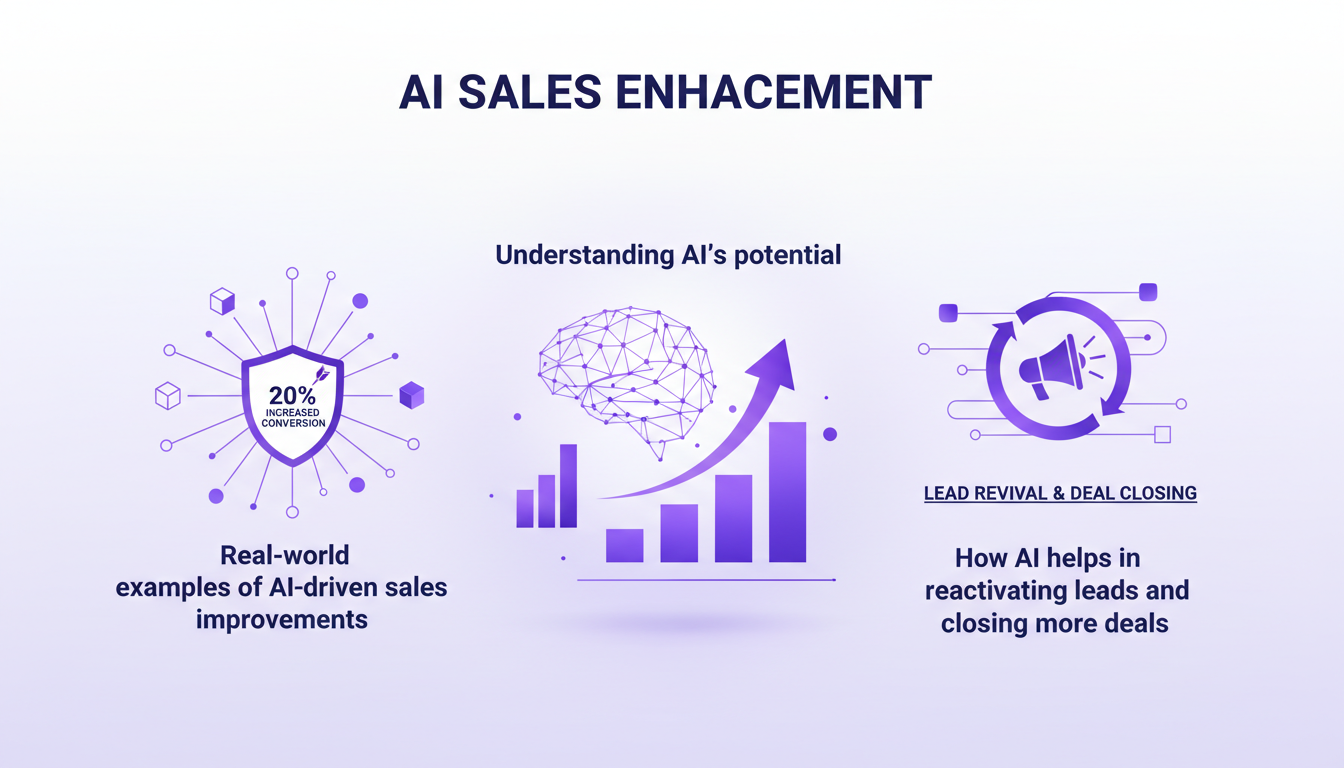
A concrete example? A company increased its appointments by 54% using Objection Proof AI. But watch out—there are trade-offs: the initial setup cost isn't negligible, although the long-term benefits are clear. You have to weigh the cost against the potential impact.
- Lead reactivation: target forgotten prospects.
- Continuous improvement: adjust your tools based on feedback.
- Initial cost vs. benefits: a true balance to evaluate.
Winning Investors by 2026 with AI
To win over investors by 2026, you have to play smart with AI. Ian Ross, an expert in sales and AI, emphasizes that it's not about working harder but smarter. I've personally seen that investors are captivated by real-world AI applications. Showing concrete cases is far more effective than promising vague results.
But beware, relying too much on AI can make you lose the essential human touch. Take the time to integrate human interactions into your strategies. There's a balance to be found to ensure AI doesn't become a hurdle rather than an asset.
- Concrete applications: highlight tangible results.
- AI/human balance: don't sacrifice human relations.
- Tailored strategies: each investor has their own expectations.
Success Stories and Challenges from AI Clients
I could tell you about many companies that have thrived thanks to AI, but what interests me are the concrete stories. For example, one client managed to increase their content creation by 36% through AI. However, challenges abound: implementing AI can be tricky. I've seen companies stumble over data quality or tool integration.
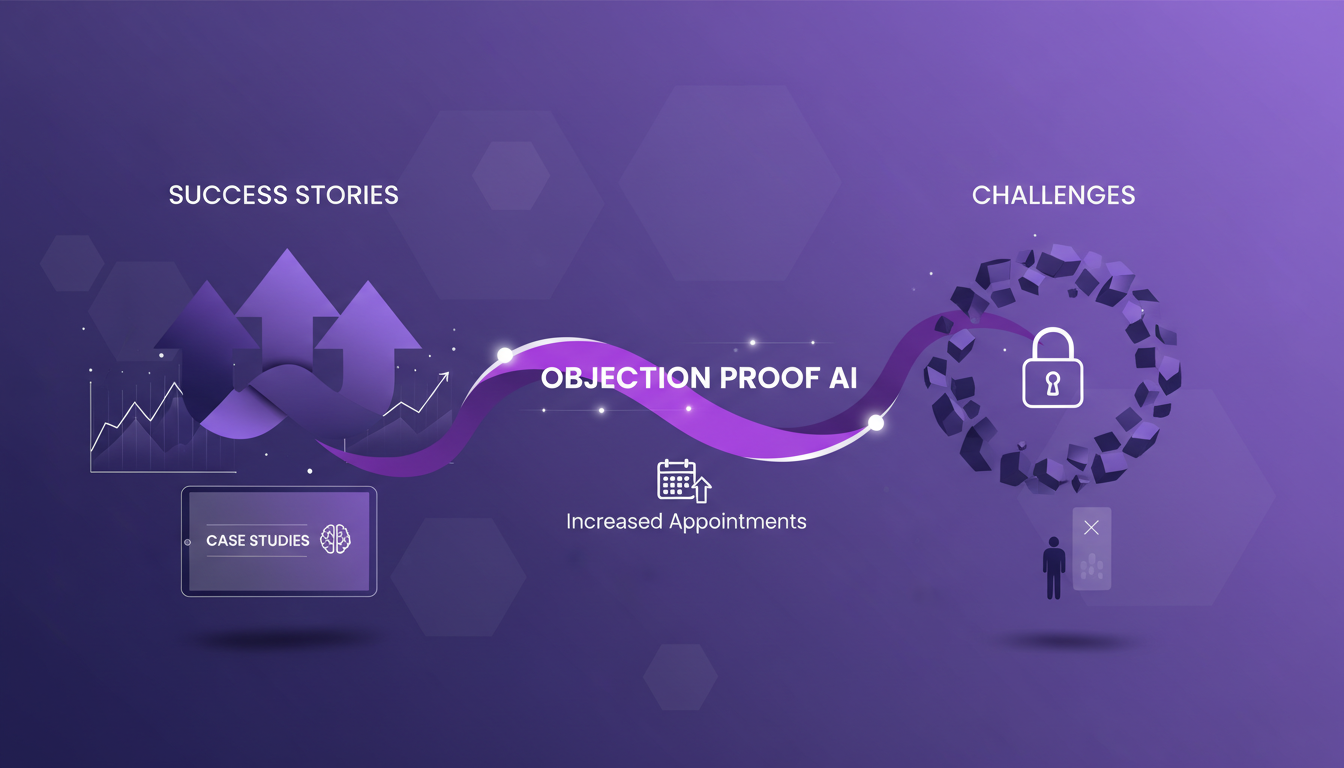
With Objection Proof AI, appointments have multiplied, but adjustments were needed to preserve the human touch. The challenge is to balance automation and personal touch without losing efficiency.
- Case studies: companies have seen concrete results.
- Common hurdles: integration and data quality.
- Automation vs. human: find the right balance.
The Impact of AI on Sales Team Efficiency
AI tools have transformed sales team efficiency. I've integrated sales automation solutions to cut down time spent on administrative tasks by 34%. Ian Ross recommends a gradual integration to overcome the learning curve. Don't overuse it though—AI should support, not replace.
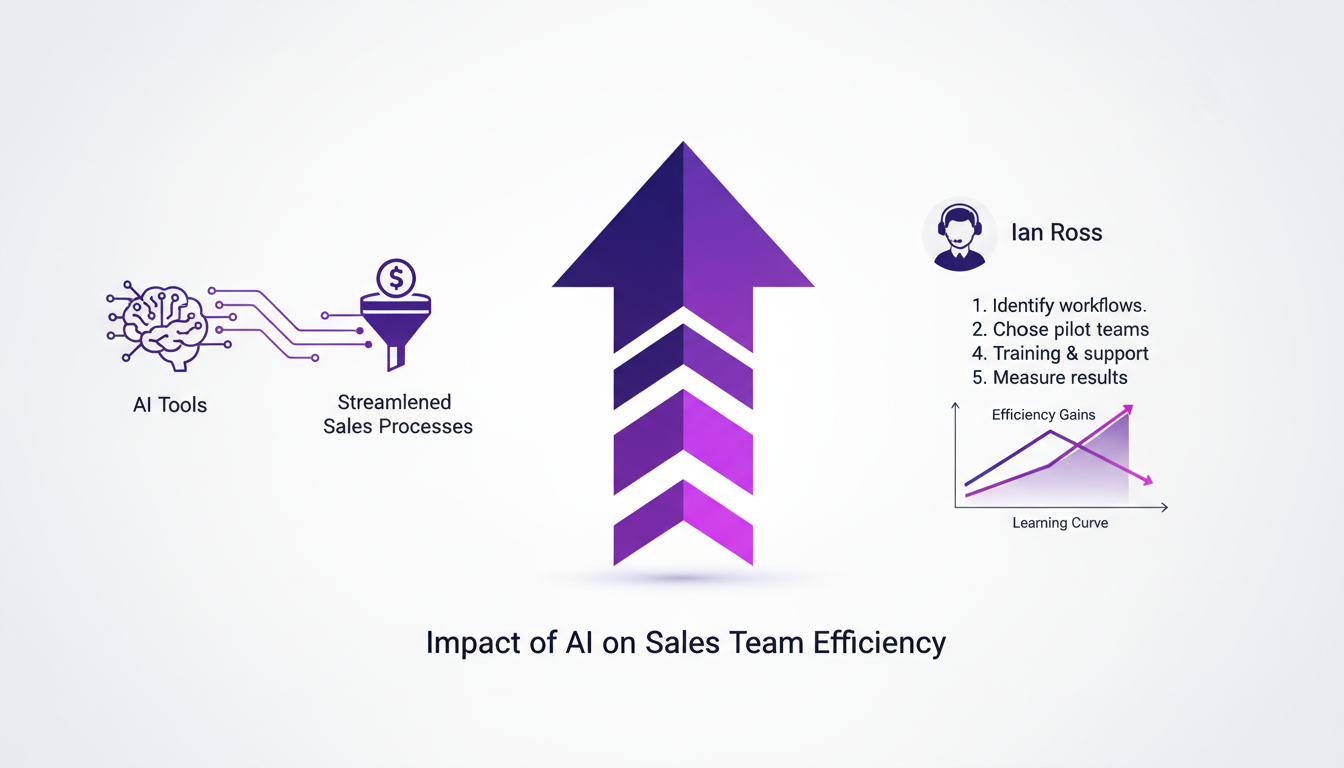
Teams using these tools see increased productivity, but continuous training is crucial. An investment today has a direct impact on future results.
- AI tools: streamline sales processes.
- Gradual integration: overcome the learning curve.
- Continuous training: keep up with new technologies.
Sharing Practical AI Strategies in Business
Sharing AI experiences and strategies is essential. I host live sessions to exchange ideas that have a direct impact on business. It's a chance to learn from the community and adapt strategies based on feedback. But watch out, not all strategies fit every business model.
I've often found myself adapting strategies that worked elsewhere but needed adjustments for my business. Live sessions on YouTube have kept me on the cutting edge of innovations and trends.
- Community learning: leverage others' experiences.
- Live sessions: exchange ideas in real-time.
- Adapt strategies: no one-size-fits-all solution.
AI isn't just a tool; it's a transformative force in sales. I've seen teams boost efficiency and even win over investors with its potential. But let's be clear, it's not without its challenges. Here's what I've learned:
- More client appointments are achievable with AI, but it requires a strategic approach.
- Investors are increasingly drawn to AI-integrated businesses, especially looking toward 2026.
- I've spent a decade watching successes and failures, and AI has been a game changer, but it demands precise management.
AI is a real game changer for sales, but don't forget the limits and strategic choices you need to make. Join us for live sessions on YouTube to dive deeper into AI strategies and connect with passionate professionals. For more insights, check out the full video here: Can AI Sell Better Than Humans?.
Frequently Asked Questions

Thibault Le Balier
Co-fondateur & CTO
Coming from the tech startup ecosystem, Thibault has developed expertise in AI solution architecture that he now puts at the service of large companies (Atos, BNP Paribas, beta.gouv). He works on two axes: mastering AI deployments (local LLMs, MCP security) and optimizing inference costs (offloading, compression, token management).
Related Articles
Discover more articles on similar topics

Surviving the AI Era: Brutal Truths and Tips
I've been deep in the AI trenches, and let me tell you, it's not just about surviving; it's about thriving. With 700,000 graduates in England struggling to find jobs, AI is redrawing the job market's boundaries. Yet, I've learned this challenge is also an opportunity to amplify human capabilities and rethink careers. I'll walk you through how I've taken personal responsibility and crafted my own opportunities, and how you can do the same. Together, we'll explore the impact on traditional roles disrupted by AI, the importance of charting your own course, and how to harness AI to supercharge your skills. Get ready to rethink your professional future, armed with essential sales techniques and entrepreneurial skills.
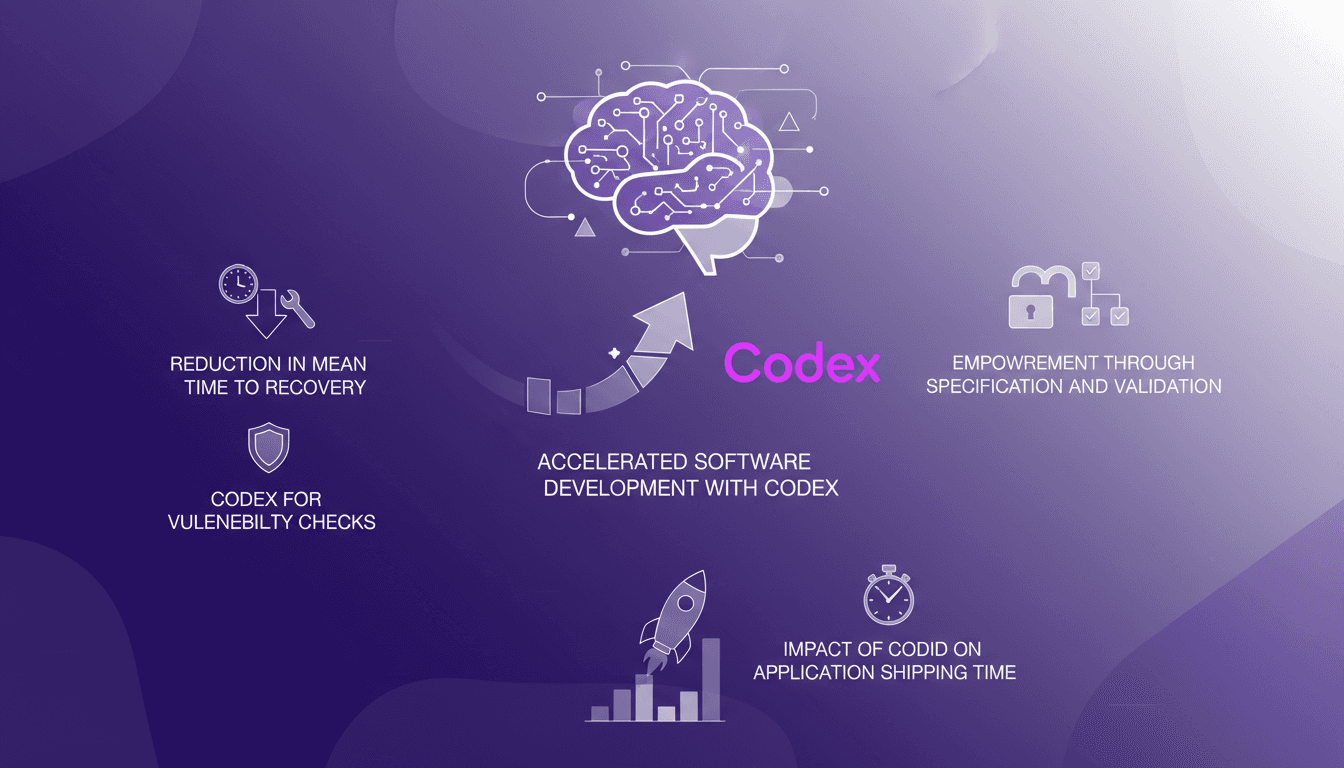
Accelerate Software Development with Codex
I've been deep in the trenches with Rakuten, navigating the labyrinth of software development, and I can tell you Codex has revolutionized our workflow. Cutting our mean time to recovery by 50% isn't just a theoretical win—it's a real-world game changer. Picture this: I connect Codex for vulnerability checks, I orchestrate it for specification and validation, and suddenly, our product application shipping time shrinks dramatically. It's been a true game changer for us, and I'm going to walk you through how we've tapped into this goldmine.

Managing Technical Debt: Practical Strategies
I've been in the trenches of tech development long enough to know that technical debt can be a silent killer. It's like a credit card with a hidden interest rate. You don't see it coming until it hits hard. Technical debt isn't just a buzzword; it's a real challenge for startups and large enterprises alike. If it's not managed, it can cripple your project. Let me walk you through how I manage this beast daily, from a builder's perspective. We'll dive into understanding and managing technical debt, the role of the CTO, the impact of language and tool choices, and much more. Get ready to dive into the nitty-gritty.

Brain-Computer Interfaces: Advances and Challenges
I remember the first time I connected a brain-computer interface to a retinal prosthesis. It was like watching the future unfold in real-time. But here's the kicker: the tech is only as good as our understanding of the brain's plasticity and its convergence with AI. We're at a crossroads where neuroscience meets artificial intelligence, and brain-computer interfaces (BCIs) are at the forefront of this revolution. Let's dive into how we're building this future, the challenges we face, and the potential it holds. From advancements in BCI technology for vision restoration to neural engineering and retinal prostheses, and including a risk-reward analysis of BCI adoption, this interview with Max Hodak promises to be enlightening. Get ready to explore biohybrid neural interfaces and ponder the future of intelligence through BCIs.
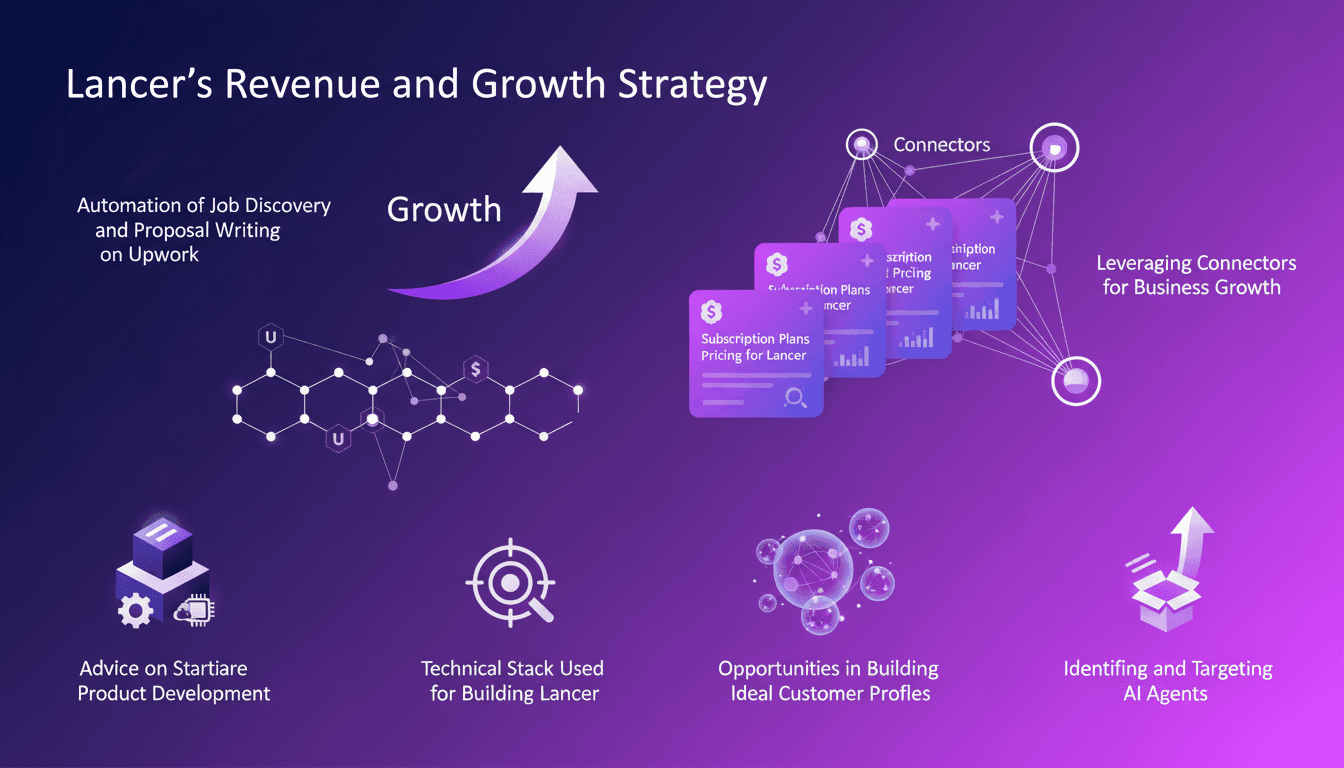
Profitable AI Agent: Strategies and Tools
I built an AI agent that rakes in $10K a month without spending a dime on ads. Sounds crazy? Here’s how I did it. In a world where efficiency and automation are key, I developed Lancer, an AI agent that transforms how freelancers and agencies operate on platforms like Upwork. By automating job discovery and proposal writing, Lancer has revolutionized our approach. I share how I leveraged connectors for business growth, crafted subscription plans and pricing, and the opportunities I discovered in building AI agents. I'll also explain the mistakes I made, the tools I used, and how you can start your own software product development.