Accelerate Software Development with Codex
I've been deep in the trenches with Rakuten, navigating the labyrinth of software development, and I can tell you Codex has revolutionized our workflow. Cutting our mean time to recovery by 50% isn't just a theoretical win—it's a real-world game changer. Picture this: I connect Codex for vulnerability checks, I orchestrate it for specification and validation, and suddenly, our product application shipping time shrinks dramatically. It's been a true game changer for us, and I'm going to walk you through how we've tapped into this goldmine.
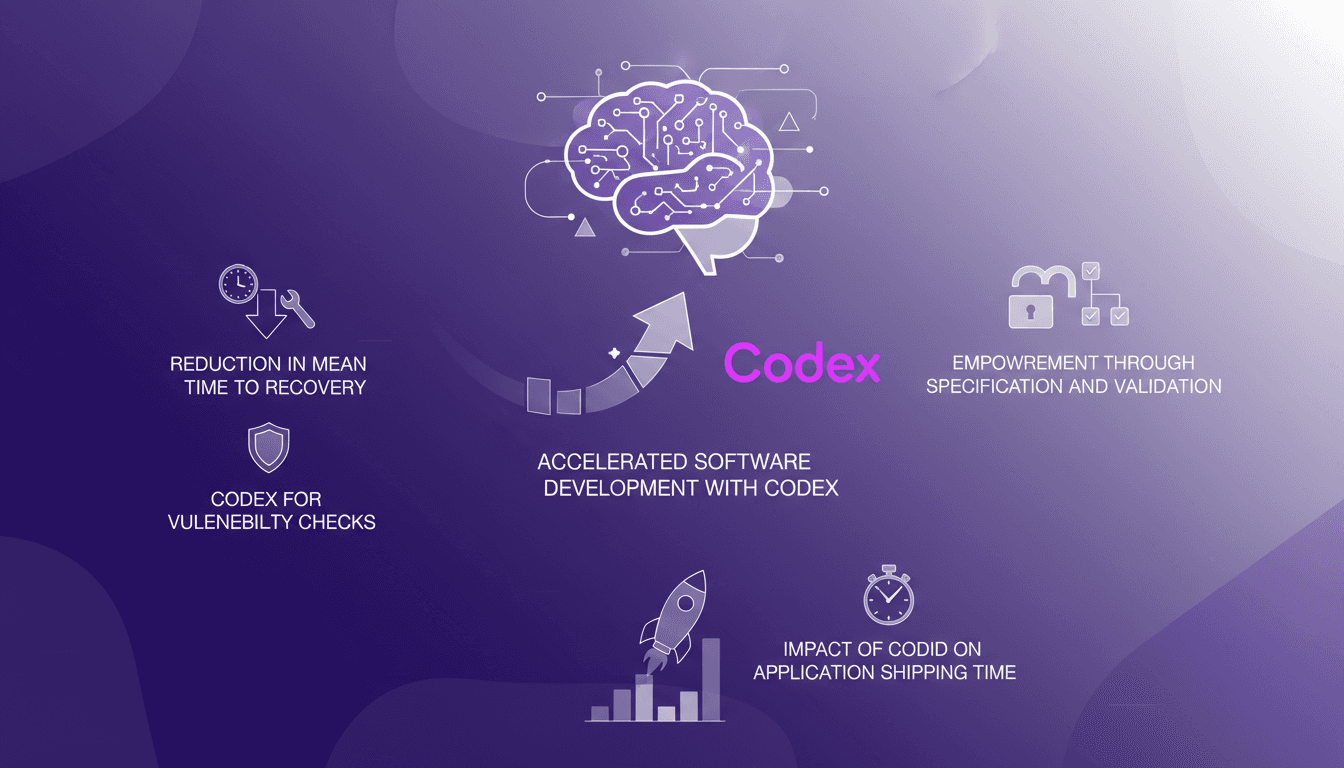
I've been right there in the trenches with Rakuten, navigating the complexities of software development, and let me tell you, Codex has been our secret weapon. It has literally slashed our mean time to recovery by 50%. One day, I found myself up against a wall of seemingly insurmountable bugs, and that's when Codex came into play. By leveraging it for vulnerability checks and for specification and validation, we've managed to accelerate our product application shipping processes. This isn't theory; it's the real deal. Before Codex, each issue felt like climbing a mountain; now, it's just a hurdle we easily clear. I'm going to walk you through this transformation, showing you how we've integrated Codex into our daily workflow for direct business impact.
Accelerated Development: Codex in Action
In the fast-paced world of software development, speed is king. With Codex, I've effectively integrated this tool into Rakuten's workflow, and it has revolutionized the way we code. Before Codex, we had to juggle multiple tools and manual checks, but now, integration is smooth and nearly automatic. For Rakuten, this has translated into a remarkable acceleration in software development. Teams have witnessed a drastic reduction in time spent on repetitive tasks, thanks to Codex's intelligent automation.
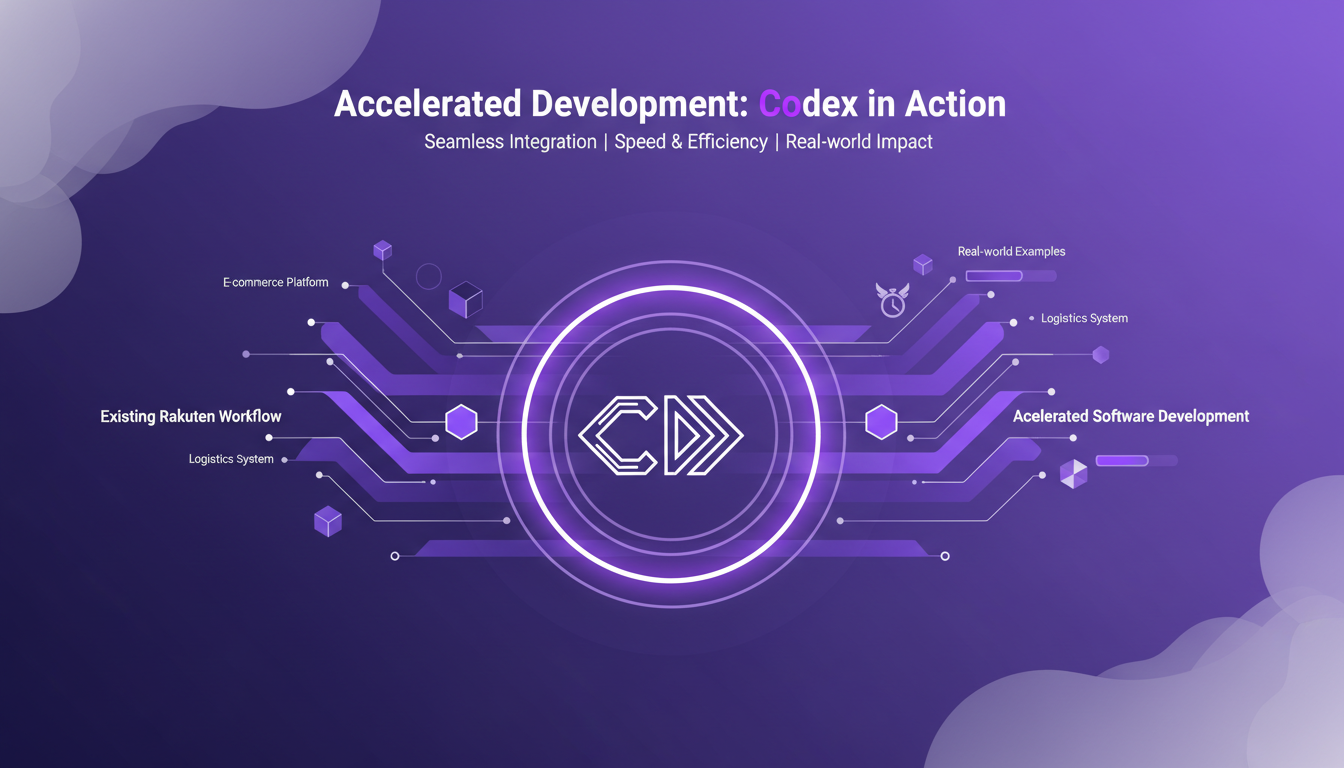
In concrete terms, we've managed to reduce the time required to code complex features from several days to just a few hours. However, watch out for over-reliance on automation: I've seen projects where excessive dependence on automation led to undetected errors. It's crucial to maintain a balance between automation and manual oversight to ensure optimal results.
- Seamless integration into existing workflow
- Reduced development time through automation
- Importance of balancing automation with manual checks
Cutting Down Shipping Time: The Codex Effect
Shipping application time is a major concern for any development team. With Codex, we've succeeded in significantly reducing this timeline. Previously, it took a quarter to move from planning to production, but now, it's done in a few weeks. The impact of Codex on the software lifecycle is undeniable.
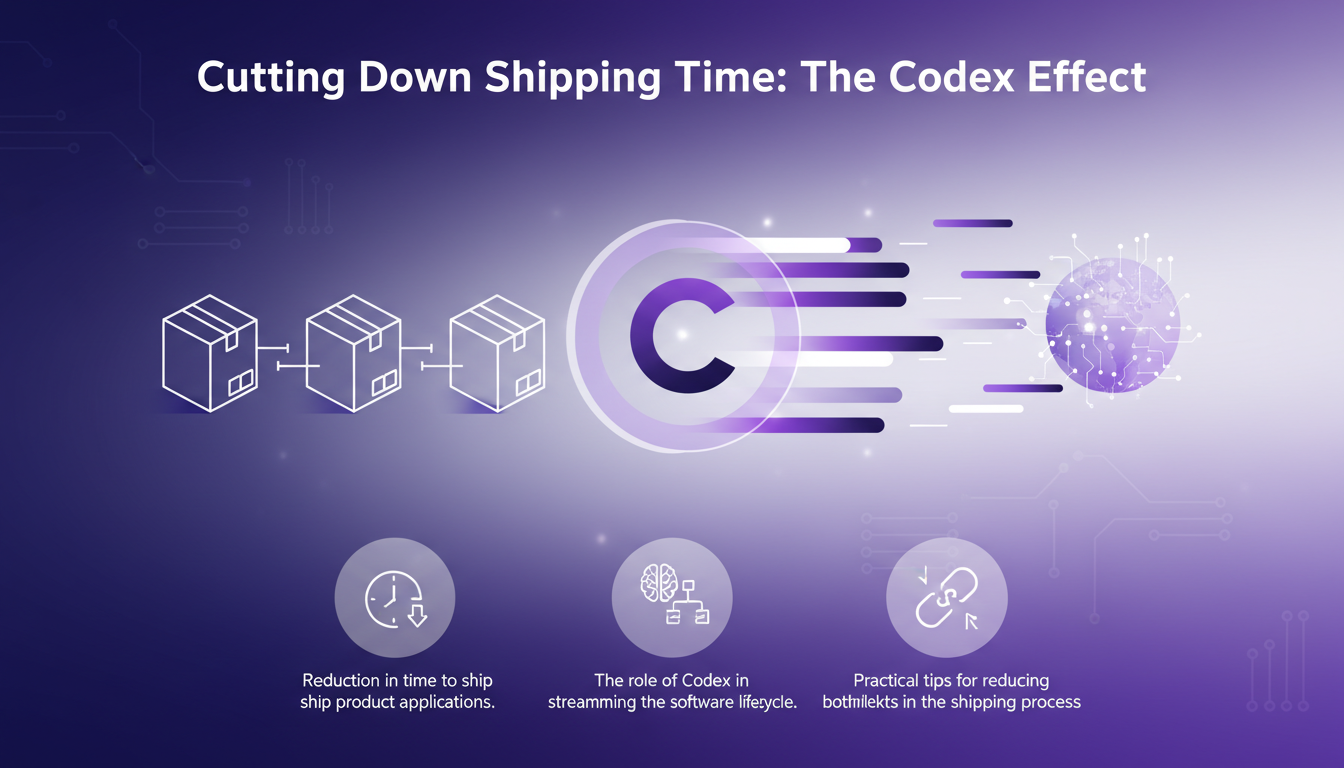
To reduce bottlenecks, I've learned to prioritize automated testing and segment deployments into smaller stages. This not only speeds up the process but also minimizes risk of errors. However, be cautious: moving too fast can sometimes compromise quality. It's essential to find a balance between speed and thoroughness.
- Reduced shipping time to a few weeks
- Prioritization of automated tests to minimize risks
- Balance between speed and quality
Vulnerability Checks: Ensuring Robust Security
Security is a critical aspect of software development, and Codex plays a key role in enhancing vulnerability checks. By integrating Codex into our security workflows, we've been able to detect and resolve vulnerabilities more effectively. Codex scans connected GitHub repositories and proposes patches aligned with surrounding code intent.
While Codex excels at detecting common vulnerabilities, it has its limits, particularly with complex security challenges. That's why it's crucial to continue following best security practices while leveraging Codex's capabilities.
- Improved detection and resolution of vulnerabilities
- Seamless integration into security workflows
- Limits of Codex in handling complex challenges
Mean Time to Recovery: A 50% Reduction
Mean Time to Recovery (MTTR) is a key metric for evaluating incident management efficiency. At Rakuten, thanks to Codex, we've reduced our MTTR by 50%. This means we can respond to and resolve incidents twice as fast as before.
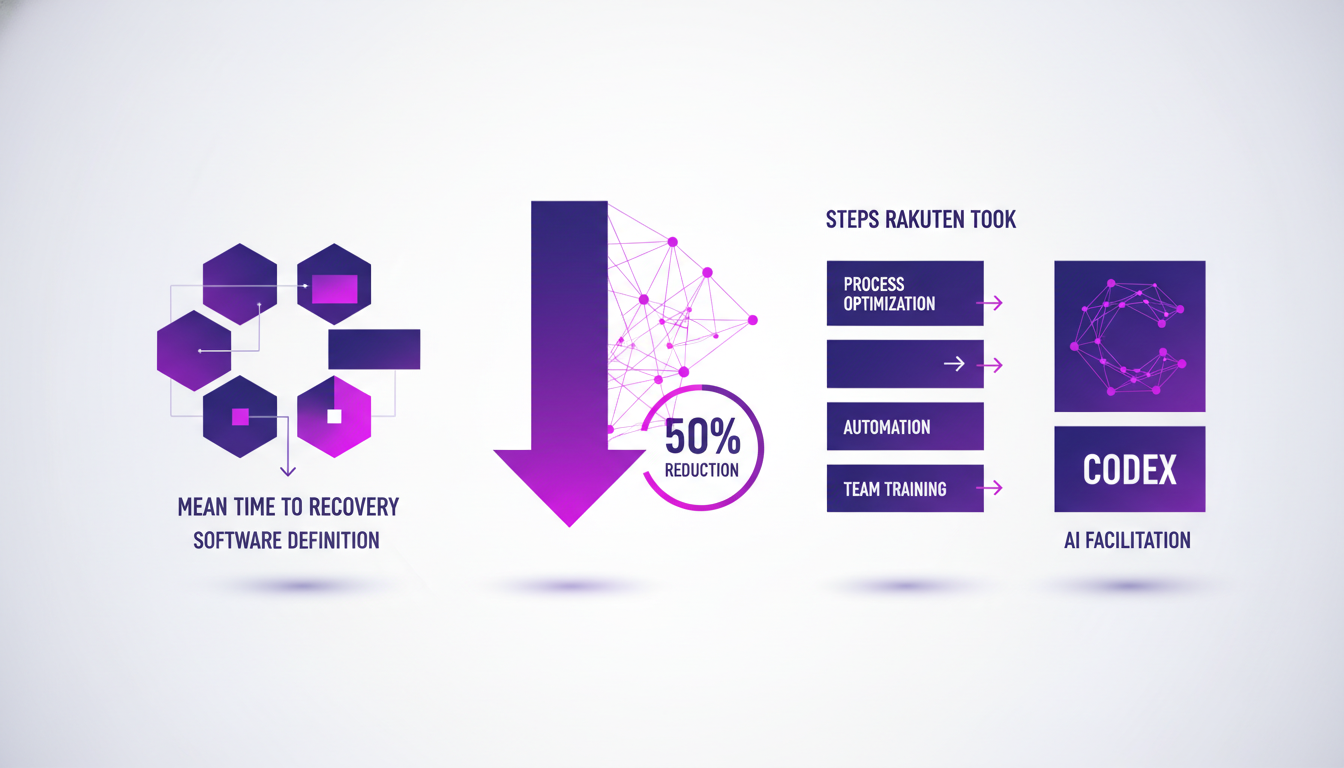
To achieve this, we optimized our recovery processes by using Codex to automate most initial checks and corrections. Challenges were not absent, especially in integrating these processes into our existing infrastructure, but the long-term benefits are clear: a notable improvement in operational efficiency and reduced downtime for our users.
- 50% reduction in MTTR
- Automation of initial checks and corrections
- Improvement in operational efficiency
Future of Codex: Specification and Validation
As Codex evolves, its role in defining software specifications becomes increasingly central. It not only facilitates code validation but also ensures adherence to established standards. At Rakuten, we envision a future where Codex continues to play a crucial role in innovation while maintaining essential stability.
Looking ahead, we anticipate Codex will integrate even more advanced features, facilitating the creation of complex and robust software. However, it's essential to maintain a balance between seeking innovation and ensuring stability to avoid unnecessary disruptions.
- Facilitating validation and compliance with standards
- Continuous evolution of Codex's features
- Importance of balancing innovation and stability
For more on similar strategies, check out Profitable AI Agent: Strategies and Tools or discover how Codex on Windows masters PowerShell.
First, Codex has literally transformed how we develop at Rakuten. By cutting our recovery time in half, we've redefined our efficiency standard. Every day, I see how our workflows are streamlined, and it's a real game changer. But watch out, integrating Codex isn't just about speed. It's about building a more resilient and efficient system. Key takeaways:
- 50% reduction in mean time to recovery.
- Built-in vulnerability checks, boosting our security.
- Specification and validation empower us with more control. Looking ahead: Codex will continue to play a pivotal role in our operations, and I’m convinced it will be a cornerstone for innovation. If you're looking to transform your software development process, I invite you to explore Codex. Watch the full video here to truly grasp its impact: Rakuten speeds up with Codex.
Frequently Asked Questions

Thibault Le Balier
Co-fondateur & CTO
Coming from the tech startup ecosystem, Thibault has developed expertise in AI solution architecture that he now puts at the service of large companies (Atos, BNP Paribas, beta.gouv). He works on two axes: mastering AI deployments (local LLMs, MCP security) and optimizing inference costs (offloading, compression, token management).
Related Articles
Discover more articles on similar topics
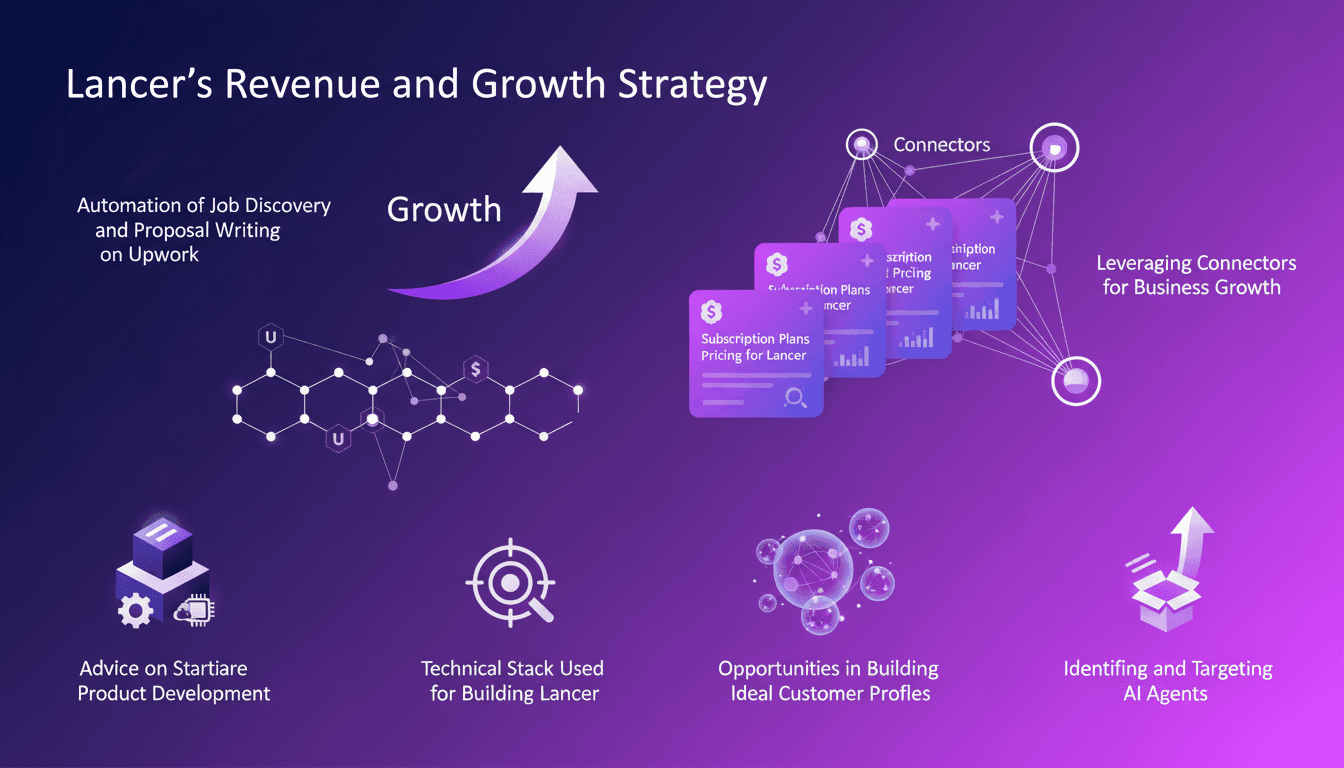
Profitable AI Agent: Strategies and Tools
I built an AI agent that rakes in $10K a month without spending a dime on ads. Sounds crazy? Here’s how I did it. In a world where efficiency and automation are key, I developed Lancer, an AI agent that transforms how freelancers and agencies operate on platforms like Upwork. By automating job discovery and proposal writing, Lancer has revolutionized our approach. I share how I leveraged connectors for business growth, crafted subscription plans and pricing, and the opportunities I discovered in building AI agents. I'll also explain the mistakes I made, the tools I used, and how you can start your own software product development.
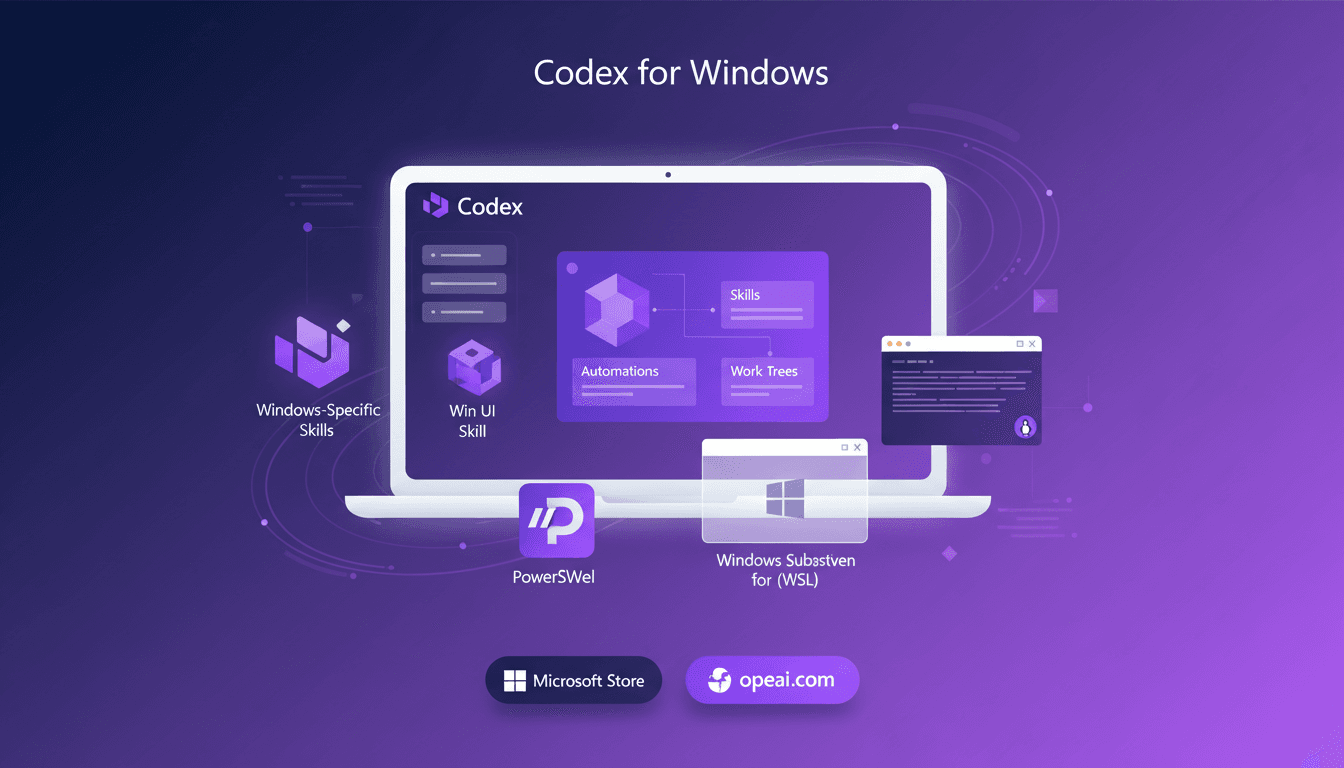
Codex on Windows: Master PowerShell
When I heard Codex was coming to Windows, my first move was to dive into its native operation with PowerShell and the Windows sandbox. Picture this: skills, automations, and work trees directly integrated into your system. It's a real game changer for us Windows users looking to streamline workflows. I'll walk you through setting it up, leveraging its full potential, and why it's a must-have tool for anyone wanting to master PowerShell and the Windows sandbox. Download it via the Microsoft Store or openai.com and let's get to work.

Managing Technical Debt: Practical Strategies
I've been in the trenches of tech development long enough to know that technical debt can be a silent killer. It's like a credit card with a hidden interest rate. You don't see it coming until it hits hard. Technical debt isn't just a buzzword; it's a real challenge for startups and large enterprises alike. If it's not managed, it can cripple your project. Let me walk you through how I manage this beast daily, from a builder's perspective. We'll dive into understanding and managing technical debt, the role of the CTO, the impact of language and tool choices, and much more. Get ready to dive into the nitty-gritty.
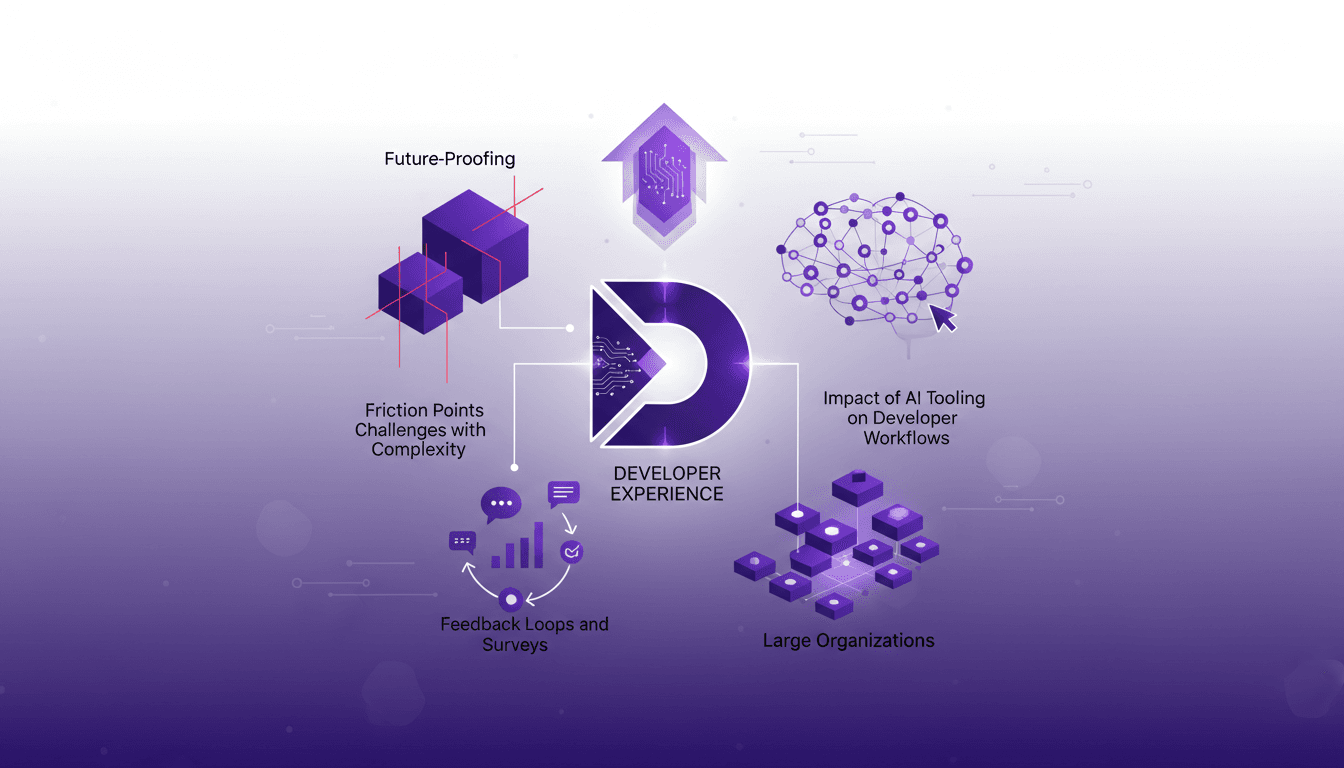
Enhancing DevEx: Stop 'Future-Proofing'
I've been there, staring at my system design, pondering every possible point of failure ten years down the line. I used to call it 'future-proofing'. But here's the kicker: it was slowing me down, and not in a good way. By focusing on developer experience (DevEx) and leveraging AI tools, I realized my systems became not only more robust but also more efficient today, not in some hypothetical future. In this article, I break down why 'future-proofing' isn't the hero we thought it was and how a more agile approach can transform your organization.
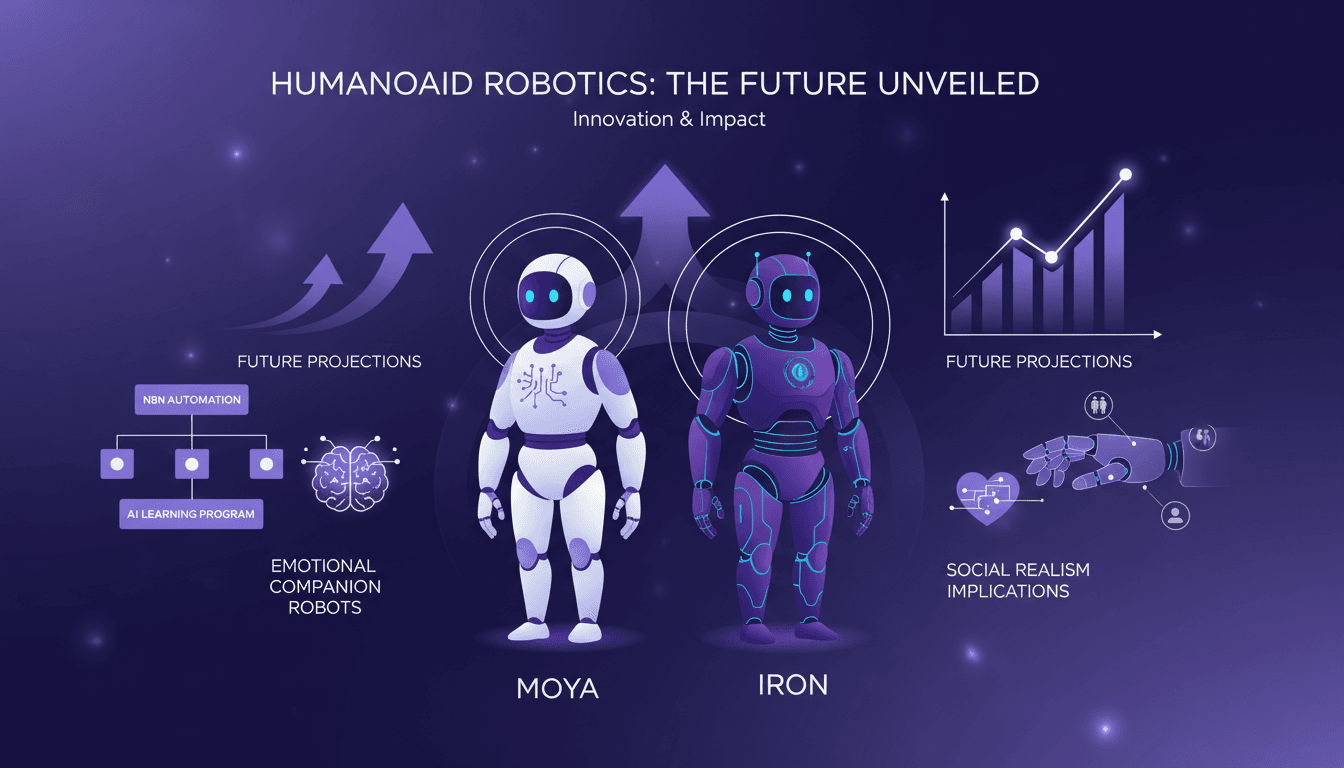
Humanoid Robots: Moya and Iron, Challenges Ahead
I shook Moya's hand, and the warmth was uncanny. It's not just about replicating human features; it's about pushing the boundaries of robotics. With the humanoid robotics market projected to grow rapidly, understanding the tech advancements and market dynamics is crucial. I dive into how humanoid robots like Moya and Iron are reshaping the field. From robot design to AI integration, and automation using N8N, these robots are redefining our relationship with technology. Watch out, Moya's skin reaches 36°C, eerily similar to a human's. Ready to dive into this fascinating world?