Humanoid Robots: Moya and Iron, Challenges Ahead
I shook Moya's hand, and the warmth was uncanny. It's not just about replicating human features; it's about pushing the boundaries of robotics. With the humanoid robotics market projected to grow rapidly, understanding the tech advancements and market dynamics is crucial. I dive into how humanoid robots like Moya and Iron are reshaping the field. From robot design to AI integration, and automation using N8N, these robots are redefining our relationship with technology. Watch out, Moya's skin reaches 36°C, eerily similar to a human's. Ready to dive into this fascinating world?
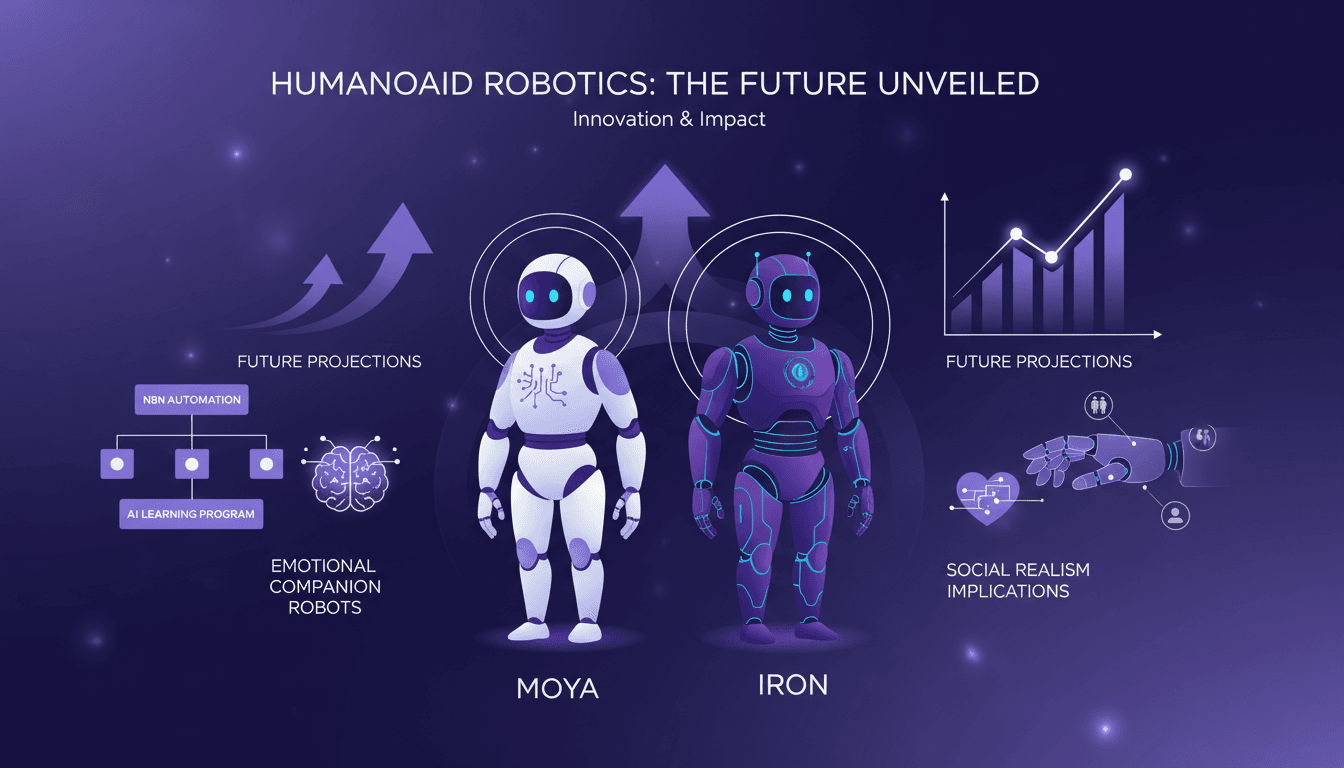
I shook Moya's hand, and feeling that 36°C warmth was uncanny. It's not just about replicating human features; it's about pushing the boundaries of technology. With the humanoid robotics market projected to grow 50% annually, understanding how robots like Moya and Iron are reshaping our field is essential. I’ll walk you through these technological advancements, growth projections, and social implications. Imagine, Moya stands at 1.65 meters, weighs 32 kg, and yet, interacts like a human. From design, AI integration, to automation using N8N, these robots are transforming our tech approach. But watch out, it's not just about tech, it's about social realism too. Ready to dive into these innovations that are reshaping our vision of the future?
Exploring Humanoid Features: Moya's Design
When I first encountered Moya, a biomimetic humanoid robot, I was immediately struck by its design. Picture an android standing 1.65 meters tall, weighing 32 kg, with skin that mimics human warmth at 32 to 36° Celsius. The challenge? Replicating realistic human features while balancing aesthetics and functionality.

Material choice is crucial. I learned the hard way that using soft materials to mimic muscles or a realistic thoracic cage can blow the budget. Watch out for the trade-offs between cost and realism. It took several iterations to get the right combination without sacrificing durability.
"A robot that serves human life must be warm, have a temperature, almost like a living being you can connect with."
Here are some key takeaways when diving into biomimicry:
- Use thermoregulated materials to mimic human warmth.
- Balance realism with budget constraints.
- Prioritize a modular design for easy updates.
Humanoid Robotics Market: Growth and Projections
The global humanoid robotics market, currently valued at over $4.8 billion, is experiencing explosive growth at a rate of 50% annually. This growth is fueled by demand for automation and emotional companions. However, beware of getting swept up in overly optimistic projections.
With this rapid expansion, the market is becoming hyper-competitive. I've seen companies rush to innovate, sometimes with inadequately tested products. The implications? More innovations but also an increased risk of saturation.
Here's what I've learned:
- Don't underestimate the time needed for development and market entry.
- Anticipate market saturation and position yourself wisely.
- Remain realistic about growth projections.
Technological Advancements: Iron and Beyond
Iron, another humanoid robot, showcases current technological advancements with its 62 joints and a powerful AI brain. When I integrated AI into my projects, I understood how complex it could be. Here's how I approached it:
First, I selected the right AI integration tools. Then, I developed a precise workflow to manage technical complexity without compromising performance. But watch out, power must not overshadow simplicity.
Here are some lessons learned:
- Favor simplicity in technological choices.
- Test your robots in real-world environments to refine performance.
- Stay updated with the latest AI advancements.
Emotional Companion Robots: Emerging Market
The potential of emotional companion robots is enormous, especially in combating loneliness and improving mental health. However, success depends on user acceptance and ethical considerations. Don't overly rely on emotional AI without understanding real user needs.

In developing these robots, I found that balancing empathy and functionality is crucial. Here are some tips:
- Focus on understanding users' emotional needs.
- Avoid relying too much on algorithms without human feedback.
- Integrate ethical principles from the start of development.
AI Automation with N8N: Streamlining Robotics
Using N8N for AI learning and automation was a revelation. I was able to orchestrate complex workflows and save valuable time. Here's how I went about it:

First, I configured N8N to integrate with my existing systems. Then, I created automated workflows. Watch out for the trade-offs between efficiency and control.
Here are some pitfalls to avoid:
- Don't rush into automation without understanding each step.
- Regularly test your workflows to catch errors.
- Maintain control over automation to prevent drift.
First off, humanoid robots like Moya and Iron aren't just flashy tech toys; they're fundamentally changing how we interact with machines. Moya, standing at 1.65 meters and weighing 32 kg, has a skin temperature mimicking a human's (32-36° Celsius) – it's a real game changer. But watch out, the emotional impact comes with ethical and technical challenges. Next, the humanoid robot market is booming, and missing out on this is missing an industrial revolution. Finally, the integration of AI for emotional companions opens up fascinating possibilities, but don't underestimate the technical complexity involved.
Looking forward, these advances in humanoid robotics are set to redefine the future – experimenting and adapting will be key. Don't just stand by. Explore, iterate, and anticipate the challenges. For a deeper dive, check out the original YouTube video. It’ll give you an even richer glimpse of this technology in action.
Frequently Asked Questions

Thibault Le Balier
Co-fondateur & CTO
Coming from the tech startup ecosystem, Thibault has developed expertise in AI solution architecture that he now puts at the service of large companies (Atos, BNP Paribas, beta.gouv). He works on two axes: mastering AI deployments (local LLMs, MCP security) and optimizing inference costs (offloading, compression, token management).
Related Articles
Discover more articles on similar topics
AI in India: Revolution and Global Impact
I've been in the AI trenches for years, and let me tell you, what's happening in India is nothing short of revolutionary. With over 100 million people using Chat GPT weekly, and a third of them being students, we're tapping into something profound. This isn't just about technology; it's about transforming economies and societies. By 2028, a significant portion of the world's intellectual capacity might be locked in data centers. Imagine super intelligence on the horizon. India is at the forefront, and the economic and social impact will be colossal. Let's discuss learning programs, automation, democratization, and regulation of AI.
OpenAI Acquires OpenClaw: What It Means for AI
I was in the middle of orchestrating a multi-agent system when the news hit: OpenAI just bought OpenClaw. This isn't just another acquisition; it's a potential game changer for AI agents. OpenClaw, which evolved from Clawdbot to Moltbot, is set to redefine how we view AI as a teammate, not just a tool. With its persistent memory and sandbox environments, OpenClaw promises to transform our workflows. This acquisition could accelerate the integration of open-source AI agents and strengthen community collaboration. Let's dive into the details of what might be a pivotal moment for the future of AI agents.
Building a 20x Startup with Automation
I remember the first time I heard about 20x companies. It sounded like a pipe dream—automating nearly every internal function, delaying hiring, and still scaling like crazy. But then I saw it in action, and let me tell you, it's a game changer. Today, efficiency isn't just a buzzword—it's a survival strategy. With AI tools like Atlas, companies are redefining what it means to grow fast and smart. Let's talk about how automation is transforming startup growth and why delaying hires can be a strategic move. Companies like Giga ML and Legion Health are leading the way by automating their internal functions and building custom AI agents that boost productivity. This is the evolution towards 20x startups, where the impact is direct and tangible.
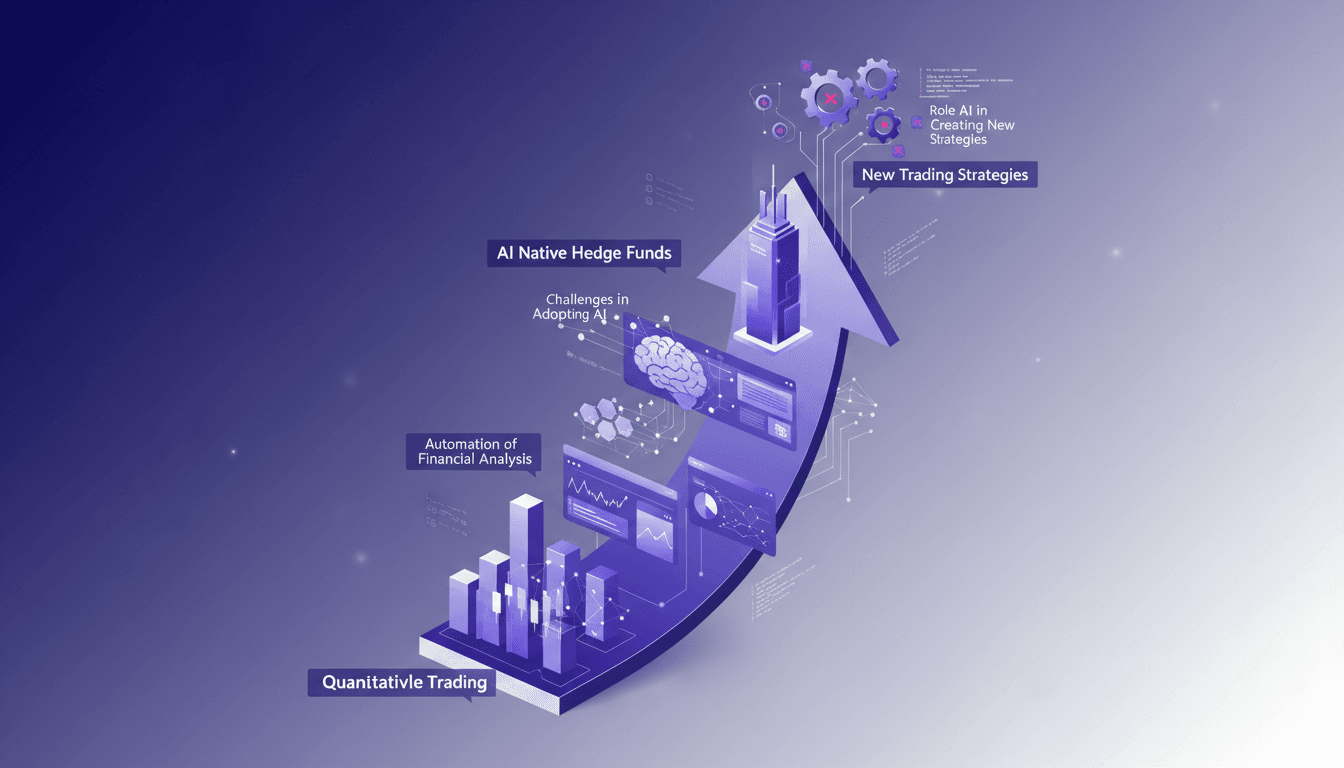
Evolving Quantitative Trading with AI
Back in the 80s, I watched hedge funds start using computers to analyze markets. Fast forward to today, and AI is reshaping the landscape. I've been deep in the trenches, integrating AI into hedge fund strategies—it's a game changer, but not without hurdles. From the evolution of quantitative trading to the rise of AI native hedge funds, I'm taking you behind the scenes of this transformation. It's more than just a tech upgrade; it's a paradigm shift. We'll dissect how AI automates financial analysis and creates new trading strategies while tackling the challenges traditional funds face in adopting these technologies. Ready to explore the future of AI native hedge funds?
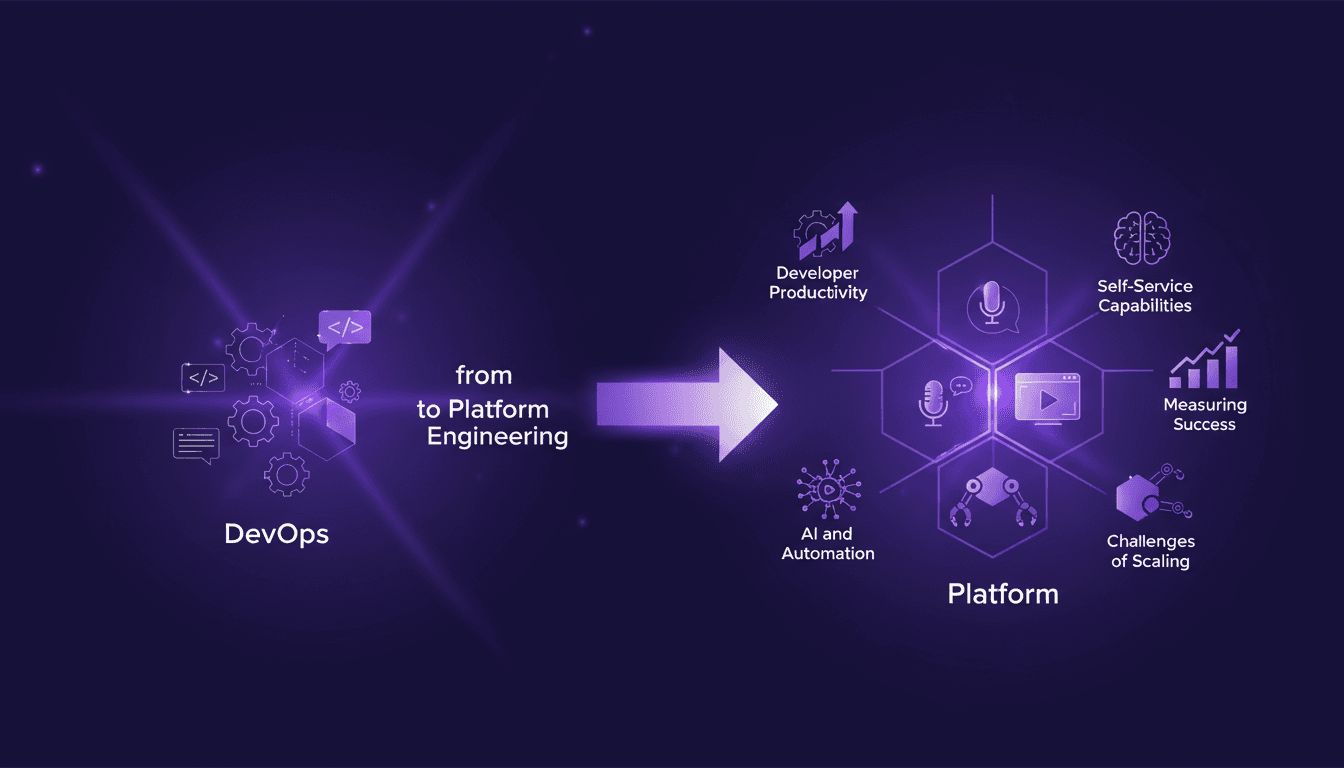
Transitioning from DevOps to Platform Engineering
I remember when DevOps was the buzzword. Now, platform engineering is taking the spotlight, and I've been right in the thick of it. With a decade of tech evolution under our belts, it’s more than just swapping buzzwords; it’s about real change. I’ve navigated this transition, and it’s been a game-changer for our productivity as software engineers. We’ll dive into what tools actually work, traps to avoid, and how AI and automation fit into the picture. In a nutshell, how we transition from DevOps to effective platform engineering without getting burned.