AI in India: Revolution and Global Impact
I've been in the AI trenches for years, and let me tell you, what's happening in India is nothing short of revolutionary. With over 100 million people using Chat GPT weekly, and a third of them being students, we're tapping into something profound. This isn't just about technology; it's about transforming economies and societies. By 2028, a significant portion of the world's intellectual capacity might be locked in data centers. Imagine super intelligence on the horizon. India is at the forefront, and the economic and social impact will be colossal. Let's discuss learning programs, automation, democratization, and regulation of AI.
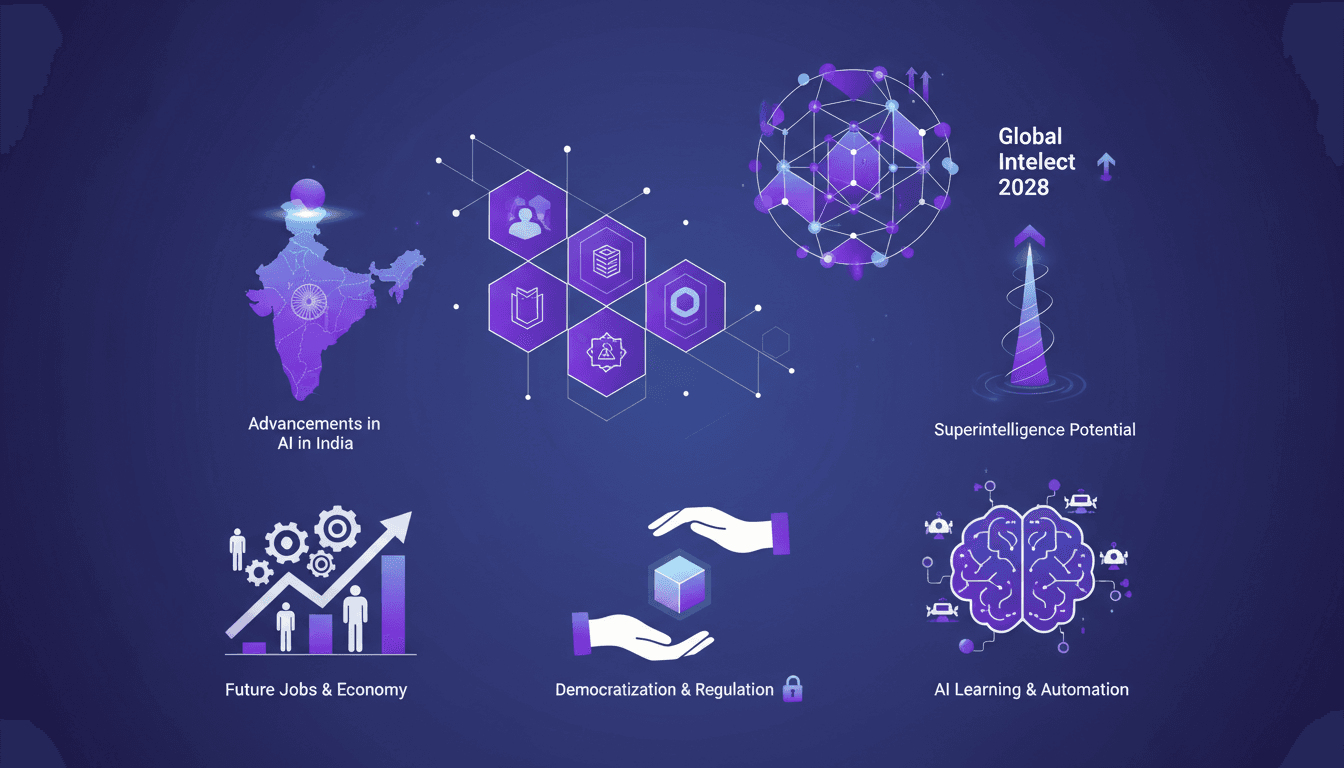
I've been connecting systems, steering AI projects, and yes, I've gotten burned by unmet promises over the years. But what I'm seeing in India is making me rethink everything. The numbers are staggering: 100 million people using Chat GPT every week, with a third being students. It's wild. We're not just tinkering with tech here; we're upending entire economies. By 2028, a substantial chunk of our intellectual capacity might be locked away in data centers. Imagine, super intelligence on the horizon. India is leading the charge and it's going to shake things up. We're on the brink of redefining work, economic growth, and even AI's role in our lives. Let's dive into learning programs, automation, democratization, and regulation of AI. These are major stakes, and we need to get ready.
India's AI Leadership: A Game Changer
I've been in the field for quite some time, and I must admit, India's rapid adoption of AI is nothing short of a revolution. Just last year, I was involved in several projects in India, and the pace at which they have embraced AI tools like Chat GPT is astonishing. Imagine this: over 100 million people in India are using Chat GPT every week. What's more, over a third of these users are students. This massive uptake is reshaping the educational landscape as we know it.
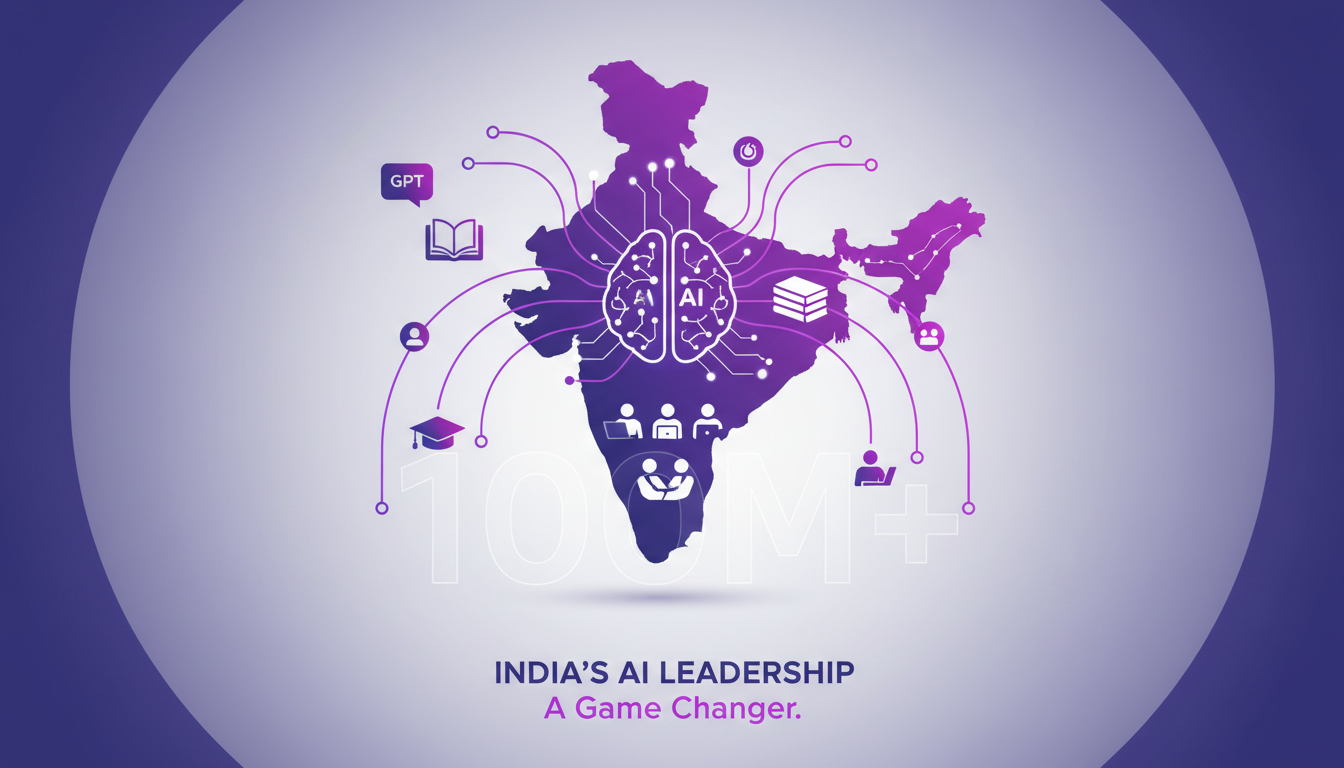
India is not just following the AI trend; it's leading it. The implications on education are immediate. Students now have unprecedented access to vast resources, allowing for personalized learning at their own pace. But watch out, there's a flip side. The rapid integration of AI into education and the workforce demands a significant shift in infrastructure and teaching methods. Without this, we risk widening the digital divide even further.
Global Intellectual Capacity Shift by 2028
Looking ahead, projections suggest that by 2028, a major portion of the world's intellectual capacity could reside inside data centers rather than with individuals. I've seen this trend emerging in my own projects, where AI algorithms are becoming a central part of decision-making processes.
This shift in intellectual capacity has profound implications for global knowledge distribution and access. Imagine a world where the majority of intelligence and knowledge is encapsulated within servers. It could democratize access to information, but it also raises questions about control and centralization. It's a delicate balance to strike.
Super Intelligence: Near-Future Realities
We're possibly only a few years away from super intelligence, and this could redefine societal norms and economic structures. I've witnessed AI systems evolve so rapidly that what seemed like science fiction just a few years ago is now becoming a reality. Super intelligence could potentially manage companies better than any human CEO.
But with great power comes great responsibility. Innovation must be tempered with ethical considerations. How do we ensure this intelligence isn't used for malicious purposes? It's a question I often ponder, especially when dealing with projects involving sensitive or strategic data.
Democratizing AI: Ensuring Equitable Access
Democratizing AI is crucial to prevent disparities. I've worked on various projects where access to AI tools has leveled the playing field for small businesses and startups. But it doesn't happen by itself. Strong regulatory frameworks are needed to support balanced growth.
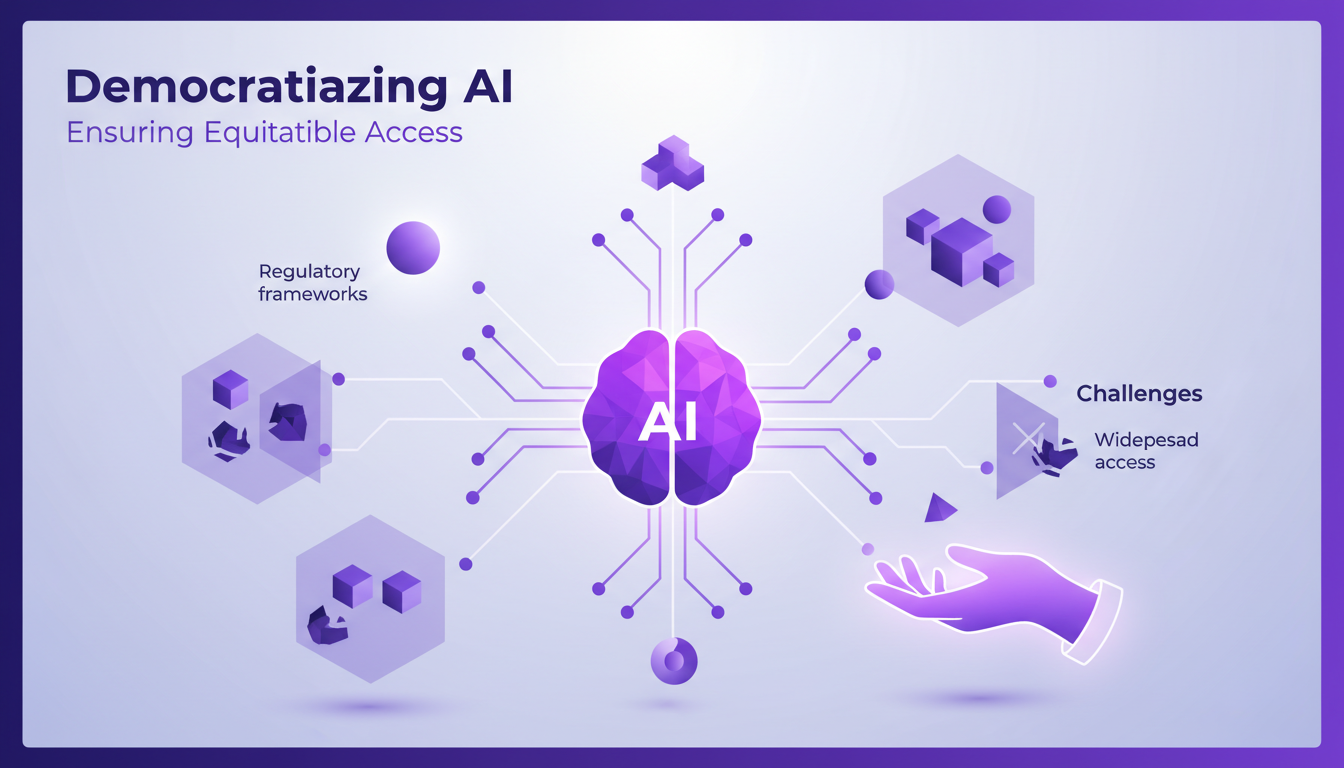
The challenges are numerous, particularly in terms of regulation and oversight. But it's a must if we want to avoid a two-tiered society where only a select few benefit from technological advancements.
AI's Role in Future Employment and Growth
AI has the potential to disrupt traditional job markets, but it also offers unprecedented opportunities. I've seen companies transform their business models thanks to AI, creating new jobs and spurring growth.
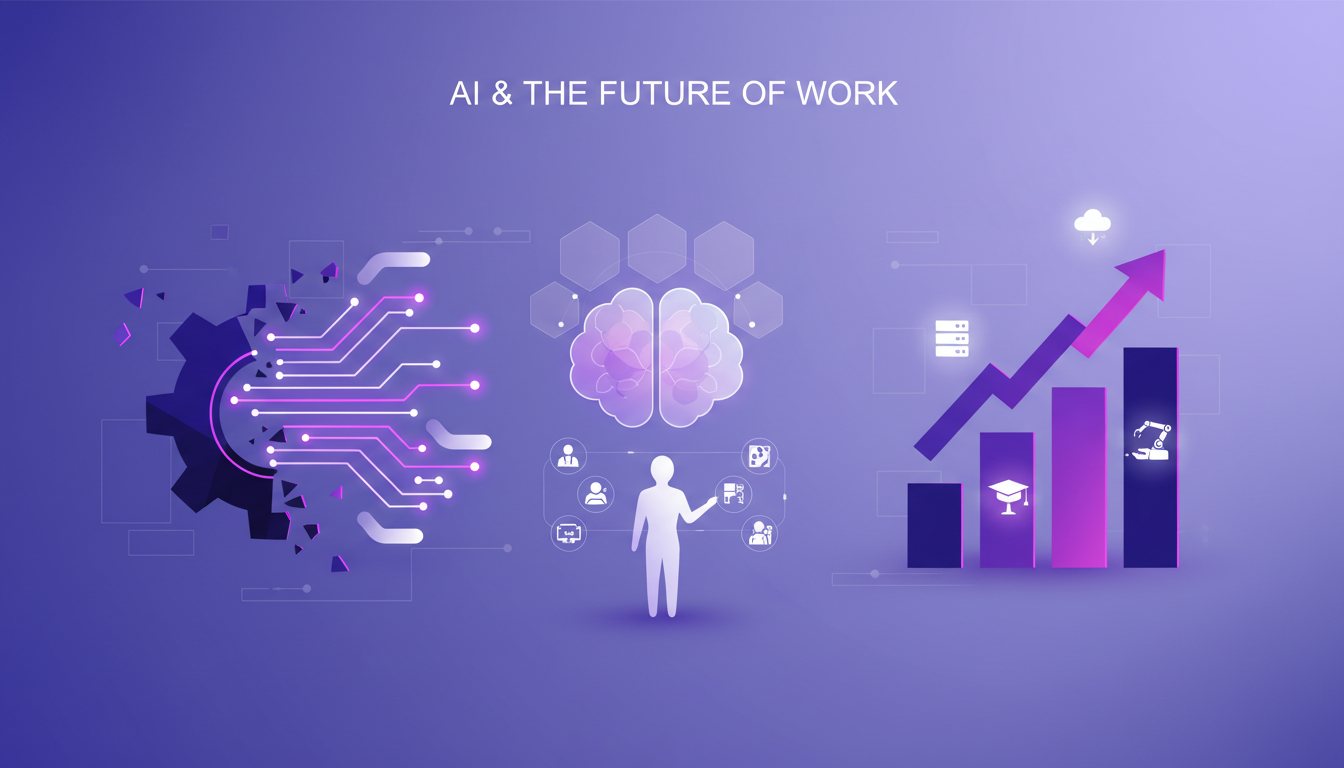
However, businesses need to be ready to adapt. Continuous learning and integration of AI learning programs are essential. Without this, the risk is that only tech giants will reap the benefits, leaving others behind.
I'm really impressed with how AI is shaking up our daily lives, especially in India. Here's what stuck with me:
- Every week, 100 million people in India are using Chat GPT, and over a third are students. The educational potential is huge, but we need to keep an eye on potential biases.
- By 2028, we might have more intellectual capacity inside data centers than out in the real world. It's a real game changer for the global economy, but watch out for the ethical implications.
- The future of employment is at stake, with AI potentially transforming entire industries. Acquiring new skills will be key.
Looking ahead, I think adapting to this AI revolution is not only necessary but also exciting if we know how to leverage it. To dive deeper into these ideas and see how they apply concretely, I recommend watching the full video: https://www.youtube.com/watch?v=WgdcSkewmeg. Trust me, it's worth a look.
Frequently Asked Questions

Thibault Le Balier
Co-fondateur & CTO
Coming from the tech startup ecosystem, Thibault has developed expertise in AI solution architecture that he now puts at the service of large companies (Atos, BNP Paribas, beta.gouv). He works on two axes: mastering AI deployments (local LLMs, MCP security) and optimizing inference costs (offloading, compression, token management).
Related Articles
Discover more articles on similar topics
How AI and Blockchain Redefine Wealth Creation
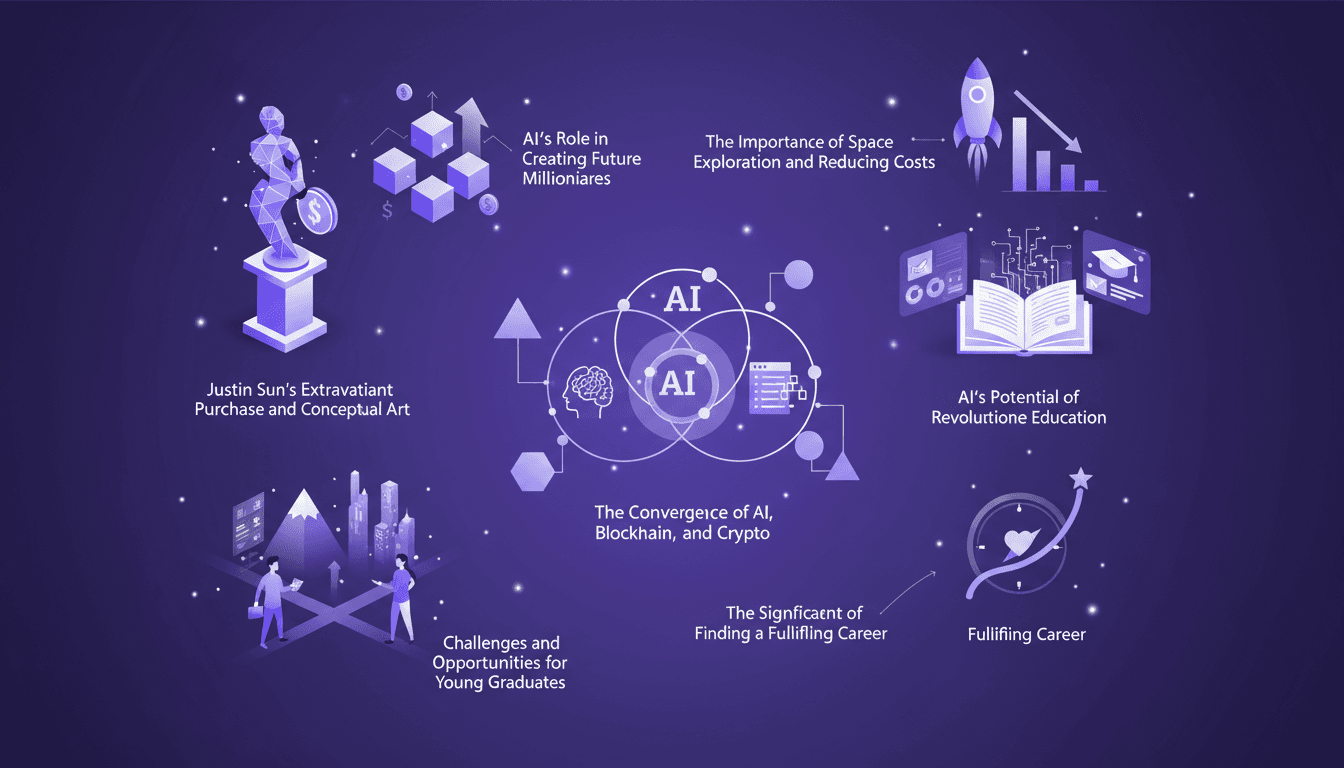
I remember vividly when I first heard about Justin Sun's $6.2 million banana purchase. It wasn't just about art—it was a statement on value itself. In a world where AI, blockchain, and crypto are converging, grasping these technologies is no longer optional—it's essential. Think about AI's potential impact on education or how blockchain could revolutionize space exploration while cutting costs. Young graduates are facing these challenges and opportunities as they pave the way for future wealth creation.
Transitioning from DevOps to Platform Engineering
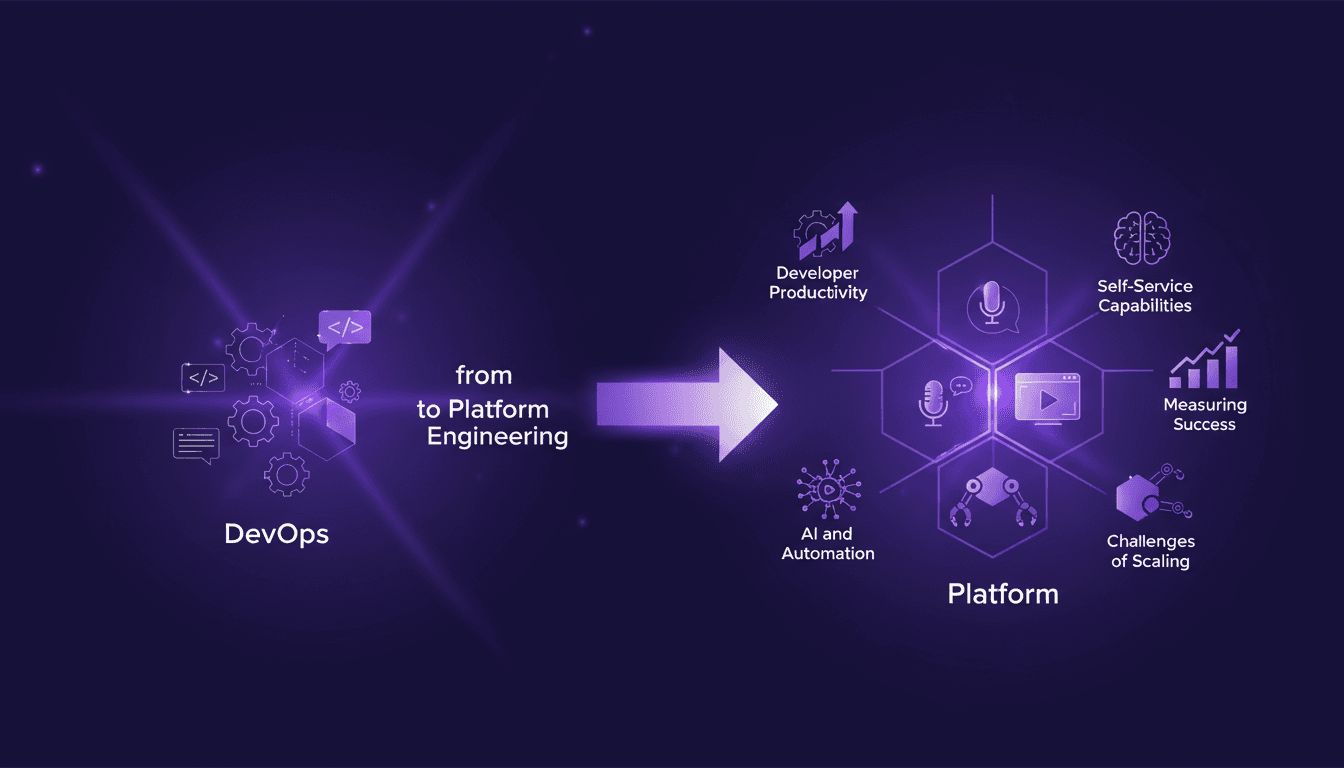
I remember when DevOps was the buzzword. Now, platform engineering is taking the spotlight, and I've been right in the thick of it. With a decade of tech evolution under our belts, it’s more than just swapping buzzwords; it’s about real change. I’ve navigated this transition, and it’s been a game-changer for our productivity as software engineers. We’ll dive into what tools actually work, traps to avoid, and how AI and automation fit into the picture. In a nutshell, how we transition from DevOps to effective platform engineering without getting burned.
AI-Driven Sales: Booking Appointments Efficiently
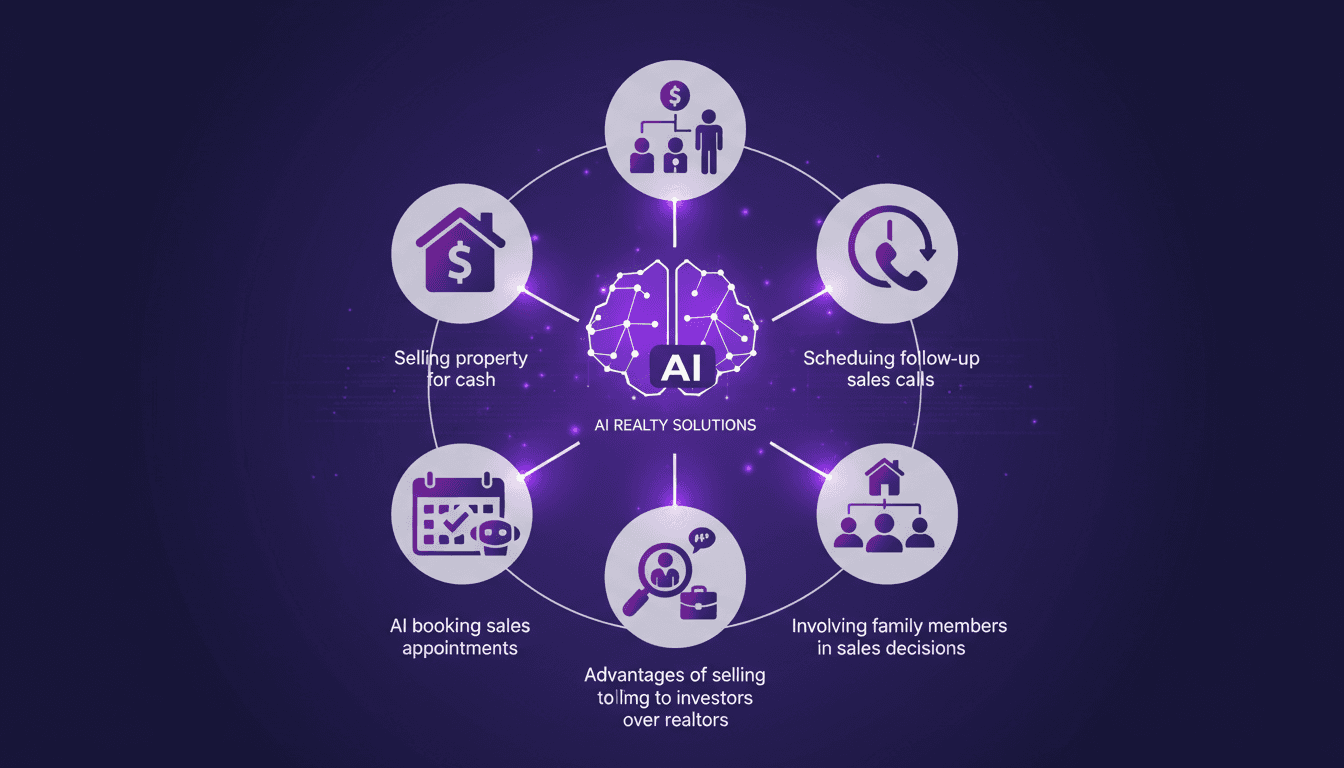
I still remember when our AI booked a sales appointment without any human touch. That was a real game changer! In real estate, where speed and efficiency are key, integrating AI can truly transform how we operate. Imagine a tool that handles calls, schedules appointments, and even assists in closing deals. But it's not all smooth sailing. There are limits and pitfalls to watch out for. Let's dive into how I integrated this tech into my agency and the tangible results it brought.
AI in Film: How Site Dance 2.0 is a Game Changer
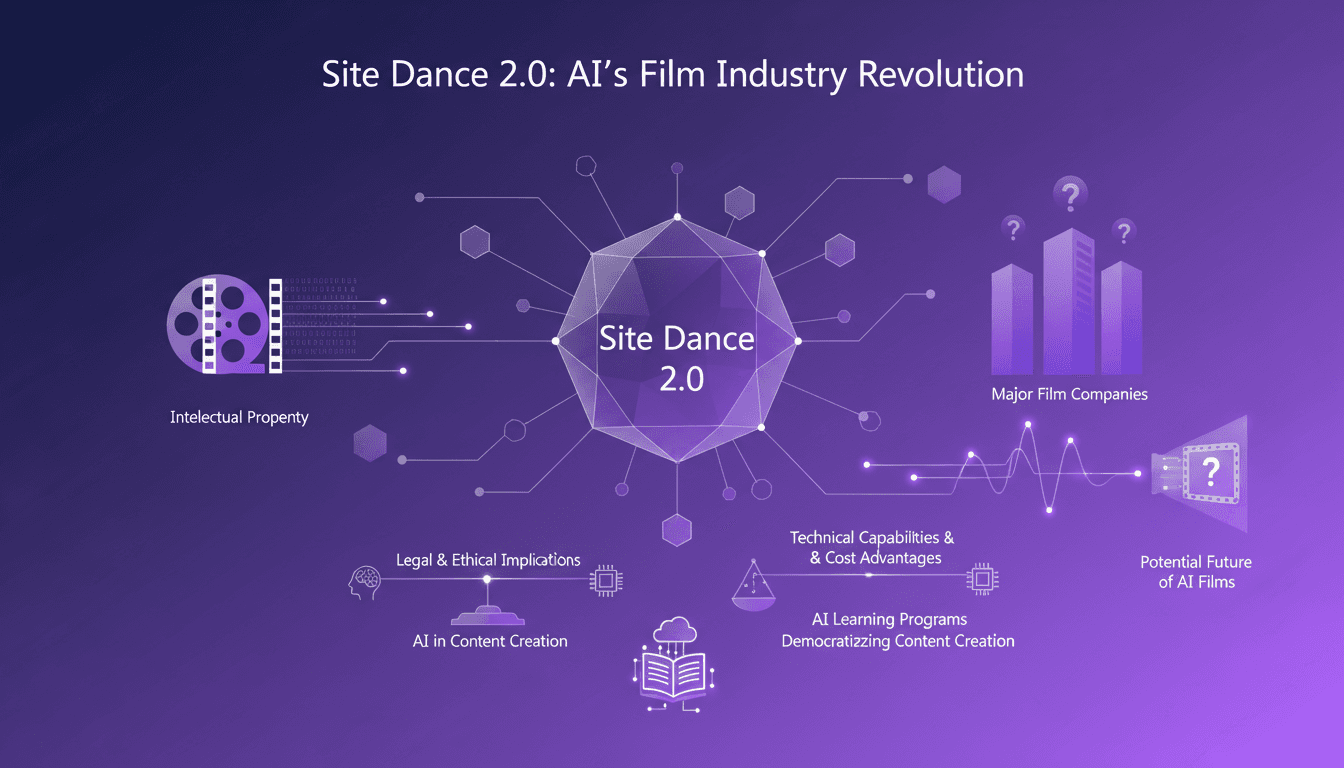
I still remember the first time I saw Site Dance 2.0 in action. It was like watching the future unfold right before my eyes. This isn't just a technical upgrade; it's a revolution in the film industry. We're talking massive cost savings and enormous creative potential. Imagine slashing shooting and special effects costs by millions while speeding up production. But beware, it comes with complex questions — intellectual property, legal implications, it's all on the table. Major companies like Disney and Sony are already reacting within 48 hours. With Site Dance 2.0, we're no longer talking science fiction but tangible reality. Let me show you how it's changing the way we create, produce, and view films.
Raising Entrepreneurs: Suan's Practical Guide
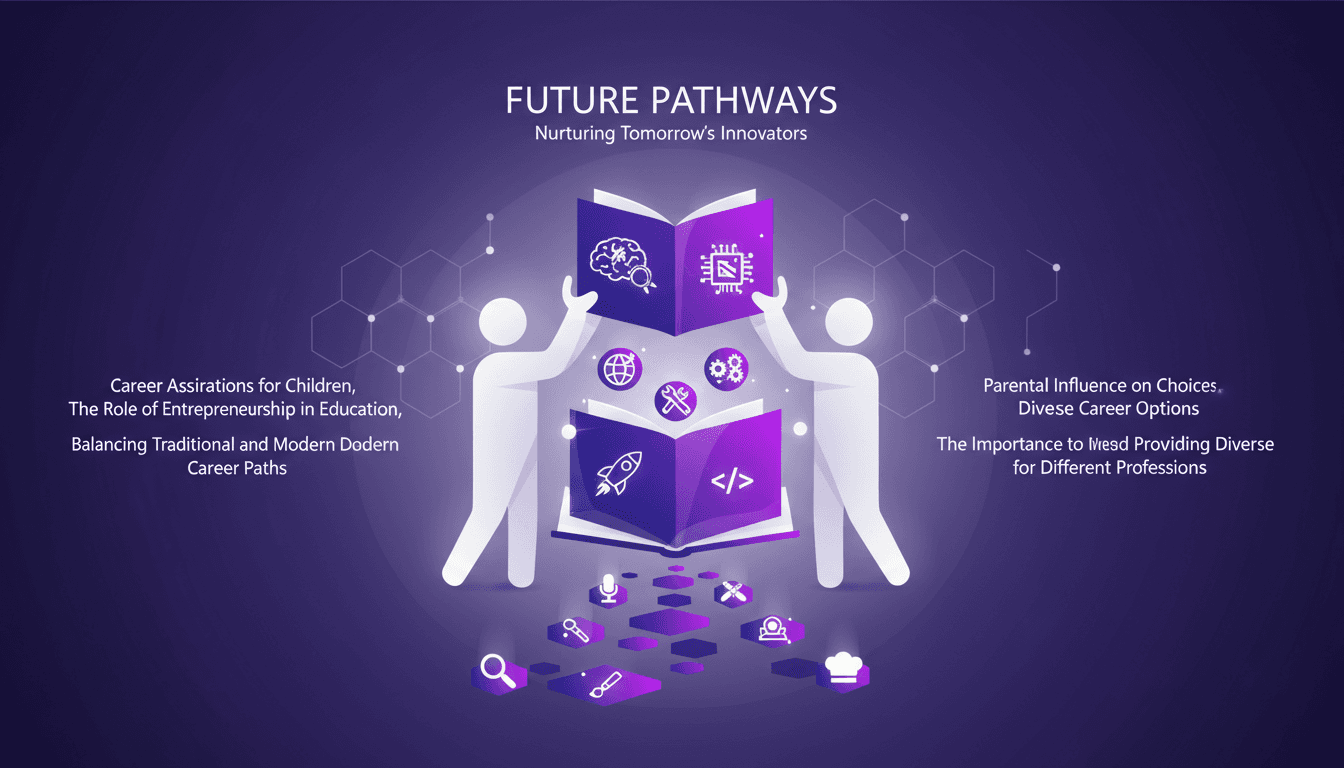
I never thought I'd be juggling a stethoscope and a spreadsheet, but that's exactly where I am today. As a doctor turned entrepreneur, I'm showing my sons the richness of diverse career paths. Instead of sticking to the traditional route, I want them to see the world as their playground. In this interview, I share how I incorporate entrepreneurship into their education while respecting every profession. I talk about the importance of showing them different career options and how this can shape their aspirations. Come and discover how I ensure they're not just following a set path, but creating their own road.