AI-Driven Sales: Booking Appointments Efficiently
I still remember when our AI booked a sales appointment without any human touch. That was a real game changer! In real estate, where speed and efficiency are key, integrating AI can truly transform how we operate. Imagine a tool that handles calls, schedules appointments, and even assists in closing deals. But it's not all smooth sailing. There are limits and pitfalls to watch out for. Let's dive into how I integrated this tech into my agency and the tangible results it brought.
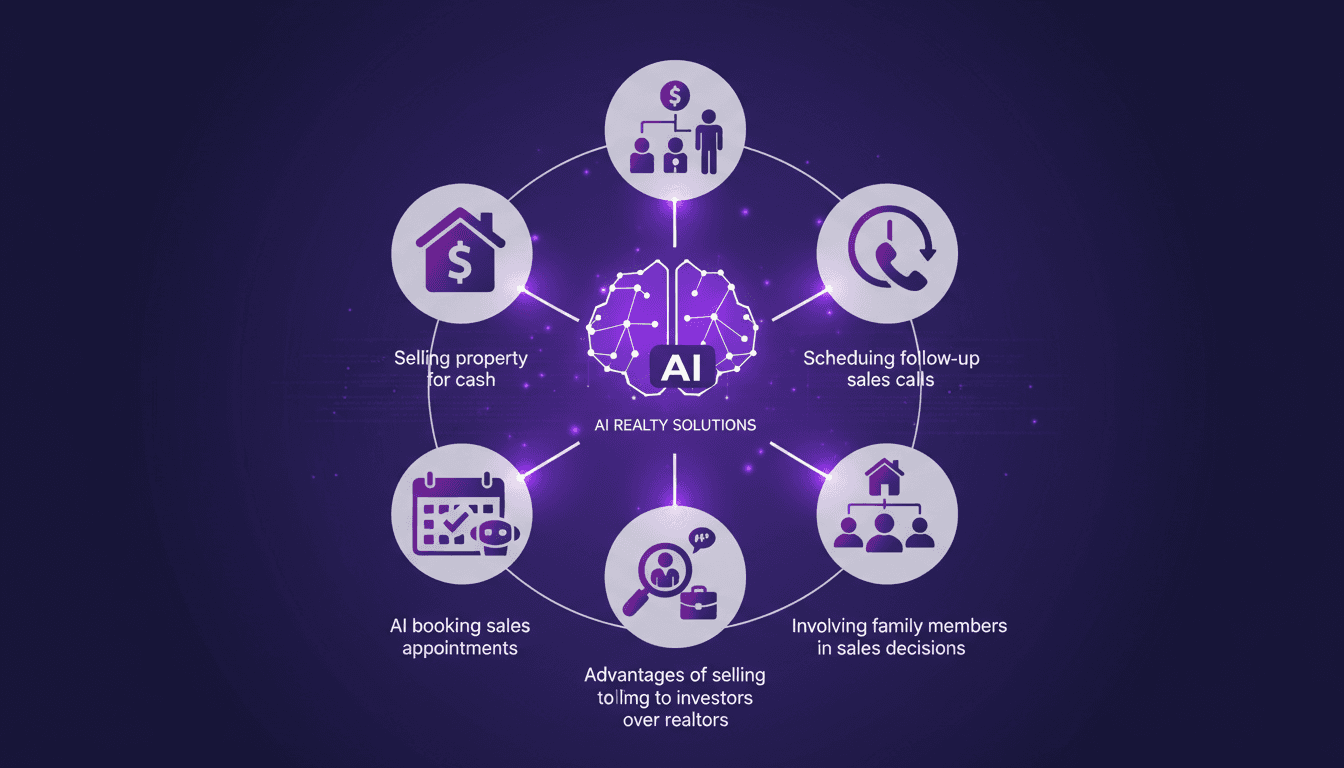
I remember the first time our AI booked a sales appointment without any human intervention. It was a pivotal moment for my agency. In an industry where speed and efficiency are everything, integrating AI into real estate sales can be transformative. I started by connecting our lead management system with an AI capable of making calls and scheduling appointments. But it's not magic; you have to orchestrate it right to avoid costly mistakes. For instance, I had to tweak settings so the AI could handle group decisions, like when multiple family members are involved in a sale. By optimizing the process, I not only saved time but also increased the success rates of the appointments set. So, how can this technology revolutionize your selling process? Here, I share my insights and pitfalls to prepare you for effective adoption.
Setting Up AI for Sales Calls
First, to set up AI that initiates sales calls, I had to integrate our customer database. This is crucial because without it, the AI can't properly identify customers. I faced some initial challenges, notably misidentifications when the data wasn't up-to-date. To overcome this, I set up daily data synchronization. Personalization in AI calls made all the difference. We're talking about lead conversion rates that significantly increase once every interaction feels genuine. A tangible impact: in a pilot campaign, our conversions jumped by 15% in one month.

Selling Property for Cash: The AI Approach
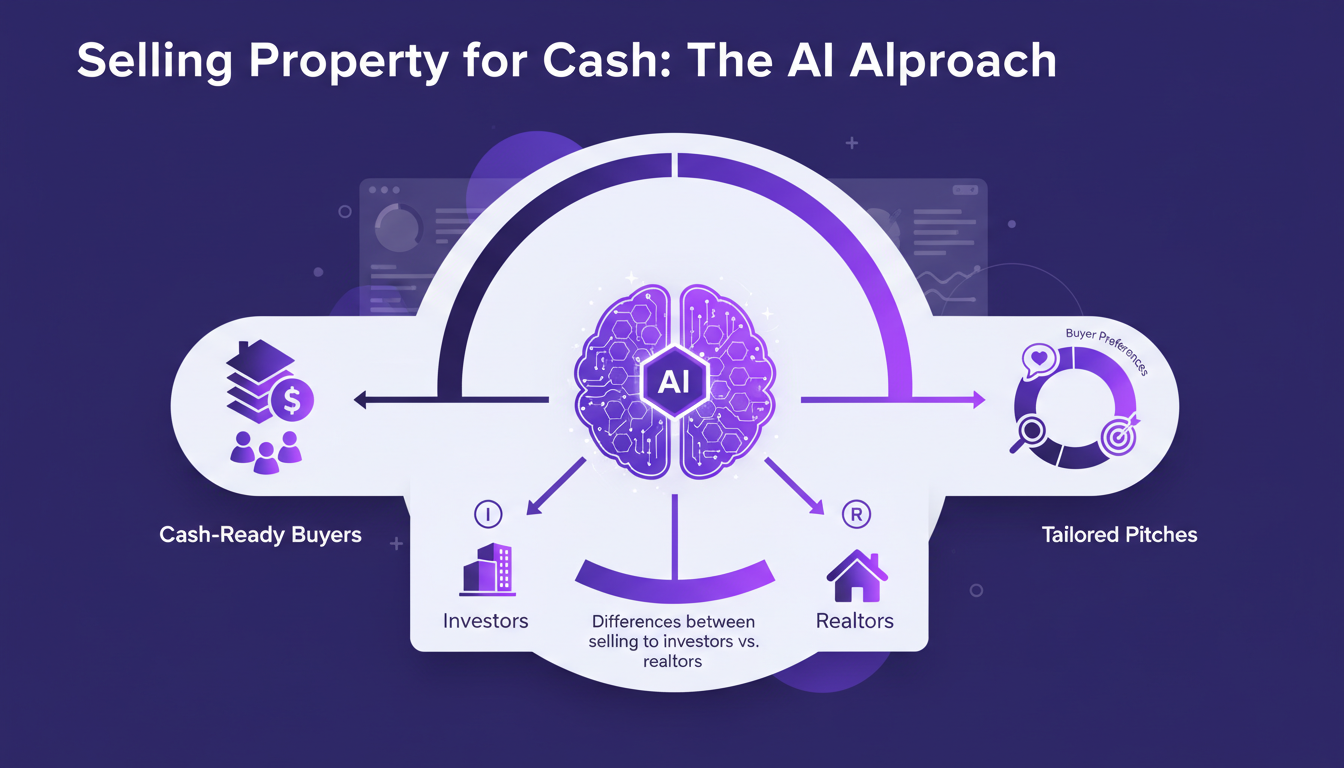
AI plays a key role in identifying cash-ready buyers. It differentiates between selling to investors and realtors, tailoring sales pitches based on buyer preferences. This approach speeds up the process and reduces overhead. But watch out for trade-offs: you gain speed in sales, sometimes at the expense of potential price. In a recent sale, AI helped close the deal in two weeks, a personal record.
Involving Family in Sales Decisions
During a call, AI suggested involving family in the decision-making process. This step enhances trust and reduces objections, but you must program AI to handle family dynamics. The limits are clear: AI doesn't always grasp complex family relationships. However, it's effective at anticipating objections and paving the way for more emotional conversations.
Scheduling Follow-Up Sales Calls
I programmed AI to schedule calls with surgical precision. For instance, a call is scheduled for Monday at 10:00 a.m. at number 4805551234. This ensures follow-ups are timely and avoids over-scheduling that can tire customers. By analyzing data, I optimized call timings, boosting conversion rates by 10%. Don't underestimate the importance of timing in orchestrating sales.
Evaluating AI's Impact on Sales Efficiency
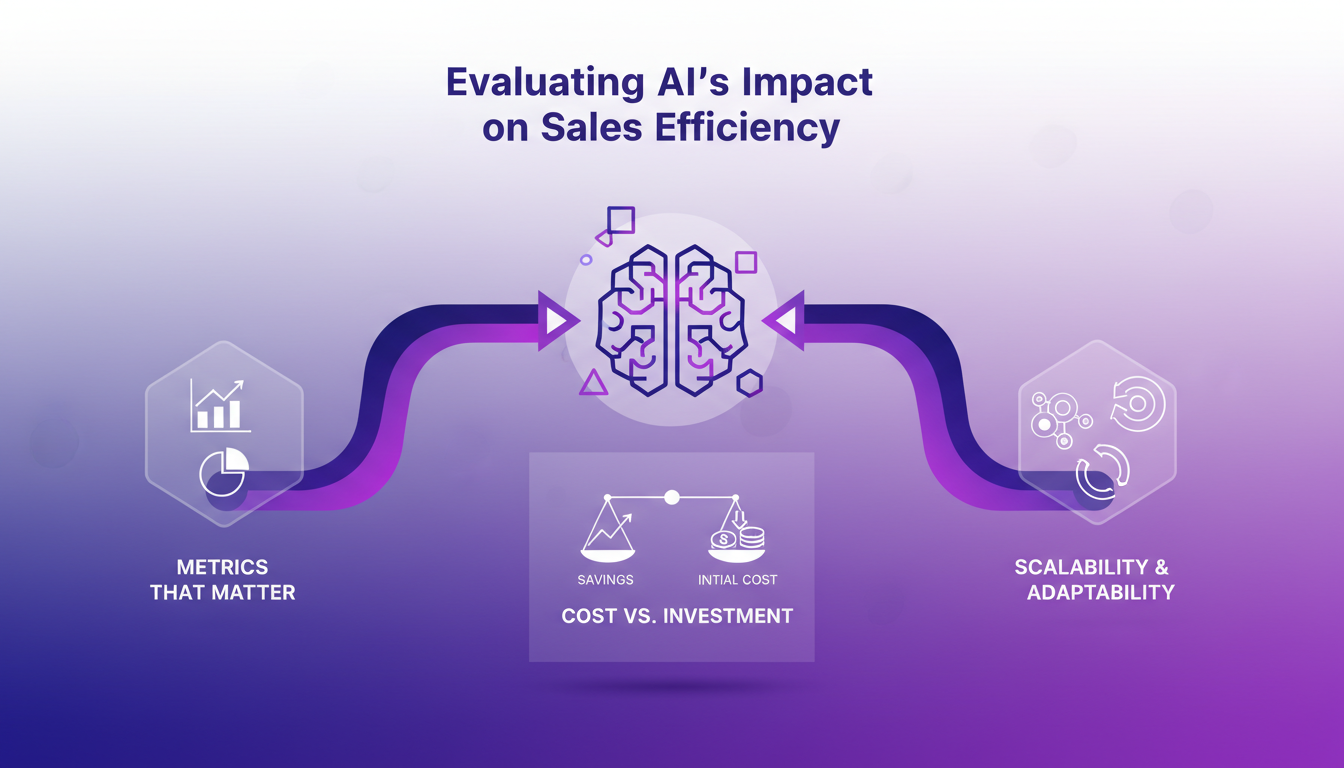
To measure success, I focus on key metrics like cost savings versus initial investment in AI technology. Long-term benefits include scalability and adaptability. Watch out for potential pitfalls: over-automation can dehumanize the customer experience. Finally, continuous improvement is key. I iterate AI processes based on feedback to maximize business impact.
Integrating AI into real estate sales isn’t just about saving time; it’s about transforming the entire sales process. First, it books appointments like a champ, then it optimizes deal closing. But remember, it’s not without its challenges. Here’s what I’ve gathered:
- AI can handle appointment booking, but you need to verify the quality of the leads generated.
- Selling to investors over realtors can significantly speed up the process.
- Don’t forget to involve your family in the sales decisions to avoid surprises. Looking ahead: AI is a real game changer in real estate, but you’ve got to be ready to adapt and iterate based on real-world feedback. So, if you’re in real estate, consider piloting AI in your sales process. The business impact could be substantial, but be prepared to adjust. And for a deeper dive, I highly recommend watching the full video here: [link]. It’s the real deal!
Frequently Asked Questions

Thibault Le Balier
Co-fondateur & CTO
Coming from the tech startup ecosystem, Thibault has developed expertise in AI solution architecture that he now puts at the service of large companies (Atos, BNP Paribas, beta.gouv). He works on two axes: mastering AI deployments (local LLMs, MCP security) and optimizing inference costs (offloading, compression, token management).
Related Articles
Discover more articles on similar topics

AI in Sales: Closing Deals Autonomously
I've been in sales long enough to see the hype come and go. But when I first connected AI to my sales pipeline, everything changed. It wasn't just another gadget; I witnessed AI autonomously closing deals, and that was my 'aha' moment. AI is now managing entire sales processes, from lead generation to deal closing, without a human in sight. With an ambitious team and rapid development, we're looking at a future where AI redefines the sales role. In just 12 months, we might see a company valued in the billions because of this tech. Let's dive into what's making this possible.
LLMs Optimization: RLVR and OpenAI's API
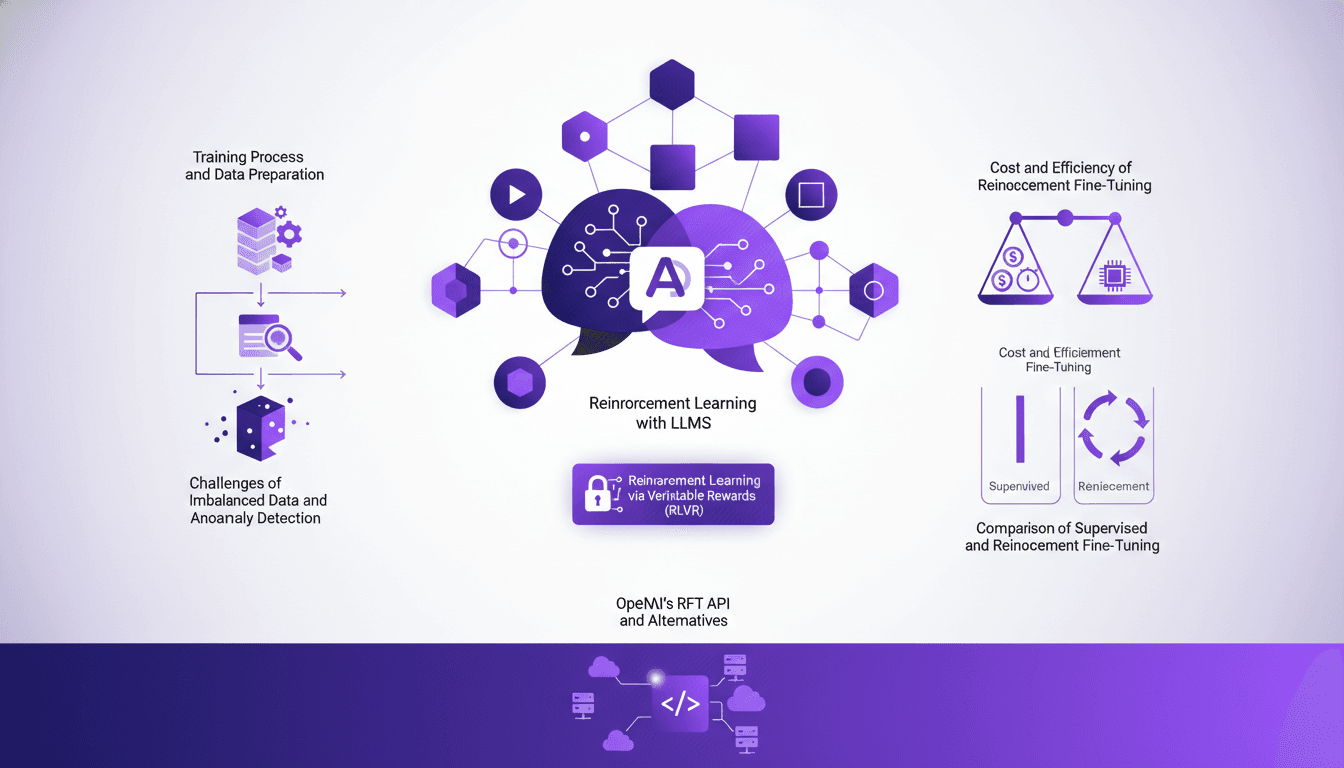
I've been knee-deep in fine-tuning large language models (LLMs) using Reinforcement Learning via Verifiable Rewards (RLVR). This isn't just theory; it's a game of efficiency and cost, with OpenAI’s RFT API as my main tool. In this tutorial, I'll walk you through how I make it work. We're diving into the training process, tackling imbalanced data, and comparing fine-tuning methods, all while keeping a close eye on costs. This is our third episode on reinforcement learning with LLMs, and we'll also discuss OpenAI's RFT API alternatives. Quick heads up: at $100 per hour, it escalates fast!
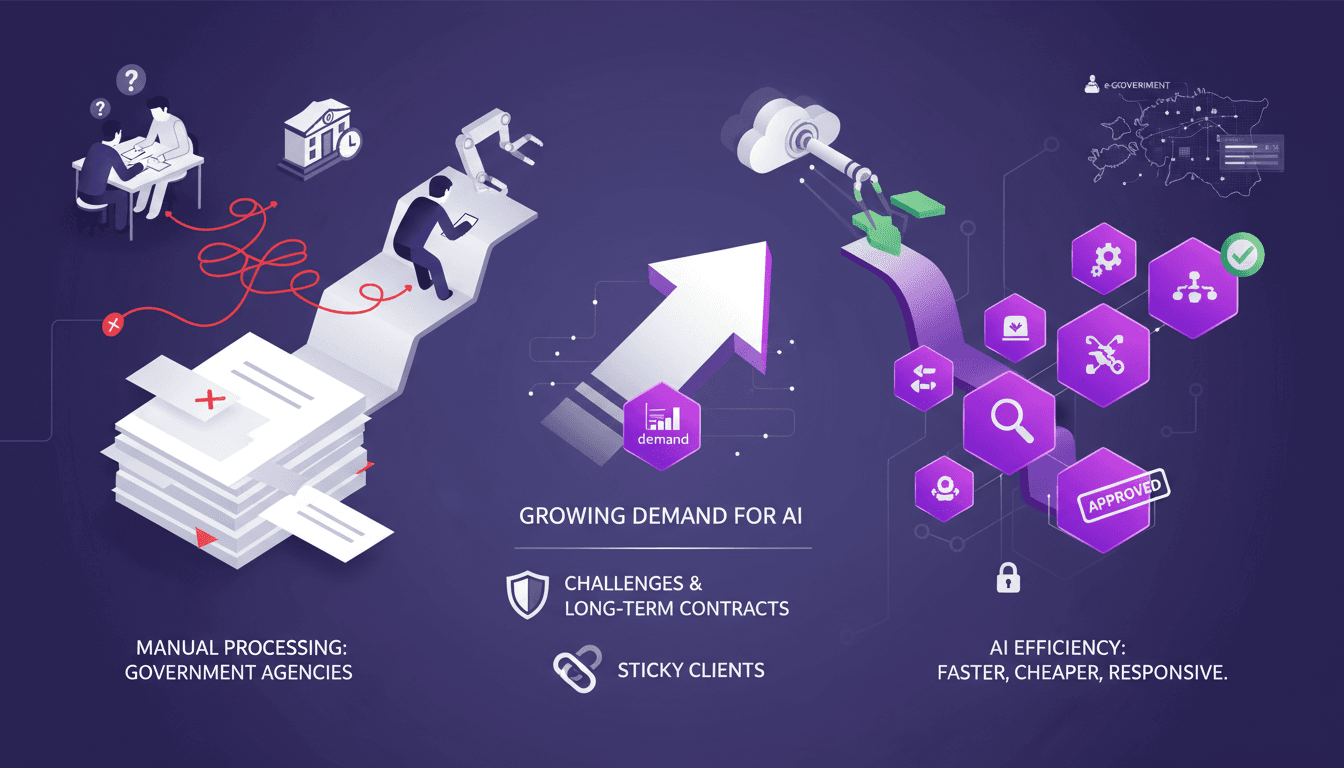
AI Efficiency in Government Processes
I remember the first time I saw AI transform a government form process. It was like watching a slow-moving train suddenly leap onto a high-speed rail. First, I connect the dots between AI and administrative forms, saving enormous time and cutting costs while improving accuracy. But watch out, selling AI to governments isn't without its challenges. Between inspiring examples like Estonia and long-term government contracts, there's much to learn to ensure AI isn't just another empty promise. I'll guide you through the real solutions I've piloted and how they've directly impacted the speed and accuracy of administrative processes.
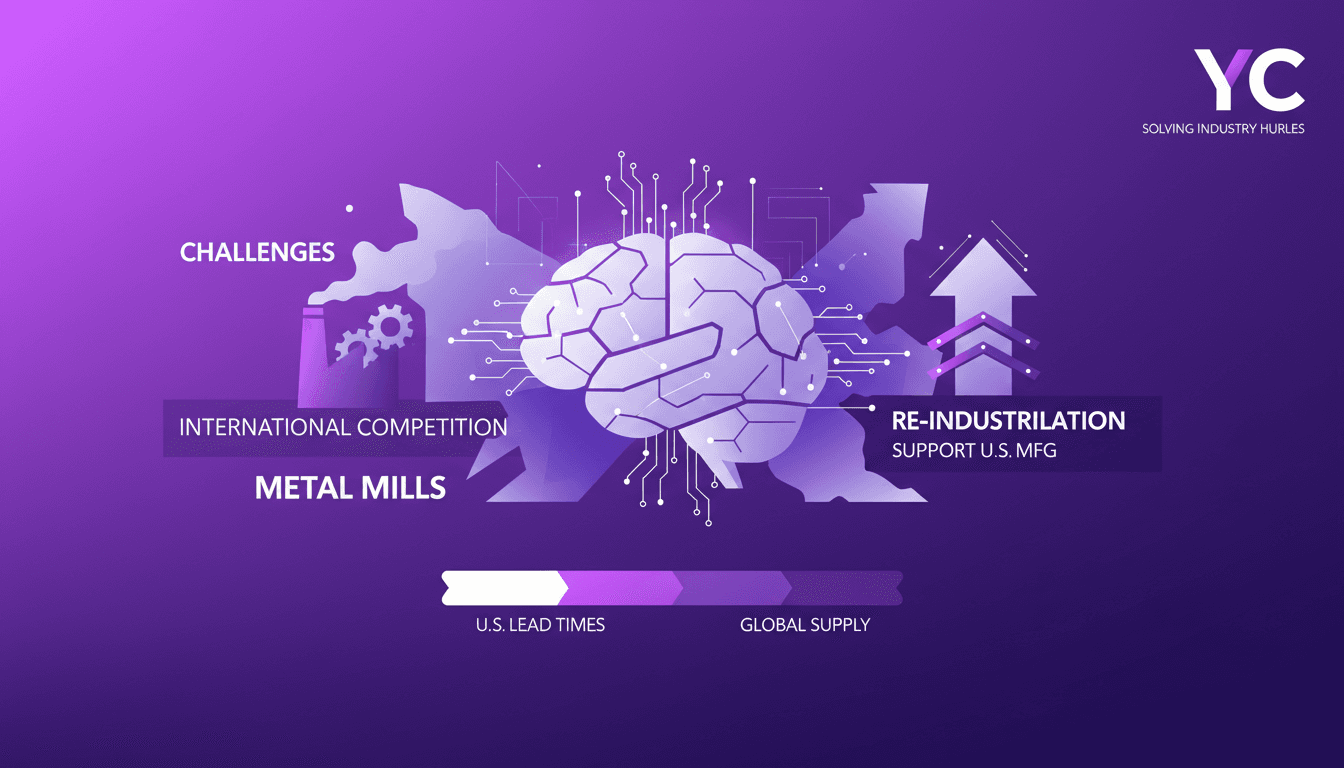
Reindustrialize with Modern Metal Mills
I've been in the trenches with American metal mills, and let me tell you, the lead times are a killer. Eight weeks for an aluminum plate? Eight months for stainless steel? It's clear we need to rethink and reindustrialize. Here's how we're tackling these challenges head-on. With international competition breathing down our necks and lead times that just don't cut it anymore, it's crucial to support our modern manufacturers. I'm laying out practical steps and solutions to slash these delays. We can't afford to wait eight months for stainless steel needed in aerospace and defense. I got burned several times before realizing we need to operate differently for real impact.

AI's Transformative Impact on Software Engineering
I vividly remember the first time I integrated AI into my software engineering workflow. It felt like moving from a bicycle to a jet. But let's be honest, it's not all smooth sailing. Navigating AI's transformative impact requires overcoming user adoption hurdles and understanding the trade-offs between generalized and specialized models. In the OpenAI Town Hall with Sam Altman, we dive into how AI is revolutionizing software engineering, the challenges, and the real gains in efficiency and cost. From cost reduction to personalization and deflationary economic impacts, it's about steering this tech smartly. But watch out, every technical choice comes with its own limits and constraints. Let's dive into what's genuinely useful and what's just noise.