AI Efficiency in Government Processes
I remember the first time I saw AI transform a government form process. It was like watching a slow-moving train suddenly leap onto a high-speed rail. First, I connect the dots between AI and administrative forms, saving enormous time and cutting costs while improving accuracy. But watch out, selling AI to governments isn't without its challenges. Between inspiring examples like Estonia and long-term government contracts, there's much to learn to ensure AI isn't just another empty promise. I'll guide you through the real solutions I've piloted and how they've directly impacted the speed and accuracy of administrative processes.
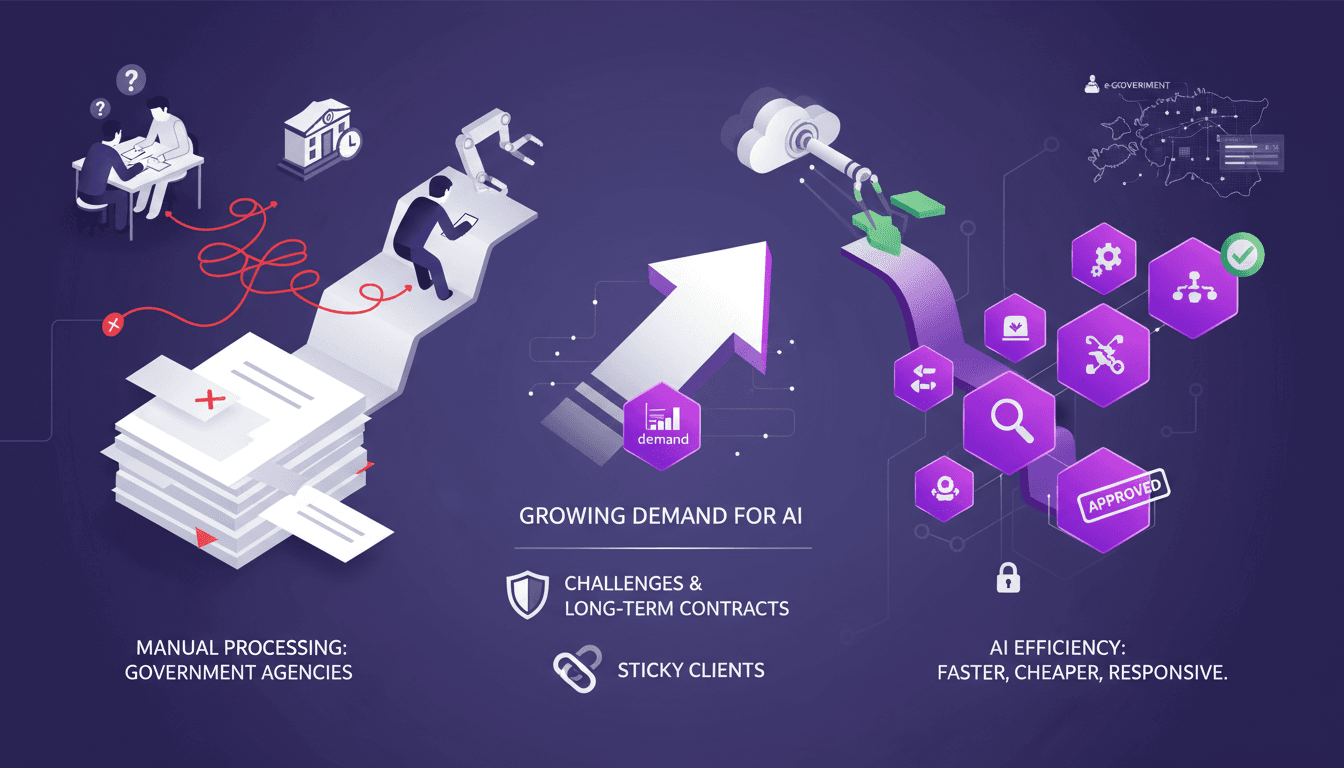
I remember the first time I saw AI transform a government form process. It was like watching a slow-moving train suddenly leap onto a high-speed rail. As a practitioner, I've seen how AI can revolutionize form processing in government agencies. We're talking about saving immense time, cutting costs, and improving accuracy. And if you're in the field, you know every minute counts. But before you get too excited, know that selling AI to governments is fraught with challenges. I've seen promising projects get bogged down in long-term contracts and institutional resistance. Yet, examples like Estonia show us it's possible. In this episode, I'll walk you through how I've orchestrated these innovations and what it's changed for local, state, and federal administrations. It's a journey of digital transformation, and I'm taking you along for the ride.
Understanding AI's Role in Form Processing
In the realm of form processing, AI is not just an enhancement; it's a game changer. I've witnessed firsthand how it can handle massive volumes with a speed and accuracy that manual processing simply can't match. Yet, the reality is that at every level—local, state, federal—we're still printing forms to process by hand. Archaic, right? But that's our starting point.
The first wave of AI companies has paved the way, proving that adopting these tools is not only feasible but necessary. Form submission volumes are skyrocketing, and without AI, governments will drown. AI tools are becoming essential, not just for speed and accuracy, but for their ability to manage this increase without additional human resources.
Let's look at the numbers: manual processing can take anywhere from 30 to 90 days, whereas AI reduces this to just 1 to 3 days, representing a 95% efficiency improvement. That's massive. Additionally, human error rates drop from 15-25% to less than 2% with AI—a 90% reduction. For someone on the ground, this means less time wasted and less frustration for the users.
"AI can transform form processing into a quick and accurate task, leaving outdated manual methods behind."
The Case for AI in Government: Efficiency and Cost
Why is AI so crucial for government? Because it equates to efficiency and savings. By reducing manpower needs and decreasing error rates, AI enables more responsive and less costly form processing. That said, there's a trade-off: the initial investment is significant, but the long-term savings are undeniable.
Consider the figures: according to Deloitte, smart technologies save between 75% and 95% on tasks ranging from report drafting to document routing. The ROI is clear for those of us looking to optimize every dollar spent.
But let's not kid ourselves, the initial implementation can be a hurdle. It's a significant investment, but once in place, AI can handle increased form volumes without requiring additional resources. That's the trick: a one-time investment for lasting efficiency.
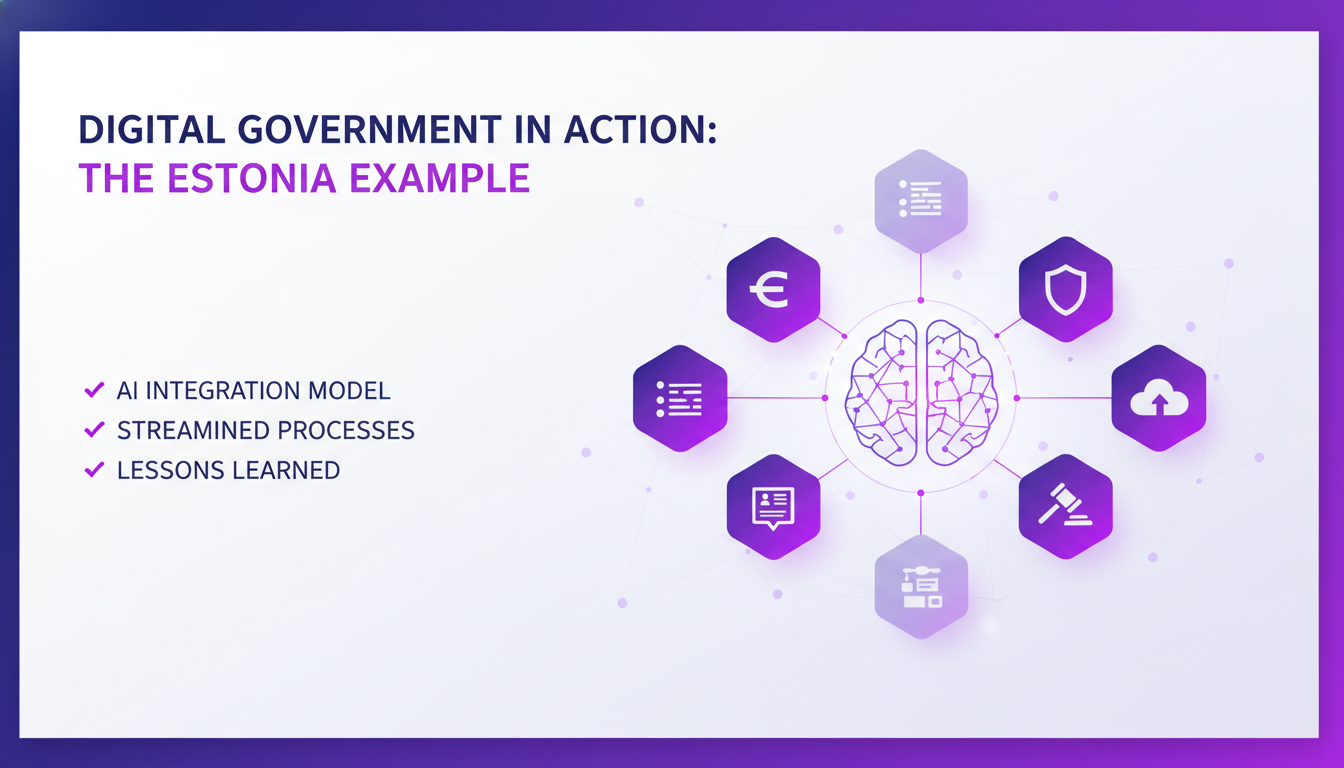
Digital Government in Action: The Estonia Example
Estonia is often cited as the model to follow for digital government. Their integration of AI is an example of what we should aim for. They've streamlined their processes through AI, reducing processing times and increasing citizen satisfaction.
The lessons from Estonia are clear: AI adoption must be systematic and supported by strong political will. However, replicating this success elsewhere is not without challenges. Every country has its own hurdles to overcome, whether political, cultural, or legislative.
Navigating Government Procurement and Contracts
Government procurement is a maze I've come to know well. The processes are complex, and long-term contracts are the norm. But once you break into this market, government clients are sticky and loyal.
Selling AI solutions to government agencies is challenging. You need to understand the internal workings, regulatory requirements, and sometimes navigate political waters. But the opportunities are there: lucrative and long-term contracts for those who know how to play the game.
Overcoming Challenges in AI Adoption
Adopting AI in the public sector isn't without skepticism. Building trust is essential, and this often involves pilot projects and proven results. That's what I've seen time and again: start small, prove effectiveness, then expand.
Innovation must be balanced with regulatory compliance. AI solutions need to be tailored to the specific needs of governments, taking into account existing policies and procedures. It's a delicate balance, but achievable with a thoughtful and phased approach.
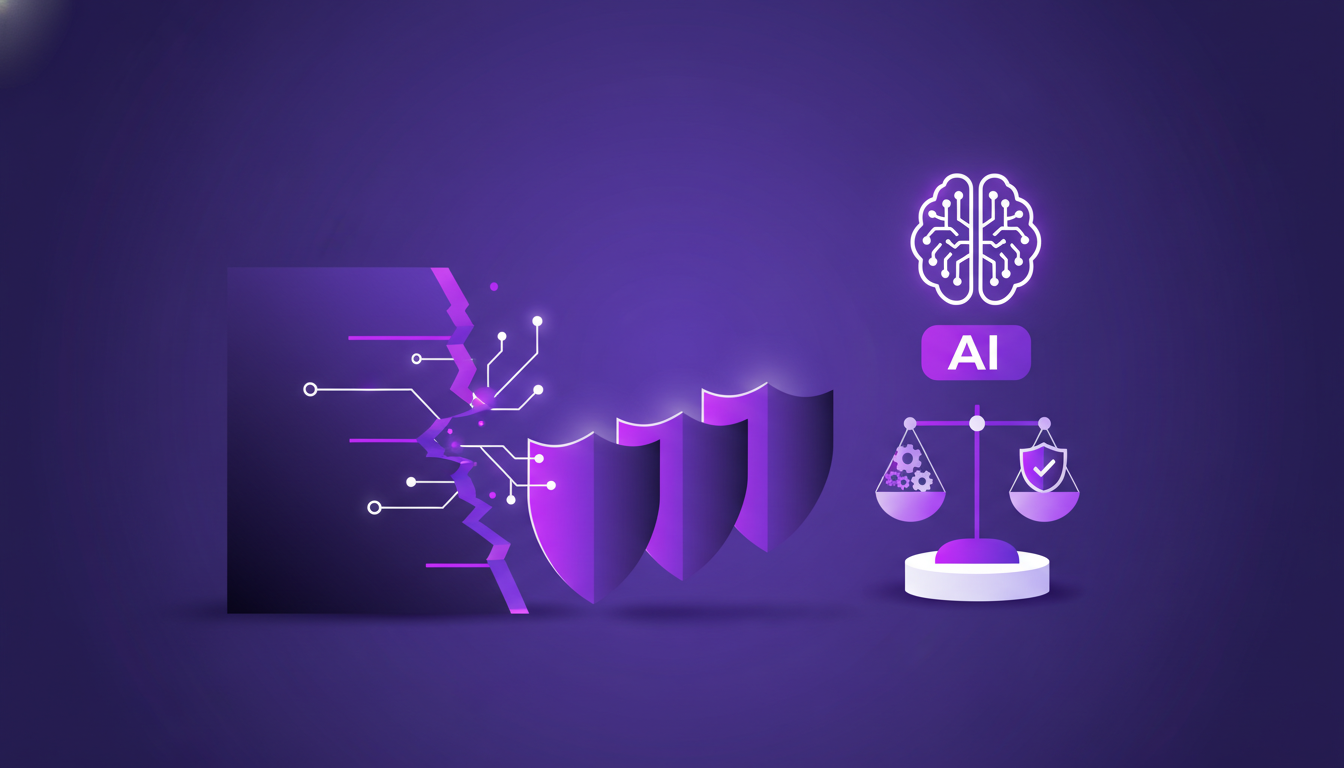
Ultimately, AI offers enormous possibilities for transforming government processes, but it takes time, commitment, and a well-thought-out strategy. Don't underestimate the challenges, but know that the rewards can be immense.
AI isn't just a buzzword for governments; it's a game changer. First, I've seen AI significantly boost process efficiency, achieving unprecedented speed and accuracy in filling forms and handling online applications. Then, it's clear that AI can truly revolutionize local, state, and federal agencies still stuck with manual processing. But watch out, navigating procurement is tricky – you need to be well-prepared. Finally, AI doesn't just cut costs; it enhances public service responsiveness. Demand is only growing. Looking forward, those providing AI solutions should seize this moment to understand government needs and effectively position their offerings. To fully grasp the ins and outs and potential of AI in the public sector, I highly recommend watching the full video: 'AI for Government'. It's an eye-opener on what works and what doesn't in this space.
Frequently Asked Questions

Thibault Le Balier
Co-fondateur & CTO
Coming from the tech startup ecosystem, Thibault has developed expertise in AI solution architecture that he now puts at the service of large companies (Atos, BNP Paribas, beta.gouv). He works on two axes: mastering AI deployments (local LLMs, MCP security) and optimizing inference costs (offloading, compression, token management).
Related Articles
Discover more articles on similar topics
LLMs Optimization: RLVR and OpenAI's API
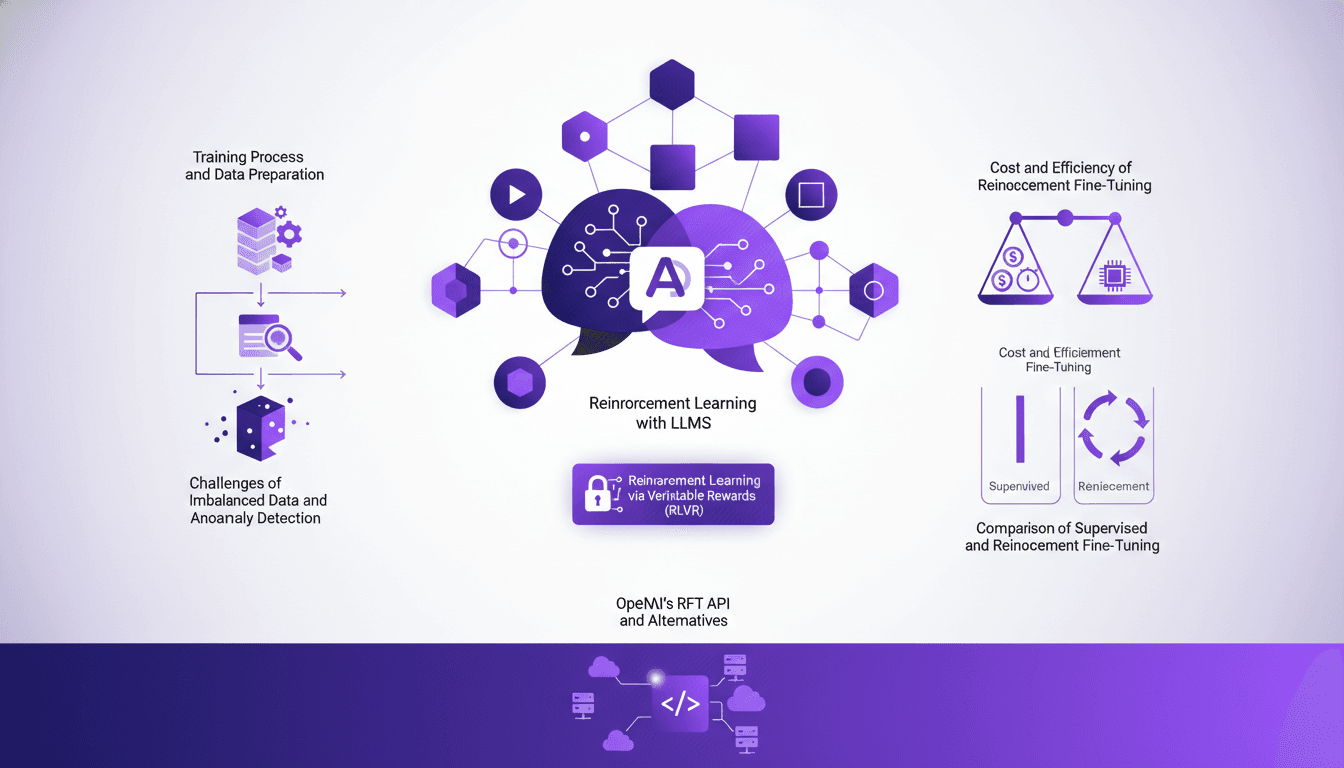
I've been knee-deep in fine-tuning large language models (LLMs) using Reinforcement Learning via Verifiable Rewards (RLVR). This isn't just theory; it's a game of efficiency and cost, with OpenAI’s RFT API as my main tool. In this tutorial, I'll walk you through how I make it work. We're diving into the training process, tackling imbalanced data, and comparing fine-tuning methods, all while keeping a close eye on costs. This is our third episode on reinforcement learning with LLMs, and we'll also discuss OpenAI's RFT API alternatives. Quick heads up: at $100 per hour, it escalates fast!
AI in Sales: Closing Deals Autonomously
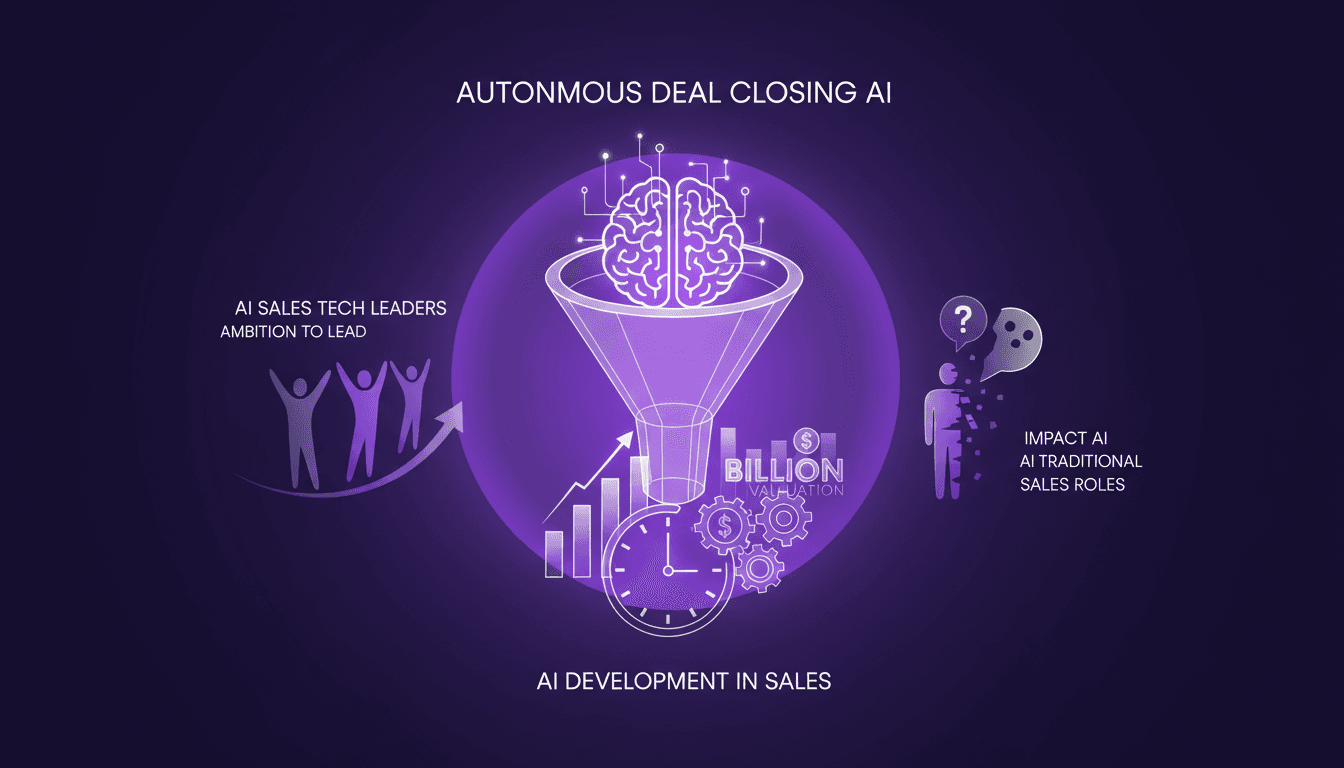
I've been in sales long enough to see the hype come and go. But when I first connected AI to my sales pipeline, everything changed. It wasn't just another gadget; I witnessed AI autonomously closing deals, and that was my 'aha' moment. AI is now managing entire sales processes, from lead generation to deal closing, without a human in sight. With an ambitious team and rapid development, we're looking at a future where AI redefines the sales role. In just 12 months, we might see a company valued in the billions because of this tech. Let's dive into what's making this possible.
AI's Transformative Impact on Software Engineering
I vividly remember the first time I integrated AI into my software engineering workflow. It felt like moving from a bicycle to a jet. But let's be honest, it's not all smooth sailing. Navigating AI's transformative impact requires overcoming user adoption hurdles and understanding the trade-offs between generalized and specialized models. In the OpenAI Town Hall with Sam Altman, we dive into how AI is revolutionizing software engineering, the challenges, and the real gains in efficiency and cost. From cost reduction to personalization and deflationary economic impacts, it's about steering this tech smartly. But watch out, every technical choice comes with its own limits and constraints. Let's dive into what's genuinely useful and what's just noise.
Elon Musk's Predictions: AI and Energy Future
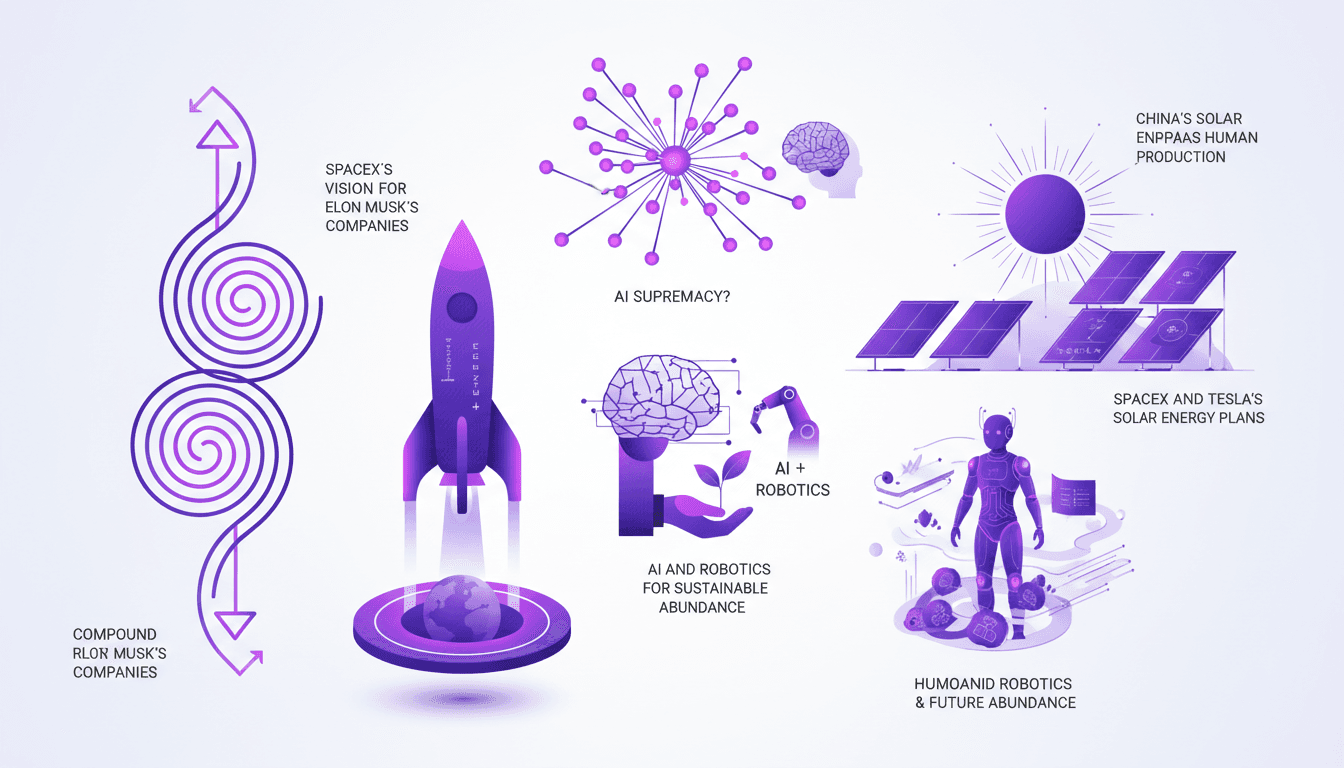
I've been closely following Elon Musk's ventures, and his latest interview at Davos really got me thinking about the practical steps we need to take to prepare for an AI-driven future. With SpaceX and Tesla leading the charge, Musk isn't just dreaming of Mars, but also of sustainable abundance powered by AI and renewable energy. But watch out, there are technical limits to consider. For instance, rocket reusability might reduce space access costs, but it's not without challenges. AI might surpass human intelligence one day, but before that, let's focus on the actionable steps we can take today to harness this tech revolution. Ready to dive into Elon Musk's predictions? Let's go.
Becoming a Famous Bartender in Hong Kong: Challenges & Plans
For two years, I've been honing my craft behind the bar, dreaming of making it big in Hong Kong's vibrant nightlife scene. But standing out here is more than just mixing drinks. It's about crafting unique experiences in a city brimming with talent. I've gotten burned more than once, but I've learned that succeeding demands more than just skill. It requires strategy, innovation, and sometimes a bit of luck. In this interview, I share how I'm navigating this competitive world and my plans to impress during my upcoming meeting at the lounge in Luong.