Elon Musk's Predictions: AI and Energy Future
I've been closely following Elon Musk's ventures, and his latest interview at Davos really got me thinking about the practical steps we need to take to prepare for an AI-driven future. With SpaceX and Tesla leading the charge, Musk isn't just dreaming of Mars, but also of sustainable abundance powered by AI and renewable energy. But watch out, there are technical limits to consider. For instance, rocket reusability might reduce space access costs, but it's not without challenges. AI might surpass human intelligence one day, but before that, let's focus on the actionable steps we can take today to harness this tech revolution. Ready to dive into Elon Musk's predictions? Let's go.
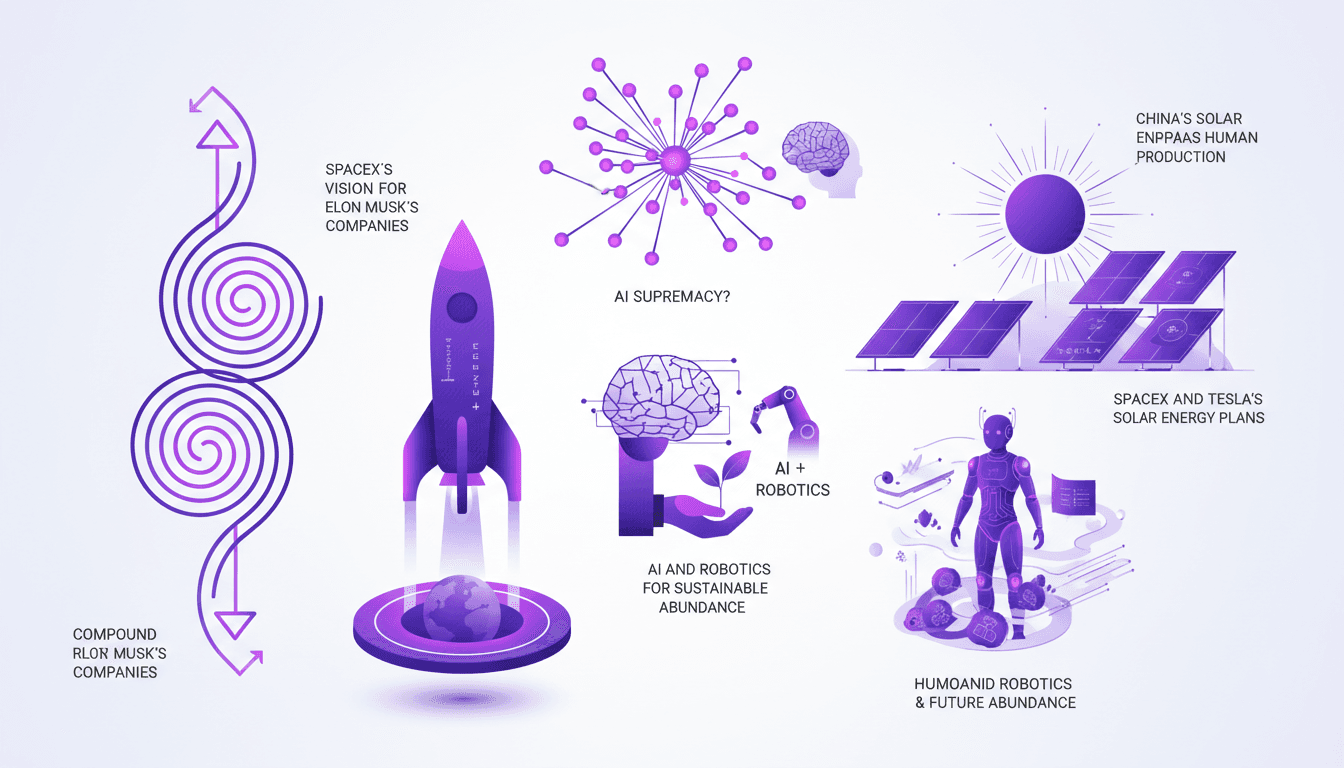
I've been following Elon Musk's ventures closely, and his most recent interview at Davos really got me thinking. When we talk about an AI-driven future, it's easy to get lost in the big ideas, but Musk brings it down to earth. With companies like SpaceX and Tesla, he's pushing for a sustainable future, not just on Earth, but beyond. You know, the 43% compound return since Tesla went public isn't just a stat; it's an indicator of what AI and renewable energy can achieve together. But watch out, it's not all smooth sailing. For example, rocket reusability to cut down space access costs is great, but it's not without technical hurdles. And the notion that AI could one day surpass human intelligence? Fascinating, but it won't happen without strategic planning. What I take away from all this is that we need to prepare now, understand the limitations, and orchestrate our actions to make the most of this tech revolution. Ready to dive into Musk's predictions? Let's go.
Compound Returns: The Power Behind Musk's Companies
Compound returns, they're like the secret sauce that propels Elon Musk's companies to new heights. I've seen this firsthand, and let me tell you, it's one of the most powerful drivers for innovation. Take SpaceX and Tesla for example: these companies have mastered the art of leveraging compound returns to fund large-scale innovation.
With a 21% return for Black Rock shareholders and a 43% return since Tesla went public, we're not talking small change here. This is serious stuff. Lesson number one: invest in growth and sustainable technology. I've tried to transpose this strategy to my projects, and trust me, it makes a difference. But watch out for pitfalls, you need to understand the risks and not just dive headfirst.
So, how can you apply this practically to your projects? Start by identifying long-term growth opportunities. Then, systematically reinvest profits to fuel a virtuous cycle of innovation and continuous improvement. And above all, never lose sight of the impact on shareholder value. This is what allowed Musk to propel Tesla to stratospheric heights.
SpaceX's Multiplanetary Vision: More Than Sci-Fi
SpaceX aims to make humanity a multiplanetary species. It might sound crazy, but when you look closer, it's a vision that holds up. With 9000 satellites already in orbit, we're far from science fiction. I've followed their progress closely and I'm always amazed by their ability to turn dreams into tangible realities.
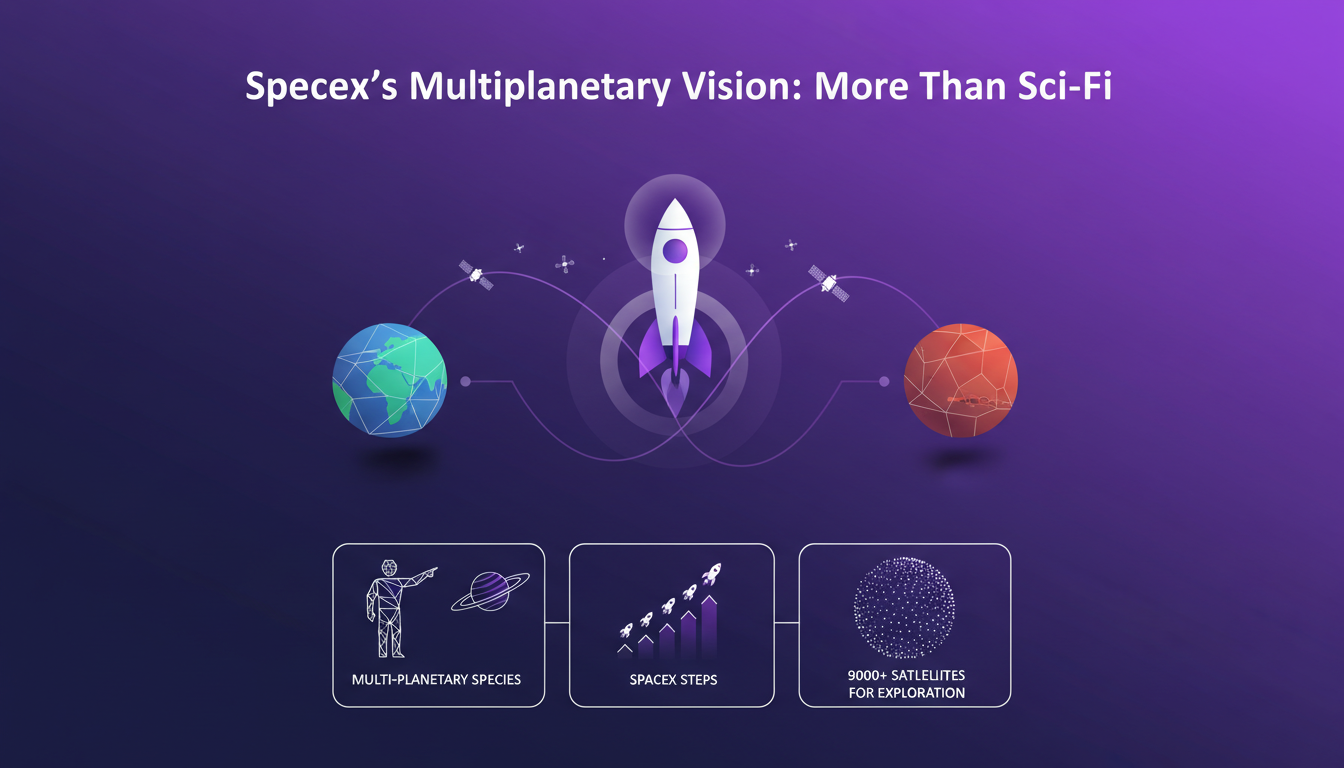
Rocket reusability is a real game changer. It drastically reduces the costs of space access, and that's fundamental for making space exploration viable in the long term. But be careful, not everything is rosy. The technical challenges are enormous, and the margins for error are minimal. I've seen projects fail because they didn't properly anticipate the technical and financial constraints.
AI and Robotics: Path to Sustainable Abundance
AI and robotics, they're kind of the Holy Grail for achieving sustainable abundance. I've worked on projects where artificial intelligence clearly surpassed human intelligence in certain tasks, and it's mind-blowing. But it also raises major ethical questions. There needs to be a real balance between innovation and responsibility.
Humanoid robots, they're not just science fiction. It's a reality being built before our eyes. Think about what this could do for the future economy: an abundance of goods and services at minimal costs. But watch out, don't underestimate the challenges of integrating AI into current industries. I've seen too many companies get burned by trying to go too fast and too far without adequate preparation.
Solar Energy: From China to SpaceX and Tesla
China, with its massive solar production capacity, is leading the way. They have a production rate of 4% that could power a significant portion of their electricity consumption. It's impressive and puts enormous pressure on other countries to keep up. SpaceX and Tesla are not lagging behind and are increasingly integrating solar solutions into their business models.
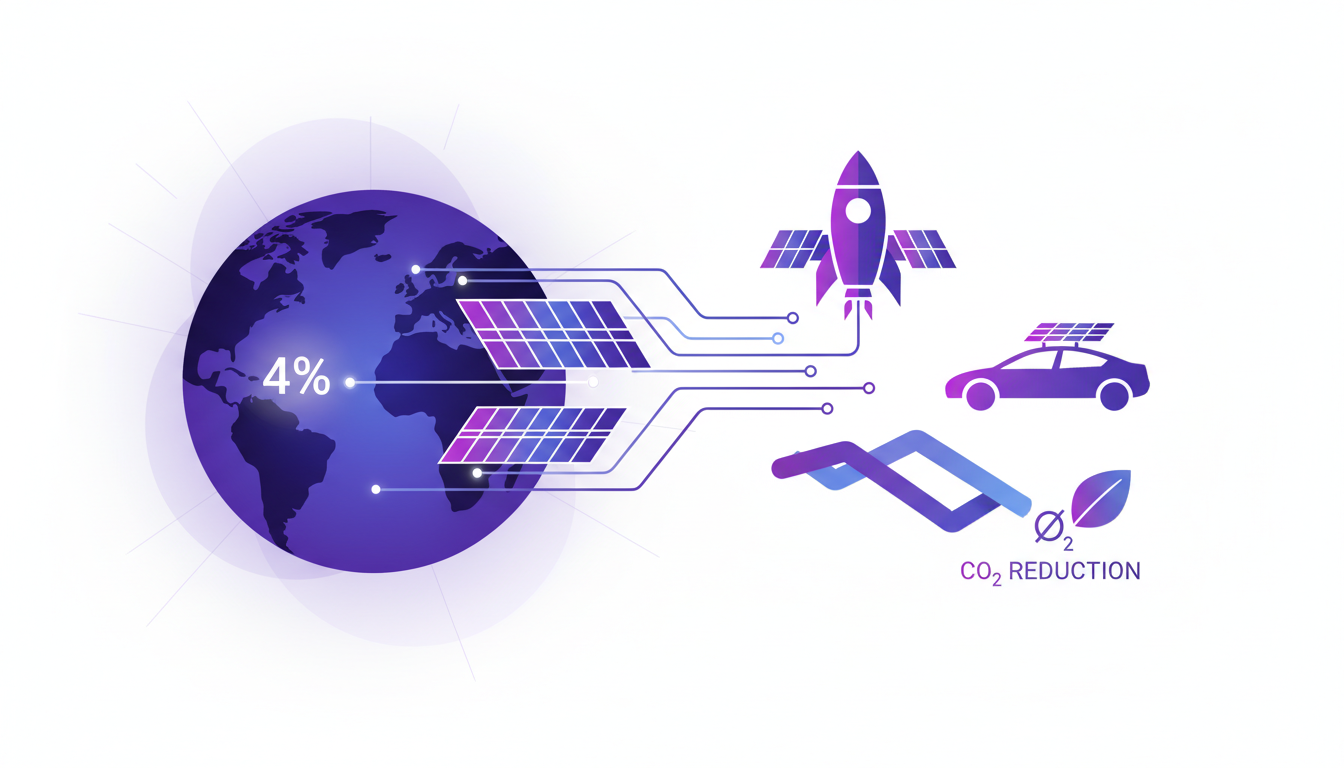
But there are challenges, and not minor ones. Scaling solar technologies is costly and complex. I've encountered obstacles myself when trying to implement these solutions in projects. You need a solid plan and substantial investment for it to work. But once in place, the impact on the carbon footprint is enormous.
Humanoid Robotics: Future of Work and Abundance
Humanoid robotics is evolving at an incredible pace. I've seen Tesla's Optimus robots perform complex tasks, and it's fascinating. These advancements can transform labor markets and boost productivity to unprecedented levels. But with great power comes great responsibility. The risks and ethical considerations should not be overlooked.
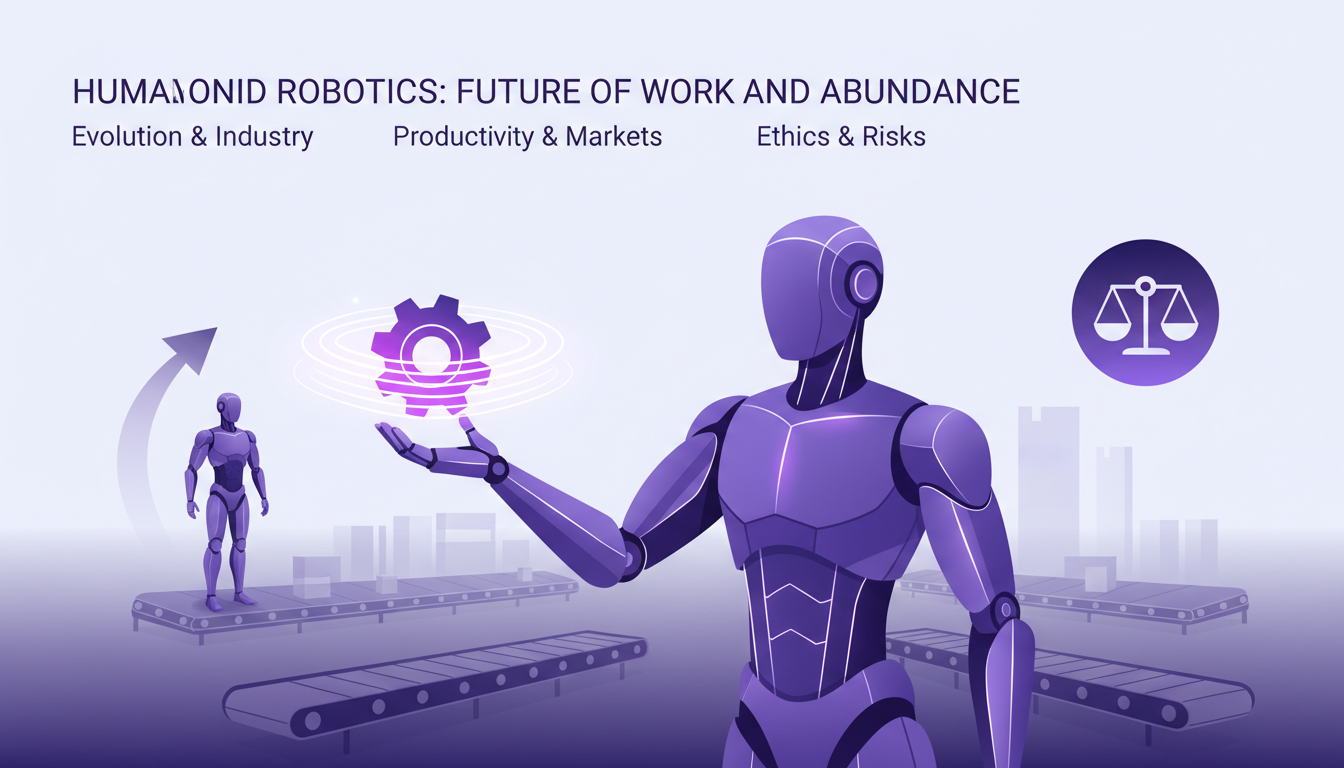
To prepare your workforce for this future, start right now. Train your teams in new technologies and encourage innovation. Robots won't replace all jobs, but they will transform many. Be proactive and adapt, because this future is arriving faster than you think.
I've been diving into Elon Musk's visions, and there are some concrete takeaways worth highlighting. First, that 43% compound return since Tesla went public isn't just luck. Betting on real tech advancements pays off in the long run. Second, SpaceX and its 9000 satellites show that the dream of multiplanetary life isn't science fiction anymore. And finally, integrating AI and robotics for sustainable abundance, paired with China's solar production, sketches a future where resources are managed more efficiently. But watch out, these advancements require significant investment and careful management of resources and technologies. Looking forward, integrating these technologies into our workflows could be a real game changer. I recommend checking out the full interview to grasp the full scope of these ideas and get ready to implement them right away. Here's where to find it: https://www.youtube.com/watch?v=C_JDRMfeEtI
Frequently Asked Questions

Thibault Le Balier
Co-fondateur & CTO
Coming from the tech startup ecosystem, Thibault has developed expertise in AI solution architecture that he now puts at the service of large companies (Atos, BNP Paribas, beta.gouv). He works on two axes: mastering AI deployments (local LLMs, MCP security) and optimizing inference costs (offloading, compression, token management).
Related Articles
Discover more articles on similar topics
Building Reusable Rockets: Challenges and Wins
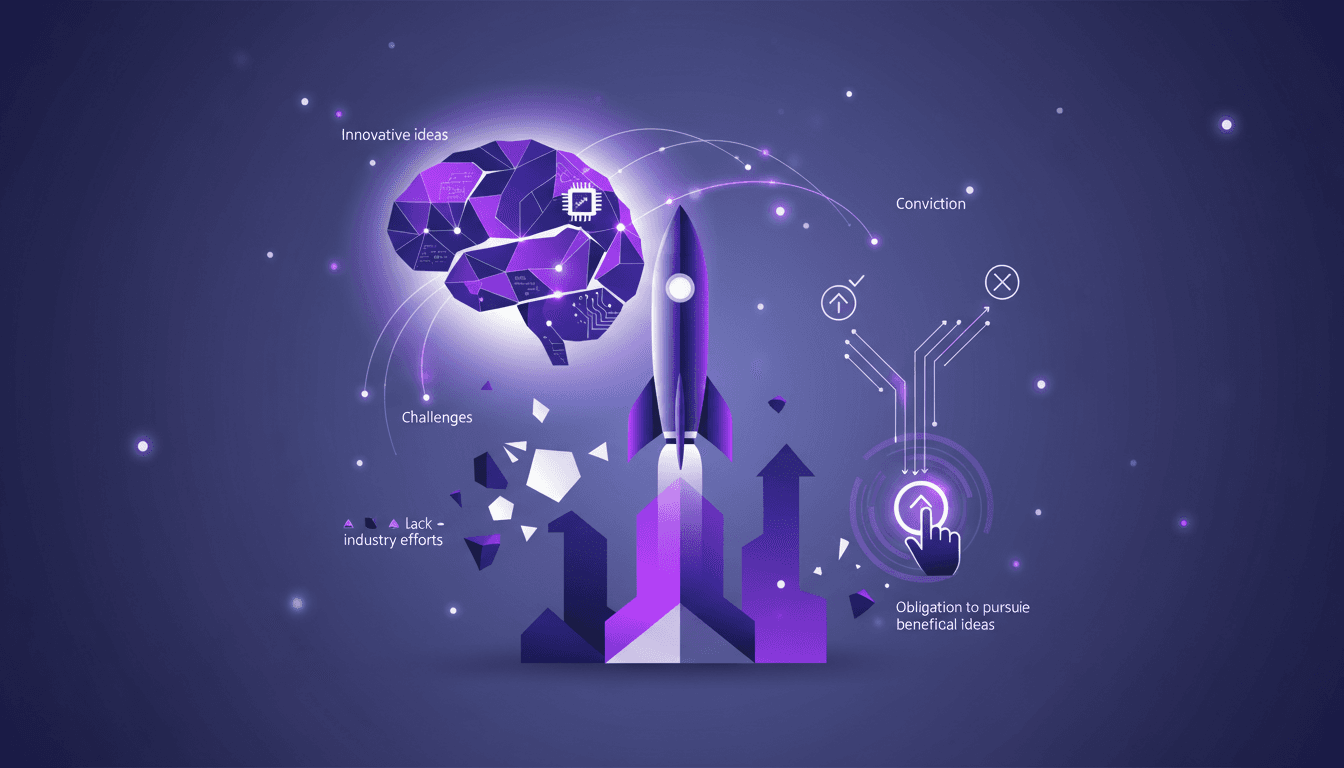
When I first thought about building reusable rockets, I was starting from zero. No roadmap, no precedent—just a belief that it could change the game. Back then, nobody was tackling it, the industry wasn't even trying. But I knew it was something worth pushing for. So we took that crazy idea and turned it into reality. Of course, it wasn't without challenges. Starting a space company isn't child's play, especially when you're one of the first to believe that reusing rockets is possible. I'll walk you through how we tackled these obstacles, from the initial conviction to the crucial entrepreneurial decisions. It's a story of perseverance, innovation, and believing in ideas that, on paper, seemed impossible.
Maturing AI Agents and Systems by 2026
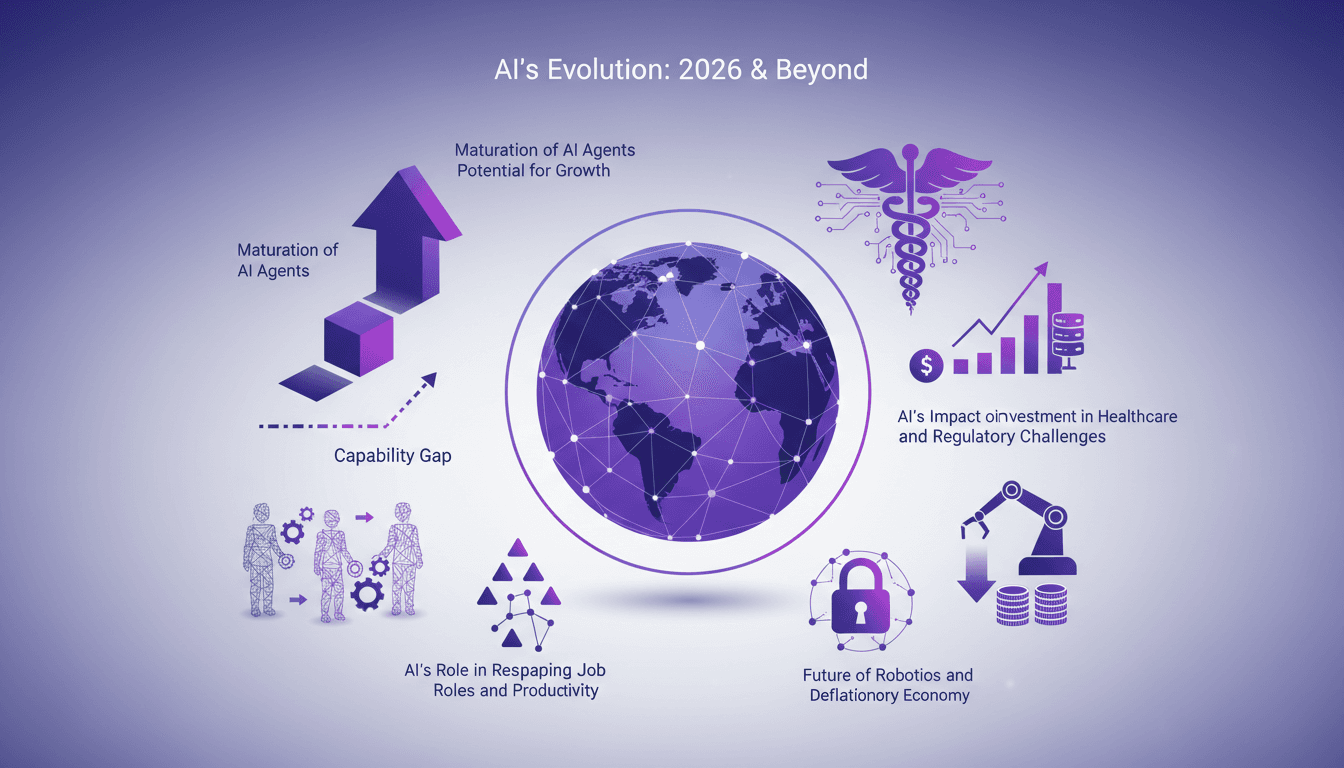
I've watched AI grow from simple scripts to complex systems, often finding myself orchestrating solutions with agents that, let's be honest, sometimes fell short. But we're talking about 2026 now, and I can sense something big is brewing. Multi-agent systems are getting refined, impacting real-world sectors like healthcare and startups. We have to discuss OpenAI's massive investments in compute power and the regulatory challenges ahead. As a builder, I see opportunities for us, especially for startups looking to carve out a spot in this rapidly evolving ecosystem. Buckle up, because AI agents are coming with a punch that will redefine productivity and job roles.
How Reddit Grew My SaaS to $34K/Month
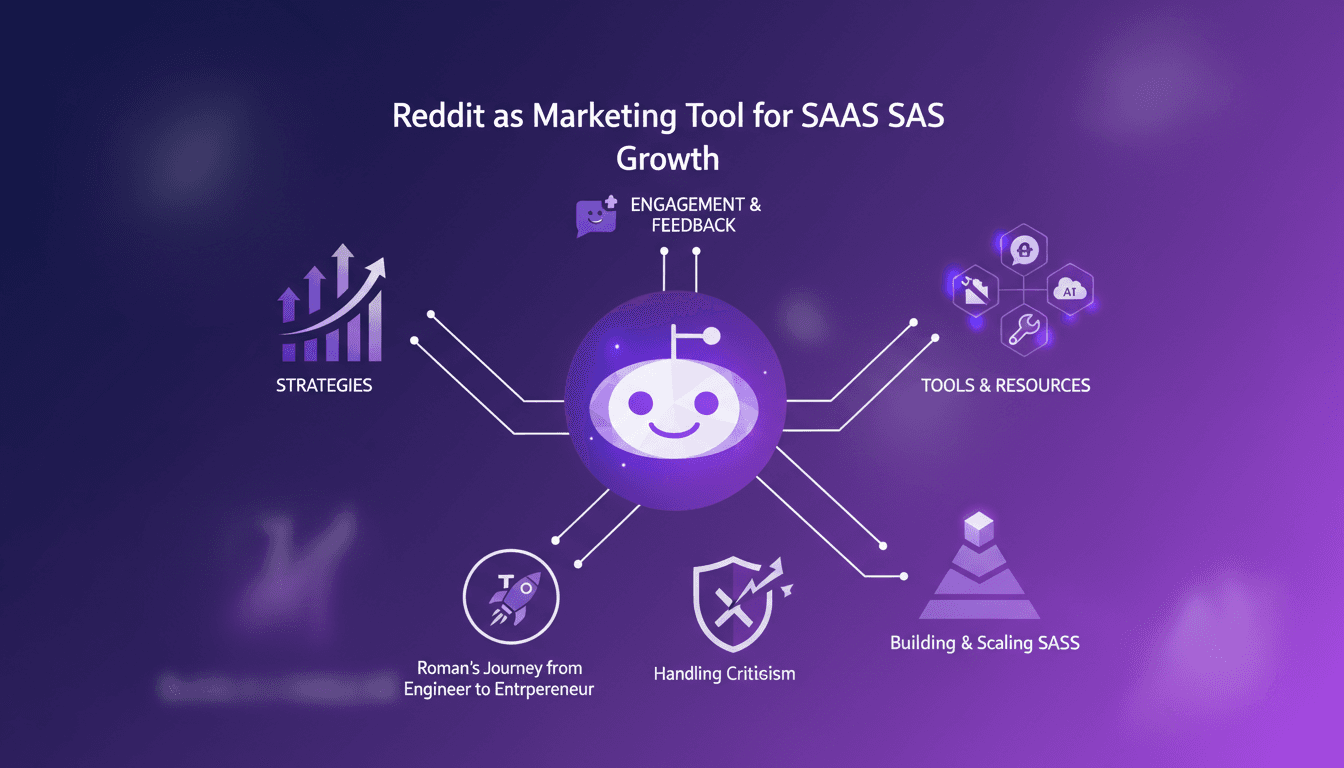
I transitioned from being a mechanical engineer to running a SaaS pulling in $34K a month. My secret weapon? Reddit. I remember those late nights diving into threads, asking questions, and engaging with a community that gave me raw, unfiltered feedback. With Reddit, I tested ideas, refined my product, and turned criticism into growth levers. In this article, I share my strategies for leveraging Reddit as a powerful marketing tool to boost your SaaS. But beware, navigating between positive comments and trolls requires skill. My journey proves that even without prior marketing experience, success is possible through the power of a well-leveraged community.
Investing in Backpacks: ROI and Financial Hurdles
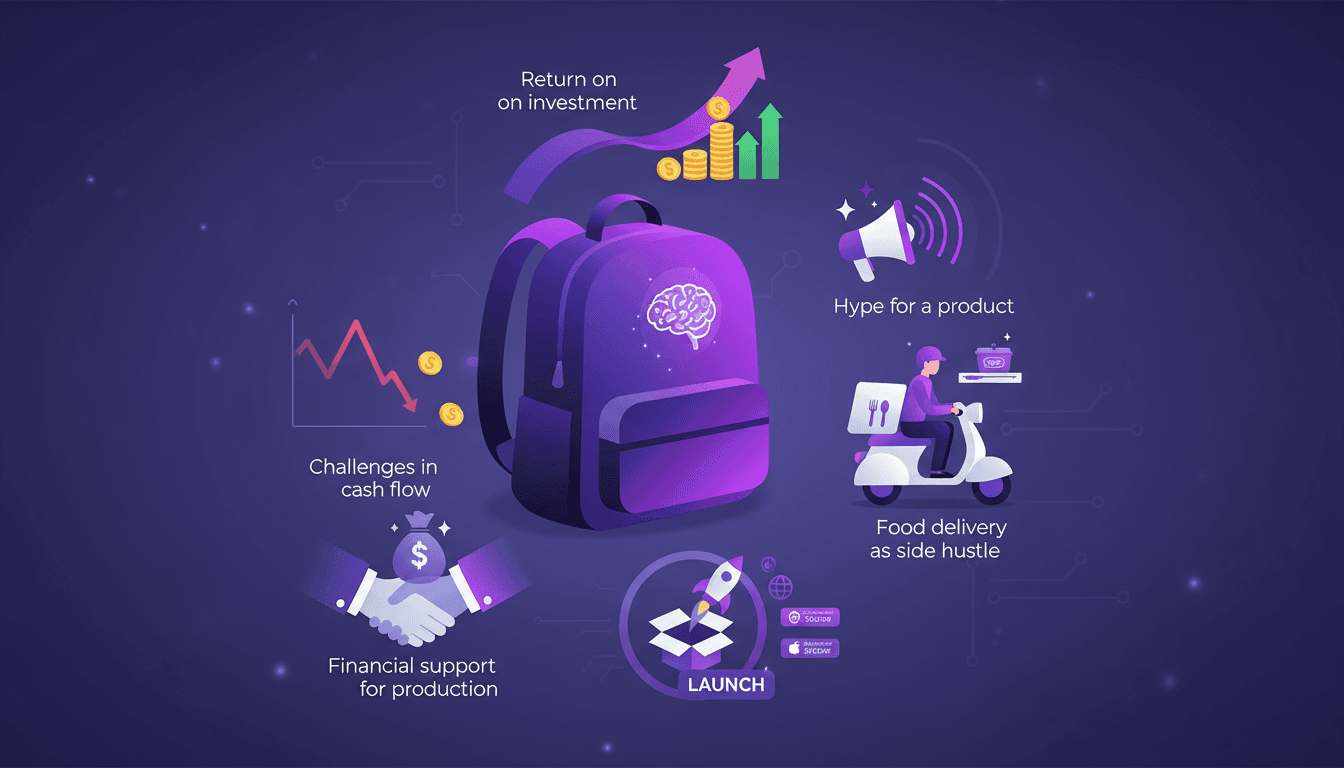
I remember standing there with just a backpack idea and $3,000. I knew this could be huge, but turning it into a million-dollar business? That was a journey full of lessons on investment, cash flow, and marketing. This article takes you through the practical steps and challenges I faced while launching a product promising a 456% return on investment. From securing financial backing to managing cash flow and creating product hype, here’s how I orchestrated it all.

Overcoming Addiction: Strategies and Stories
I remember the day everything changed for me. I was 18, deep into addiction, and I realized I didn't want to be here anymore. But then I found a way out, and it wasn't what you'd expect. Addiction is a beast, and overcoming it requires more than just willpower. It's a journey towards new habits, a new purpose, and sometimes, unexpected tools like social media. In this article, I talk about turning pain into motivation, how exercise and healthy habits can be powerful allies, and how I used social media for positive impact. I share my challenges, fears, and how I transformed these personal experiences into a source of inspiration for others. If you're in a similar situation, you might find strategies and stories that resonate.