Maturing AI Agents and Systems by 2026
I've watched AI grow from simple scripts to complex systems, often finding myself orchestrating solutions with agents that, let's be honest, sometimes fell short. But we're talking about 2026 now, and I can sense something big is brewing. Multi-agent systems are getting refined, impacting real-world sectors like healthcare and startups. We have to discuss OpenAI's massive investments in compute power and the regulatory challenges ahead. As a builder, I see opportunities for us, especially for startups looking to carve out a spot in this rapidly evolving ecosystem. Buckle up, because AI agents are coming with a punch that will redefine productivity and job roles.
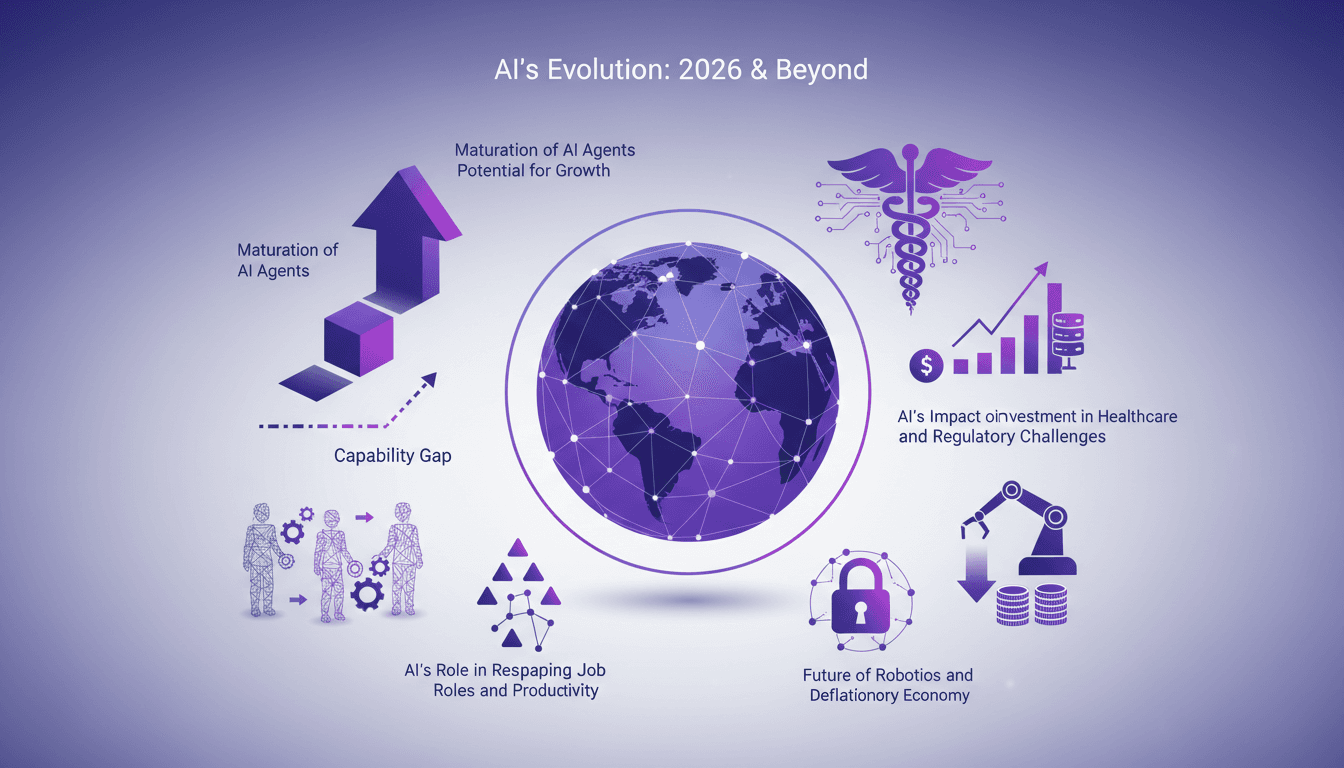
I've been in the trenches with AI, watching it evolve from simple scripts to complex systems. But where are we headed by 2026? That's the question. I've often hit the limits of current agents, but the evolution of multi-agent systems promises to be a game changer. We're talking real-world impact, whether it's in healthcare or for startups. I'm intrigued by OpenAI's massive investments in compute power and how this could correlate with their future revenues. But watch out for the regulatory challenges on the horizon. For us builders, there's huge potential to tap into, especially for startups ready to integrate into this rapidly changing ecosystem. And let's not forget the critical issue of trust and data privacy in AI applications. In short, AI agents are gearing up to shake up how we work and innovate.
Maturing AI Agents: A 2026 Vision
Fast forward to 2026, and the landscape of AI agents is transforming dramatically. Let's start by understanding where we are. Multi-agent systems have moved beyond being a futuristic concept to having visible impacts, whether in enterprise ERP systems or everyday tasks like travel planning. Imagine each agent handling a piece of the puzzle, from restaurant reservations to managing your personal calendar. That's the direction we're headed, and quickly. But, not everything is smooth sailing; interoperability between platforms is still a challenge.
As for predictions, these systems are expected to handle complete tasks, from contract management to financial forecasting. And that's a real game changer for businesses. However, don't forget to balance innovation with practicality. A cutting-edge solution that's impossible to integrate into existing systems is worthless.
"Multi-agent systems are finally going to have a visible impact." Source: OpenAI Podcast
Bridging the AI Capability Gap
We often hear about the technological gap, but what does that mean in practical terms? Today, even those using AI are often tapping into just 30% of its capabilities. So there's plenty of room for growth! To bridge this gap, first, identify the current shortcomings. For instance, many people don't realize AI can already automate complex administrative tasks. Yet, we need more users pushing these tools to their full potential.
Next, seize growth opportunities. How? Start by training users to make the most of AI. And here's the trade-off: between cutting-edge solutions and those that are reliable. We don't want technology that crashes at the first bug, especially in critical sectors like healthcare.
- Train users to fully exploit AI capabilities.
- Integrate AI progressively to avoid disruptions.
- Favor proven solutions for critical sectors.
Navigating AI's Healthcare Impact
In healthcare, AI is transforming everything. We're talking about 66% of U.S. physicians using ChatGPT daily. That's massive! But regulatory hurdles abound. With the FDA and other bodies, it's a constant juggle. How to overcome these challenges? Start by working closely with regulators to ensure AI solutions don't compromise patient safety.
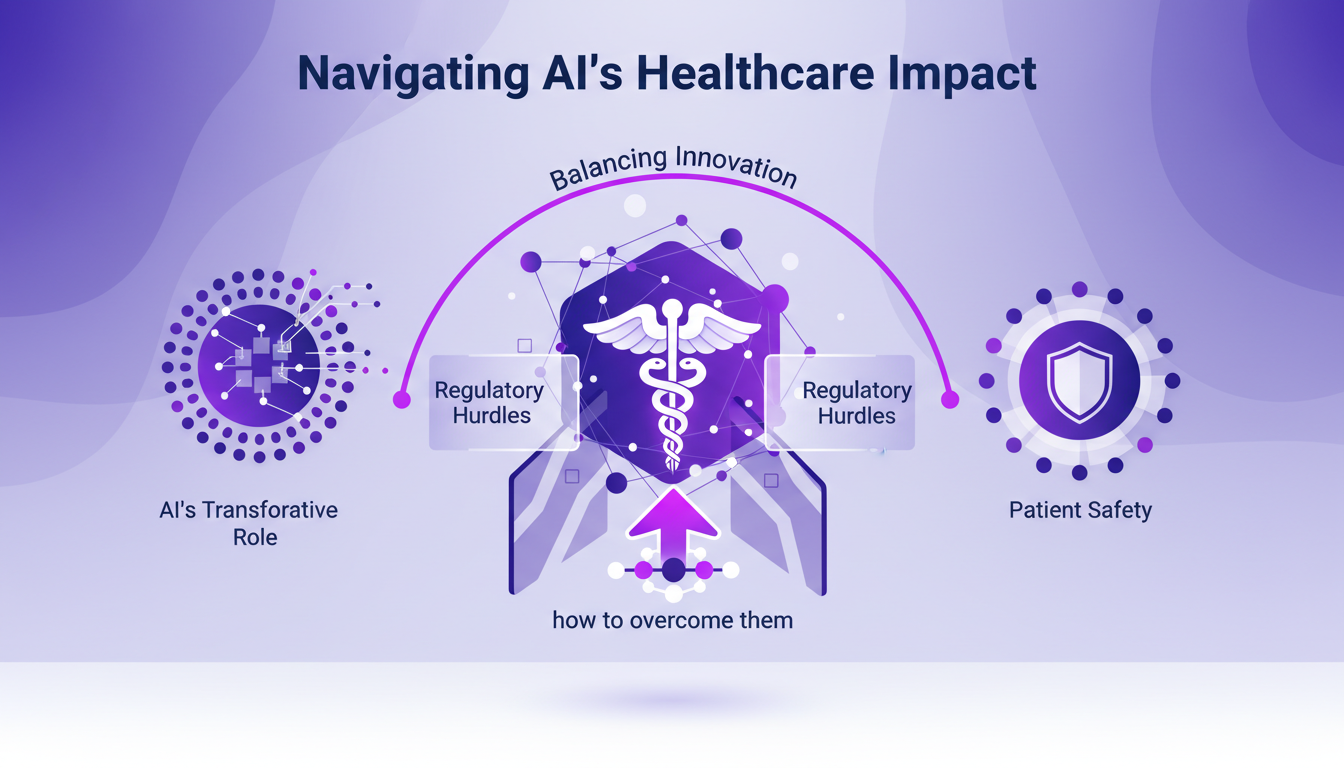
AI can revolutionize access to medical expertise, but beware of pitfalls. Automation should not replace human judgment, especially in critical diagnostics. Balancing innovation with patient safety is crucial and, let's be honest, sometimes tricky to maintain.
- Collaborate with regulators for safe integration.
- Maintain a balance between automation and human judgment.
- Real-world examples: improved diagnostics, prescription management.
Compute Investment and AI's Economic Impact
We've all heard about the massive investment in compute power. OpenAI, for instance, increased its compute capacity tenfold in a year, from 200 megawatts to 2 gigawatts. And it's not just for fun! There's a direct correlation with generated revenues. AI is serious business, and the demand for compute power is exploding globally.
But watch out, investing in AI infrastructure isn't cheap. You need to weigh the cost against technological advancements. A strategic investment in AI infrastructure can be the growth lever a company needs, but you have to know where to place your bets.
- Invest strategically in AI infrastructure.
- Evaluate the correlation between compute and revenue.
- Anticipate the deflationary economic impact due to AI and robotics.
Startups and AI: Seizing Opportunities
For startups, the AI world is full of opportunities. But beware, it's not a walk in the park. The landscape is competitive, and you need to know your way around. New entrants should focus on niches and not attempt to do everything at once.
Some practical advice? First, understand the specific needs of your target market. Next, having access to unique data can make all the difference. And finally, don't underestimate the complexity of managing workflows to effectively integrate AI.
- Identify specific niches to stand out.
- Access to unique data as a competitive advantage.
- Manage AI workflow complexity.
As builders, we see AI reshaping entire industries, but there are challenges to tackle. First, I've seen AI replace 10 SDRs in my team – it's a strong indicator of transformational potential. Then, the compute capacity, hitting 2 gigawatts at the end of last year, is driving innovation, but watch out for the associated costs. By 2025, with the maturation of AI agents, we can expect new opportunities, but also regulatory challenges, especially in healthcare. Looking ahead: these multi-agent systems are a real game changer, but don't underestimate the complexity of implementing them. So, are you ready to dive deeper into AI's future? Check out the full video 'State of the AI Industry' to understand the nuances and how we can build these intelligent systems together. YouTube link
Frequently Asked Questions

Thibault Le Balier
Co-fondateur & CTO
Coming from the tech startup ecosystem, Thibault has developed expertise in AI solution architecture that he now puts at the service of large companies (Atos, BNP Paribas, beta.gouv). He works on two axes: mastering AI deployments (local LLMs, MCP security) and optimizing inference costs (offloading, compression, token management).
Related Articles
Discover more articles on similar topics
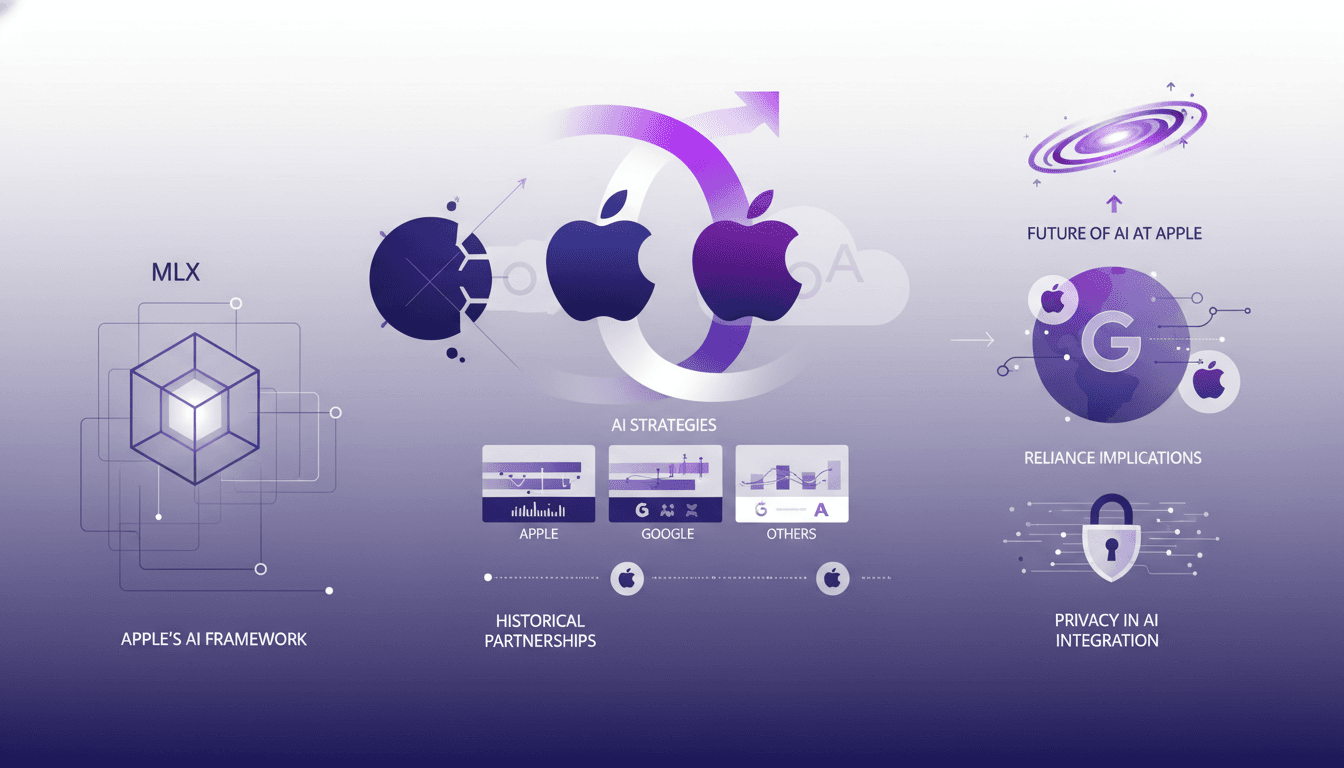
Apple's AI Shift: Partnering with Google
I've been deep in the trenches with AI, and Apple's latest move has everyone buzzing. Picture this: Apple is stepping away from OpenAI and teaming up with Google for their AI models. It's a shift that might just change the landscape, and I'm here to break down why. First, let's dive into Apple's strategy: why pivot away from OpenAI? The answer lies in integrating Google's models like Gemini 3 Pro and VO 3.0. I've worked with Apple's MLX framework myself, and the contrast is stark. We're also going to explore Apple's historical partnerships with Google and what this means for the future of AI development, especially with privacy implications. It's a real strategic pivot, and I'm taking you along for the ride.
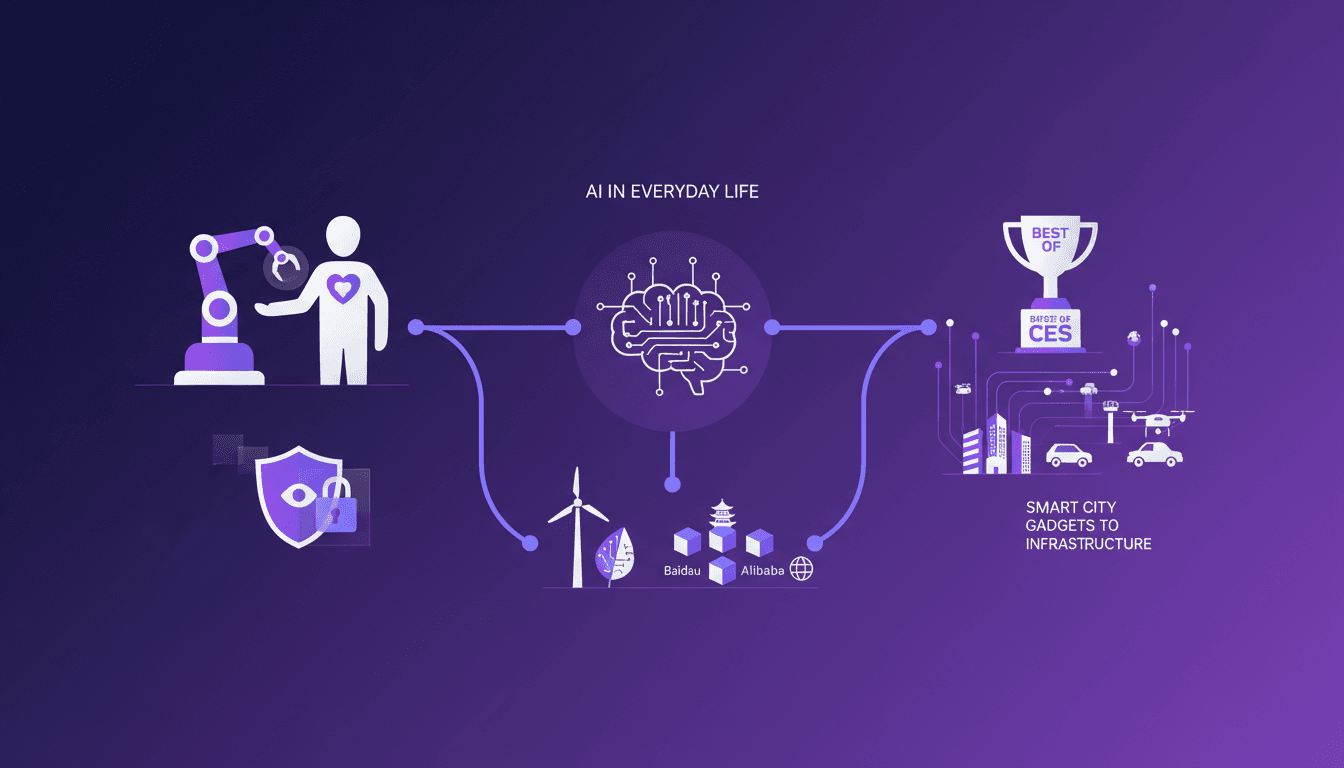
Practical AI Applications at CES 2026
I've been attending CES for years, but 2026 was a game changer. This year, it was all about practical tech applications that actually improve daily life. Imagine AI that doesn't just respond to commands but anticipates your needs. And those robots pushing the boundaries in healthcare? They were there too. I also saw how Chinese tech giants are reshaping the landscape. But watch out, these advances bring privacy concerns and environmental challenges. Let's dive into what really stood out and why it matters.
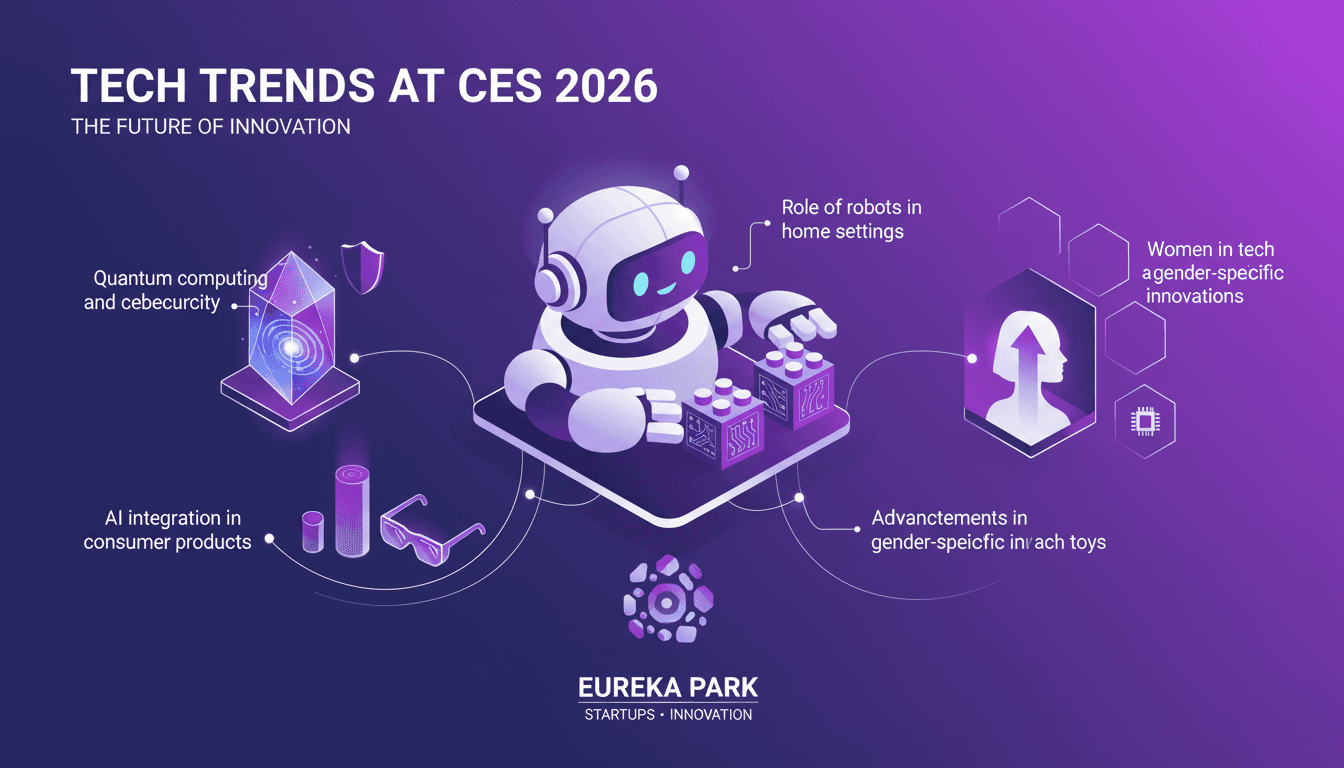
CES 2026 Tech Trends: How They're Changing Lives
I've walked the 2.6 million square feet of CES 2026, and let me tell you, this year's tech is set to redefine our daily lives. From humanoid robots to quantum computing, the future is now, and I'm here to break it down for you. What I've seen isn't just sci-fi fantasy; it's practical tech making its way into our homes. Tech trends are no longer abstract concepts but practical tools reshaping how we live and work. Let's talk about robots in our homes, children's tech toys that truly spark imagination, and AI integration in consumer products. And don't overlook the importance of Eureka Park for startups, it's where the real magic happens for newcomers. These innovations, I've seen firsthand, will soon be integral to our everyday lives.
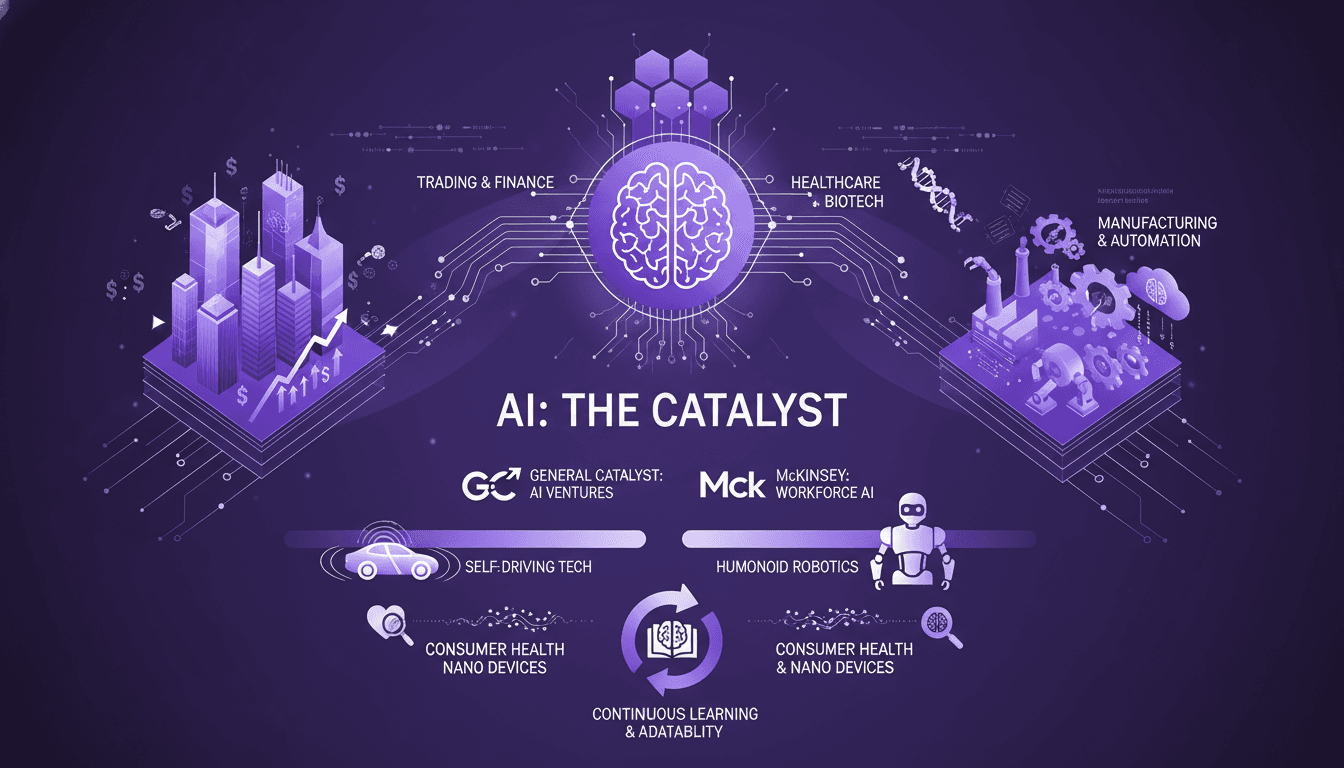
Rapid Innovation: How AI Transforms Businesses
I just got back from CES 2026, and let me tell you, the pace of innovation hit like a freight train. The conversations weren't just about tech; they were about transforming entire industries. AI is at the heart of this revolution, reshaping the industrial landscape. McKinsey is planning a 25% increase in client-facing personnel next year, a clear sign that things are shifting. Curious about how these changes impact our daily work? Read on to discover how AI, healthcare, and robotics are redefining our professions.
AI on Campus: Student Use and Impact
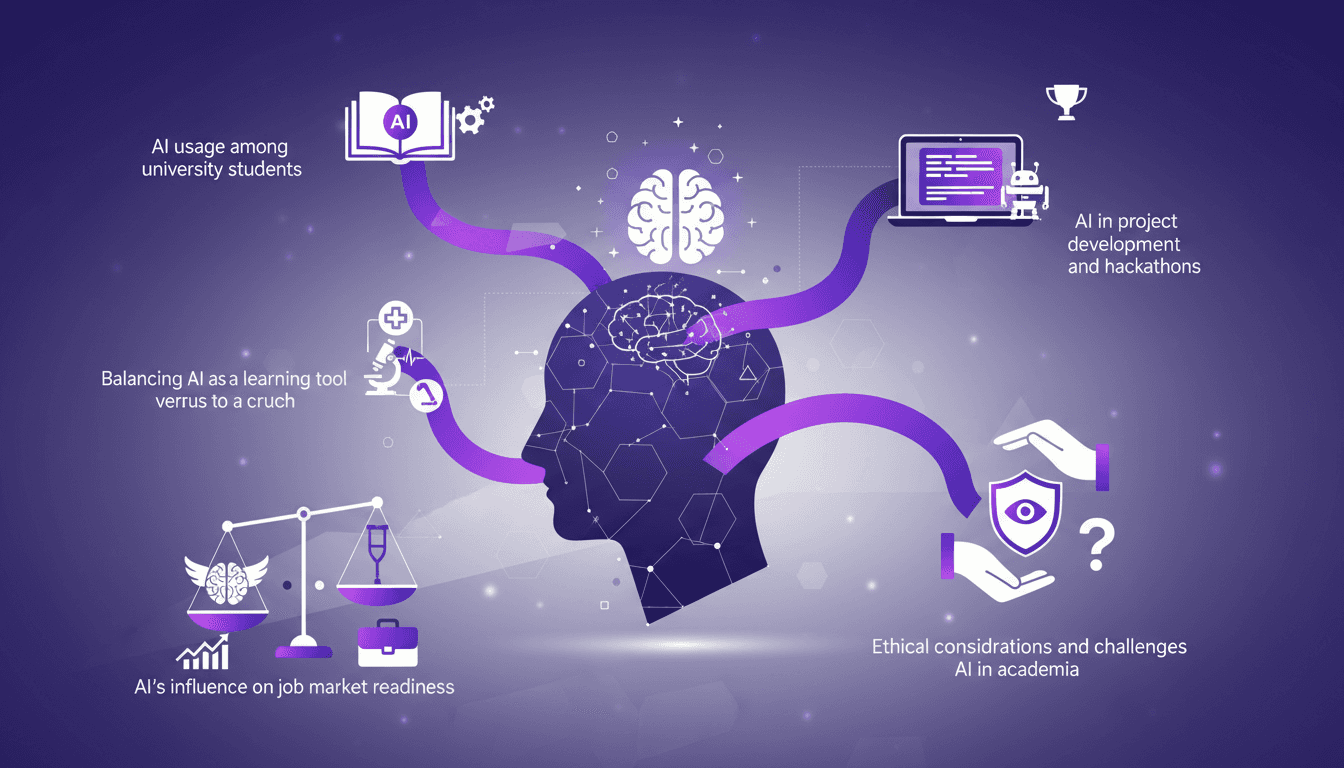
I've seen AI transform the way students navigate their education, from project development to preparing for the job market. It's not just a tool; it's a game changer, but with caveats. With 90% of students tapping into AI daily, we're at a crossroads in academia. Amidst the chaos and immense potential, let's dive into how AI is reshaping education and the challenges we're facing. Whether it's in project development, healthcare applications, or gearing up for their future careers, students must balance using AI as a learning tool without letting it become a crutch. And let's not ignore the critical ethical questions surrounding AI in academia.