Apple's AI Shift: Partnering with Google
I've been deep in the trenches with AI, and Apple's latest move has everyone buzzing. Picture this: Apple is stepping away from OpenAI and teaming up with Google for their AI models. It's a shift that might just change the landscape, and I'm here to break down why. First, let's dive into Apple's strategy: why pivot away from OpenAI? The answer lies in integrating Google's models like Gemini 3 Pro and VO 3.0. I've worked with Apple's MLX framework myself, and the contrast is stark. We're also going to explore Apple's historical partnerships with Google and what this means for the future of AI development, especially with privacy implications. It's a real strategic pivot, and I'm taking you along for the ride.
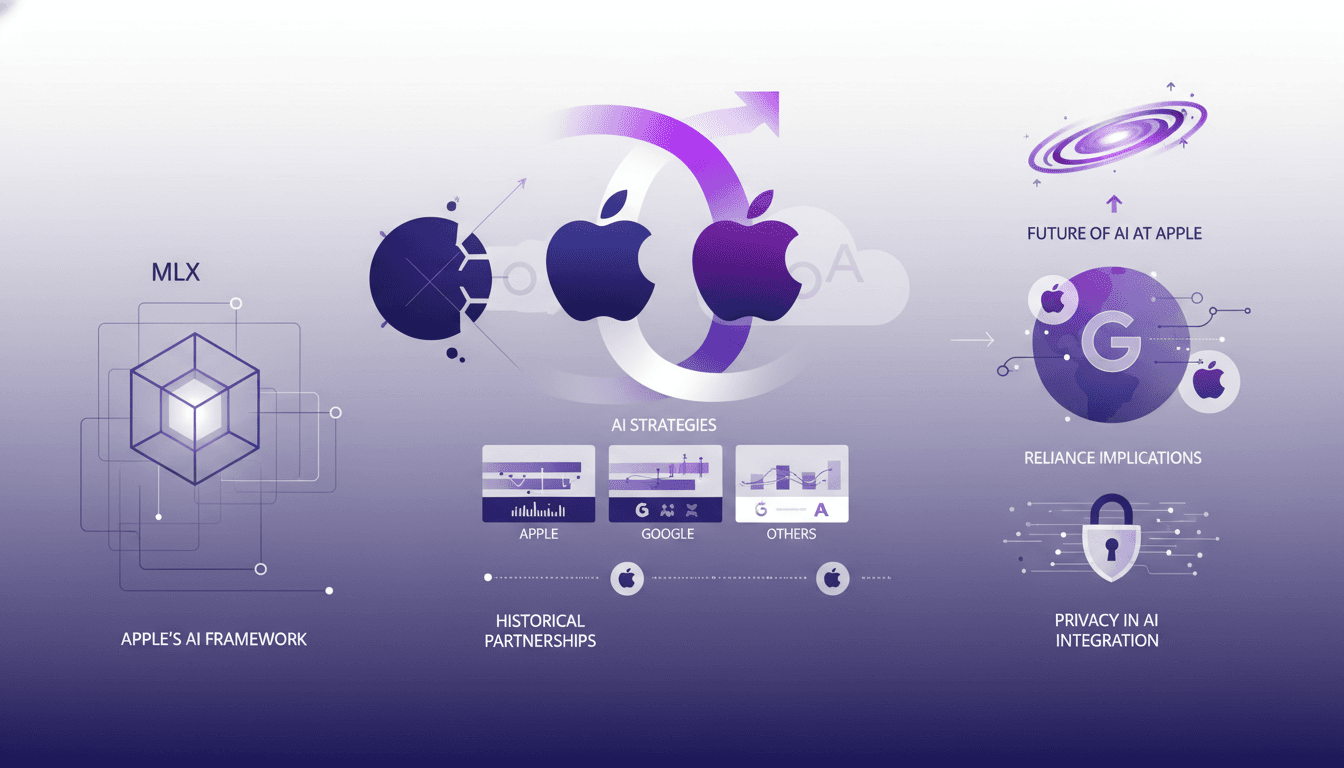
I nearly fell off my chair when I heard: Apple is ditching OpenAI to partner up with Google on their AI models. I've spent countless hours orchestrating solutions with Apple's MLX framework, and this strategic pivot is anything but trivial. Imagine the power of Google's ecosystem with models like Gemini 3 Pro or Nano Banana Pro integrated into Apple. Why the shift? Let's dig into the reasons behind this new alliance and what it means for the future of AI development at Apple. Spoiler: privacy and historical partnerships play a significant role. I've seen companies get burned by underestimating these aspects. So, what does this really mean for us as developers and users? We're going to explore all of it together, and trust me, it's a game changer.
Apple's New AI Path: Partnering with Google
In the tech world, strategic alliances often surprise us, and Apple's recent decision to partner with Google for its artificial intelligence is a perfect example. Historically, Apple and Google have been both rivals and partners. We often think of their fierce competition in the smartphone market, but they have also collaborated, such as when Apple chose Google as the default search engine. This new collaboration signifies a shift as Apple moves away from OpenAI to align more closely with Google, a choice that might seem odd but reflects the rapidly evolving AI landscape.
"Apple has decided to partner with Google for its AI models, sidelining OpenAI, its initial partner."
By opting for Google's Gemini models, Apple acknowledges that its own AI development was not up to par. The announcement of this multi-year collaboration could mark a turning point in Apple's AI strategy—an admission that sometimes, partnering with industry leaders is the fastest way forward. Of course, this could significantly improve the experience for Apple users, who will benefit from advanced technologies.
Understanding MLX: Apple's AI Framework
Now, let's dive into a technical but fascinating topic: Apple's MLX framework. MLX is a framework designed to manage machine learning models efficiently, particularly on devices equipped with Apple Silicon chips. By integrating MLX into its AI strategy, Apple aims to maximize on-device operations' efficiency.
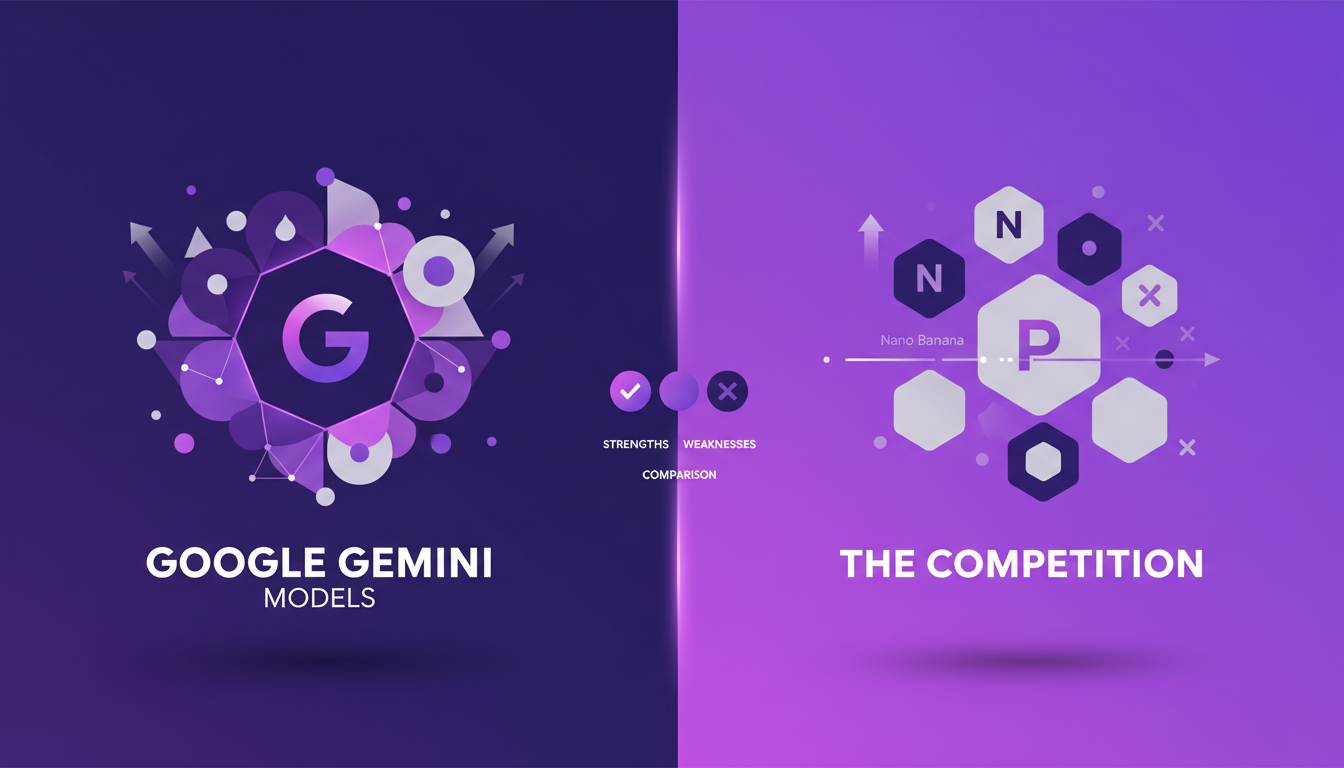
MLX stands out for its ability to process data directly on the device, thus reducing cloud dependency. This translates to gains in speed and security because user data never leaves the device. Compared to other frameworks like TensorFlow or PyTorch, MLX is specifically optimized for the Apple ecosystem, making it extremely performant for developers working on this platform.
- Native integration: Optimized for Apple devices.
- Local processing: Less reliance on the cloud.
- Competitive: When compared to TensorFlow, MLX offers optimized performance for iOS.
Google Gemini Models vs. The Competition
Google's Gemini models are currently at the forefront of AI innovation. Compared to other models like the Nano Banana Pro, it's clear that Google has succeeded in creating a robust and diversified ecosystem. The Gemini 3 Pro and Gemini 3 Flash, for example, stand out for their ability to process large datasets with remarkable efficiency.
Against the competition, Google's models offer several advantages:
| Model | Advantages | Disadvantages |
|---|---|---|
| Gemini 3 Pro | High processing capacity | High energy consumption |
| Gemini 3 Flash | Speed of computation | High cost |
| Nano Banana Pro | Lower cost | Less performant |
This range of models offers Apple unprecedented flexibility to integrate these technologies into their products while maintaining high-performance standards.
Privacy in AI: Apple's On-Device Approach
One of Apple's core values has always been privacy. With the growing use of AI, this concern is more relevant than ever. On-device data processing, a cornerstone of Apple's strategy, ensures that users' personal information never leaves their device.
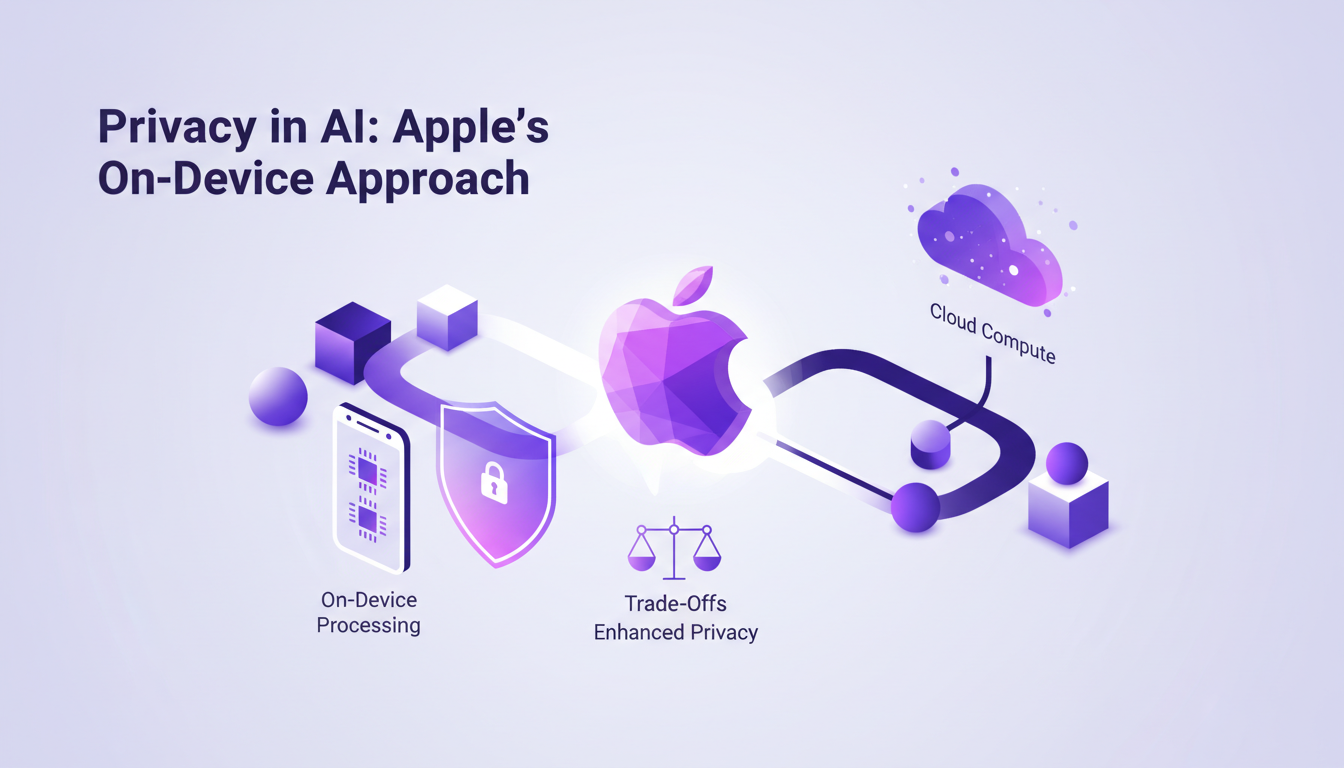
However, this approach also has its limits. Local processing requires significant hardware resources, which might limit performance on older devices. Moreover, while cloud processing allows for faster evolution through frequent updates, Apple's local approach requires regular hardware updates to stay competitive.
The Future of AI at Apple: What's Next?
Looking ahead, it's clear that 2025 and 2026 will be crucial years for AI at Apple. With this partnership with Google, Apple could explore new directions, possibly integrating emerging technologies or forging other strategic partnerships.
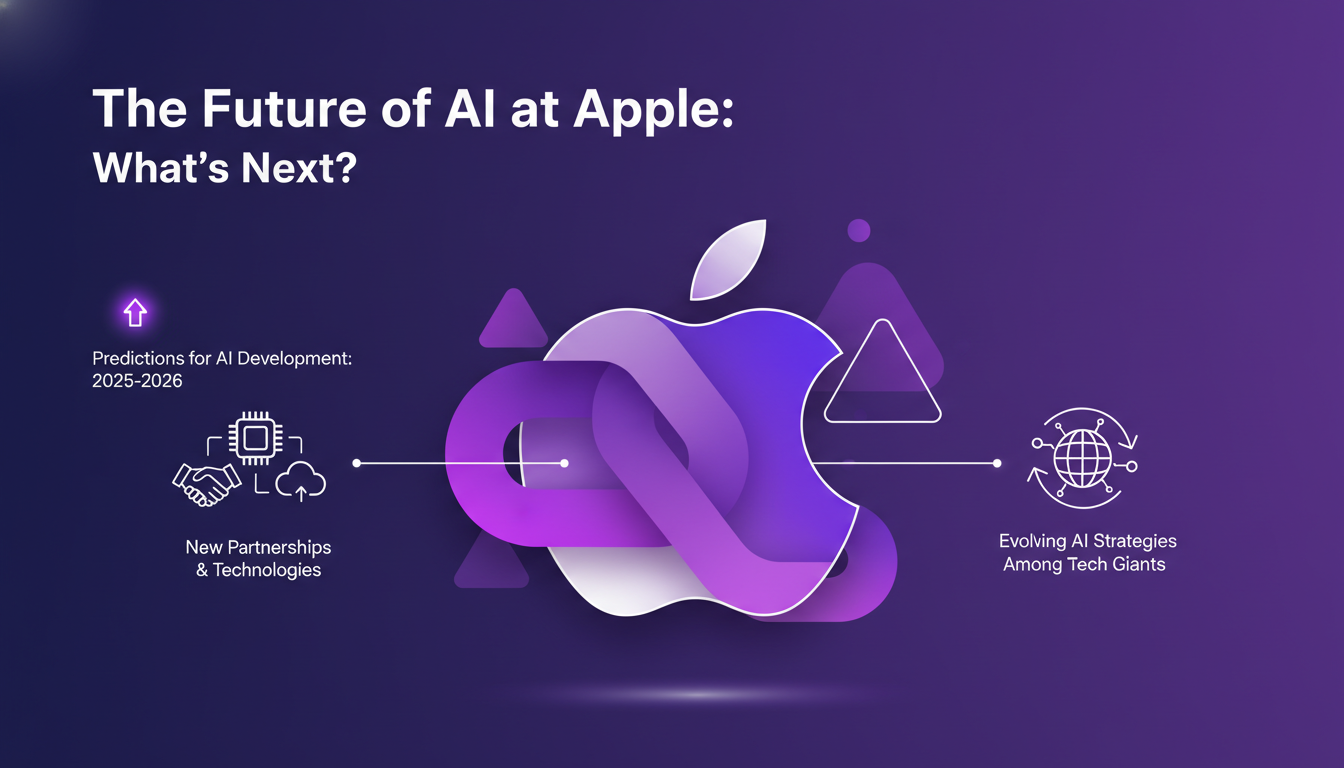
The potential impacts on the industry could be significant. If Apple successfully integrates the Gemini models, it could prompt other companies to rethink their AI strategies. Ultimately, Apple's ability to influence the market will depend on its capacity to remain at the cutting edge of innovation while preserving its core values of security and privacy.
For more details on the impact of this new partnership, check out our article on Seammens-Nvidia Partnership: Revolutionizing Industry.
Apple teaming up with Google signals a pivotal moment in AI development. Here are a few takeaways I found crucial:
- First, Apple's MLX framework shines for on-device processing, which is a big win for privacy. But watch out, this might limit processing capabilities compared to cloud-based solutions.
- Then, Google's ecosystem models like Gemini 3 Pro and VO 3.0 open doors to exciting innovations, yet how these will mesh with Apple's ethos remains to be seen.
- Lastly, Apple's move away from OpenAI suggests a distinct strategy compared to other tech giants, bringing its own set of challenges and advantages.
The coming years, especially 2025 and 2026, will be critical in shaping the AI landscape. Keep an eye on how these strategies evolve, and consider how similar shifts might benefit your own projects.
I urge you to watch the full video to get a deeper understanding of these dynamics. Check it out here: YouTube.
Frequently Asked Questions

Thibault Le Balier
Co-fondateur & CTO
Coming from the tech startup ecosystem, Thibault has developed expertise in AI solution architecture that he now puts at the service of large companies (Atos, BNP Paribas, beta.gouv). He works on two axes: mastering AI deployments (local LLMs, MCP security) and optimizing inference costs (offloading, compression, token management).
Related Articles
Discover more articles on similar topics
Seammens-Nvidia Partnership: Revolutionizing Industry
I stood right there at CES when Seammens and Nvidia took the stage, and it hit me—this isn’t just another tech partnership. We’re diving headfirst into reshaping the entire industry with a brand-new industrial operating system. Let me take you behind the scenes of this unfolding revolution. With Seammens and Nvidia at the helm, we're not just talking hype; we're transforming how we think about manufacturing and technology. Together, we're building the future of industry, and that changes everything.
Practical AI Applications at CES 2026
I've been attending CES for years, but 2026 was a game changer. This year, it was all about practical tech applications that actually improve daily life. Imagine AI that doesn't just respond to commands but anticipates your needs. And those robots pushing the boundaries in healthcare? They were there too. I also saw how Chinese tech giants are reshaping the landscape. But watch out, these advances bring privacy concerns and environmental challenges. Let's dive into what really stood out and why it matters.
CES 2026 Tech Trends: How They're Changing Lives
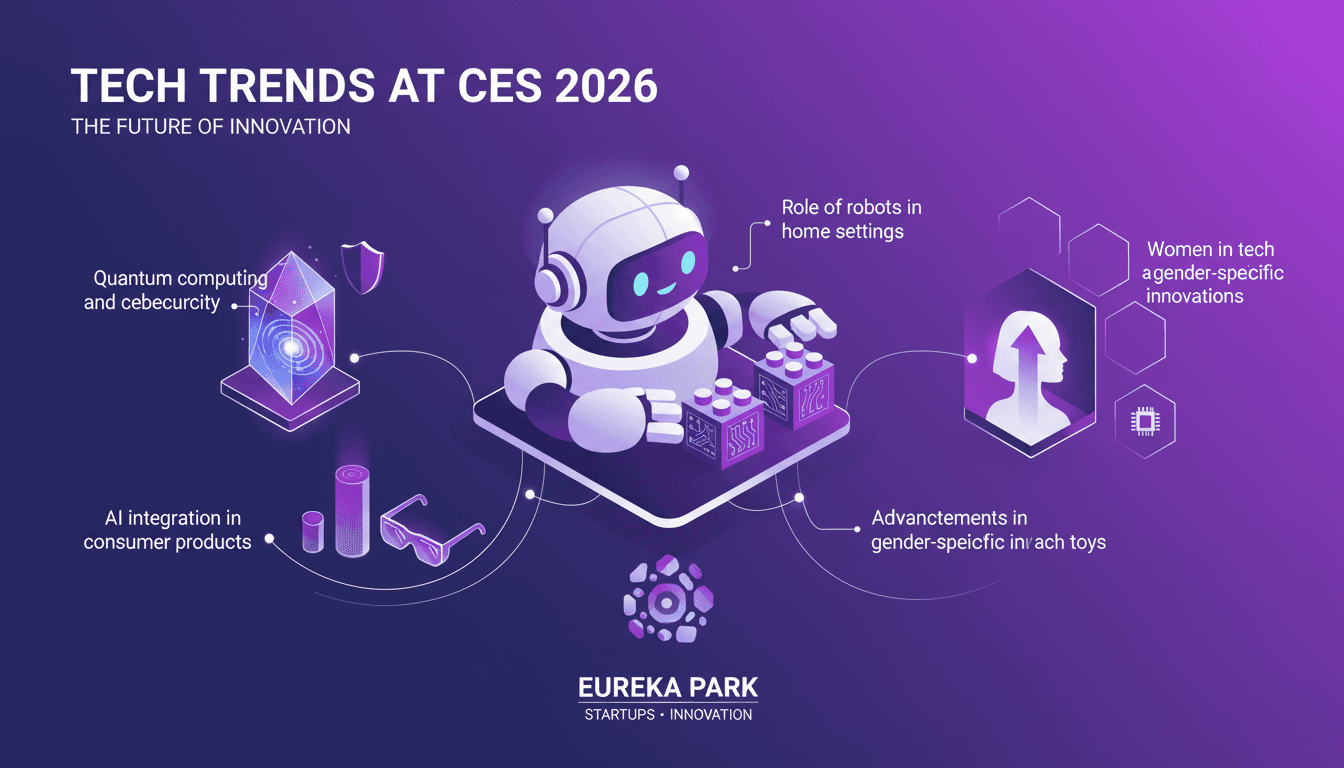
I've walked the 2.6 million square feet of CES 2026, and let me tell you, this year's tech is set to redefine our daily lives. From humanoid robots to quantum computing, the future is now, and I'm here to break it down for you. What I've seen isn't just sci-fi fantasy; it's practical tech making its way into our homes. Tech trends are no longer abstract concepts but practical tools reshaping how we live and work. Let's talk about robots in our homes, children's tech toys that truly spark imagination, and AI integration in consumer products. And don't overlook the importance of Eureka Park for startups, it's where the real magic happens for newcomers. These innovations, I've seen firsthand, will soon be integral to our everyday lives.
Enter Mercy: AI-Driven Justice System Unveiled
I remember the first time I saw the trailer for 'Mercy'. The idea of a 90-second window to prove innocence in an AI-driven court really blew me away. We're not talking sci-fi anymore—it's a glimpse into a tech-heavy future. With 'Mercy' hitting theaters on January 23rd, let's dive into this AI-driven justice system where tech calls the shots. The film explores a world where stakes are high and very real, with a 92% reasonable doubt threshold and social media plus surveillance taking center stage. It's quite the challenge to prove innocence under such a tech-savvy backdrop.
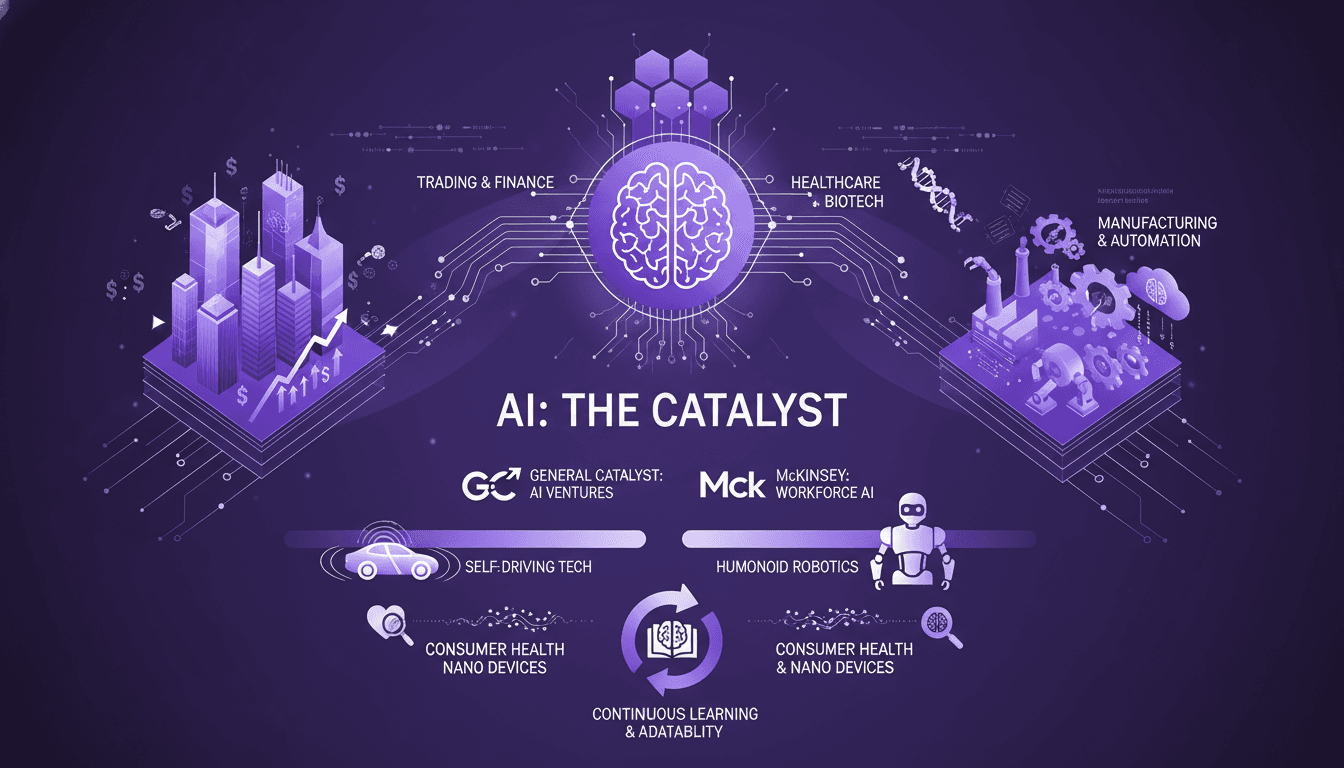
Rapid Innovation: How AI Transforms Businesses
I just got back from CES 2026, and let me tell you, the pace of innovation hit like a freight train. The conversations weren't just about tech; they were about transforming entire industries. AI is at the heart of this revolution, reshaping the industrial landscape. McKinsey is planning a 25% increase in client-facing personnel next year, a clear sign that things are shifting. Curious about how these changes impact our daily work? Read on to discover how AI, healthcare, and robotics are redefining our professions.