Enter Mercy: AI-Driven Justice System Unveiled
I remember the first time I saw the trailer for 'Mercy'. The idea of a 90-second window to prove innocence in an AI-driven court really blew me away. We're not talking sci-fi anymore—it's a glimpse into a tech-heavy future. With 'Mercy' hitting theaters on January 23rd, let's dive into this AI-driven justice system where tech calls the shots. The film explores a world where stakes are high and very real, with a 92% reasonable doubt threshold and social media plus surveillance taking center stage. It's quite the challenge to prove innocence under such a tech-savvy backdrop.
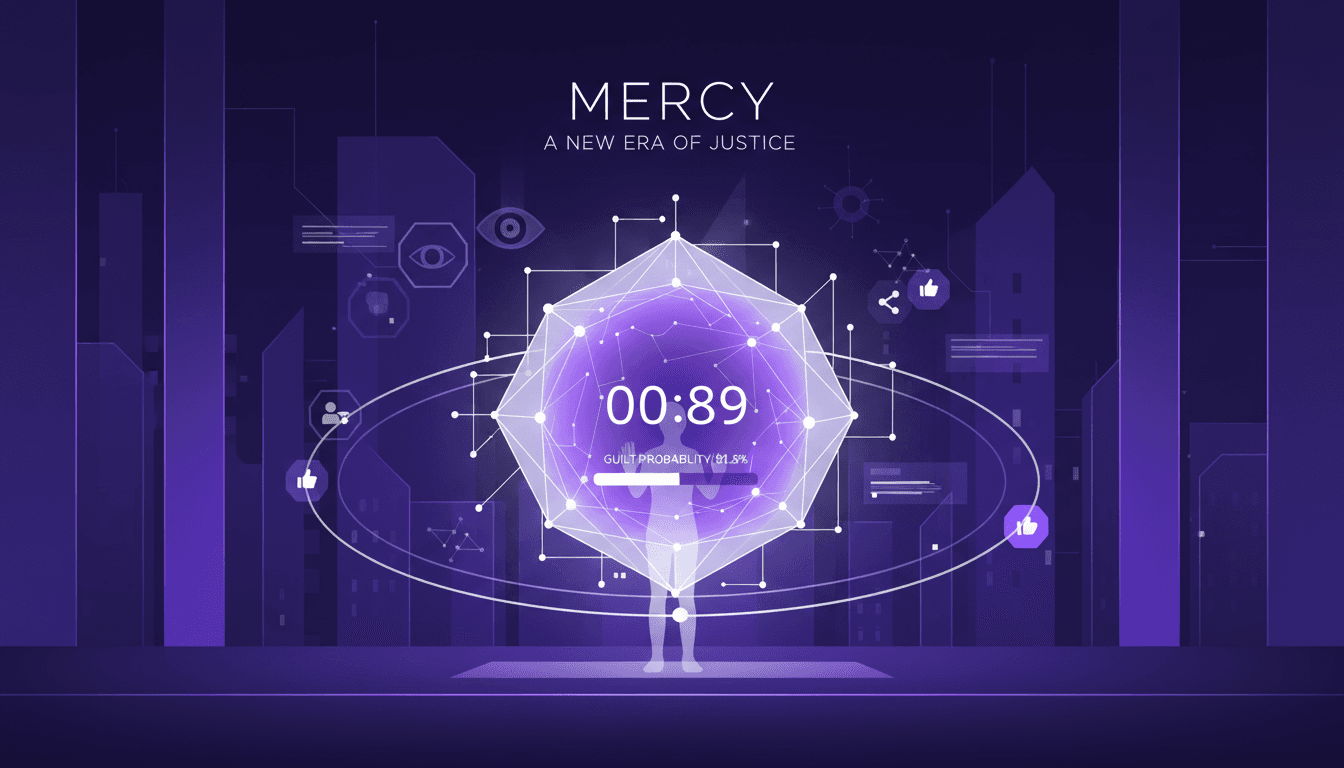
I remember the first time I saw the trailer for 'Mercy'. The idea of having just 90 seconds to prove one's innocence in an AI-driven court really struck me. Imagine the pressure! This isn't just science fiction—it's a reflection of our rapidly evolving tech world. With 'Mercy' hitting theaters on January 23rd, now's the time to dive into its futuristic justice system. The film immerses us in a reality where technology dictates justice, and the stakes are as high as they are relevant. We're talking about a 92% reasonable doubt threshold, pervasive surveillance, and the role of social media in crime investigations. As a builder, I can't help but think about the technological and ethical implications of such a scenario. So, are you ready to enter the world of 'Mercy'?
Setting the Stage: Mercy's AI Judicial System
In the futuristic film Mercy, which premieres on January 23rd, we dive into a world where courts are driven by artificial intelligence (AI). Imagine a judicial system where every camera, phone, and database is interconnected, providing massive data analysis to determine guilt or innocence. This isn't just science fiction; we already see AI applications in law today, though not at this level of integration. I've seen algorithms start to influence judicial decisions, but never at the click of a mouse pace.
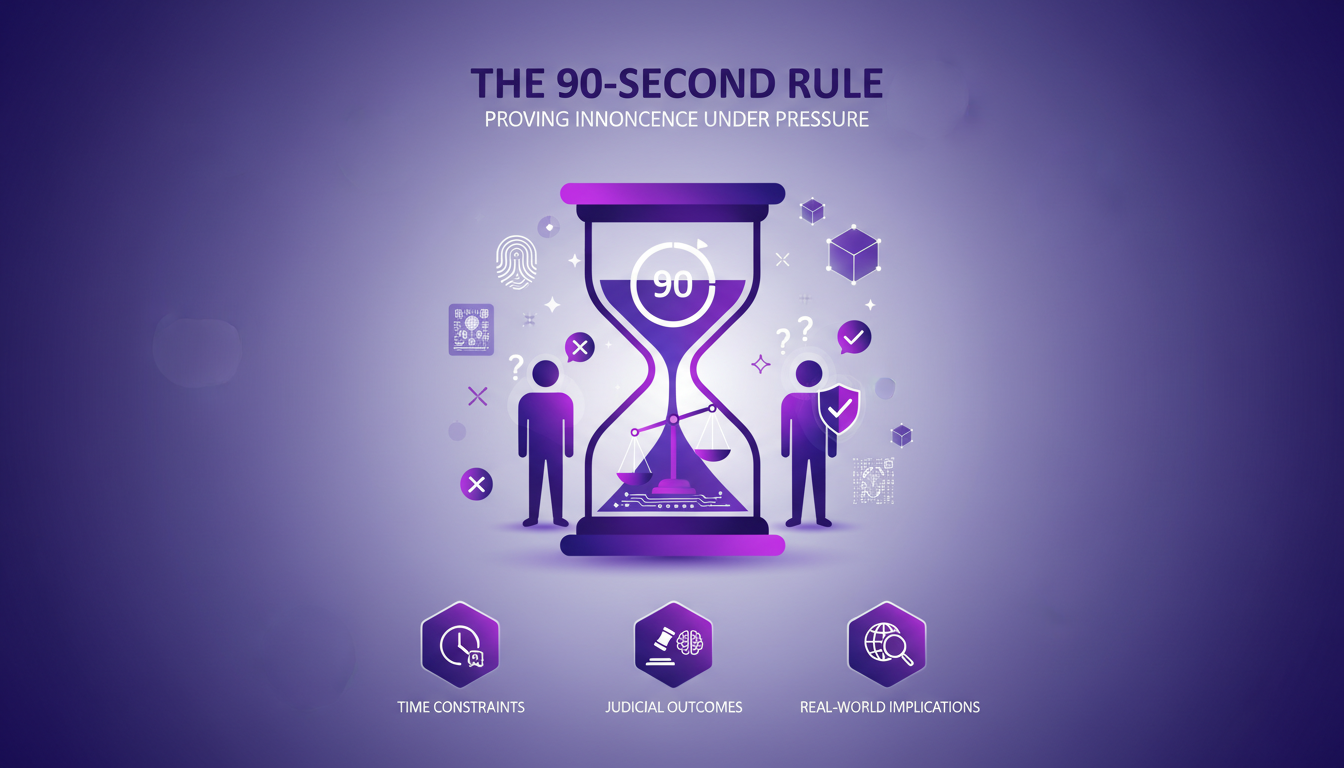
In Mercy, AI acts as judge and jury, analyzing mountains of data in seconds. This reminds me of recommendation systems I've integrated into past projects, but here, the accuracy must be such that a human life might depend on it. Let me tell you upfront, never underestimate the importance of input data. A bad dataset can cost you dearly, literally.
The 90-Second Rule: Proving Innocence Under Pressure
In this universe, once accused, you have only 90 seconds to prove your innocence. This concept is both fascinating and terrifying. I've often worked under pressure, but this is beyond imaginable. Such a time constraint could transform judicial outcomes, and not always for the better. Imagine yourself in court, with a ticking clock. I've learned that a hasty response is often a wrong response. Quick decisions can be biased, especially in a context where every second counts.
Speed versus accuracy is a dilemma I've encountered in process automation. Too often, speed is prioritized at the expense of precision. In Mercy, this tension is palpable, raising questions about what we should truly expect from AI in judicial systems.
Understanding the 92% Reasonable Doubt Threshold
In this futuristic world, a 92% reasonable doubt threshold is used to determine guilt. This means that if your probability of guilt falls below 92%, you're declared innocent. It's a number that seems arbitrary but has enormous implications for defendants. In practice, it means that algorithms must be extremely precise not to condemn the innocent. I've often found that the accuracy of AI models varies greatly depending on the quality of data and training.
In comparison, traditional legal systems work with reasonable doubt, which is often left to human interpretation. The question then becomes how to balance probability and justice in an AI-driven system. Setting a fair threshold is a challenge. I've seen systems fail simply because parameters were poorly calibrated.
Surveillance and Social Media: Tools or Threats?
In Mercy, pervasive surveillance plays a central role in crime investigations. Every move is captured, every conversation overheard. Social media also influences the judicial process, offering evidence that can be a double-edged sword. I've worked on projects where surveillance was integrated, and I can tell you, it raises major privacy concerns. Surveillance technologies can be misused, and that's a real threat.
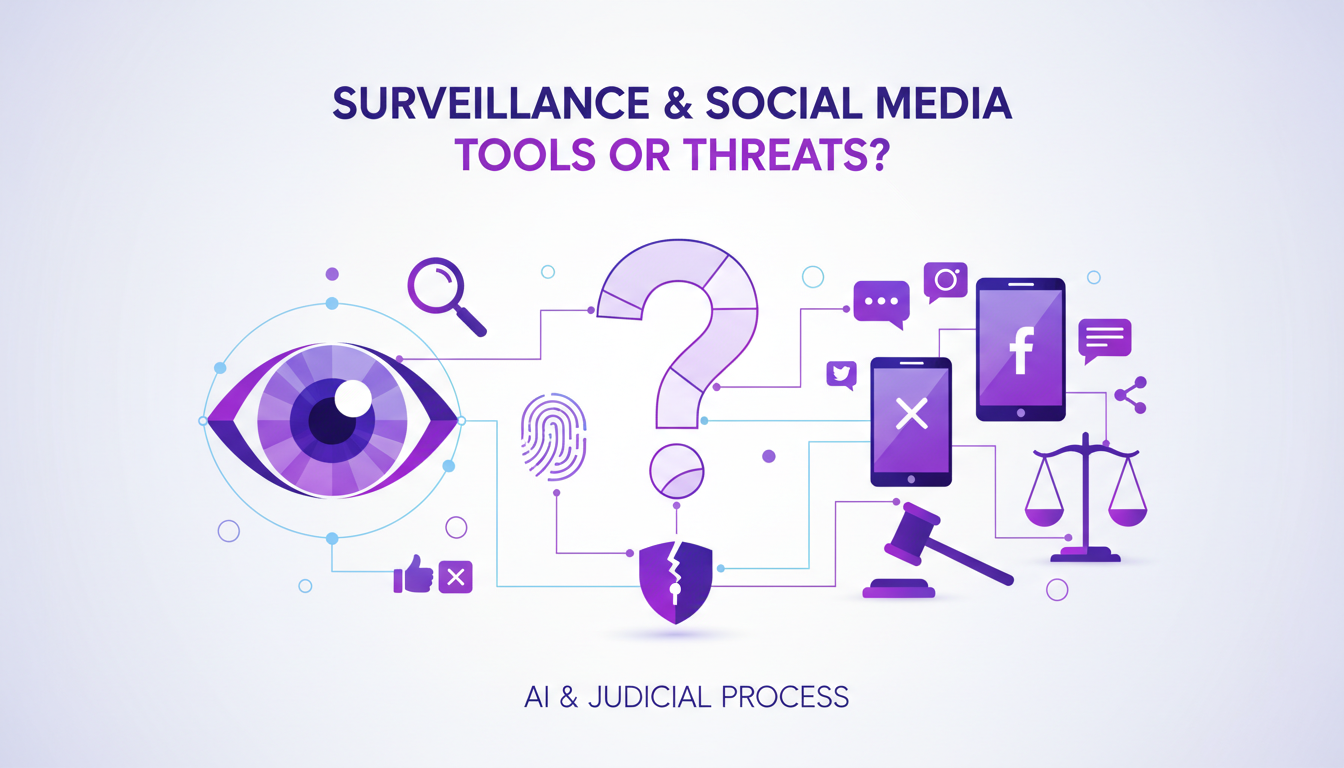
The question is whether these tools are used for good or if they become threats to individual rights. In my experiences, I've often had to balance innovation with ethical considerations to avoid potential abuses.
Lessons from Mercy: Real-World Applications and Concerns
Mercy offers many lessons for those looking to integrate AI into the judicial system. One of the biggest takeaways is not to forget the human element in the process. In my projects, AI is a powerful tool, but it should never replace human judgment. Algorithmic decisions need to be transparent and accountable. I've often found myself having to explain decisions made by automated systems, and believe me, it's not always straightforward.
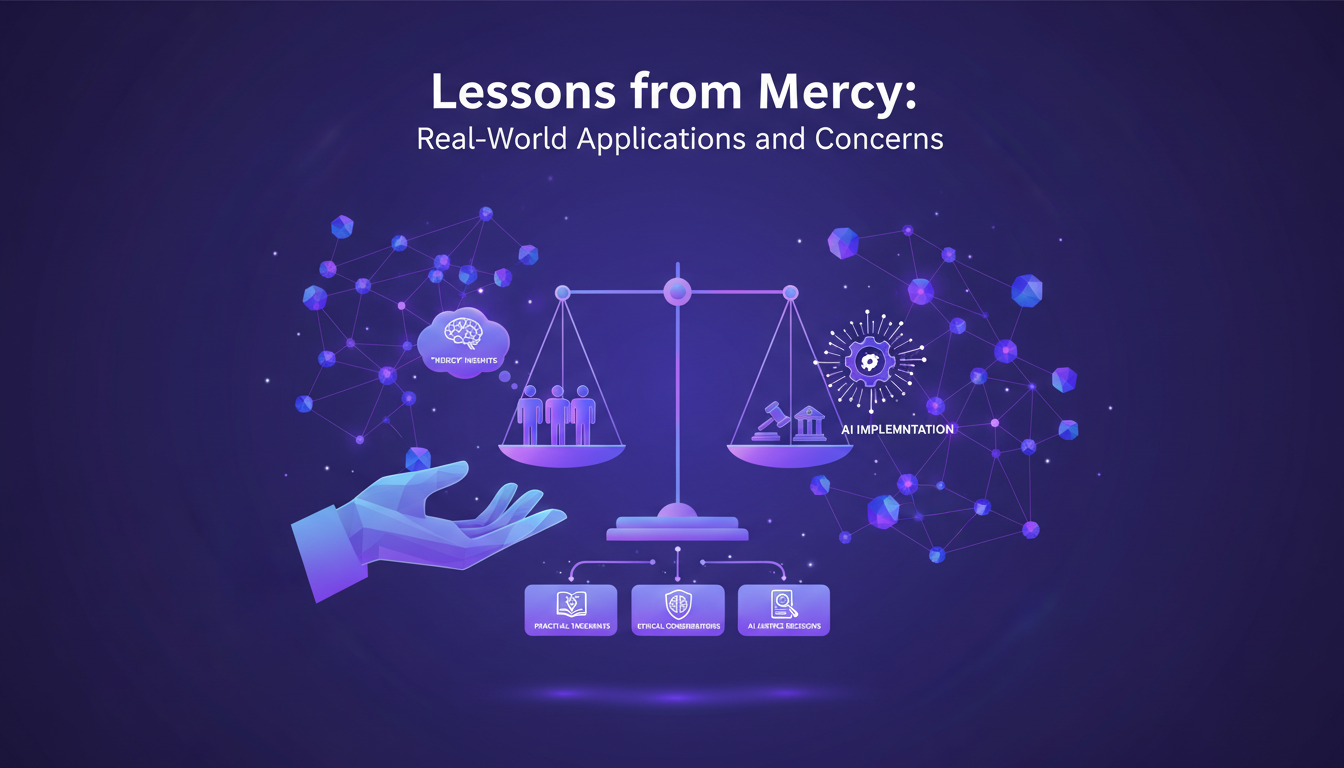
Ethical considerations are crucial. It's essential to balance innovation with human rights. I advise always keeping in mind the human impact of algorithmic decisions.
- Integrate AI cautiously in the judicial system.
- Ensure transparency and accountability in algorithmic decisions.
- Maintain a balance between innovation and ethical considerations.
For more insights on AI's impact across various sectors, check out this article on rapid innovation through AI.
In 'Mercy', I dove into a world where AI and justice intersect in ways that are both thrilling and a bit concerning. Here’s what stood out:
- The movie releases on January 23rd – mark it down, especially if you’re into how tech reshapes our lives.
- The futuristic judicial system gives you 90 seconds to prove innocence – that's a real eye-opener about our justice systems.
- A 92% threshold for reasonable doubt in guilt – makes you think about fairness and precision.
Looking ahead, 'Mercy' challenges us to consider how we balance technology and justice in society. Could be a game changer, but watch out for potential pitfalls.
Catch 'Mercy' in theaters and dig into these themes. And if you want more insight, watch the full video 'Enter the World of Mercy' on YouTube. It’s worth it to understand what’s at stake for the future.
Frequently Asked Questions

Thibault Le Balier
Co-fondateur & CTO
Coming from the tech startup ecosystem, Thibault has developed expertise in AI solution architecture that he now puts at the service of large companies (Atos, BNP Paribas, beta.gouv). He works on two axes: mastering AI deployments (local LLMs, MCP security) and optimizing inference costs (offloading, compression, token management).
Related Articles
Discover more articles on similar topics
Rapid Innovation: How AI Transforms Businesses
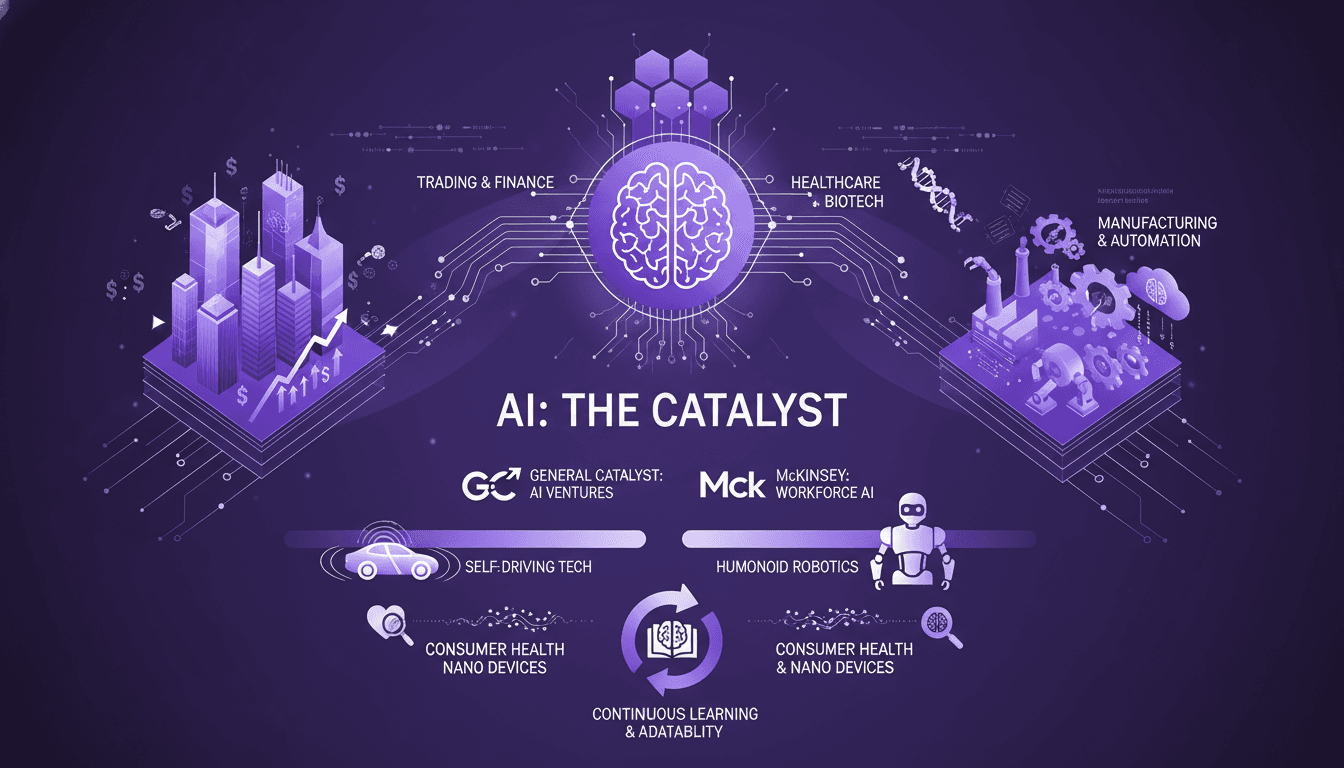
I just got back from CES 2026, and let me tell you, the pace of innovation hit like a freight train. The conversations weren't just about tech; they were about transforming entire industries. AI is at the heart of this revolution, reshaping the industrial landscape. McKinsey is planning a 25% increase in client-facing personnel next year, a clear sign that things are shifting. Curious about how these changes impact our daily work? Read on to discover how AI, healthcare, and robotics are redefining our professions.
AI in Advertising: 2026 Strategies to Implement
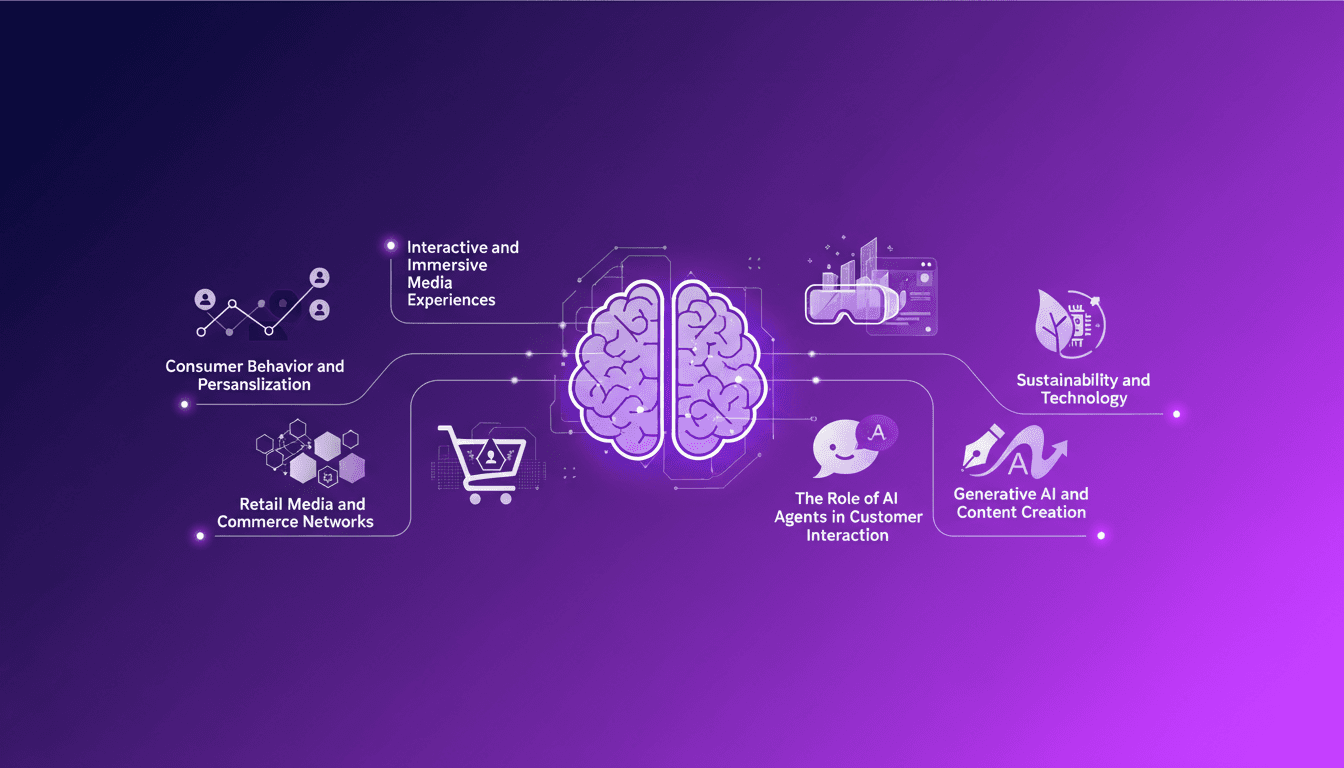
Back in 2026, I found myself at the forefront of AI in advertising, navigating the intricate landscape of consumer behavior and personalization. The tools were evolving rapidly, and we had to continually adapt our strategies to fully harness AI's potential in marketing. Picture juggling transaction data from 400 million consumers while diving into retail media networks and immersive media experiences. This session captures the practical applications and daily challenges we face. From AI agents to generative content, grasping how all this shapes our customer interactions and sustainability footprint is essential.
B2B Marketing 2026: AI and LinkedIn's Impact
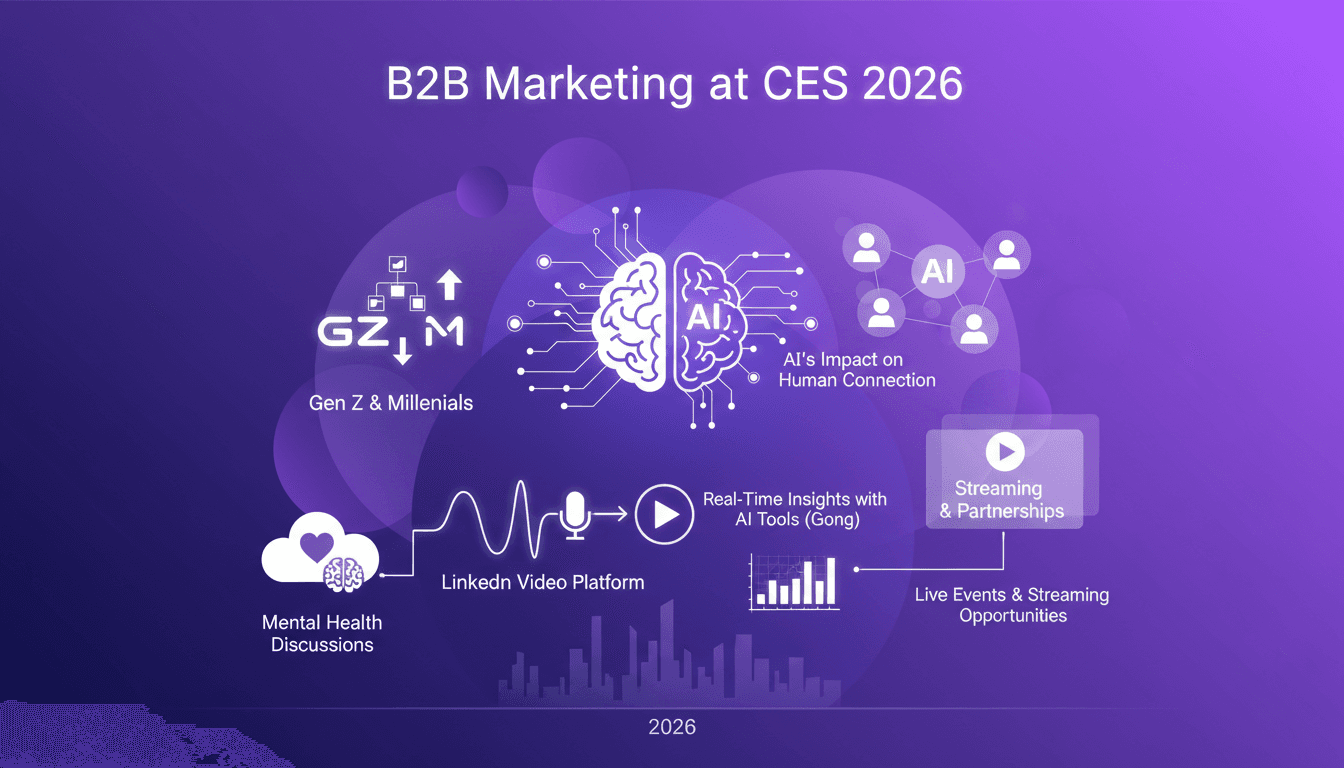
I was at CES 2026, diving deep into LinkedIn's transformative journey. First, the shift towards video content hit me—it's not just a trend, it's the new norm. With Gen Z and millennials now influencing 71% of B2B decisions, LinkedIn's evolution into a video platform is a no-brainer. Let's unpack how AI and real-time insights are reshaping B2B marketing. LinkedIn is celebrating its 22nd anniversary, and they're not resting on their laurels. From tools like Gong to mental health discussions, they're paving the way for a new era of B2B marketing.

Building Community: Engaging Audiences on Roblox
I've spent countless hours on Roblox, not just gaming but building and engaging with a community that spans the globe. With 151 million daily active users, Roblox isn't just a platform—it's a universe of its own. Let's talk about how creators, brands, and technology converge to shape this digital landscape. Roblox has become a powerhouse for user engagement, driven by a vibrant creator community and innovative advertising strategies. But what does it take to really succeed here? I walk you through the workflows and strategies that make Roblox tick. We’ll dive into user engagement and growth, the crucial role of creators, brand engagement, and immersive advertising. Let’s decode Roblox's technological advancements and why this platform captivates Gen Z and Gen Alpha.
Seammens-Nvidia Partnership: Revolutionizing Industry
I stood right there at CES when Seammens and Nvidia took the stage, and it hit me—this isn’t just another tech partnership. We’re diving headfirst into reshaping the entire industry with a brand-new industrial operating system. Let me take you behind the scenes of this unfolding revolution. With Seammens and Nvidia at the helm, we're not just talking hype; we're transforming how we think about manufacturing and technology. Together, we're building the future of industry, and that changes everything.