AI in Advertising: 2026 Strategies to Implement
Back in 2026, I found myself at the forefront of AI in advertising, navigating the intricate landscape of consumer behavior and personalization. The tools were evolving rapidly, and we had to continually adapt our strategies to fully harness AI's potential in marketing. Picture juggling transaction data from 400 million consumers while diving into retail media networks and immersive media experiences. This session captures the practical applications and daily challenges we face. From AI agents to generative content, grasping how all this shapes our customer interactions and sustainability footprint is essential.
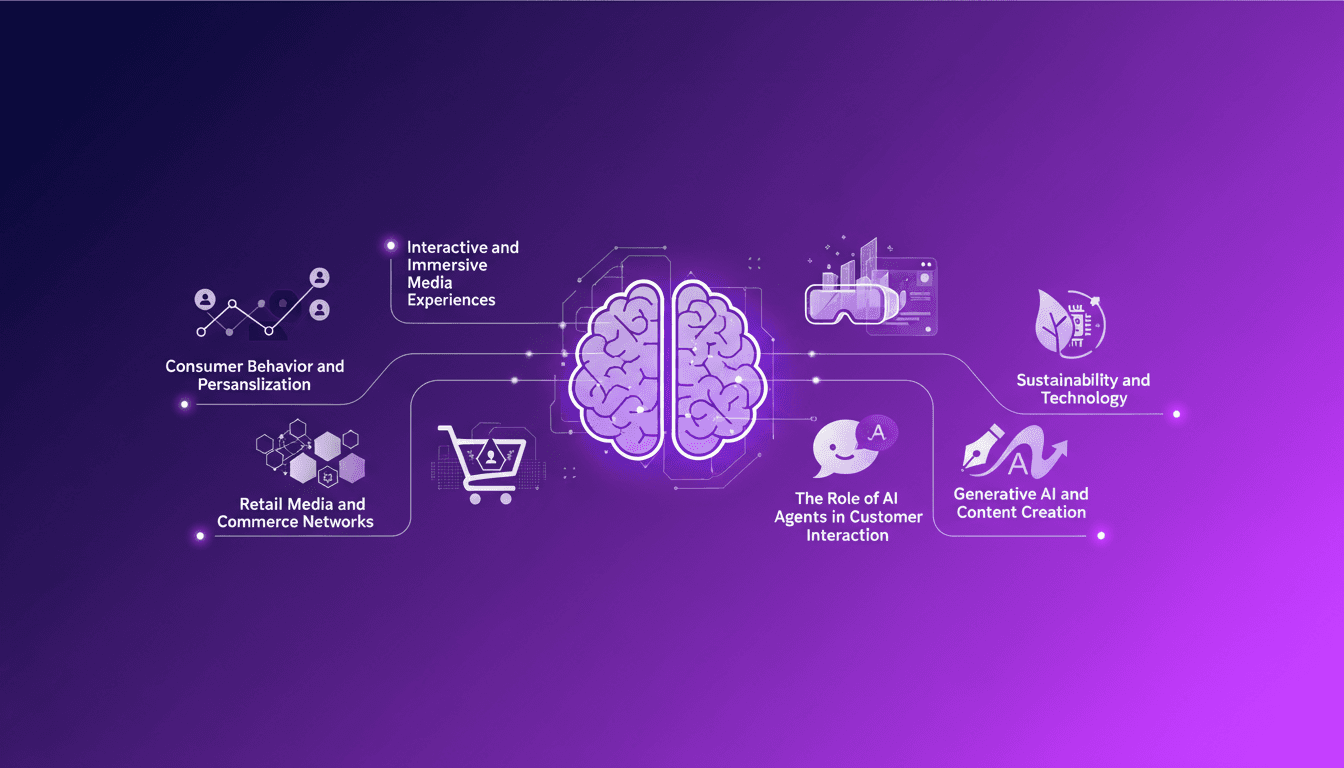
In 2026, I was navigating AI in advertising like juggling knives: exhilarating but precarious. We were in the thick of CES, and AI was transforming marketing at a dizzying pace. Remember those 400 million consumers whose transaction data had our heads spinning? Yeah, orchestrating that while keeping an eye on retail media networks and exploring interactive, immersive media experiences was a real feat. It was here I truly grasped that AI agents and generative content weren't just passing fads. These tools were reshaping how we interacted with customers and forcing us to rethink our sustainability impact. But watch out, it wasn't all smooth sailing. The challenges were plenty, and you had to stay agile and critical to avoid getting burned.
AI in Advertising and Marketing: 2026 Realities
By 2026, AI's impact on advertising is undeniable. It's transforming strategies by making consumer interactions more personalized and engaging. I've closely observed this shift by integrating AI into several marketing campaigns, where personalization has become the watchword. First, you set up AI to analyze customer data, then you pilot interactions that feel almost human. Microsoft, for instance, is focusing on humanistic super intelligence that places humans at the center of AI efforts. But beware, integrating AI with existing marketing tools isn't without challenges.
The efficiency gains are there, but you have to weigh the initial cost of AI solutions. For example, expenses can skyrocket if you don't control token usage. I've learned to orchestrate these tools differently to avoid this pitfall. When using AI in advertising, I've noted an increased return on investment of 10% to 25% according to some studies, but it requires tight management.
"The shift from fear to feel in AI is key for more authentic interactions."
Retail Media and Commerce Networks: The AI Advantage
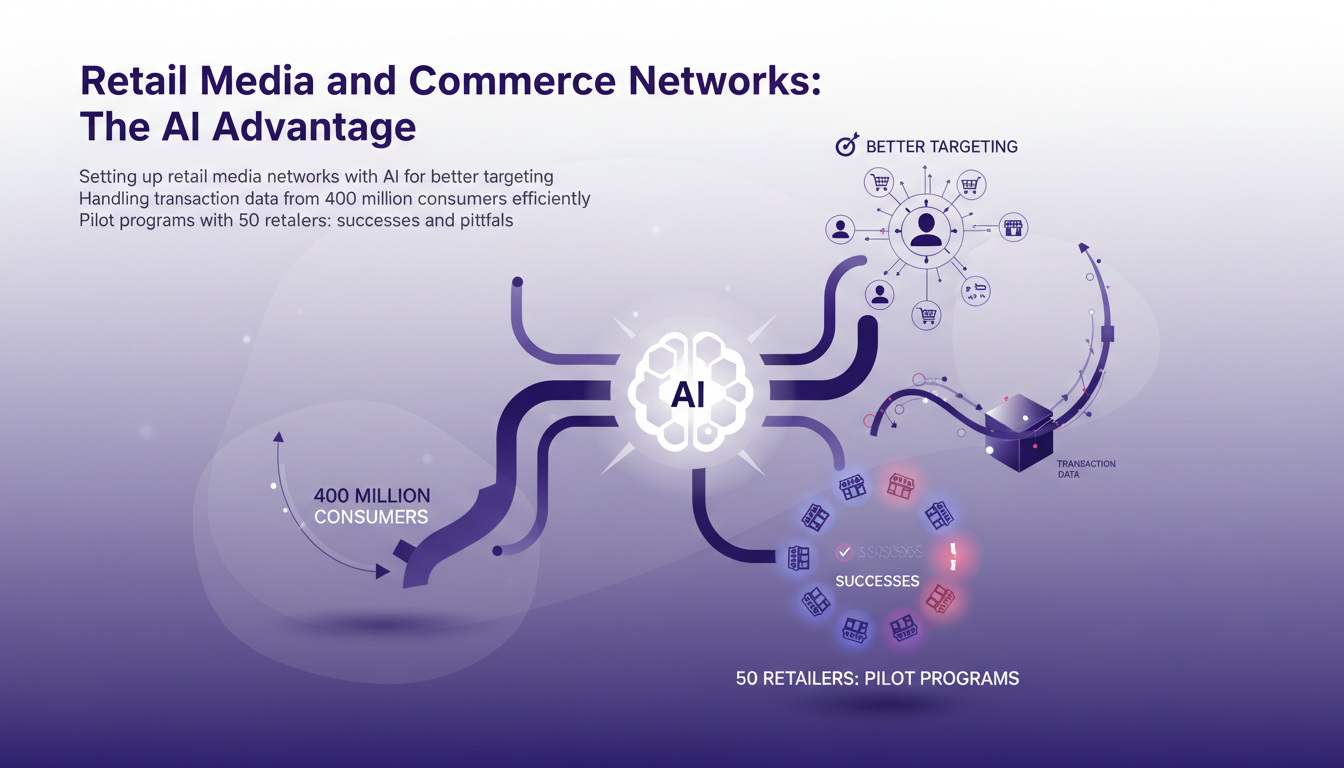
Setting up retail media networks with AI offers improved targeting. I've piloted programs with fifty retailers, and while some have seen significant conversion rate increases, be cautious of data privacy concerns. With AI, you can efficiently handle transaction data from 400 million consumers, but you need to be vigilant about orchestration and efficiency to avoid unnecessary costs.
By balancing personalization with privacy, I've found that AI can truly optimize retail media networks. For example, Taboola, aiming to become the fourth largest performance advertising company outside walled gardens, uses AI to provide personalized recommendations to about 600 million people daily. That's no small feat!
Interactive and Immersive Media Experiences with AI
Creating immersive media experiences with AI is like adding a new dimension to advertising. I've experimented with interactive ads that captivate consumers like never before. AI plays a key role here in enhancing consumer interaction and retention. However, be careful not to sacrifice creativity too much on the altar of AI-driven content generation.
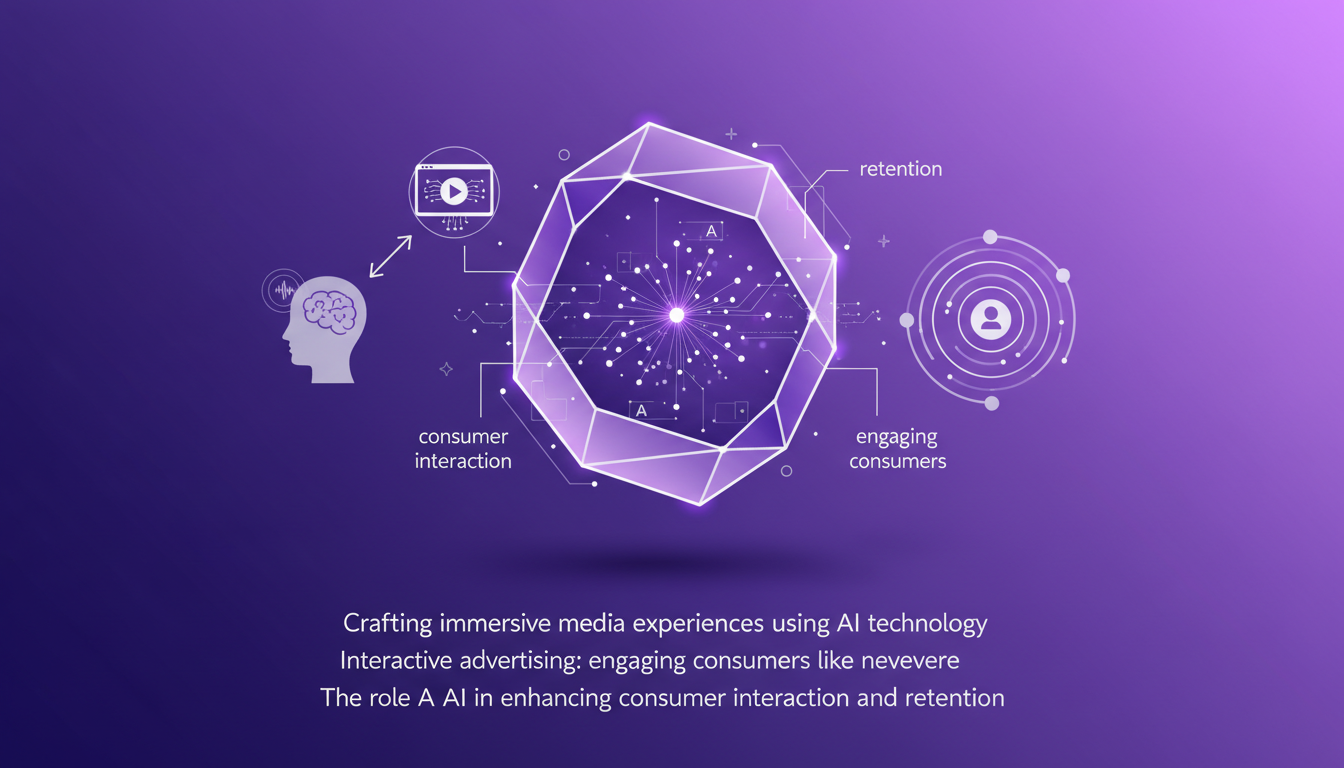
I've seen how AI can turn a media campaign into a true interactive spectacle, but don't forget that too much automatically generated content can dilute the message. A good balance is essential to maintain authenticity.
Generative AI and Content Creation: A New Frontier
Generative AI is a powerful tool for scalable content creation. I've leveraged these tools to balance human creativity with AI efficiency. However, maintaining content quality at scale remains a challenge. Generative AI tools can reduce costs, but don't neglect the essential human touch for engaging content.
Case studies show how successful integration of generative AI in media can boost productivity while maintaining acceptable quality. The cost of adopting these tools may seem high initially, but efficiency gains often justify the investment.
Sustainability and AI: Technology's Green Future
Integrating AI into sustainable practices isn't just a trend, it's a necessity. I've seen how AI can promote greener marketing practices. But, beware, you need to balance technological advancement with environmental responsibility. Integrating sustainability into AI strategies is a crucial step for a greener future.
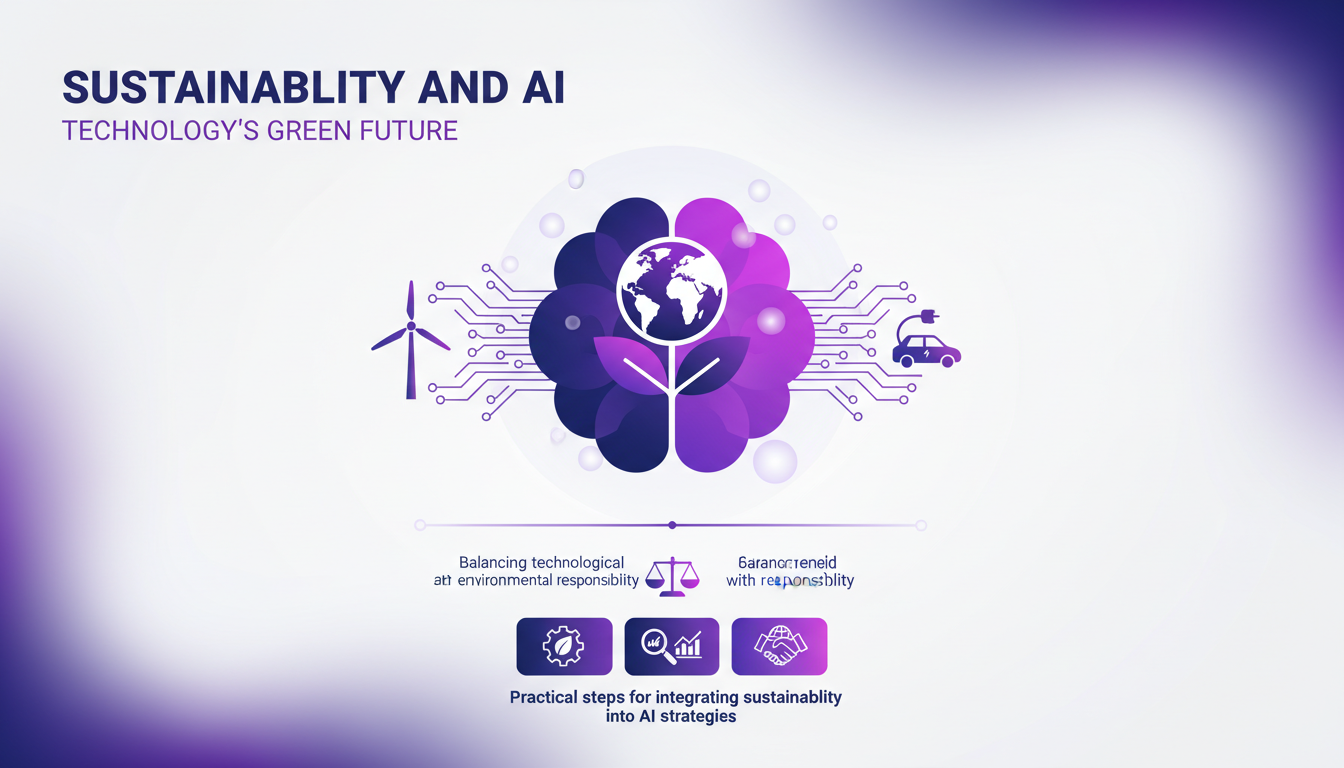
Success stories show how sustainable AI implementations can work, but there are challenges to overcome, like balancing profitability with environmental goals. Ultimately, AI can be a powerful ally in the quest for sustainable marketing.
So, in 2026, AI was undeniably a game changer in marketing and advertising. I've seen firsthand how it allowed us to engage consumers more personally by analyzing data from 400 million transactions. But watch out, it's not without challenges. First, you really need to understand AI's limits to avoid getting blinded by its promises. Then, working to integrate AI into daily marketing strategies is crucial to staying competitive. Finally, interactive and immersive media offer incredible opportunities but require constant adaptation.
Looking ahead, I'd say innovation is within reach, but it demands experimentation and an ability to continually refine our approach. We can't rest on our laurels. I encourage you to integrate AI into your strategies today. Experiment, learn, adjust. For deeper insights, check out the full video here: YouTube link. You'll find valuable insights there.
Frequently Asked Questions

Thibault Le Balier
Co-fondateur & CTO
Coming from the tech startup ecosystem, Thibault has developed expertise in AI solution architecture that he now puts at the service of large companies (Atos, BNP Paribas, beta.gouv). He works on two axes: mastering AI deployments (local LLMs, MCP security) and optimizing inference costs (offloading, compression, token management).
Related Articles
Discover more articles on similar topics

Autodesk Fusion: Transforming Design with AI
I remember the first time I used Autodesk Fusion at CES 2026. The buzz around AI and design was palpable, and I was right in the middle of it. Autodesk is reshaping the future of design and manufacturing with AI, integrating solutions that enhance creativity while ensuring sustainability. It's not just about tech; it's about transforming workflows. We're talking trust and transparency in AI, consumer expectations for authenticity, and seamless experiences. Autodesk Fusion is more than just a tool, it's a catalyst for innovation. You're about to see how all of this will orchestrate in our daily design practices.
Taboola's CTV Move: Redefining Performance Advertising
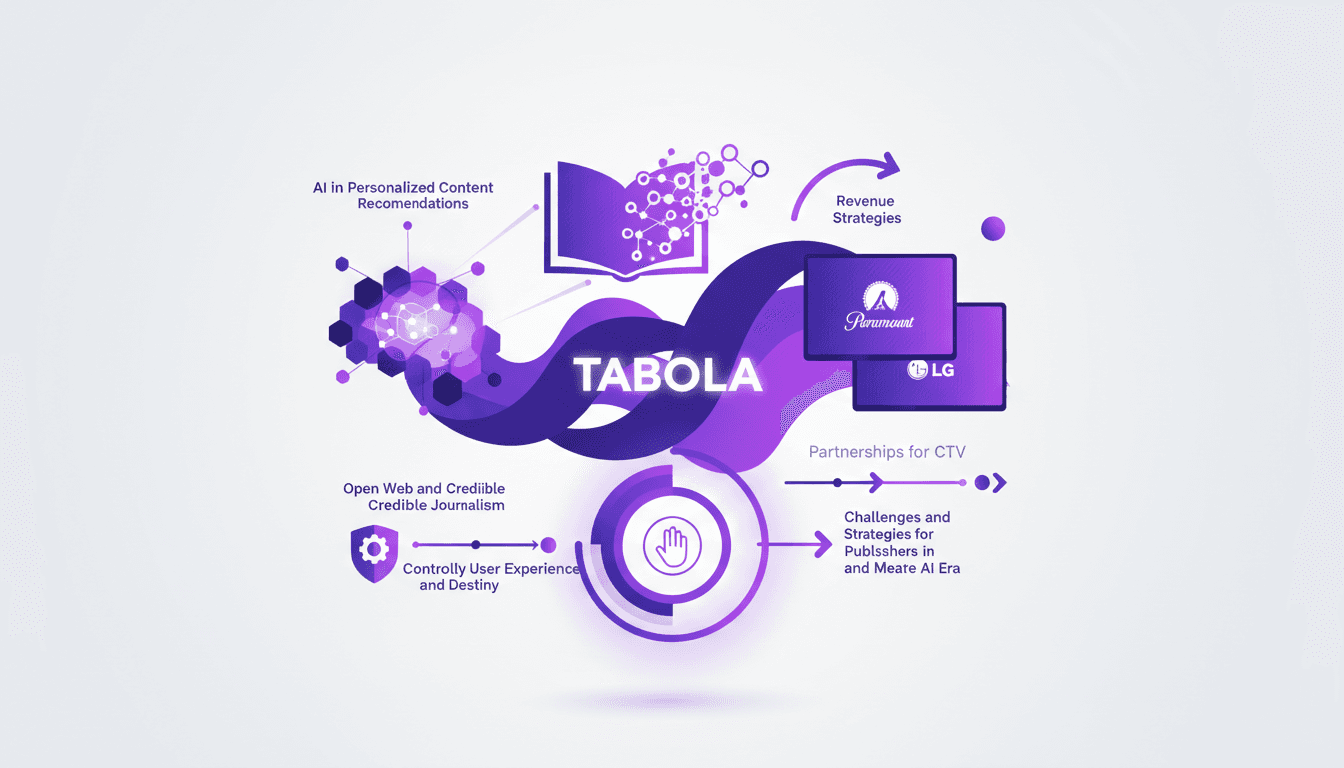
I remember the first time I realized just how powerful AI could be in advertising. It was like flipping a switch—everything clicked. That's exactly what Taboola is doing with CTV and performance marketing. They're not just playing the game; they're setting the rules. With over 600 million interactions daily, Taboola aims to become the fourth pillar in performance advertising. Their strategy? Harnessing AI to tailor content and leveraging partnerships with media giants like Paramount and LG. Let's dive into how they're orchestrating this shift and what it means for the industry.
AI in Media: 2026 Advertising Revolution
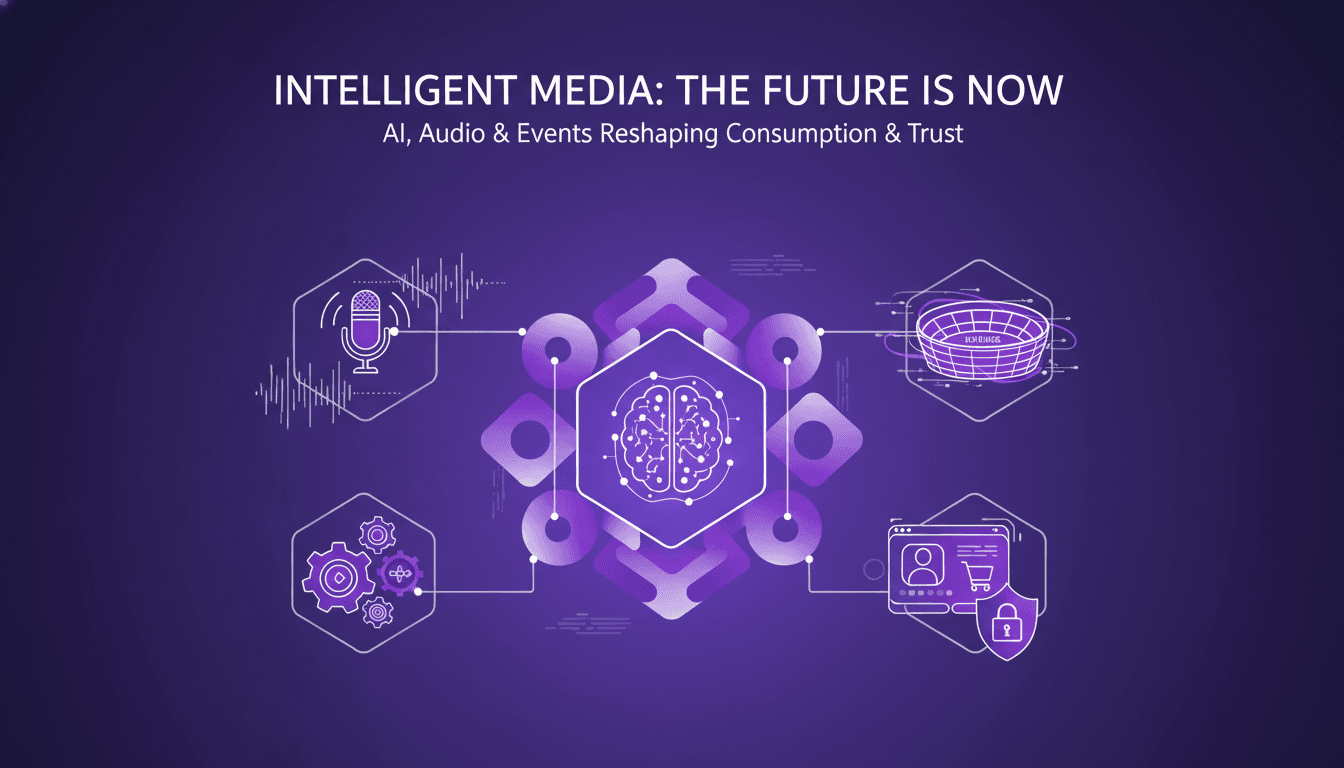
I remember sitting in on a panel at CES 2026, where the air buzzed with talk about AI's transformative role in media. It wasn't just hype—AI was reshaping everything from advertising to live events. We were on the edge of something monumental. I witnessed the explosion of digital audio, the redefinition of audience engagement through live events. We're not just talking algorithms here, but the future of media consumption. Here's how it all unfolded, and why trust and tech safety are pivotal for this future.
Leveraging AI for Human Customer Experiences
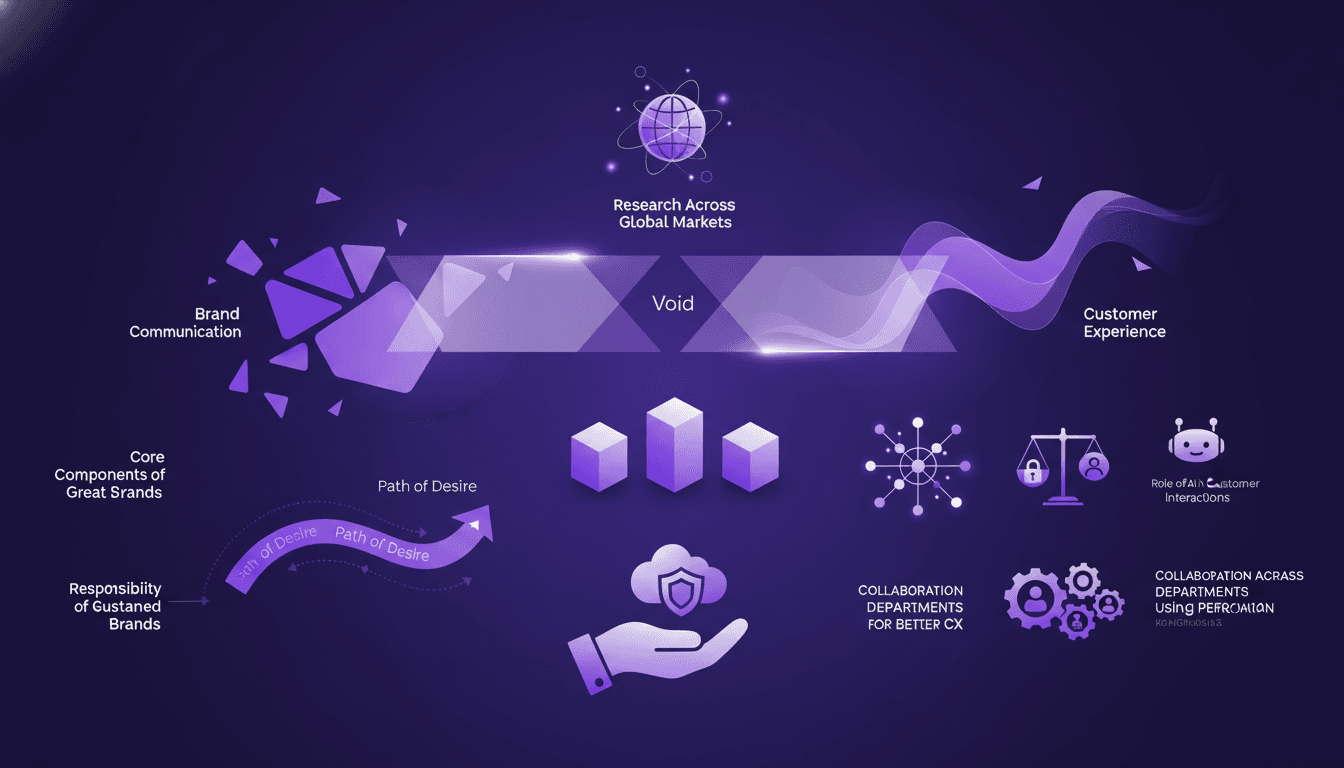
I've been in the trenches, trying to align brand messages with what customers actually experience. It's no easy task, especially when 91% of people see a gap. So, how do we bridge it? In this article, I walk you through how I tackled this, drawing on global research and my own missteps. We dive into the gap between communication and customer experience, core components of strong brands, the role of AI, and balancing privacy with personalization. It's a bumpy ride, but the impact is direct when done right.

Boosting Ad Measurement with AI and Trust
I remember the first time I realized the chaos in digital advertising metrics. It was a mess of false positives and wasted impressions. That's when I knew a change was needed. Partnering with IAS and Mastercard, I saw firsthand how we could rebuild trust through independent verification and precision. In the rapidly evolving advertising landscape, trust and precision are paramount. This article delves into how AI, scale, and transparency can transform advertising effectiveness, particularly in the realm of CTV. It covers building trust through independent verification and measurement, the role of AI in reducing false positives, the importance of scale and precision in processing ad data, and ethical AI practices.