Rapid Innovation: How AI Transforms Businesses
I just got back from CES 2026, and let me tell you, the pace of innovation hit like a freight train. The conversations weren't just about tech; they were about transforming entire industries. AI is at the heart of this revolution, reshaping the industrial landscape. McKinsey is planning a 25% increase in client-facing personnel next year, a clear sign that things are shifting. Curious about how these changes impact our daily work? Read on to discover how AI, healthcare, and robotics are redefining our professions.
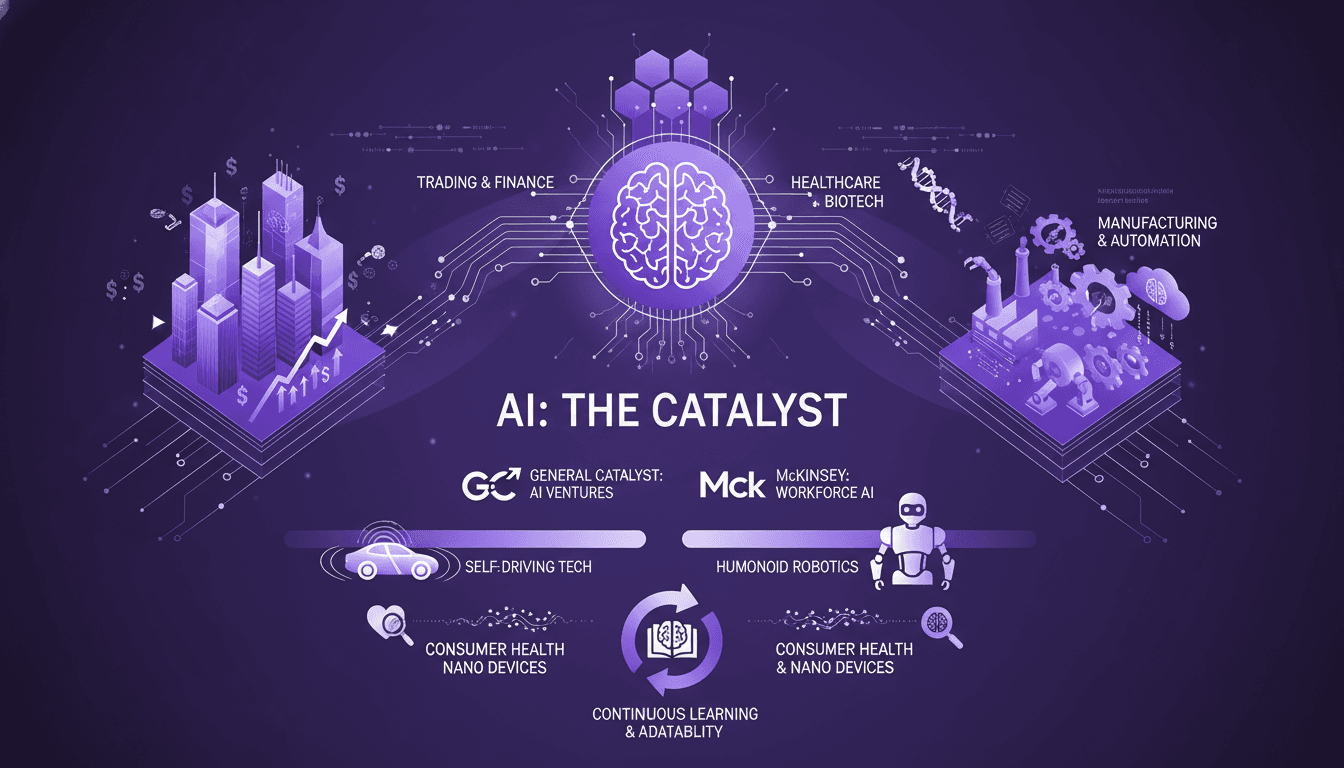
I just got back from CES 2026, and the pace of innovation hit me like a freight train. The conversations there weren't just about tech; they were about transforming entire industries. AI, in particular, is at the heart of this revolution. I sat in on discussions with McKinsey and General Catalyst where they talked about a 25% increase in client-facing personnel next year. That's huge. But it's not just about numbers. AI is genuinely transforming how we work, and I've seen it firsthand. I spoke with experts in healthcare, robotics, and even nano-devices that promise to shake up the industry. But there are challenges. Realizing enterprise value at scale in non-tech companies is another ball game. So, if you're like me, a practitioner looking to understand how all of this will impact your daily work, keep reading. It's time to orchestrate our future with these new technologies.
AI Agents: Catalysts for Business Transformation
AI agents aren't just tools; they're partners in business processes. When I integrated these agents into my workflow, the efficiency boost was immediate. I witnessed repetitive tasks being automated, freeing up time for more strategic activities. But watch out: over-reliance can lead to a loss of human oversight. The key is balancing AI integration with human intuition. It's a delicate dance I navigate daily.
With $40 billion in assets under management, General Catalyst has adopted a strategy focused on AI by heavily investing in startups like Anthropic. This approach shows how AI can redefine operational resilience through process automation and agile change management. Learn more about business transformation with applied AI.
Self-Driving Tech and Humanoid Robotics: The Road Ahead
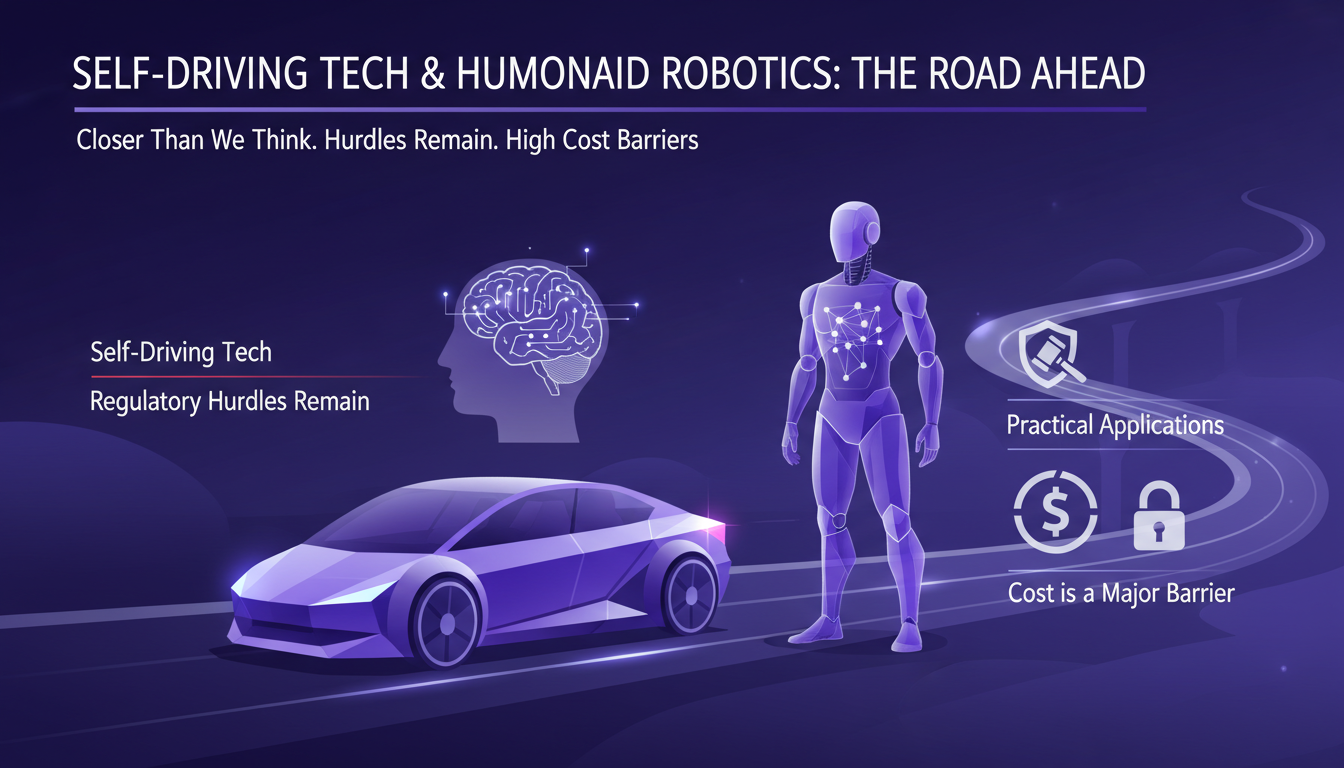
Self-driving technology is closer than we think, but regulatory hurdles remain. Testing a self-driving prototype, I was impressed by its capabilities, yet it struggled in complex environments. As for humanoid robotics, they're being developed for practical applications, although cost remains a significant barrier. The potential for these robots in industries like healthcare is massive, but the trade-off between high initial investment and long-term operational savings must be carefully weighed.
To learn more about innovations in this field, check out our article on LG's CES 2026 innovations.
Healthcare Evolution: Nano Devices and Consumer-Led Change
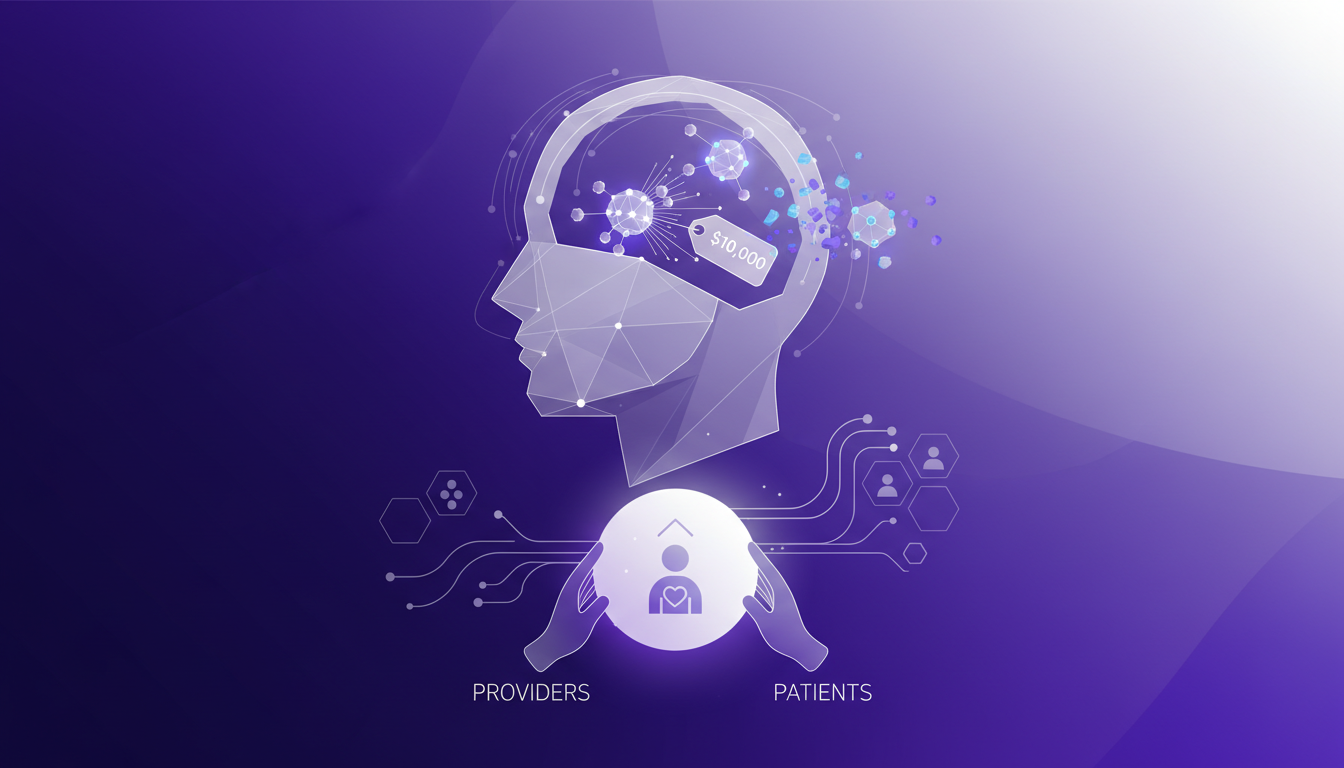
Nano devices are set to revolutionize healthcare with personalized treatments. I encountered a $10,000 nano device promising early disease detection. Consumer-led change is shifting power from providers to patients. These efficiency gains mean better outcomes at lower costs. However, integrating new technology without overwhelming existing systems remains a significant challenge.
For further insights on the impact of these technologies, check out General Catalyst's AI investment.
Continuous Learning: Adapting to Rapid Change
The pace of innovation demands continuous learning and adaptability. After implementing a learning program in my team, productivity soared. However, it's crucial to watch out for burnout: balance learning with practical application. McKinsey's workforce transformation includes a 25% growth in client-facing roles next year.
"Continuous learning is key to staying competitive in a rapidly changing world."
The trade-off between time spent learning and immediate work demands is a constant reality. Discover how AI is rewriting business strategies.
Enterprise Value: Scaling AI in Non-Tech Companies
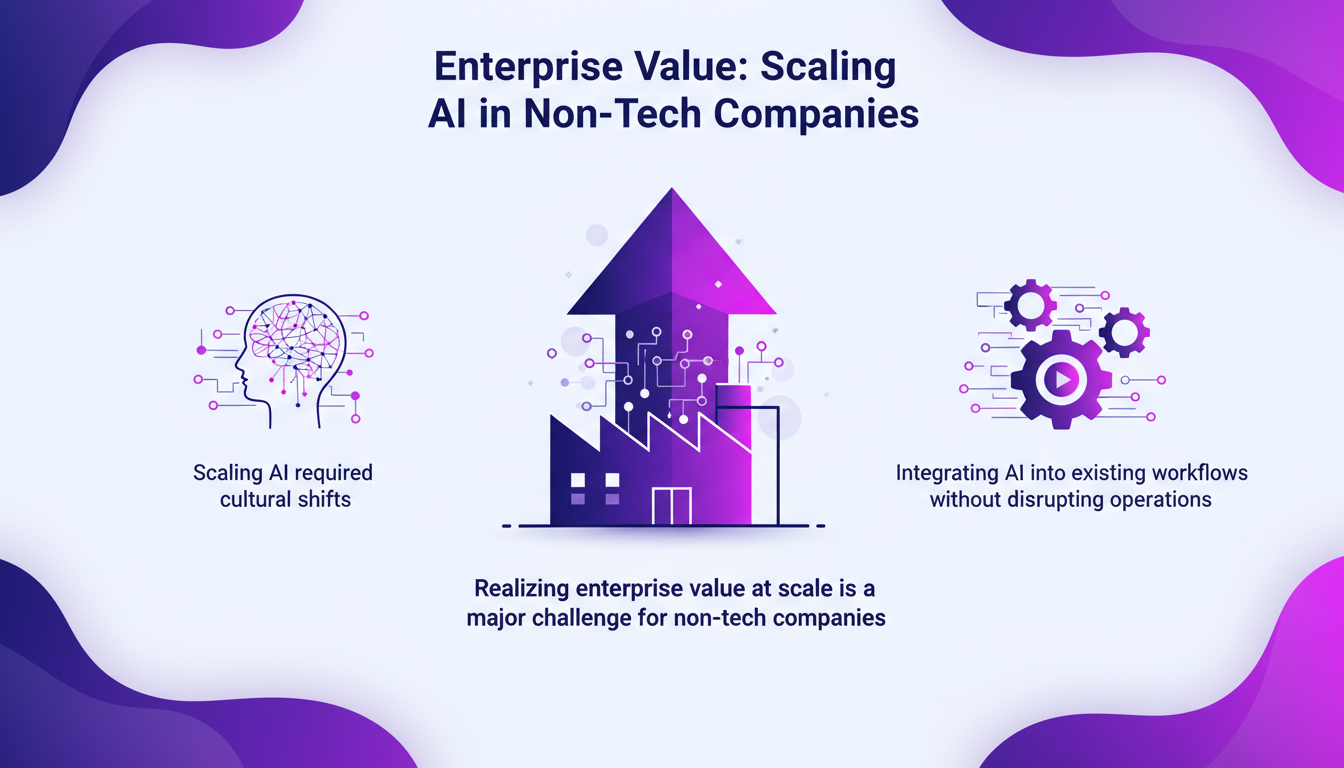
Realizing enterprise value at scale is a major challenge for non-tech companies. When I worked with such a firm, scaling AI required significant cultural shifts. The key is integrating AI into existing workflows without disrupting operations. McKinsey's approach involves gradual integration and workforce training. Yet, AI's effectiveness is capped by the quality of existing data.
To understand how to transform your sales training with AI, check out our guide on the AI advantage.
So, what did CES 2026 really deliver? First off, AI and tech are transforming industries at breakneck speed — it's like leaping 30 years in mere months. Then, there's McKinsey planning a 25% growth in their client-facing folks next year, a clear sign of AI's deep integration into business. And the huge investments, like $10,000 offered for a specific miniature device, show the hunger for tangible innovation. But watch out, innovation needs to be balanced with practical application, or you'll get lost. Looking forward, it's clear: start integrating AI into our workflows to stay ahead of the curve. But don't lose sight of the real challenges and limits that come along. I highly recommend checking out the full interview on YouTube for more detailed insights directly from McKinsey and General Catalyst. You won't be disappointed, and it'll give you plenty to think about for your own strategy.
Frequently Asked Questions

Thibault Le Balier
Co-fondateur & CTO
Coming from the tech startup ecosystem, Thibault has developed expertise in AI solution architecture that he now puts at the service of large companies (Atos, BNP Paribas, beta.gouv). He works on two axes: mastering AI deployments (local LLMs, MCP security) and optimizing inference costs (offloading, compression, token management).
Related Articles
Discover more articles on similar topics
Seammens-Nvidia Partnership: Revolutionizing Industry
I stood right there at CES when Seammens and Nvidia took the stage, and it hit me—this isn’t just another tech partnership. We’re diving headfirst into reshaping the entire industry with a brand-new industrial operating system. Let me take you behind the scenes of this unfolding revolution. With Seammens and Nvidia at the helm, we're not just talking hype; we're transforming how we think about manufacturing and technology. Together, we're building the future of industry, and that changes everything.
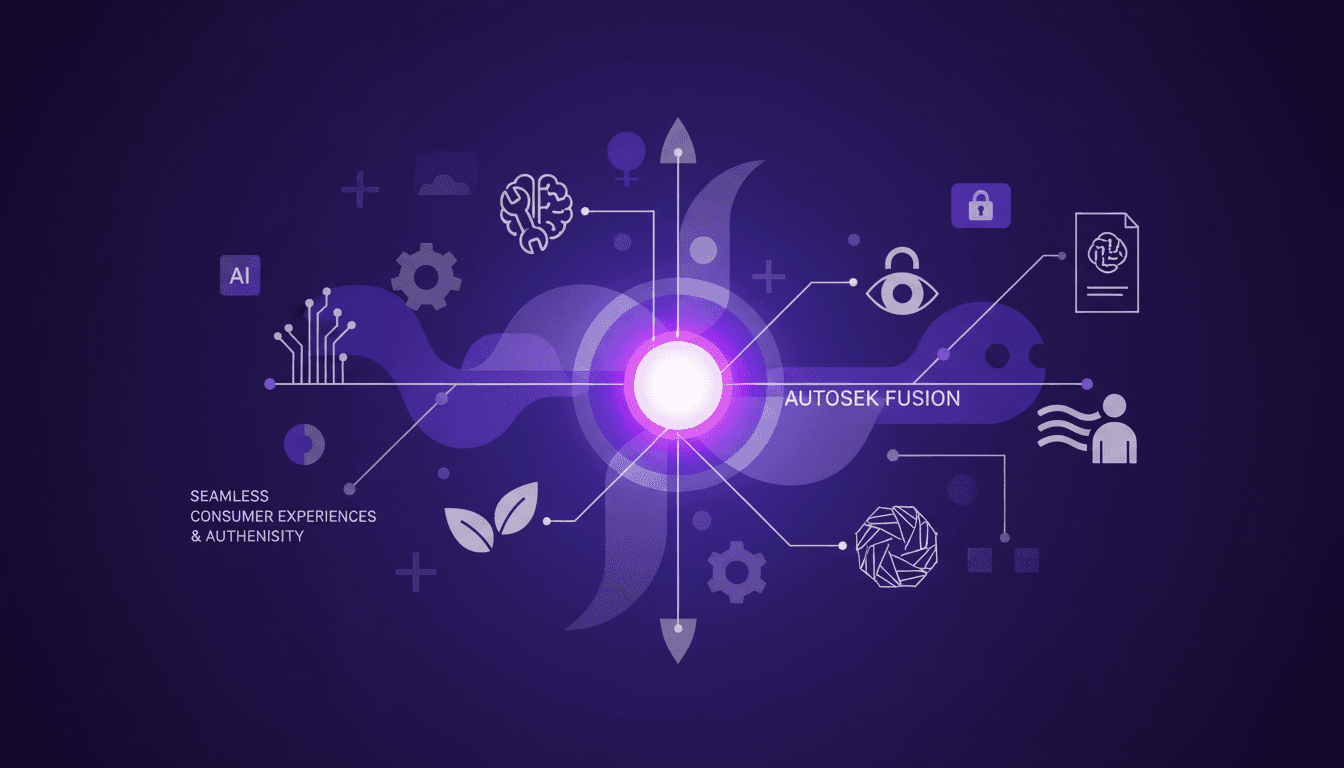
Autodesk Fusion: Transforming Design with AI
I remember the first time I used Autodesk Fusion at CES 2026. The buzz around AI and design was palpable, and I was right in the middle of it. Autodesk is reshaping the future of design and manufacturing with AI, integrating solutions that enhance creativity while ensuring sustainability. It's not just about tech; it's about transforming workflows. We're talking trust and transparency in AI, consumer expectations for authenticity, and seamless experiences. Autodesk Fusion is more than just a tool, it's a catalyst for innovation. You're about to see how all of this will orchestrate in our daily design practices.
LG's CES 2026 Innovations: Connected Home
I remember standing in awe at CES 2026, gazing at LG's thinnest OLED TV. It's not just about tech specs—it's about how these innovations revolutionize our daily lives. LG isn't just innovating; they're reshaping our experience in the connected home. I connect the dots between human-centered solutions and AI integration in consumer electronics. Let's explore how LG is shaping the future with personalized experiences and advanced screen technologies. Dive in with me to see this transformation unfold.
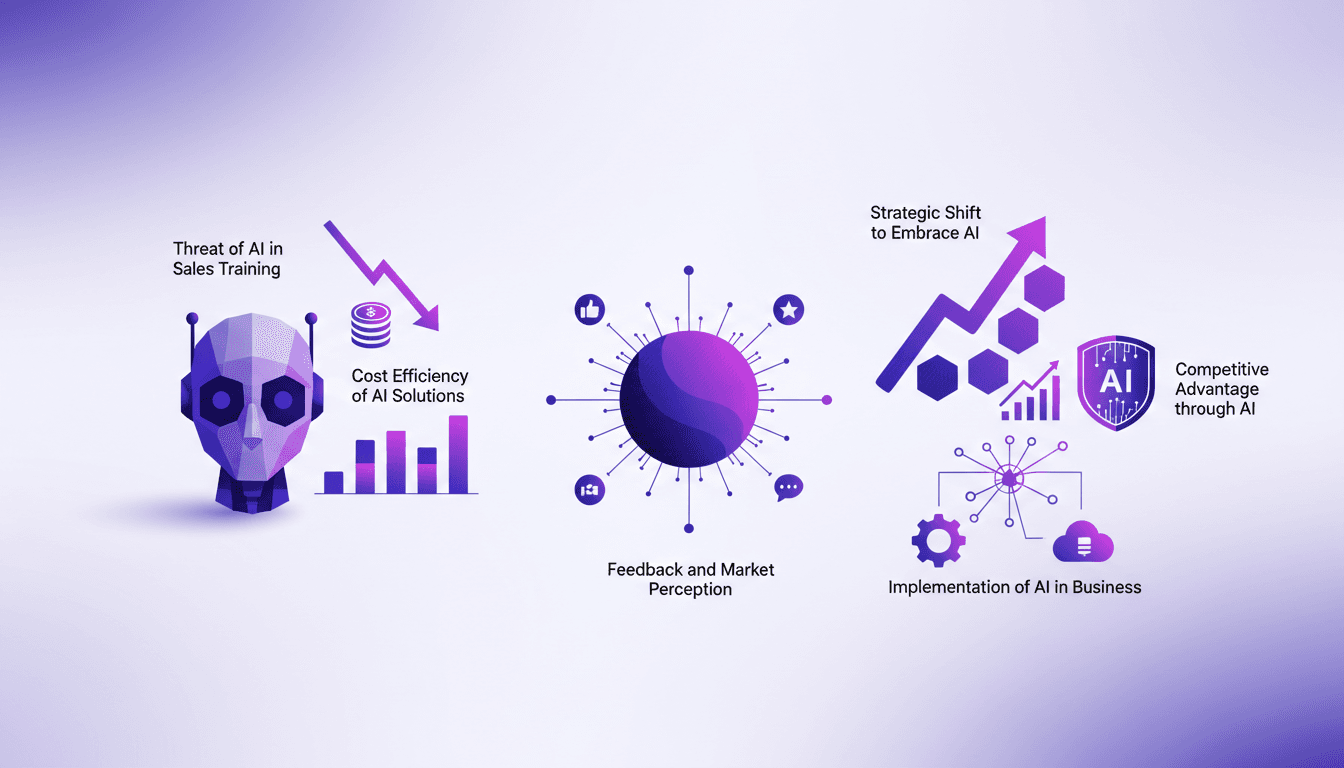
AI Advantage: Transform Your Sales Training
I remember the first time I realized AI could completely transform how we train our sales team. It was like flipping a switch from manual to automatic. The cost savings and efficiency were immediate, and I couldn't ignore the competitive edge it gave us. While many see AI as a threat, I'll show you how it can become your best ally. I've implemented AI solutions in my business, faced challenges, and reaped significant benefits. You're about to find out how you can do the same to revolutionize your business.
AI in Advertising: 2026 Strategies to Implement
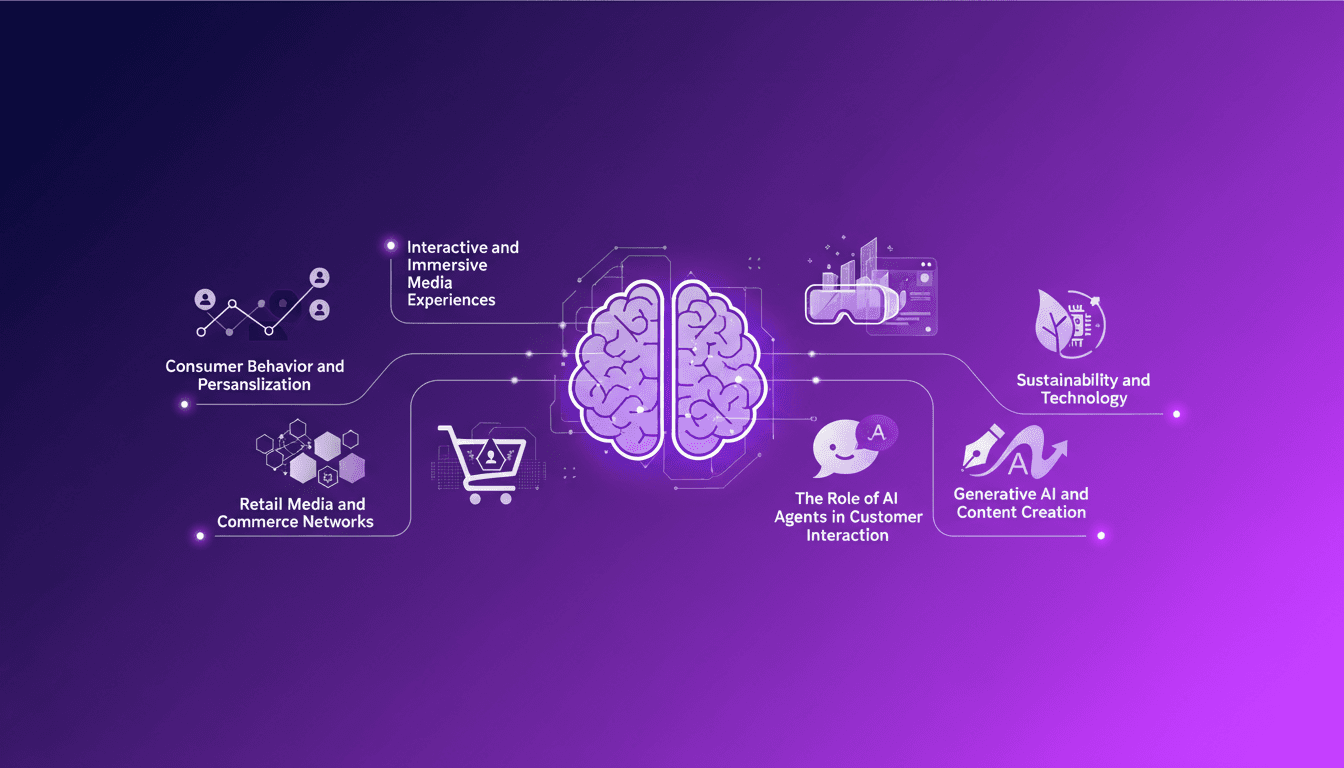
Back in 2026, I found myself at the forefront of AI in advertising, navigating the intricate landscape of consumer behavior and personalization. The tools were evolving rapidly, and we had to continually adapt our strategies to fully harness AI's potential in marketing. Picture juggling transaction data from 400 million consumers while diving into retail media networks and immersive media experiences. This session captures the practical applications and daily challenges we face. From AI agents to generative content, grasping how all this shapes our customer interactions and sustainability footprint is essential.