Transitioning from DevOps to Platform Engineering
I remember when DevOps was the buzzword. Now, platform engineering is taking the spotlight, and I've been right in the thick of it. With a decade of tech evolution under our belts, it’s more than just swapping buzzwords; it’s about real change. I’ve navigated this transition, and it’s been a game-changer for our productivity as software engineers. We’ll dive into what tools actually work, traps to avoid, and how AI and automation fit into the picture. In a nutshell, how we transition from DevOps to effective platform engineering without getting burned.
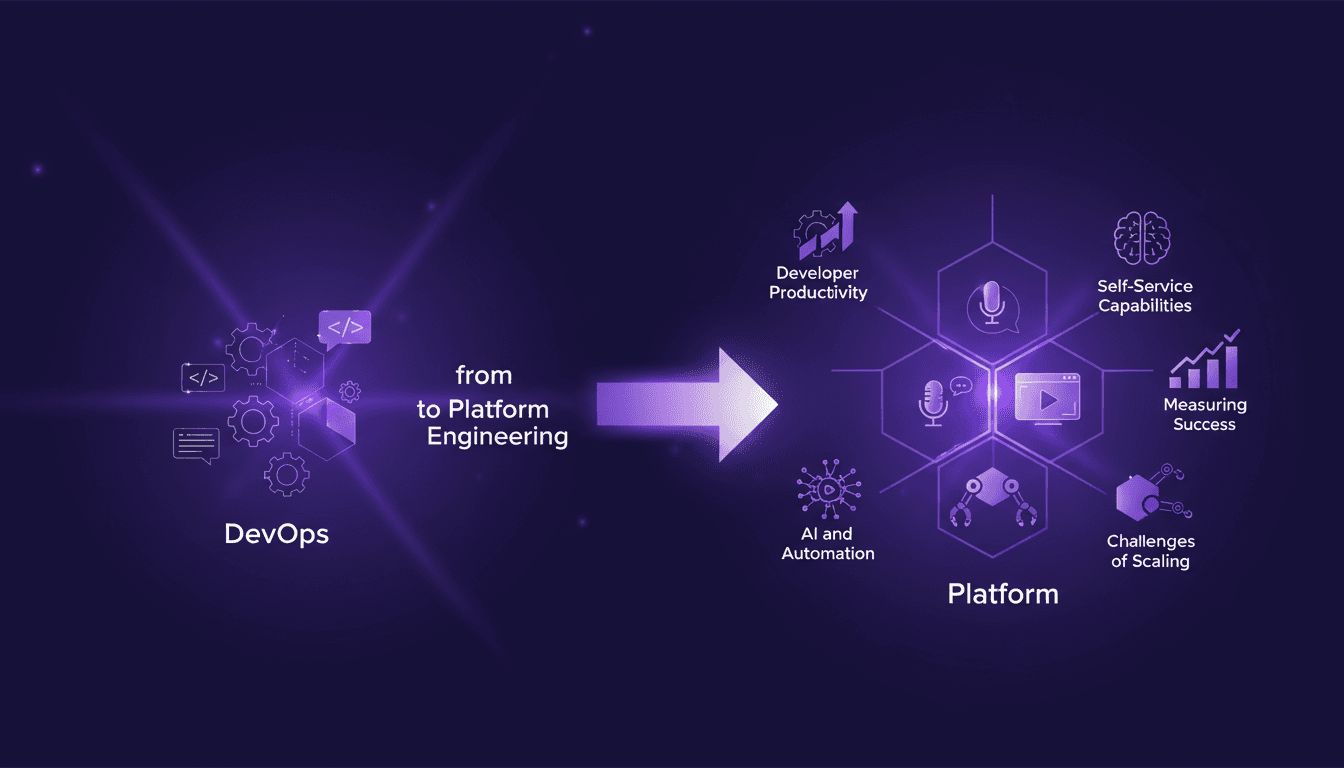
I remember when DevOps was all the rage. Fast forward to today, and platform engineering is stealing the spotlight. I've been right in the thick of this shift, and I'm here to share how we can make it work for you. Over the past decade, our tech landscape has transformed significantly. But this isn’t just about swapping one buzzword for another—it’s about genuine paradigm shifts. I've witnessed firsthand how effective platform engineering can boost developer productivity and streamline workflows. We’ll delve into how feedback and communication are crucial in platform development, how self-service capabilities are transforming our daily operations, and how to measure success in these initiatives. AI and automation are also key players. But beware, scaling platform engineering comes with its own set of challenges. Here, I share my missteps, triumphs, and how we can orchestrate this effectively.
From DevOps to Platform Engineering: My Journey
When I started with DevOps back in 2008, I didn't imagine we'd be here today, talking about something as transformative as platform engineering. At the time, the idea was simple: break down the silos between development and operations. Yet, ten years later, technology has evolved at a blistering pace. We've seen the rise of containers, Kubernetes, and more. This growing complexity pushed me to redefine my workflows. Transitioning from DevOps to platform engineering wasn't just a title change, it was a genuine mindset shift. I learned to build self-service capabilities for developers, allowing them to focus on what they do best: coding.
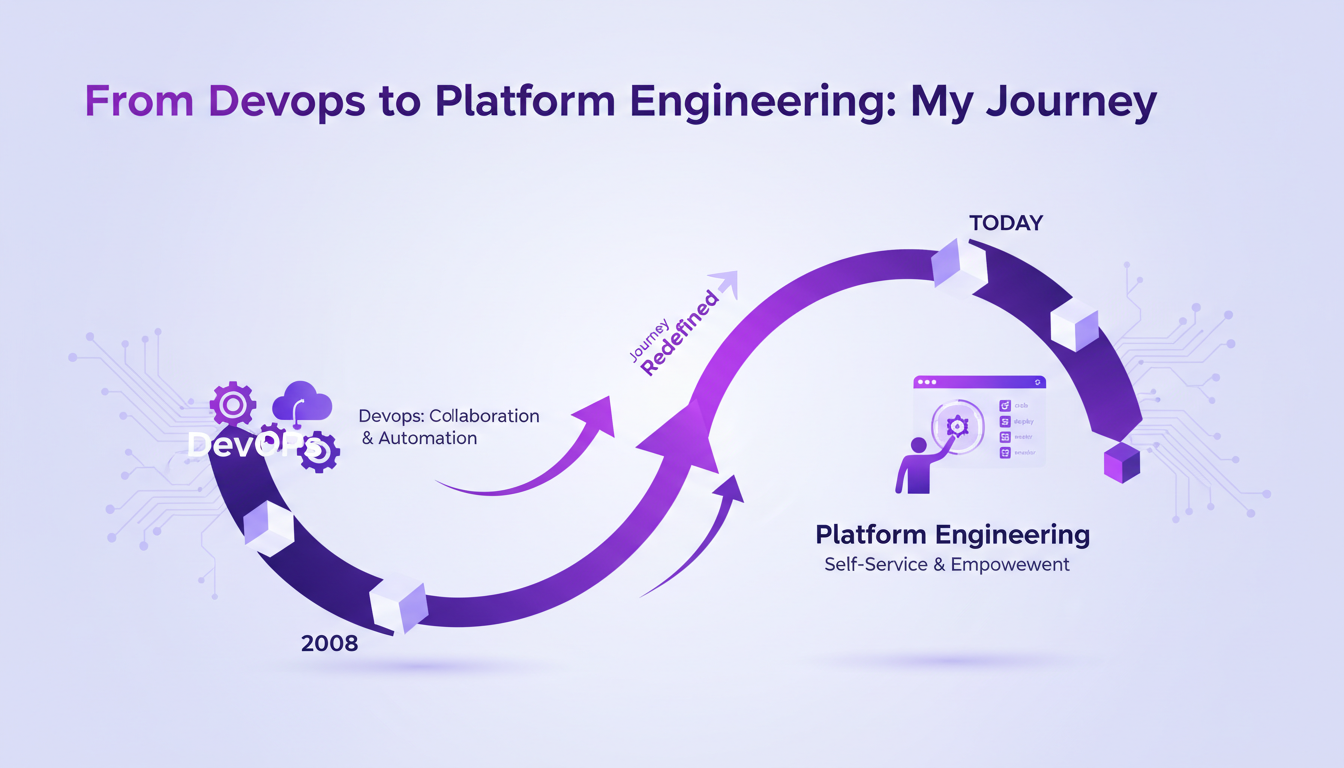
A critical lesson from this transition: it's not just about changing roles, but adopting a new approach that's more product-centric. Platform engineering aims to centralize infrastructure tasks, allowing software engineers to focus on productivity.
The Core of Effective Platform Engineering
The real strength of platform engineering lies in its ability to enhance developer productivity. With a well-designed platform, developers can move from ideation to production in just three weeks. This is where the "Golden Path" concept comes into play, simplifying decision-making for developers by providing standardized tools and processes. But, be careful not to over-engineer. I've seen teams get lost by adding too many unnecessary features instead of focusing on what's truly needed.
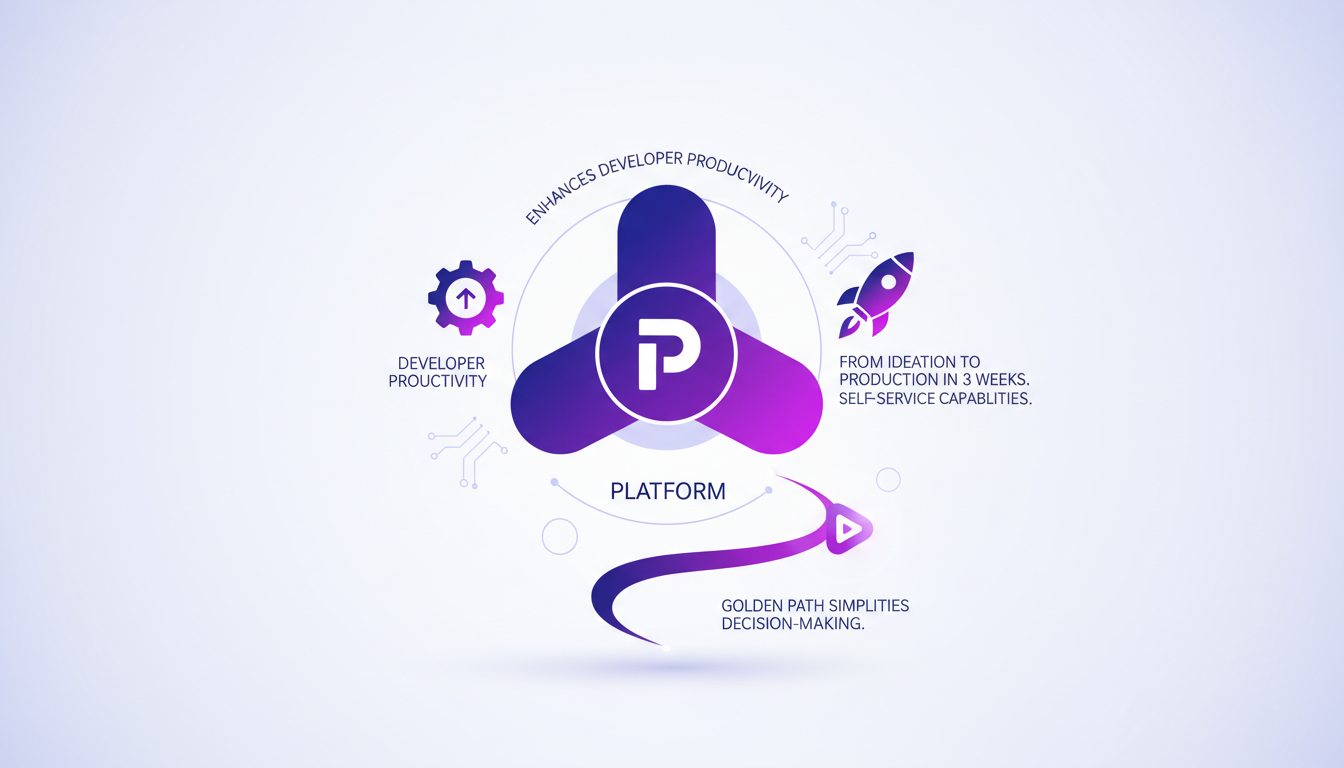
- The Golden Path reduces complexity.
- Focus on the real needs of developers.
- Avoid over-engineering to maintain efficiency.
Feedback Loops and Communication: Essential Tools
Platform development without continuous feedback loops is doomed to fail. I use the Net Promoter Score to measure satisfaction and identify pain points. It's incredible what open communication channels can prevent in terms of bottlenecks and misunderstandings. Never underestimate the power of regular check-ins with your team; they can make all the difference.
- Use Net Promoter Score to assess effectiveness.
- Maintain open communication channels.
- Schedule regular check-ins to avoid future issues.
AI and Automation: Game Changers in Platform Engineering
Every day, new AI tools hit the market, offering possibilities we couldn't have imagined even five years ago. Automation cuts down on manual tasks, freeing up developers' time. But watch out, balance is key: automation should simplify, not complicate workflows. And remember, AI is not a silver bullet for every problem.
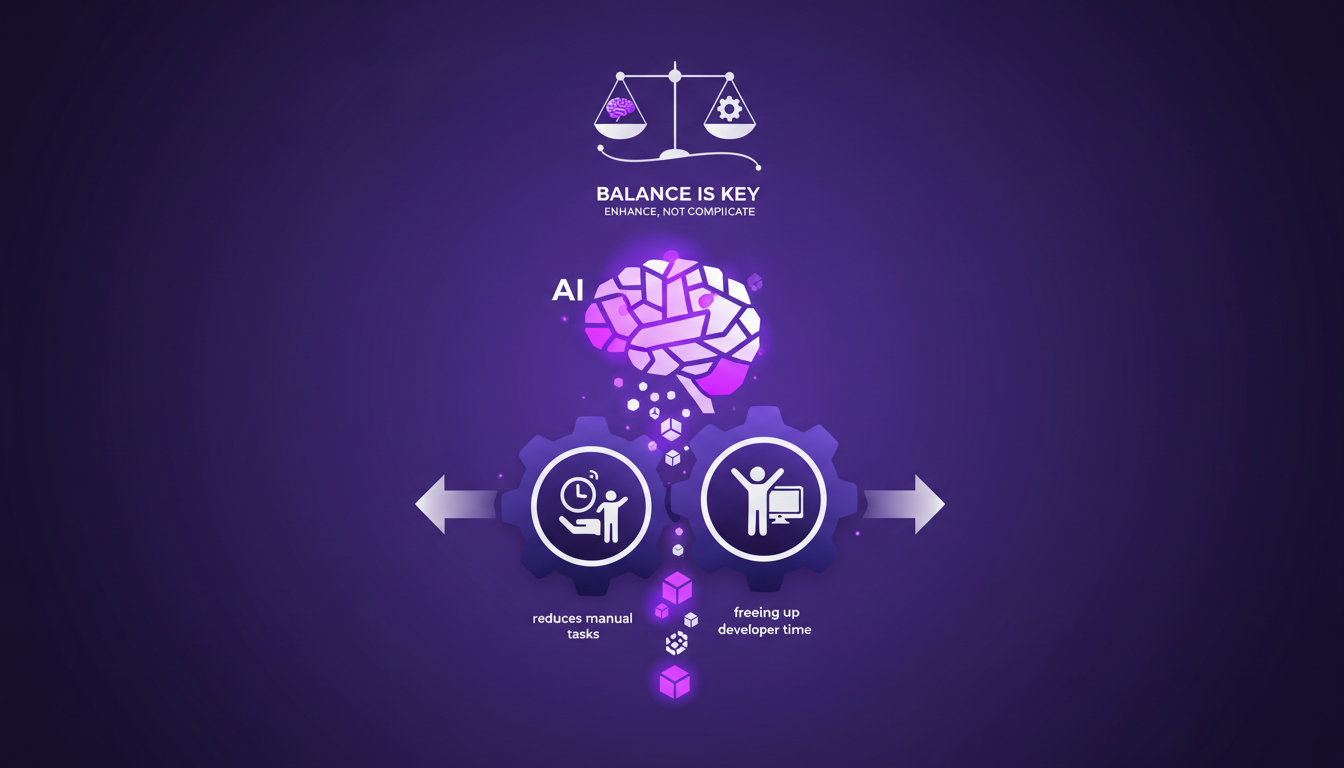
- Utilize AI to enhance efficiency.
- Avoid excessive automation that complicates processes.
- Monitor AI's contextual limits.
Scaling Platform Engineering: Challenges and Solutions
Scaling requires robust infrastructure and clear processes. A common challenge is maintaining quality while expanding capabilities. I faced scaling issues myself, and here's how I overcame them: by prioritizing scalability from the start to avoid costly reworks later. It's crucial to start with a small team led by one person, then gradually scale up.
- Prioritize scalability from the beginning.
- Maintain quality with expansion.
- Start with a small team to test and adjust.
Transitioning to platform engineering isn't just a trend; it's a necessary evolution for those of us in the trenches. First, implementing self-service capabilities can truly boost our productivity. I've woven this into my workflows and the improvement is tangible. Second, effective communication is key. I've been burned by neglecting it, but now I pilot it differently, creating more synchronized teams. Lastly, AI is our ally. When used correctly, it streamlines processes, though it's sometimes a slippery slope.
Looking ahead, platform engineering will transform how we work, but it requires time and adjustments. I'd say, prepare for a two-year transformation journey.
Ready to make the leap? Start by evaluating your current workflows and pinpoint where platform engineering can make the most impact. And I highly recommend watching the original video "Platform Engineering for Software Engineers" here. It really helped me grasp the nuances.
Frequently Asked Questions

Thibault Le Balier
Co-fondateur & CTO
Coming from the tech startup ecosystem, Thibault has developed expertise in AI solution architecture that he now puts at the service of large companies (Atos, BNP Paribas, beta.gouv). He works on two axes: mastering AI deployments (local LLMs, MCP security) and optimizing inference costs (offloading, compression, token management).
Related Articles
Discover more articles on similar topics
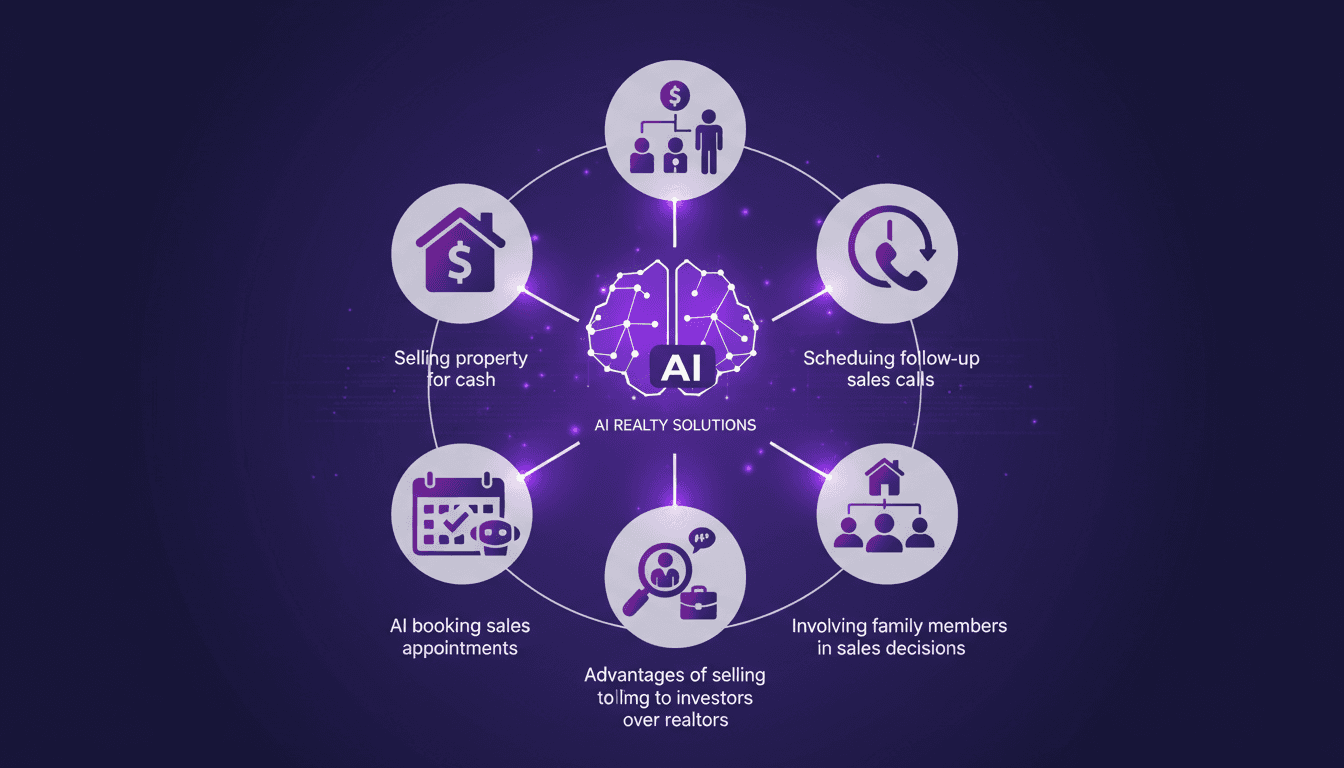
AI-Driven Sales: Booking Appointments Efficiently
I still remember when our AI booked a sales appointment without any human touch. That was a real game changer! In real estate, where speed and efficiency are key, integrating AI can truly transform how we operate. Imagine a tool that handles calls, schedules appointments, and even assists in closing deals. But it's not all smooth sailing. There are limits and pitfalls to watch out for. Let's dive into how I integrated this tech into my agency and the tangible results it brought.
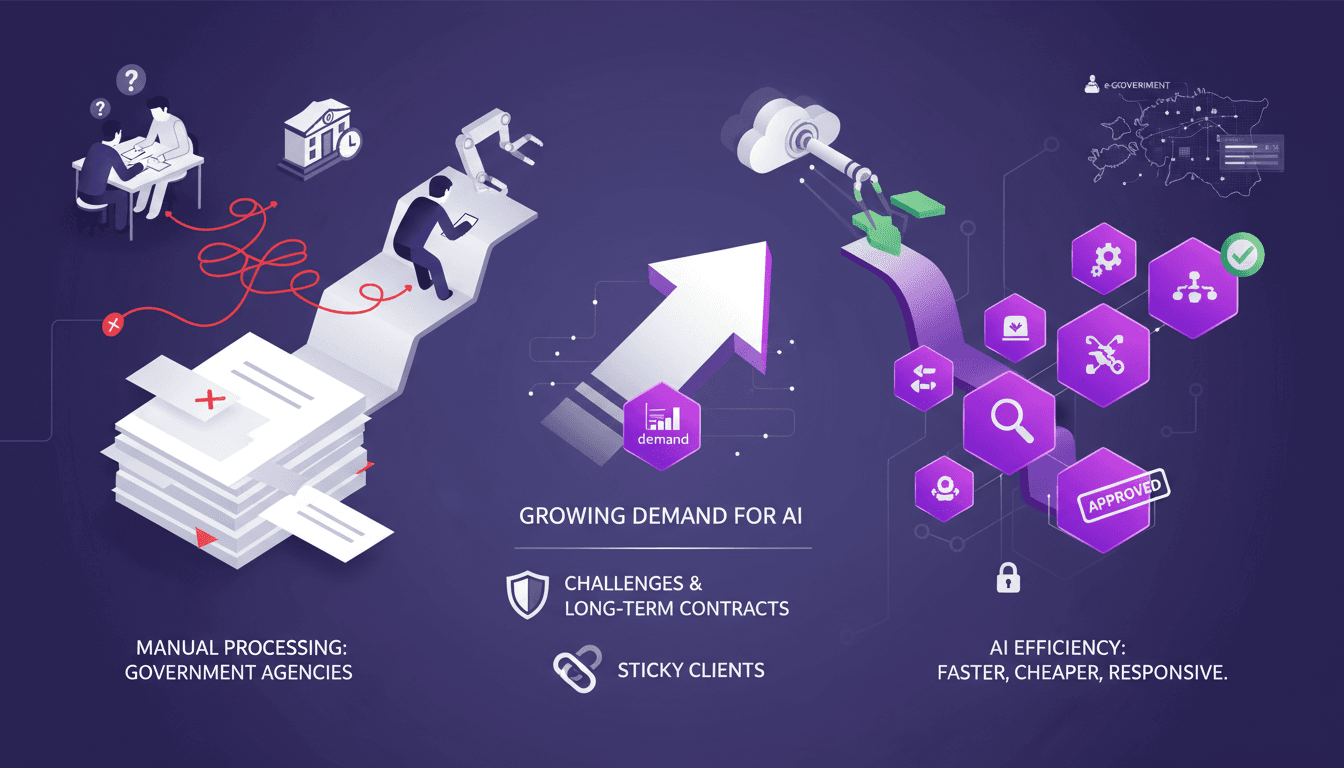
AI Efficiency in Government Processes
I remember the first time I saw AI transform a government form process. It was like watching a slow-moving train suddenly leap onto a high-speed rail. First, I connect the dots between AI and administrative forms, saving enormous time and cutting costs while improving accuracy. But watch out, selling AI to governments isn't without its challenges. Between inspiring examples like Estonia and long-term government contracts, there's much to learn to ensure AI isn't just another empty promise. I'll guide you through the real solutions I've piloted and how they've directly impacted the speed and accuracy of administrative processes.
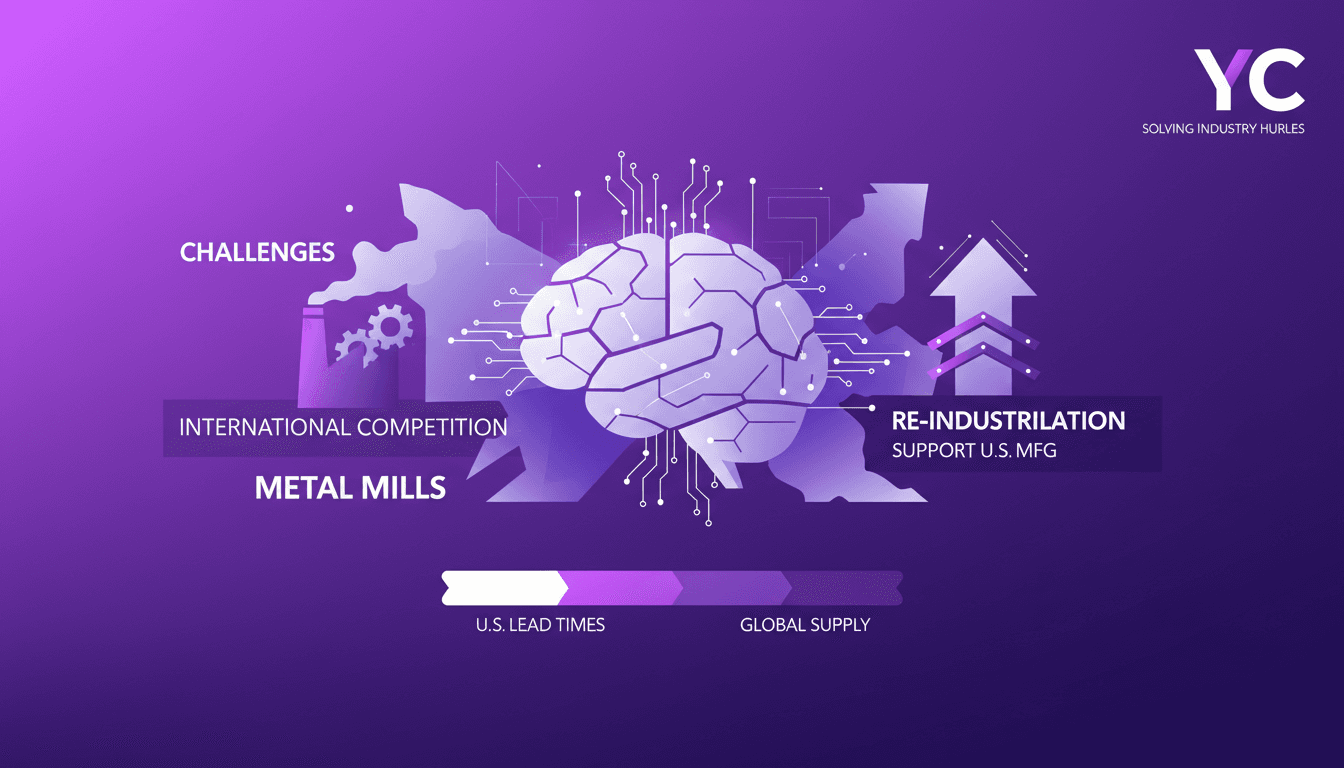
Reindustrialize with Modern Metal Mills
I've been in the trenches with American metal mills, and let me tell you, the lead times are a killer. Eight weeks for an aluminum plate? Eight months for stainless steel? It's clear we need to rethink and reindustrialize. Here's how we're tackling these challenges head-on. With international competition breathing down our necks and lead times that just don't cut it anymore, it's crucial to support our modern manufacturers. I'm laying out practical steps and solutions to slash these delays. We can't afford to wait eight months for stainless steel needed in aerospace and defense. I got burned several times before realizing we need to operate differently for real impact.
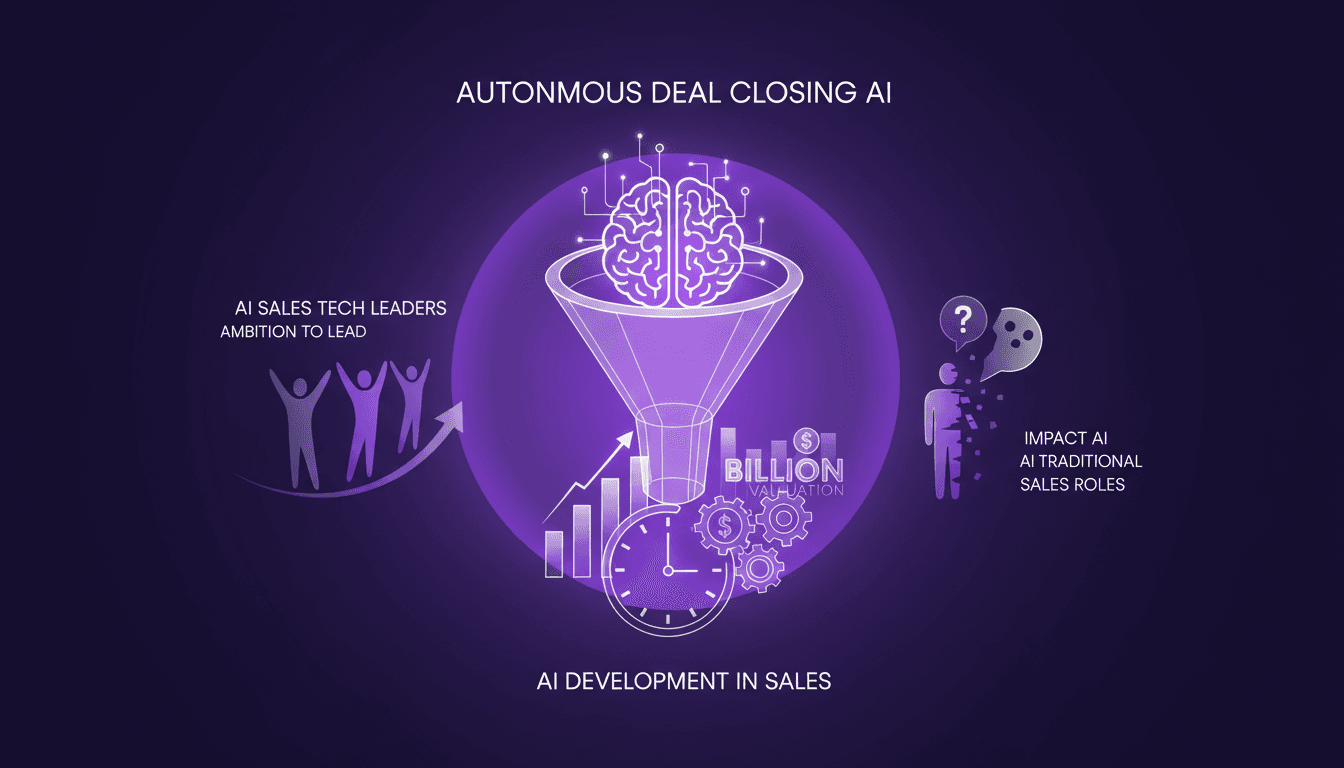
AI in Sales: Closing Deals Autonomously
I've been in sales long enough to see the hype come and go. But when I first connected AI to my sales pipeline, everything changed. It wasn't just another gadget; I witnessed AI autonomously closing deals, and that was my 'aha' moment. AI is now managing entire sales processes, from lead generation to deal closing, without a human in sight. With an ambitious team and rapid development, we're looking at a future where AI redefines the sales role. In just 12 months, we might see a company valued in the billions because of this tech. Let's dive into what's making this possible.
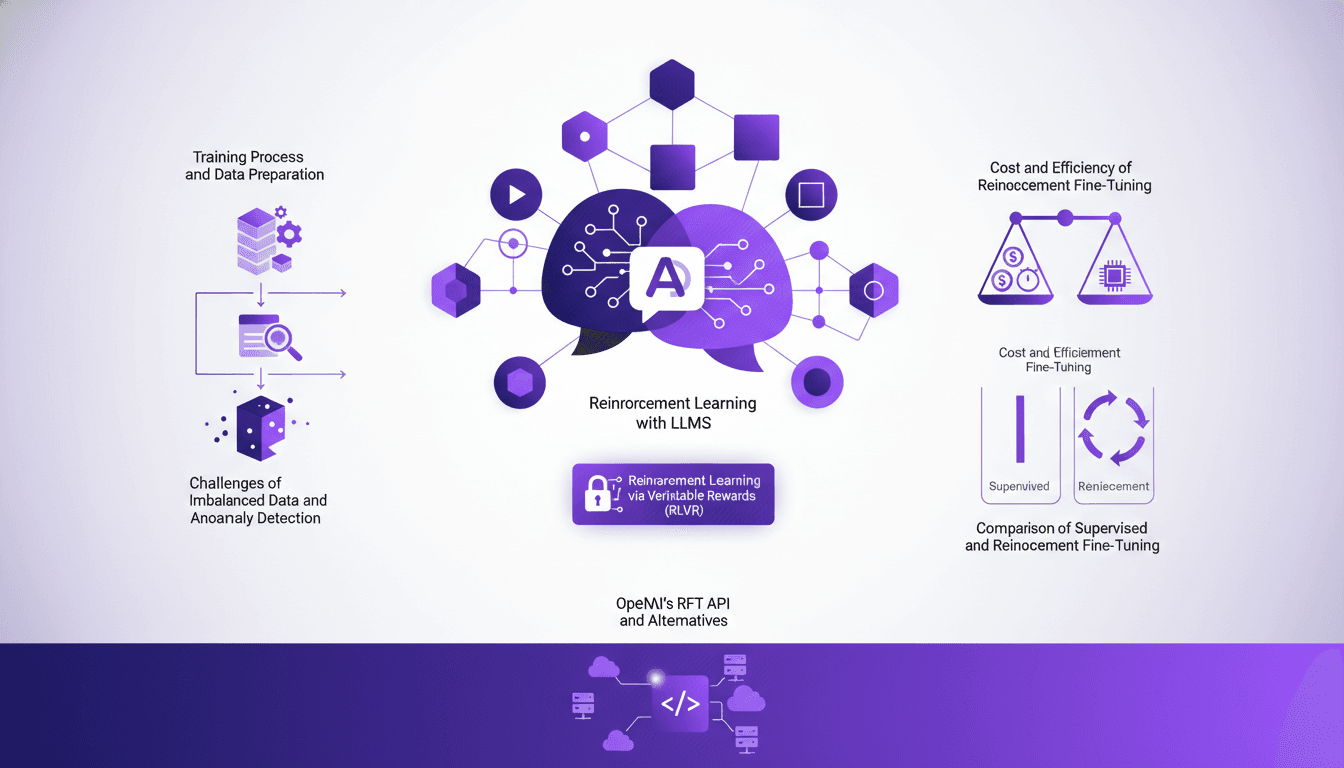
LLMs Optimization: RLVR and OpenAI's API
I've been knee-deep in fine-tuning large language models (LLMs) using Reinforcement Learning via Verifiable Rewards (RLVR). This isn't just theory; it's a game of efficiency and cost, with OpenAI’s RFT API as my main tool. In this tutorial, I'll walk you through how I make it work. We're diving into the training process, tackling imbalanced data, and comparing fine-tuning methods, all while keeping a close eye on costs. This is our third episode on reinforcement learning with LLMs, and we'll also discuss OpenAI's RFT API alternatives. Quick heads up: at $100 per hour, it escalates fast!