OpenAI Acquires OpenClaw: What It Means for AI
I was in the middle of orchestrating a multi-agent system when the news hit: OpenAI just bought OpenClaw. This isn't just another acquisition; it's a potential game changer for AI agents. OpenClaw, which evolved from Clawdbot to Moltbot, is set to redefine how we view AI as a teammate, not just a tool. With its persistent memory and sandbox environments, OpenClaw promises to transform our workflows. This acquisition could accelerate the integration of open-source AI agents and strengthen community collaboration. Let's dive into the details of what might be a pivotal moment for the future of AI agents.
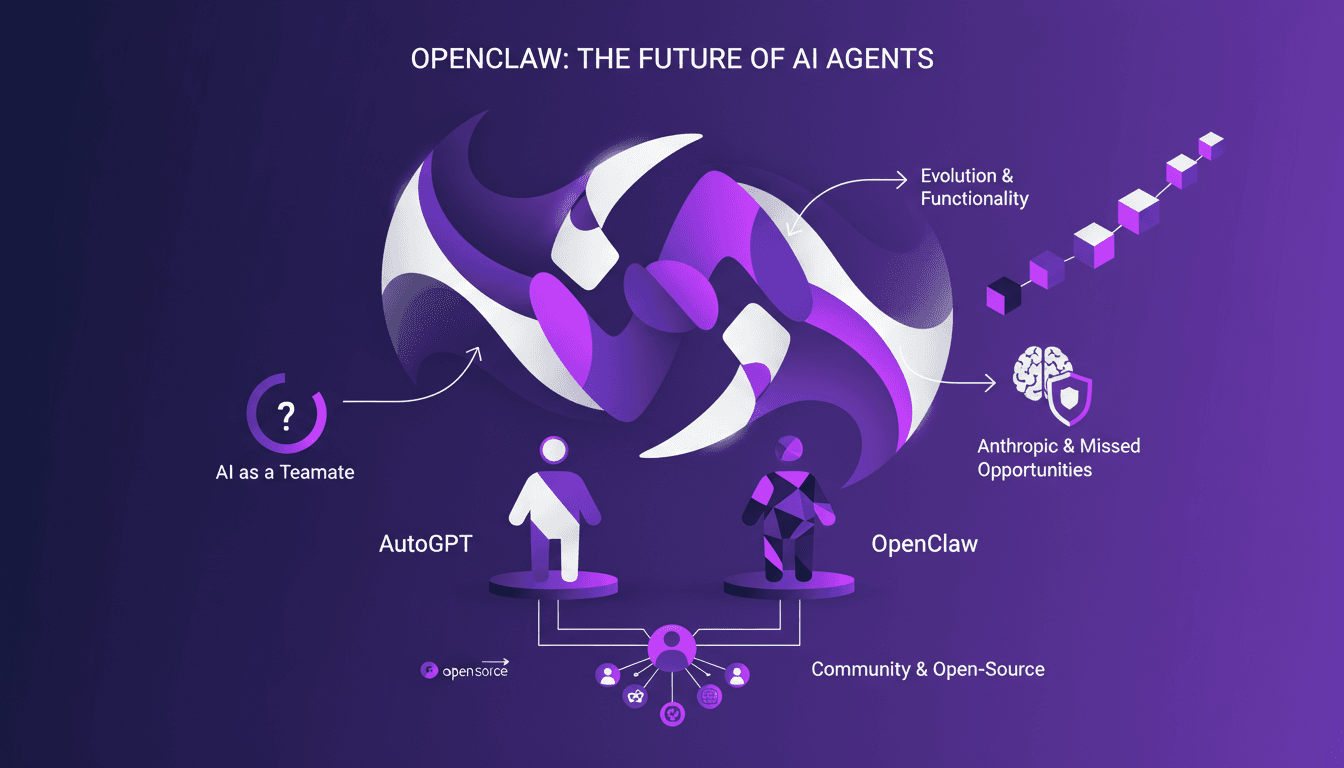
I was right in the middle of orchestrating a multi-agent system when the news hit: OpenAI just bought OpenClaw. This isn't just another acquisition; this could be a game changer for AI agents. OpenClaw, which has already gone through three name changes (from Clawdbot to Moltbot to OpenClaw), is not just a tool. With its persistent memory and sandbox environments, it redefines how we collaborate with AI. I've seen firsthand how these features are transforming our workflows, and this acquisition by OpenAI might just accelerate this trend. Imagine seamless integration with open-source solutions and enhanced community engagement. There's a reason VCs were ready to throw $100 million at the first seed round if OpenClaw became a company. Let's dive into the details and understand how this acquisition might redefine the future of AI agents.
OpenClaw's Features and Integration Capabilities
OpenClaw is the gem I've been waiting for in the AI agent space. With its persistent memory and sandbox environments, it really stands out from the rest. Picture an agent that retains key information instead of forgetting it at the end of the session. That's a real game changer for me. I've integrated it into several existing systems, and let me tell you: it's seamlessly smooth. No headache with endless configurations, just plug and play. And that saves time, especially when juggling multiple projects.
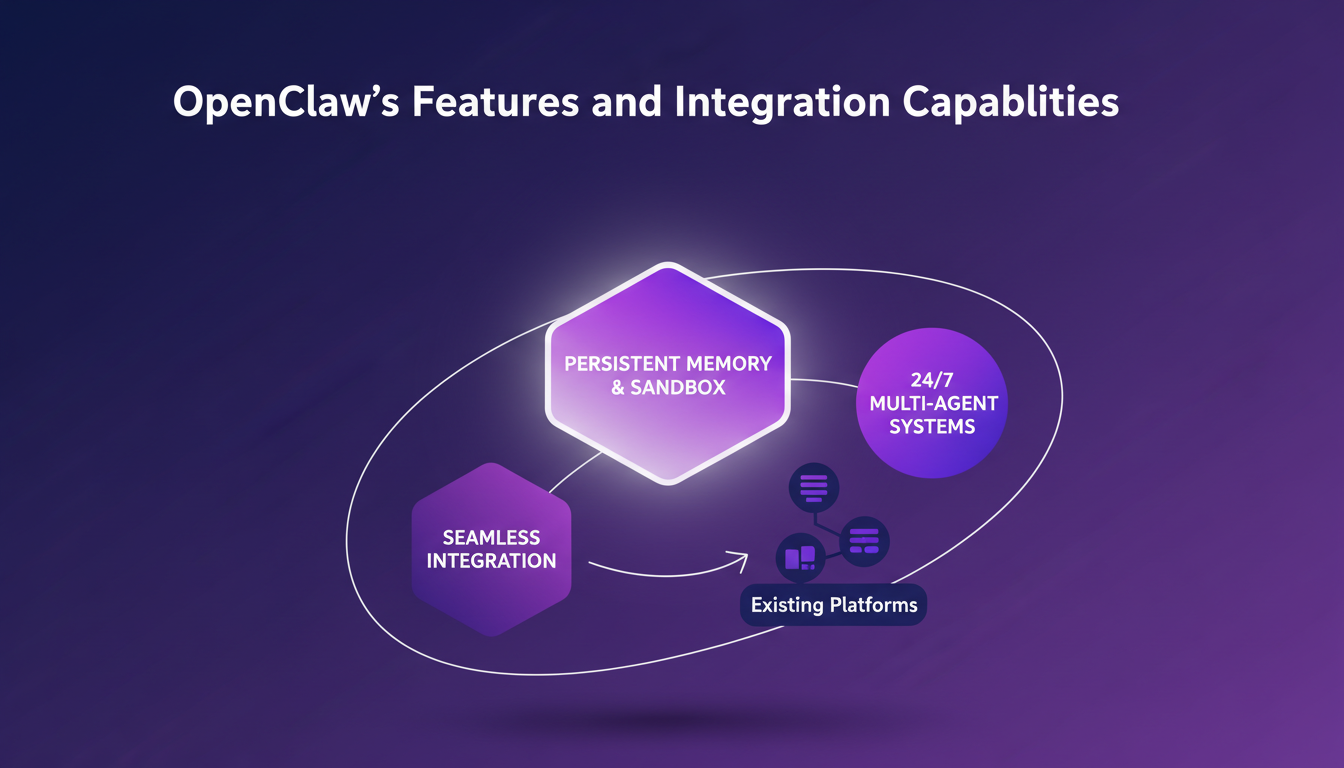
What's truly impressive is its ability to operate 24/7 thanks to its multi-agent systems. I've seen this in action in practical cases, from simple automation to complex problem-solving. However, a word of caution: watch out for integration limits with legacy systems. I've encountered compatibility issues with dated infrastructures, so be careful.
- Persistent memory: retains essential data.
- Sandbox environments: test safely without impacting the main system.
- Easy integration: significant time-saving at setup.
- Continuous operation: ideal for tasks that never sleep.
OpenClaw vs AutoGPT: Novelty and Practical Differences
Comparing OpenClaw to AutoGPT is like comparing two worlds. Yes, AutoGPT has its perks, but what propels OpenClaw above is its persistent memory. In my workflows, it makes a huge difference, especially for tasks requiring continuity of information. Where OpenClaw excels is in real-world applications. I've managed to optimize processes that used to take an eternity.
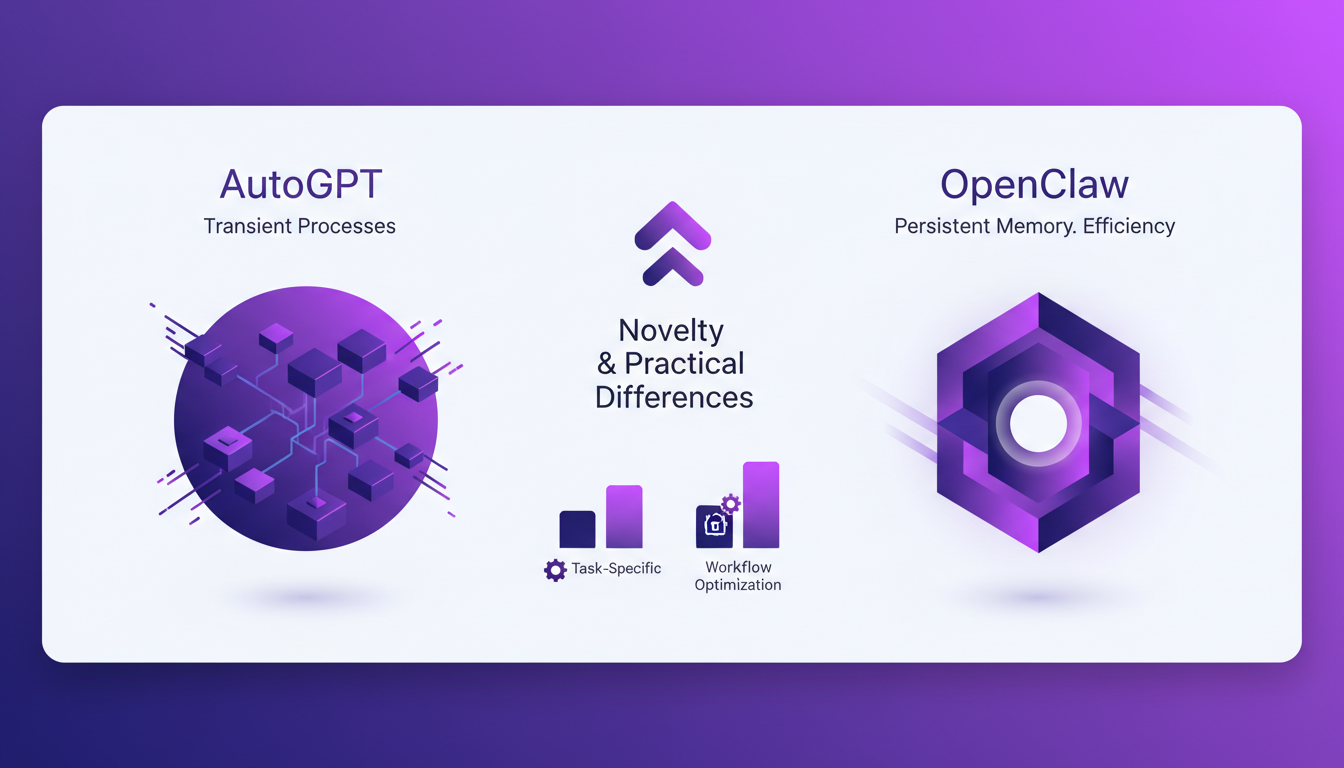
But don't get me wrong: AutoGPT still has its utility, especially for one-off tasks or rapid experimentation. However, if you're looking to optimize your workflows in the long run, OpenClaw is the way to go. We're talking about a real work partner, not just a temporary tool. And that is crucial for sustainability.
- Persistent memory: a major asset for task continuity.
- AutoGPT: still useful for quick tests and one-off tasks.
- OpenClaw: efficiency in real and complex workflows.
Anthropic's Handling and Missed Opportunities
Anthropic's legal actions have somewhat disrupted OpenClaw's path. In their bid to protect their models, they may have missed the boat on opportunities. It raised questions about their ability to capitalize on community potential. The acquisition by OpenAI is a blow to their strategy, but a boon for OpenClaw, which sees its future brightening.
I believe OpenClaw's management could have been more open. The lessons here are clear: know when to ally with the community to get the most out of a project. This acquisition shows that OpenClaw, even with its three name changes, has managed to carve out a prominent place.
- Legal actions: a hindrance to innovation?
- Missed opportunities: impact on Anthropic's strategy.
- Lessons to learn: the importance of community in AI development.
The Future of AI Agents: OpenClaw's Trajectory
I'm telling you, by 2025, AI agents will impose themselves, and OpenClaw is well-positioned to lead the way. With VC interest (100 million offered for the first seed round), this enthusiasm is no accident. The multi-agent systems will revolutionize our way of working. Imagine agents that operate tirelessly, 24/7, it's a game changer!
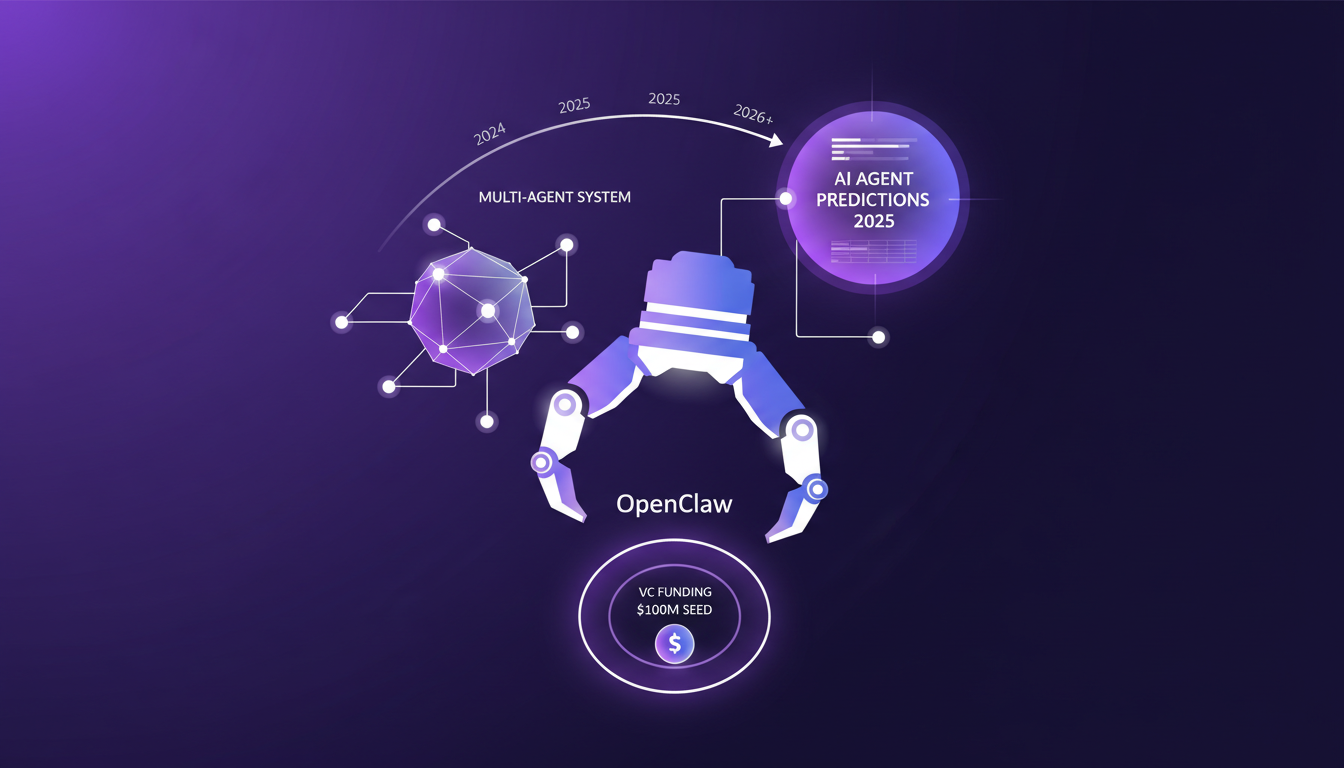
Innovation goes hand in hand with practical challenges. You have to balance new features with pragmatic deployments. OpenClaw has the cards in hand, but the road is fraught with obstacles. The future is promising, but stay alert to market developments and real user needs.
- 2025 predictions: dominance of AI agents.
- VC interest: 100 million for OpenClaw.
- Challenges: balancing innovation and practical deployment.
Community Engagement and Open-Source Implications
Open source is the future of OpenClaw. Community contributions are essential to its development. OpenAI has every interest in engaging developers and involving them in this adventure. For practitioners like me, it's a golden opportunity to influence the evolution of features.
However, open source is not without risks. Security and control issues need to be monitored. But if you want to get involved, start by exploring the project on GitHub, propose improvements, and join the discussions. Community engagement is the engine of this AI revolution.
- Open source potential: the engine of innovation.
- Community engagement: key to OpenClaw's success.
- Risks: watch out for security and control issues.
OpenAI's acquisition of OpenClaw isn't just another headline; it's a real turning point for AI agents. First, OpenClaw, with its advanced features and integration capabilities, is set to reshape how we work with AI. Then, watch out for real-world constraints: practical deployments must balance innovation with operational realities. Lastly, don't overlook missed opportunities like those Anthropic faced.
- 6 months: timeframe over which discussions and developments around deep agents have been happening.
- 100 million: amount offered by VCs for the first seed round of OpenClaw if it turned into a company.
- 3: number of name changes for the project.
Looking ahead, I see OpenClaw as a real game changer, but juggling its limits will be essential. If you're working with AI agents, now's the time to explore OpenClaw's potential. Dive into the community, experiment with its features, and stay ahead in the evolving AI landscape. For a more comprehensive view, I recommend watching the original video on YouTube. It's worth it!
Frequently Asked Questions

Thibault Le Balier
Co-fondateur & CTO
Coming from the tech startup ecosystem, Thibault has developed expertise in AI solution architecture that he now puts at the service of large companies (Atos, BNP Paribas, beta.gouv). He works on two axes: mastering AI deployments (local LLMs, MCP security) and optimizing inference costs (offloading, compression, token management).
Related Articles
Discover more articles on similar topics
Building a 20x Startup with Automation
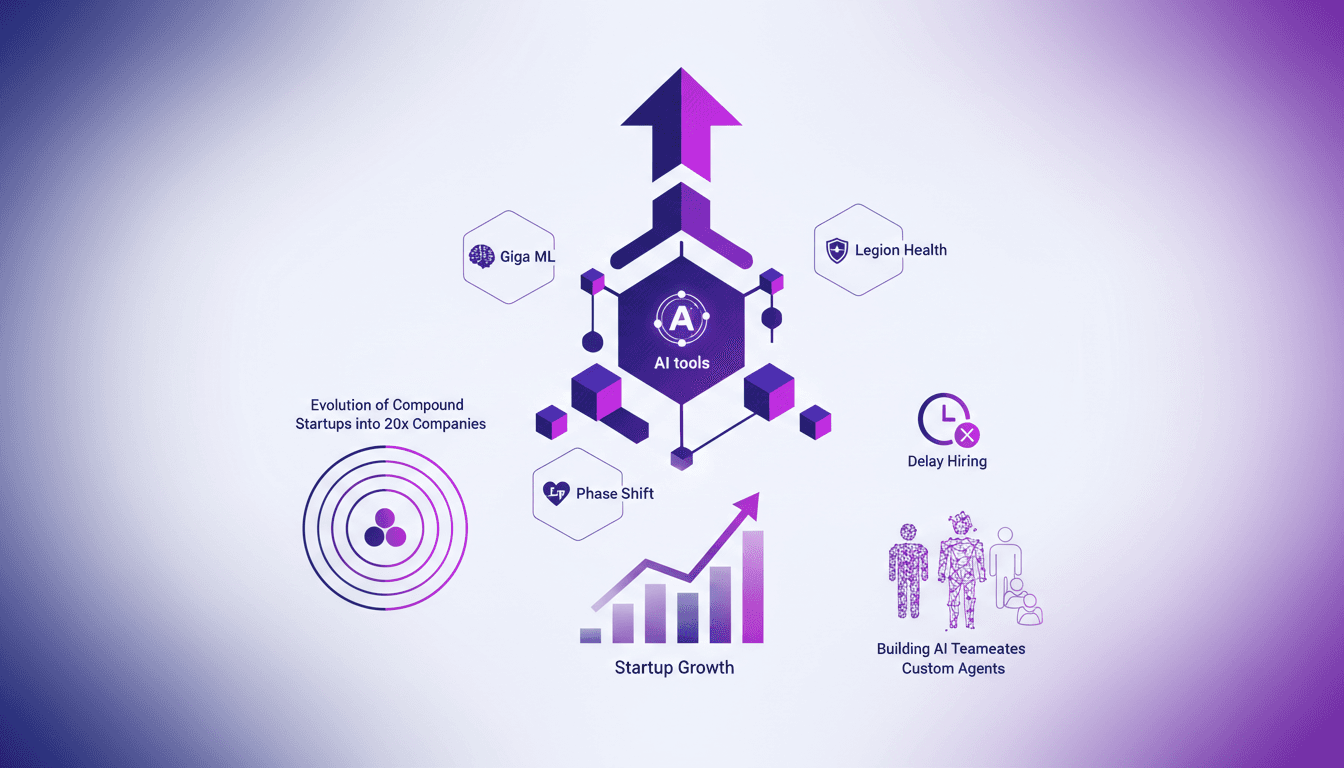
I remember the first time I heard about 20x companies. It sounded like a pipe dream—automating nearly every internal function, delaying hiring, and still scaling like crazy. But then I saw it in action, and let me tell you, it's a game changer. Today, efficiency isn't just a buzzword—it's a survival strategy. With AI tools like Atlas, companies are redefining what it means to grow fast and smart. Let's talk about how automation is transforming startup growth and why delaying hires can be a strategic move. Companies like Giga ML and Legion Health are leading the way by automating their internal functions and building custom AI agents that boost productivity. This is the evolution towards 20x startups, where the impact is direct and tangible.
OpenClaw: Local Execution vs Cloud Solutions
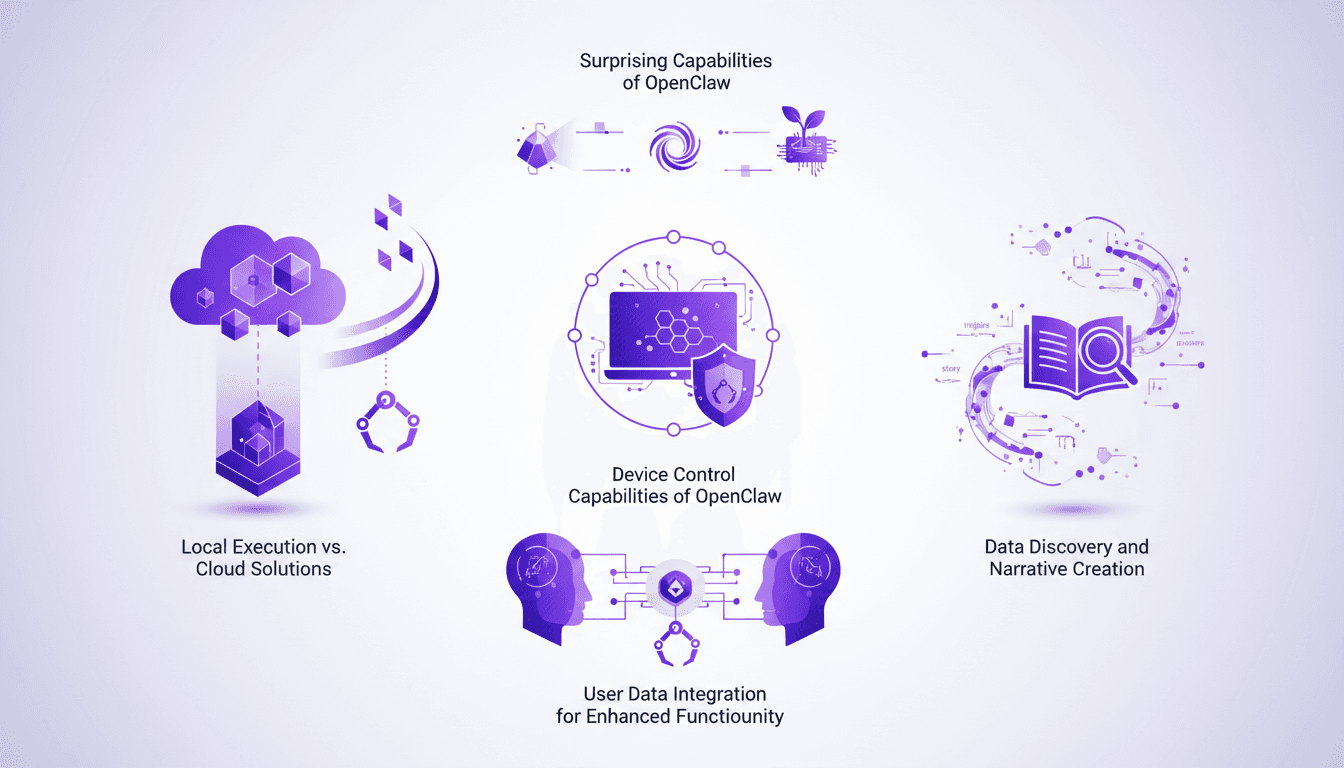
I remember the first time I ran OpenClaw on my local machine. It felt like unleashing a beast capable of doing everything from device control to data discovery. What really blew my mind was how it stacked up against cloud solutions. In this post, I'll dive into how OpenClaw is shaking up the tech landscape with its local execution. We'll explore its device control capabilities, data discovery potential, and user integration. Trust me, OpenClaw is a game changer, but watch out for the pitfalls and contexts where it might surprise you.
Evolving Quantitative Trading with AI
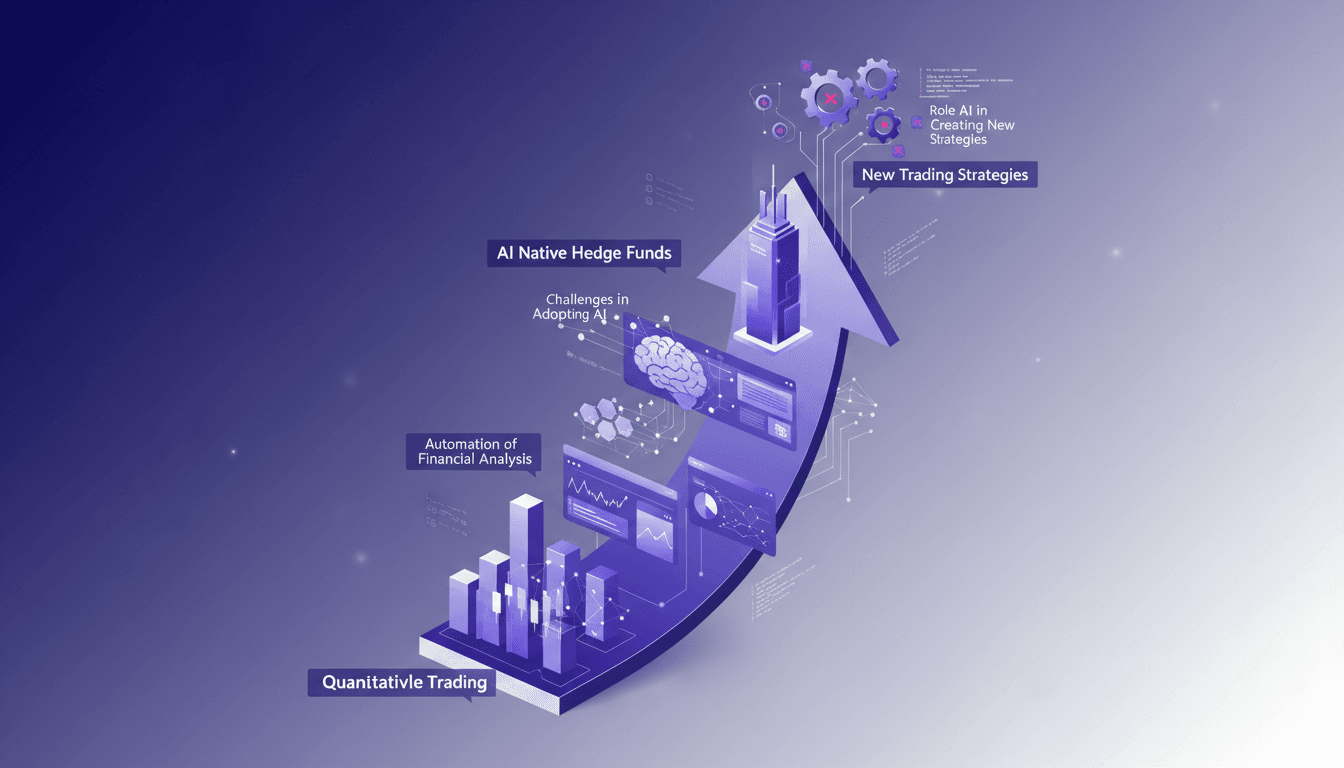
Back in the 80s, I watched hedge funds start using computers to analyze markets. Fast forward to today, and AI is reshaping the landscape. I've been deep in the trenches, integrating AI into hedge fund strategies—it's a game changer, but not without hurdles. From the evolution of quantitative trading to the rise of AI native hedge funds, I'm taking you behind the scenes of this transformation. It's more than just a tech upgrade; it's a paradigm shift. We'll dissect how AI automates financial analysis and creates new trading strategies while tackling the challenges traditional funds face in adopting these technologies. Ready to explore the future of AI native hedge funds?
Ads in ChatGPT: Design and Impact
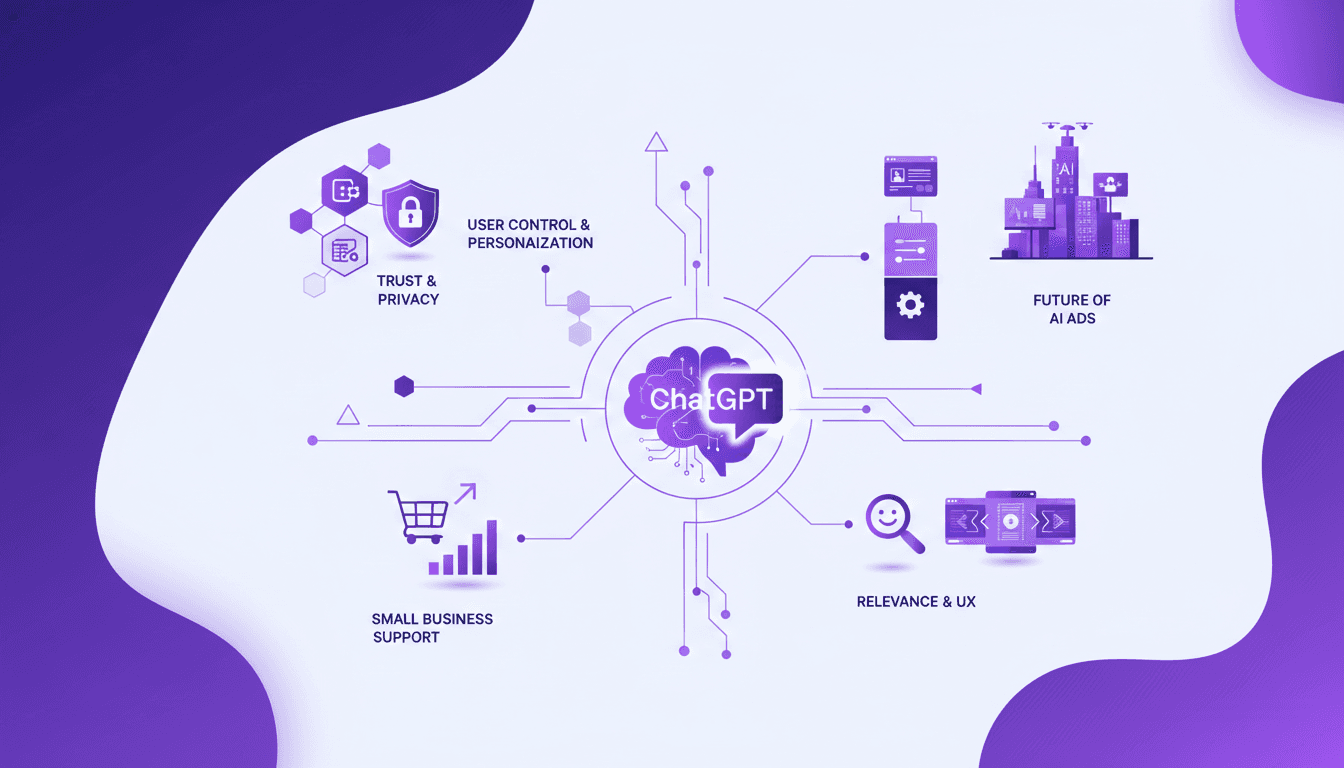
I remember when ads in ChatGPT were just a sketch on a page. Fast forward, and it's our daily reality. As a practitioner, I've been in the trenches, balancing user trust with ad efficiency. In this episode, I'm pulling back the curtain on the nuts and bolts of ad integration: from principles of trust and privacy to what this really means for users and businesses. We're talking everything from user-tier differentiation to the future of AI-driven ads. And heads up—this isn't abstract theory; it's what truly works on the ground. Let's dive into how these innovations are reshaping our relationship with online advertising.
WebM MCP: Use Cases and Future Prospects
When I first heard about WebM MCP, I was skeptical. But after diving in, wrapping my head around its APIs, and seeing the potential, I realized it's a game changer for AI agent deployment. Developed by Google and Microsoft, WebM MCP offers a new way to handle media processing with AI agents. In this article, I share my hands-on experience, pitfalls to avoid, and how I integrated this tool into my daily workflow. Imagine managing thousands of tokens for each processed image, with just two APIs to master. I'll guide you through the benefits, use cases, and future prospects of this powerful tool.