Ads in ChatGPT: Design and Impact
I remember when ads in ChatGPT were just a sketch on a page. Fast forward, and it's our daily reality. As a practitioner, I've been in the trenches, balancing user trust with ad efficiency. In this episode, I'm pulling back the curtain on the nuts and bolts of ad integration: from principles of trust and privacy to what this really means for users and businesses. We're talking everything from user-tier differentiation to the future of AI-driven ads. And heads up—this isn't abstract theory; it's what truly works on the ground. Let's dive into how these innovations are reshaping our relationship with online advertising.
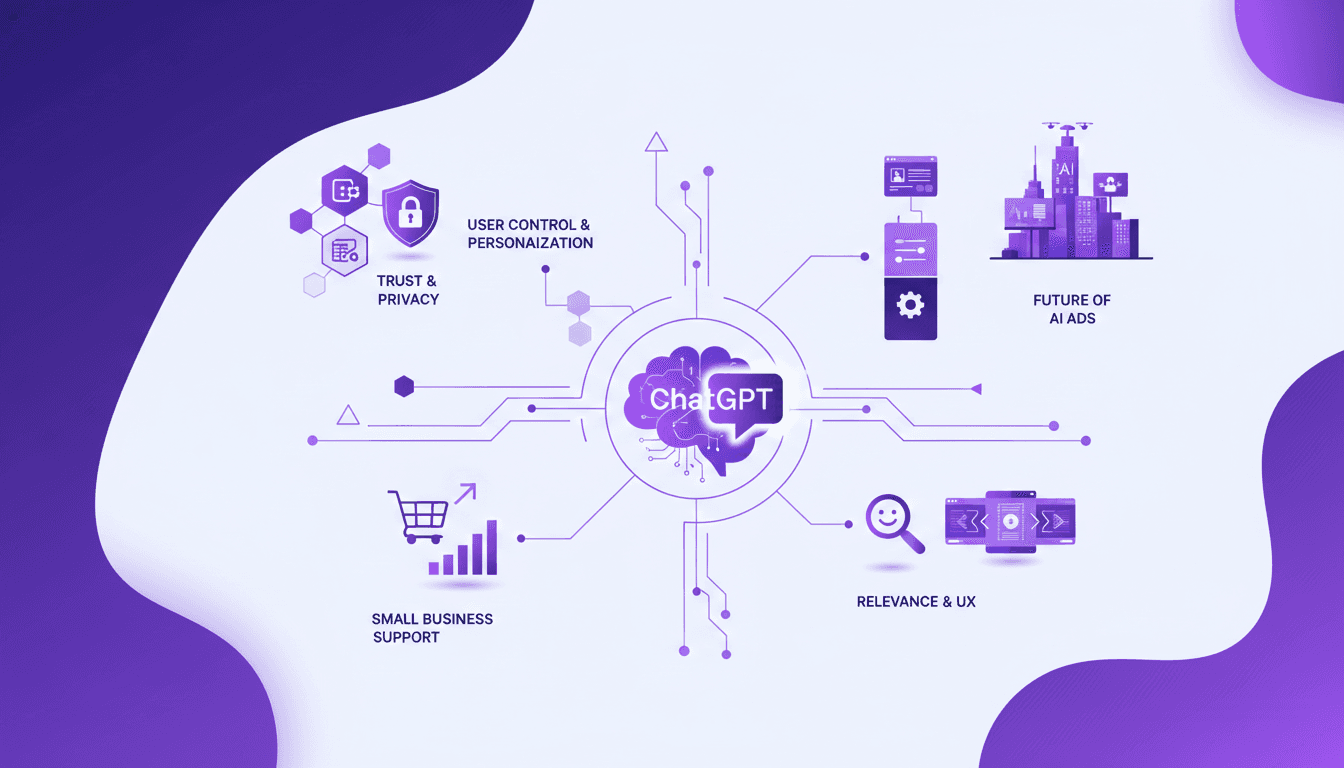
I remember when ads in ChatGPT were just a concept sketched on paper. Today, it's our daily landscape. As a practitioner, I've been at the forefront, integrating these ads and let me tell you, balancing user trust with ad efficiency is no small feat. In this episode, I'm unpacking the mechanics of this integration: the principles steering its implementation, its impact on users and businesses, and how we've managed to keep the balance between personalization and privacy. We're also diving into the future of ads with AI, a rapidly evolving field that could redefine our industry. With 800 million users, this isn't just theory—it's a transformation underway. Let's dive into what really works, with insights straight from the trenches.
Integrating Ads into ChatGPT: A Balancing Act
When I first started integrating ads into ChatGPT, it felt like walking a tightrope. On one side, the aim was to maximize ad efficiency; on the other, maintaining user trust was paramount. It's like juggling swords: impressive but potentially painful if you slip. Initially, I tried integrating ads too directly, leading to negative feedback. So I took a step back and refocused on user data control. That's when I realized data control was key to maintaining trust.
With 800 million users, any misstep can have catastrophic consequences. So, right from the start, I ensured users had full control over their data. We implemented a system where they can clear their data or even turn off personalization at any time. It's about respect and strategy. I also differentiated ad displays across user tiers. Free users see ads, but not the same ones as pros. Enterprises don't see ads at all. It's strategic and respectful.
Principles of Trust and Privacy in Ad Implementation
Independence and privacy are our guiding principles. For me, user control over data is non-negotiable. I learned this the hard way after hundreds of internal rounds of debate, testing, and re-testing our strategies. We set a very high bar for data usage standards. Conversations must remain private, never influencing the AI's responses. Simply put, if the ad isn't beneficial, it's better not shown.
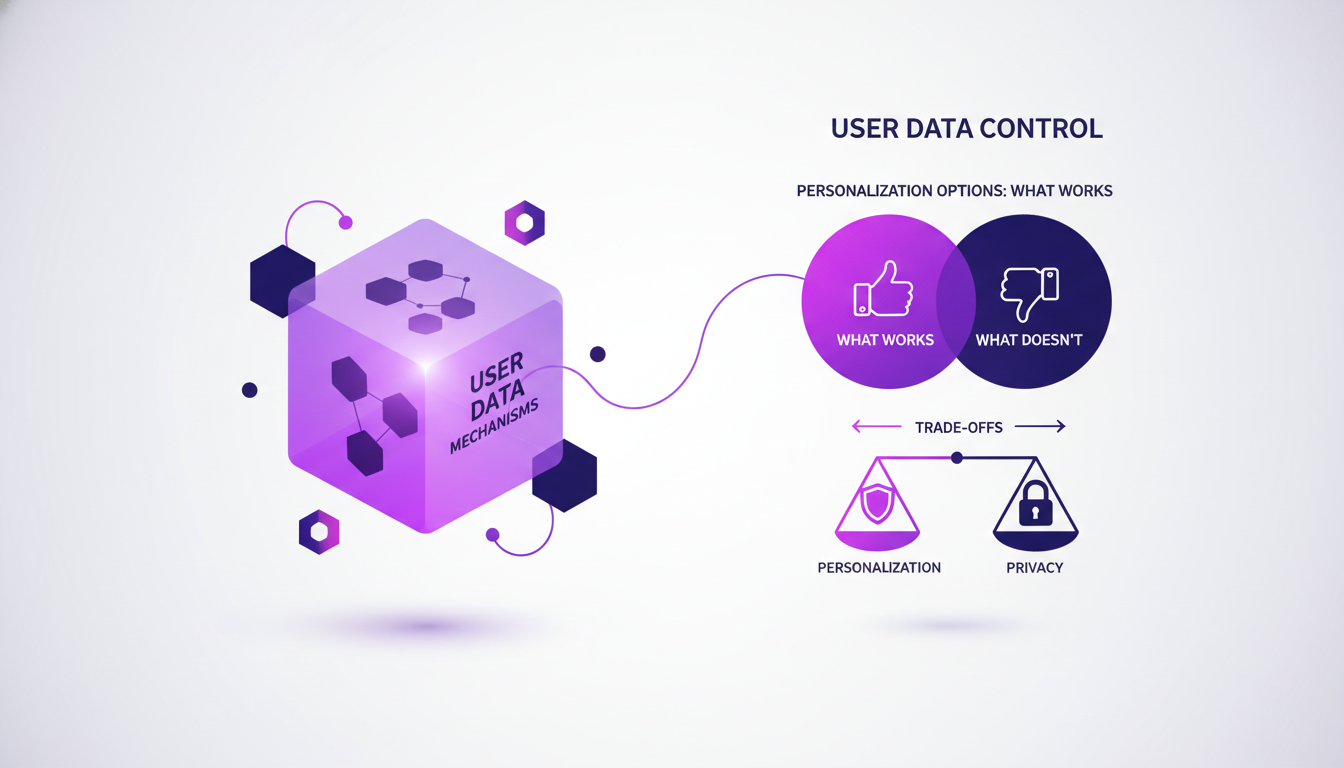
We often talk about privacy by design, but what does that mean in practice? First, it means resisting the temptation to exploit data just because it's available. Then, it involves always seeking user consent, even if it complicates things. The goal remains clear: preserve trust above all, even at the cost of some data usable for ad personalization.
User Data Control and Ad Personalization Options
To structure user data control mechanisms, I opted for a modular approach. This allows us to tailor personalization levels according to each user's preferences. Some options work wonders, particularly those offering gradual personalization. However, I've noticed that too many initial questions can deter users. Five is often the maximum before they disengage.
There are trade-offs between personalization and privacy. It's a balancing act: how far can we go without encroaching on privacy? Companies that stop after five questions often understand that simplicity pays off. It's a constant challenge, but by keeping users at the center, we manage to find a balance.
Ad Display Differentiation Across User Tiers
The way ads are displayed varies significantly between free, pro, and enterprise users. For free users, ads are more frequent, but I've ensured they remain relevant. Pro users have a cleaner display, and enterprises see no ads at all. This maximizes efficiency while respecting the needs of each group.
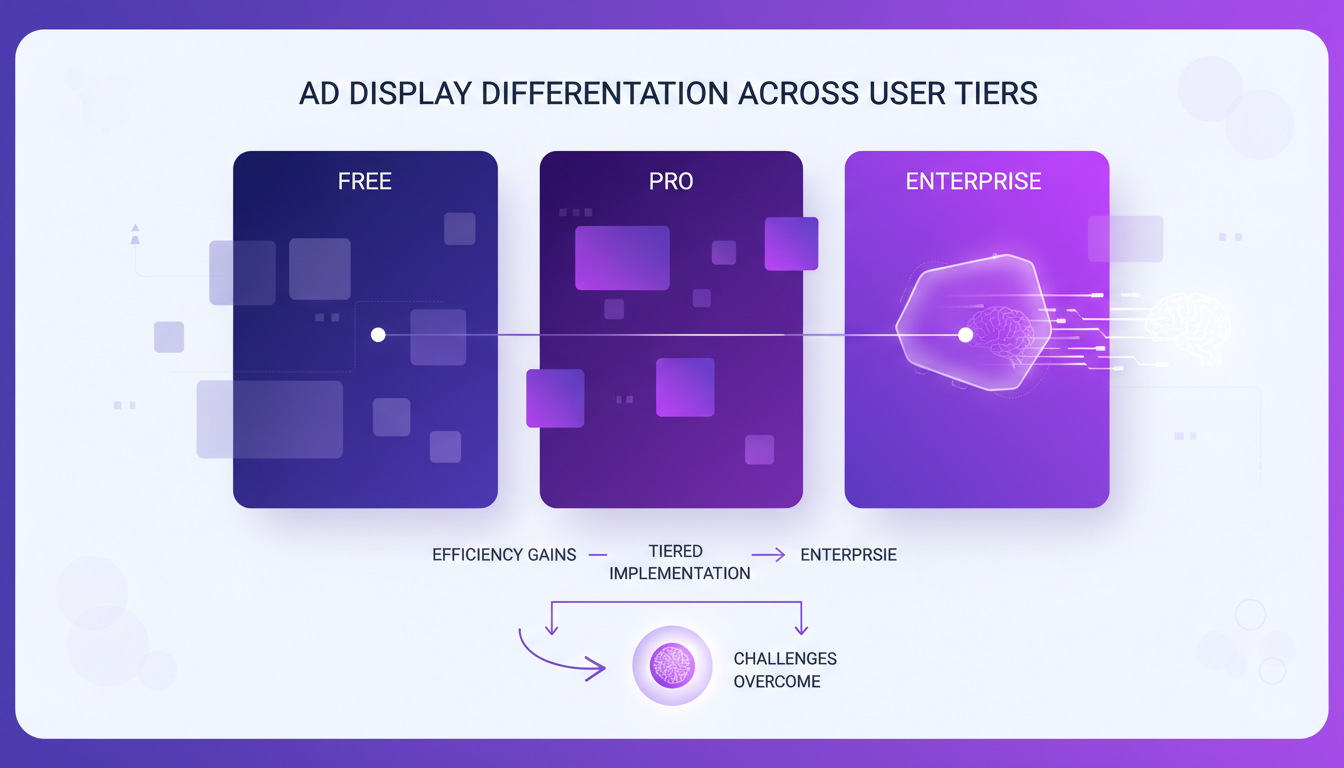
The challenges are numerous, especially when linking efficiency with user experience. But by adapting strategies based on feedback, we've improved the overall experience. User feedback is essential for adjusting and is always integrated into the continuous improvement process.
The Future of Ads: Conversational and Agentic Approaches
When discussing the future of ads, I immediately think of conversational and agentic approaches. These models allow for more seamless and natural ad integration into interactions. By supporting small businesses through AI-driven ads, new opportunities arise. In the next ten years, I expect significant evolution in this area.
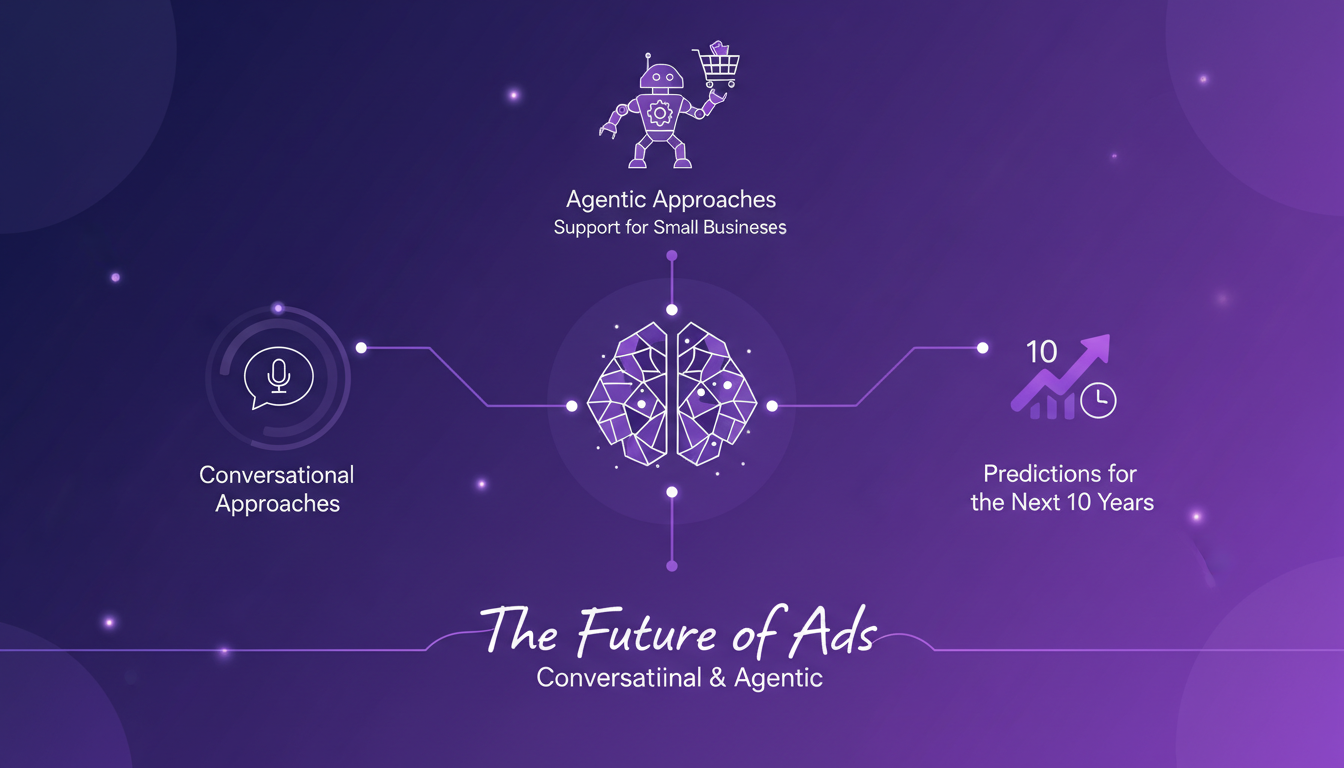
But watch out, it's essential to find a balance between innovation and user experience. Too much innovation can sometimes stray from the main goal: providing a smooth and enriching user experience. This is crucial, especially when aiming to integrate new technologies like AGI into advertising processes. Ultimately, keeping users at the center will transform the advertising landscape while respecting our principles of trust and privacy.
Integrating ads into ChatGPT wasn't just about slapping on a new feature. It was about rethinking user interaction and supporting businesses. First, we focused on trust and privacy—no mean feat when commercial stakes are high. Then, efficiency: ads need to be relevant without being intrusive. That's the game changer. We worked hard on personalization and user control to ensure everyone can tailor their experience.
- 10 years: that's our timeline to reinvent ads.
- 800 million users impacted, that's a massive challenge.
- Hundreds of rounds with the team to refine our strategy.
Looking ahead, we continue to innovate, but responsibly. To stay ahead, embrace these principles in your ad strategies. I strongly recommend checking out 'Episode 13 - The Thinking Behind Ads in ChatGPT' on YouTube for deeper insights. It’s a must-watch if you want to grasp the nuances of this transformation.
Frequently Asked Questions

Thibault Le Balier
Co-fondateur & CTO
Coming from the tech startup ecosystem, Thibault has developed expertise in AI solution architecture that he now puts at the service of large companies (Atos, BNP Paribas, beta.gouv). He works on two axes: mastering AI deployments (local LLMs, MCP security) and optimizing inference costs (offloading, compression, token management).
Related Articles
Discover more articles on similar topics
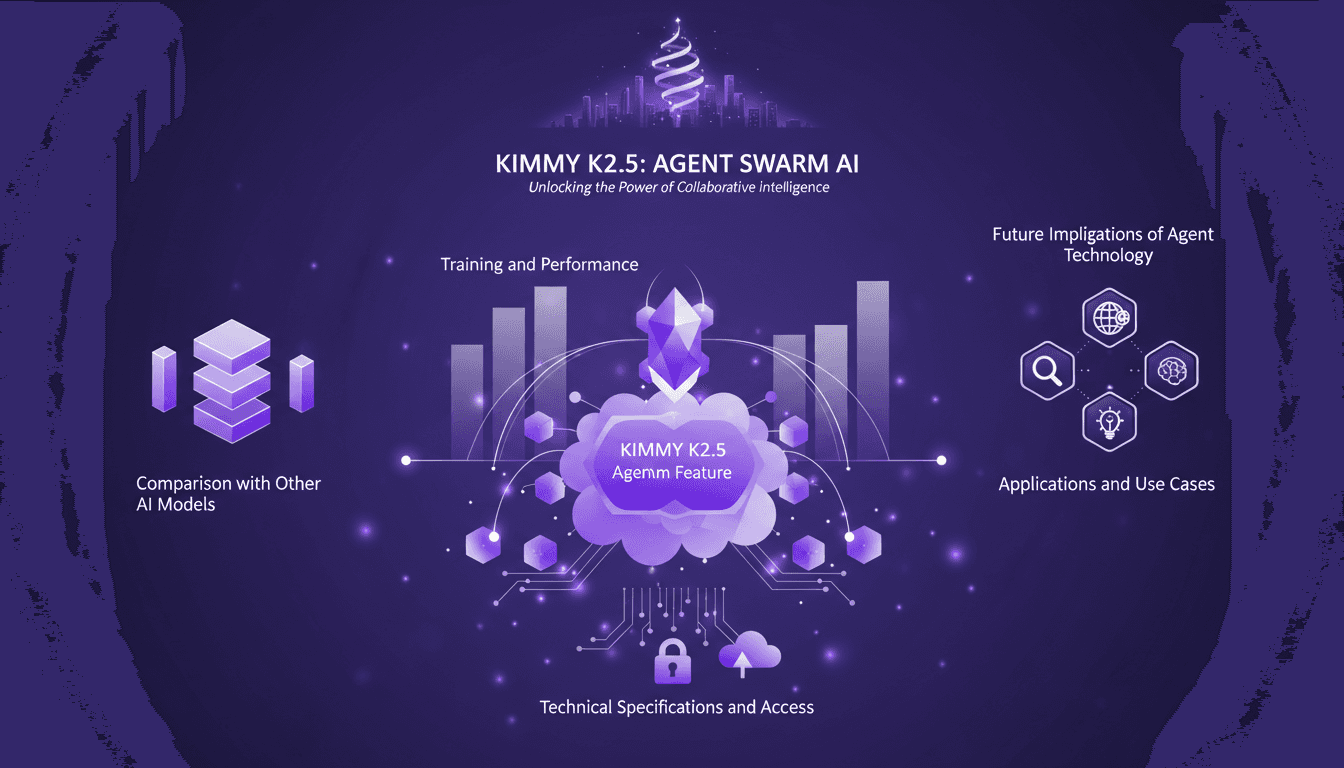
Kimmy K2.5: Mastering the Agent Swarm
I remember the first time I dove into the Kimmy K2.5 model. It was like stepping into a new AI era, where the Agent Swarm feature promised to revolutionize parallel task handling. I've spent countless hours tweaking, testing, and pushing this model to its limits. Let me tell you, if you know how to leverage it, it's a game-changer. With 15 trillion tokens and the ability to manage 500 coordinated steps, it's an undisputed champion. But watch out, there are pitfalls. Let me walk you through harnessing this powerful tool, its applications, and future implications.

Harnessing Social Media: A Parent's Journey
I've witnessed firsthand the power of social media. With 20 million followers and three kids, balancing influence and parenting isn't just a theory—it's my daily grind. Let's dive into this complex world where I share how I navigate these realms. I've penned a children's book while spreading love and positivity along the way. And I don't stop there—constantly driven by a desire for safety and musical talent to share, every day is an adventure. In this article, I take you behind the scenes of my life, between social media, raising children, and global impact.
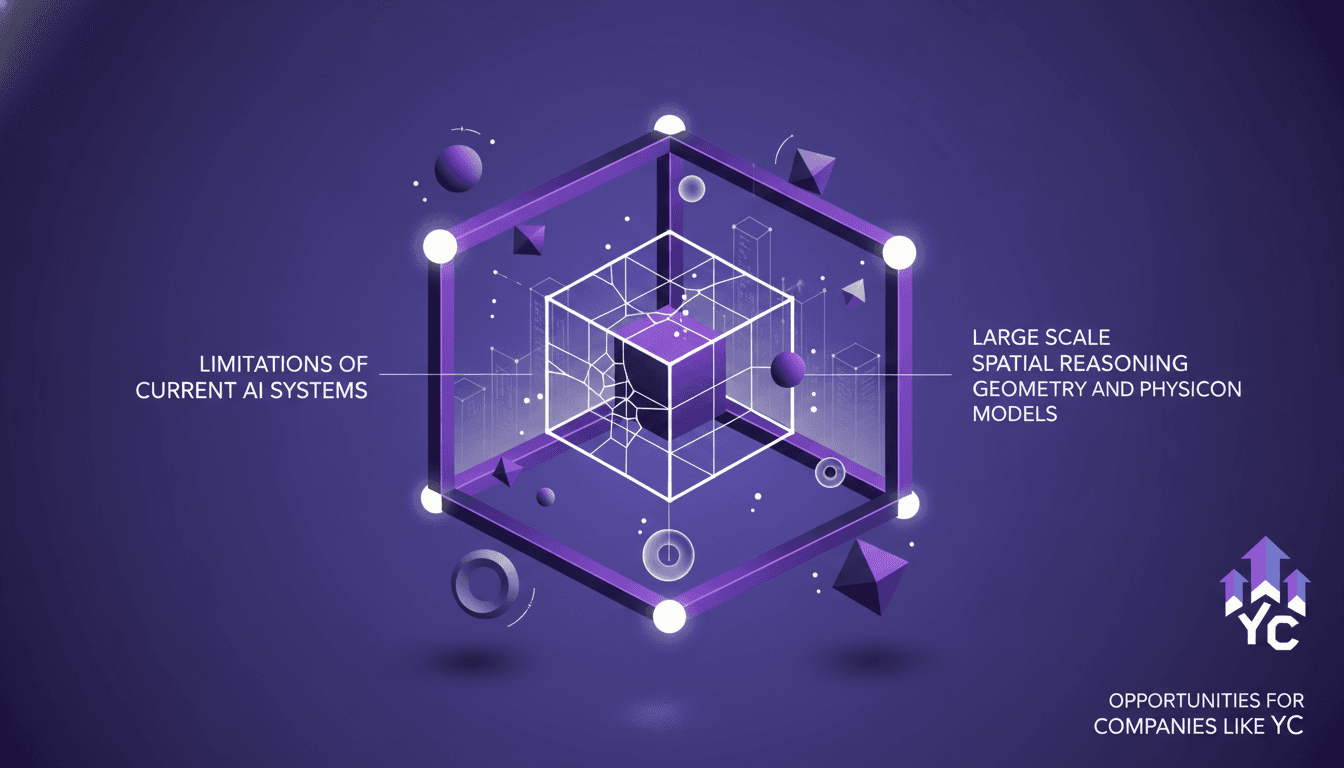
Building Large Spatial Models: Challenges & Opportunities
I've been in the trenches with AI models, and when it comes to spatial tasks, we're just not cutting it. Current systems fall short on large-scale spatial reasoning. So, where do we start? We need to rethink our approach, making geometry and physical structure primary components. Imagine a model that truly understands space in 2D and 3D. This is where real opportunities lie. For companies like YC, now's the time to dive in and explore these new foundational AI models that could reshape the field.
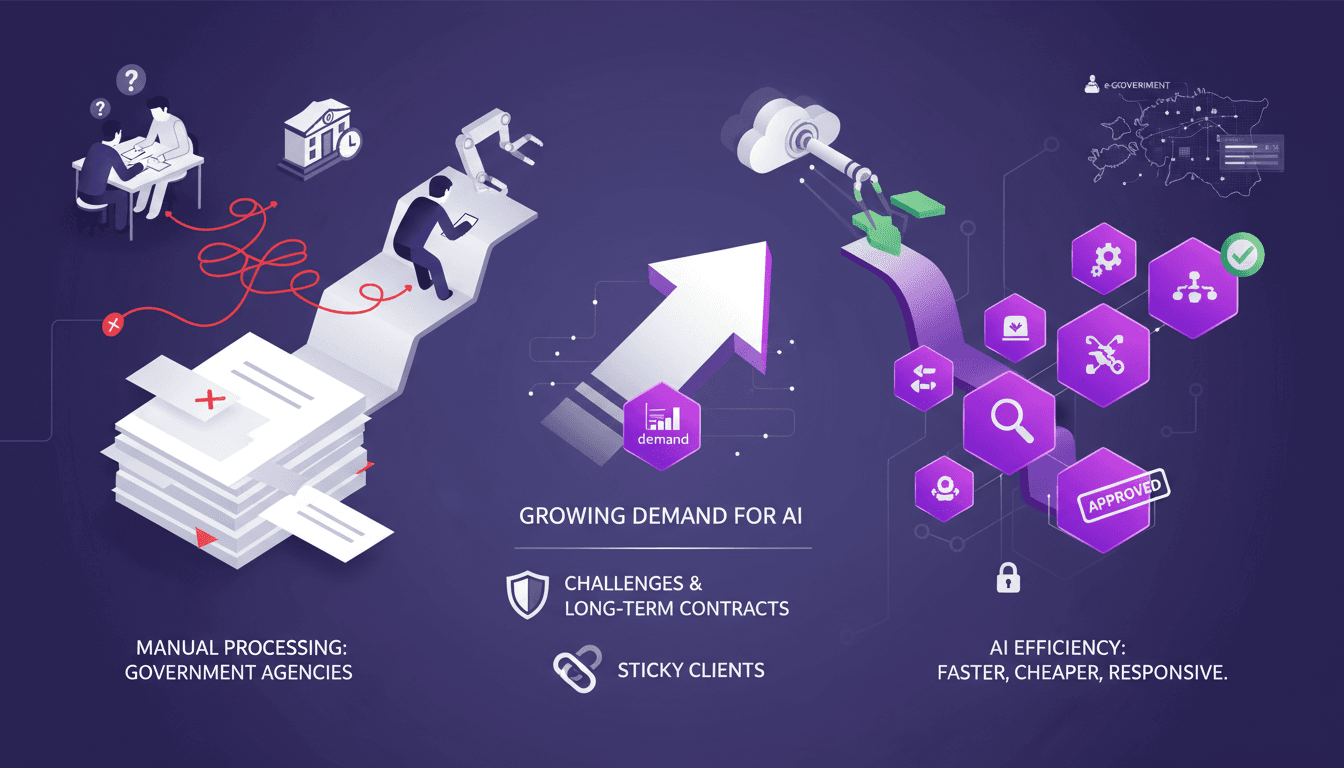
AI Efficiency in Government Processes
I remember the first time I saw AI transform a government form process. It was like watching a slow-moving train suddenly leap onto a high-speed rail. First, I connect the dots between AI and administrative forms, saving enormous time and cutting costs while improving accuracy. But watch out, selling AI to governments isn't without its challenges. Between inspiring examples like Estonia and long-term government contracts, there's much to learn to ensure AI isn't just another empty promise. I'll guide you through the real solutions I've piloted and how they've directly impacted the speed and accuracy of administrative processes.
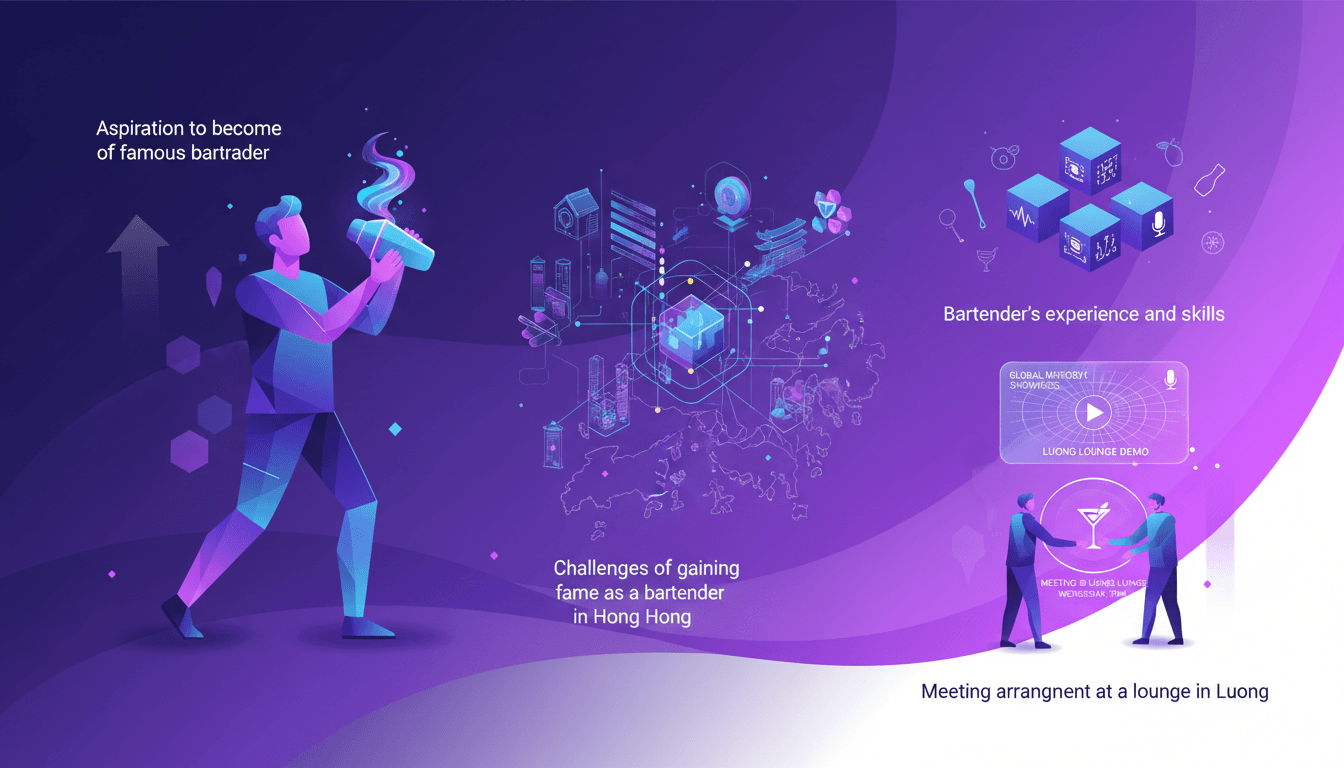
Becoming a Famous Bartender in Hong Kong: Challenges & Plans
For two years, I've been honing my craft behind the bar, dreaming of making it big in Hong Kong's vibrant nightlife scene. But standing out here is more than just mixing drinks. It's about crafting unique experiences in a city brimming with talent. I've gotten burned more than once, but I've learned that succeeding demands more than just skill. It requires strategy, innovation, and sometimes a bit of luck. In this interview, I share how I'm navigating this competitive world and my plans to impress during my upcoming meeting at the lounge in Luong.