Building Large Spatial Models: Challenges & Opportunities
I've been in the trenches with AI models, and when it comes to spatial tasks, we're just not cutting it. Current systems fall short on large-scale spatial reasoning. So, where do we start? We need to rethink our approach, making geometry and physical structure primary components. Imagine a model that truly understands space in 2D and 3D. This is where real opportunities lie. For companies like YC, now's the time to dive in and explore these new foundational AI models that could reshape the field.
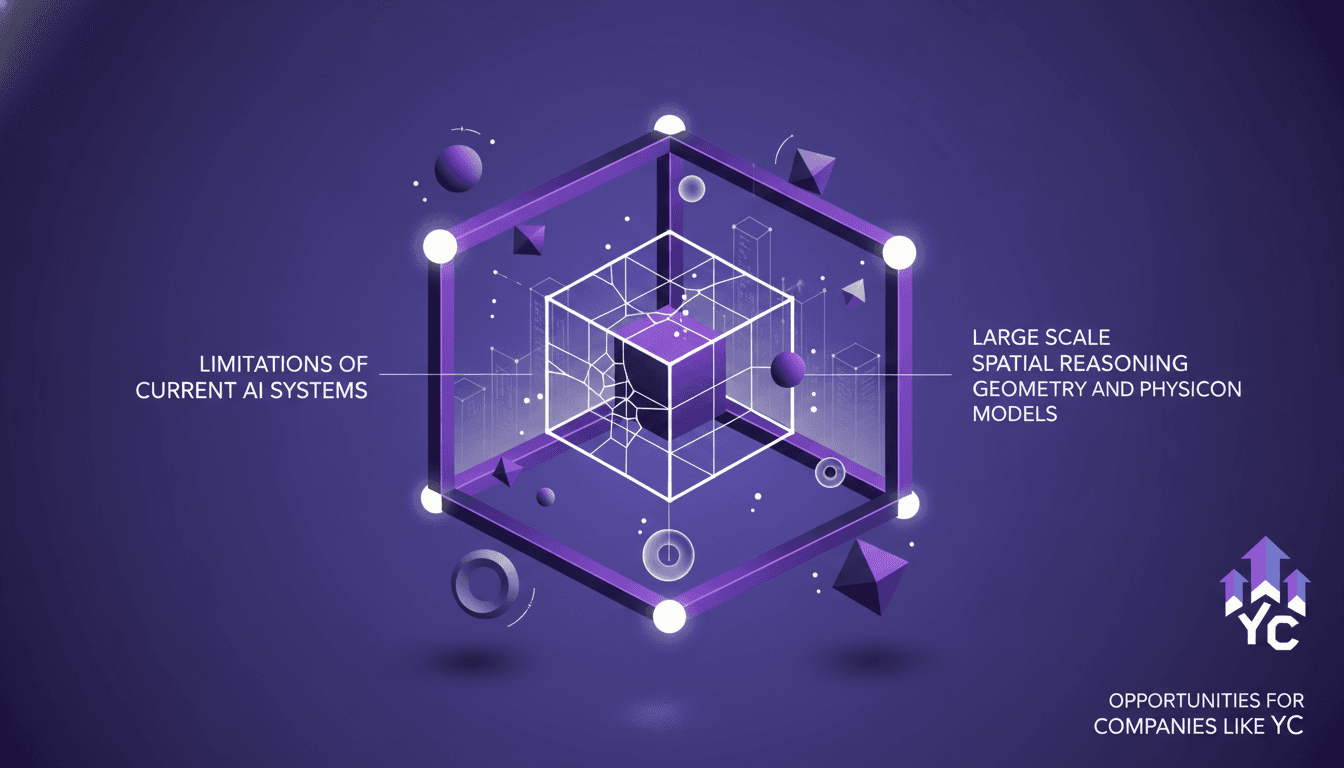
I've been deep in the weeds with AI models, and let me tell you, when it comes to spatial tasks, we're way off the mark. I've tried leveraging existing systems to tackle large-scale spatial reasoning, and it's clear we need a rethink. What we've got today is fine for simple problems, but once we start talking about integrating geometry and physical structure in a meaningful way, things fall apart. So, how do we move forward? We need to build models that truly understand space, whether it's 2D or 3D. This means making geometry a core component, not an afterthought. There's a huge potential here, especially for companies like YC looking to ride the next wave of AI innovation. By diving into these large spatial models, we're opening the door to groundbreaking applications. Buckle up, because what we're about to explore could completely reshape our approach to spatial reasoning in AI.
Understanding the Limitations of Current AI in Spatial Tasks
Reflecting on my early days with AI, I recall the struggles with spatial manipulation and mental rotation. Current systems can handle rudimentary spatial tasks but often falter when it comes to real manipulation. Concepts like mental rotation remain challenging even for sophisticated models. Geometry is frequently treated as an afterthought, whereas it should be central.
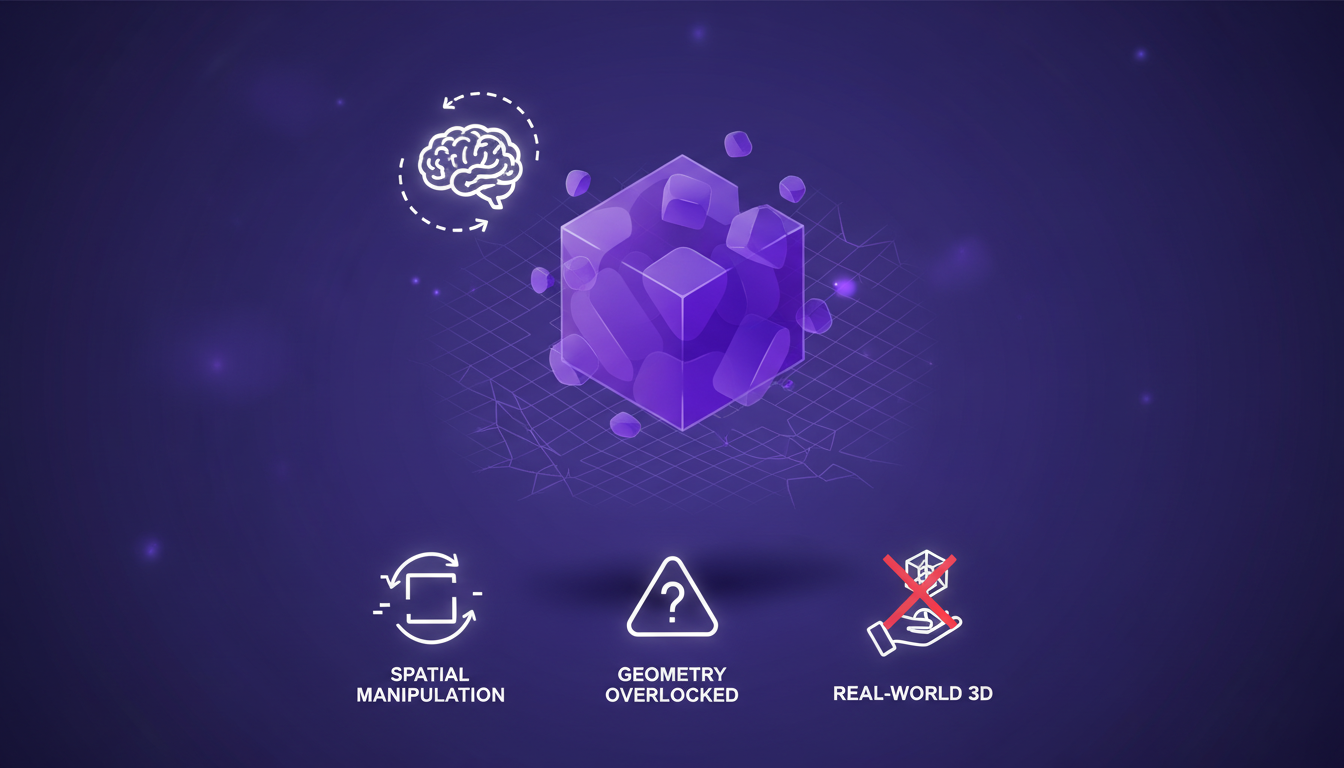
Real-world spatial tasks demand more than 2D processing. I've repeatedly witnessed geometry being sidelined in AI models, when it should be a core focus. Recent advancements reveal that even advanced systems falter in complex tasks.
- AI struggles with complex spatial manipulation.
- Geometry is often neglected in models.
- Real tasks require processing beyond 2D.
The Case for Large Scale Spatial Reasoning Models
Let's move to what could be a real game changer: large scale spatial reasoning models. Why does scale matter? More data typically translates to better accuracy. I've seen projects fail simply due to inadequate data handling. Treating geometry as a first-class primitive is crucial for these models to succeed.
But beware, this comes with its own set of challenges. The resources required to process these large-scale models can be prohibitively expensive. We often talk about model complexity and computing power needs. This is where many get burned.
- More data = better accuracy.
- Geometry must be prioritized.
- Resource demands can be a barrier.
Geometry and Physical Structure: Core Components
Geometry and physical structure are critical for model accuracy. I've found that when these elements are integrated from the outset, the results are significantly better. Physical structure allows for a much more effective interpretation of spatial tasks.
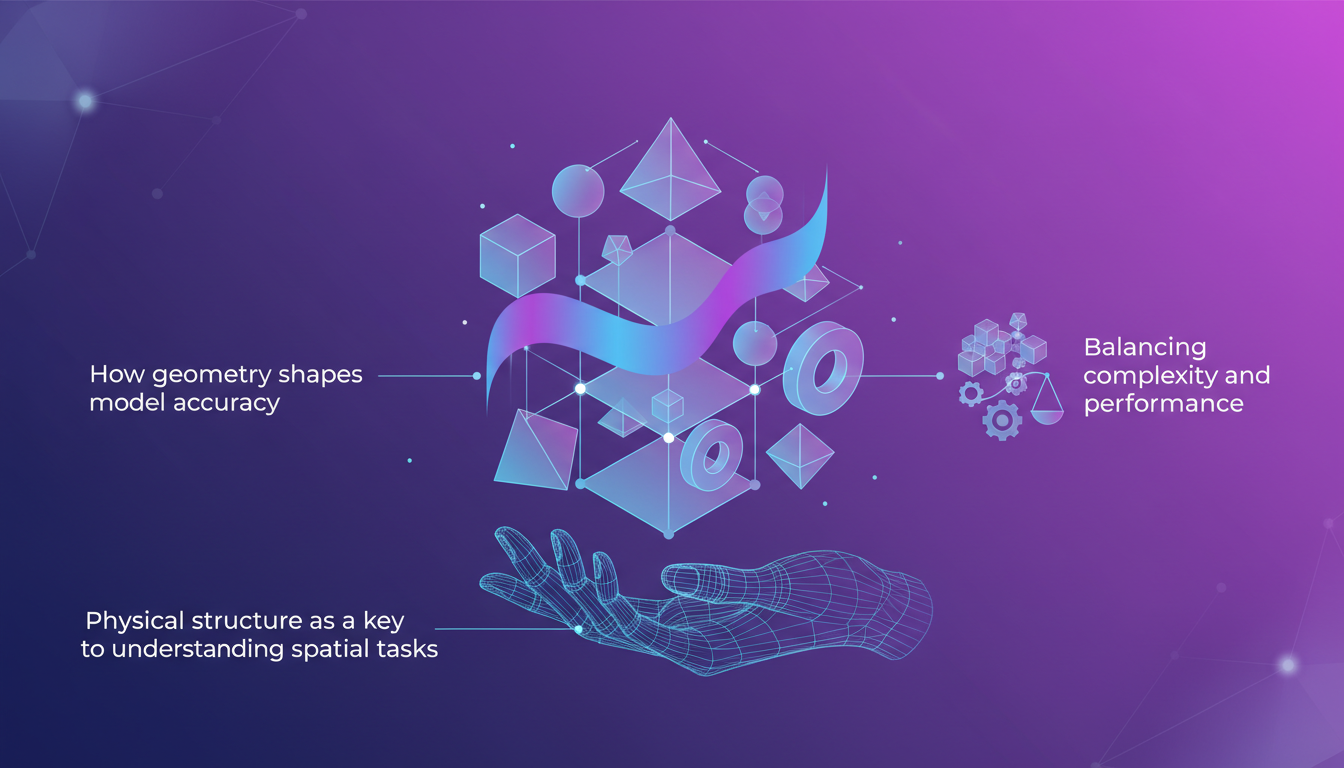
However, balancing complexity and performance is key. Too much complexity and you risk slowing down your system. It's a constant trade-off that requires ongoing attention.
- Model accuracy hinges on geometry.
- Physical structure is essential for spatial tasks.
- Balancing complexity and performance is crucial.
Exploring New AI Foundation Models
New AI foundation models offer exciting prospects. I've seen promising breakthroughs, but remember the trade-offs between model size and efficiency. Every new advancement needs to be evaluated in terms of real-world costs and benefits. Sometimes, smaller is better.
The real-world applications of these models can be impressive, yet there are limitations. For instance, understanding complex environments remains a challenge. A MIT study has shown significant gaps in current AI capabilities.
- Promising new models, but watch out for trade-offs.
- Impressive real-world applications but limited.
- Understanding complex environments remains difficult.
Opportunities for Companies like YC
For companies, particularly those like YC, advanced spatial models can have a significant business impact. I've seen startups leverage these models to stay ahead of the competition. Technological innovations are a powerful lever to stand out.
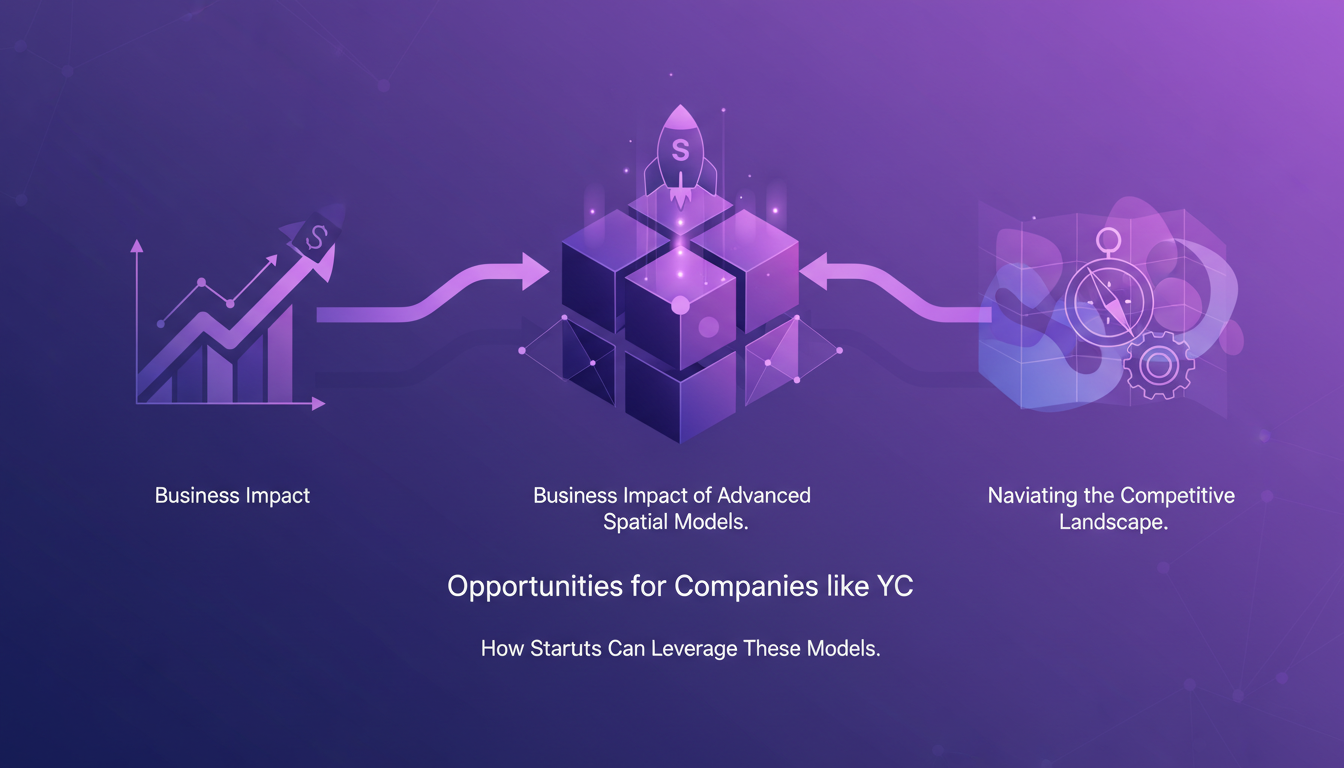
But be cautious, the competitive landscape is ever-evolving. Staying updated and continuing to innovate is crucial. Reinforcement learning can be a key tool in achieving this.
- Significant business impact for companies.
- Advanced models are a competitive advantage.
- The competitive landscape requires continuous innovation.
In conclusion, large-scale spatial reasoning models present a substantial opportunity, but watch out for the challenges they pose. To succeed, you need intelligent integration of geometry and a strong understanding of physical structure.
Incorporating large-scale spatial reasoning into AI models isn't just a technical challenge; it's a true game changer for industries reliant on spatial data. When I focus on geometry and physical structure, I can build models that not only perform better but also unlock new business opportunities.
- Current AI systems have limitations in spatial tasks, but by integrating large-scale spatial reasoning, we can bridge those gaps.
- Geometry and physical structures are key components for building powerful models.
- Incorporating 2D and 3D features paves the way for new AI foundation models.
Ready to build the next generation of spatial models? I say let's get started now. But remember, with power comes complexity; you need to orchestrate it well.
Want to dive deeper? Watch the full "Large Spatial Models" video on YouTube. Let's chat about it afterward, colleague to colleague.
Frequently Asked Questions

Thibault Le Balier
Co-fondateur & CTO
Coming from the tech startup ecosystem, Thibault has developed expertise in AI solution architecture that he now puts at the service of large companies (Atos, BNP Paribas, beta.gouv). He works on two axes: mastering AI deployments (local LLMs, MCP security) and optimizing inference costs (offloading, compression, token management).
Related Articles
Discover more articles on similar topics
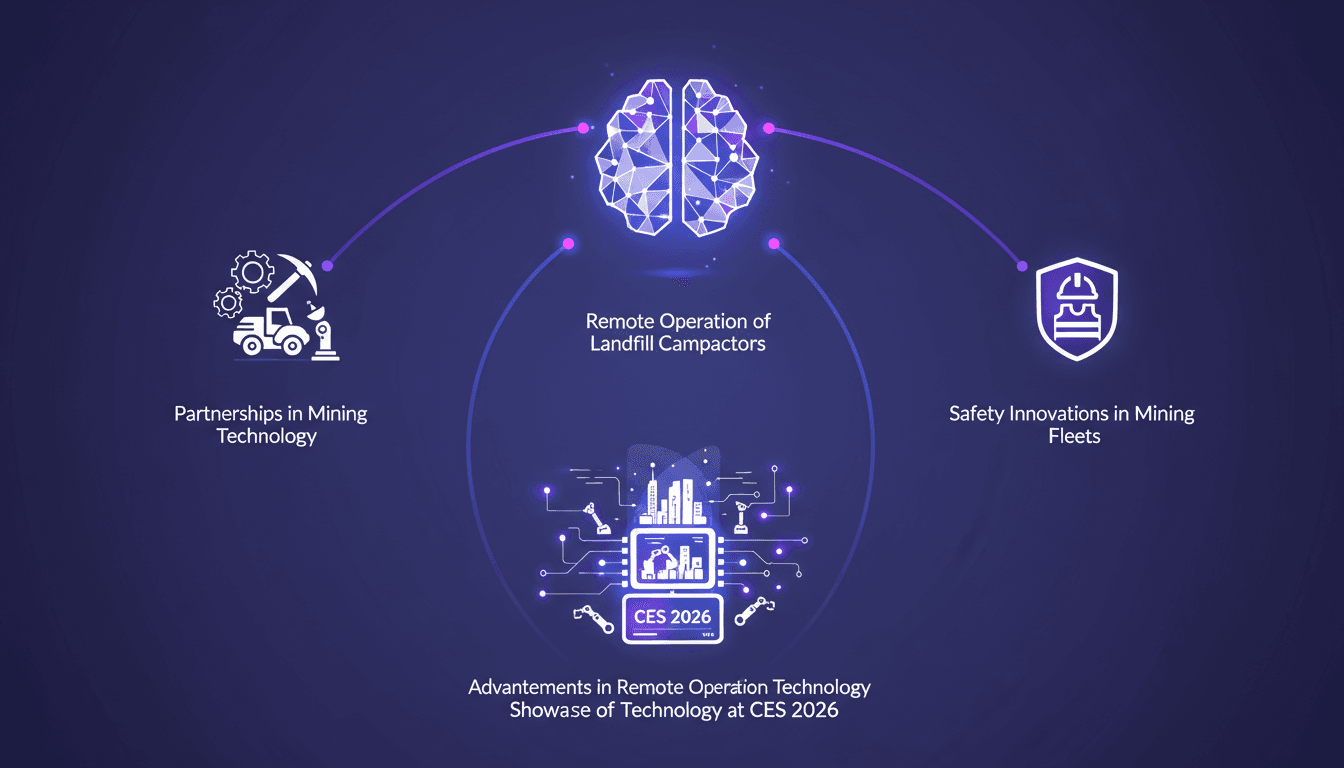
Caterpillar Innovations at CES 2026: Safety and Tech
I walked into CES 2026 with one goal: to see how Caterpillar is pushing the boundaries of mining technology. First thing I noticed? The buzz around their remote operation systems. Caterpillar doesn't just follow trends, they create them. From advancements in tech partnerships to innovations in the remote operation of compactors, they're redefining safety in mining fleets. Let me take you through what I discovered—trust me, it's a game changer for the future of the mining industry.
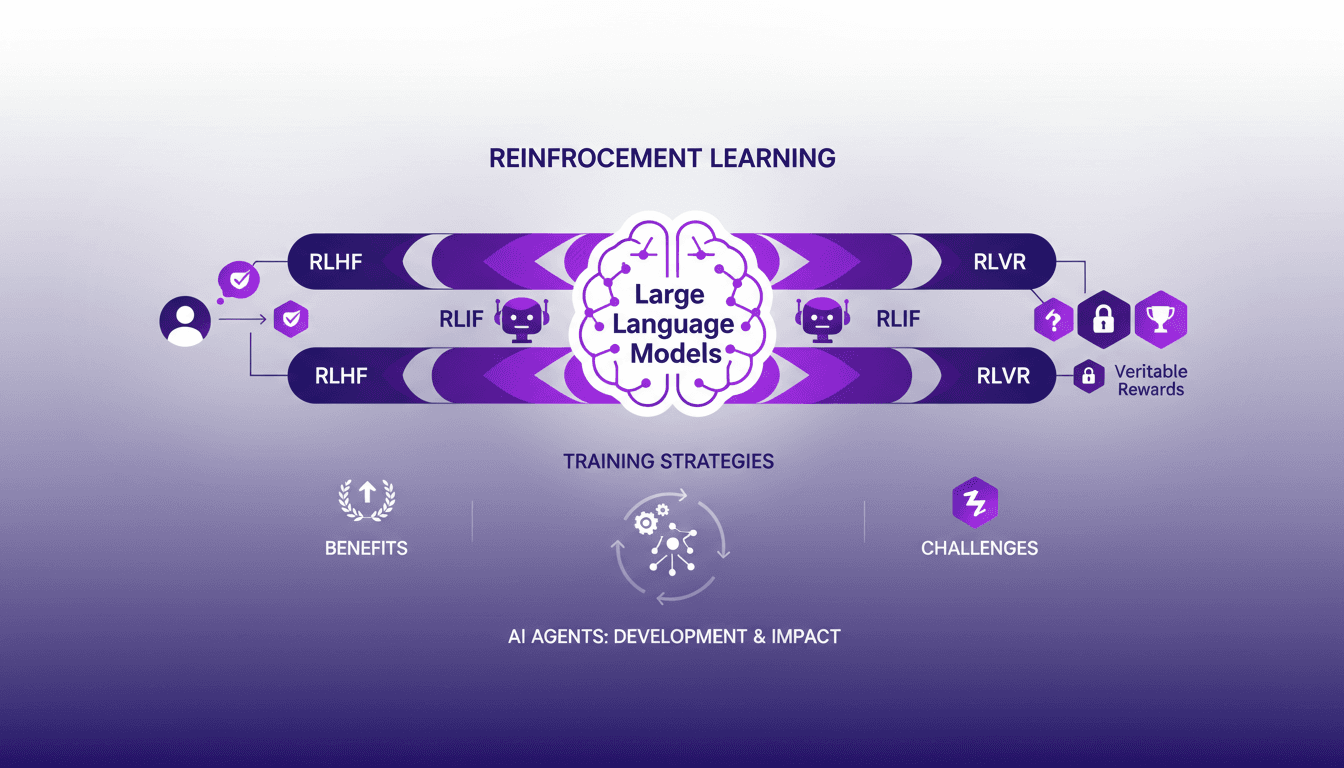
Reinforcement Learning for LLMs: New AI Agents
I remember the first time I integrated reinforcement learning into training large language models (LLMs). It was 2022, and with the development of ChatGPT fresh in my mind, I realized this was a real game-changer for AI agents. But be careful—there are trade-offs to consider. Reinforcement learning is revolutionizing how we train LLMs, offering new ways to enhance AI agents. In this article, I'll take you through my journey with RL in LLMs, sharing practical insights and lessons learned. I'm diving into reinforcement learning with human feedback (RLHF), AI feedback (RLIF), and verifiable rewards (RLVR). Get ready to explore how these approaches are transforming the way we design and train AI agents.
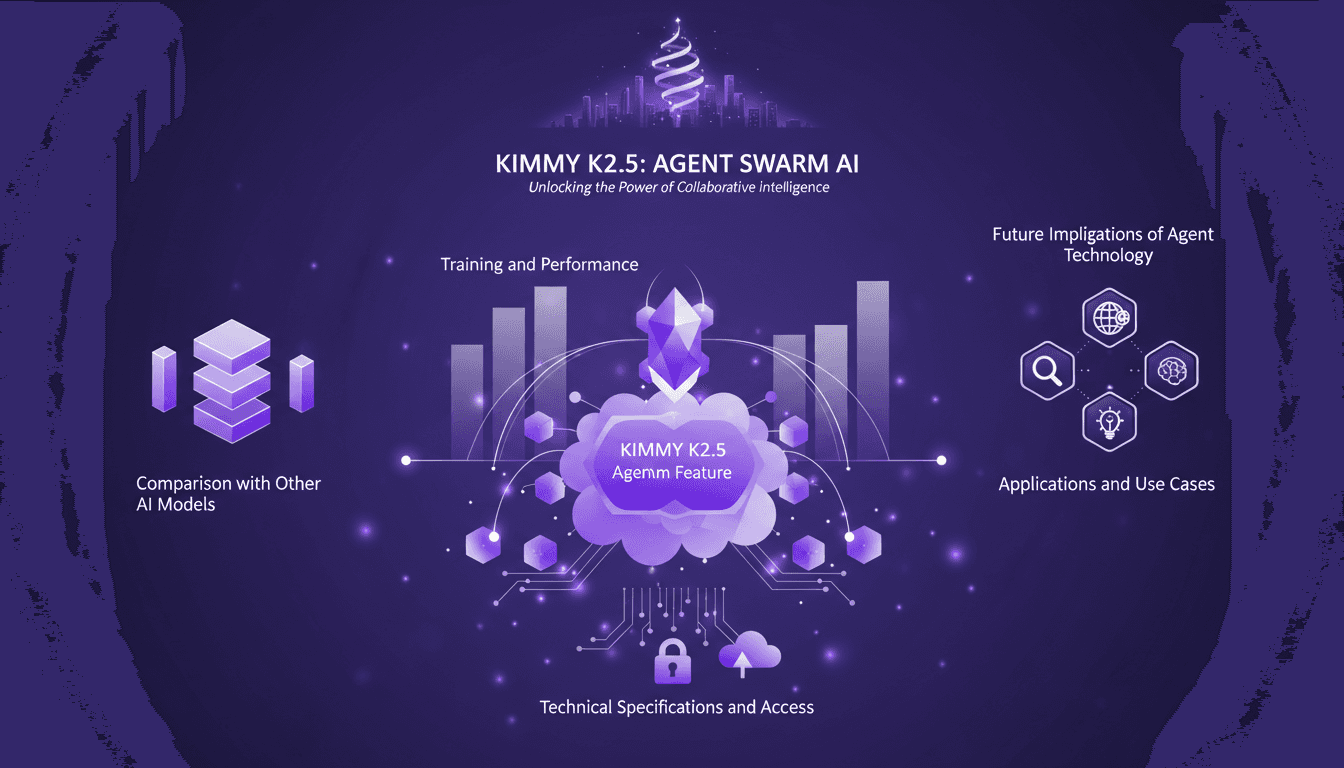
Kimmy K2.5: Mastering the Agent Swarm
I remember the first time I dove into the Kimmy K2.5 model. It was like stepping into a new AI era, where the Agent Swarm feature promised to revolutionize parallel task handling. I've spent countless hours tweaking, testing, and pushing this model to its limits. Let me tell you, if you know how to leverage it, it's a game-changer. With 15 trillion tokens and the ability to manage 500 coordinated steps, it's an undisputed champion. But watch out, there are pitfalls. Let me walk you through harnessing this powerful tool, its applications, and future implications.
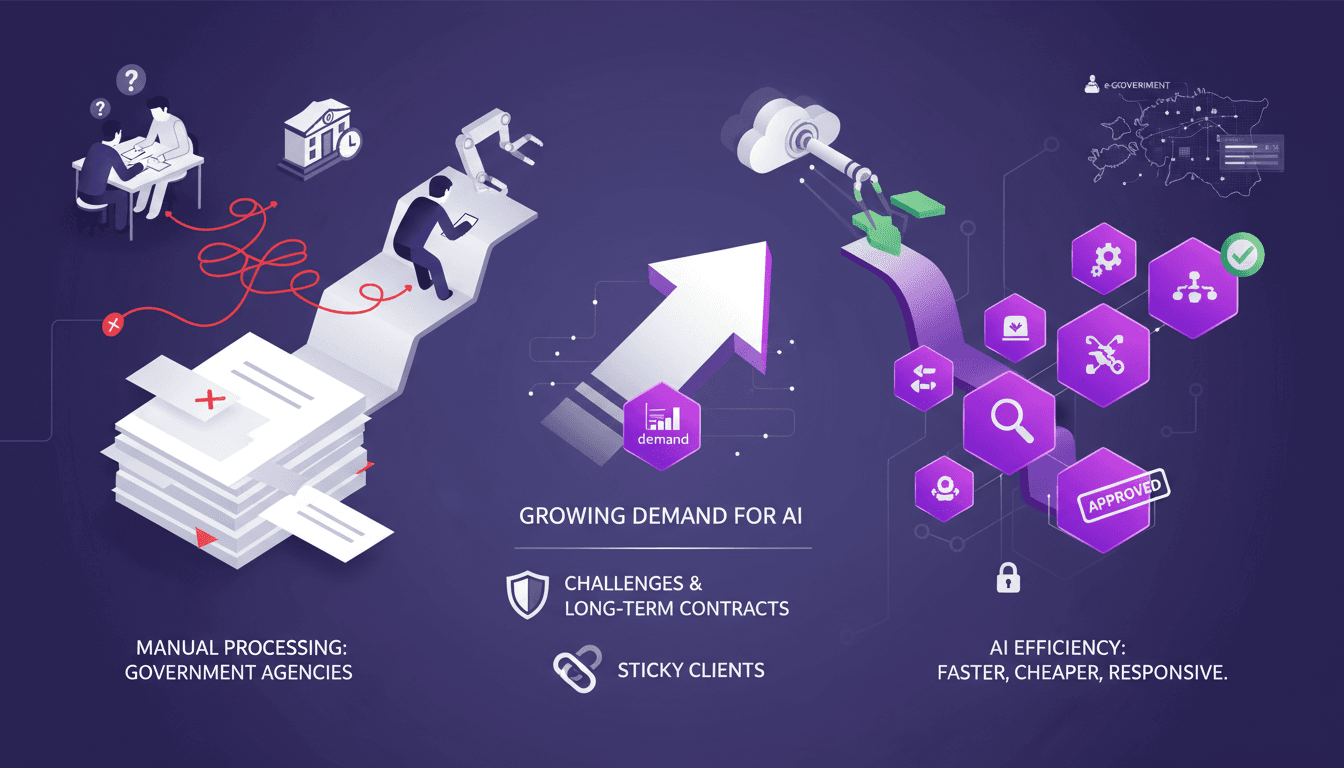
AI Efficiency in Government Processes
I remember the first time I saw AI transform a government form process. It was like watching a slow-moving train suddenly leap onto a high-speed rail. First, I connect the dots between AI and administrative forms, saving enormous time and cutting costs while improving accuracy. But watch out, selling AI to governments isn't without its challenges. Between inspiring examples like Estonia and long-term government contracts, there's much to learn to ensure AI isn't just another empty promise. I'll guide you through the real solutions I've piloted and how they've directly impacted the speed and accuracy of administrative processes.
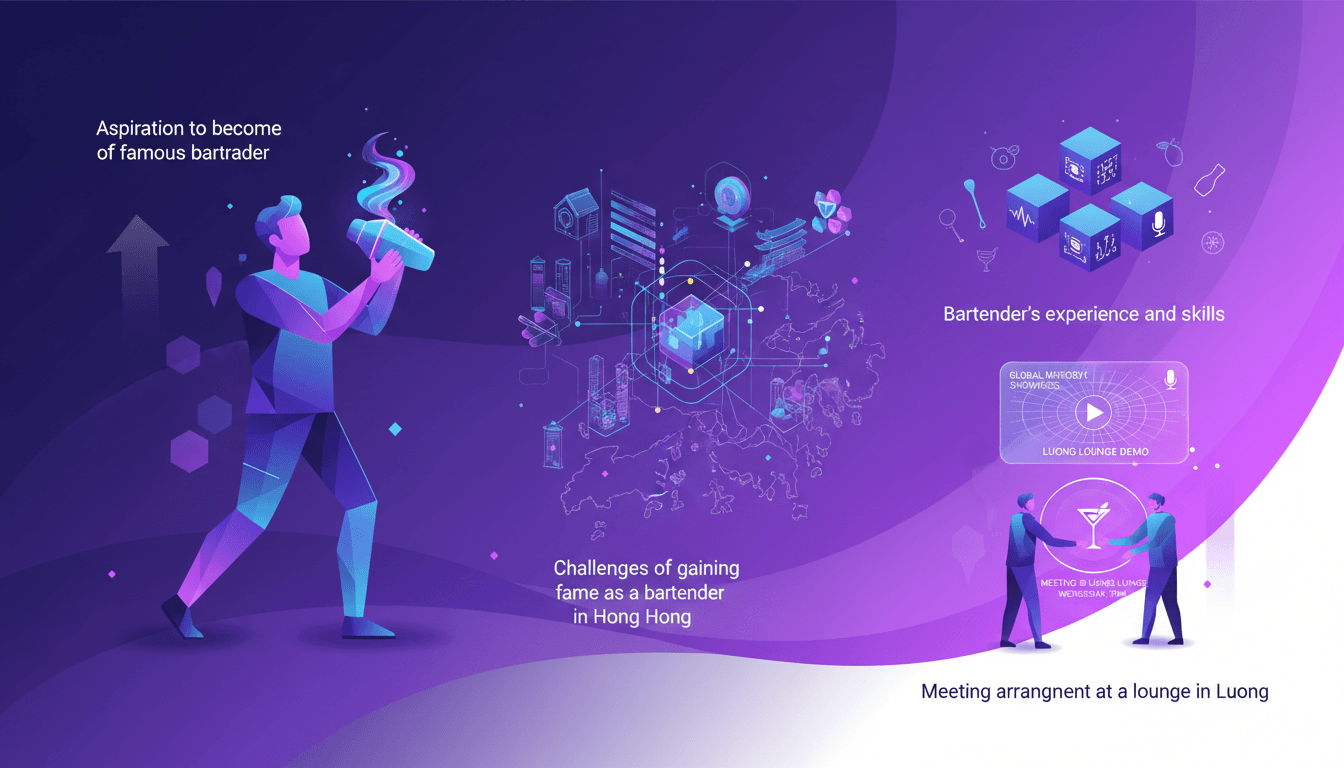
Becoming a Famous Bartender in Hong Kong: Challenges & Plans
For two years, I've been honing my craft behind the bar, dreaming of making it big in Hong Kong's vibrant nightlife scene. But standing out here is more than just mixing drinks. It's about crafting unique experiences in a city brimming with talent. I've gotten burned more than once, but I've learned that succeeding demands more than just skill. It requires strategy, innovation, and sometimes a bit of luck. In this interview, I share how I'm navigating this competitive world and my plans to impress during my upcoming meeting at the lounge in Luong.