Building a 20x Startup with Automation
I remember the first time I heard about 20x companies. It sounded like a pipe dream—automating nearly every internal function, delaying hiring, and still scaling like crazy. But then I saw it in action, and let me tell you, it's a game changer. Today, efficiency isn't just a buzzword—it's a survival strategy. With AI tools like Atlas, companies are redefining what it means to grow fast and smart. Let's talk about how automation is transforming startup growth and why delaying hires can be a strategic move. Companies like Giga ML and Legion Health are leading the way by automating their internal functions and building custom AI agents that boost productivity. This is the evolution towards 20x startups, where the impact is direct and tangible.
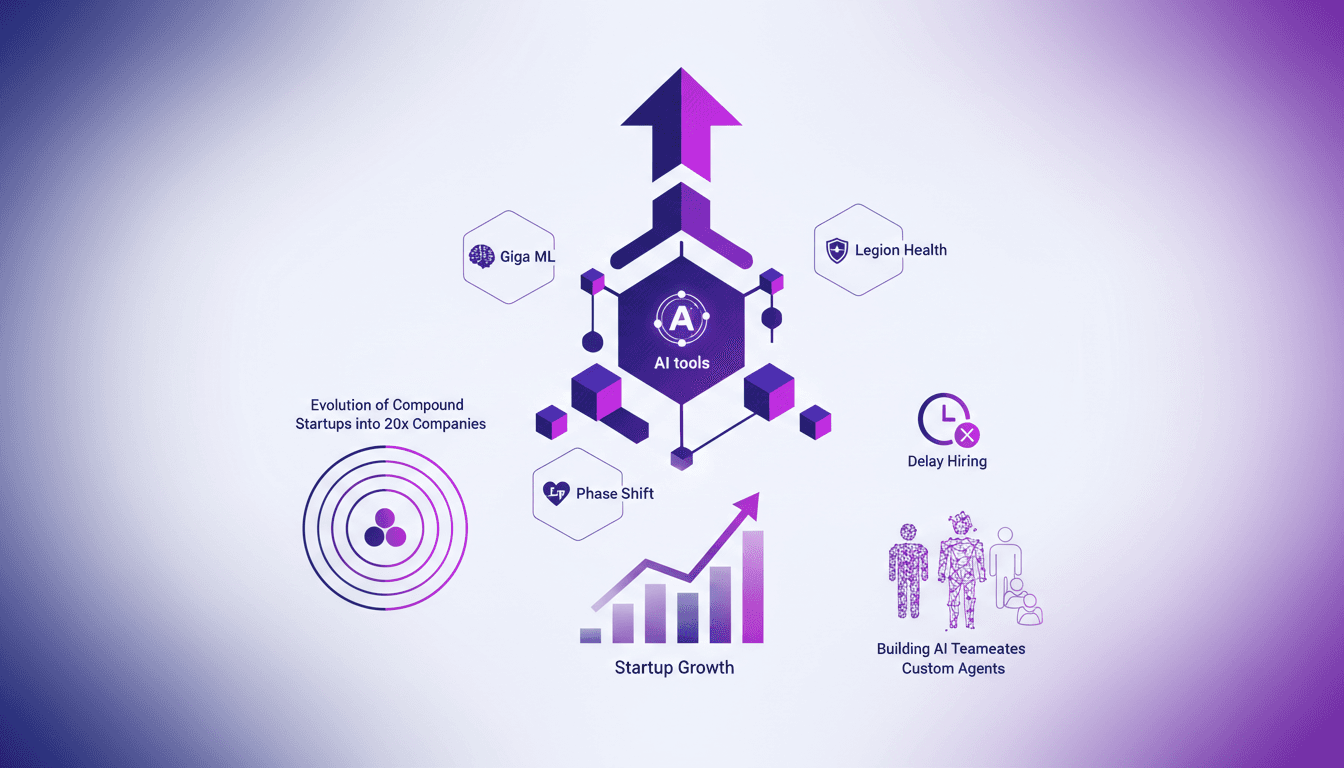
I got burned several times before I understood the power of 20x companies. The first time I heard about them, it sounded like a fantasy: automating nearly every internal function, delaying hiring, yet scaling like crazy. Then I saw it for myself, and honestly, it's a game changer. In today's startup world, efficiency is critical. AI tools like Atlas are redefining what it means to grow fast and smart. Let's dive into how companies like Giga ML and Legion Health are transforming by automating internal functions and building custom AI agents. The impact is direct: engineers who used to juggle 4 to 5 problems at once now see optimized productivity thanks to Atlas. Delaying hires isn't a constraint anymore; it's a strategy that pushes this evolution. We're witnessing a real transformation towards 20x startups, where the impact is tangible, and every technical choice is decisive.
Understanding 20x Companies and Automation
The concept of 20x companies refers to startups that push automation to its limits, automating virtually all internal functions. I've seen this firsthand—when you automate nearly everything, you unlock incredible potential. The idea is simple: if you can do the work of 20 people with just one through automation, you achieve exponential efficiency.
With the rise of AGI (Artificial General Intelligence), 20x companies are pushing automation boundaries even further. AGI allows the automation of complex tasks that previously required human intervention. But beware, it's not just about replacing humans but freeing them to focus on what truly matters.
Strategically delaying hiring through automation is a bold move. By using AI agents, you can handle massive workloads with a lean team. This works, but there are limits. Over-automation can lead to over-reliance and costly errors. I've experienced this: a bug in an automated system can cause chaos if humans are too distanced from the process.
Case Study: Giga ML and Internal Automation
Giga ML is a prime example of a 20x company. They use Atlas to manage between 3 and 8 Claude instances, enabling them to handle up to a million calls per day. That's huge! Before implementing Atlas, each engineer managed 4 to 5 problems simultaneously. Now, this number has doubled thanks to the automation of routine tasks.
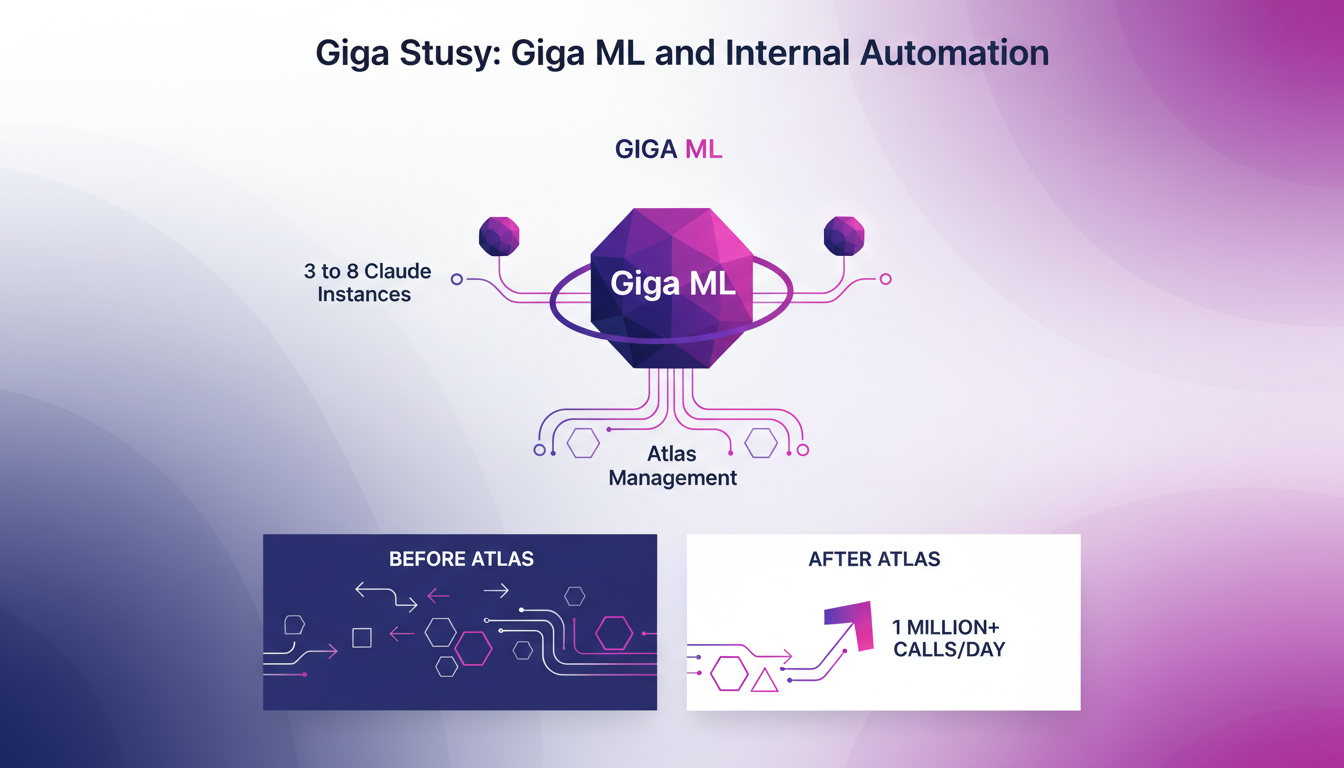
The cost savings are significant, but watch out, growing too fast without the right infrastructure can be dangerous. I've seen companies collapse under the weight of unmanaged growth. With Atlas, Giga ML has managed to delay hiring, but they must constantly ensure their infrastructure can keep up.
Legion Health: Single Source of Truth Interface
Legion Health took a different approach: a single source of truth interface. This allowed the company to grow 4x in a year without increasing headcount. This interface enables efficient data and process orchestration, giving each employee instant access to necessary information.
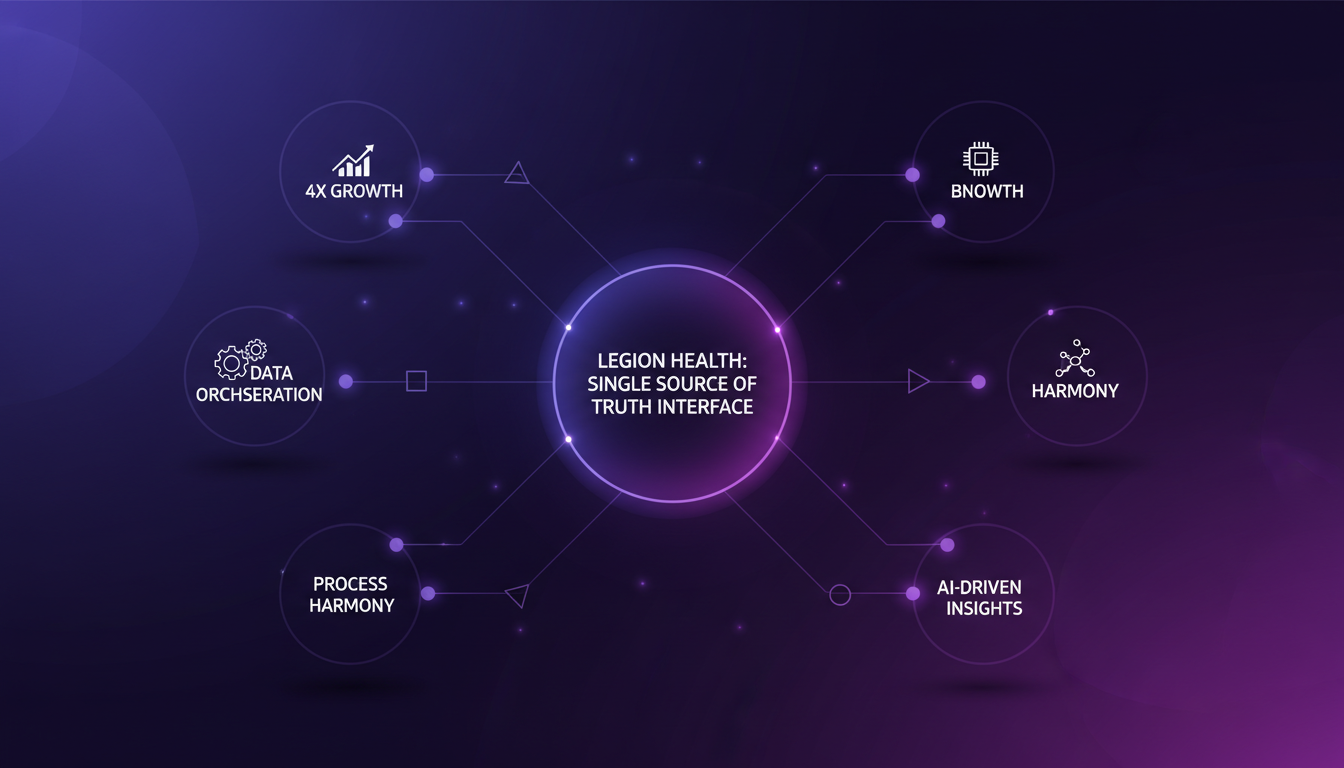
This simplification has its benefits, but watch out for the trade-offs between simplicity and complexity in data management. Adopting a single interface can simplify processes but also hide underlying issues. I've seen systems become unnecessarily complicated by trying to centralize everything.
Phase Shift: Automating Manual Tasks
Phase Shift chose to automate manual tasks to boost employee productivity. By delaying hiring through automation, they focused on improving workflows. But here too, there's a balance to be struck. Over-automation can reduce flexibility and human creativity.
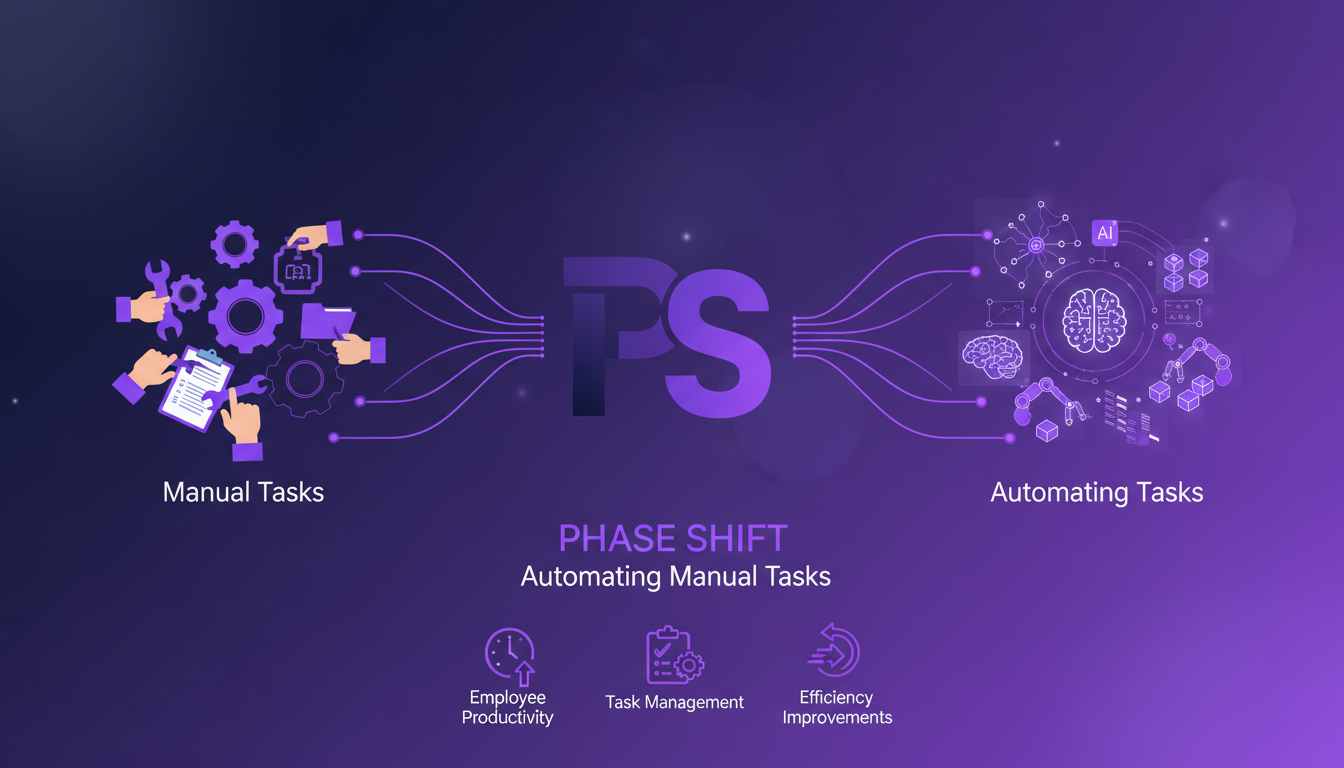
The workflow changes brought notable improvements, but watch out for the pitfalls of over-automating. I've learned that a process that's too automated can become rigid and hard to adjust when strategies change.
Comparing Automation Strategies Across Startups
Let's take a look at different automation strategies. Giga ML uses Atlas to maximize internal efficiency, while Legion Health opts for a centralized interface. Phase Shift focuses on automating manual tasks. Each of these approaches has its strengths and limits.
| Company | Strategy | Benefits | Limits |
|---|---|---|---|
| Giga ML | Using Atlas | Increased productivity | Risks of rapid growth |
| Legion Health | Centralized interface | Simplified management | Potential data complexity |
| Phase Shift | Task automation | Productivity boost | Loss of flexibility |
The use of AI tools like Atlas is crucial in these strategies, but be mindful of the trade-offs. Each company must find the right balance between automation and human intervention. I've seen companies thrive by finding this balance, but others fail by missing it.
First takeaway: Automation isn't just a tool, it's a real catalyst for growth. I've watched Giga ML, Legion Health, and Phase Shift turn into '20x' companies by automating their internal functions. But here's the critical part: you've got to balance automation with human oversight. Next, tools like Atlas are game changers for productivity. Before Atlas, engineers could handle 4 to 5 issues simultaneously. Now, with 3 to 8 Claude instances, it's a whole new ballgame. The trick is finding where AI tools make the most impact—that's where the transformation happens. Ready to turn your startup into a '20x' powerhouse? Start by evaluating your workflows and integrating AI tools where they'll make the most difference. And really, check out the video 'The New Way To Build A Startup'; it's a must-watch for those serious about leveling up.
Frequently Asked Questions

Thibault Le Balier
Co-fondateur & CTO
Coming from the tech startup ecosystem, Thibault has developed expertise in AI solution architecture that he now puts at the service of large companies (Atos, BNP Paribas, beta.gouv). He works on two axes: mastering AI deployments (local LLMs, MCP security) and optimizing inference costs (offloading, compression, token management).
Related Articles
Discover more articles on similar topics
Boost Your Code with Codex: Validation and Testing
I've been in the trenches of software development long enough to know when a tool is more than just hype. Codex changed the game for me, especially in how I validate and test code. This isn't just theory—it's my daily workflow. Codex has allowed me to cut validation tasks down to less than ten minutes, which is a real win. Using Python, I've orchestrated code refactorings that were previously nightmares. But watch out, there are performance limits, especially when pushing automation capabilities to the max. Here, I'll share how Codex has transformed my approach to coding, efficiency, and risk management.
Objection Proof AI: Revolutionizing Sales Calls
I've been in the AI trenches long enough to spot a game changer. Objection Proof AI is one of those rare finds. We're not talking about just processing data here—it's revolutionizing how we handle sales calls. Imagine a system that's already processed millions of calls, contributing to millions in annual recurring revenue. If you're thinking about your next investment dollar, this might be it. With 200 clients in just nine months, it's not a flash in the pan. I'll walk you through it in this private webinar, an opportunity to grasp before everyone else catches on.
Transitioning from DevOps to Platform Engineering
I remember when DevOps was the buzzword. Now, platform engineering is taking the spotlight, and I've been right in the thick of it. With a decade of tech evolution under our belts, it’s more than just swapping buzzwords; it’s about real change. I’ve navigated this transition, and it’s been a game-changer for our productivity as software engineers. We’ll dive into what tools actually work, traps to avoid, and how AI and automation fit into the picture. In a nutshell, how we transition from DevOps to effective platform engineering without getting burned.
Making $150K/Month: Key App Strategies
I remember vividly when I first hit that $150K/month milestone with my apps. It wasn't magic; it was a mix of strategic moves, tech stack mastery, and a relentless focus on organic growth. This article dives into how Katie Keith orchestrates her 19 apps to generate $1.8 million annually. We discuss her strategies for building and growing multiple software products, the importance of organic search and content marketing, and how she leverages AI and technology tools for product development.
Mushroom Chocolate: Launching My Business
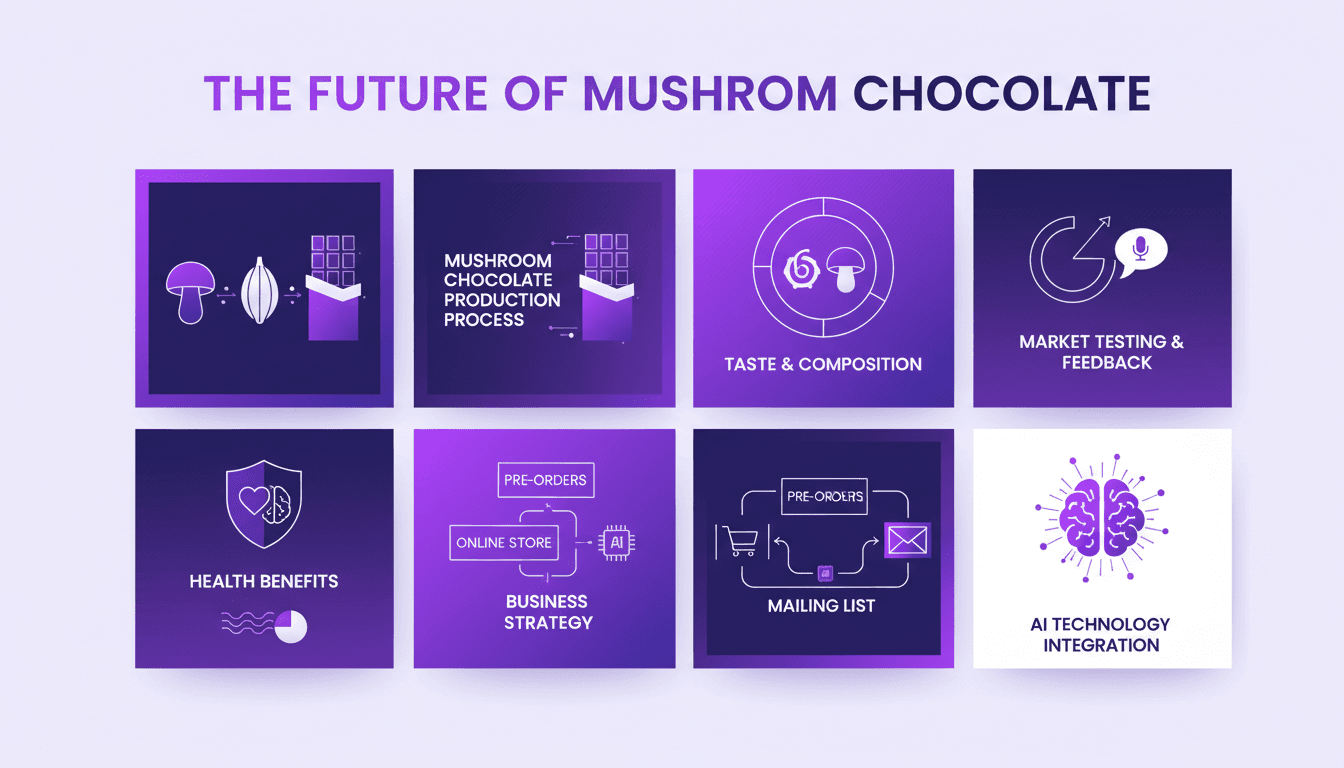
Never did I imagine that mixing mushrooms with chocolate would lead me to build a business. Yet, in my kitchen, the idea sprouted and wouldn't let go. Three days to produce this unique chocolate, and the first order of five bars came in. From production to pre-order strategy and setting up my online store, I learned at every step. It was a journey filled with challenges but fascinating; I had to juggle health trends and unique flavors to carve out my market niche. Here, I share my entrepreneurial adventure, my successes, my mistakes (and there were some), and how a simple idea turned into a commercial reality.