Profitable AI Agent: Strategies and Tools
I built an AI agent that rakes in $10K a month without spending a dime on ads. Sounds crazy? Here’s how I did it. In a world where efficiency and automation are key, I developed Lancer, an AI agent that transforms how freelancers and agencies operate on platforms like Upwork. By automating job discovery and proposal writing, Lancer has revolutionized our approach. I share how I leveraged connectors for business growth, crafted subscription plans and pricing, and the opportunities I discovered in building AI agents. I'll also explain the mistakes I made, the tools I used, and how you can start your own software product development.
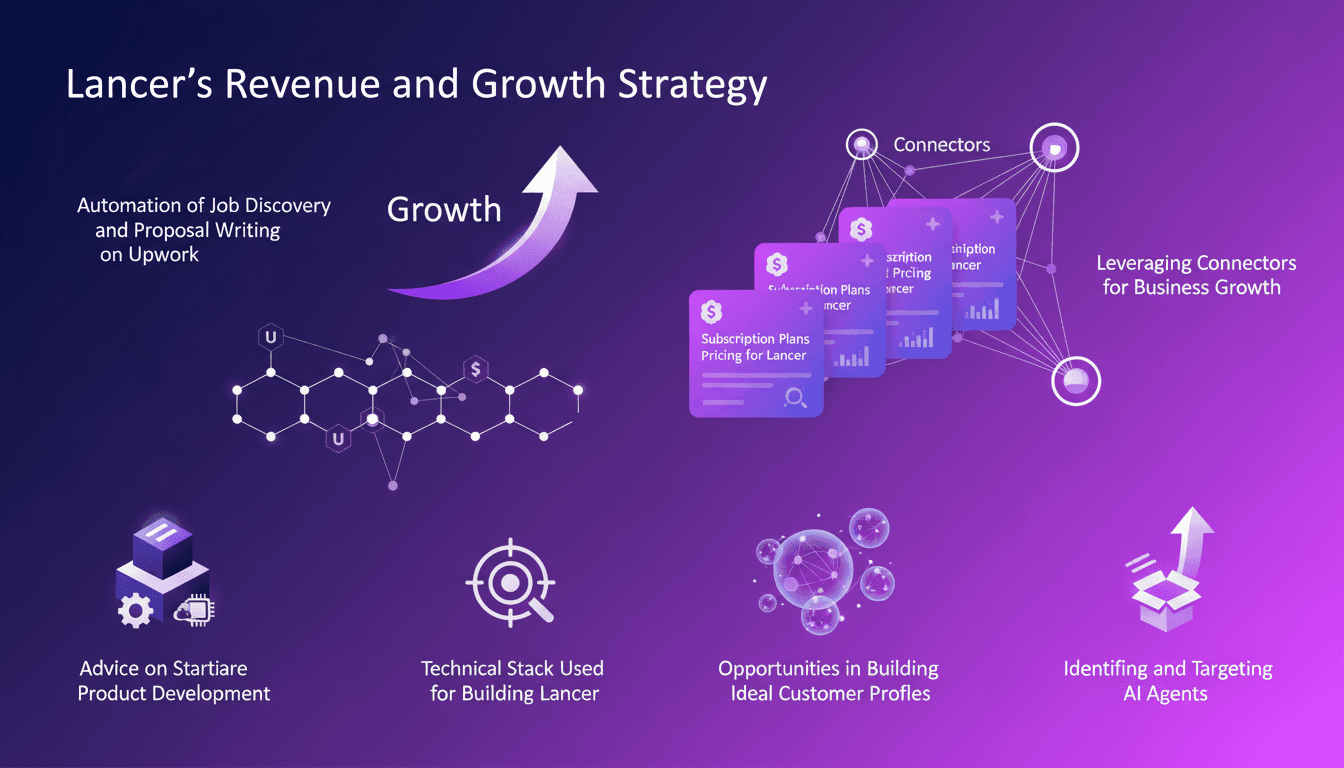
I built an AI agent that pulls in $10K a month without spending a cent on ads. Sounds crazy? Let me tell you how I did it. In a world where efficiency and automation are essential, I developed Lancer, an AI agent that transforms how freelancers and agencies operate on platforms like Upwork. First, I automated job discovery and proposal writing, which literally transformed the way we work. By orchestrating connectors to boost our growth, I also crafted subscription plans and set savvy pricing. Needless to say, I hit a few walls along the way. But each mistake helped me better understand the potential of AI agents. Today, I'm sharing how to avoid pitfalls, choose the right tech stack, and most importantly, how to kickstart your own software product development. It's a real game changer, but watch out for the limits and strategic choices you'll need to make!
Lancer's Revenue and Growth Strategy
Starting with zero paid ads was a bold move, but that's exactly what we did with Lancer. We focused on organic growth from the get-go, capitalizing on word-of-mouth and customer success stories. Every satisfied user became a potential ambassador, and that's how we built our credibility. By delivering tangible value, we allowed our users to save more than 10 hours per week, which is no small feat.
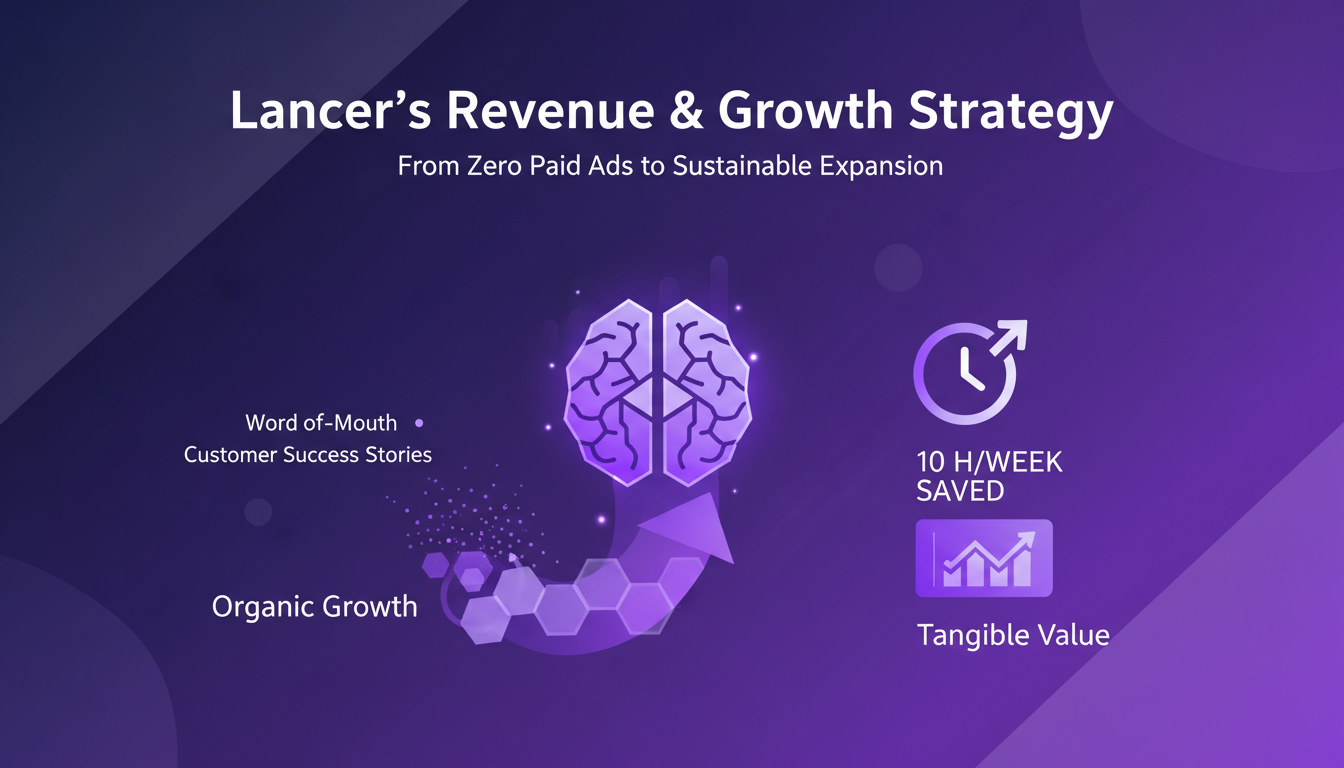
Our clients were able to close five-figure deals using Lancer, which boosted our credibility in the market. This wasn't just a coincidence but the result of iterative improvements based on user feedback. Iterating based on real feedback was our mantra, and it paid off. I cannot stress enough the importance of listening to your market.
- Growth without paid ads
- Significant time savings for users
- Iterative improvements through user feedback
Automating Job Discovery and Proposal Writing on Upwork
Automating proposal writing on Upwork is a real game-changer. Once I set up our AI agent to identify high-value jobs and tailor proposals, I saw the immediate impact on our efficiency. The AI agent we developed could handle ten times more tasks than a human. It was like having a personal assistant that never sleeps.
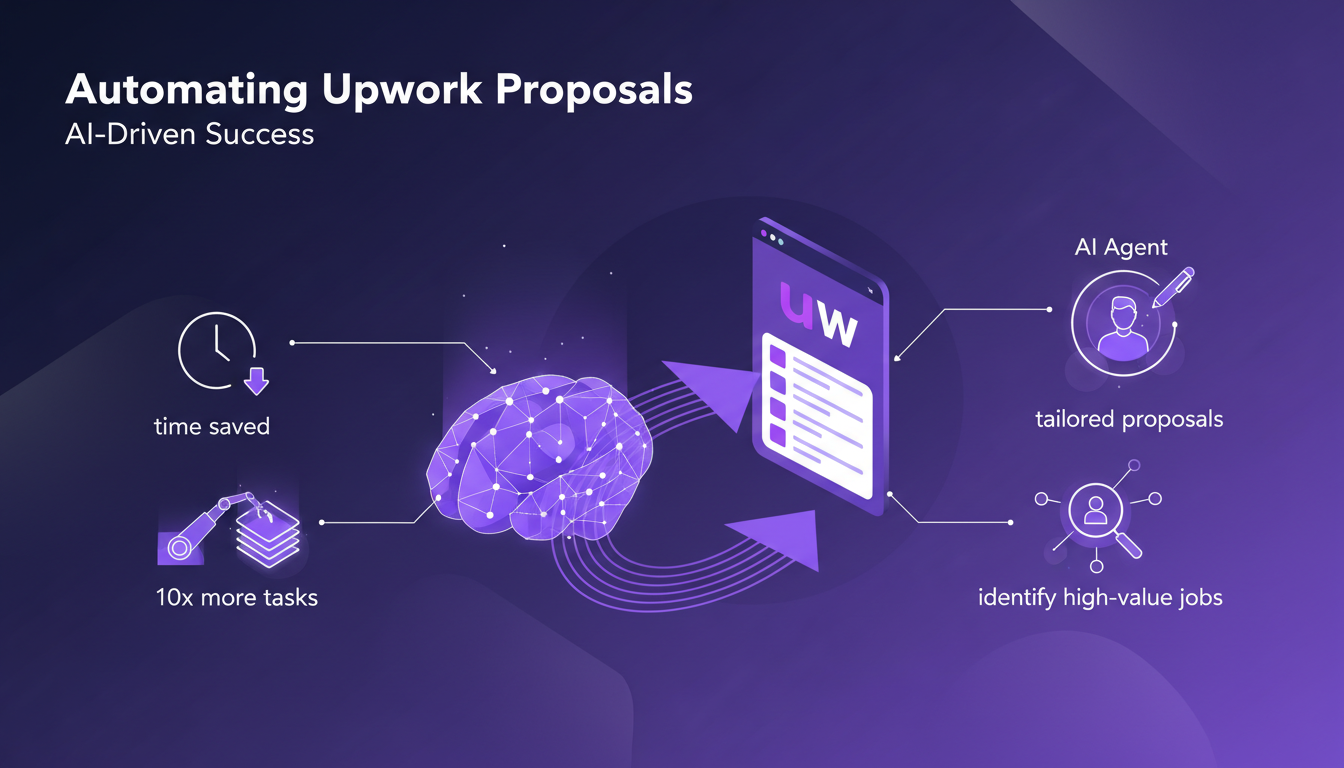
But watch out, don't overuse proposal templates. Personalization remains key to avoid falling into the trap of over-automation that harms proposal acceptance rates. By reducing manual errors, we not only increased these rates but also lightened the workload of our team.
- Considerable time savings through automation
- AI capable of handling 10 times more tasks
- Importance of personalizing proposals for better acceptance rates
Leveraging Connectors for Business Growth
Connectors were our secret to extending our reach. By integrating Lancer with other platforms using APIs, we automated the data flow between systems. This allowed us to focus on what brought immediate value to our business without getting lost in complex integrations that slowed down processes.
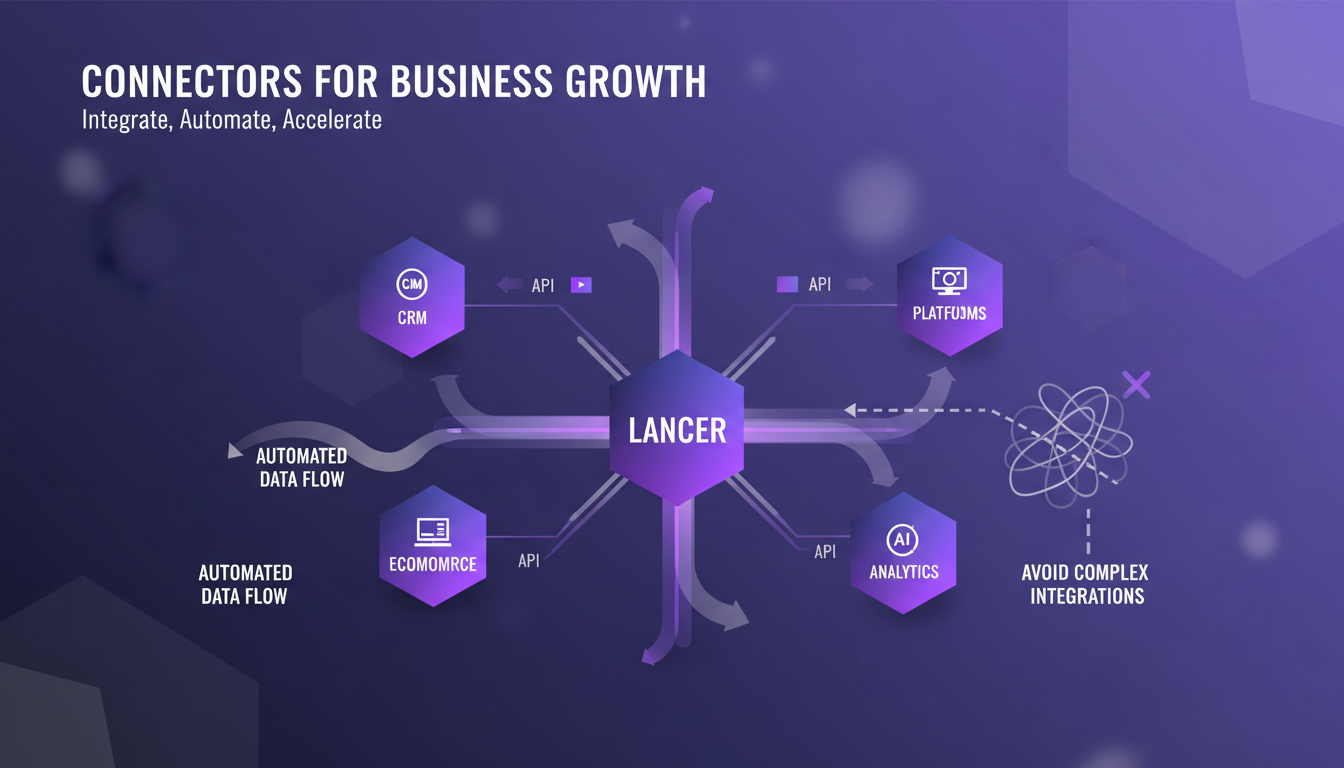
These connectors allowed us to scale without increasing our workforce, a strategy that proved to be successful. The key is to choose integrations that bring real value and not get distracted by overly complex solutions.
- Connectors to expand Lancer's reach
- APIs to automate data flows
- Simple and effective integrations for quick impact
Technical Stack Used for Building Lancer
Building Lancer with a robust stack was crucial. We chose TypeScript for its error-checking capabilities, and it proved to be a wise choice. Next.js facilitated server-side rendering, which boosted our application's performance. As for NodeJS, it efficiently handled asynchronous operations, which was essential for our architecture.
But watch out, you have to avoid over-engineering. Sometimes, simplicity is the key. I've learned the hard way that overly complex solutions can backfire, whereas a more straightforward and direct approach can often suffice.
- TypeScript for error checking
- Next.js for server-side rendering
- NodeJS for asynchronous operations
- Simplicity often more effective than complexity
Opportunities and Advice in Building AI Agents
AI agents offer massive potential for efficiency gains. Identifying the Ideal Customer Profile (ICP) was crucial for us. By focusing on solving specific pain points for freelancers and agencies, we were able to adjust our product based on real-world feedback.
My advice: start small, validate your ideas quickly, and scale strategically. It's through testing and learning that you'll find the best opportunities. At Lancer, we've learned that iteration based on real-world usage and feedback is the key to long-term success.
- Significant potential for efficiency gains
- Identify and target ICP for maximum impact
- Iterate quickly and strategically
Building an AI agent like Lancer isn't just tech—it’s understanding the market, listening to user feedback, and letting AI handle the grunt work. Here's what I've nailed down:
- Market understanding: Before anything, I need to know my market inside out, or no tool will save me.
- Iterate on user feedback: Every feedback is a stepping stone to make the agent better and maximize its impact.
- Automate for growth: Automation is my lever to outperform by 10 times on certain tasks, without any paid ads.
Honestly, generating $10,000 a month without ads is a game changer. But remember, always keep an eye on shifting market needs and adapt accordingly. Ready to build your own AI agent? Dive in, iterate, and watch your efficiency—and revenue—skyrocket. Check out the full video for a deep dive: YouTube link.
Frequently Asked Questions

Thibault Le Balier
Co-fondateur & CTO
Coming from the tech startup ecosystem, Thibault has developed expertise in AI solution architecture that he now puts at the service of large companies (Atos, BNP Paribas, beta.gouv). He works on two axes: mastering AI deployments (local LLMs, MCP security) and optimizing inference costs (offloading, compression, token management).
Related Articles
Discover more articles on similar topics
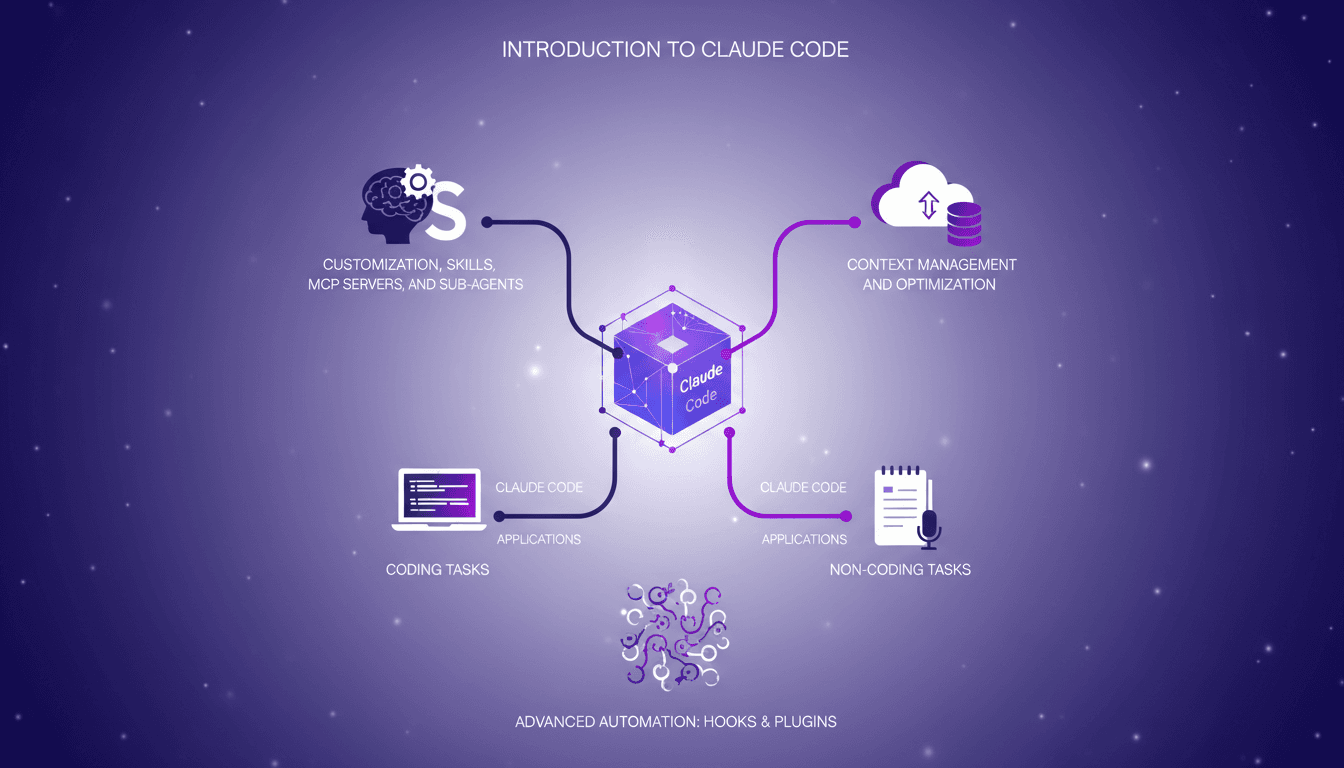
Mastering Claude Code: Basics and Beyond
I remember the first time I dived into Claude Code. It was like opening a toolbox I didn't know I needed. Claude Code isn't just a coding tool; it's a powerhouse for both coding and non-coding tasks. Whether you're customizing with skills or optimizing context windows, this 47-minute guide walks you through practical steps and strategies. From context management to advanced features like hooks and plugins, we cover it all. This is an intermediate to advanced level dive, so get ready to transform your workflow drastically!
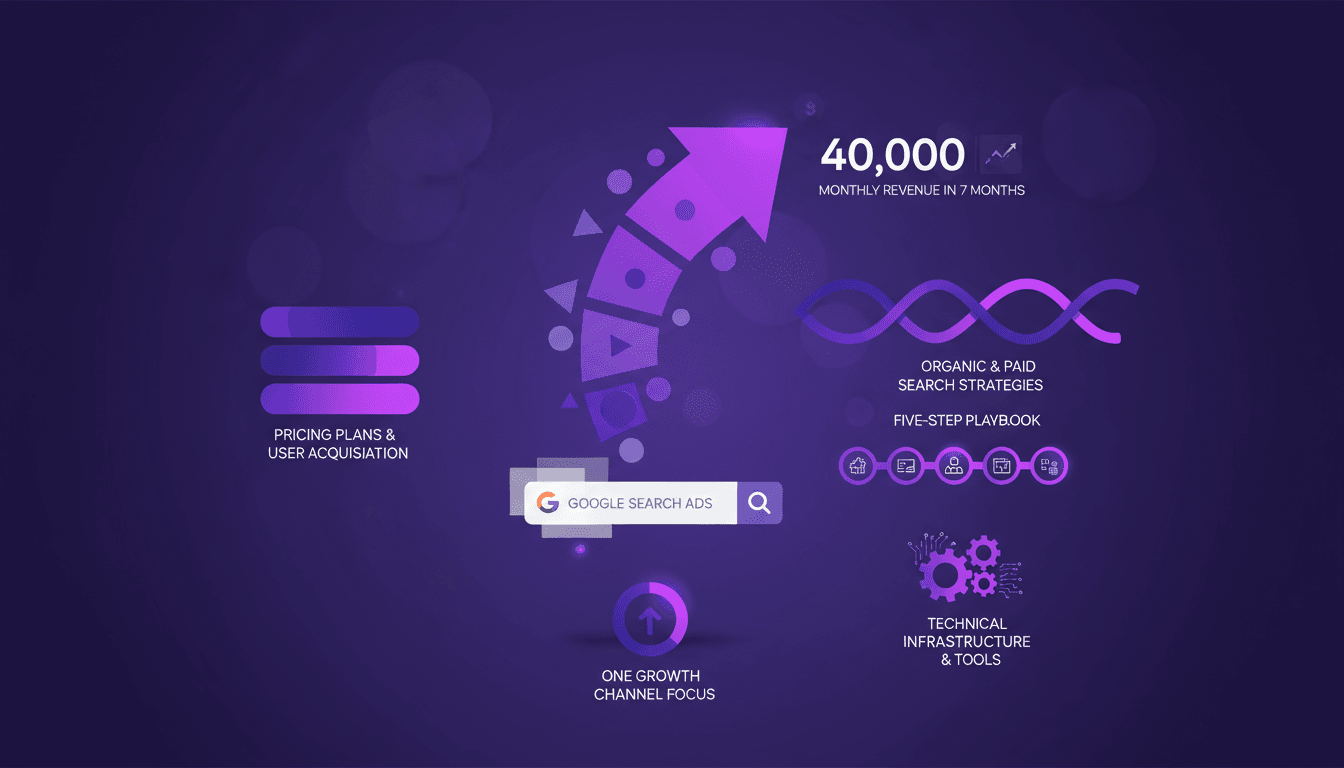
Reaching $40K/Month with Google Ads
I remember the day we hit $40,000 in monthly revenue. It wasn't by accident, and it sure wasn't overnight. In just 7 months, we orchestrated a strategy focusing solely on Google Search Ads. Without getting lost in the social media noise, we proved that a focused approach could turn our growth strategy into real results. Let me walk you through how we did it. I'll talk about pricing plans, user acquisition, and the technical tools we used. Get ready to uncover our five-step playbook for succeeding with Google.
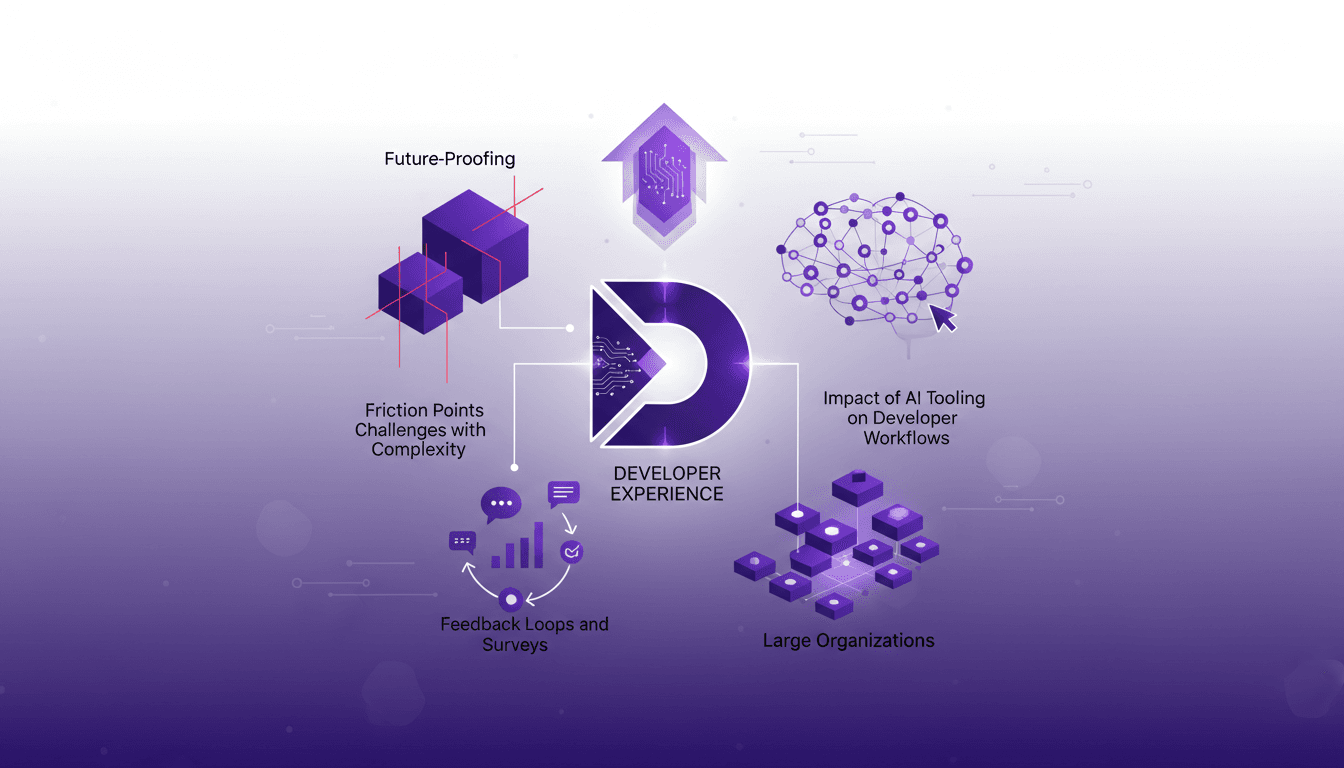
Enhancing DevEx: Stop 'Future-Proofing'
I've been there, staring at my system design, pondering every possible point of failure ten years down the line. I used to call it 'future-proofing'. But here's the kicker: it was slowing me down, and not in a good way. By focusing on developer experience (DevEx) and leveraging AI tools, I realized my systems became not only more robust but also more efficient today, not in some hypothetical future. In this article, I break down why 'future-proofing' isn't the hero we thought it was and how a more agile approach can transform your organization.
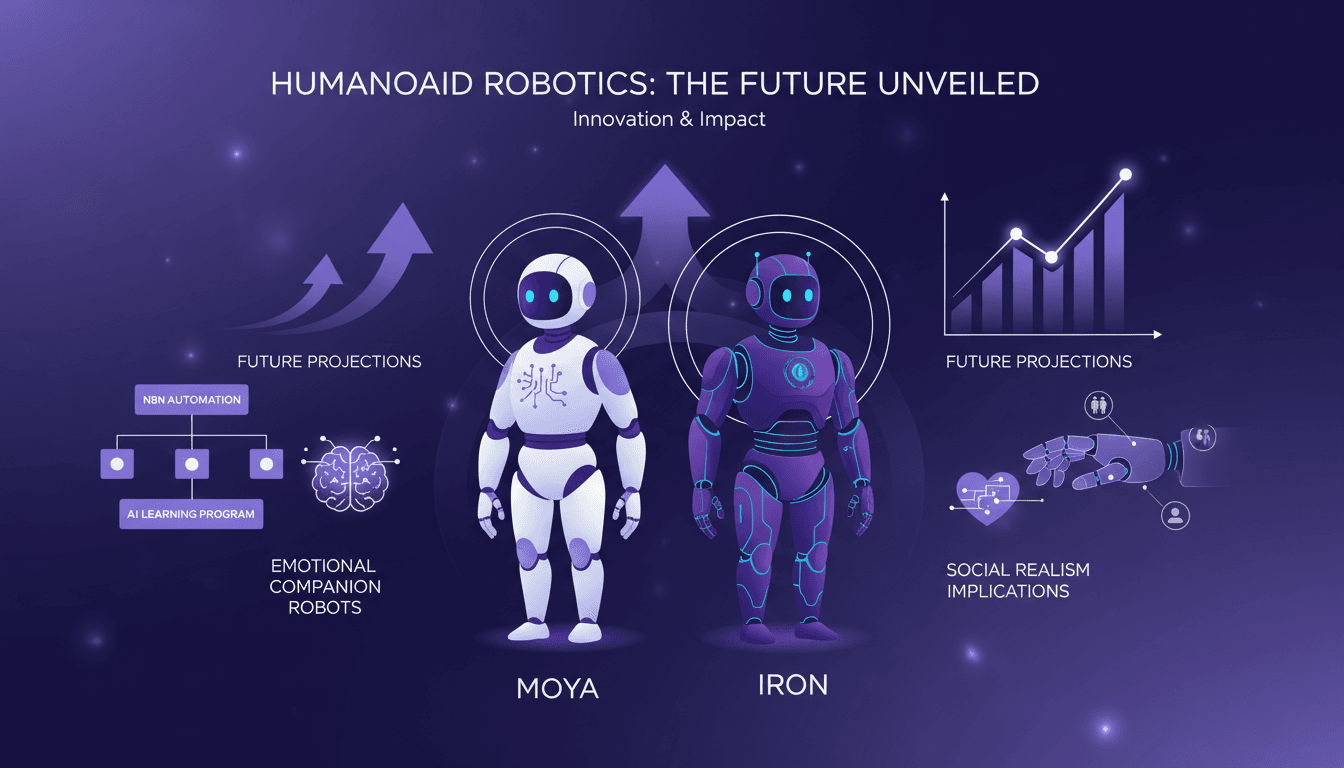
Humanoid Robots: Moya and Iron, Challenges Ahead
I shook Moya's hand, and the warmth was uncanny. It's not just about replicating human features; it's about pushing the boundaries of robotics. With the humanoid robotics market projected to grow rapidly, understanding the tech advancements and market dynamics is crucial. I dive into how humanoid robots like Moya and Iron are reshaping the field. From robot design to AI integration, and automation using N8N, these robots are redefining our relationship with technology. Watch out, Moya's skin reaches 36°C, eerily similar to a human's. Ready to dive into this fascinating world?
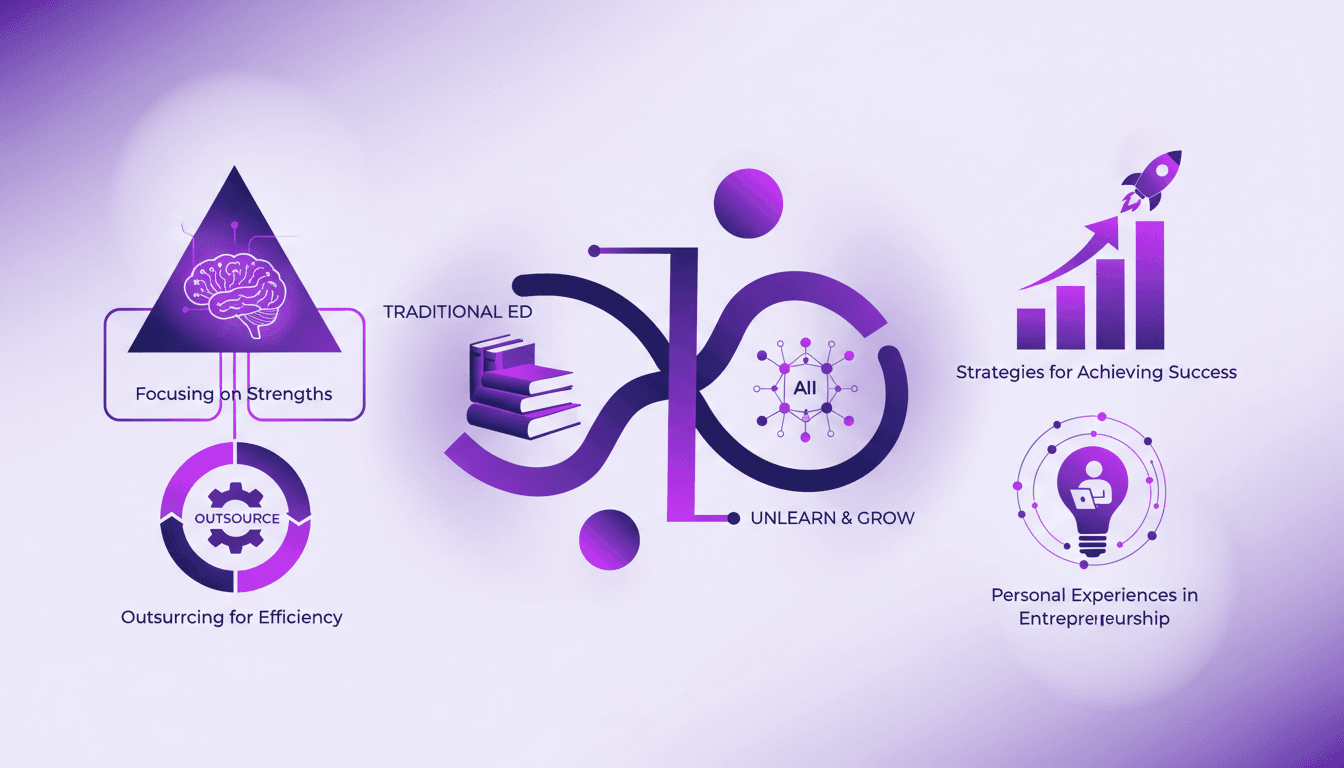
Leverage Your Strengths for Success
At 15, I started my first gardening company with zero business know-how, just a knack for knocking on doors and convincing people. That early lesson shaped my path to success. Today, I'm diving into how leveraging your strengths and smart outsourcing can transform your entrepreneurial journey. It's not all sunshine and roses—there are real trade-offs and limits. But by focusing on what you're good at and delegating the rest, you can genuinely move forward. We'll contrast this with traditional education and discuss practical strategies that have propelled me to success.