Reaching $40K/Month with Google Ads
I remember the day we hit $40,000 in monthly revenue. It wasn't by accident, and it sure wasn't overnight. In just 7 months, we orchestrated a strategy focusing solely on Google Search Ads. Without getting lost in the social media noise, we proved that a focused approach could turn our growth strategy into real results. Let me walk you through how we did it. I'll talk about pricing plans, user acquisition, and the technical tools we used. Get ready to uncover our five-step playbook for succeeding with Google.
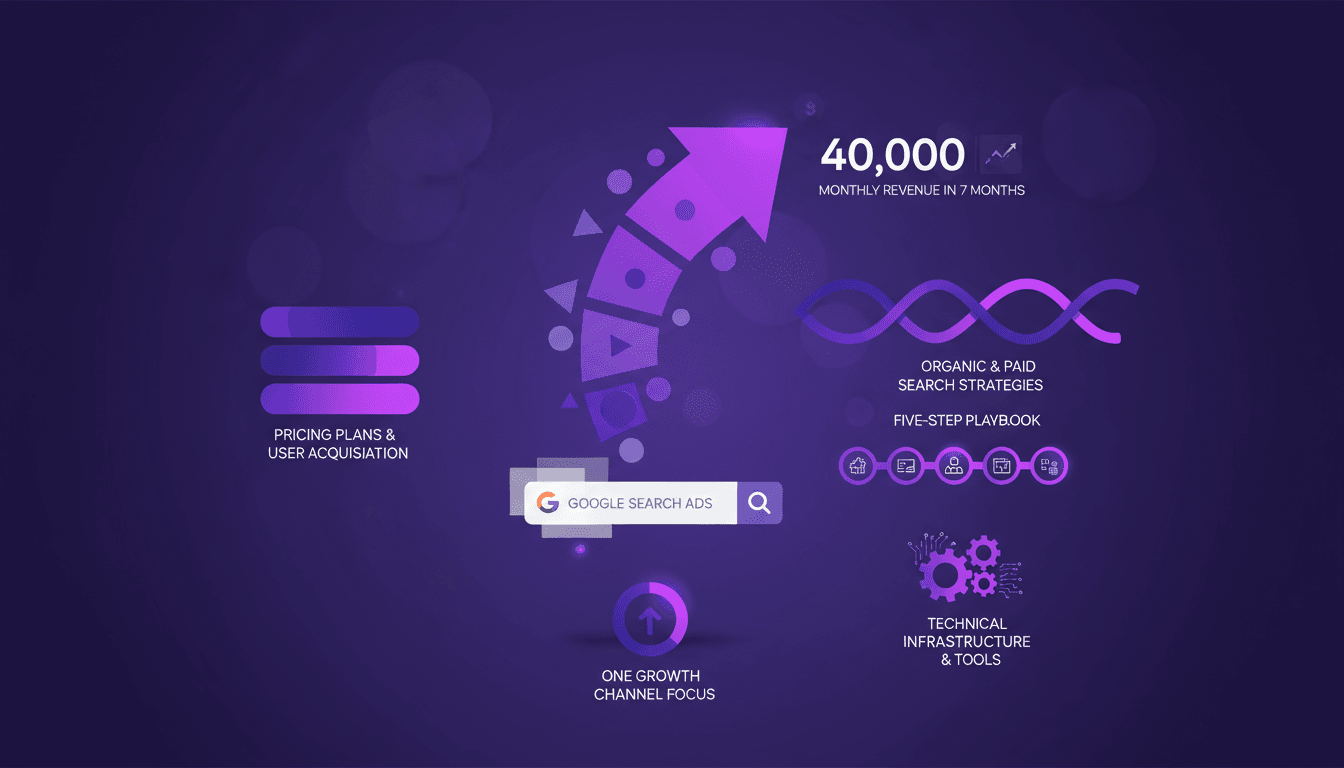
I remember the day we hit $40,000 in monthly revenue. It was a milestone, and I knew it wasn't by chance. In just 7 months, we orchestrated a strategy that relied solely on Google Search Ads. While everyone seems obsessed with social media, we chose a different path. I connected our strategy to one powerful growth channel, and it made all the difference. We optimized our pricing plans and user acquisition to maximize impact. Let me walk you through the key steps of our success: how we set up our technical infrastructure, the tools we used, and how focusing on just one channel can really pay off. Get ready to uncover our five-step playbook for a successful Google strategy.
Understanding Our Product and Pricing Model
When I launched Late, a social media API, I knew pricing would be crucial. We opted for three distinct plans: a basic plan for simple integrations, an accelerated plan for additional accounts, and an unlimited plan for heavy users. Why three? Because it allows us to align our offering with the perceived customer value. Our goal was clear: each plan had to reflect tangible added value for the user.
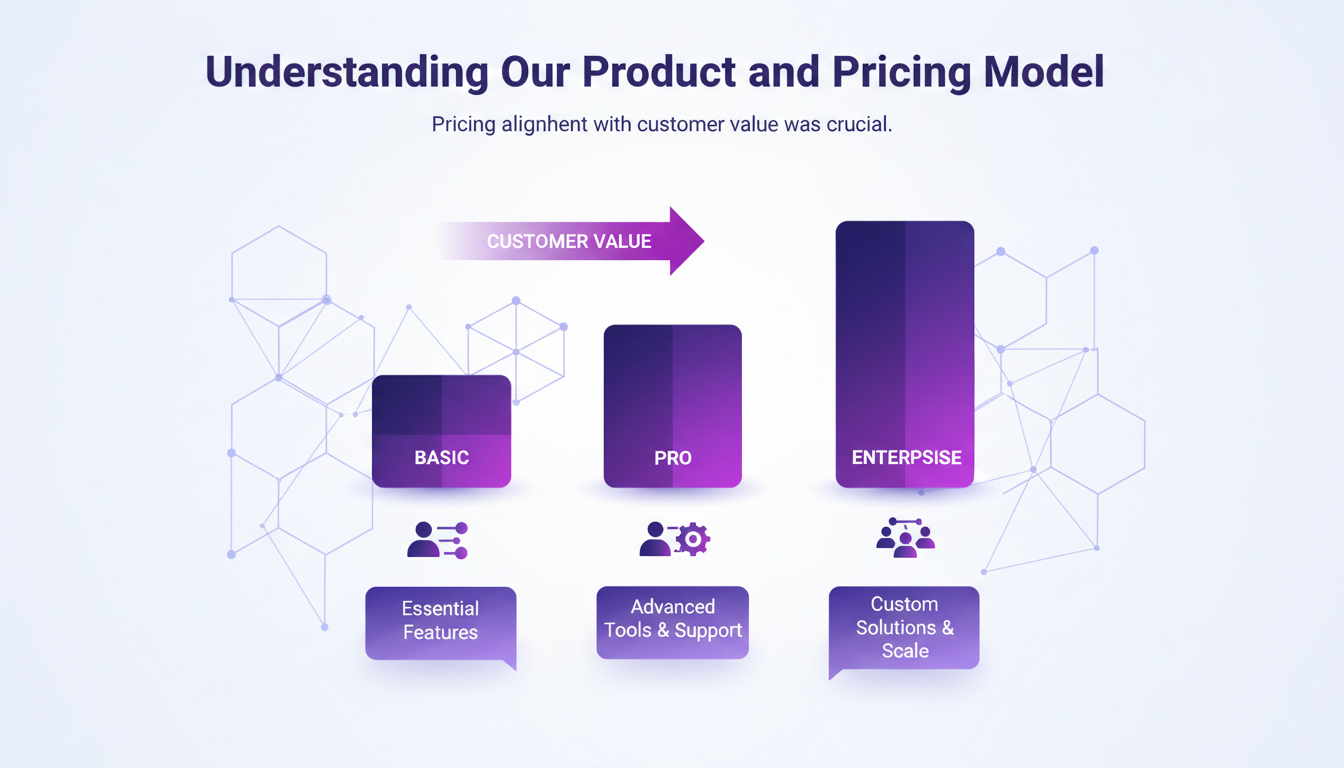
This pricing model directly influenced our MR (Monthly Revenue). In 7 months, we went from zero to a monthly revenue of $30,000, then quickly to $40,000. The impact isn’t just on the numbers but on perception: each plan clearly communicates its value proposition.
Google Search Ads: Our Primary Growth Channel
One of the most profitable strategic choices was to prioritize Google Search Ads over social media. Why? Because purchase intentions are clear and measurable. With social media, you often get lost in vanity metrics. With Google, every click can be traced to a specific intention. We started by setting up our campaigns to maximize reach and impact.
By closely monitoring the CPA (Cost Per Acquisition), I ensured that every dollar spent was worth it. And the results followed: every dollar invested returned 2.5 times in revenue. Our monthly revenue from ads hit 15K MR.
"Using Google Ads allowed us to capture existing intent and get immediate results."
The correlation between our ad spend and revenue growth was direct. For a full insight into the Google Ads strategy, explore more.
Crafting a Five-Step Google Ads Playbook
Implementing an effective Google Ads strategy is no small feat. I learned the hard way that every step needs optimization. Here’s my five-step process:
- Keyword Research: Use tools like hrefs to identify words with 300-800 monthly searches and low competition.
- Content Creation: Write in-depth guides that capture search intent.
- Ad Optimization: Test different combinations of headlines and descriptions.
- Performance Tracking: Analyze data to adjust campaigns accordingly.
- Iteration: Adapt based on results and refine our approach.
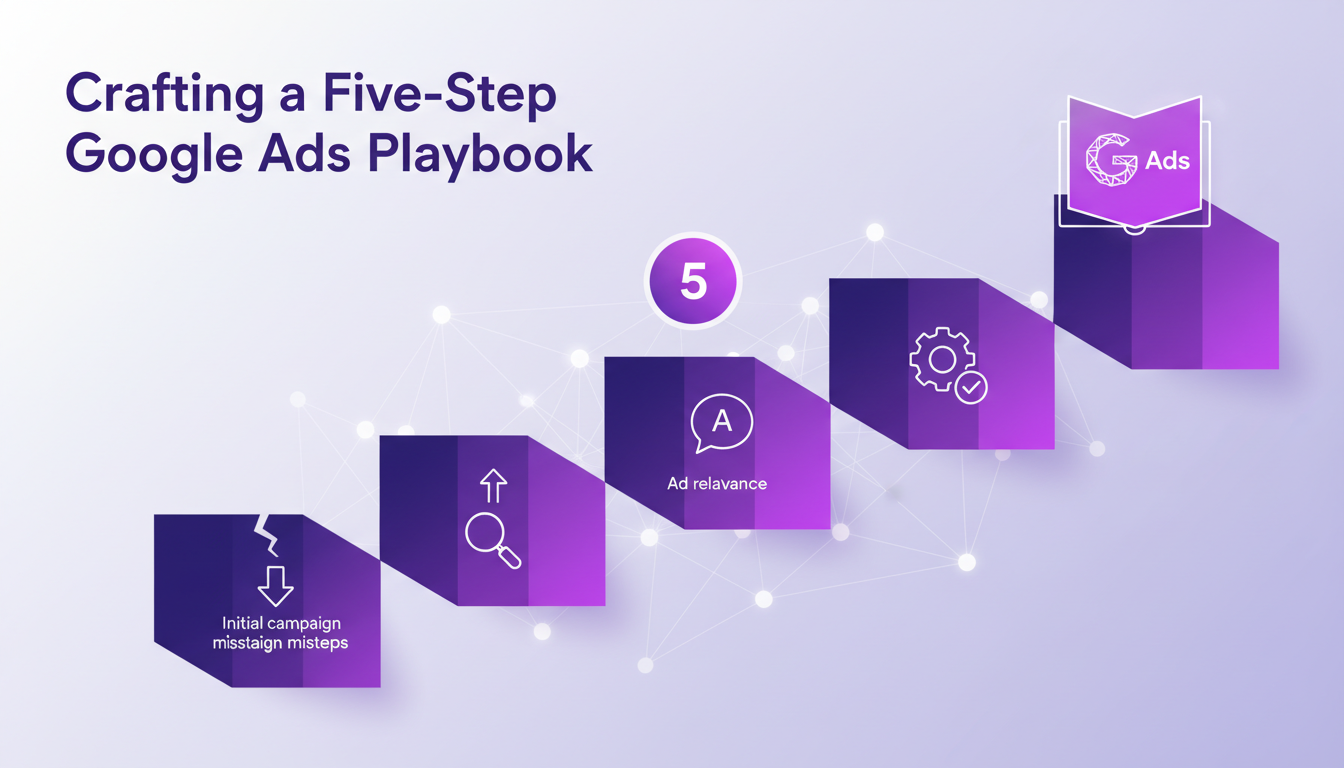
This approach allowed us to achieve impressive results, but watch out for context limits of keywords and over-optimization that can degrade performance.
Leveraging Organic Search and Content Creation
Integrating SEO (Search Engine Optimization) was a crucial lever to complement our paid search efforts. I orchestrated a content strategy aimed at driving organic traffic while reducing churn. By focusing on bottom-of-the-funnel keywords, we generated more than 8K MR in organic revenue.

For more on search engine optimization, check out this SEO tutorial. Balancing between paid and organic strategies is crucial for sustained growth.
Technical Infrastructure and Tools for Success
Our Google Ads strategy was supported by a set of efficient technical tools. I automated certain processes to save time and reduce errors. The choice of our stack enabled seamless scalability.
But beware, some tools can be complex to use, and their complexity can lead to a steep learning curve. It’s crucial to find a balance between complexity and usability. For example, investing in hrefs for $200 per month provided valuable insights to refine our strategy.
For advice on using AI in your campaigns, read this article on using AI in Google Ads.
Hitting $40K/month in just seven months wasn't just about ads. I orchestrated every aspect of our strategy, from pricing plans to technical tools. Here’s what I learned:
- Focus on one channel: I concentrated all my efforts on Google Search Ads and refined it to perfection. That's where the magic happens.
- Strategic orchestration: By tweaking our pricing plans and optimizing user acquisition, I maximized every dollar spent.
- Organic and paid growth: Organic and paid strategies aren't mutually exclusive; they complement each other.
Looking ahead, if you master one channel, you can transform your revenue strategy. But watch out, don't spread yourself too thin too soon.
Ready to transform your revenue strategy? Start by mastering one channel and see where it takes you. For deeper insights, I recommend watching the original video. It offers valuable insights into our journey.
Frequently Asked Questions

Thibault Le Balier
Co-fondateur & CTO
Coming from the tech startup ecosystem, Thibault has developed expertise in AI solution architecture that he now puts at the service of large companies (Atos, BNP Paribas, beta.gouv). He works on two axes: mastering AI deployments (local LLMs, MCP security) and optimizing inference costs (offloading, compression, token management).
Related Articles
Discover more articles on similar topics
Leverage Your Strengths for Success
At 15, I started my first gardening company with zero business know-how, just a knack for knocking on doors and convincing people. That early lesson shaped my path to success. Today, I'm diving into how leveraging your strengths and smart outsourcing can transform your entrepreneurial journey. It's not all sunshine and roses—there are real trade-offs and limits. But by focusing on what you're good at and delegating the rest, you can genuinely move forward. We'll contrast this with traditional education and discuss practical strategies that have propelled me to success.

Unite Humanity: Stop All Wars Now
Imagine for a moment: an alien invasion as the spark needed to unite humanity. I've pondered countless hours on how a common external threat could end all wars. This isn't just sci-fi, it's a real possibility for global peace. In this article, I take you through shifting from national borders to a unified human identity. It's about embracing collaboration against a shared threat and transforming our world from conflict to cooperation. The key here? Shift the focus from national identities to human unity, ensuring our planet remains habitable for everyone.
Enhancing DevEx: Stop 'Future-Proofing'
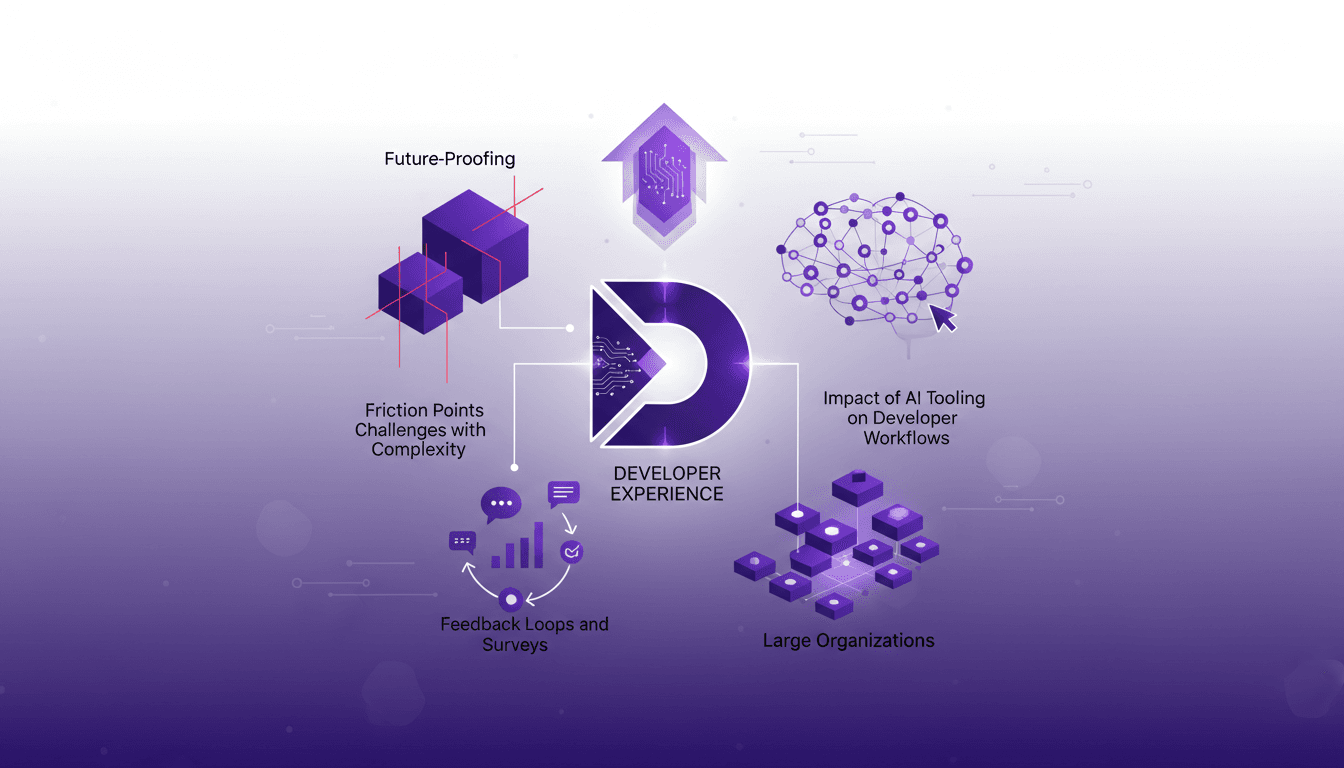
I've been there, staring at my system design, pondering every possible point of failure ten years down the line. I used to call it 'future-proofing'. But here's the kicker: it was slowing me down, and not in a good way. By focusing on developer experience (DevEx) and leveraging AI tools, I realized my systems became not only more robust but also more efficient today, not in some hypothetical future. In this article, I break down why 'future-proofing' isn't the hero we thought it was and how a more agile approach can transform your organization.
Building a Cookie Dough Business
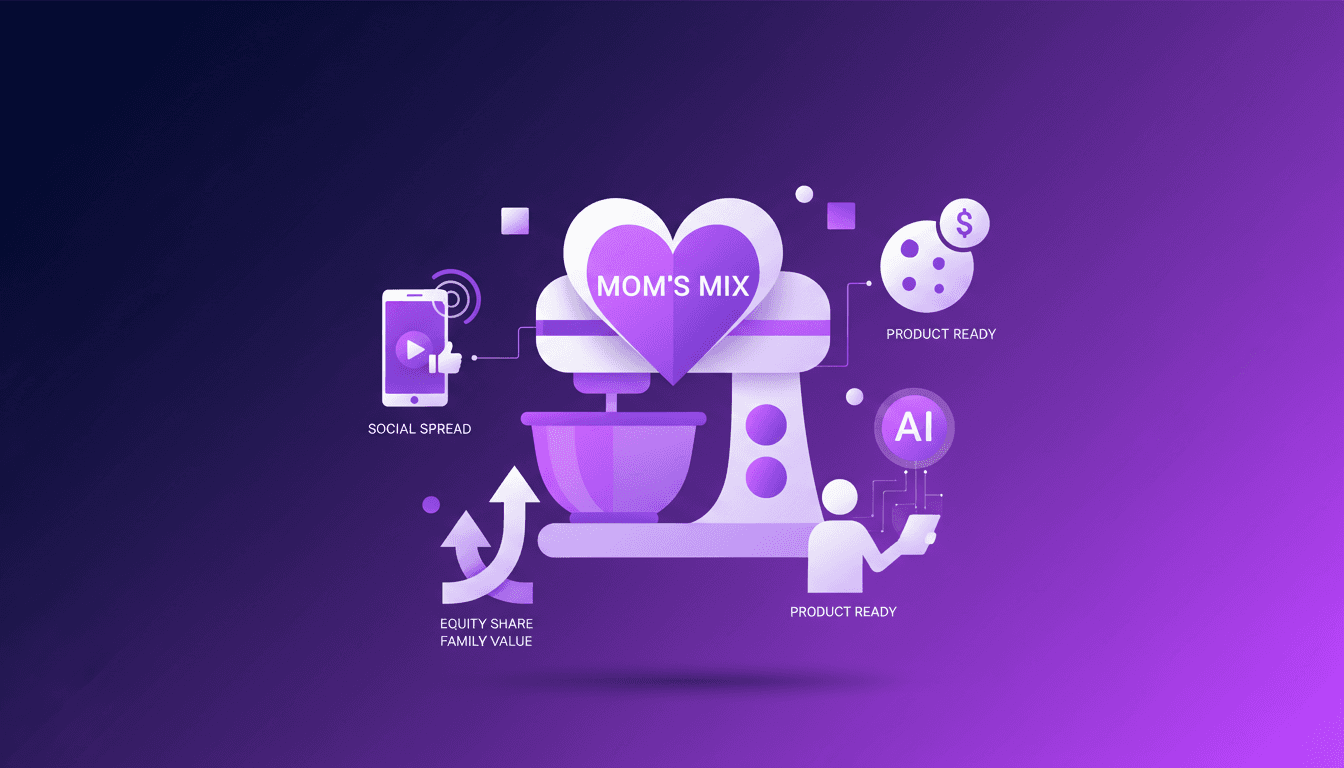
I started with the dream of creating the world's best cookie dough company, inspired by my mom's secret recipe. Naming the company after her wasn't just a tribute—it was a strategy. On this journey, I learned the ropes of equity distribution, leveraging social media, and the power of influencers. Let me walk you through how I built this from the ground up. Talking about family values and entrepreneurship, I want you to understand that giving my mom 50% wasn't just a formality. It was crucial for our success. And with 15 million followers, the potential impact is massive. I had to orchestrate every step, from product readiness to engaging with our audience on social media. Let's dive in; I’ll take you behind the scenes of this entrepreneurial adventure.
Making Daisy's Dream Come True: Quitting Her Job
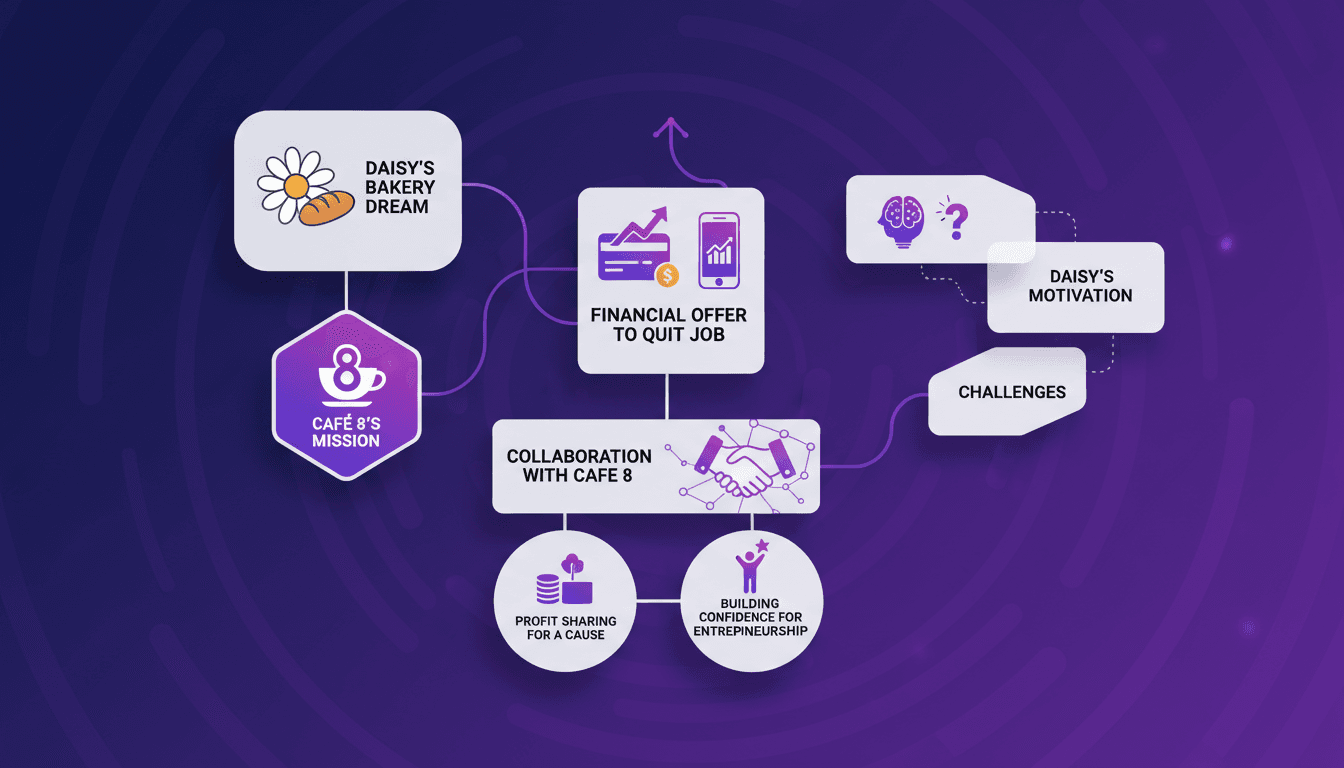
I remember the day I decided to quit my job. A leap of faith, just like Daisy's journey. Offered $10,000 to follow her passion, Daisy made a bold decision. That's where Cafe 8 comes into play, sharing its mission with her. Together, they turned a dream into reality, making Daisy's bakery more than just a business. But watch out, it's not just about the funding. It's about confidence and daring to face the entrepreneurial challenges. A collaboration that, beyond profit, aims to make a difference. Discover how one simple choice sparked a cascade of positive transformations.