Unite Humanity: Stop All Wars Now
Imagine for a moment: an alien invasion as the spark needed to unite humanity. I've pondered countless hours on how a common external threat could end all wars. This isn't just sci-fi, it's a real possibility for global peace. In this article, I take you through shifting from national borders to a unified human identity. It's about embracing collaboration against a shared threat and transforming our world from conflict to cooperation. The key here? Shift the focus from national identities to human unity, ensuring our planet remains habitable for everyone.
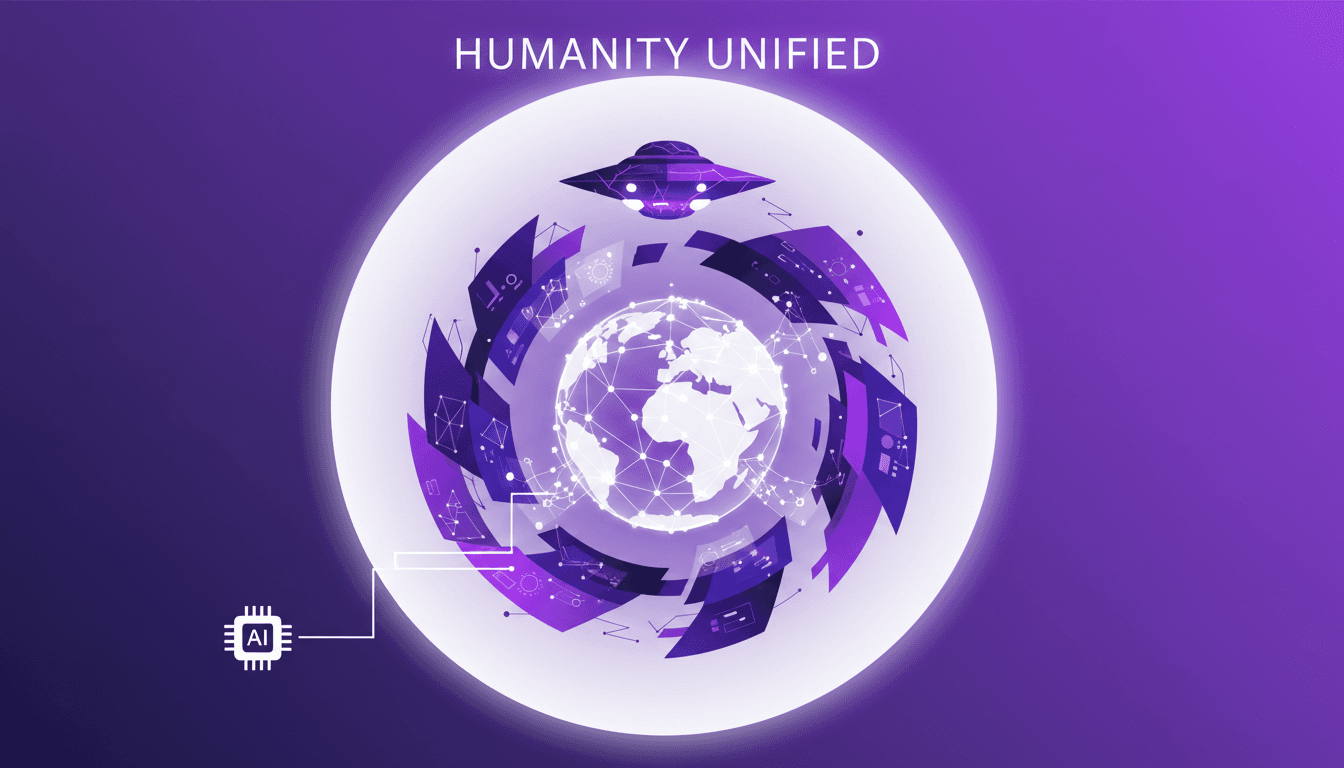
Imagine for a second that an alien invasion is just what we need to unite humanity. I've often pondered, amidst my late-night thought sessions, how a common external threat could end all wars. Then it hit me: this isn't just sci-fi. We can seriously consider global peace if we pivot correctly. First, we ditch the national borders mindset and embrace a unified human identity. Next, we set up real collaborations and pool our resources. I've seen too many times how national identities divide us; it's time to think about human unity. This doesn't mean losing our cultures, but ensuring our planet remains viable for us all. So, how do we turn this dream into a reality? That's what I propose we explore together.
Facing a Common Threat: The Alien Hypothesis
As a builder, I've often pondered how an external threat could unify humanity. Imagine aliens coming to destroy us. This hypothesis could transform our mindset from 'us vs. them' to 'all of us together'. Historically, external threats have united disparate groups against a common foe. Indeed, fear and survival instincts can lead to unprecedented collaboration. I've seen tech projects where collaboration was key to overcoming major challenges. This isn't much different here.
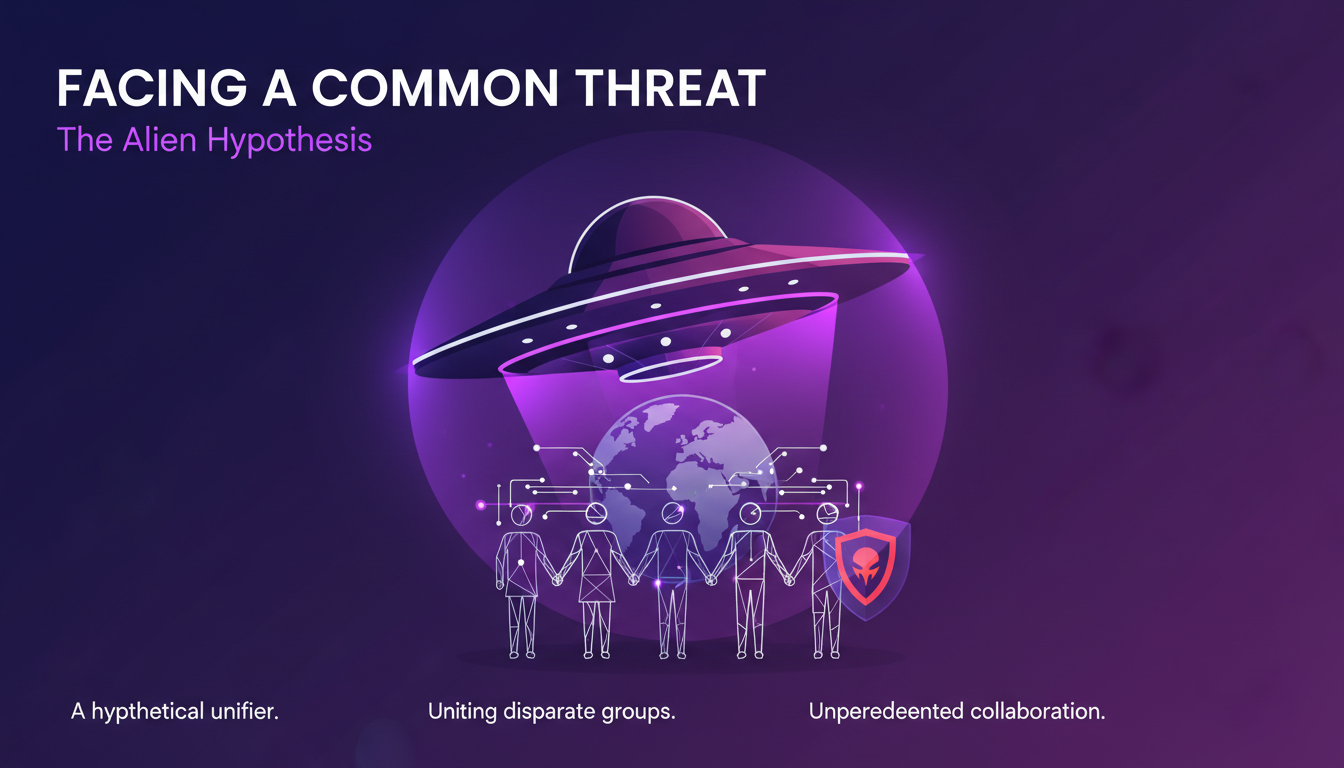
The potential to stop all wars, estimated at 100% if we unite, is fascinating. But watch out, this hypothesis remains theoretical and relies on the idea that we could overcome our differences for common survival.
Pooling Resources: A Blueprint for Survival
I've orchestrated projects where pooling resources was crucial. Theoretically, bringing our global resources and technologies together could lead to significant efficiency and cost savings. It's a bit like managing a cookie dough business where each ingredient must be optimized for the best outcome. The orchestration required to manage such massive collaboration is a challenge I've often faced.
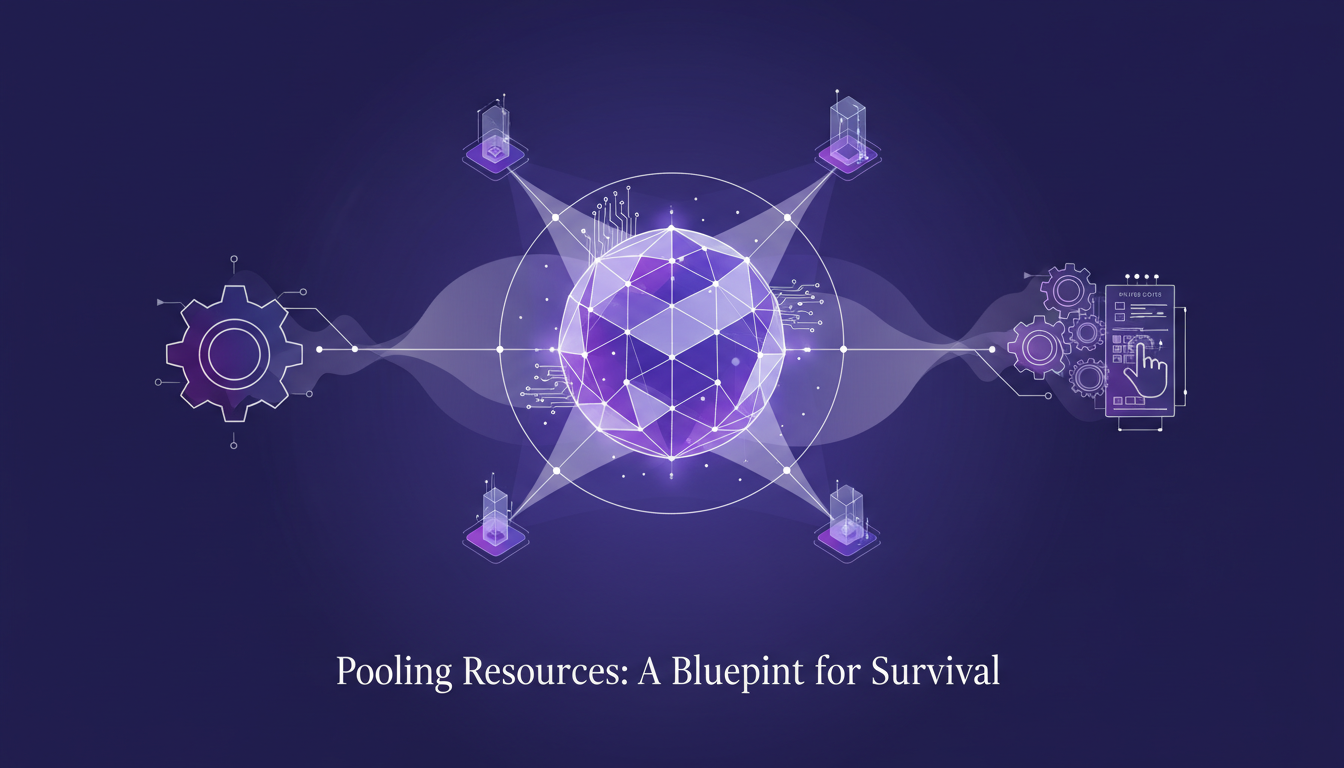
But watch out, there are trade-offs to make. Initial resistance and coordination challenges are realities I've had to manage in other contexts. Current global collaborations, like those for climate, can serve as models, but they're not without challenges.
From Nationalism to Human Identity: A Mindset Shift
Shifting from national identities to a global human identity is a challenge I've often observed in international projects. Psychological and cultural barriers are significant, but education and media can facilitate this transformation.
The benefits of a unified identity for global peace are clear, but watch out for pitfalls like the loss of cultural heritage. It's a bit like orchestrating a personal transformation where each step must be carefully considered.
Ensuring a Habitable Planet: Our Shared Responsibility
Global cooperation for sustainable practices is imperative. I've seen how pooling resources can foster sustainable practices. Technology plays a key role in maintaining a habitable planet, but challenges like differing national priorities are real.
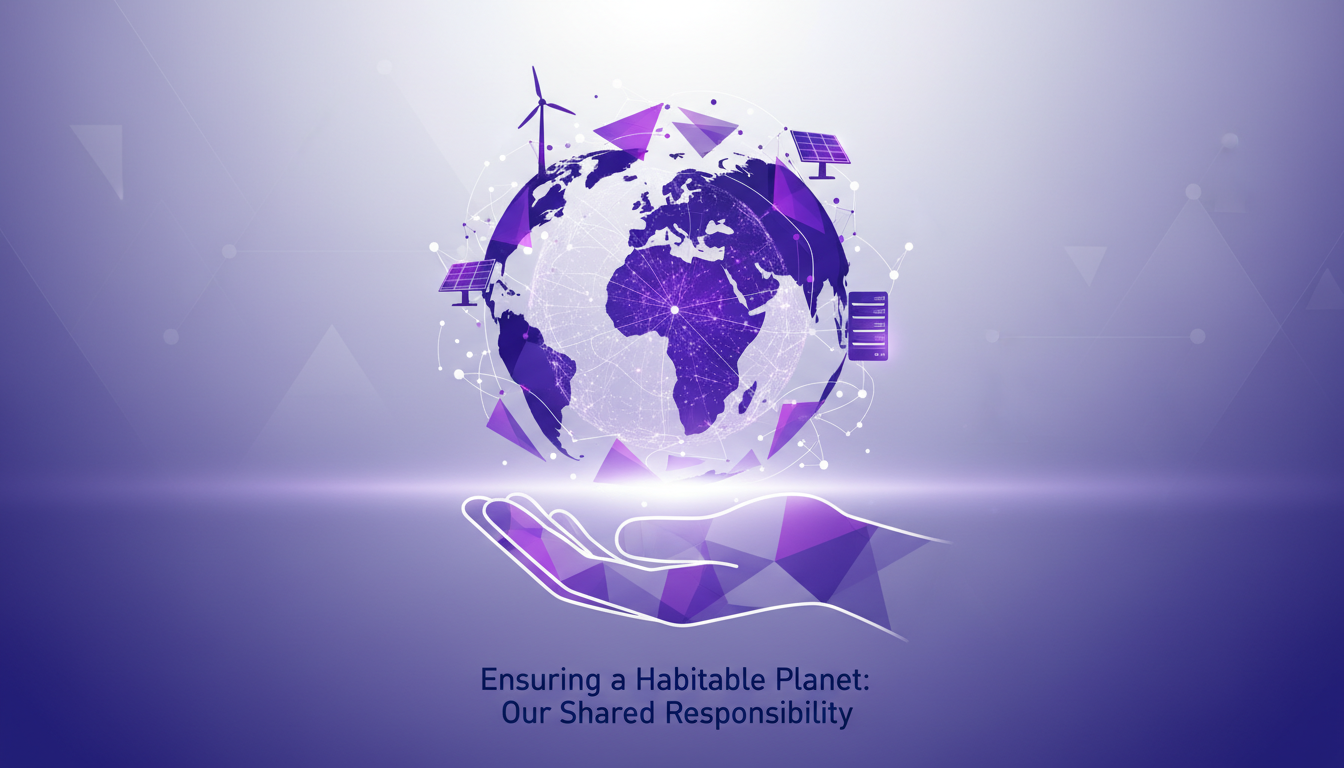
Successful environmental collaborations, like the Paris Agreements, show that it's possible, but they require constant commitment.
Mindset Shift: Global Cooperation as the New Norm
Adopting a cooperation-first mindset has long-term benefits. Integrating this mindset into education systems is crucial, as is the role of international organizations in facilitating this shift.
The economic and social benefits of global cooperation are clear, but watch out for resistance from nationalist movements. It's a bit like the challenges of enhancing DevEx, where each step must be calibrated to avoid pitfalls.
Uniting humanity against a common threat isn't just a sci-fi fantasy; it's a practical strategy to end wars. I’ve seen first-hand how shifting our mindset from national pride to global unity can be a game changer. Imagine this: 100% of wars could be stopped if we prioritize our planet's habitability over national interests.
- First, we need to shift our collective mindset to human unity instead of national identities.
- Second, consider how we can collaborate and pool resources for a global impact.
- Third, take the concept of fictional scenarios, like an alien invasion, seriously as catalysts for peace.
Looking forward, I see a world where this approach could genuinely reduce conflicts and give us a real shot at collective survival. But watch out, it requires effort from each of us to contribute to this mindset shift.
I encourage you to think about how you can initiate this shift in your community and industry. For deeper insights, check out the video "How to stop all wars!" here: YouTube from a peer-to-peer perspective.
Frequently Asked Questions

Thibault Le Balier
Co-fondateur & CTO
Coming from the tech startup ecosystem, Thibault has developed expertise in AI solution architecture that he now puts at the service of large companies (Atos, BNP Paribas, beta.gouv). He works on two axes: mastering AI deployments (local LLMs, MCP security) and optimizing inference costs (offloading, compression, token management).
Related Articles
Discover more articles on similar topics
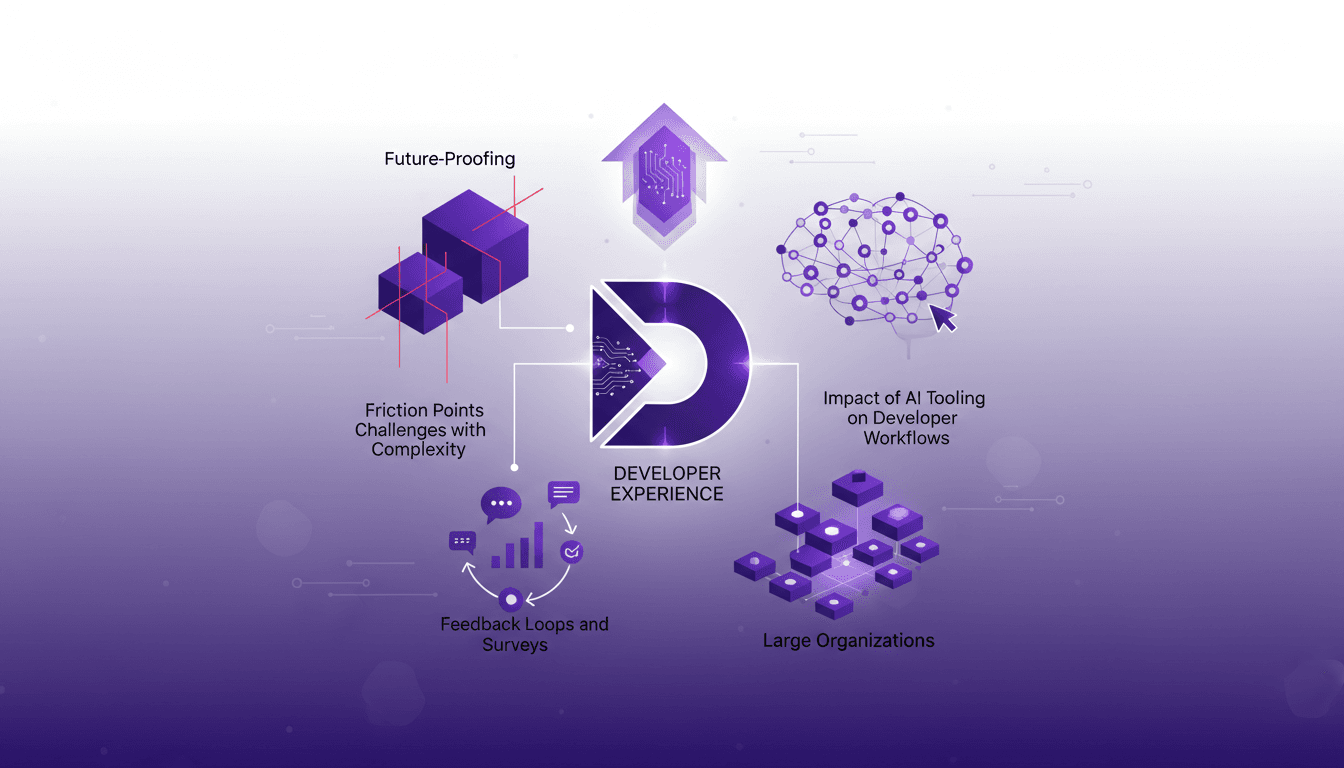
Enhancing DevEx: Stop 'Future-Proofing'
I've been there, staring at my system design, pondering every possible point of failure ten years down the line. I used to call it 'future-proofing'. But here's the kicker: it was slowing me down, and not in a good way. By focusing on developer experience (DevEx) and leveraging AI tools, I realized my systems became not only more robust but also more efficient today, not in some hypothetical future. In this article, I break down why 'future-proofing' isn't the hero we thought it was and how a more agile approach can transform your organization.

Building a Cookie Dough Business
I started with the dream of creating the world's best cookie dough company, inspired by my mom's secret recipe. Naming the company after her wasn't just a tribute—it was a strategy. On this journey, I learned the ropes of equity distribution, leveraging social media, and the power of influencers. Let me walk you through how I built this from the ground up. Talking about family values and entrepreneurship, I want you to understand that giving my mom 50% wasn't just a formality. It was crucial for our success. And with 15 million followers, the potential impact is massive. I had to orchestrate every step, from product readiness to engaging with our audience on social media. Let's dive in; I’ll take you behind the scenes of this entrepreneurial adventure.
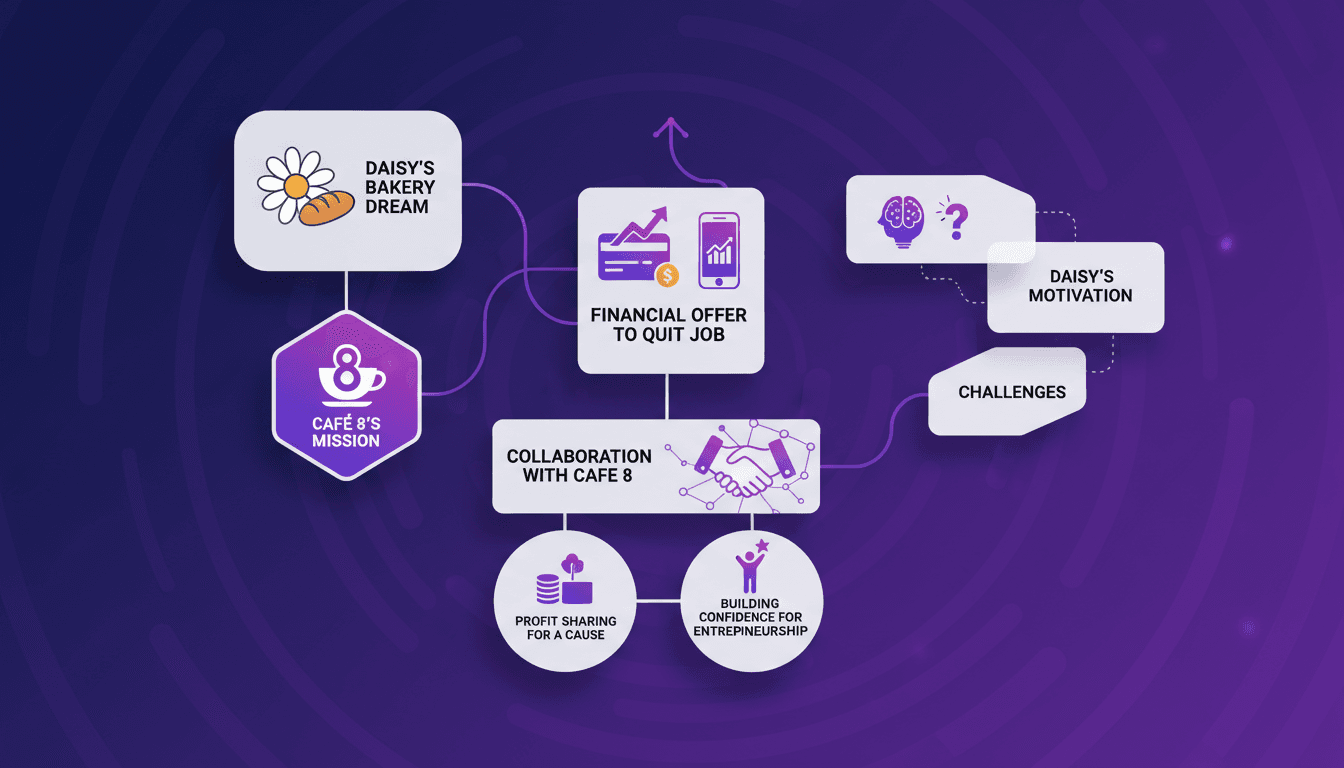
Making Daisy's Dream Come True: Quitting Her Job
I remember the day I decided to quit my job. A leap of faith, just like Daisy's journey. Offered $10,000 to follow her passion, Daisy made a bold decision. That's where Cafe 8 comes into play, sharing its mission with her. Together, they turned a dream into reality, making Daisy's bakery more than just a business. But watch out, it's not just about the funding. It's about confidence and daring to face the entrepreneurial challenges. A collaboration that, beyond profit, aims to make a difference. Discover how one simple choice sparked a cascade of positive transformations.
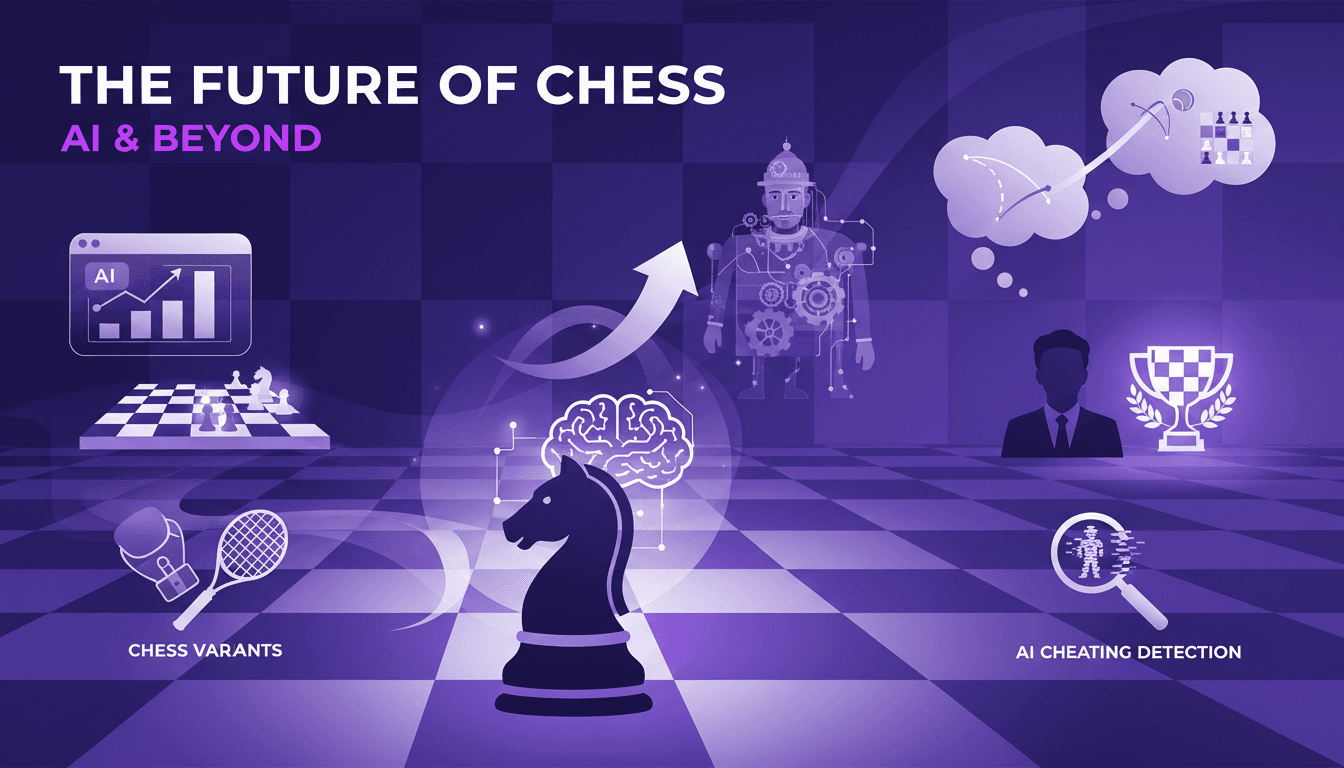
Chess AI: Strategies and Future
I remember my first encounter with a chess engine. It felt like playing against an invisible yet incredibly powerful mind. Since then, AI has transformed our ancient game, and I'm here to show you how. Chess has always been a battle of wits, but with AI's arrival, everything shifted. Take Magnus Carlsen, for instance, using these advancements to refine his strategies. In this episode, we'll dive into how AI has redefined the chess landscape, from detecting cheating to new variants like chess tennis. It's a fascinating journey through time and technology, and if you've ever been surprised by a 2800-rated opponent, you know exactly what I mean.
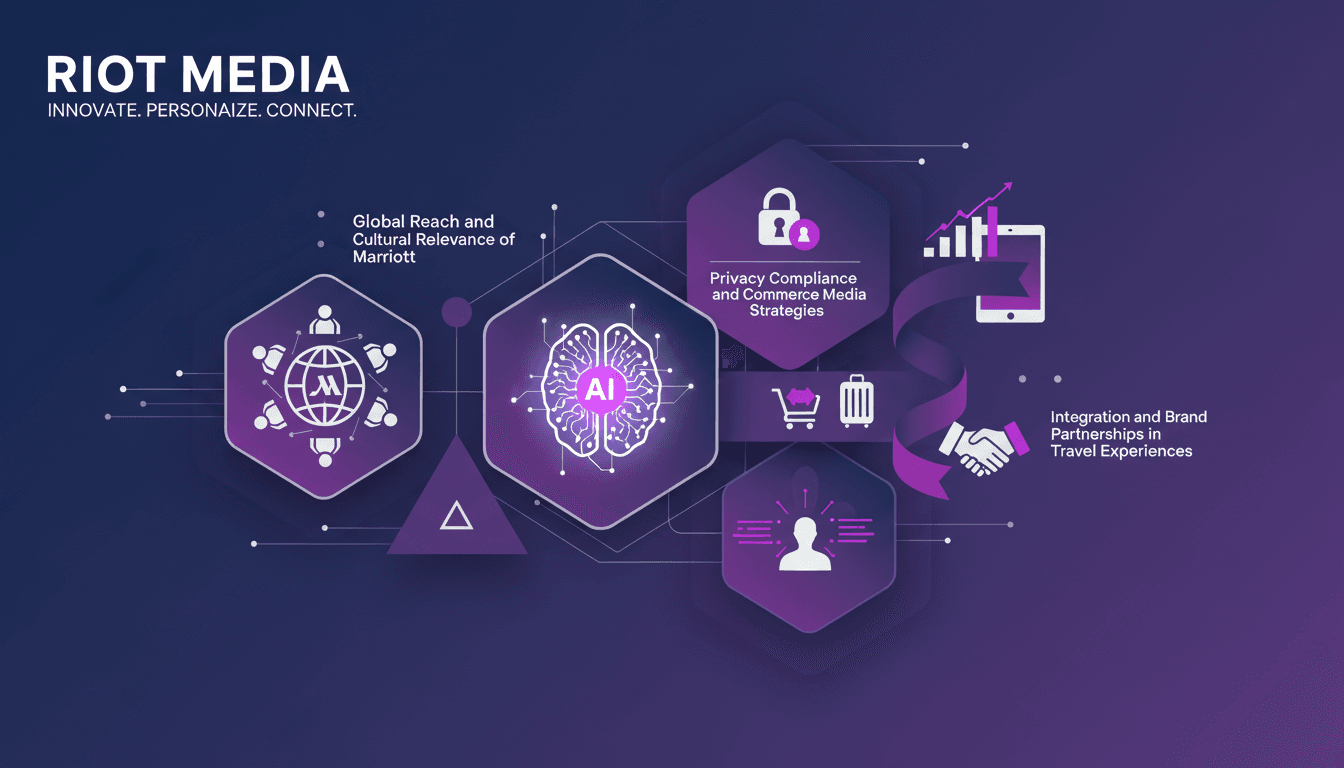
Transforming Hospitality with Data and Experience
I remember the first time I realized the power of data in hospitality. Imagine flipping a switch—every interaction, every piece of data, transforming the guest experience. Today, personalization and data-driven strategies are essential. With giants like Riot Media and Marriott leading the charge, the industry is evolving fast. But how do we navigate this complex landscape while respecting privacy and cultural nuances? We're talking about 250 million Bonvoy members and 500 attributes shaping customer experiences. Let's dive into this next evolution of hospitality.