Chess AI: Strategies and Future
I remember my first encounter with a chess engine. It felt like playing against an invisible yet incredibly powerful mind. Since then, AI has transformed our ancient game, and I'm here to show you how. Chess has always been a battle of wits, but with AI's arrival, everything shifted. Take Magnus Carlsen, for instance, using these advancements to refine his strategies. In this episode, we'll dive into how AI has redefined the chess landscape, from detecting cheating to new variants like chess tennis. It's a fascinating journey through time and technology, and if you've ever been surprised by a 2800-rated opponent, you know exactly what I mean.
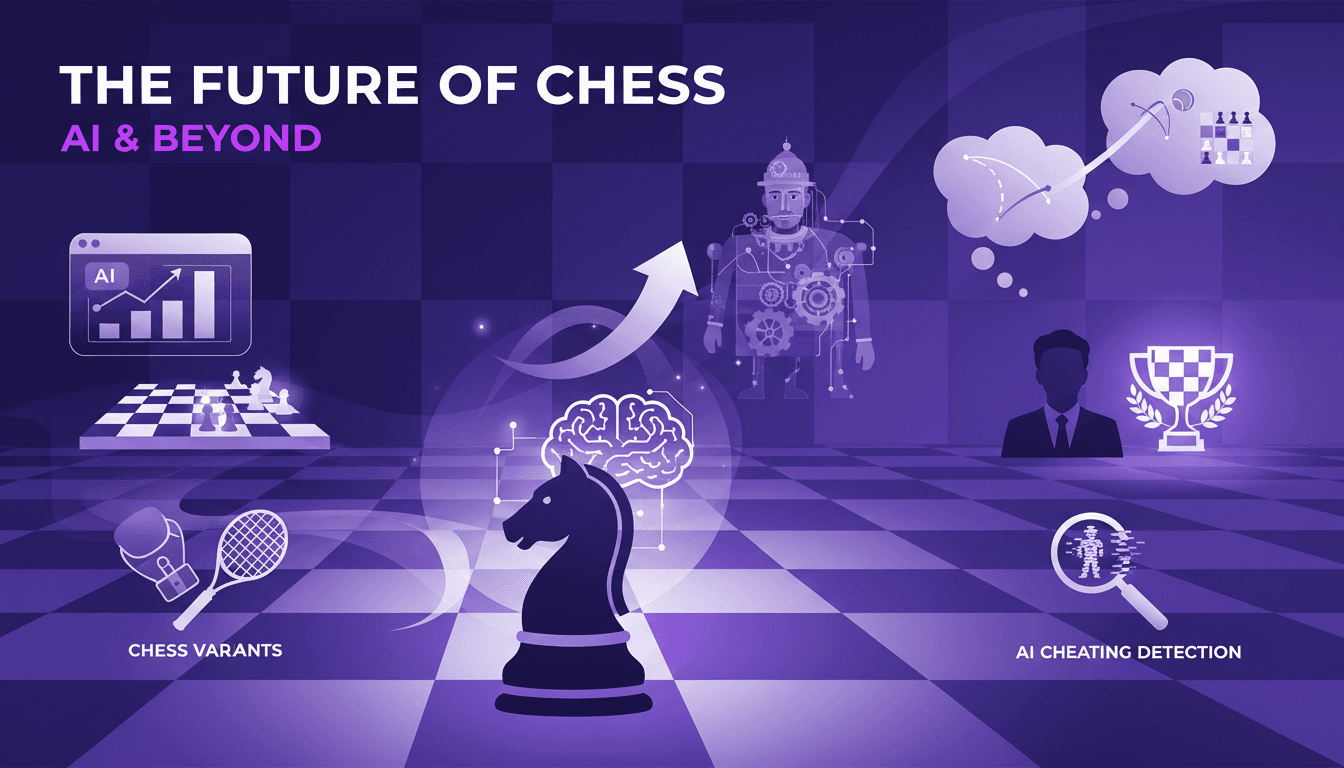
I remember my first encounter with a chess engine. It felt like playing against an invisible yet incredibly powerful mind. Since then, AI has transformed our ancient game, and I'm here to show you how. Chess has always been a battle of wits, but with AI's arrival, everything shifted. On one hand, we have players like Magnus Carlsen using these advancements to refine their strategies. (Imagine facing a 2800-rated opponent after catching them off guard.) On the other, there's AI's role in detecting cheating and the emergence of new variants like chess boxing. Alongside Grandmaster Laurent Fressinet, we'll delve into the historical evolution of chess, the impact of AI on gameplay, and what the future holds. Get ready to rethink your chess approach in this world where technology and tradition intertwine in fascinating ways.
The Impact of AI on Chess Strategies
Since 1997, AI has fundamentally altered how we analyze chess games. It all started with the famous match between Deep Blue and Garry Kasparov, a pivotal moment that propelled AI into the heart of chess strategies. Today, engines like AlphaZero and Stockfish dominate the landscape. Their ability to calculate billions of positions per second has reshaped our approach to the game. It's like having a personal coach capable of predicting every possible move.

Brute force, this intensive calculation, remains a major asset, but it has its limits. Today's engines are excellent at finding the best possible move, but they haven't yet replaced human intuition. However, their impact on the Elo rating system is undeniable. Today's players must adapt or risk seeing their ratings drop against opponents armed with powerful algorithms.
"AI has revolutionized our understanding of the game, but it cannot replace human ingenuity."
In practice, AI has allowed players of all levels to improve their game exponentially, but beware of becoming too dependent on these tools. The impact on player evolution is visible: the average Elo rating of top players has significantly increased, making competition fiercer than ever.
Chess Variants: Beyond the Traditional Board
Chess is no longer confined to the traditional board. Variants like chess tennis and chess boxing bring a touch of creativity and innovation. Chess tennis, for example, combines chess with tennis, incorporating physical elements into the mental game. To win, you must reach 18 points in tennis or checkmate your opponent.

These variants stimulate strategic creativity. In chess boxing, for instance, a player must be as skilled in the ring as on the board. It's a unique balance between physical endurance and mental reflection. However, they have drawbacks: the risk of physical injury, for example, is very real. Despite this, these variants have boosted chess's popularity, attracting new audiences with their spectacular nature.
- Stimulation of strategic creativity
- Increased popularity of chess
- Increased physical risks
Magnus Carlsen and AI Usage
Magnus Carlsen, with his 20 world titles, embodies the perfect hybridization of human intuition and machine calculation. Under the guidance of Laurent Fressinet, his coach for 10 years, Carlsen has leveraged AI advancements to maintain his impressive 2820 rating.
Carlsen doesn't just follow engine recommendations. He integrates them into his intuitive style, creating a unique approach. The challenges are numerous, especially against surprising opponents, but his success lies in this synergy between man and machine.
This hybrid method is what sets Carlsen apart. While other players blindly follow engine recommendations, he adapts his strategies. It's a delicate but effective balance that has proven itself.
Cheat Detection and Game Security
In the world of chess, cheating is a constant threat. Current technologies, such as AI, have become indispensable tools for detecting suspicious behavior. However, they are not infallible. There are limits, especially when analyzing complex human behaviors.

Case studies show that AI has sometimes failed to identify sophisticated cheaters, but it has also succeeded where the human eye would have failed. For the future, it is crucial to continue developing these technologies to ensure the integrity of competitions.
- Constantly evolving detection technologies
- AI's limits when facing human behaviors
- Importance of continuous technological vigilance
The Future of Chess in the AI Era
In the AI era, the future of chess looks promising. New technologies are being developed, promising to push the limits of our understanding of the game even further. Predictions suggest that AI will continue to refine our strategies, but it is crucial that players prepare for these evolutions.
Competitions could be transformed, with faster matches and more detailed post-game analyses. The role of coaches could also evolve, with greater integration of technologies into player preparation.
Faced with these changes, players must adapt by cultivating a deep understanding of the tools at their disposal. AI is here to stay, and those who can integrate it effectively will see their game reach new heights.
First off, AI has undeniably shaken up how we play and understand chess. Players rated 1700 find themselves facing 1600-level strategies, and suddenly they're playing like 2800 after pulling off a surprise. Then there's Magnus Carlsen's decade-long coaching by Laurent Fressinet, which shows how AI and human expertise can elevate the game. But beware, AI can also expose unexpected weaknesses in our usual strategies. It's a real game changer, but you need to use it wisely. Looking ahead, it's crucial for us players to adapt and innovate to keep up. Share your experiences and start integrating these tools into your training. For a deeper dive, check out the full video with Laurent Fressinet on YouTube. It's a masterclass on the future of chess with AI.
Frequently Asked Questions

Thibault Le Balier
Co-fondateur & CTO
Coming from the tech startup ecosystem, Thibault has developed expertise in AI solution architecture that he now puts at the service of large companies (Atos, BNP Paribas, beta.gouv). He works on two axes: mastering AI deployments (local LLMs, MCP security) and optimizing inference costs (offloading, compression, token management).
Related Articles
Discover more articles on similar topics
AI in India: Revolution and Global Impact
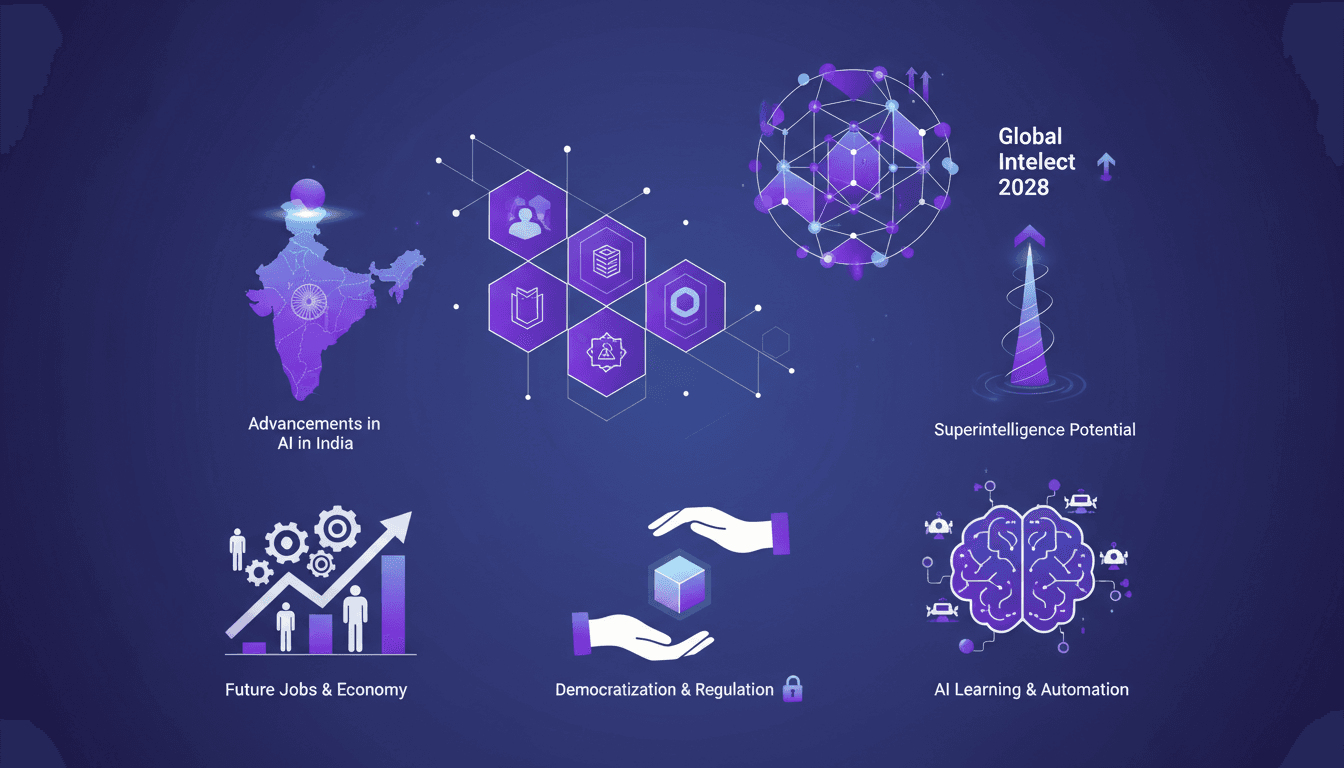
I've been in the AI trenches for years, and let me tell you, what's happening in India is nothing short of revolutionary. With over 100 million people using Chat GPT weekly, and a third of them being students, we're tapping into something profound. This isn't just about technology; it's about transforming economies and societies. By 2028, a significant portion of the world's intellectual capacity might be locked in data centers. Imagine super intelligence on the horizon. India is at the forefront, and the economic and social impact will be colossal. Let's discuss learning programs, automation, democratization, and regulation of AI.
AI in Film: How Site Dance 2.0 is a Game Changer
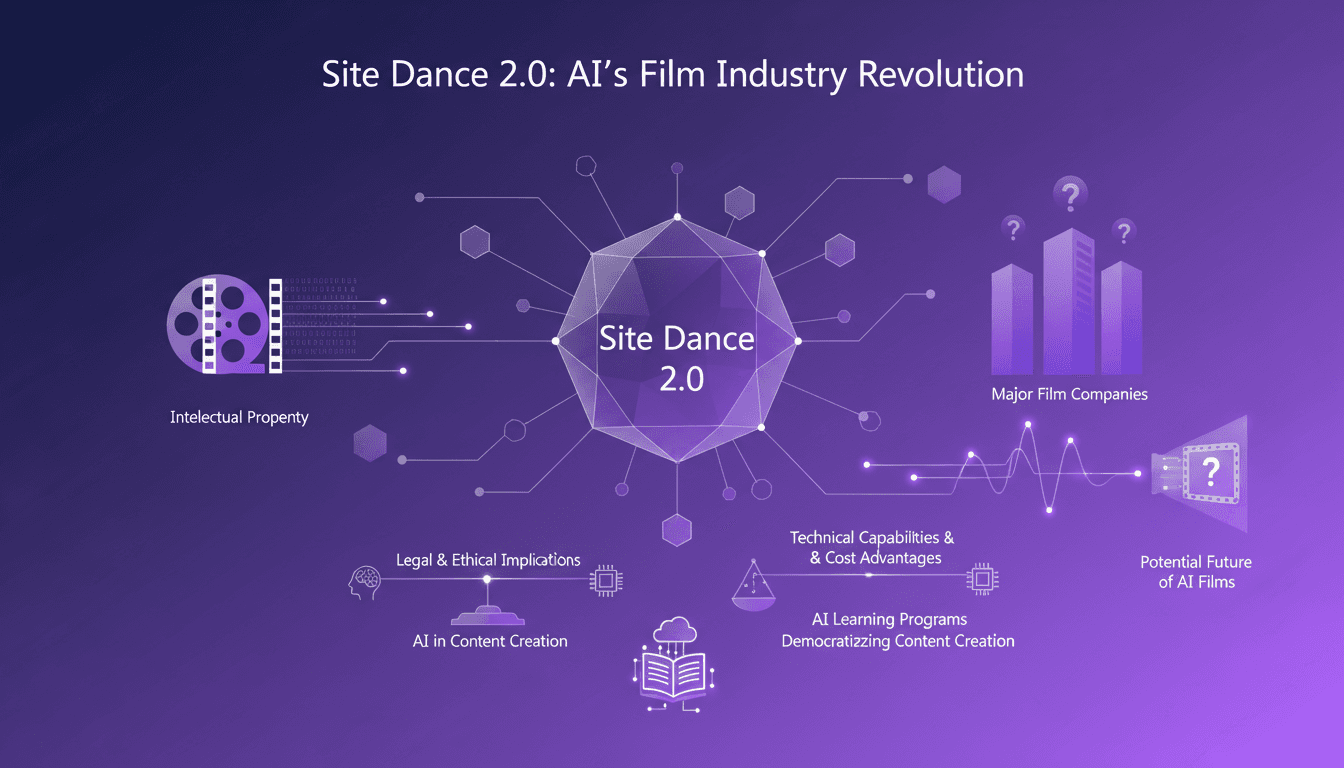
I still remember the first time I saw Site Dance 2.0 in action. It was like watching the future unfold right before my eyes. This isn't just a technical upgrade; it's a revolution in the film industry. We're talking massive cost savings and enormous creative potential. Imagine slashing shooting and special effects costs by millions while speeding up production. But beware, it comes with complex questions — intellectual property, legal implications, it's all on the table. Major companies like Disney and Sony are already reacting within 48 hours. With Site Dance 2.0, we're no longer talking science fiction but tangible reality. Let me show you how it's changing the way we create, produce, and view films.
How AI and Blockchain Redefine Wealth Creation
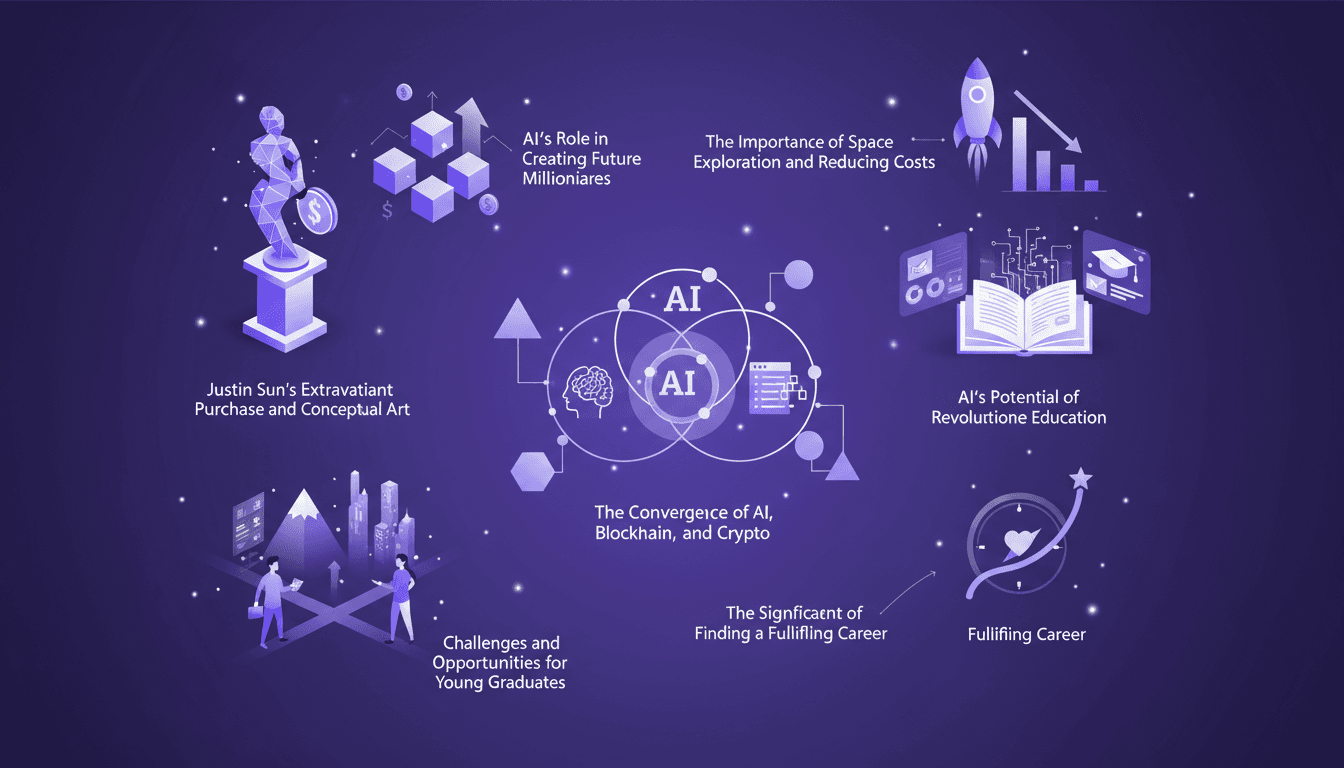
I remember vividly when I first heard about Justin Sun's $6.2 million banana purchase. It wasn't just about art—it was a statement on value itself. In a world where AI, blockchain, and crypto are converging, grasping these technologies is no longer optional—it's essential. Think about AI's potential impact on education or how blockchain could revolutionize space exploration while cutting costs. Young graduates are facing these challenges and opportunities as they pave the way for future wealth creation.
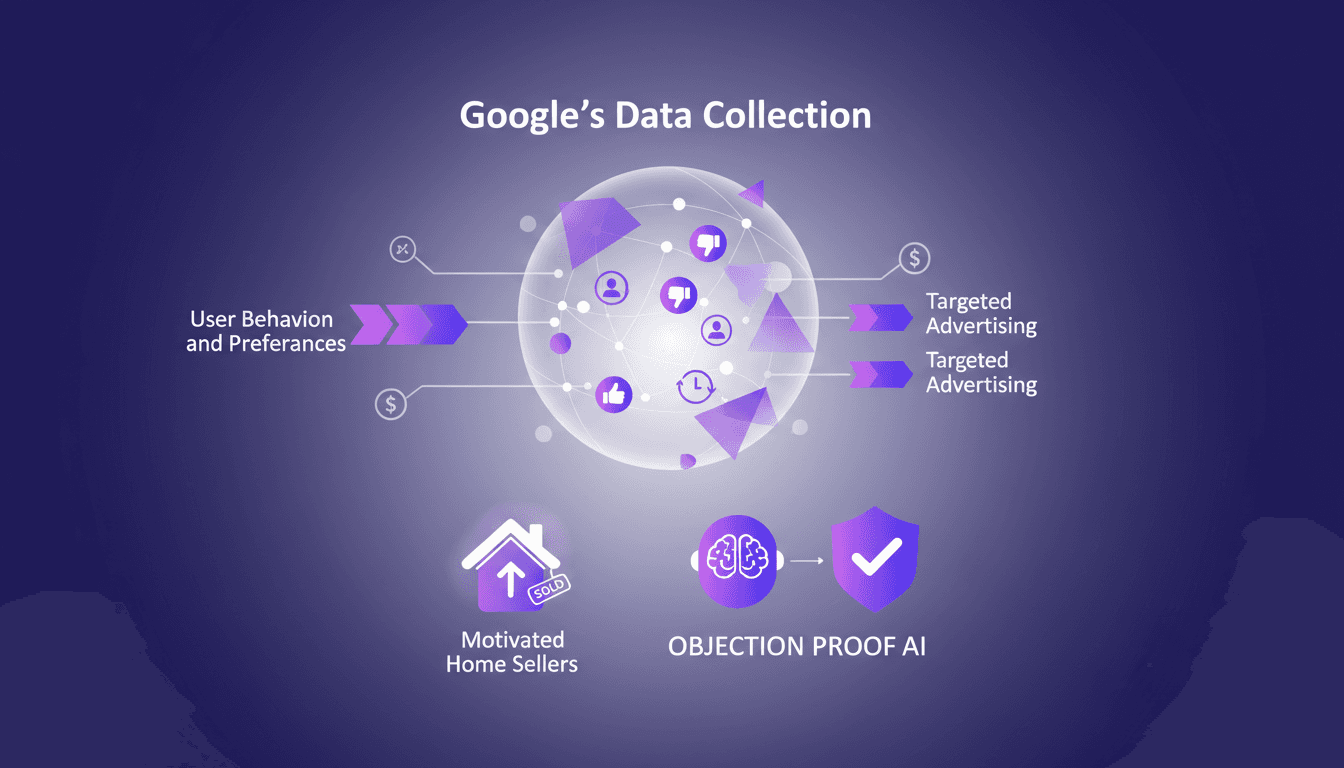
Google's Data Collection: What You Don't Know
I remember the first time I truly grasped how much Google knew about me. I was setting up a marketing campaign and the targeting options were eerily precise. It was like having a secret marketing assistant who knew my clients better than I did. Google doesn't just track your search history. It's a complex web of user behavior, preferences, and more. Are you leveraging this in your strategies yet? Let's dive into how Google collects and uses this data to fuel its advertising machine, and how you can take advantage of it.
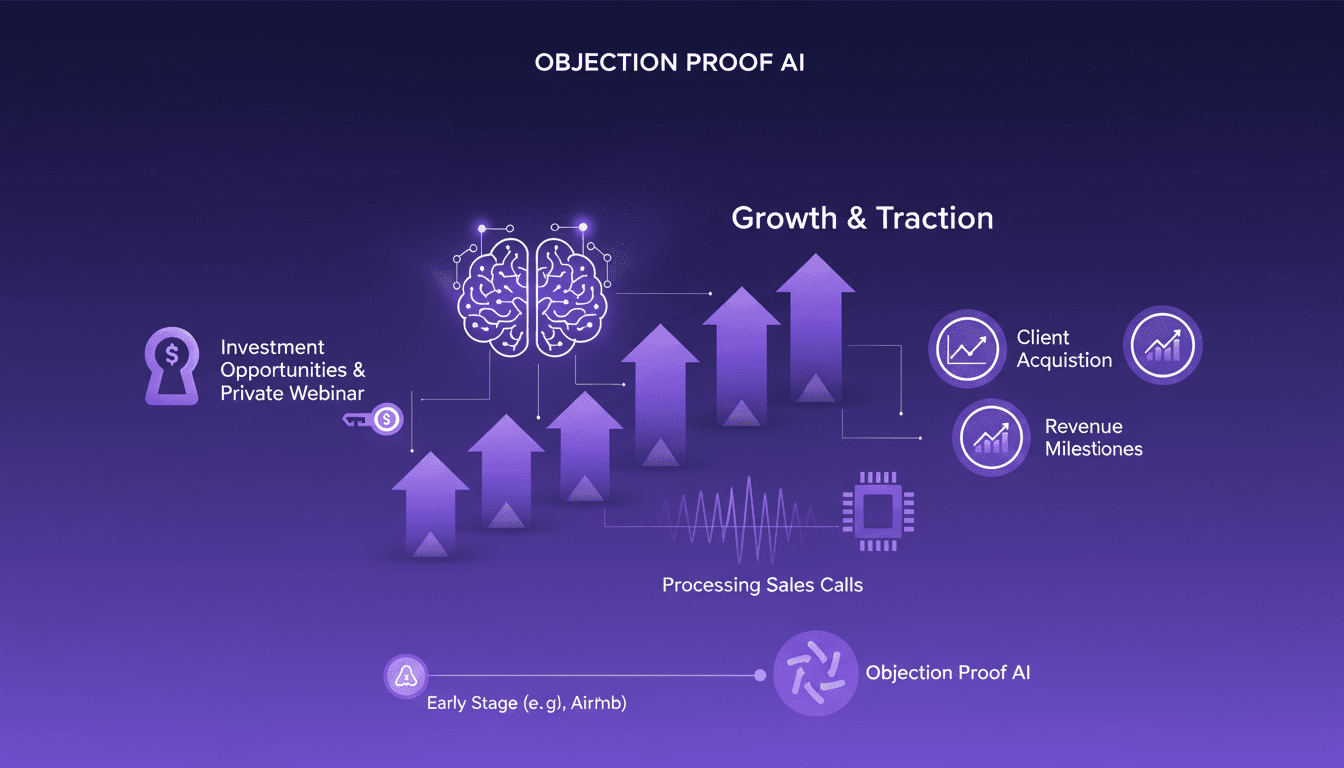
Objection Proof AI: Revolutionizing Sales Calls
I've been in the AI trenches long enough to spot a game changer. Objection Proof AI is one of those rare finds. We're not talking about just processing data here—it's revolutionizing how we handle sales calls. Imagine a system that's already processed millions of calls, contributing to millions in annual recurring revenue. If you're thinking about your next investment dollar, this might be it. With 200 clients in just nine months, it's not a flash in the pan. I'll walk you through it in this private webinar, an opportunity to grasp before everyone else catches on.