Google's Data Collection: What You Don't Know
I remember the first time I truly grasped how much Google knew about me. I was setting up a marketing campaign and the targeting options were eerily precise. It was like having a secret marketing assistant who knew my clients better than I did. Google doesn't just track your search history. It's a complex web of user behavior, preferences, and more. Are you leveraging this in your strategies yet? Let's dive into how Google collects and uses this data to fuel its advertising machine, and how you can take advantage of it.
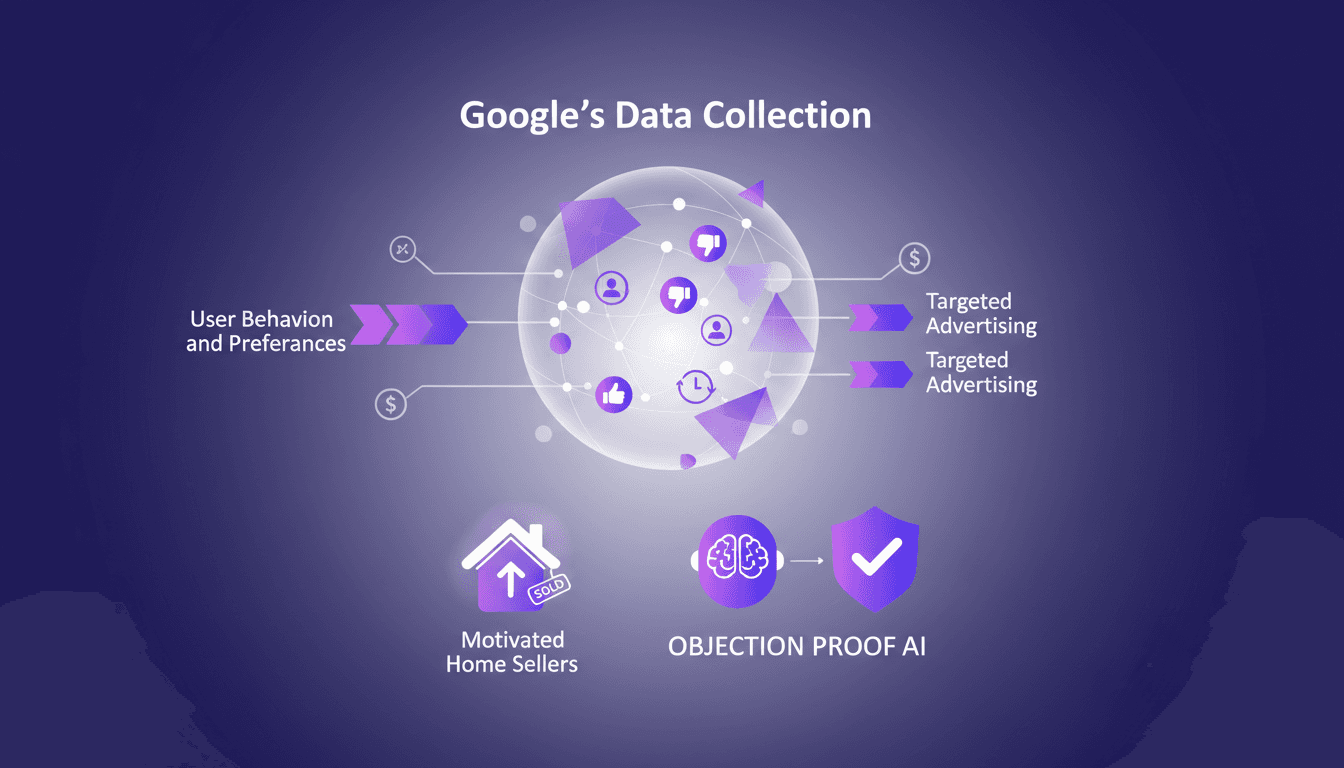
I still remember the shock when I realized how much Google knew about me. I was setting up a marketing campaign, and the targeting options were so precise it was almost frightening. It was like having an invisible marketing assistant who knew my clients better than I did. Google isn't just tracking your search history. No, it's a massive web of user behavior, preferences, and much more. With an average of 1,700 data points per user, Google literally holds a digital encyclopedia of each of us. Imagine what that means for marketing and sales. Are you not leveraging this in your strategies yet? It's time to understand how Google collects and uses this data to power its advertising machine, and how you can take advantage of it. The possibilities are enormous, but you need to know where to step to not get lost in this sea of information.
Unpacking Google's Data Collection
Let's start with a staggering fact: Google collects an average of 1,700 data points per user. Yes, you read that right. This includes your search history, location, and even app usage. As a marketer, understanding these data points can significantly refine your strategy. But be warned, with this power comes responsibility. Privacy concerns are real, and you must be mindful of data usage.
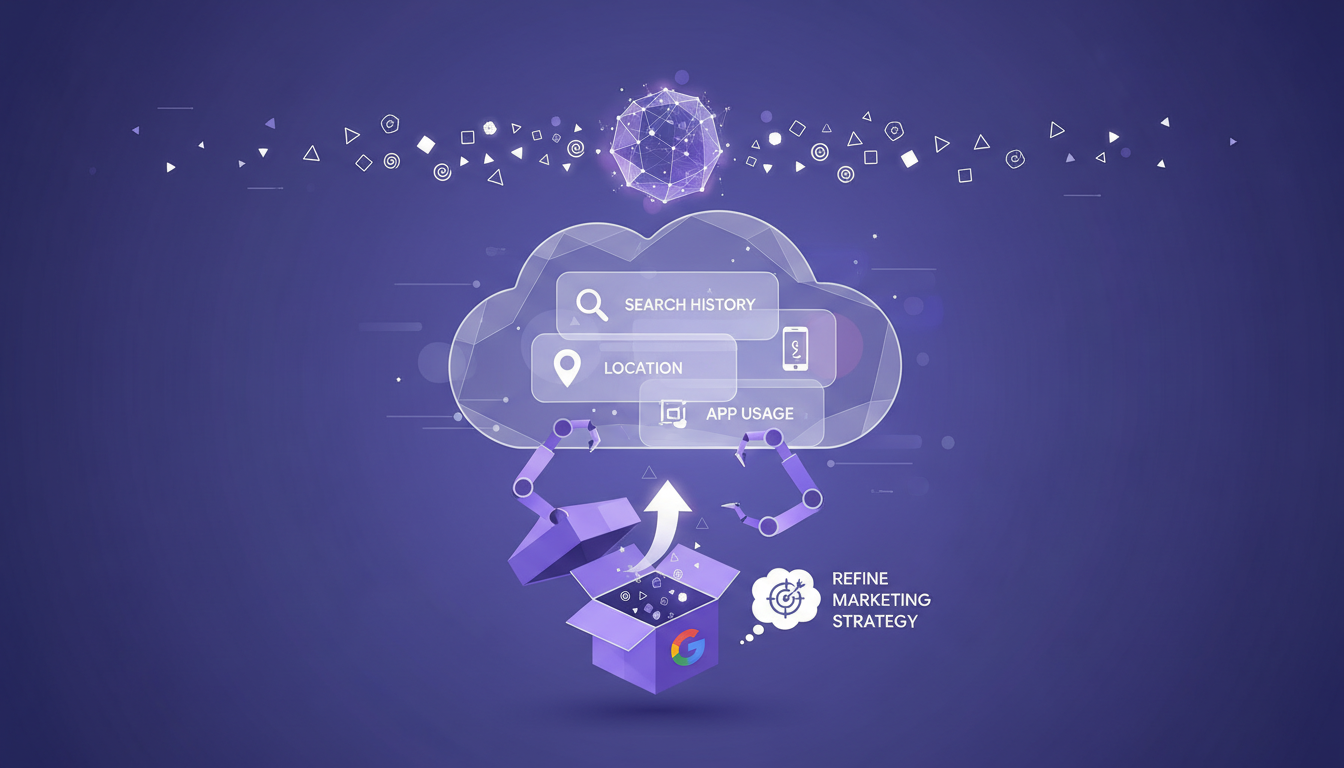
- 1,700 data points on average per user
- Includes search history, location, app usage
- Be wary of privacy implications
Decoding User Intent and Behavior
Google's algorithms predict user behavior from data patterns. Imagine this: you can anticipate what a user is likely to do next. These predictions are crucial for crafting more effective ads. User intent data is a goldmine for personalized marketing. But there's a catch: the more you personalize, the more you potentially infringe on privacy.
- Predicting user behavior
- Creating more effective ads
- Personalization vs privacy
Targeting Ads with Precision
Google allows targeting based on demographics, interests, and behaviors. You can tailor ad campaigns to reach motivated home sellers, for example. Using this data effectively can reduce ad spend while increasing ROI. But watch out for over-targeting; it can limit your audience reach.
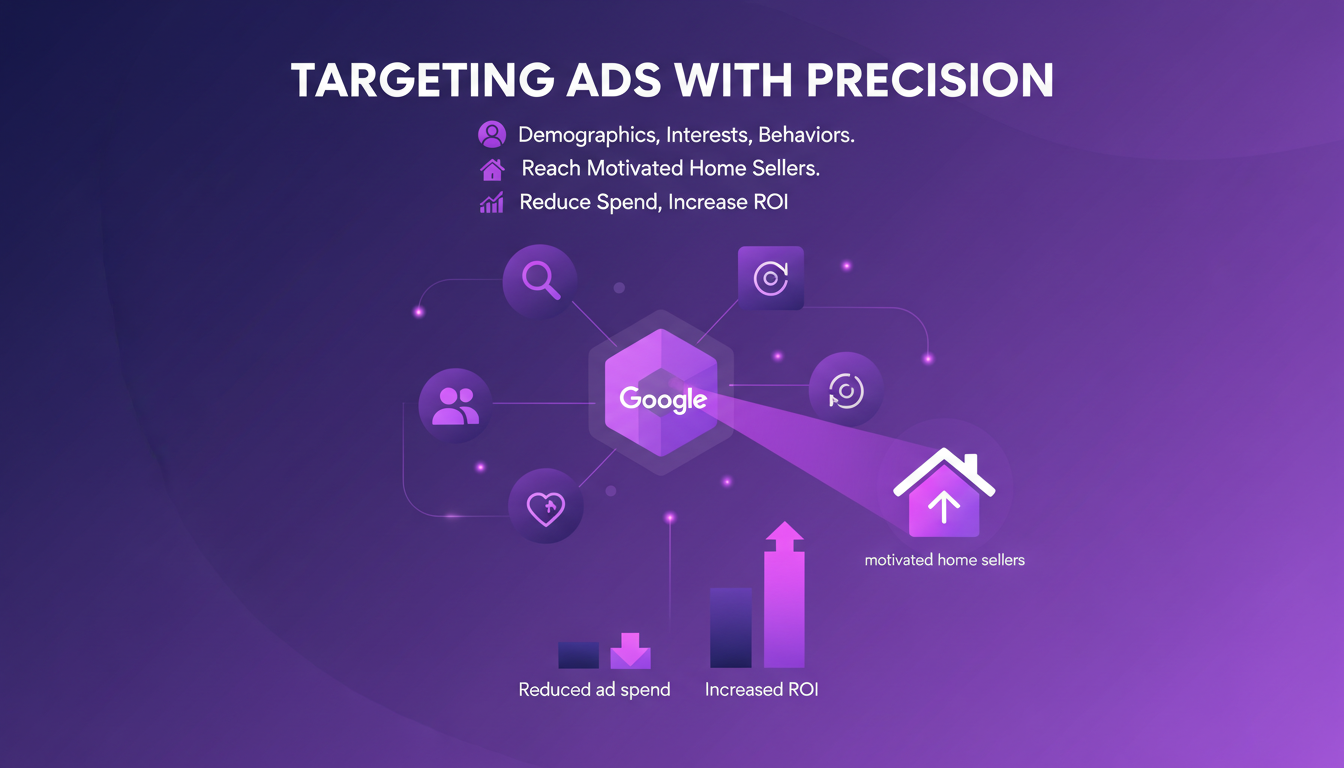
- Demographic and behavioral targeting
- Tailor campaigns for optimal results
- Avoid over-targeting to maintain reach
Leveraging Objection Proof AI
AI can help overcome common sales objections. By integrating AI into the sales process, you can streamline it. AI tools can analyze data to predict objections before they arise. But remember, you need to balance AI insights with a human touch to get the best results.
- Overcoming objections with AI
- Streamlining the sales process
- Balancing AI with human approach
Practical Takeaways for Marketers
Use Google's data insights to refine your marketing strategy. Focus on efficiency and cost-effectiveness in ad campaigns. Consider privacy implications in your data usage. Continuously test and iterate your approach for better results.
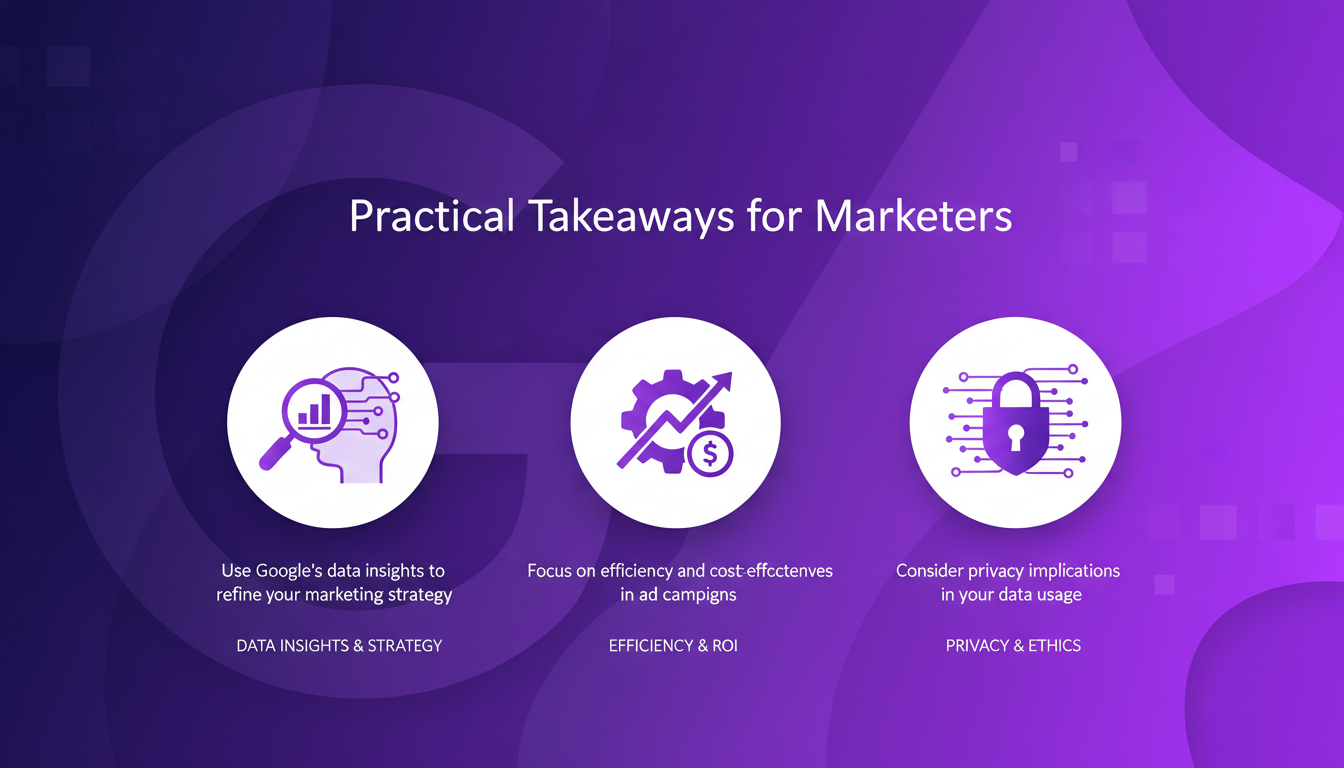
- Refine your strategy with Google's data
- Focus on efficiency and cost-effectiveness
- Consider privacy implications
- Test and iterate continuously
Diving into Google's data collection tools, I've found some powerful levers to sharpen our marketing strategies. Here's what stood out to me:
Surgical Precision: With about 1,700 data points per user, you can target with impressive accuracy. But watch out, it can be a double-edged sword if you overlook ethical considerations.
User Behavior: By analyzing preferences and behaviors, I've been able to tweak my campaigns to truly capture the attention of motivated sellers.
Targeted Advertising: It's a real game changer for boosting engagement, but always keep an eye on privacy implications.
Looking ahead, responsibly integrating these insights could transform our campaigns. So, start incorporating them today and watch the impact. For a deeper dive, check out the full video. I found it really insightful, and it's worth the watch: Google Knows More About You Than You Realize.
Frequently Asked Questions

Thibault Le Balier
Co-fondateur & CTO
Coming from the tech startup ecosystem, Thibault has developed expertise in AI solution architecture that he now puts at the service of large companies (Atos, BNP Paribas, beta.gouv). He works on two axes: mastering AI deployments (local LLMs, MCP security) and optimizing inference costs (offloading, compression, token management).
Related Articles
Discover more articles on similar topics
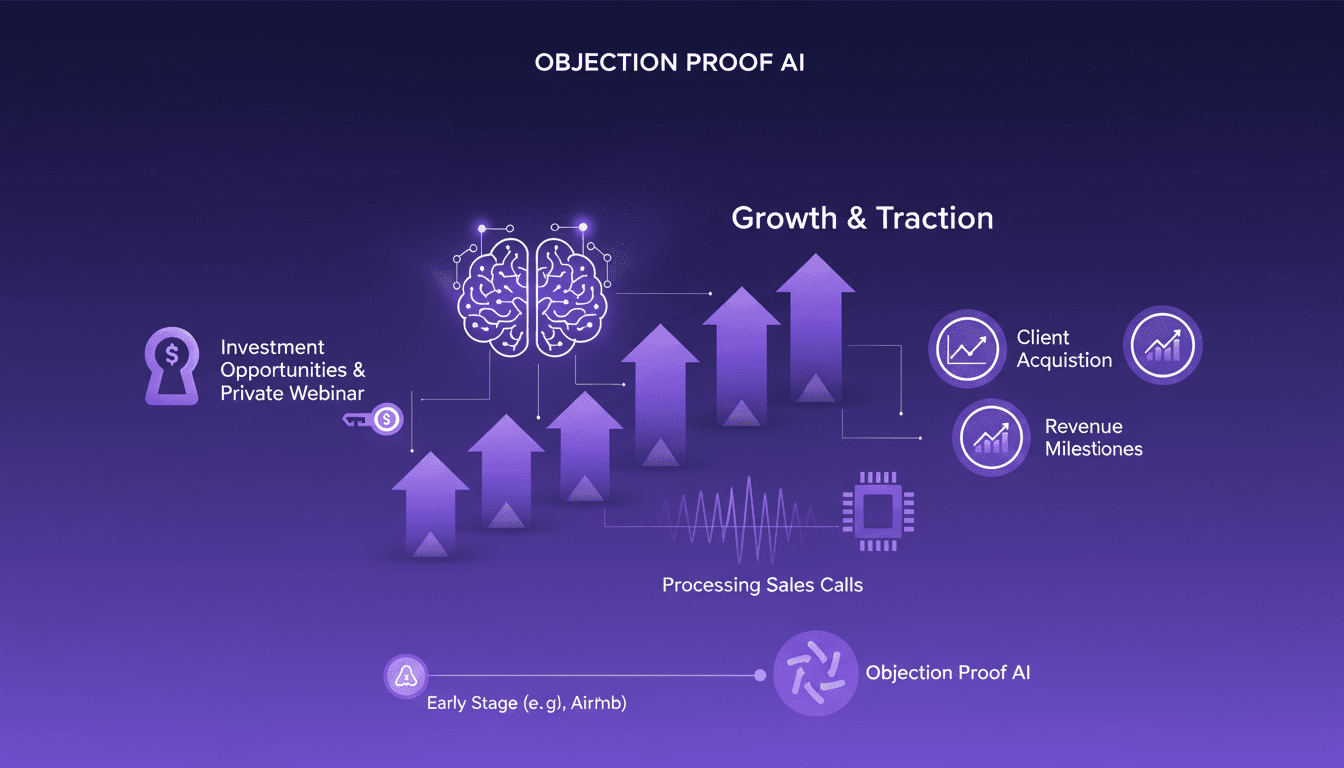
Objection Proof AI: Revolutionizing Sales Calls
I've been in the AI trenches long enough to spot a game changer. Objection Proof AI is one of those rare finds. We're not talking about just processing data here—it's revolutionizing how we handle sales calls. Imagine a system that's already processed millions of calls, contributing to millions in annual recurring revenue. If you're thinking about your next investment dollar, this might be it. With 200 clients in just nine months, it's not a flash in the pan. I'll walk you through it in this private webinar, an opportunity to grasp before everyone else catches on.
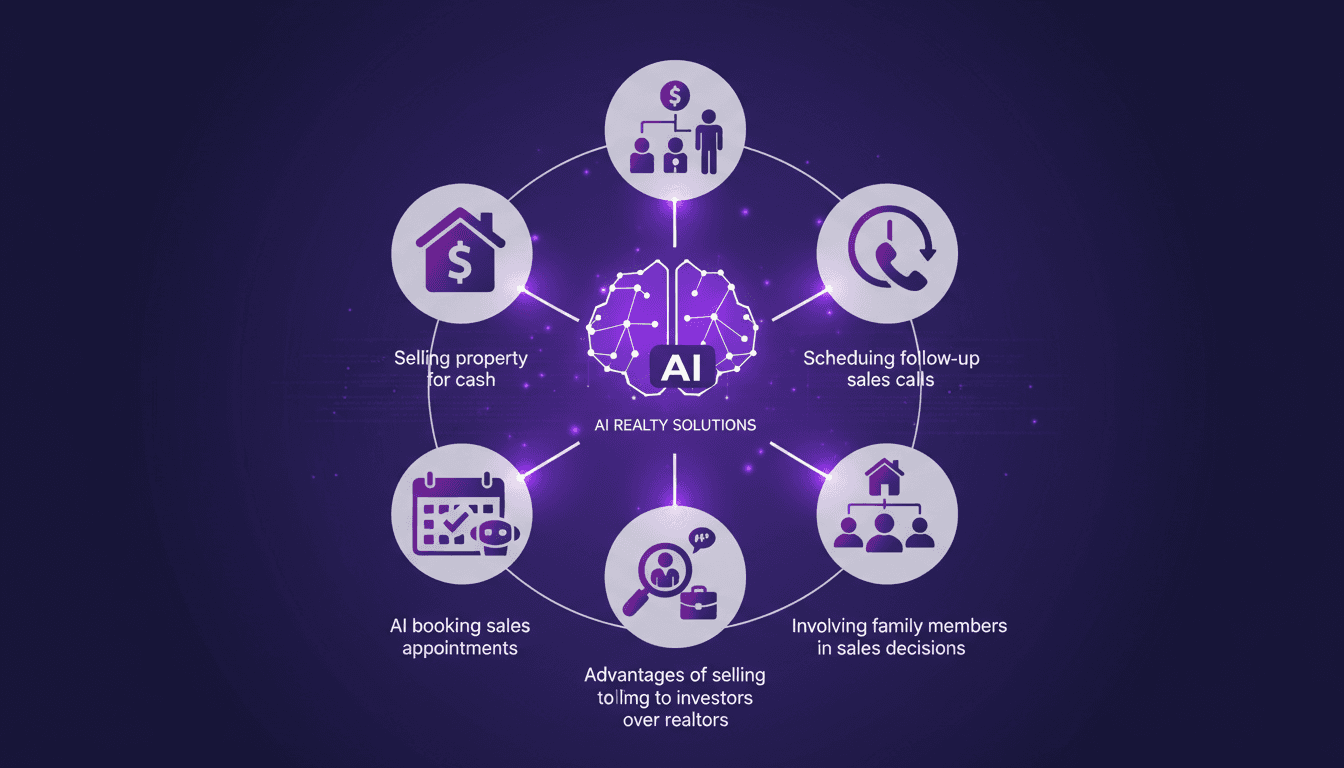
AI-Driven Sales: Booking Appointments Efficiently
I still remember when our AI booked a sales appointment without any human touch. That was a real game changer! In real estate, where speed and efficiency are key, integrating AI can truly transform how we operate. Imagine a tool that handles calls, schedules appointments, and even assists in closing deals. But it's not all smooth sailing. There are limits and pitfalls to watch out for. Let's dive into how I integrated this tech into my agency and the tangible results it brought.
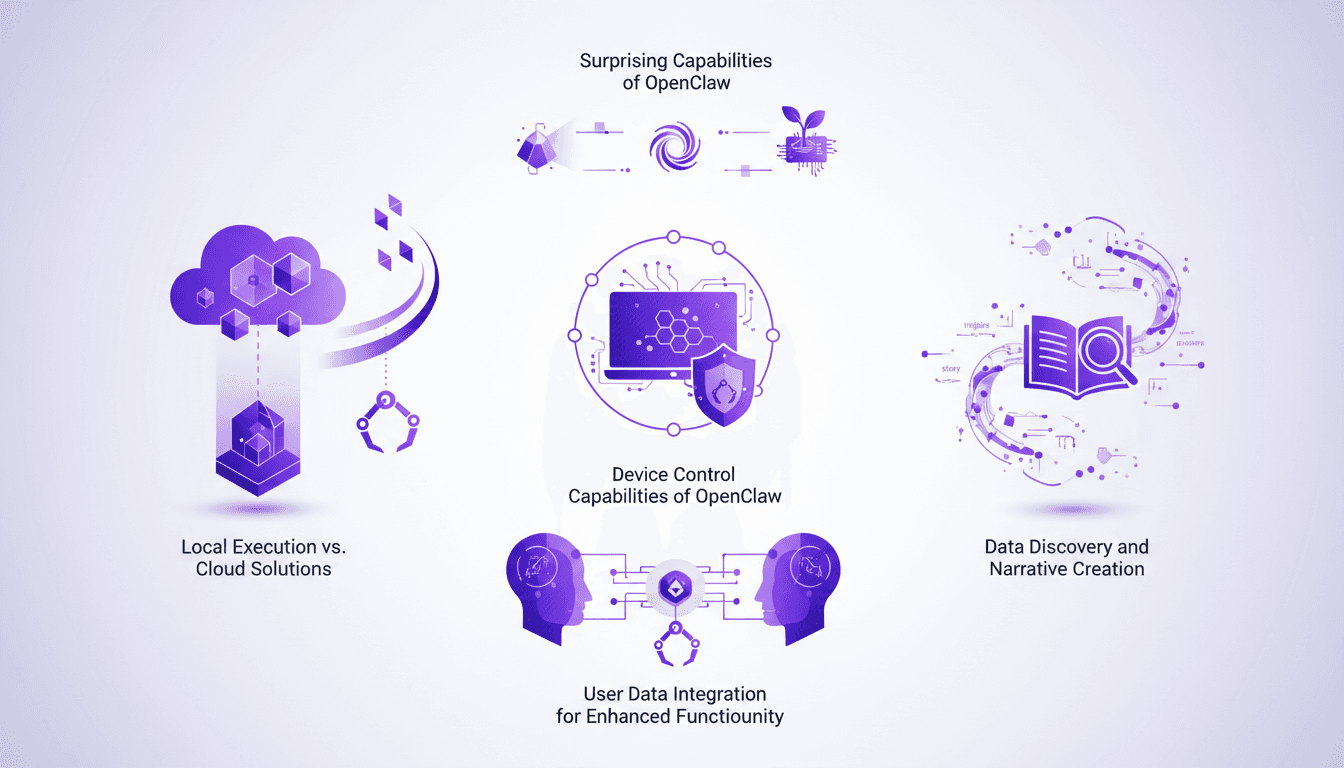
OpenClaw: Local Execution vs Cloud Solutions
I remember the first time I ran OpenClaw on my local machine. It felt like unleashing a beast capable of doing everything from device control to data discovery. What really blew my mind was how it stacked up against cloud solutions. In this post, I'll dive into how OpenClaw is shaking up the tech landscape with its local execution. We'll explore its device control capabilities, data discovery potential, and user integration. Trust me, OpenClaw is a game changer, but watch out for the pitfalls and contexts where it might surprise you.
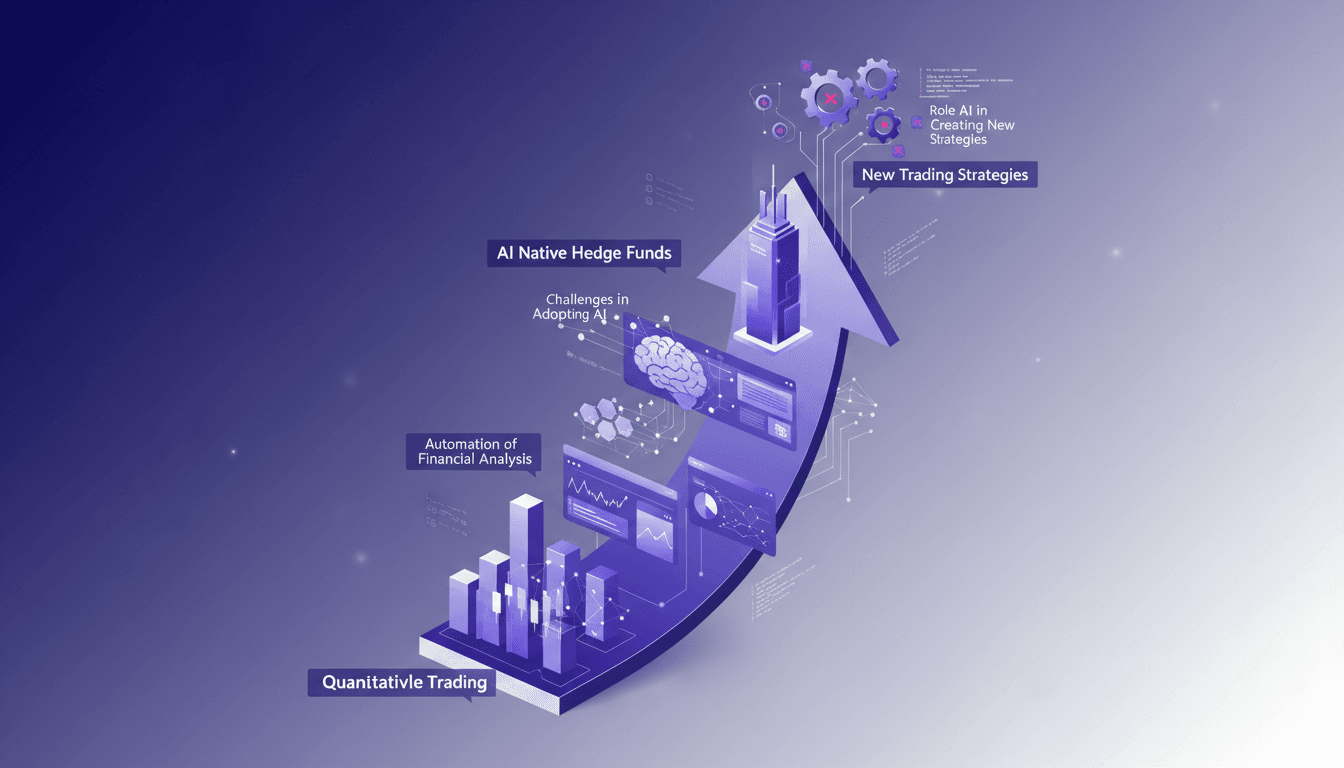
Evolving Quantitative Trading with AI
Back in the 80s, I watched hedge funds start using computers to analyze markets. Fast forward to today, and AI is reshaping the landscape. I've been deep in the trenches, integrating AI into hedge fund strategies—it's a game changer, but not without hurdles. From the evolution of quantitative trading to the rise of AI native hedge funds, I'm taking you behind the scenes of this transformation. It's more than just a tech upgrade; it's a paradigm shift. We'll dissect how AI automates financial analysis and creates new trading strategies while tackling the challenges traditional funds face in adopting these technologies. Ready to explore the future of AI native hedge funds?
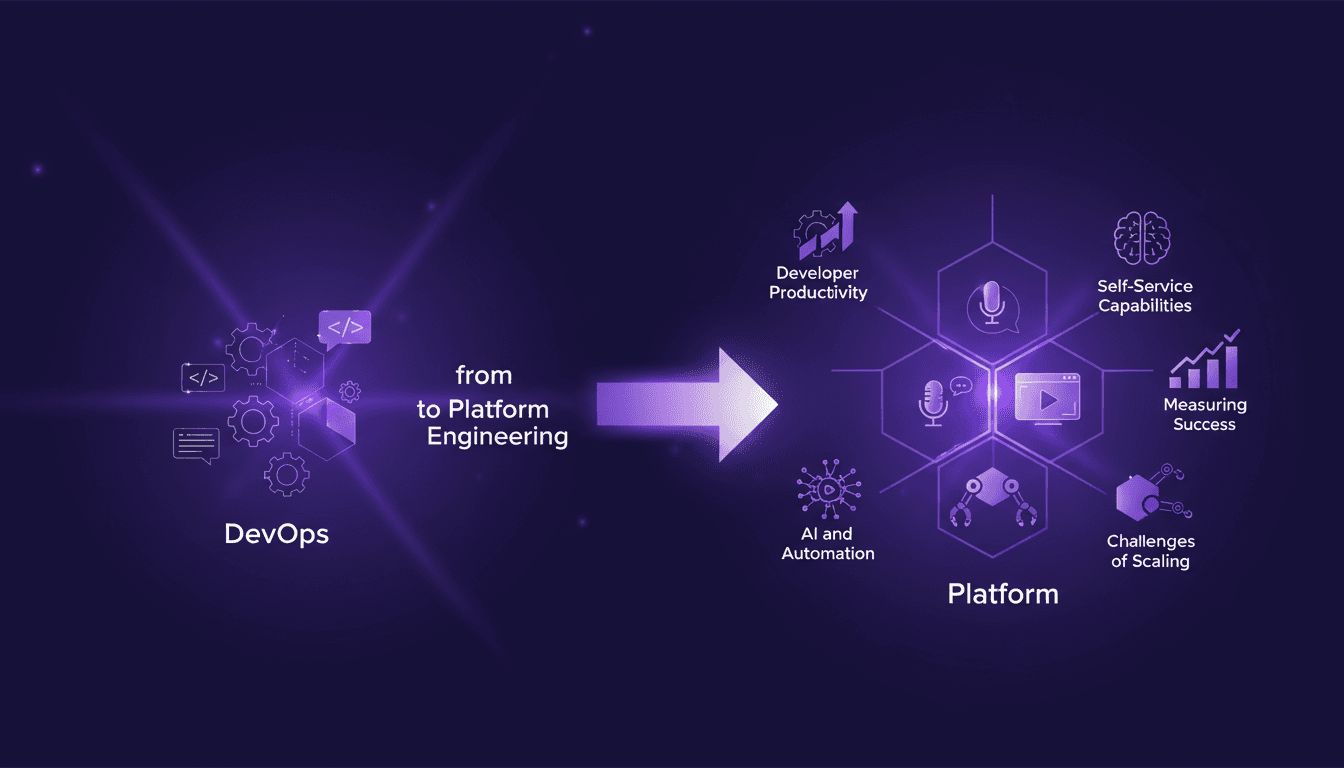
Transitioning from DevOps to Platform Engineering
I remember when DevOps was the buzzword. Now, platform engineering is taking the spotlight, and I've been right in the thick of it. With a decade of tech evolution under our belts, it’s more than just swapping buzzwords; it’s about real change. I’ve navigated this transition, and it’s been a game-changer for our productivity as software engineers. We’ll dive into what tools actually work, traps to avoid, and how AI and automation fit into the picture. In a nutshell, how we transition from DevOps to effective platform engineering without getting burned.