Enhancing DevEx: Stop 'Future-Proofing'
I've been there, staring at my system design, pondering every possible point of failure ten years down the line. I used to call it 'future-proofing'. But here's the kicker: it was slowing me down, and not in a good way. By focusing on developer experience (DevEx) and leveraging AI tools, I realized my systems became not only more robust but also more efficient today, not in some hypothetical future. In this article, I break down why 'future-proofing' isn't the hero we thought it was and how a more agile approach can transform your organization.
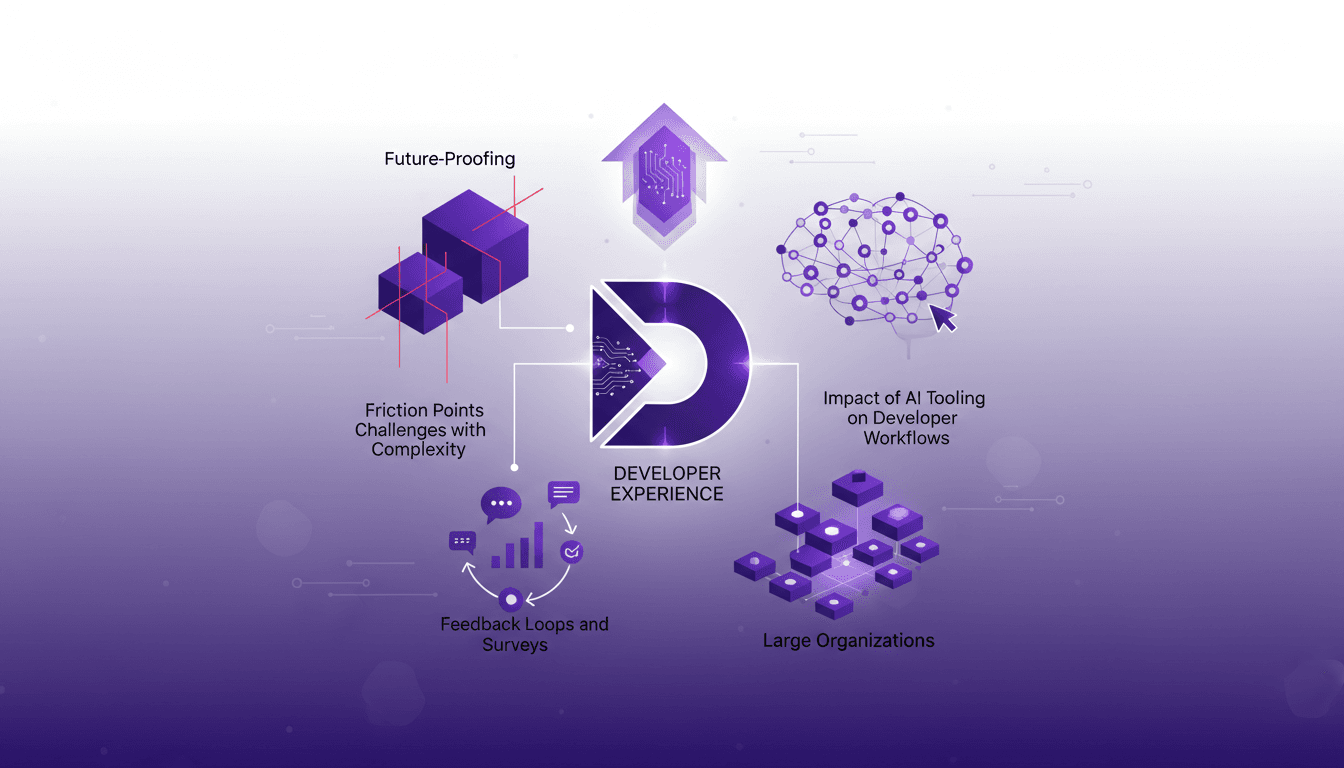
I've been there, staring at a system design, thinking about all the ways it could break in ten years. I used to call it 'future-proofing', but here's the kicker: it was slowing me down, and not in a good way. By focusing on developer experience (DevEx) and leveraging AI tools, I've found my systems are not just robust, they're efficient today—not in some distant future. Let's dive into why 'future-proofing' isn't the hero we thought it was and how focusing on DevEx can make all the difference. We'll explore how AI tools can make your pipeline 30% faster and why those 3 a.m. wake-up calls become a thing of the past. In large organizations, poor DevEx is costly, often driven by unnecessary complexity. I'll walk you through the challenges of the 'Shift Left' approach, the importance of feedback loops, and how improving DevEx can be a game-changer. This isn't abstract theory—it's concrete steps to improve our processes.
Understanding Developer Experience and Friction Points
Developer experience (DevEx) is all about minimizing friction in the development process. Too often, friction arises from overly complex systems. I've seen projects get bogged down in convoluted workflows where every change becomes a headache. I focus on tools that streamline, not complicate. Watch out for technologies that promise the world. Balance is key to avoiding the trap of easy promises that end up slowing the process down.
From my experience, spotting these frictions early is crucial. Sometimes, just simplifying a process or ditching an overly complex tool can save time and increase efficiency. The numbers don't lie: a well-led simplification can reduce development time by 30% on a given project. That's a massive gain when you consider the overall impact on a team.
"Developer experience focuses on identifying friction points in the software development lifecycle."
The Pitfalls of Future-Proofing System Design
The temptation to design systems to be future-proof can lead to over-engineered solutions. I've learned that simplicity often outlasts complexity. Too often, I've seen teams design for problems that don't exist yet, or may never exist. The result is a heavy, hard-to-maintain, and difficult-to-evolve system.
Trade-offs are inevitable: security versus speed, flexibility versus stability. These choices must be made carefully. I've seen ambitious architectures crumble under the weight of their own complexity simply because too much was planned for the future. Sometimes, opting for a simple, effective solution and improving it later if needed is the better path.
- Don't design for hypothetical problems.
- Simplicity often outlasts complexity.
- Evaluate trade-offs: security, speed, flexibility.
Leveraging AI Tools to Enhance Developer Workflows
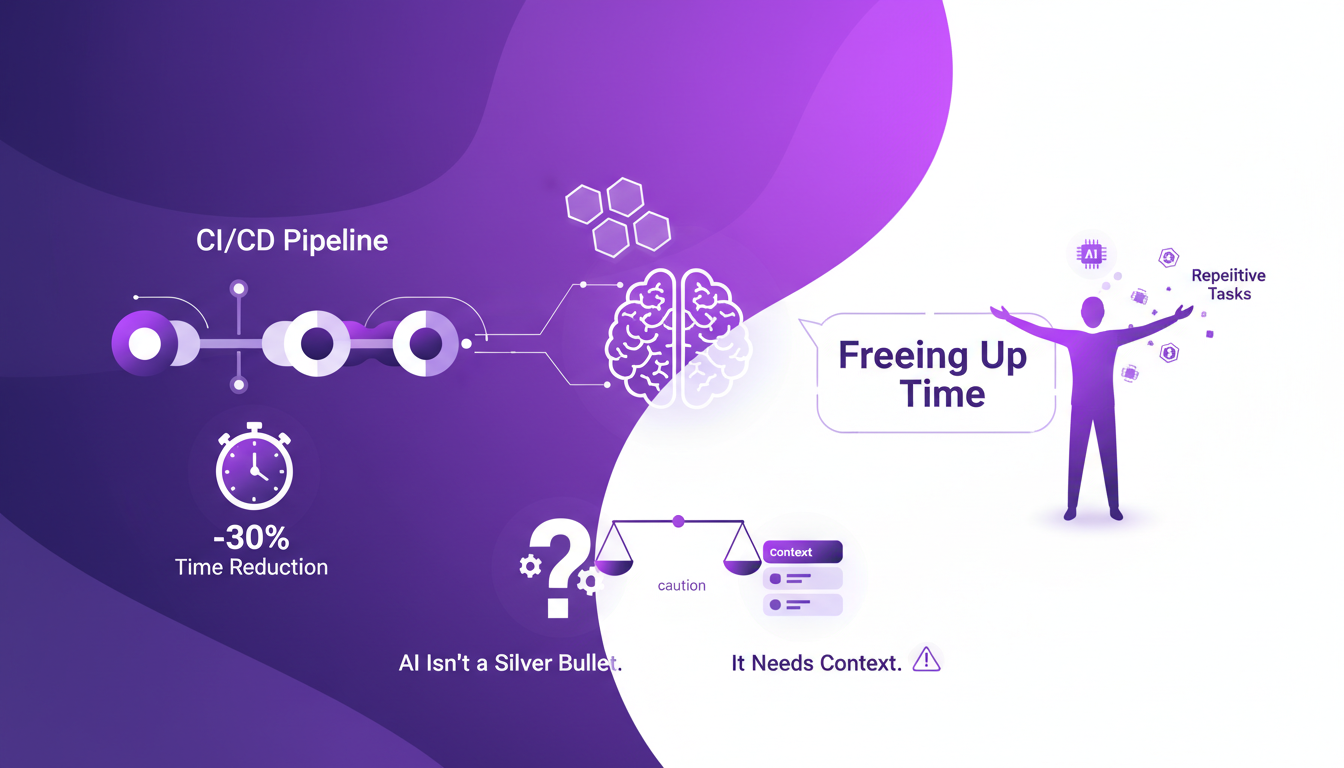
AI tools have become essential for optimizing CI/CD pipelines, sometimes reducing processing times by 30%. I integrate them into my workflows to automate repetitive tasks, freeing up time for more strategic endeavors. However, one must be cautious: AI is not a silver bullet; it requires context and human oversight.
Effective use of AI tools can reduce 3 a.m. emergency pages, a direct benefit for developer well-being. I've seen teams become more responsive and efficient thanks to smart orchestration of these technologies. But watch out not to overload the system with too much automation that could turn counterproductive.
- Reduce CI/CD pipeline times by 30%.
- Free up time for strategic tasks.
- Beware of automation overload.
Implementing a Shift Left Approach in Development
Shift left means catching issues earlier in the development cycle. I involve QA and testing teams from the start, saving time and costs down the line. But one must be careful not to fall into the trap of over-testing, which can slow down development.
This approach significantly improved the quality of our deliverables and allowed for better risk management. By involving testers early on, we ensure that problems are identified early, avoiding costly rework at the end of the cycle. But as always, striking the right balance is key to not getting bogged down in endless tests.
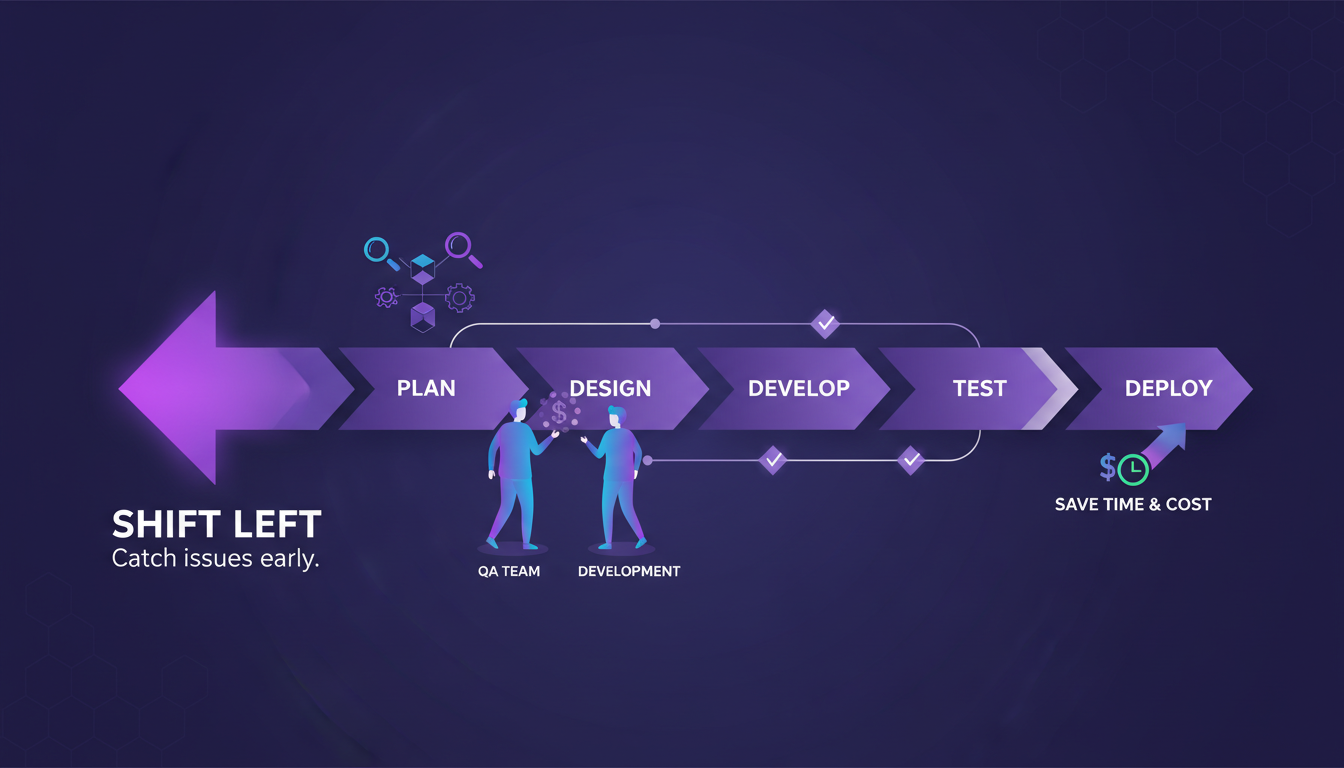
- Early detection of issues.
- Involve testing teams from the start.
- Balance between early testing and over-testing.
The Role of Feedback Loops and Surveys in DevEx
Feedback loops are essential for continuous improvement. I use surveys to identify and address friction points. Listening to your team is crucial, as they know where the pain points are. However, there must be a balance between feedback collection and actionable insights.
I've learned that the best insights often come from teams on the ground. Using tools like DCS by Atlassian helps structure this feedback and identify common frictions. These insights are invaluable for adjusting our processes and increasing overall efficiency.
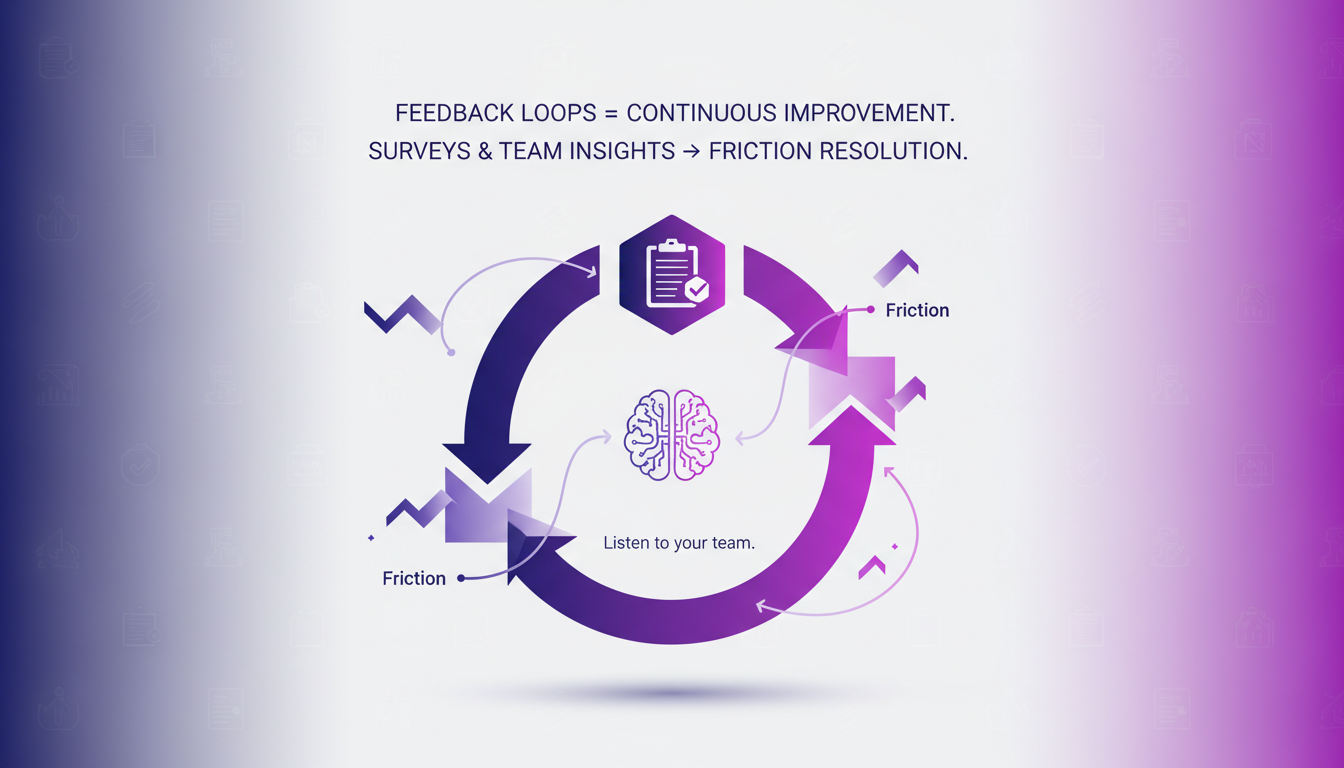
- Use surveys to identify friction points.
- Listen to feedback from ground teams.
- Balance feedback with actionable insights.
First, I've found that focusing on Developer Experience (DevEx) and tackling friction points is crucial. Not getting paged at 3 a.m. for a bug, now that's efficiency! Then, leveraging AI tools can make our pipeline 30% faster. It's a real game changer, but watch out for unnecessary complexity. Third, rethinking 'future-proofing' simplifies our system designs while keeping them adaptable. From experience, simplicity combined with solid feedback works wonders.
Looking ahead, I believe that adopting approaches like 'Shift Left' will continue to transform the way we develop. Start today: evaluate the complexity of your current designs and explore AI tools that can streamline your workflow. For even deeper insights, I recommend watching the original video. It's like having a chat with a colleague who's been down this road before.
Frequently Asked Questions

Thibault Le Balier
Co-fondateur & CTO
Coming from the tech startup ecosystem, Thibault has developed expertise in AI solution architecture that he now puts at the service of large companies (Atos, BNP Paribas, beta.gouv). He works on two axes: mastering AI deployments (local LLMs, MCP security) and optimizing inference costs (offloading, compression, token management).
Related Articles
Discover more articles on similar topics
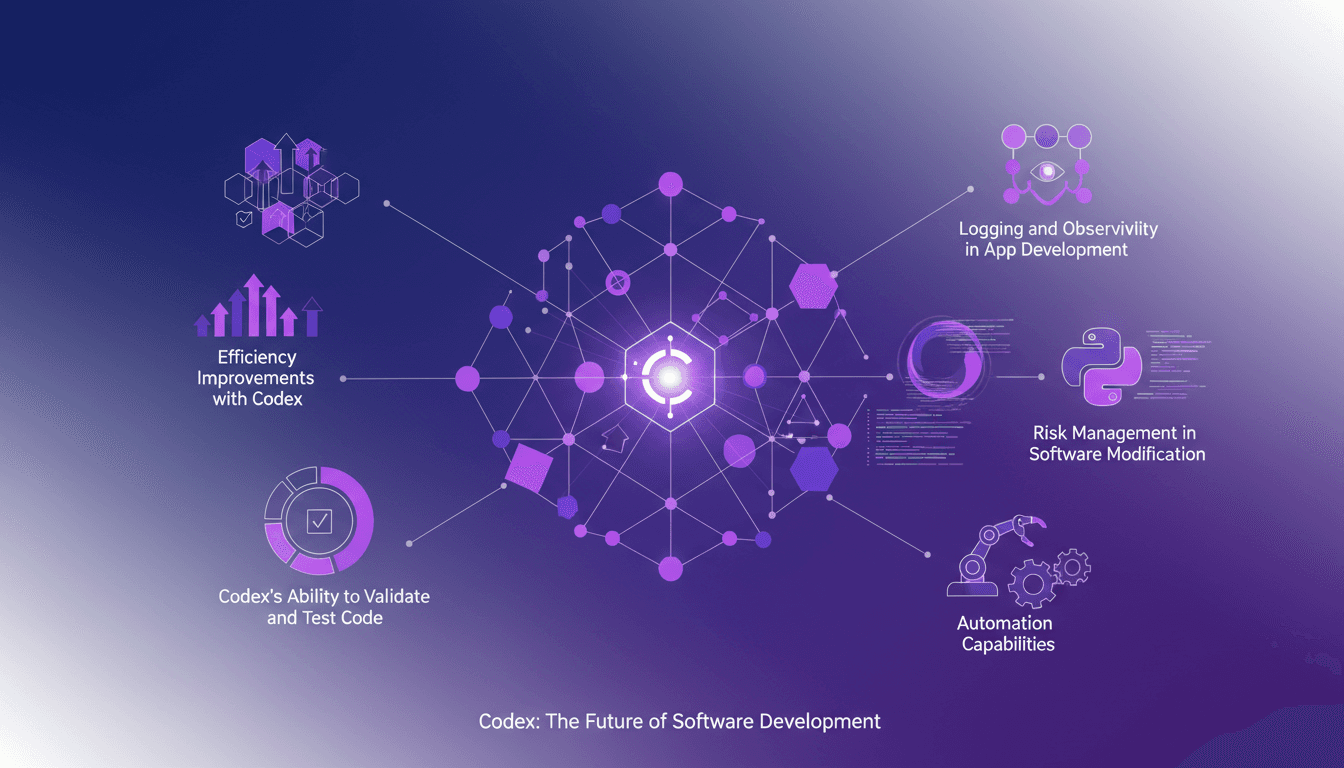
Boost Your Code with Codex: Validation and Testing
I've been in the trenches of software development long enough to know when a tool is more than just hype. Codex changed the game for me, especially in how I validate and test code. This isn't just theory—it's my daily workflow. Codex has allowed me to cut validation tasks down to less than ten minutes, which is a real win. Using Python, I've orchestrated code refactorings that were previously nightmares. But watch out, there are performance limits, especially when pushing automation capabilities to the max. Here, I'll share how Codex has transformed my approach to coding, efficiency, and risk management.
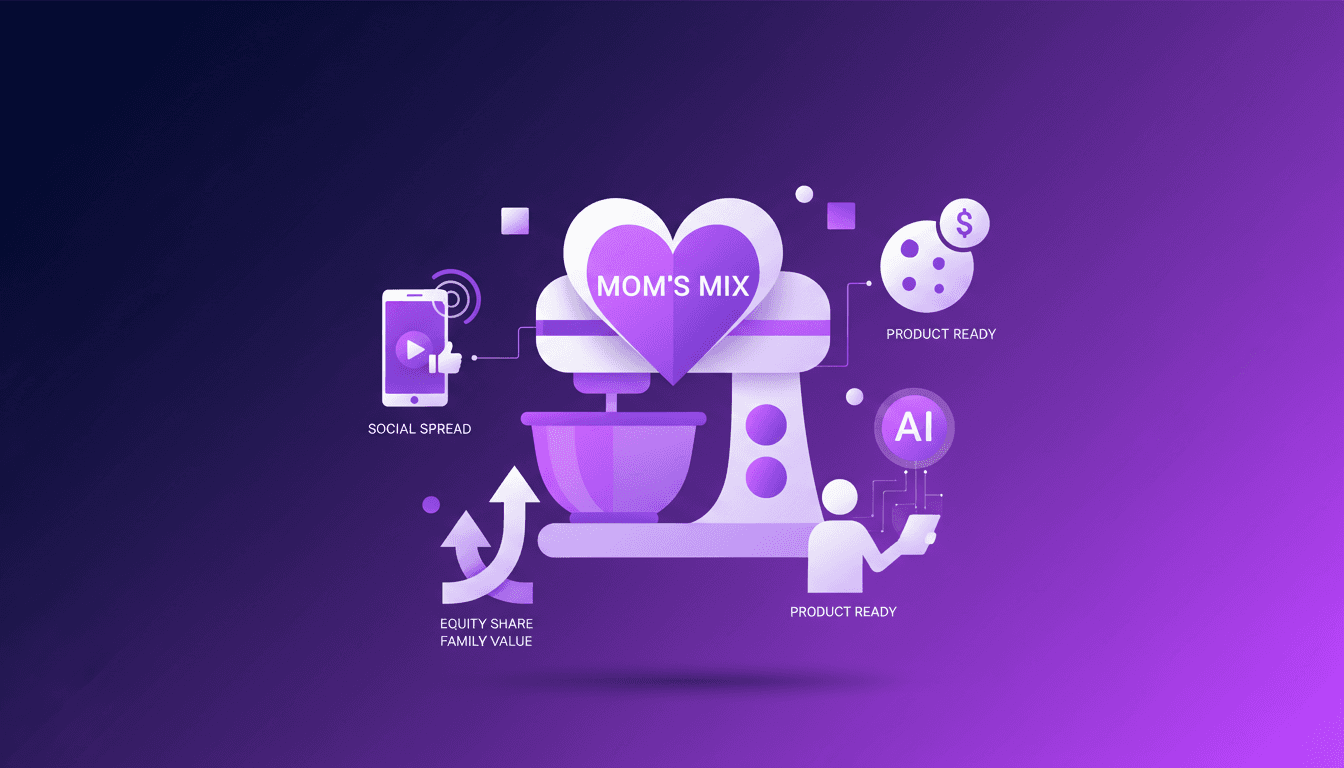
Building a Cookie Dough Business
I started with the dream of creating the world's best cookie dough company, inspired by my mom's secret recipe. Naming the company after her wasn't just a tribute—it was a strategy. On this journey, I learned the ropes of equity distribution, leveraging social media, and the power of influencers. Let me walk you through how I built this from the ground up. Talking about family values and entrepreneurship, I want you to understand that giving my mom 50% wasn't just a formality. It was crucial for our success. And with 15 million followers, the potential impact is massive. I had to orchestrate every step, from product readiness to engaging with our audience on social media. Let's dive in; I’ll take you behind the scenes of this entrepreneurial adventure.
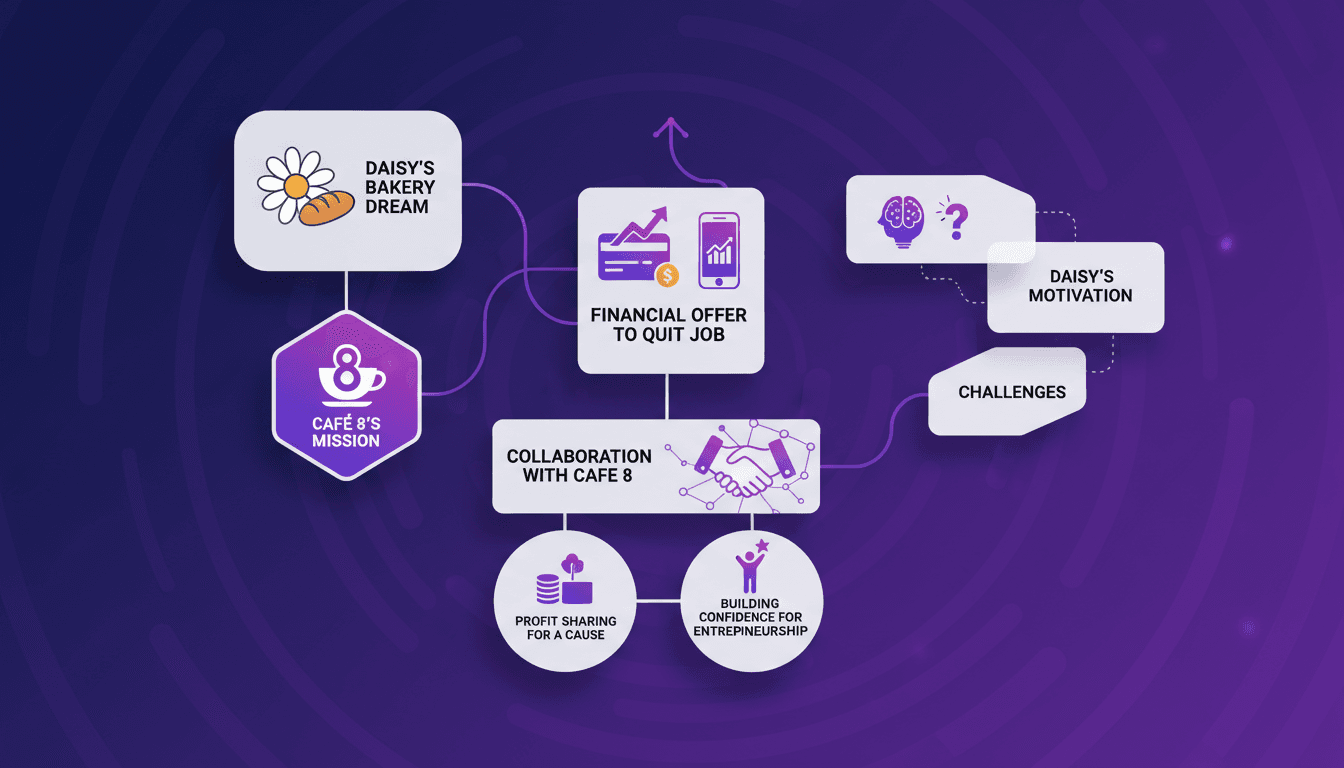
Making Daisy's Dream Come True: Quitting Her Job
I remember the day I decided to quit my job. A leap of faith, just like Daisy's journey. Offered $10,000 to follow her passion, Daisy made a bold decision. That's where Cafe 8 comes into play, sharing its mission with her. Together, they turned a dream into reality, making Daisy's bakery more than just a business. But watch out, it's not just about the funding. It's about confidence and daring to face the entrepreneurial challenges. A collaboration that, beyond profit, aims to make a difference. Discover how one simple choice sparked a cascade of positive transformations.

Chess AI: Strategies and Future
I remember my first encounter with a chess engine. It felt like playing against an invisible yet incredibly powerful mind. Since then, AI has transformed our ancient game, and I'm here to show you how. Chess has always been a battle of wits, but with AI's arrival, everything shifted. Take Magnus Carlsen, for instance, using these advancements to refine his strategies. In this episode, we'll dive into how AI has redefined the chess landscape, from detecting cheating to new variants like chess tennis. It's a fascinating journey through time and technology, and if you've ever been surprised by a 2800-rated opponent, you know exactly what I mean.
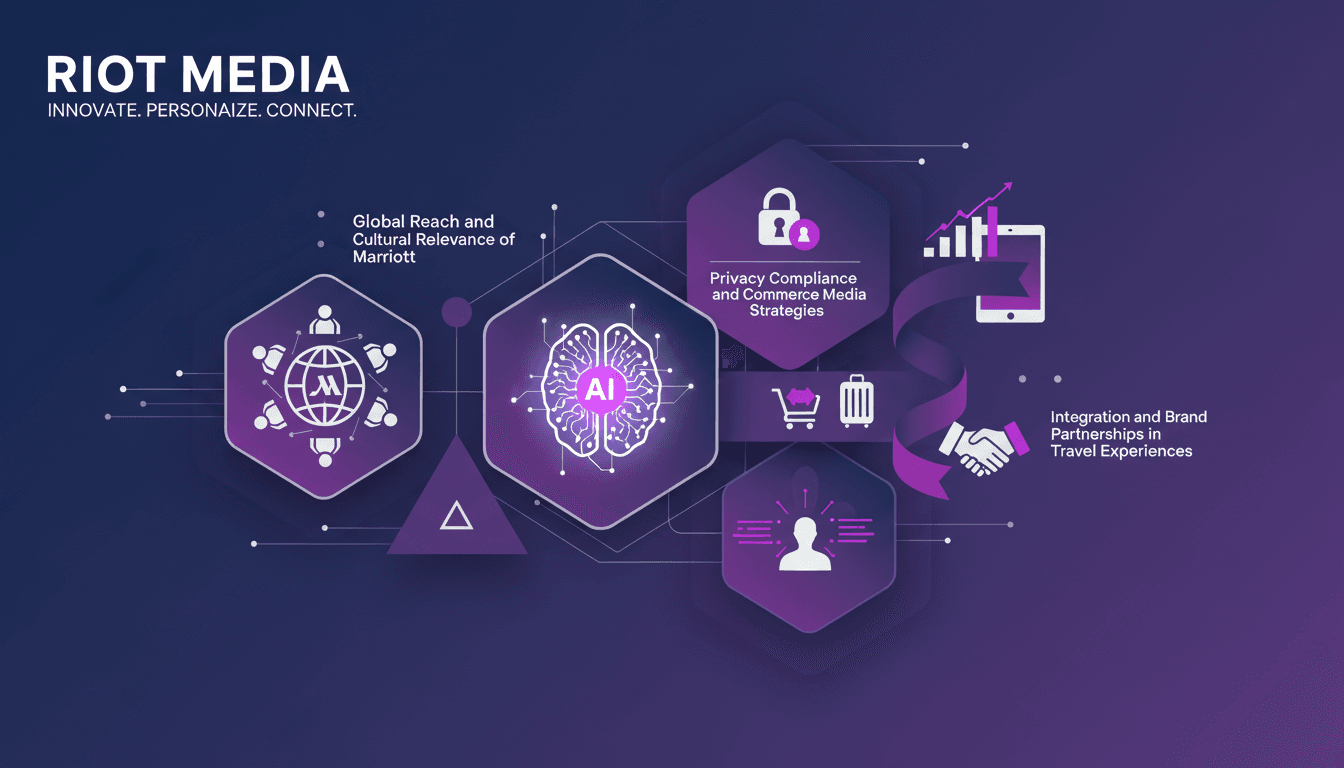
Transforming Hospitality with Data and Experience
I remember the first time I realized the power of data in hospitality. Imagine flipping a switch—every interaction, every piece of data, transforming the guest experience. Today, personalization and data-driven strategies are essential. With giants like Riot Media and Marriott leading the charge, the industry is evolving fast. But how do we navigate this complex landscape while respecting privacy and cultural nuances? We're talking about 250 million Bonvoy members and 500 attributes shaping customer experiences. Let's dive into this next evolution of hospitality.