Aerospace Engineer: My Practical Journey
Ever dreamt of reaching for the stars, literally? I did, and it led me to become an aerospace engineer at NASA. But dreams aren't enough—they need a practical roadmap. In this live stream, I share how I built mine, from investing in rocket companies to developing platforms that disrupt industries. We dive into Vibe coding, the Consult Sphere platform, and how these tools turn aspirations into tangible outcomes. Plus, let's not overlook the importance of community, credibility, and brand value in all of this.
Dreaming of becoming an aerospace engineer is one thing. Making it happen is a whole different ballgame. I started with a simple £100 investment in a rocket ship company. Sounds crazy, right? But that initial step led me to much bigger goals. In this live stream, I walk you through how I turned my dreams into reality. Sure, I invested in space companies, but I also developed tools like the Consult Sphere platform, which is now 30% complete. And with Vibe coding, I've optimized development costs. You can't underestimate the importance of community and credibility in this journey. Join me to discover how I orchestrated it all, from dreams to reality, with concrete strategies.
Chasing the NASA Dream: A Practical Guide
My journey began with an almost obsessive fascination for aerospace, with a clear goal in mind: NASA. To get there, I knew I had to build a solid foundation in engineering and physics. So, I dove into studies, immersing myself in every technical detail, every complex formula. But theoretical knowledge alone isn't enough, so I sought out industry professionals to understand the real-world application of these skills. Discussing with them made me realize how crucial networking is for seizing opportunities.

But watch out, the path to the stars is fraught with obstacles. I had to overcome setbacks by adapting and continuously learning. Each hurdle is an opportunity to reinvent oneself, to adjust strategies. Becoming an aerospace engineer doesn't happen overnight, but with perseverance and a strong network, it's achievable.
Investing in Aerospace: A £100 Rocket Bet
I received a £100 investment offer for a rocket ship company. At first glance, it seemed trivial, but that's where the charm of aerospace investments lies. I took the time to evaluate the potential and the risks. The sector is volatile, but the rewards can be immense if you bet on companies with innovative technology and solid business models.
When investing, I focus on:
- Cutting-edge technologies that push current limits
- Robust and sustainable business models
- Balancing risk with potential rewards
I realized that in this field, investments can turn into real adventures. It's a sector where you can literally aim for the stars. Careers in engineering highlight just how central innovation is to aerospace.
Building the Consult Sphere Platform: 30% Done, 70% to Go
Consult Sphere is an ambitious project: revolutionizing consultancy with AI. So far, we've completed only 30% of the development. It's a significant challenge, especially when integrating AI with traditional consulting methods. But that's what makes the project exciting. Every day, we strive to design a user-friendly interface and scalable architecture.
Key challenges include:
- Seamless AI integration into existing systems
- User-centered design
- Scalability to meet growing demand
We must remember that technology is constantly evolving, and we need to anticipate disruptions, particularly those caused by AI. Oracle Database 23ai is a good example of the importance of staying up to date with the latest innovations.
Vibe Coding: Cost-Effective Development Explained
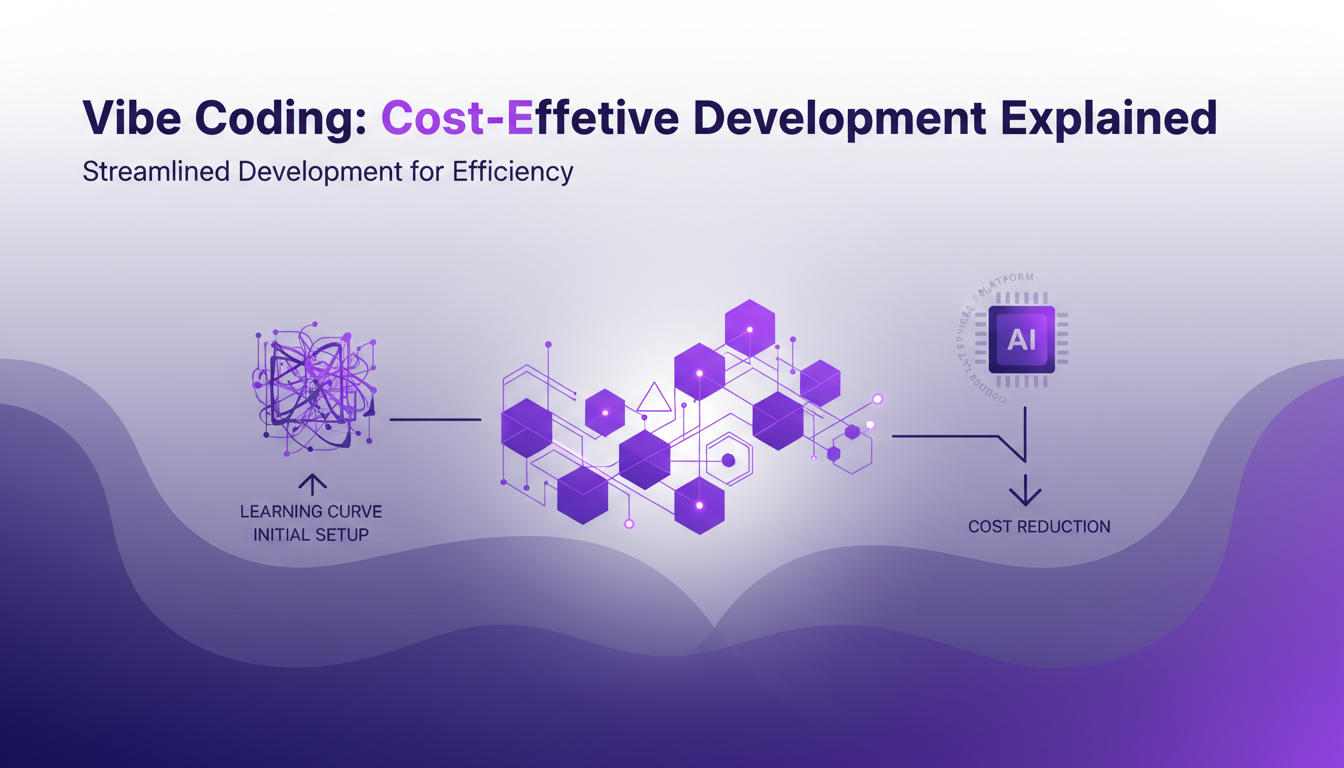
Vibe coding is a tool that has changed how I code. It's a process that optimizes development, reducing costs. Used in the development of Consult Sphere, it offers undeniable advantages but also challenges. The learning curve is steep, and the initial setup time can be significant.
Practical tips for implementation:
- Take the time to learn the basics before diving in
- Don't neglect the initial planning stage
- Experiment with small projects to master the tool
Vibe coding redefines application development, but watch out not to overuse it without understanding its limits. Low-code/no-code development platforms are booming, but nothing replaces a solid understanding of coding basics.
Community and Brand Value: The Backbone of Business
Building a credible brand is as crucial as product development. It's the community that creates brand loyalty and trust. I've learned that to succeed, you must engage your community by sharing valuable insights about tech products. But be careful, you need to find a balance between brand building and technical innovation.
Some strategies:
- Listen and respond to community needs
- Transparency and regular communication
- Value user feedback to improve the product
Technology can attract initial customers, but it's the community that ensures sustained success. As James Fahey emphasizes, technological development must align with real user needs to maximize its impact.
In conclusion, whether you're chasing the dream of working for NASA or developing a groundbreaking platform, never forget that technology should serve people, not the other way around.
First, I dreamed of NASA, then I invested £100 in a rocket company. It's a small step, but big dreams often start that way. Next, the Consult Sphere platform is 30% developed — good progress, but there's a lot more to do. Lastly, I used Vibe coding for cost-effective development. Watch out, though, you need to manage costs without compromising quality.
Moving forward in aerospace is both inspiring and practical — it's a real balancing act. Decisions need to be informed, technologies leveraged wisely. Ready to turn your dreams into reality? Start building, investing, and innovating today.
For a deeper dive, I recommend checking out the "DREAMLIVE" video here: [https://www.youtube.com/watch?v=GAtWIQ4CjcI]. You'll see how these elements come together and inspire daily action.
Frequently Asked Questions

Thibault Le Balier
Co-fondateur & CTO
Coming from the tech startup ecosystem, Thibault has developed expertise in AI solution architecture that he now puts at the service of large companies (Atos, BNP Paribas, beta.gouv). He works on two axes: mastering AI deployments (local LLMs, MCP security) and optimizing inference costs (offloading, compression, token management).
Related Articles
Discover more articles on similar topics
Nvidia and OpenClaw: Integrating Nemo Claw
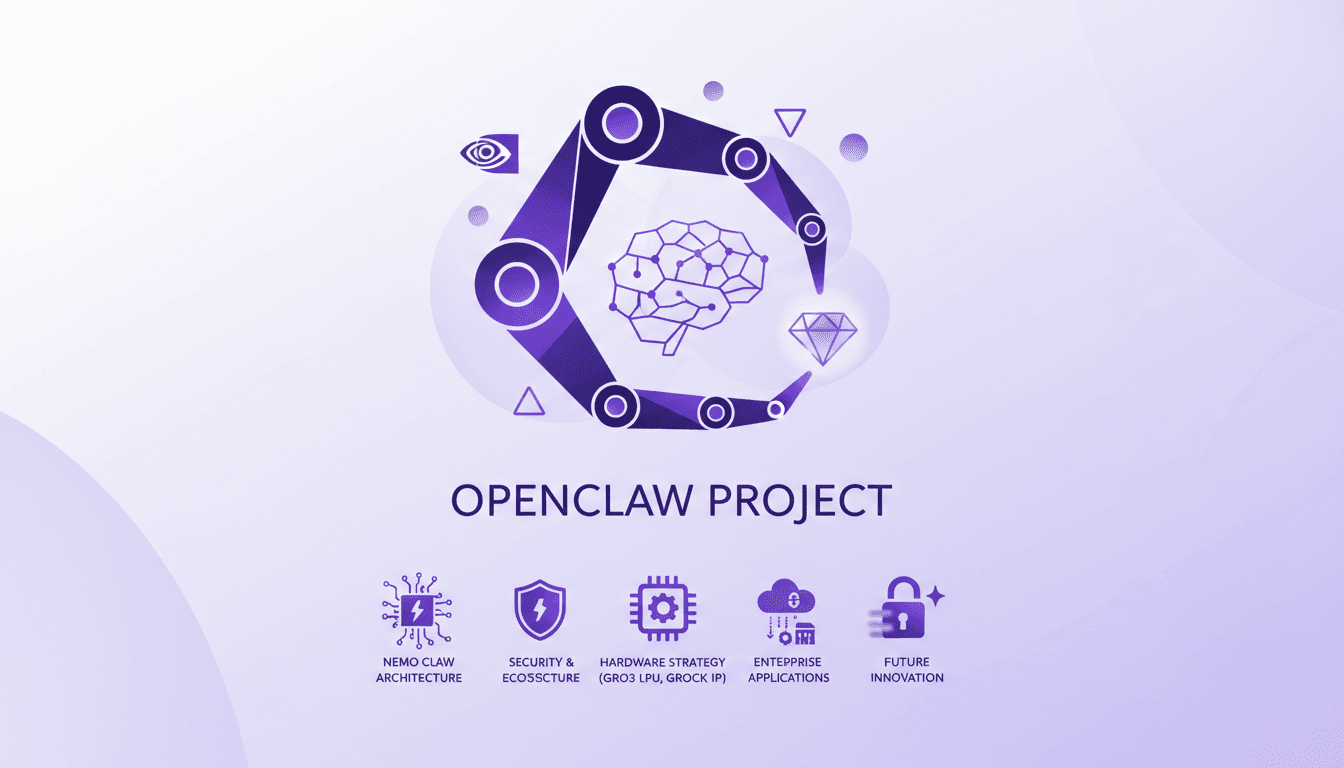
I dove into the Nvidia GTC 2026 keynote expecting the usual tech updates, but stumbled upon a real game-changer: Nvidia's involvement in the OpenClaw project with Nemo Claw. Nvidia isn't just tagging along; they're reshaping the landscape. OpenClaw started from scratch and already boasts over 50 variations on GitHub. With Nemo Claw's entry, security, hardware integration, and enterprise applications are being reinvented. Nvidia's hardware strategy is no joke, especially with Gro 3 LPU chips and Grock IP integration. But watch out—data privacy remains a hot topic in this space.

Achieve Your Dreams: Practical Strategies and AI
At 15, I had big dreams but no compass. Fast forward to today, I'm not just chasing my dreams, I'm catching them with the power of AI and social media. Breaking free from limitations and leveraging technology has become essential to turn aspirations into reality. In this live stream, I'll show you how social media can be a game-changer for income generation and why side hustles are a must. We'll explore data-driven decisions for smarter choices and how AI can supercharge your personal branding. Trust me, it's persistence that truly breaks the chains and makes dreams come true. Ready to take the leap?

AI Meets Creativity: Transforming Product Design
I vividly remember the first time I integrated AI into my design workflow. It was like handing a paintbrush to a machine and watching magic happen. But let's be real, AI is more than just magic; it's an amplifier of what we can do, faster and smarter. In today's design world, AI isn't just a tool—it's a partner. From Autodesk Fusion's capabilities to generative AI's precision, we're witnessing a revolution in product design. Let's dive into how these technologies are redefining creativity and consumer trust. How does AI augment our creativity and decision-making? How is Autodesk Fusion transforming product design? And what about the shift in consumer preferences towards authenticity? That's what we're diving into here.
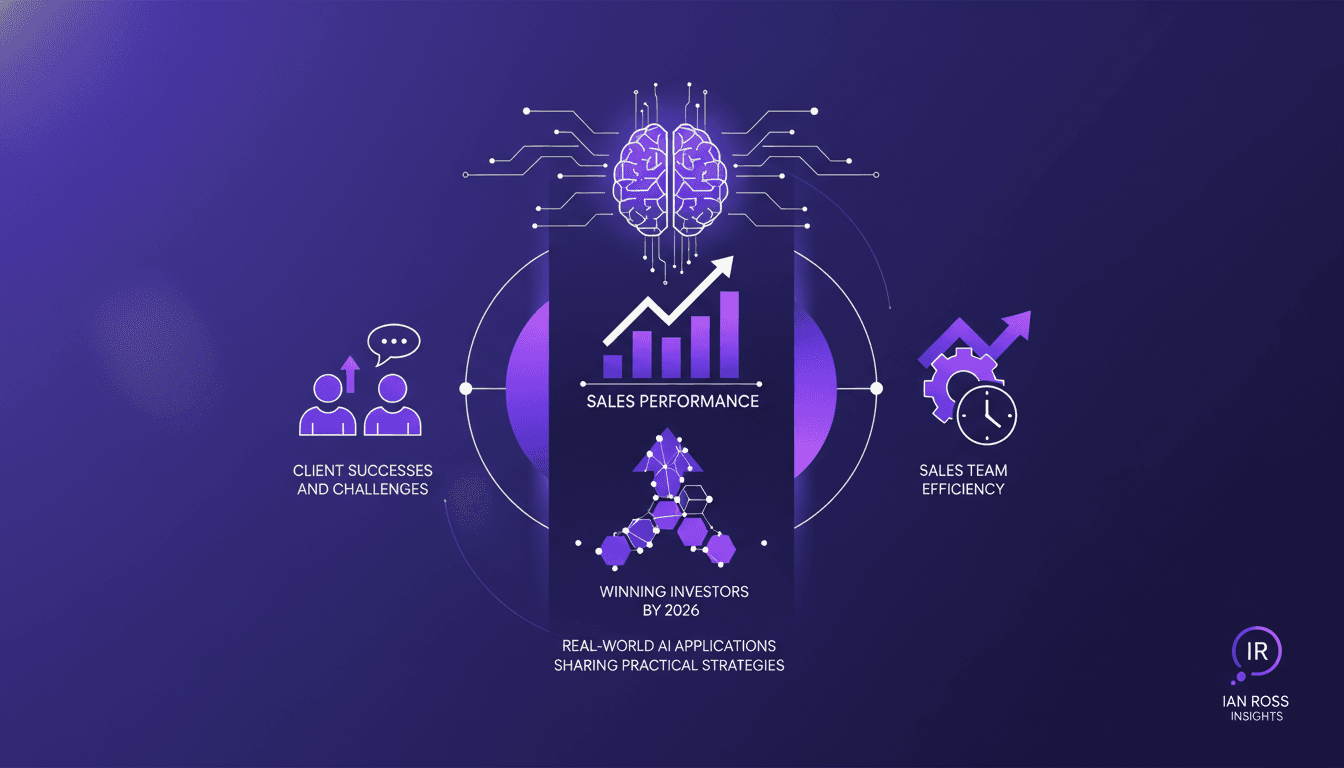
Can AI Really Boost Sales Performance?
I've spent a decade in sales, and let me tell you, AI is changing the game. Not just in theory, but in how we actually close deals. Let's dive into how AI can outperform traditional methods and the real-world impact it has on our sales teams. AI is no longer a futuristic concept; it's here, reshaping how we approach sales. This isn't just about automating tasks—it's about enhancing performance and efficiency. We'll explore practical strategies, success stories, and the challenges you might face.

Managing Technical Debt: Practical Strategies
I've been in the trenches of tech development long enough to know that technical debt can be a silent killer. It's like a credit card with a hidden interest rate. You don't see it coming until it hits hard. Technical debt isn't just a buzzword; it's a real challenge for startups and large enterprises alike. If it's not managed, it can cripple your project. Let me walk you through how I manage this beast daily, from a builder's perspective. We'll dive into understanding and managing technical debt, the role of the CTO, the impact of language and tool choices, and much more. Get ready to dive into the nitty-gritty.