AI Meets Creativity: Transforming Product Design
I vividly remember the first time I integrated AI into my design workflow. It was like handing a paintbrush to a machine and watching magic happen. But let's be real, AI is more than just magic; it's an amplifier of what we can do, faster and smarter. In today's design world, AI isn't just a tool—it's a partner. From Autodesk Fusion's capabilities to generative AI's precision, we're witnessing a revolution in product design. Let's dive into how these technologies are redefining creativity and consumer trust. How does AI augment our creativity and decision-making? How is Autodesk Fusion transforming product design? And what about the shift in consumer preferences towards authenticity? That's what we're diving into here.
I remember the first time I integrated AI into my design workflow—it was like handing a paintbrush to a machine and watching it create magic. But let's be real, AI isn't just about magic; it's about amplifying what we can do, faster and smarter. In today's rapidly evolving design world, AI is more than just a tool—it's a partner. We're talking Autodesk Fusion, generative AI precision in transforming 2D to 3D designs. It's 2026, and the design industry is undergoing a transformation. Authenticity and transparency are at the core of consumer expectations. So how do we build trust through these new technologies? How do we incorporate sustainability into the design and manufacturing process? That's what we're diving into. Hold on tight, because the boundaries of design are being redefined.
Augmenting Creativity with AI
Let's get one thing straight: AI isn't here to replace human creativity, but to amplify it. As a practitioner, I see it as a powerful lever to offload repetitive tasks and focus our energy on what truly matters: innovation. That's exactly what I observed with Autodesk Fusion at CES 2026. AI frees us from the drudgery of automatable tasks, allowing us to explore bolder ideas and push the boundaries of our imagination.
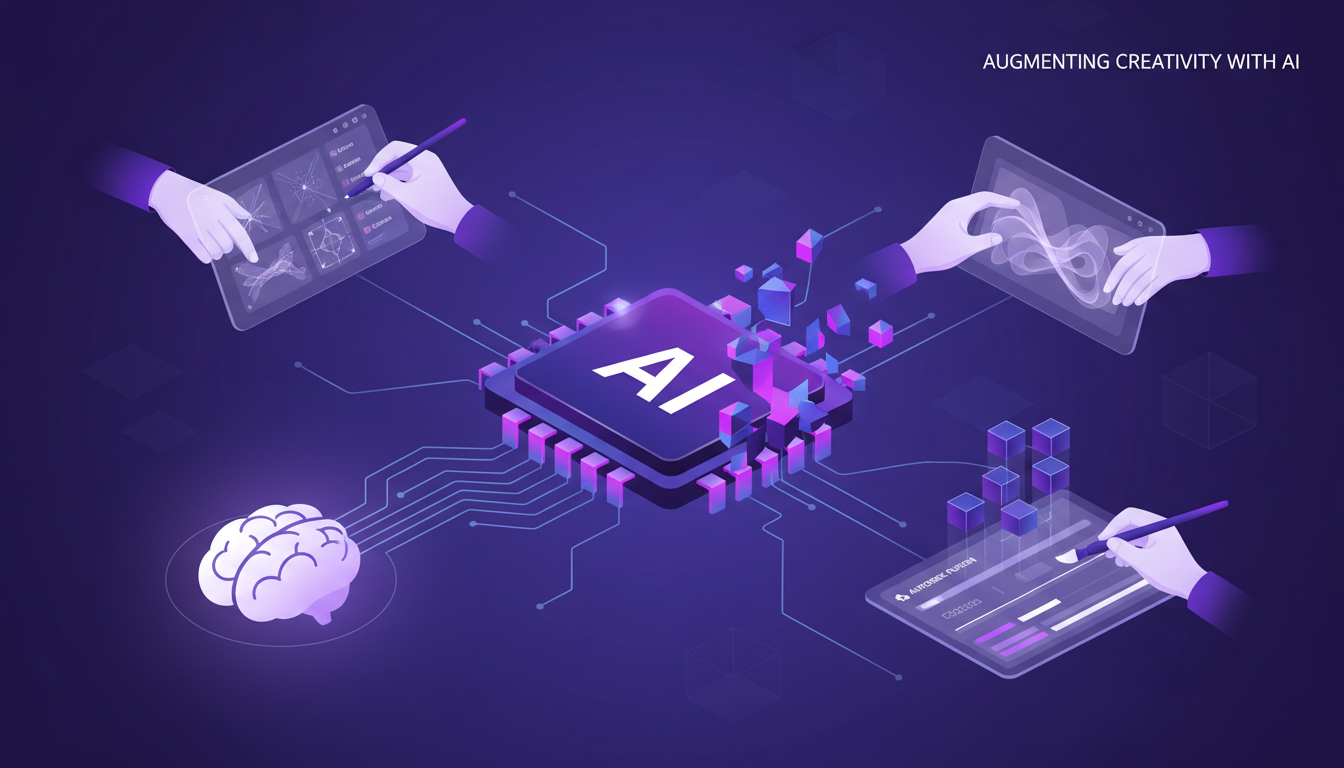
At Autodesk, integrating AI into design processes is a real game changer. It's not just about automating, but catalyzing new ways to approach design challenges. However, finding the right balance between automation and human intuition is key. Over-reliance on AI can stifle creativity, while proper use can be revolutionary.
- AI frees up time for human creativity by automating repetitive tasks.
- Autodesk Fusion demonstrates this approach at CES 2026.
- Balance is crucial: too much automation can lead to a loss of intuition.
Generative AI: From 2D to 3D Precision
Now, let's talk about generative AI, a technology that transforms 2D sketches into 3D models with incredible precision. Here's where the workflow comes into play: setting up the AI agents for design tasks is crucial. I witnessed how Autodesk masters this art at CES 2026, showing how this technology takes our designs to the next level.
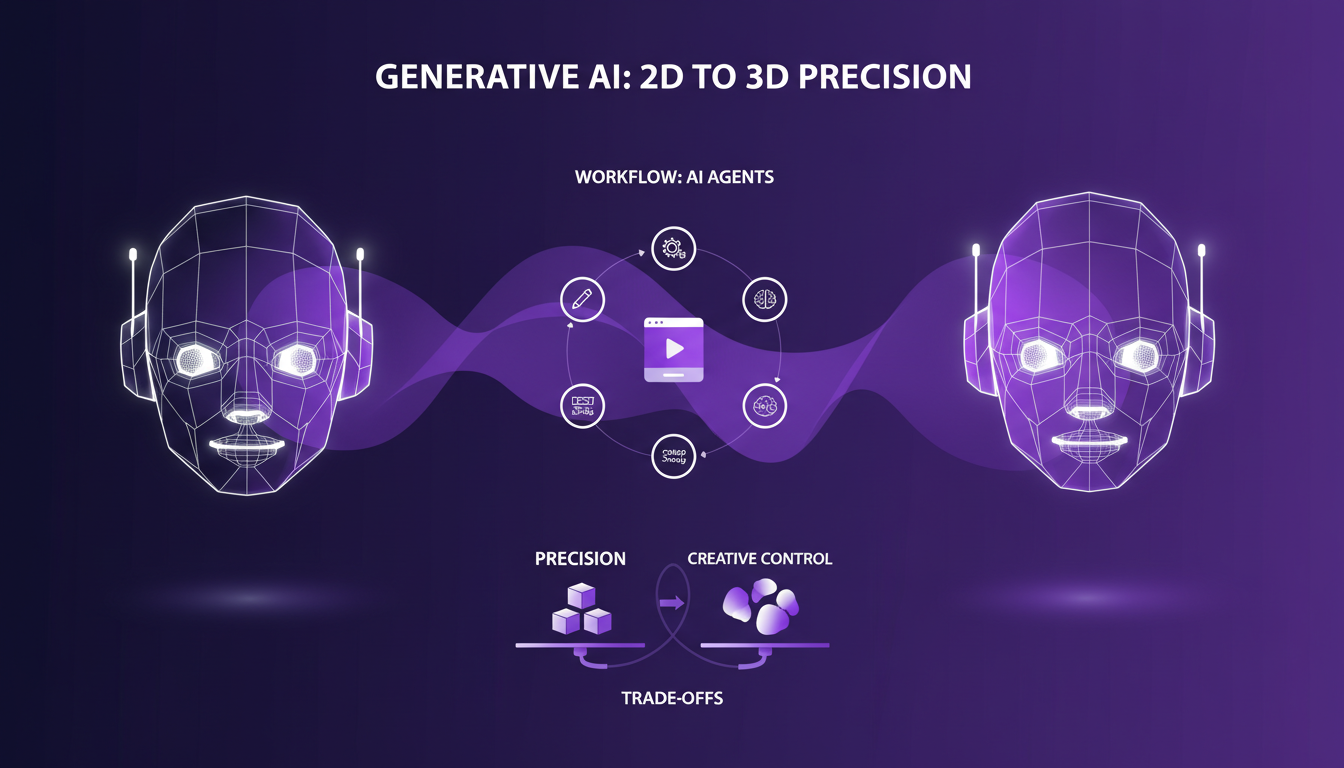
But beware, it's not without trade-offs. The precision achieved can sometimes limit creative control. This is where you really need to pilot these tools with discernment. Autodesk's approach at CES was exemplary, showing that even in AI usage, human control remains indispensable.
- Generative AI transforms 2D sketches into precise 3D models.
- Setting up AI agents is crucial for effective workflow.
- Trade-off between technical precision and creative control.
Building Trust through Transparency
Trust is a key word. In a world where AI is ubiquitous, transparency AI cards play a crucial role in establishing a trustful bond with consumers. I've often observed skepticism among users, but by integrating transparency cards, we can tell the product's story and dispel doubts.
It's vital to integrate this transparency from the start of the design process. It doesn't happen overnight, but by telling our product's story and showing how AI is used, we can build a solid bridge with our clients.
- Transparency AI cards enhance consumer trust.
- Storytelling helps clarify AI usage.
- Integrate transparency from the start of the design.
Consumer Preferences: Authenticity and Seamlessness
Today's consumers crave authenticity and seamless experiences. AI can help us deliver personalized interactions, but we must not lose the human touch. It's a delicate balance, one I've observed in successful product designs.
The successful integration of AI into design shouldn't erase the human footprint. Autodesk, for example, successfully achieves this by always keeping the consumer at the heart of its concerns.
- The demand for authenticity and seamlessness is on the rise.
- AI helps personalize interactions.
- Don't over-rely on AI to avoid losing the human aspect.
Sustainability in Design: A Future-Ready Approach
Finally, sustainability. It's an unavoidable topic today, and Autodesk understands this well. Current trends in sustainable design show that consumers increasingly care about the environmental impact of their products. I've seen how Autodesk integrates this concern into its eco-friendly product development processes.
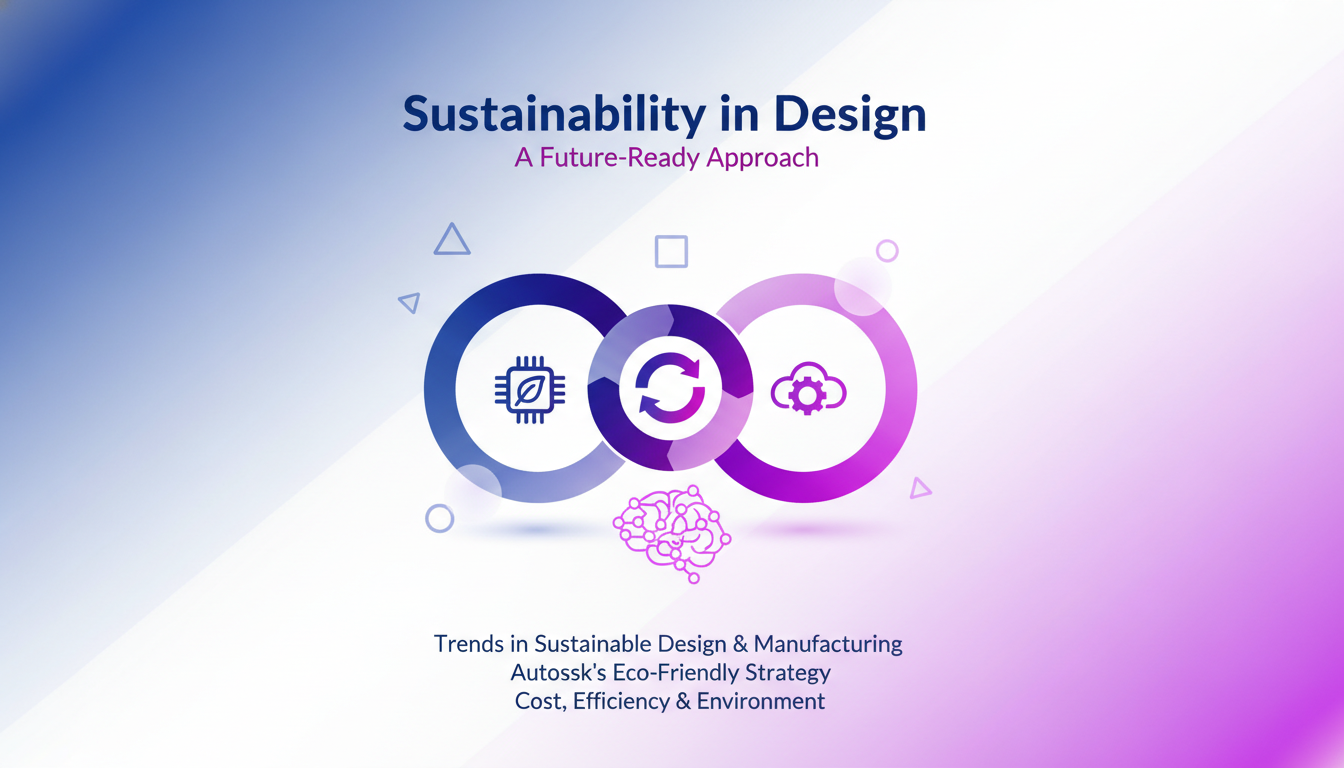
However, it's important to balance cost, efficiency, and environmental impact. Practical tips abound for implementing sustainable practices, but it requires constant attention and long-term commitment.
- Trends in sustainable design are growing.
- Autodesk adopts an eco-friendly development strategy.
- Balancing cost, efficiency, and environmental impact.
I've integrated AI into my design workflow and, let me tell you, it's not just a buzzword. It's a real ally. First, with Autodesk Fusion, I've seen how AI can amplify my creativity while making my decisions more transparent and sustainable. Then, the shift from 2D to 3D with generative AI has transformed my consumer product design approaches, especially looking towards CES 2026. But watch out, there are limits: AI is a tool, not a magic solution. Think about time and resource constraints. The future of design is intelligent, but it needs to be steered with care. So, are you ready to integrate AI into your workflow? Start by exploring tools like Autodesk Fusion and see where your creativity can take you. For a deeper dive, I recommend watching the original video. It's a must to truly understand how frontier technology meets creativity. Watch the video
Frequently Asked Questions

Thibault Le Balier
Co-fondateur & CTO
Coming from the tech startup ecosystem, Thibault has developed expertise in AI solution architecture that he now puts at the service of large companies (Atos, BNP Paribas, beta.gouv). He works on two axes: mastering AI deployments (local LLMs, MCP security) and optimizing inference costs (offloading, compression, token management).
Related Articles
Discover more articles on similar topics

Managing Technical Debt: Practical Strategies
I've been in the trenches of tech development long enough to know that technical debt can be a silent killer. It's like a credit card with a hidden interest rate. You don't see it coming until it hits hard. Technical debt isn't just a buzzword; it's a real challenge for startups and large enterprises alike. If it's not managed, it can cripple your project. Let me walk you through how I manage this beast daily, from a builder's perspective. We'll dive into understanding and managing technical debt, the role of the CTO, the impact of language and tool choices, and much more. Get ready to dive into the nitty-gritty.
Surviving the AI Era: Brutal Truths and Tips
I've been deep in the AI trenches, and let me tell you, it's not just about surviving; it's about thriving. With 700,000 graduates in England struggling to find jobs, AI is redrawing the job market's boundaries. Yet, I've learned this challenge is also an opportunity to amplify human capabilities and rethink careers. I'll walk you through how I've taken personal responsibility and crafted my own opportunities, and how you can do the same. Together, we'll explore the impact on traditional roles disrupted by AI, the importance of charting your own course, and how to harness AI to supercharge your skills. Get ready to rethink your professional future, armed with essential sales techniques and entrepreneurial skills.
Baguettotron: AI Integration on Zip Disk
I still remember the first time I tried to fit an AI model onto a zip disk. It was like trying to squeeze a modern engine into a vintage car. But that's precisely the challenge the Baguettotron project threw at me, and here's how I tackled it. The Baguettotron is this fascinating mix of retro tech and cutting-edge AI. Picture running a 320 million parameter AI model on a tiny 900 MB disk. Sounds crazy, right? But it's doable. We're diving into this technical adventure, discussing specs, compatibility, and the hurdles like finding those elusive disks. Hang tight, because we'll also touch on the unique marketing aspects of this project.
Can AI Really Boost Sales Performance?
I've spent a decade in sales, and let me tell you, AI is changing the game. Not just in theory, but in how we actually close deals. Let's dive into how AI can outperform traditional methods and the real-world impact it has on our sales teams. AI is no longer a futuristic concept; it's here, reshaping how we approach sales. This isn't just about automating tasks—it's about enhancing performance and efficiency. We'll explore practical strategies, success stories, and the challenges you might face.
Brain-Computer Interfaces: Advances and Challenges
I remember the first time I connected a brain-computer interface to a retinal prosthesis. It was like watching the future unfold in real-time. But here's the kicker: the tech is only as good as our understanding of the brain's plasticity and its convergence with AI. We're at a crossroads where neuroscience meets artificial intelligence, and brain-computer interfaces (BCIs) are at the forefront of this revolution. Let's dive into how we're building this future, the challenges we face, and the potential it holds. From advancements in BCI technology for vision restoration to neural engineering and retinal prostheses, and including a risk-reward analysis of BCI adoption, this interview with Max Hodak promises to be enlightening. Get ready to explore biohybrid neural interfaces and ponder the future of intelligence through BCIs.