Nvidia and OpenClaw: Integrating Nemo Claw
I dove into the Nvidia GTC 2026 keynote expecting the usual tech updates, but stumbled upon a real game-changer: Nvidia's involvement in the OpenClaw project with Nemo Claw. Nvidia isn't just tagging along; they're reshaping the landscape. OpenClaw started from scratch and already boasts over 50 variations on GitHub. With Nemo Claw's entry, security, hardware integration, and enterprise applications are being reinvented. Nvidia's hardware strategy is no joke, especially with Gro 3 LPU chips and Grock IP integration. But watch out—data privacy remains a hot topic in this space.
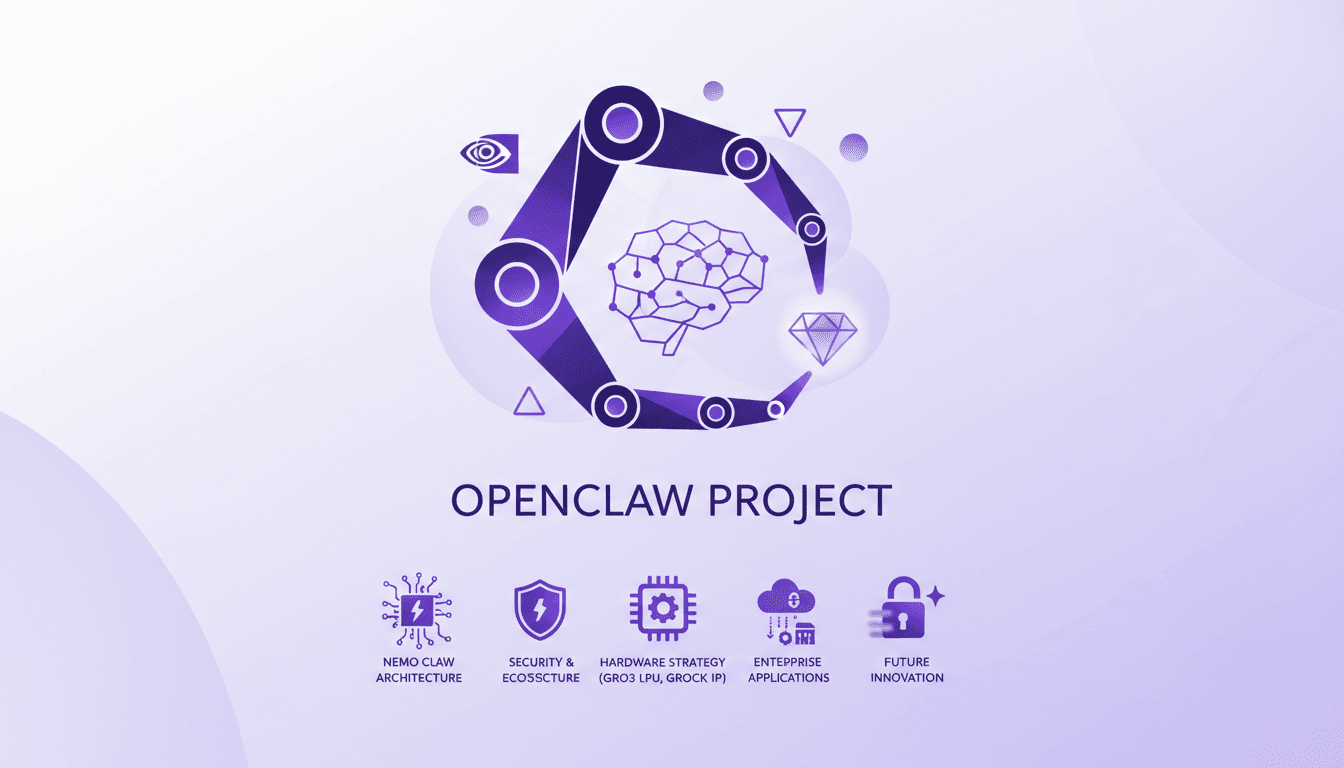
I walked into the Nvidia GTC 2026 keynote, ready as usual for some cool tech updates, but there it was: Nvidia diving headfirst into the OpenClaw project with Nemo Claw. They're not just playing along; they're reshaping the game. OpenClaw started from scratch, and with over 50 variations on GitHub, this space is ripe for innovation. With Nemo Claw, Nvidia promises to transform security, hardware integration, and enterprise applications. I dove into the specifics of their hardware strategy, particularly the Gro 3 LPU chips and Grock IP integration. It's a real revolution, but watch out for data privacy—always a critical issue. The potential business impact of this tech is huge, but as always, you have to weigh the benefits against the limitations.
Joining Forces: Nvidia and the OpenClaw Project
When Nvidia partners with the OpenClaw project, it's like watching two giants collaborate. Nvidia's entry into this venture, announced during their GTC 2026 keynote, marks a strategic milestone. OpenClaw started from zero and quickly became the fastest-growing open-source project in history, surpassing giants like Linux and Facebook React. It's a genuine power move.
But Nvidia's involvement isn't just for show. It comes with its share of challenges. How do you integrate such an infrastructure into a project as diverse as OpenClaw, with over 50 variations on GitHub? Nvidia has plans to overcome these hurdles, bringing not only hardware resources but also strategic expertise to make OpenClaw even more robust.
- Strategic Partnership: Nvidia commits to a long-term engagement with OpenClaw.
- Initial Challenges: Integrating over 50 existing variations.
- GTC 2026: Starting point for a new era for OpenClaw.
Introducing Nemo Claw: The Reference Architecture
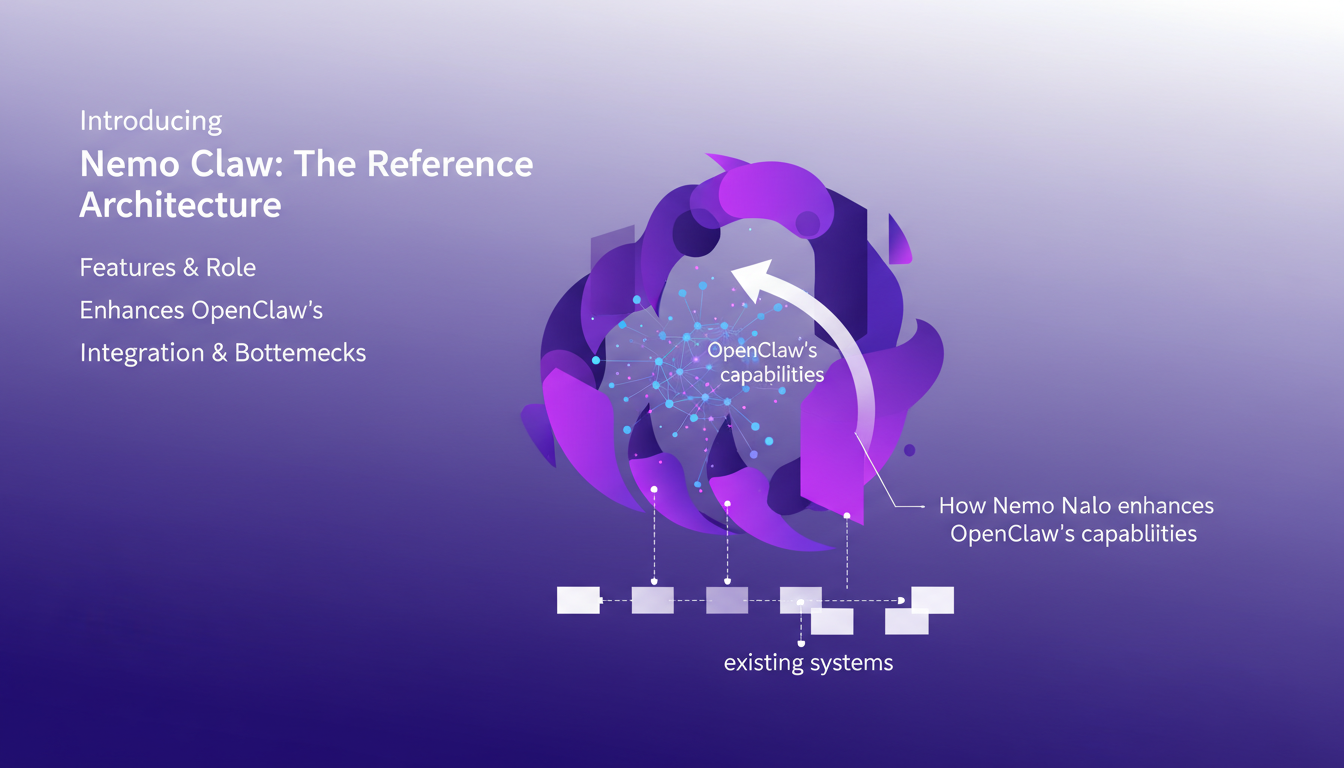
With Nemo Claw, Nvidia offers a reference architecture that enhances OpenClaw's capabilities. It's not just another tool, but a real strategic advancement. Nemo Claw positions itself as an enterprise wrapper around open core-type agents, offering Neotron models for local execution.
The performance of Neotron models is impressive, notably the Neotron 3 super, which tops the Pinchbench benchmarks. I've seen these models in action, and believe me, they outshine even established models like Kim 2.5. However, integration with existing systems isn't without challenges. Potential bottlenecks often lurk where you least expect them, and poor orchestration can quickly turn an asset into a liability.
- Capability Enhancement: Nemo Claw boosts OpenClaw's efficiency.
- Integration: Watch out for bottlenecks during integration.
- Performance: Neotron models top the benchmarks.
Securing the Shell: OpenShell Enhancements
Security is a major concern for any enterprise using autonomous agents like OpenClaw. This is where OpenShell comes into play. This security enhancement, functioning as an open-source runtime, offers YAML-based policy controls for your agents. Think of it as Docker but for agent security.
I can tell you that implementing these security measures isn't always straightforward. There are trade-offs between security, performance, and costs. But with OpenShell, Nvidia offers a solution that effectively locks down access while minimizing risks.
- Security Enhancements: OpenShell effectively protects enterprise applications.
- Trade-offs: Balancing security, performance, and costs.
Hardware Strategy: Nvidia's Gro 3 LPU Chips
Nvidia doesn't stop at software. Their hardware strategy for OpenClaw relies on Gro 3 LPU chips and the integration of Grock IP technology. These chips promise to speed up token processing, with improvements expected within six months to a year. It's an ambitious promise that could transform the landscape for enterprises using OpenClaw.
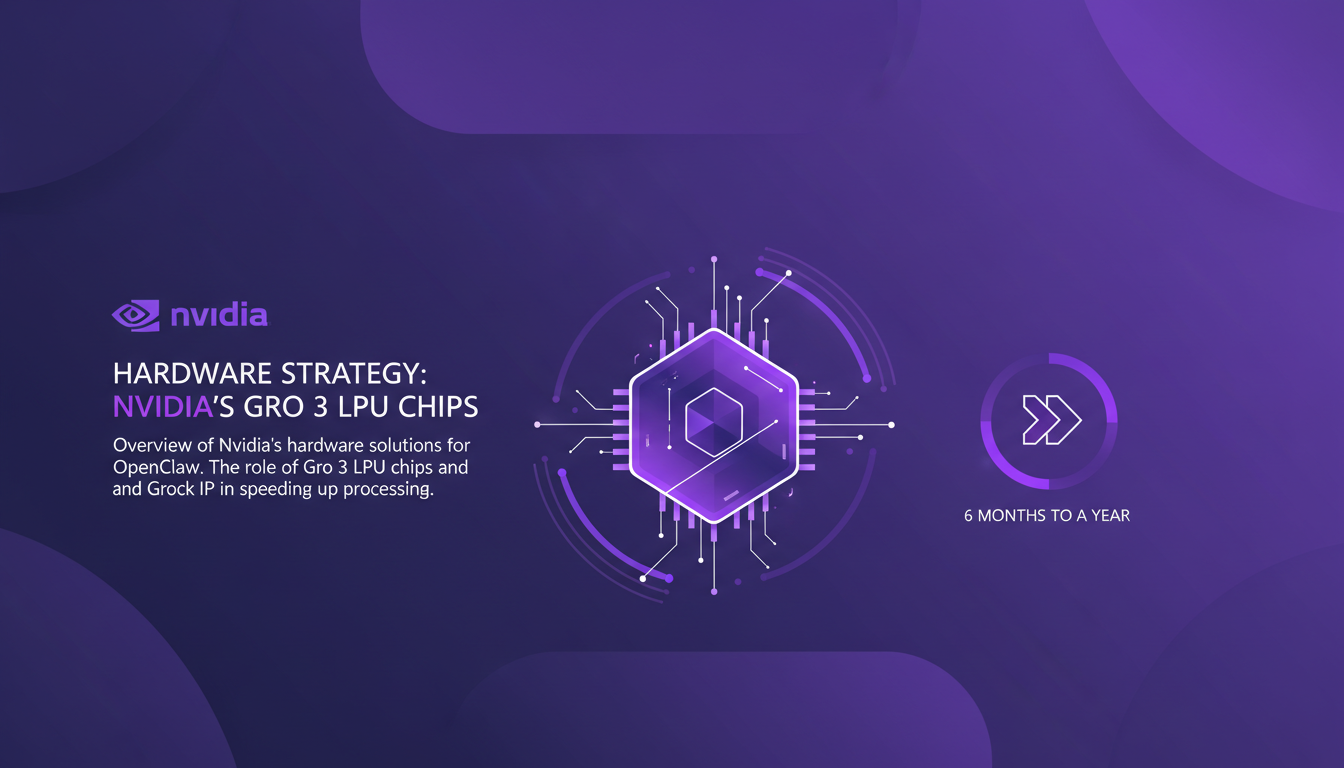
I've observed that this hardware strategy not only boosts efficiency but also offers substantial cost savings. Enterprises investing in these technologies could see their processing costs significantly reduced.
- Processing Acceleration: Gro 3 LPU chips for faster processing.
- Cost Savings: Reduced costs through increased efficiency.
Enterprise Applications and Data Privacy
With the growing adoption of OpenClaw by enterprises, data privacy becomes a crucial issue. Nvidia addresses this problem by integrating solutions that balance innovation with privacy. But make no mistake, the road is fraught with challenges.
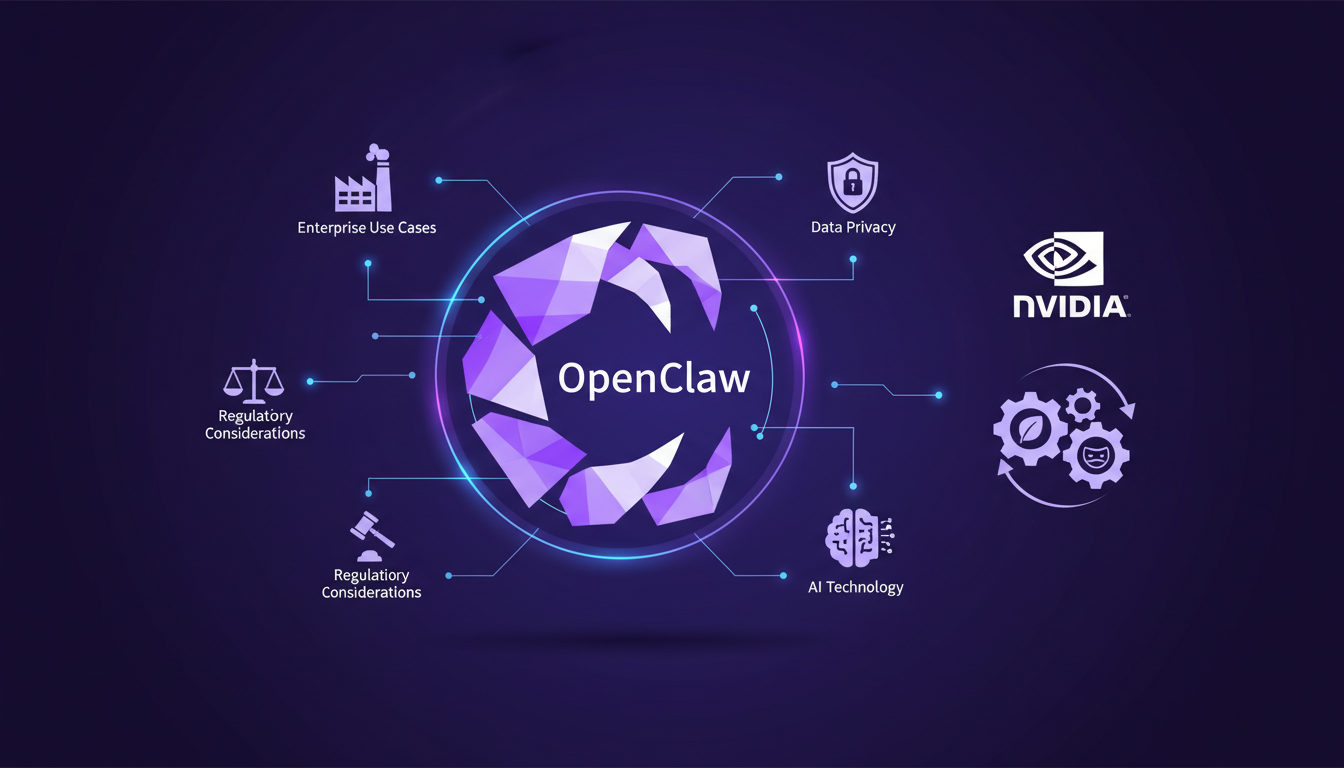
There's a debate over Nvidia's influence on OpenClaw's future innovation. Some fear that too much control could stifle innovation. However, Nvidia seems determined to prove that their involvement will bring more security and innovation.
- Data Privacy: Nvidia balances innovation with privacy.
- Innovation Debate: Nvidia's influence sparks discussions.
Diving into the OpenClaw project, Nvidia's strategy with Nemo Claw isn't just a technical upgrade—it's a potential redefinition of security and hardware integration in our enterprises. I started by checking out the 50 different OpenClaw variations on GitHub, and trust me, Nvidia isn't playing around. Nemo Claw provides us a reference architecture that can truly make a difference, but watch out for the challenges on the road: complex integration, potential hardware costs, and enhanced but demanding security.
- Nvidia is transforming security with OpenClaw, but it requires time and resources to integrate well.
- Nemo Claw serves as a practical guide, but don't expect miracles without effort.
- Starting from zero, the evolution of OpenClaw is impressive thanks to Nvidia.
Looking forward, Nvidia's hardware strategy evolution might just be the trigger for unlocking new efficiencies in your projects. Keep an eye on their next moves—they might hold the key.
I highly recommend watching the full video to grasp all the intricacies of this strategic advancement. Trust me, as a field professional, it’s a time investment that could really matter. Watch the YouTube video.
Frequently Asked Questions

Thibault Le Balier
Co-fondateur & CTO
Coming from the tech startup ecosystem, Thibault has developed expertise in AI solution architecture that he now puts at the service of large companies (Atos, BNP Paribas, beta.gouv). He works on two axes: mastering AI deployments (local LLMs, MCP security) and optimizing inference costs (offloading, compression, token management).
Related Articles
Discover more articles on similar topics
AI Meets Creativity: Transforming Product Design
I vividly remember the first time I integrated AI into my design workflow. It was like handing a paintbrush to a machine and watching magic happen. But let's be real, AI is more than just magic; it's an amplifier of what we can do, faster and smarter. In today's design world, AI isn't just a tool—it's a partner. From Autodesk Fusion's capabilities to generative AI's precision, we're witnessing a revolution in product design. Let's dive into how these technologies are redefining creativity and consumer trust. How does AI augment our creativity and decision-making? How is Autodesk Fusion transforming product design? And what about the shift in consumer preferences towards authenticity? That's what we're diving into here.

Managing Technical Debt: Practical Strategies
I've been in the trenches of tech development long enough to know that technical debt can be a silent killer. It's like a credit card with a hidden interest rate. You don't see it coming until it hits hard. Technical debt isn't just a buzzword; it's a real challenge for startups and large enterprises alike. If it's not managed, it can cripple your project. Let me walk you through how I manage this beast daily, from a builder's perspective. We'll dive into understanding and managing technical debt, the role of the CTO, the impact of language and tool choices, and much more. Get ready to dive into the nitty-gritty.
Training AI for Proactive Healthcare
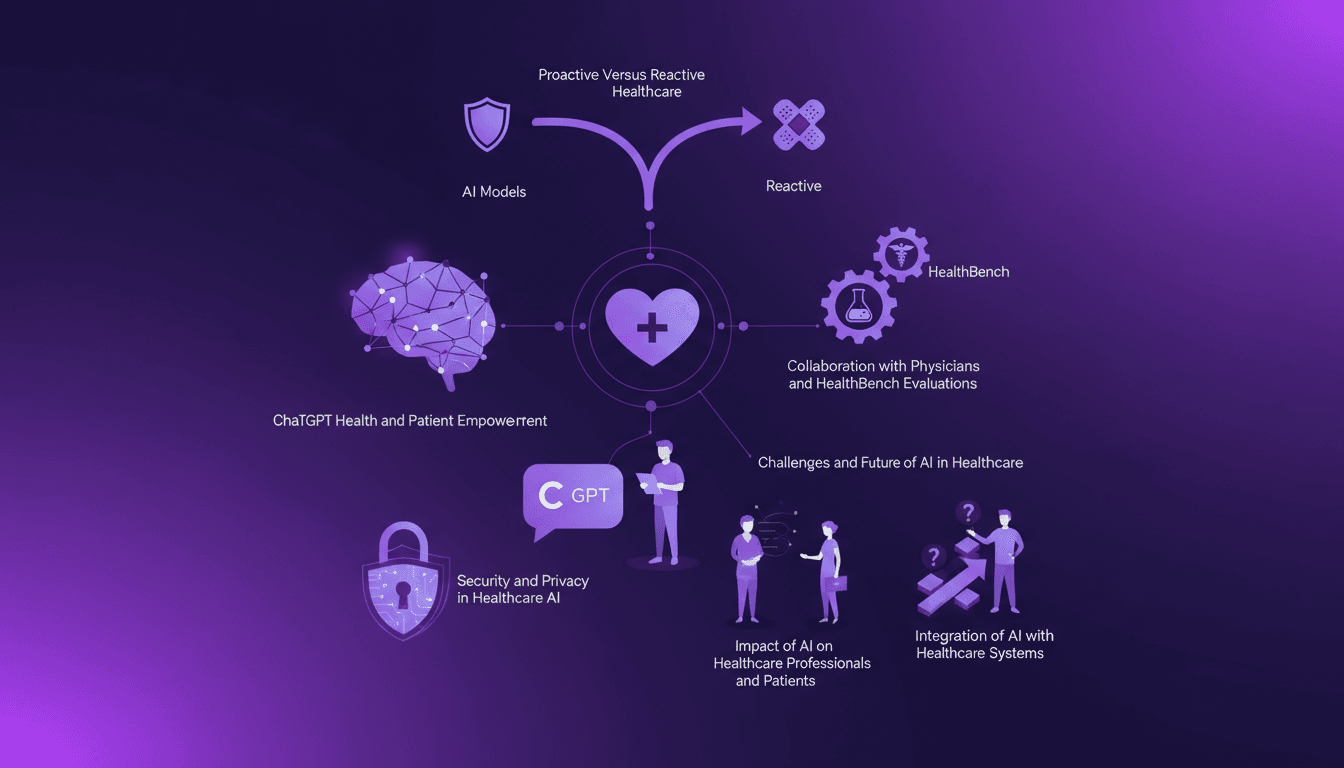
I've been diving into the world of AI in healthcare, and trust me, it's not just about algorithms—it's about reshaping how we think about care. When I first started training AI models for healthcare, the potential was clear, but so were the challenges. Building AI that truly makes a difference in the medical field is quite the journey. From integrating AI models into healthcare systems to protecting patient data, every step demands attention. And then there's ChatGPT Health, which is a game changer for millions of patients every day. With a cohort of 250 physicians, we're evaluating solutions that are not just reactive, but proactive. Want to know how we get there? That's exactly what I'm diving into here.

Promoting a Kids' Book: Real-Life Impacts
I kicked off a live stream to promote a kids' book that's not just about teaching money and business, but about funding dreams. How? Every book sold supports a real-life dream. In this one-hour session, we explored our channel's impact on diverse lives. I found myself orchestrating a discussion on inspiration and motivation, and it was incredible to see how people, even a year later, are finally following their dreams just because of a video. One book sold, one dream supported: it's as simple and powerful as that.
Space Data Centers: Feasibility and Advantages
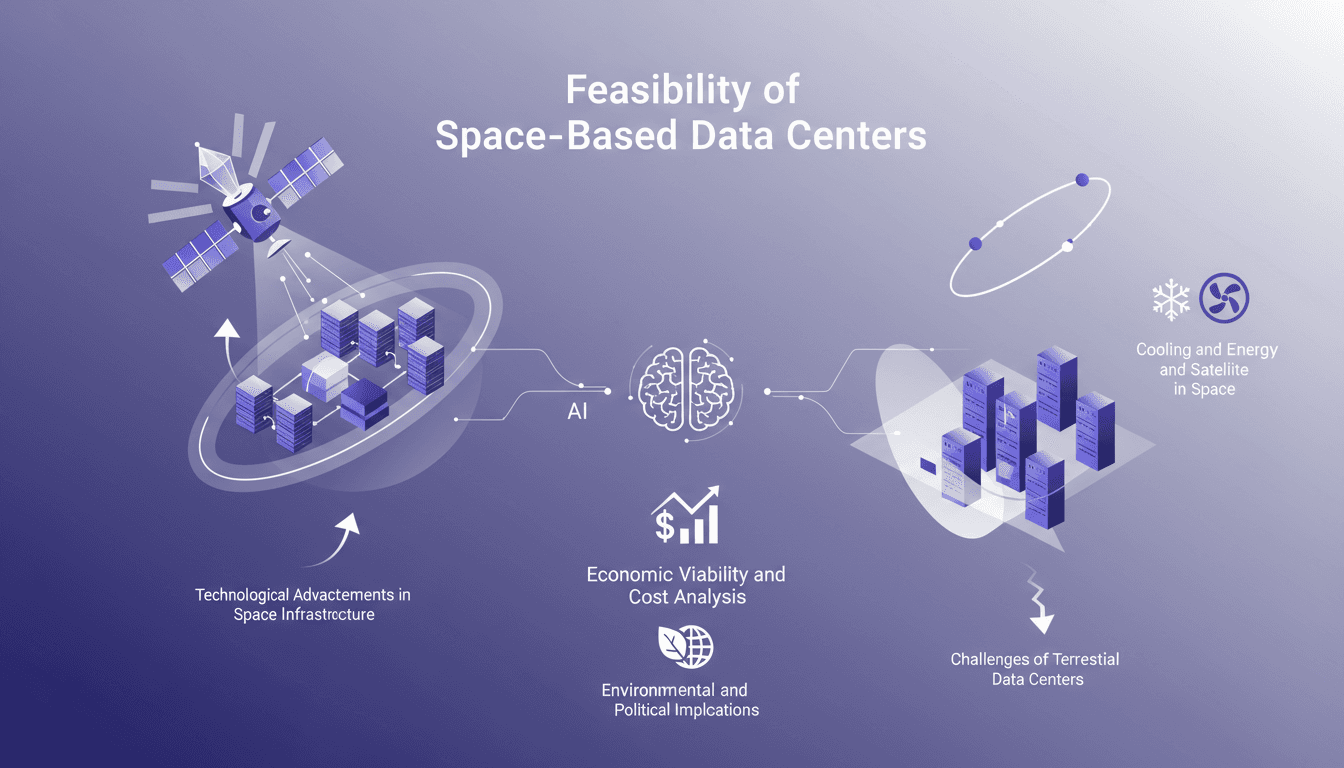
I've spent years wrestling with the limitations of terrestrial data centers: high energy costs, cooling inefficiencies, and the constant battle for space. When I first heard about space-based data centers, I was skeptical but intrigued. Could launching data centers into orbit really solve these issues? In this article, I dive into the feasibility of this futuristic idea, tackling the technical and economic challenges involved. We discuss space infrastructure, energy efficiency, and the ecological and political implications. From a practical standpoint, it's clear that sending data centers into space is no longer just science fiction. But watch out, even with technological advancements, there are major hurdles to overcome.