Space Data Centers: Feasibility and Advantages
I've spent years wrestling with the limitations of terrestrial data centers: high energy costs, cooling inefficiencies, and the constant battle for space. When I first heard about space-based data centers, I was skeptical but intrigued. Could launching data centers into orbit really solve these issues? In this article, I dive into the feasibility of this futuristic idea, tackling the technical and economic challenges involved. We discuss space infrastructure, energy efficiency, and the ecological and political implications. From a practical standpoint, it's clear that sending data centers into space is no longer just science fiction. But watch out, even with technological advancements, there are major hurdles to overcome.
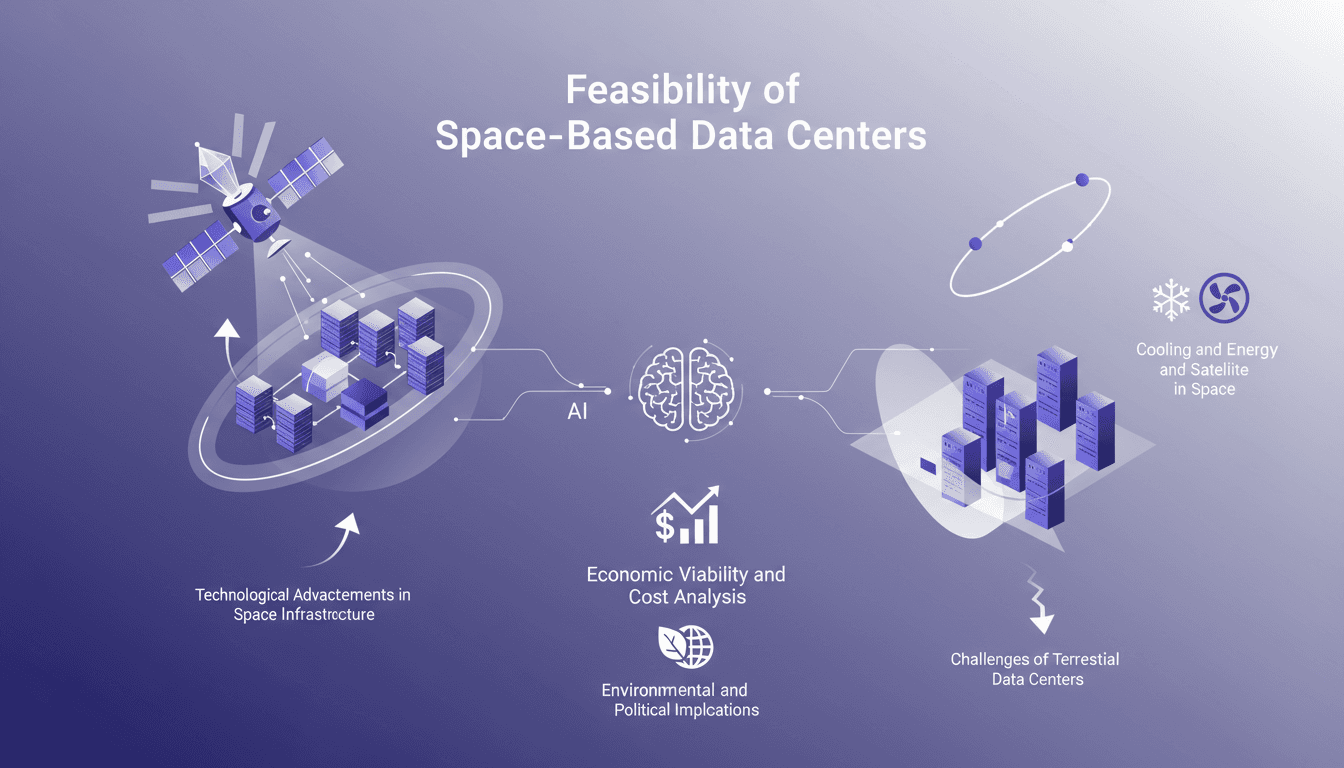
I've spent years wrestling with the limitations of terrestrial data centers: high energy costs, cooling inefficiencies, and the constant battle for space. So, when I first heard about space-based data centers, I have to admit I was skeptical but intrigued. Could launching data centers into orbit really solve these issues? Let's break it down. With advancements in space infrastructure and the pressing need for sustainable solutions, this idea is no longer science fiction. In this article, I explore the feasibility of this futuristic concept, tackling the technical and economic challenges involved. We discuss space infrastructure, energy efficiency, and the ecological and political implications. From a practical standpoint, sure, there are still major hurdles to overcome, but we're far from pie-in-the-sky dreams. Watch out though, even with technological advancements, significant challenges remain.
Understanding the Feasibility of Space-Based Data Centers
Sending data centers into space is like imagining building a house on the moon—exciting, but not without its challenges. The key to making it work lies in geostationary orbits. These orbits allow satellites to maintain a stable position relative to Earth, which is crucial for continuous data operations. However, it's not all rosy. The major issue remains latency. Satellite communications aren't as fast as terrestrial fiber optics. I've often seen that even a slight delay can disrupt time-sensitive applications.
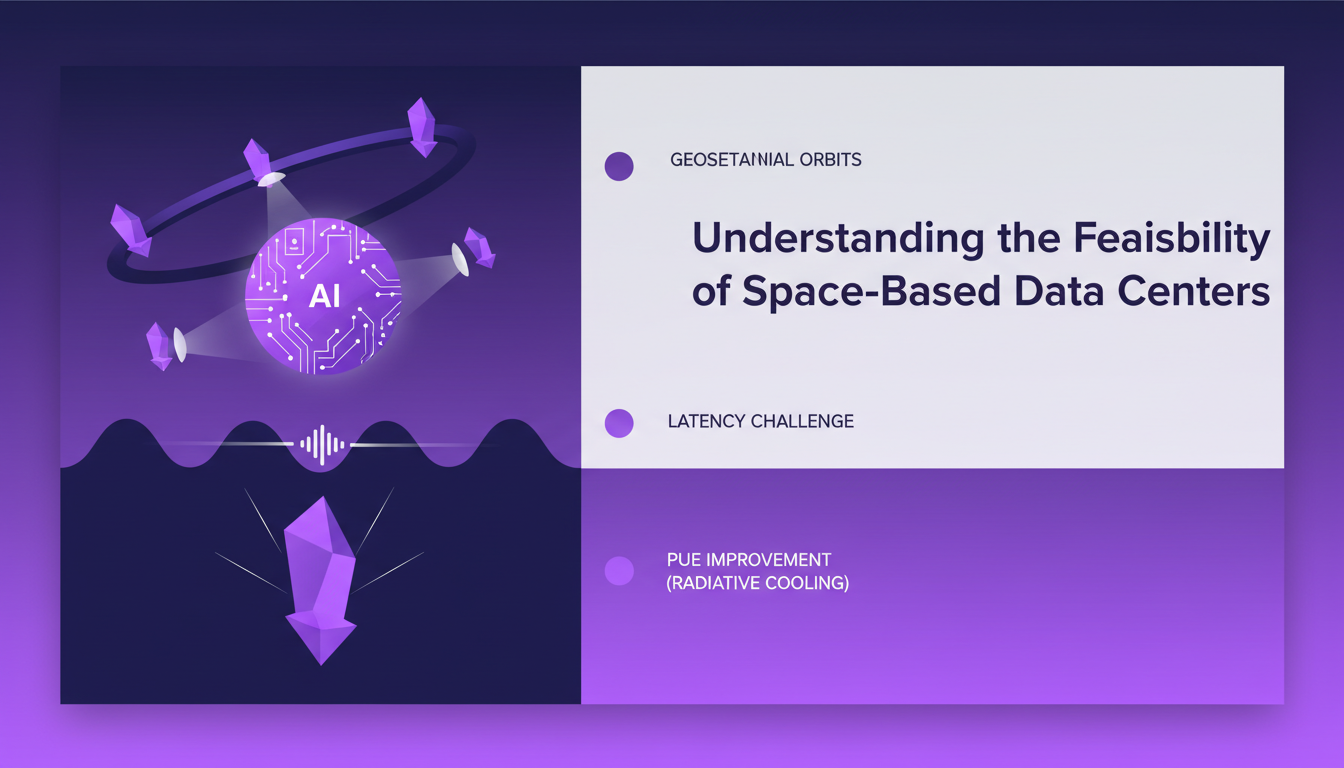
Regarding PUE (Power Usage Effectiveness), space offers an undeniable advantage. Radiative cooling is natural and efficient, potentially reducing the energy footprint of data centers. But watch out, current satellite deployment costs are a major hurdle. Prices need to be slashed by a factor of 100 for these space data centers to become viable.
"The study on sending data centers into space lasted for 2 years with 11 partners." Source: Feasibility Study
Challenges of Terrestrial Data Centers
On Earth, data centers face issues with inefficient cooling. These inefficiencies drive up costs and have a significant environmental impact. In urban areas, space constraints limit expansion opportunities. Added to this is high energy consumption leading to a significant carbon footprint.
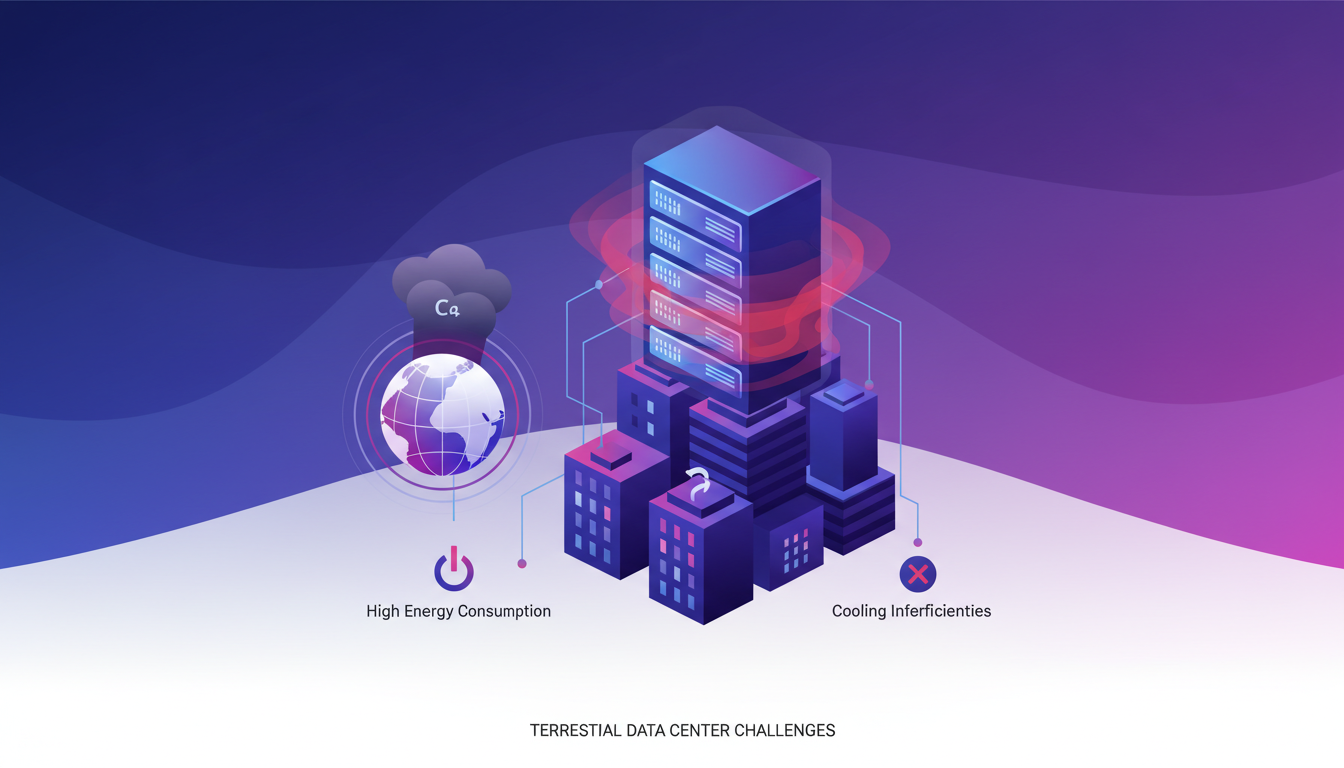
This is where the idea of space-based data centers becomes appealing. By leveraging space, we could potentially circumvent these issues. However, this remains a hypothesis that requires further study and significant technological advancements.
Technological Advancements in Space Infrastructure
I've seen impressive progress in rocket technology, which has reduced launch costs. Moreover, satellite capabilities have improved, allowing for more efficient data processing in orbit. Another major advantage is radiative cooling in space, which surpasses terrestrial systems in terms of efficiency.
Orbital mechanics and strategic satellite deployment are crucial for efficiency. I've personally orchestrated projects where these factors made the difference between success and failure.
Economic Viability and Cost Analysis
Currently, operating 1 GW in space costs around 1 billion per year. For economic viability, data centers need to reduce energy and cooling costs. Economic models must include launch and maintenance costs.
Power needs are rapidly increasing, with projections reaching 1 MW per RAC in the next 5 years. This means long-term savings hinge on significantly reducing energy expenses.
Environmental and Political Implications
The deployment of 1 million satellites raises concerns about space debris and environmental responsibility. Governance of space infrastructure requires international collaboration.
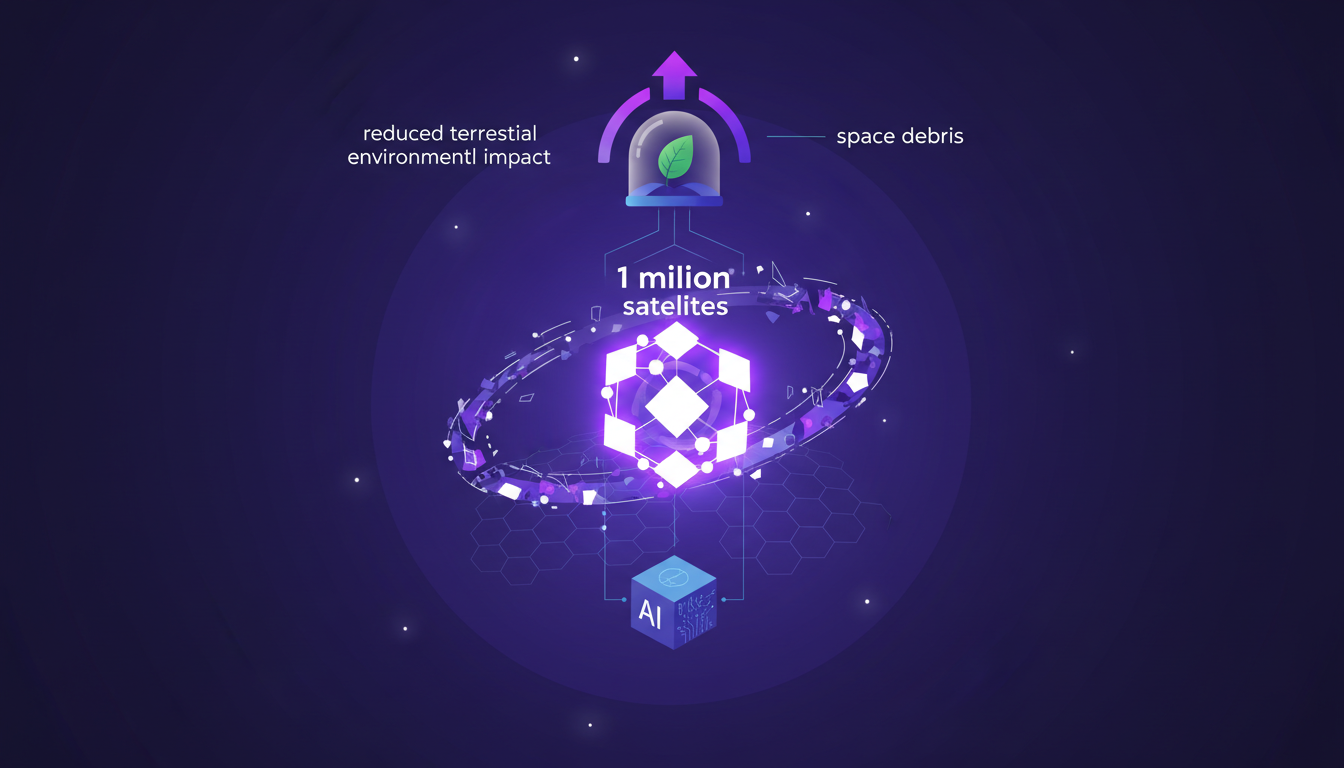
Implementing space-based solutions could reduce terrestrial environmental impact. However, it's crucial to balance technological advancements with sustainable practices.
Ultimately, the future of space-based data centers hinges on a combination of technological feasibility, cost savings, and a commitment to responsible practices.
So, let's talk space data centers. First off, there’s a real game changer potential for efficiency and cost reduction. But there are real hurdles too: we need to slash launcher costs by a factor of 100 and manage 1 GW that costs 1 billion per year up there. Then, there’s the environmental impact with a million satellites to consider. But I've seen some seriously advanced space infrastructure technologies that get me excited about what's next. Looking ahead, these innovations could redefine how we manage data. So, ready to explore this new data management frontier? Check out the full video on YouTube (https://www.youtube.com/watch?v=r6HIxQakESo) for a deeper technical and economic dive. Let’s chat after!
Frequently Asked Questions

Thibault Le Balier
Co-fondateur & CTO
Coming from the tech startup ecosystem, Thibault has developed expertise in AI solution architecture that he now puts at the service of large companies (Atos, BNP Paribas, beta.gouv). He works on two axes: mastering AI deployments (local LLMs, MCP security) and optimizing inference costs (offloading, compression, token management).
Related Articles
Discover more articles on similar topics
Boosting Customer Experience with AI and Havas CX
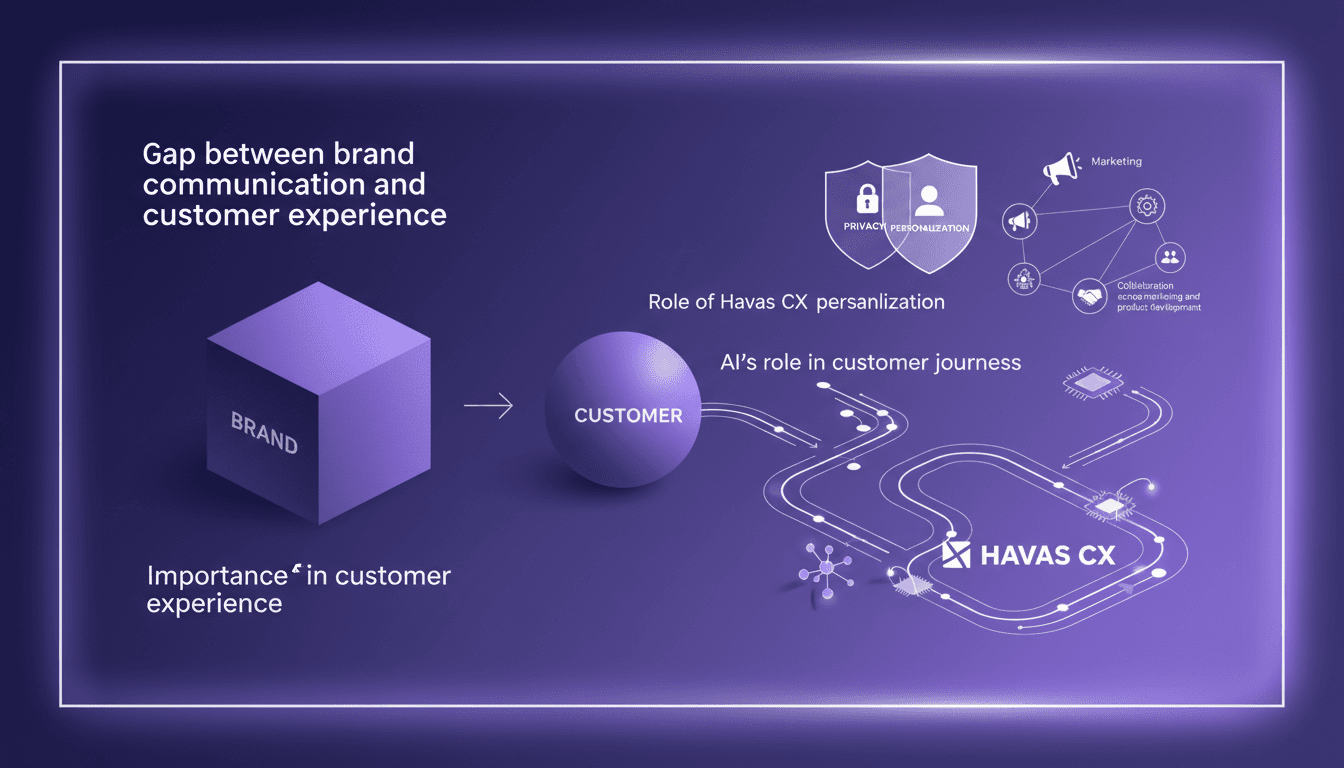
I remember being on hold for 45 minutes, realizing the chasm between brand promises and delivery. At Havas CX, we tackle this head-on. I've been on the front lines, crafting customer experiences that are not just intelligent but unmistakably human. In this article, we dive into how our team bridges that gap with AI while balancing privacy and personalization. We also discuss the importance of customer journeys, cross-department collaboration, and the impact of CX on marketing and product development. It's about more than just promises—it's about delivering real, authentic experiences.
Financial Stability: Strategies in Hair Business
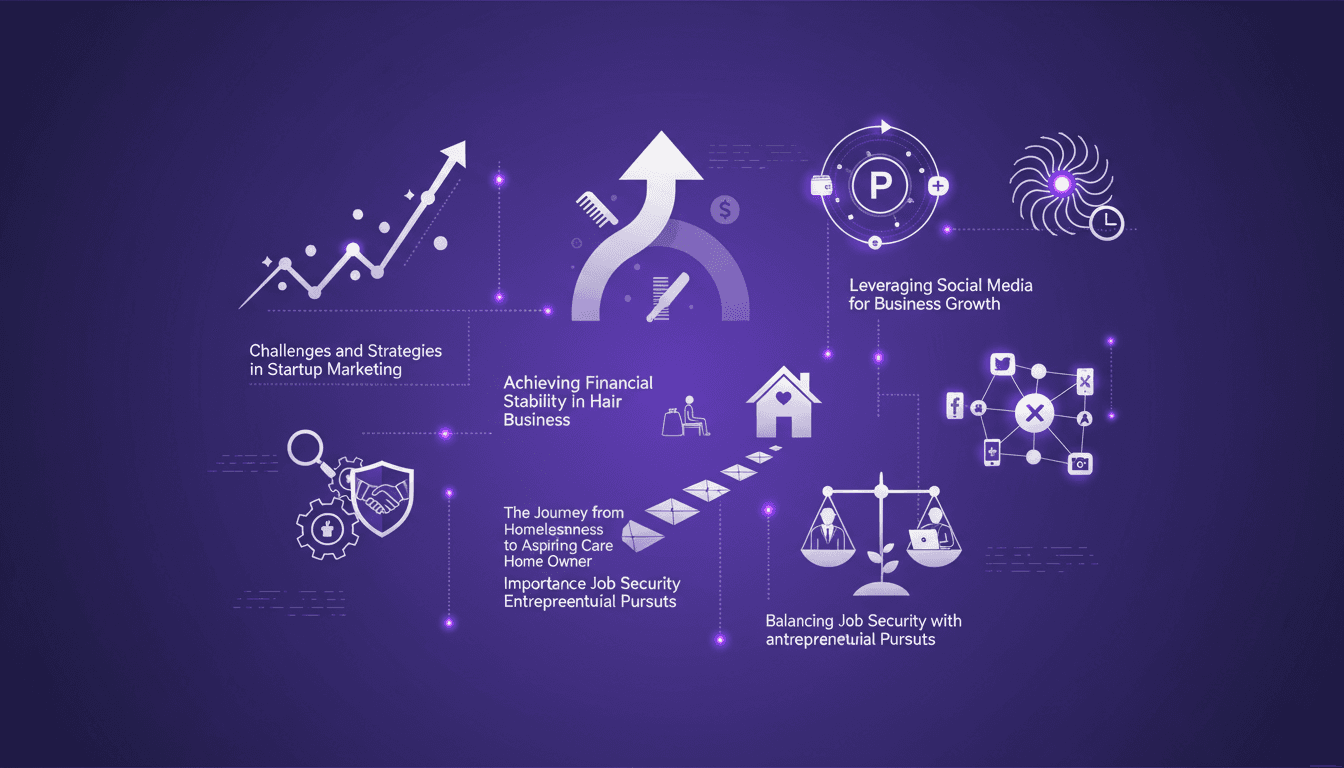
I started with nothing but a dream and a pair of scissors. Today, I'm running a profitable hair business and paving my way to opening a care home. How did I get here? Let me walk you through my journey, the tools I used, and the lessons I learned along the way. From financial instability to stability, leveraging social media strategically, this journey is filled with challenges turned into opportunities. Three years to make my hair business profitable, 30 clients acquired in 90 days... It wasn't easy, but with perseverance, strategic partnerships, and smart use of the Pinpoint Connect app, I succeeded. Let's talk about how consistency and focus make all the difference in entrepreneurial success, while balancing job security with entrepreneurial ambitions.
Online Presence Strategy: Practical Insights
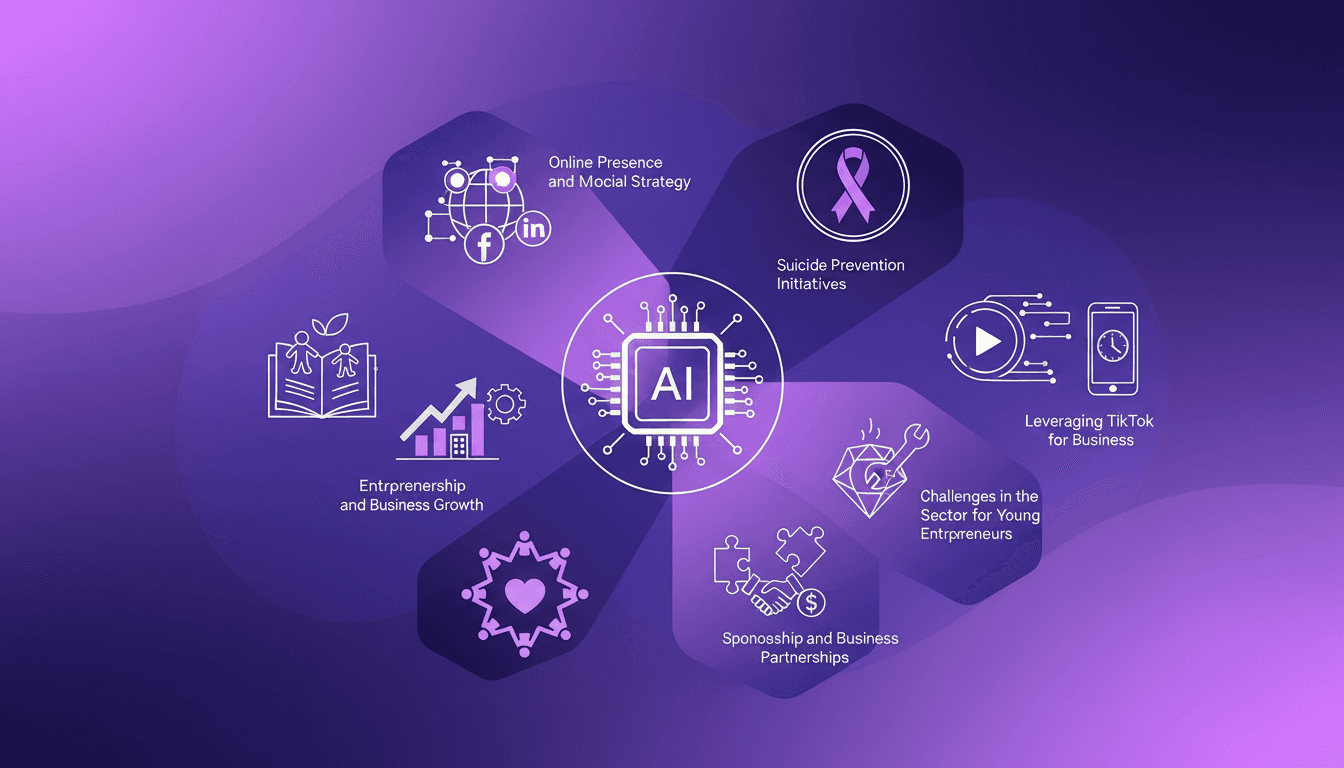
I've spent countless hours navigating the digital landscape, and let me tell you, building a strong online presence isn't just about posting pretty pictures. It's about strategy, engagement, and knowing which platforms to leverage. In our recent live stream discussion, we broke down everything from social media strategies to leveraging TikTok for business growth. We also touched on suicide prevention initiatives and challenges in the beauty sector for young entrepreneurs. We even bought and donated 100 books to a junior school! Here’s how we tackled it all, step by step.

Achieve Your Dreams: Practical Strategies and AI
At 15, I had big dreams but no compass. Fast forward to today, I'm not just chasing my dreams, I'm catching them with the power of AI and social media. Breaking free from limitations and leveraging technology has become essential to turn aspirations into reality. In this live stream, I'll show you how social media can be a game-changer for income generation and why side hustles are a must. We'll explore data-driven decisions for smarter choices and how AI can supercharge your personal branding. Trust me, it's persistence that truly breaks the chains and makes dreams come true. Ready to take the leap?
DJ Dreams: Earthflow's Journey on Twitch
I remember being stuck in a job that didn't light my fire. Earthflow, a housekeeping worker with dreams of becoming a DJ, is in the same situation. But he's taking action, leveraging Twitch and community support to make his dream a reality. In this interview, we dive into his journey, current challenges, and the steps he's taking to move from housekeeping to DJing. With an upcoming event to support him, his story is a lesson in perseverance and leveraging digital tools to turn passion into a career.