Boosting Customer Experience with AI and Havas CX
I remember being on hold for 45 minutes, realizing the chasm between brand promises and delivery. At Havas CX, we tackle this head-on. I've been on the front lines, crafting customer experiences that are not just intelligent but unmistakably human. In this article, we dive into how our team bridges that gap with AI while balancing privacy and personalization. We also discuss the importance of customer journeys, cross-department collaboration, and the impact of CX on marketing and product development. It's about more than just promises—it's about delivering real, authentic experiences.
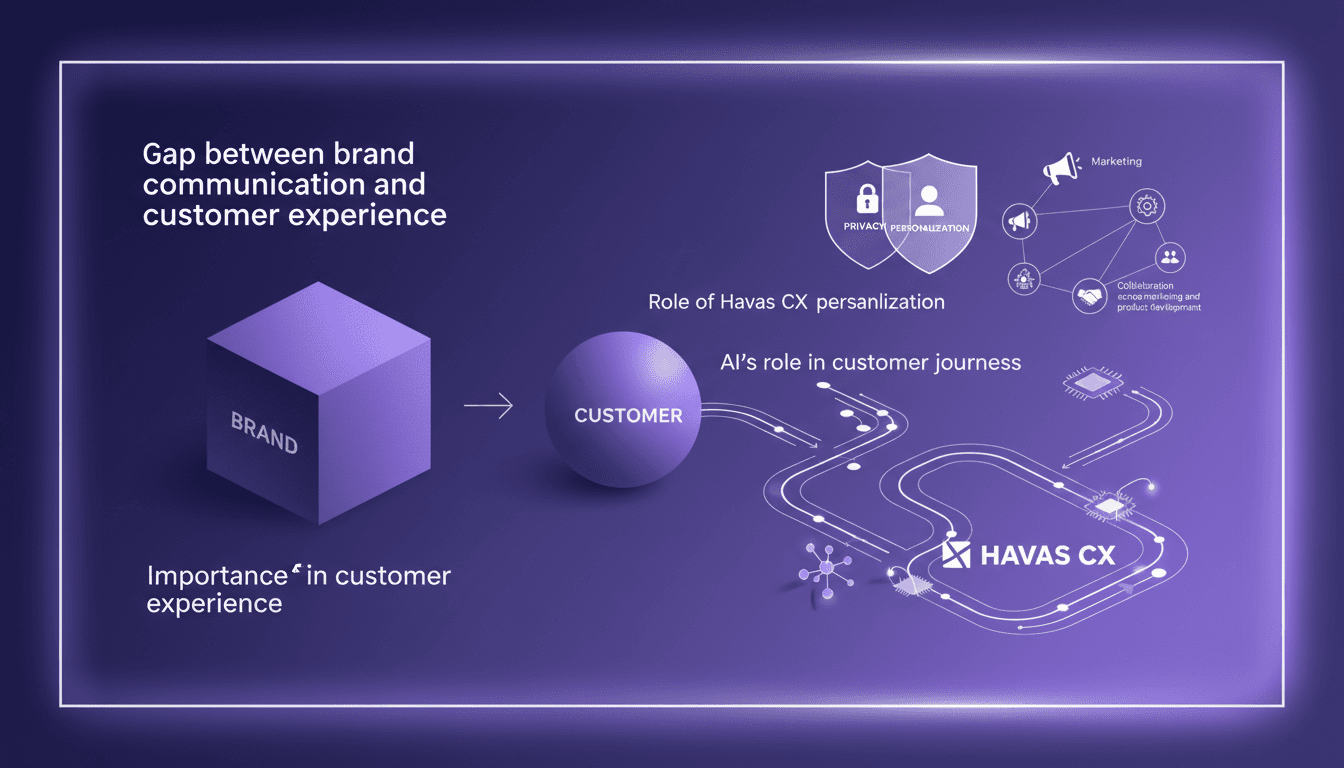
I remember the first time I truly grasped the gap between what brands promise and what they deliver. It was during a 45-minute hold call, and it hit hard. At Havas CX, we don't let those promises hang in the air. I'm in the trenches every day, building customer experiences that aren't just intelligent but unmistakably human. We've talked to tens of thousands of people across eight global markets, and over 91% feel this gap. In this article, I share how we use AI to bridge that gap, while balancing privacy with personalization. We also dive into the importance of customer journeys and how cross-department collaboration can transform customer experience, influencing marketing and product development.
Understanding the Customer Journey
In the realm of Customer Experience (CX), the customer journey is pivotal. It's the path customers take from discovering a brand to purchasing and beyond. I've often seen companies overlook this concept, thinking a good product is enough. But watch out, a poorly designed journey can leave your customers frustrated, and you'll lose their loyalty. The key is understanding the "path of desire", the path customers naturally choose, often different from what you imagine. This is where customer journey mapping comes into play.
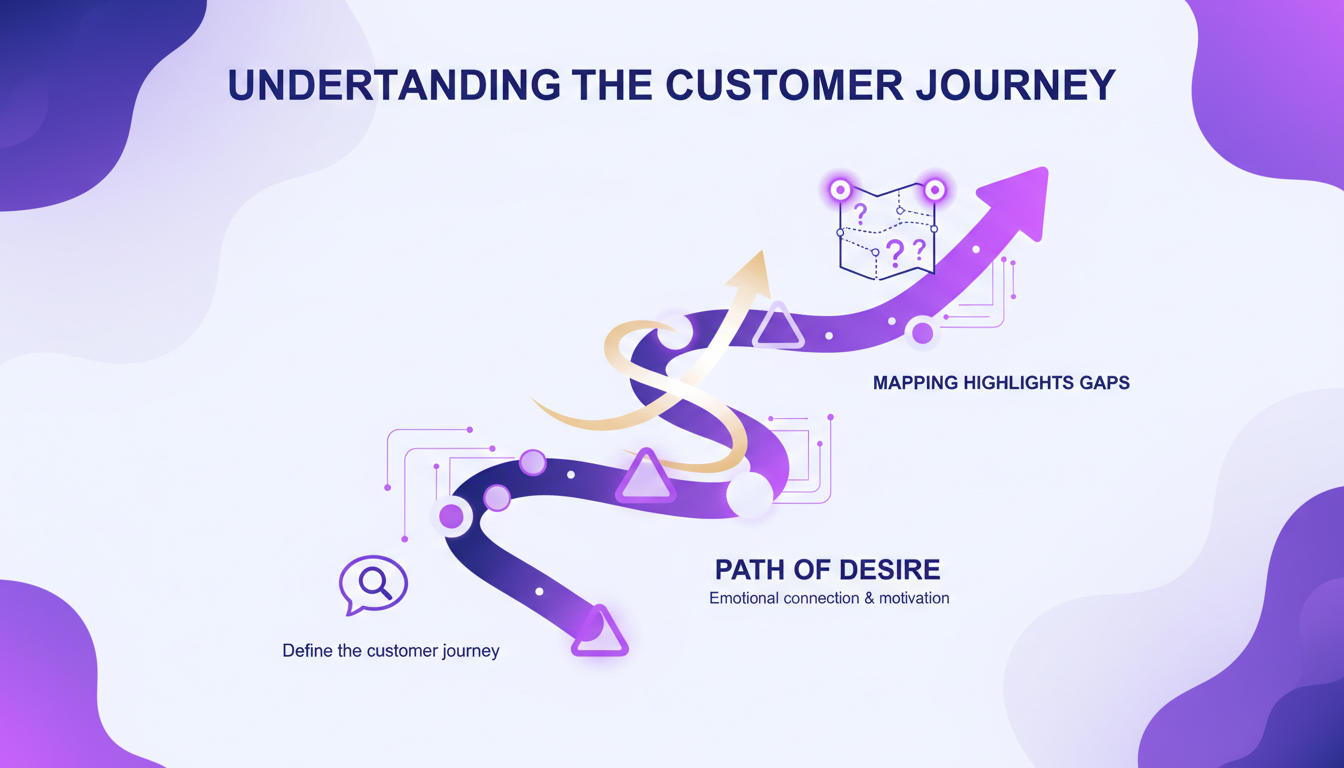
You need to align your brand communication with the experiences you actually deliver. According to recent research conducted across eight global markets, over 91% of people identified a significant gap between what brands promise and what they actually deliver. This is an area where I've seen companies stumble, but with effective mapping, you can identify these gaps and bridge them.
"Customer journeys are crucial for understanding and improving customer experiences."
- Clearly define the path your customers take.
- Identify gaps between expectations and reality.
- Adjust your communication to reflect the real experience.
The Role of AI in Enhancing Customer Experience
AI has revolutionized the way we interact with our customers. I've integrated smart chatbots in several projects, and when done right, it's a real game changer. These tools can offer experiences that feel almost human, but watch out, don't fall into the trap of excessive automation. The balance between automation and personal touch is a delicate one to master.
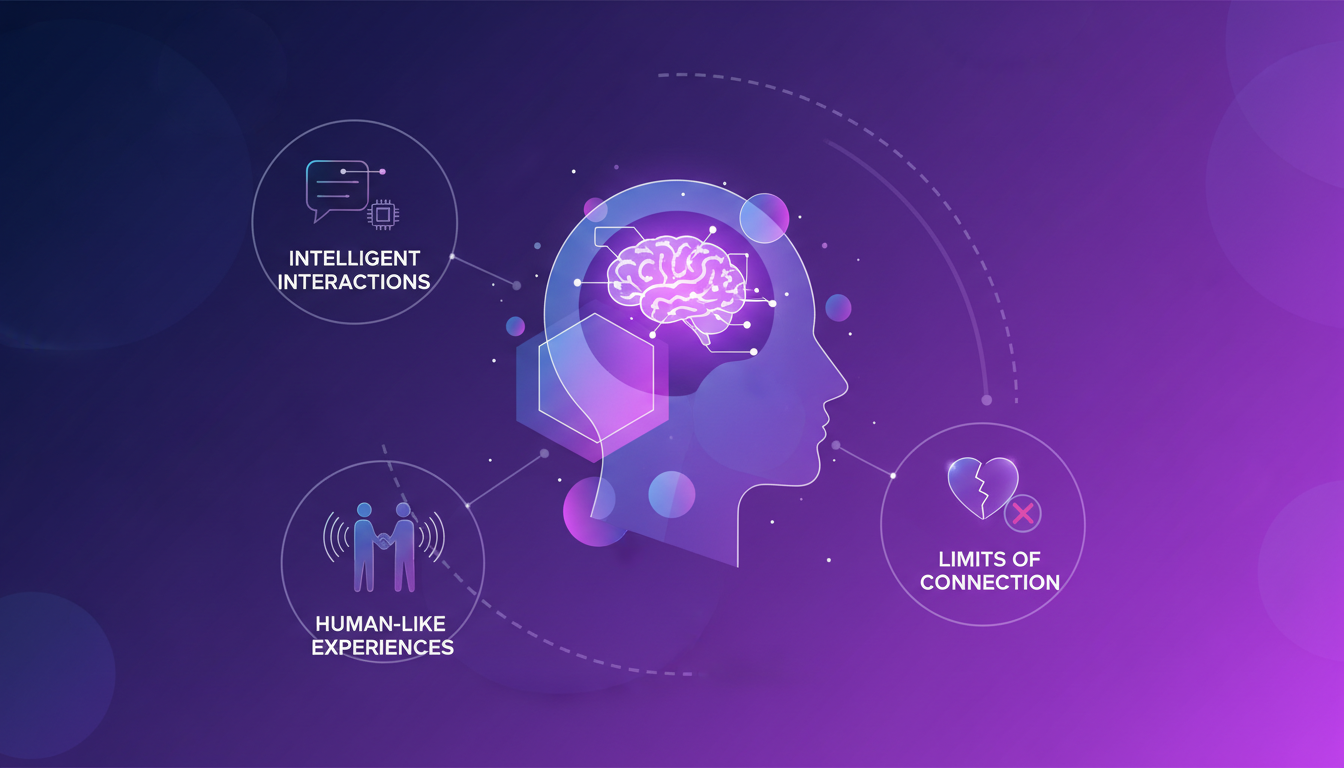
I've seen companies get burned by relying too heavily on AI, losing the human connection. Each interaction must be orchestrated to maintain this connection while reaping the benefits of AI. Orchestrating these tools is key to avoiding a disconnect.
- Use AI to enhance, not replace, human interaction.
- Balance automation and personalization for a better experience.
- Effectively orchestrate AI tools to maintain human connection.
Privacy vs. Personalization: Finding the Balance
In the field of CX, the tension between privacy and personalization is constant. I've often had to juggle these two aspects because customers want personalized experiences without sacrificing their privacy. It's about finding a balance by using customer data transparently and responsibly. For instance, clearly explaining how you'll use their data is essential for building trust.
I've observed companies successfully finding this balance, but watch out for the pitfalls of over-personalization, which can deter customers. It's a fine line to walk, and it's important to remain vigilant to preserve customer trust.
- Respect privacy while offering relevant personalization.
- Be transparent about customer data usage.
- Avoid over-personalization to maintain trust.
Collaboration Across Departments for Effective CX
Effective CX requires cross-departmental collaboration. I've seen companies fail due to a lack of communication between departments. Marketing, product development, and other services must work together towards a unified vision of customer experience. This often involves rethinking internal structures to foster seamless collaboration.
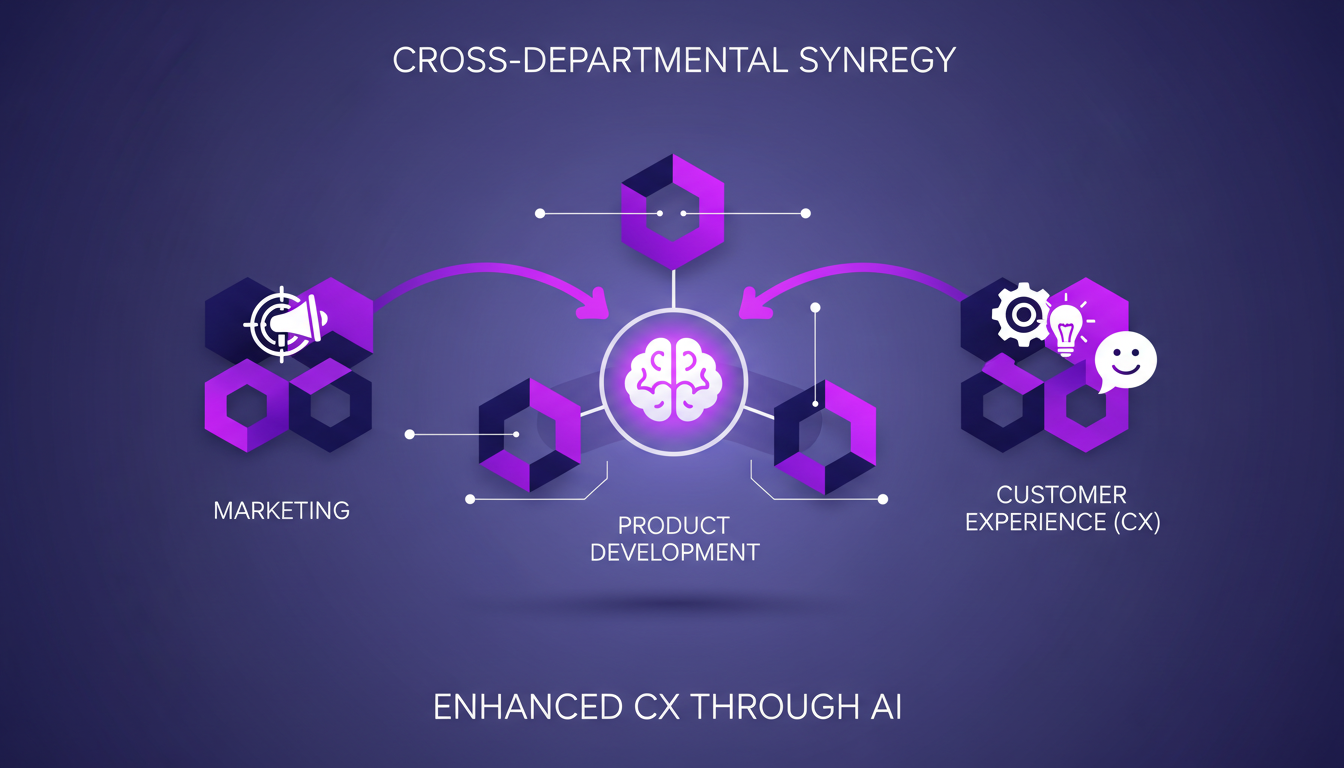
It's crucial to align the objectives of each department on a common CX vision, which can lead to significant changes in how a company operates daily.
- Encourage communication between departments to improve CX.
- Align marketing and product development goals with CX.
- Create a unified vision for a coherent customer experience.
The Business Impact of Enhanced Customer Experience
Investing in CX has a direct impact on customer loyalty and retention. I've seen companies that improve their CX witness a significant increase in customer loyalty and profits. It also influences marketing strategies, allowing more effective targeting and improving ROI. Moreover, the cost benefits are evident, as improved CX can reduce costs related to acquiring new customers.
Concrete examples show that enhancing CX leads to measurable results, such as increased customer satisfaction and reduced churn rates. Listening to customer feedback is crucial for continuously improving CX and maximizing business impact.
- Improve CX to increase customer loyalty and retention.
- Optimize marketing strategies through better CX.
- Reduce acquisition costs through enhanced CX.
Let's be real, bridging the gap between brand promises and customer experiences isn't just some lofty goal — it's a business necessity. First, I've found that AI can be a game changer, but you have to balance privacy with personalization — one misstep and trust goes out the window. Then there's the role of customer journeys in CX: that's where you can tweak and truly meet expectations. And don't underestimate collaboration — without it, even the best intentions fall flat. Looking ahead, I believe those who master these levers will see significant rewards, both for the customer and the business. Ready to transform your customer experience? Start by mapping your customer journeys and pinpoint where you can better meet expectations. For a deeper dive, I recommend watching the original video "Building Customer Experiences that Feel Intelligent — and Unmistakably Human" on YouTube. It's worth the watch!
Frequently Asked Questions

Thibault Le Balier
Co-fondateur & CTO
Coming from the tech startup ecosystem, Thibault has developed expertise in AI solution architecture that he now puts at the service of large companies (Atos, BNP Paribas, beta.gouv). He works on two axes: mastering AI deployments (local LLMs, MCP security) and optimizing inference costs (offloading, compression, token management).
Related Articles
Discover more articles on similar topics

Achieve Your Dreams: Practical Strategies and AI
At 15, I had big dreams but no compass. Fast forward to today, I'm not just chasing my dreams, I'm catching them with the power of AI and social media. Breaking free from limitations and leveraging technology has become essential to turn aspirations into reality. In this live stream, I'll show you how social media can be a game-changer for income generation and why side hustles are a must. We'll explore data-driven decisions for smarter choices and how AI can supercharge your personal branding. Trust me, it's persistence that truly breaks the chains and makes dreams come true. Ready to take the leap?
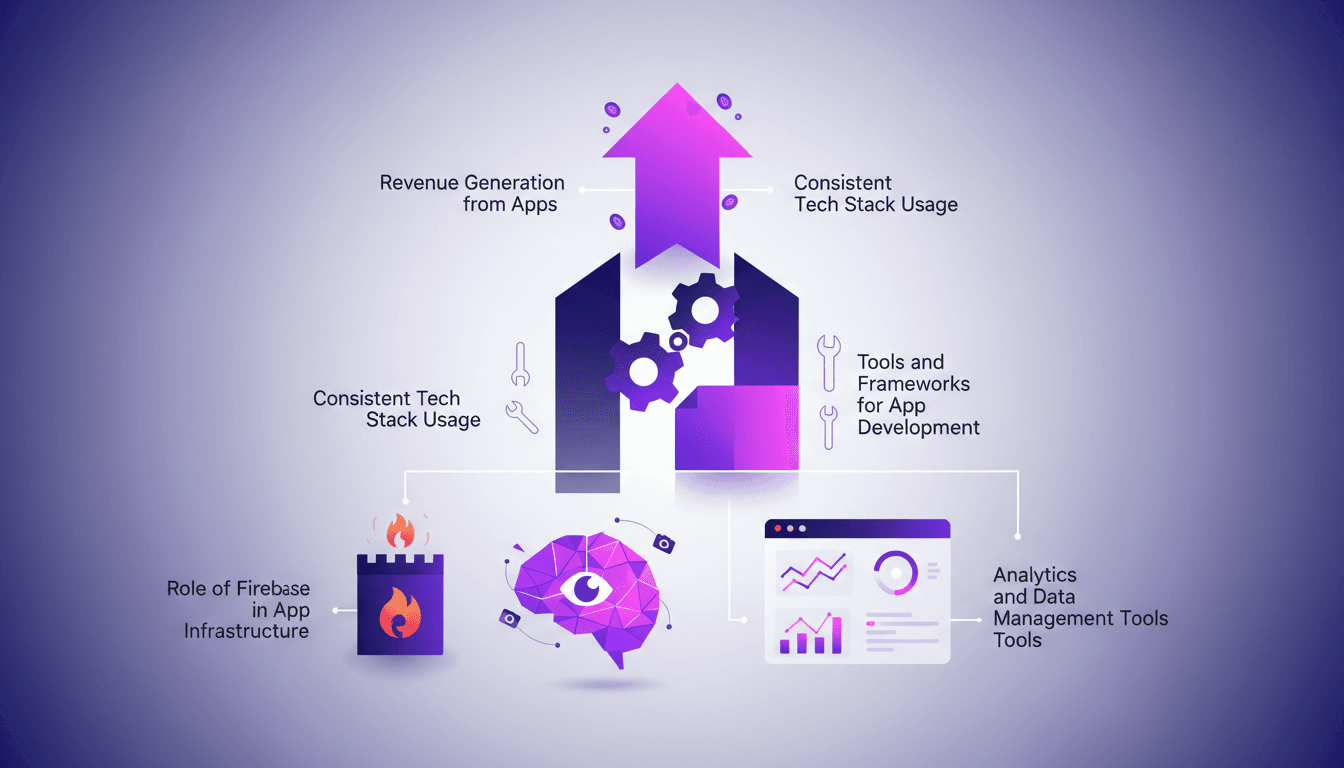
Generating $10K/month with 28 Apps: My Tech Approach
I clearly remember the first time I hit that $10K mark in a month with my apps. It was a real game changer. But it wasn't by accident. I built 28 apps using the same tech stack, and I'm going to explain how it worked for me. In this article, we'll dive into the tools, frameworks, and strategies that have consistently generated revenue. We'll discuss the role of Firebase, AI tools, and analytics in my app infrastructure. As a builder, I'll share my mistakes, my successes, and how to orchestrate it all for direct business impact.
AI Meets Creativity: Transforming Product Design
I vividly remember the first time I integrated AI into my design workflow. It was like handing a paintbrush to a machine and watching magic happen. But let's be real, AI is more than just magic; it's an amplifier of what we can do, faster and smarter. In today's design world, AI isn't just a tool—it's a partner. From Autodesk Fusion's capabilities to generative AI's precision, we're witnessing a revolution in product design. Let's dive into how these technologies are redefining creativity and consumer trust. How does AI augment our creativity and decision-making? How is Autodesk Fusion transforming product design? And what about the shift in consumer preferences towards authenticity? That's what we're diving into here.
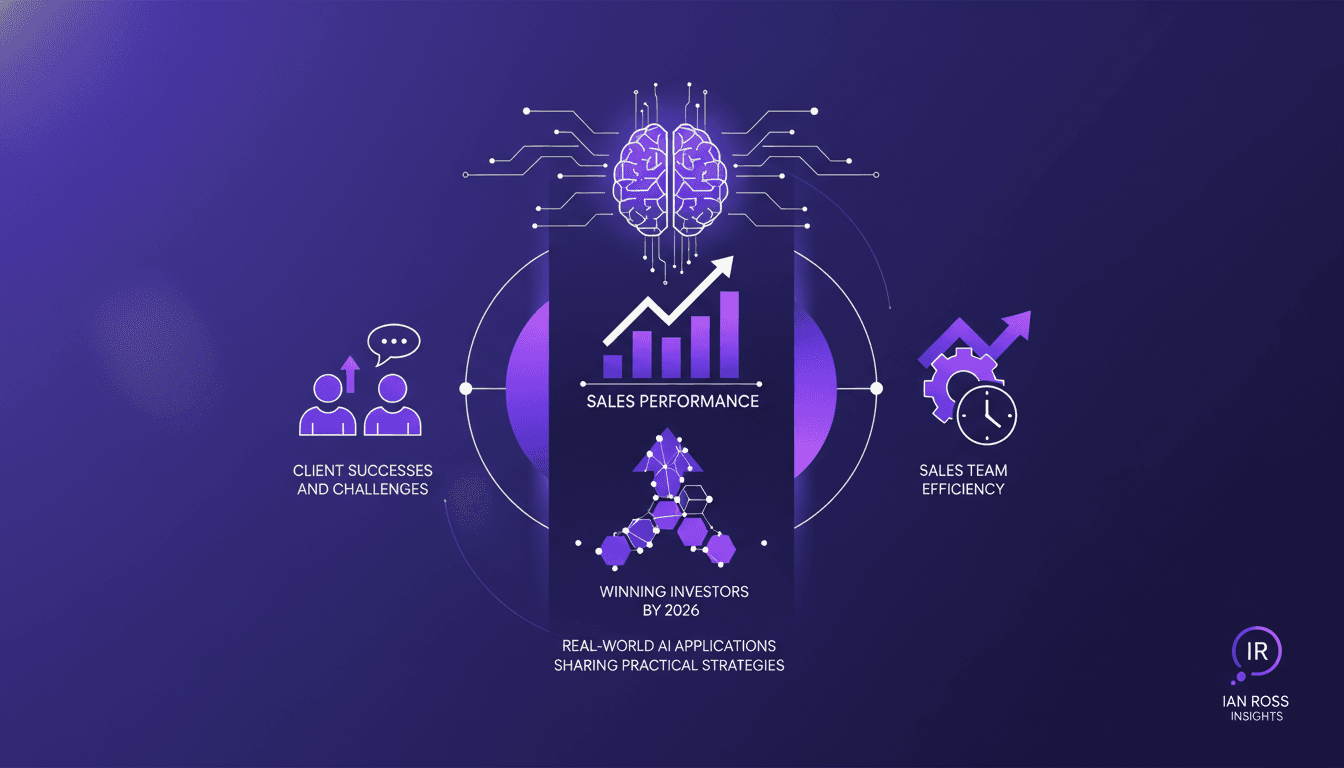
Can AI Really Boost Sales Performance?
I've spent a decade in sales, and let me tell you, AI is changing the game. Not just in theory, but in how we actually close deals. Let's dive into how AI can outperform traditional methods and the real-world impact it has on our sales teams. AI is no longer a futuristic concept; it's here, reshaping how we approach sales. This isn't just about automating tasks—it's about enhancing performance and efficiency. We'll explore practical strategies, success stories, and the challenges you might face.

Managing Technical Debt: Practical Strategies
I've been in the trenches of tech development long enough to know that technical debt can be a silent killer. It's like a credit card with a hidden interest rate. You don't see it coming until it hits hard. Technical debt isn't just a buzzword; it's a real challenge for startups and large enterprises alike. If it's not managed, it can cripple your project. Let me walk you through how I manage this beast daily, from a builder's perspective. We'll dive into understanding and managing technical debt, the role of the CTO, the impact of language and tool choices, and much more. Get ready to dive into the nitty-gritty.