Generating $10K/month with 28 Apps: My Tech Approach
I clearly remember the first time I hit that $10K mark in a month with my apps. It was a real game changer. But it wasn't by accident. I built 28 apps using the same tech stack, and I'm going to explain how it worked for me. In this article, we'll dive into the tools, frameworks, and strategies that have consistently generated revenue. We'll discuss the role of Firebase, AI tools, and analytics in my app infrastructure. As a builder, I'll share my mistakes, my successes, and how to orchestrate it all for direct business impact.
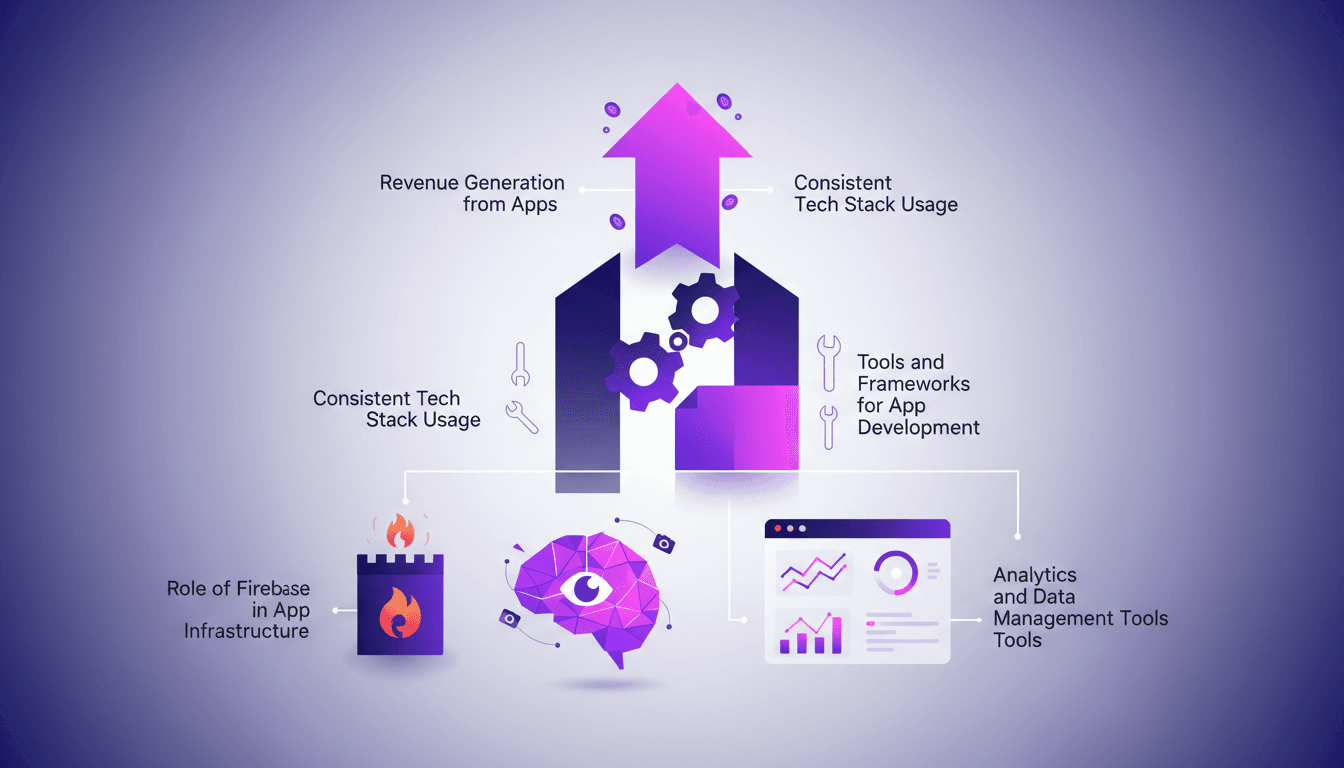
I remember the first time I hit $10K in a month with my apps. It was a game changer. But let's be clear, it didn't happen by accident. I built 28 apps using the same tech stack every single time. So how did I make it work so well? In this article, I'll take you behind the scenes of my method: the tools, frameworks, and strategies that have allowed me to consistently generate revenue. We'll dive into the crucial role of Firebase in my app infrastructure, the impact of AI and image recognition tools, and analytics solutions for data management. I'm also sharing my struggles and discoveries because, let's face it, getting burned is part of the game. The goal is to build an ecosystem that really works, with its limits but a direct impact on business. So, ready to dive with me into this technical universe?
Revenue Generation from Apps: My Journey
I started with a clear revenue goal: generating $10,000 a month from my apps. It wasn't just a vision; it was a well-orchestrated plan. I built 28 apps using a methodical approach, leveraging a consistent tech stack. Each app contributes an average of $1,000 in monthly revenue, totaling an impressive $28,000 per month. To achieve this, I focused on scalable and repeatable processes, constantly iterating on what worked and discarding what didn’t.
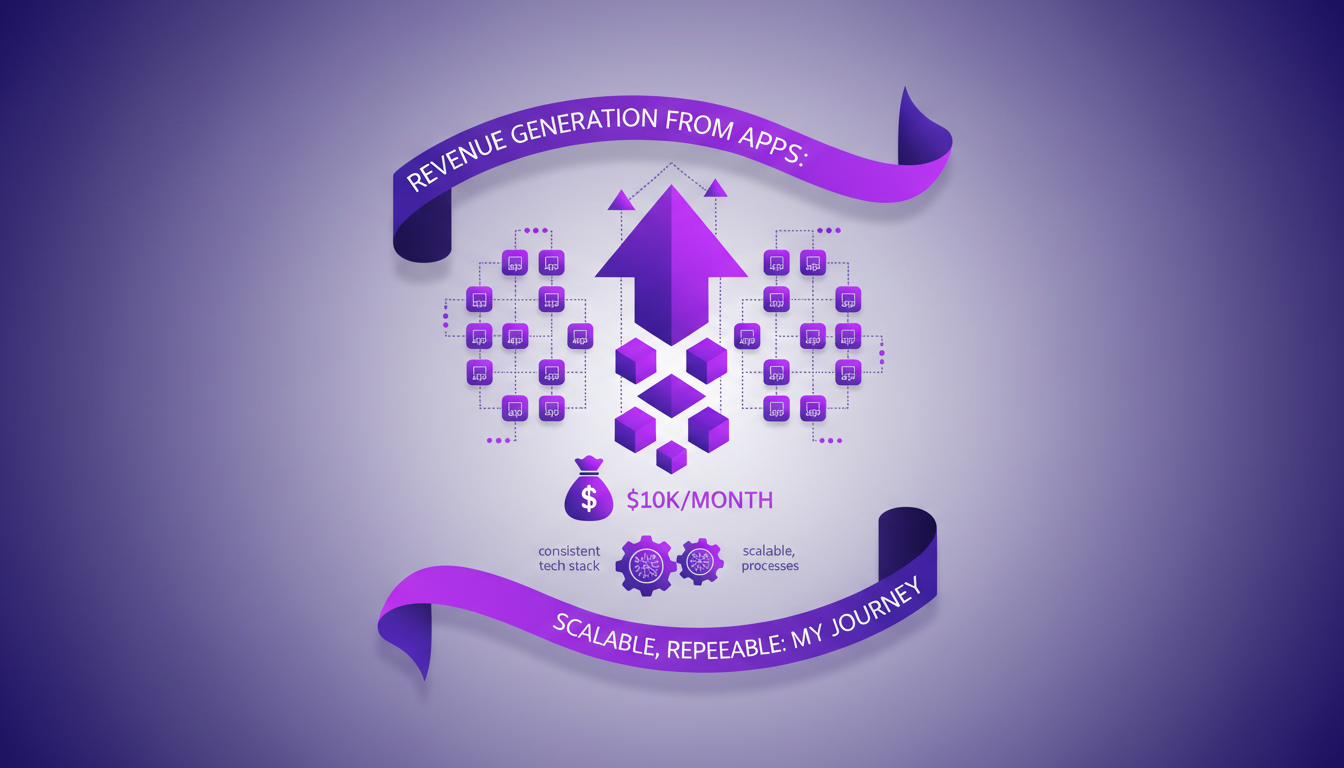
Revenue generation isn’t just about luck; it’s about strategic execution. Every decision, every tool chosen, every line of code written, all ties back to this goal. What I’ve learned is that perseverance and consistency pay off. And sometimes, stepping back is necessary to move forward more effectively.
Consistent Tech Stack: The Backbone of My Success
I’ve chosen to rely on the same tech stack for all my apps. Why? Because it brings efficiency and familiarity. My stack includes Firebase, Open Gemini for AI, and Mixpanel. These tools form the solid foundation upon which I build my apps.
Of course, this means less flexibility to experiment with new tools but offers unmatched stability. I save time, reduce errors, and ensure everything works harmoniously. Challenges? There have been some, especially with integrating new features, but consistency has always helped me overcome them.
Tools and Frameworks: A Detailed Overview
Let’s talk about tools. Firebase is my choice for the backend and hosting. It simplifies setup with its real-time database. For analytics and data management, Mixpanel is critical. And for image recognition, I use Open Gemini. These tools were chosen for their proven efficiency in real-life scenarios where they truly shine.
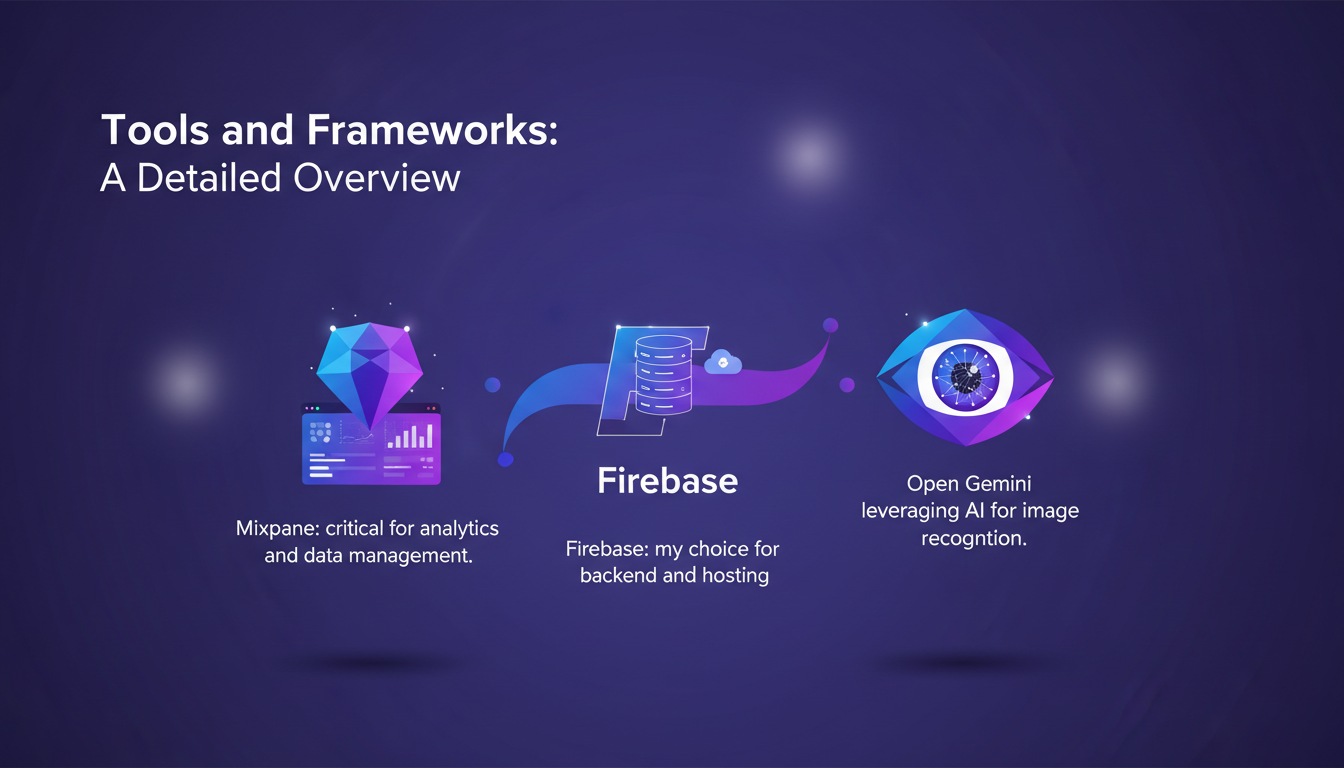
Why these tools and not others? It’s simple, their integration into my workflow is smooth, and their performance is consistent. I’ve been burned by promising new tools, but nothing beats the reliability of the ones I’ve adopted.
Firebase’s Role in Backend and Hosting
Firebase is a major asset in my projects. Its main advantage is the simplicity of setting up backend infrastructure with a real-time database. Hosting is quick, and its scaling capabilities are invaluable, especially as usage increases.
But watch out, you need to keep a close eye on pricing which can skyrocket with increased usage. A seamless integration with other tools completes the picture, making the development process smoother. Personally, Firebase has saved the day more than once, particularly during critical deployments.
AI and Image Recognition: Open Gemini in Action
In my workflow, AI holds a special place. Open Gemini is my go-to tool for image recognition. The capabilities it offers are impressive, but there’s a cost in terms of complexity.
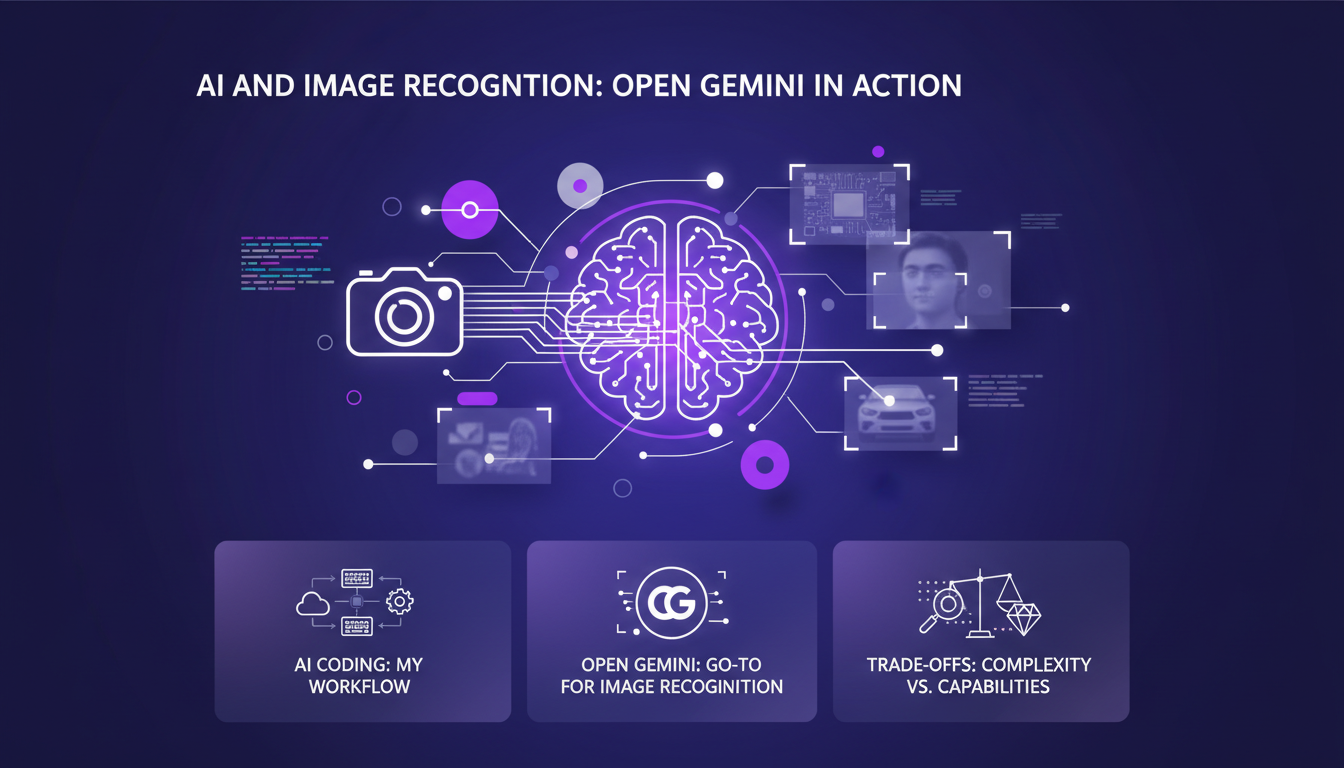
I’ve integrated AI-driven features into my apps, enhancing user experience. However, integrating AI also means learning from mistakes. Each iteration has brought valuable lessons on the limits and possibilities of AI.
Key Takeaways:
- Consistency in tool choice is crucial for success.
- Firebase is a great choice for the backend, but watch out for pricing.
- Open Gemini is powerful for AI, but beware of complexity.
- Revenue generation requires strategic execution and continuous iteration.
To learn more about how a tech stack supports a $440k/month app, check out this article.
Building 28 apps with a consistent tech stack was a strategic choice that really paid off. First, I focused on efficiency by sticking to a unified stack. Then, I leveraged tools like Firebase for app infrastructure. The result? A steady $28,000 in monthly revenue. It's a real game changer. But watch out, the key is to iterate on what works and not spread yourself too thin.
- Keeping a consistent tech stack simplifies maintenance and cuts down development time.
- Smart use of Firebase in app infrastructure allows for efficient app management.
- Generating $10,000 in revenue monthly is achievable with a solid strategy and consistent execution.
If you're looking to streamline your app development process and boost revenue, I encourage you to consider adopting a similar approach. Start small, iterate, and watch the results. For a deeper dive, check out the original video on YouTube. It's like chatting with a colleague—you'll find practical and inspiring insights. Link to video
Frequently Asked Questions

Thibault Le Balier
Co-fondateur & CTO
Coming from the tech startup ecosystem, Thibault has developed expertise in AI solution architecture that he now puts at the service of large companies (Atos, BNP Paribas, beta.gouv). He works on two axes: mastering AI deployments (local LLMs, MCP security) and optimizing inference costs (offloading, compression, token management).
Related Articles
Discover more articles on similar topics
Tech Stack Behind a $440k/Month App: My Journey
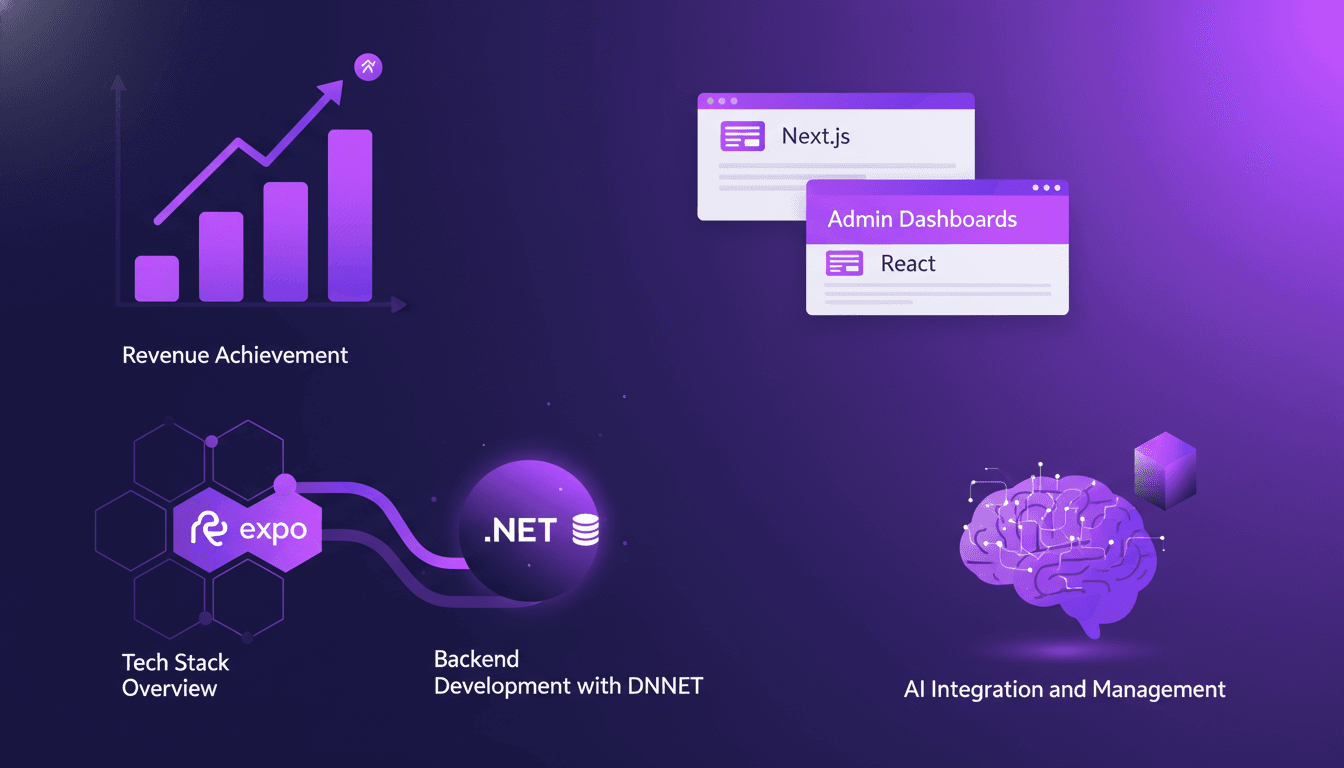
I remember the day we hit $440,000 in monthly revenue. No magic involved, just a carefully orchestrated tech stack. In this article, I walk you through our technical journey. We dive into using React Native and Expo for the frontend, DNNET for the backend, and admin dashboards with Next and React. Plus, how AI integration really made a difference. Every tech choice had a direct impact on our success. Watch out for the limits I hit along the way (and how I overcame them). It's not just about code, but a tech strategy that pays off.

AI Meets Creativity: Transforming Product Design
I vividly remember the first time I integrated AI into my design workflow. It was like handing a paintbrush to a machine and watching magic happen. But let's be real, AI is more than just magic; it's an amplifier of what we can do, faster and smarter. In today's design world, AI isn't just a tool—it's a partner. From Autodesk Fusion's capabilities to generative AI's precision, we're witnessing a revolution in product design. Let's dive into how these technologies are redefining creativity and consumer trust. How does AI augment our creativity and decision-making? How is Autodesk Fusion transforming product design? And what about the shift in consumer preferences towards authenticity? That's what we're diving into here.
Can AI Really Boost Sales Performance?
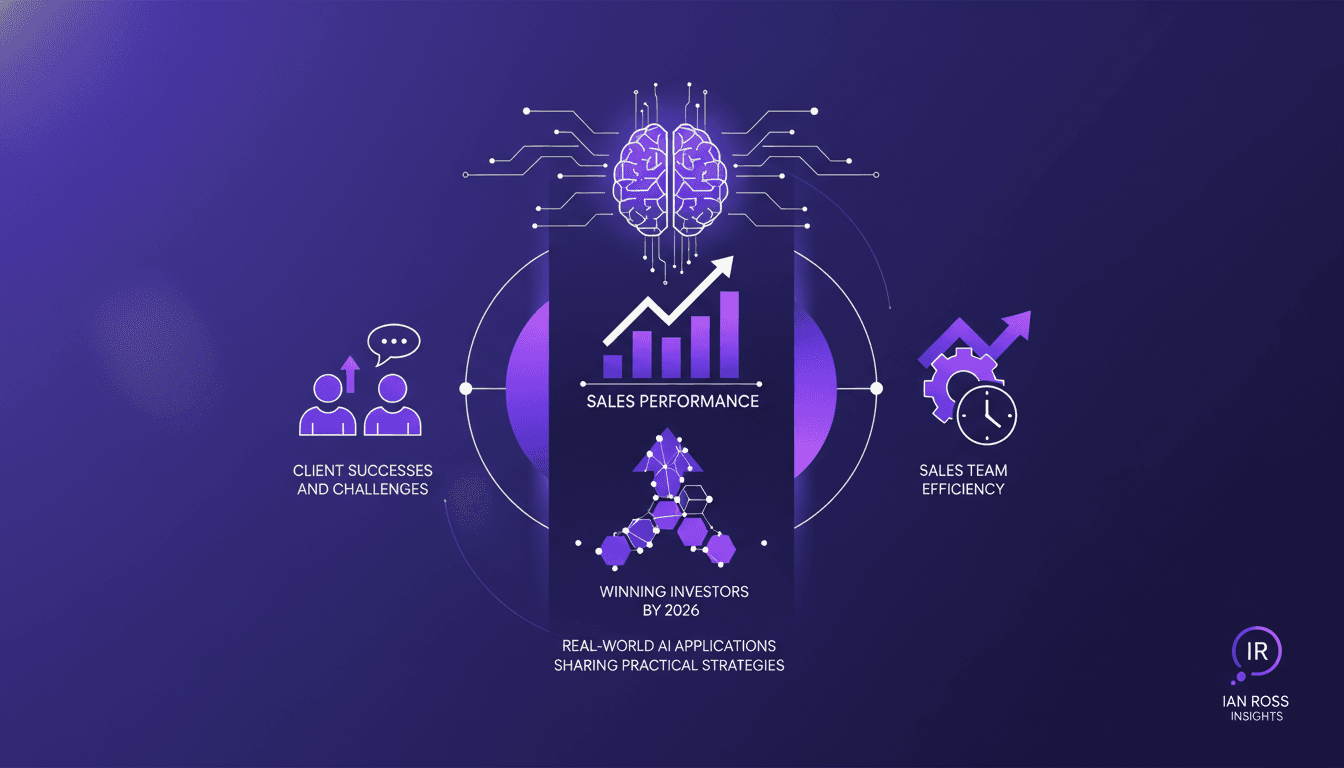
I've spent a decade in sales, and let me tell you, AI is changing the game. Not just in theory, but in how we actually close deals. Let's dive into how AI can outperform traditional methods and the real-world impact it has on our sales teams. AI is no longer a futuristic concept; it's here, reshaping how we approach sales. This isn't just about automating tasks—it's about enhancing performance and efficiency. We'll explore practical strategies, success stories, and the challenges you might face.
Managing Divorce: Strategies for Personal Happiness
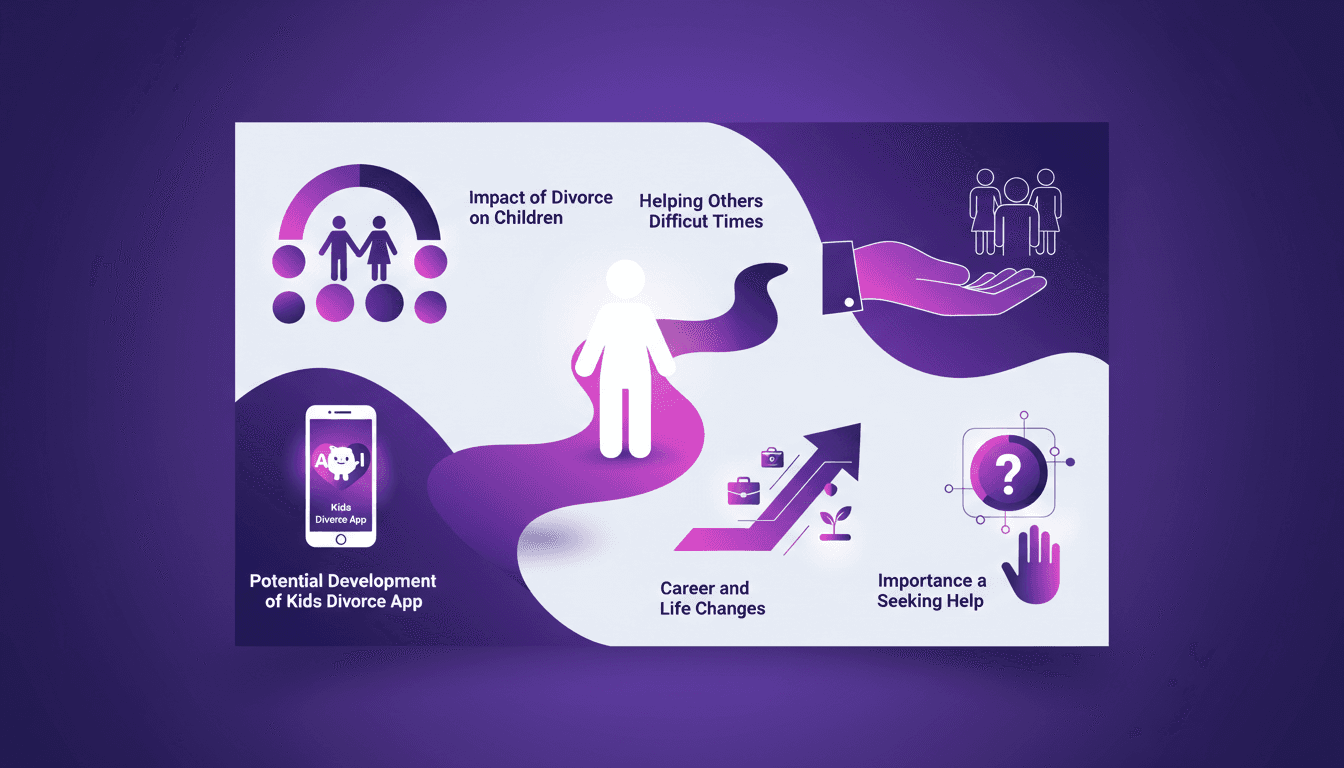
I've been through a divorce, and let me tell you, it's like managing a project with shifting deadlines and unexpected challenges. First, you focus on your personal happiness. Why? Because if you're not grounded, everything else crumbles. As a project manager in financial services, I've learned to use my skills to navigate these turbulent waters. I want to share what works: from the impact on kids to how to seek help. Divorce affects not just the couple but the whole family. So how do you stay steady? Maybe even the idea of developing a divorce app for kids could help. Let's talk strategies for personal happiness and managing life changes.

Managing Technical Debt: Practical Strategies
I've been in the trenches of tech development long enough to know that technical debt can be a silent killer. It's like a credit card with a hidden interest rate. You don't see it coming until it hits hard. Technical debt isn't just a buzzword; it's a real challenge for startups and large enterprises alike. If it's not managed, it can cripple your project. Let me walk you through how I manage this beast daily, from a builder's perspective. We'll dive into understanding and managing technical debt, the role of the CTO, the impact of language and tool choices, and much more. Get ready to dive into the nitty-gritty.