Tech Stack Behind a $440k/Month App: My Journey
I remember the day we hit $440,000 in monthly revenue. No magic involved, just a carefully orchestrated tech stack. In this article, I walk you through our technical journey. We dive into using React Native and Expo for the frontend, DNNET for the backend, and admin dashboards with Next and React. Plus, how AI integration really made a difference. Every tech choice had a direct impact on our success. Watch out for the limits I hit along the way (and how I overcame them). It's not just about code, but a tech strategy that pays off.
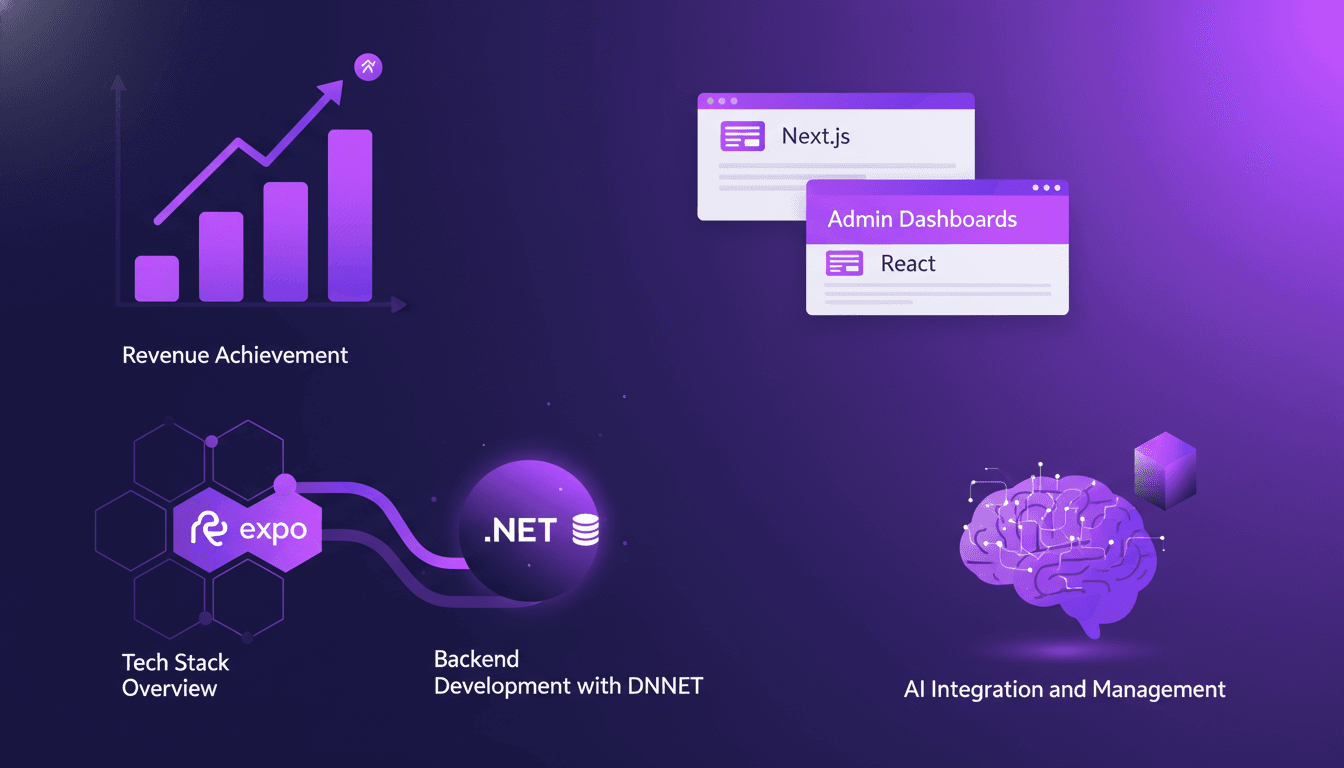
I still remember the day we hit $440,000 in monthly revenue. No magic involved; it was our meticulously orchestrated tech stack. In this article, I'll show you how we built this powerhouse. In the app development world, reaching high revenue isn't just about having a great idea—it's about the tech choices you make. First, I connected our frontend using React Native and Expo, then anchored our backend with DNNET. I also integrated admin dashboards with Next and React for efficient management. Don't underestimate AI integration; it really boosted our performance. But be careful, every tech choice comes with its own set of challenges. I got burned more than once, but I've learned to pilot differently for direct business impact. Get ready for a technical journey that might just be a game changer for you too.
Revenue Achievement: The Real Story
Hitting $440,000 in monthly revenue isn't a stroke of luck, it's the result of strategic planning and a lot of hard work. The first step I took was ensuring our tech stack was not only robust but also scalable. This was crucial because our goal was rapid growth. Right from the start, I made tech choices that paved the way for this freedom. For example, investing in tools like React Native and Expo was a strategic move to ensure we could quickly roll out features across multiple platforms.
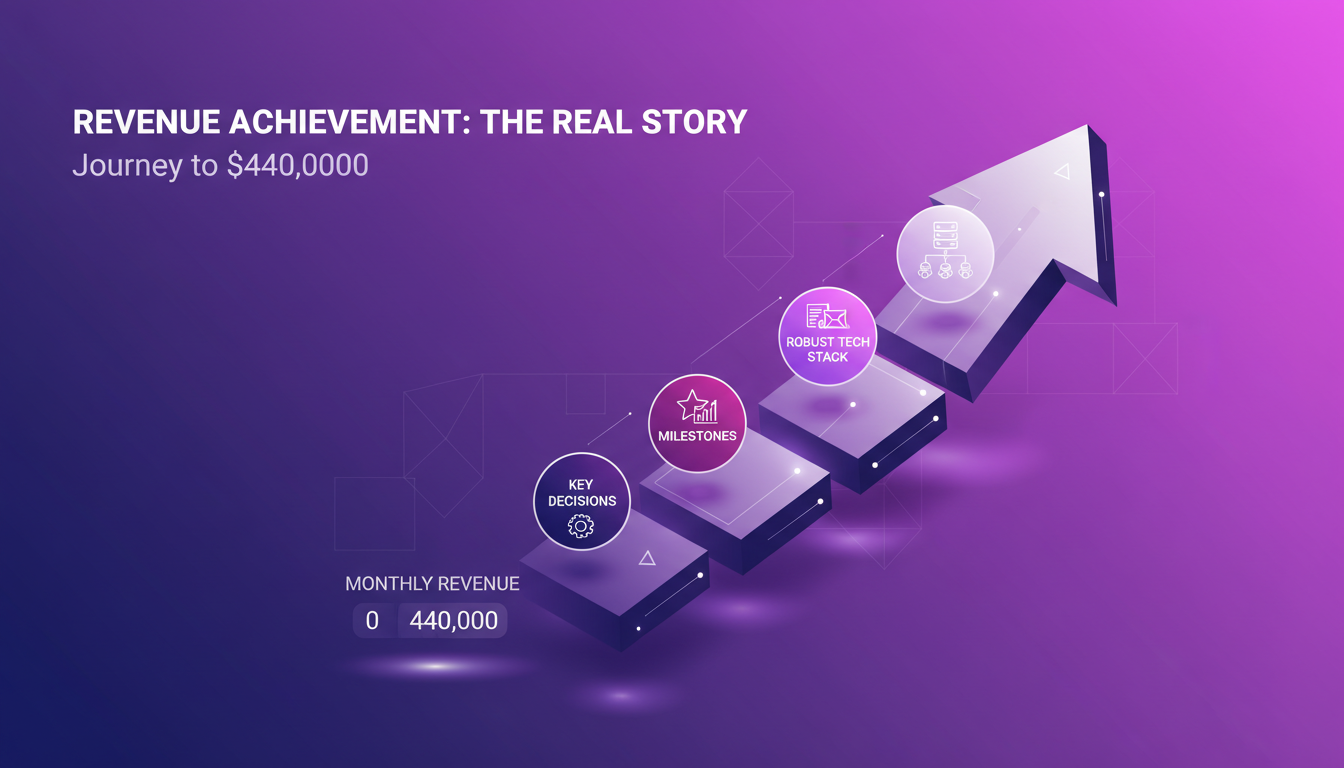
But watch out, it wasn't without challenges. For example, managing user load while maintaining performance was one of our biggest battles. We often had to tweak our approach, particularly by reorienting our backend to maximize efficiency. By orchestrating our backend services with DNNET, we achieved optimal performance even as user numbers soared.
Key Takeaways:
- Invest in scalable technology from the start
- Regularly reconfigure for optimal performance
- Overcome technical challenges with strategic choices
Tech Stack Overview: Setting the Foundation
Building a high-performance app requires a solid foundation, and that's where our tech stack comes into play. For the frontend, React Native and Expo proved to be perfect choices. Their integration was almost seamless, although we faced some initial setup challenges, particularly with dependency management. But once those hurdles were cleared, efficiency soared.
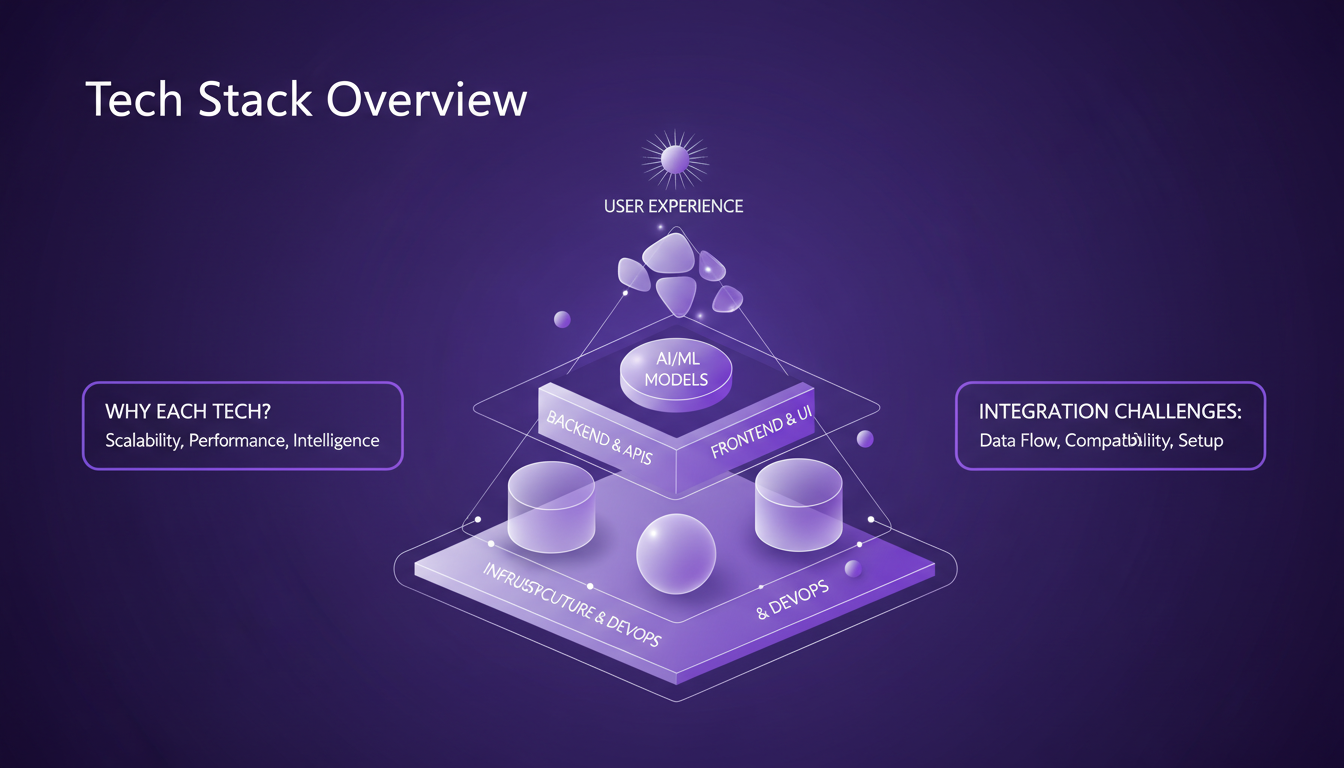
A key point was opting for technologies that not only meet current needs but can also grow with us. This decision was crucial to avoid rewriting code later, which could have cost us precious time and resources.
Key Components of Our Stack:
- React Native & Expo for mobile development
- DNNET for the backend
- Next.js and React for internal dashboards
React Native and Expo: Building the Frontend
When I started using React Native and Expo, it was primarily for their ability to create cross-platform applications with a single codebase. This radically changed our approach to development. We saved time and effort, allowing us to focus on adding value to the end user rather than managing multiple versions of the same feature.
But watch out, this approach isn't without its trade-offs. One downside I encountered was the limitation of certain native features that can be trickier to integrate. We often had to make tough choices between functionality and implementation speed.
Pros and Cons:
- Time savings with a single codebase
- Integration challenges for some native features
- Flexibility and quick updates
Backend Development with DNNET: Powering the App
For the backend, I chose DNNET for its ability to handle intensive tasks while offering great flexibility. This decision was driven by our need to ensure stable performance even as user numbers grew. DNNET allowed us to orchestrate our services effectively, which was crucial for maintaining a smooth user experience.
However, it wasn't all smooth sailing. One of the biggest challenges was ensuring seamless communication between backend services. This required constant monitoring and regular adjustments to avoid bottlenecks.
Takeaways:
- Use DNNET for stability and flexibility
- Effective service orchestration for optimal performance
- Constant monitoring to prevent communication issues
Admin Dashboards and AI Integration: Managing and Innovating
The admin dashboards were developed using Next.js and React, providing a user-friendly interface for managing the app. AI integration, although limited to specific tasks to avoid unpredictable behavior, has been a real asset in enhancing app functionalities. By carefully orchestrating these components, we were able to introduce innovations without compromising stability.
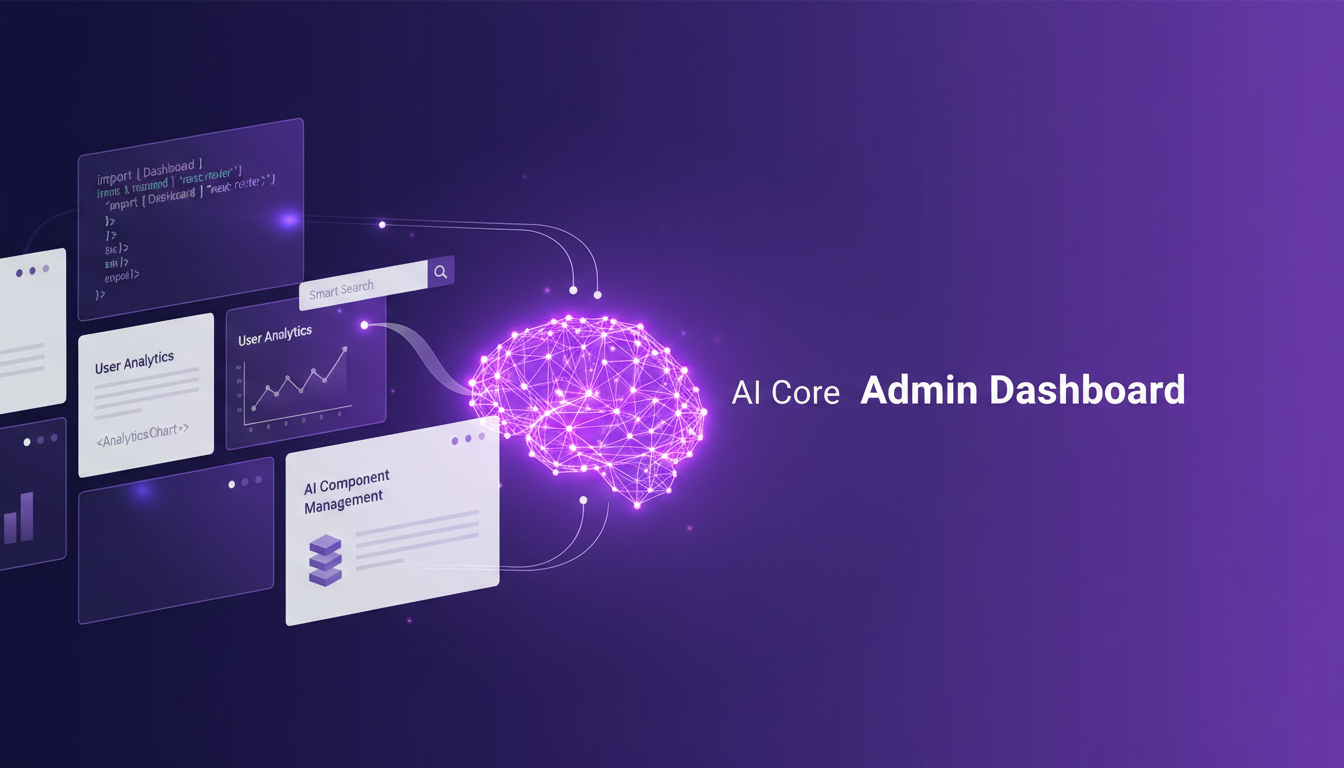
But watch out, innovation must always be balanced with practicality. That's why we chose to limit the use of AI to well-defined segments of the app, allowing us to maintain control and avoid potential pitfalls.
Balancing Innovation and Practicality:
- Targeted use of AI to maximize efficiency
- Development of admin dashboards with Next.js and React
- Maintaining a balance between innovation and stability
Building an app that pulls in $440,000 a month isn't just about coding; it's about making smart tech choices and iterating constantly. I zeroed in on React Native and Expo for the front-end, while DNNET powers the backend magic. Here's what I learned: First, your tech stack isn't just a list of tools—it's a strategy. Then, remember continuous optimization is key—this isn't a sprint, it's a marathon. Finally, flexibility is your friend; don't lock yourself into one solution. Looking forward, I see this strategy as a real game changer, but watch out for each tool's limitations. Ready to build your own app powerhouse? Start by choosing the right stack and learn from our journey. I highly recommend watching the full video for deeper insights: https://www.youtube.com/watch?v=ri3iThA6Z3E. You'll find details there that can transform your approach.
Frequently Asked Questions

Thibault Le Balier
Co-fondateur & CTO
Coming from the tech startup ecosystem, Thibault has developed expertise in AI solution architecture that he now puts at the service of large companies (Atos, BNP Paribas, beta.gouv). He works on two axes: mastering AI deployments (local LLMs, MCP security) and optimizing inference costs (offloading, compression, token management).
Related Articles
Discover more articles on similar topics
Managing Divorce: Strategies for Personal Happiness
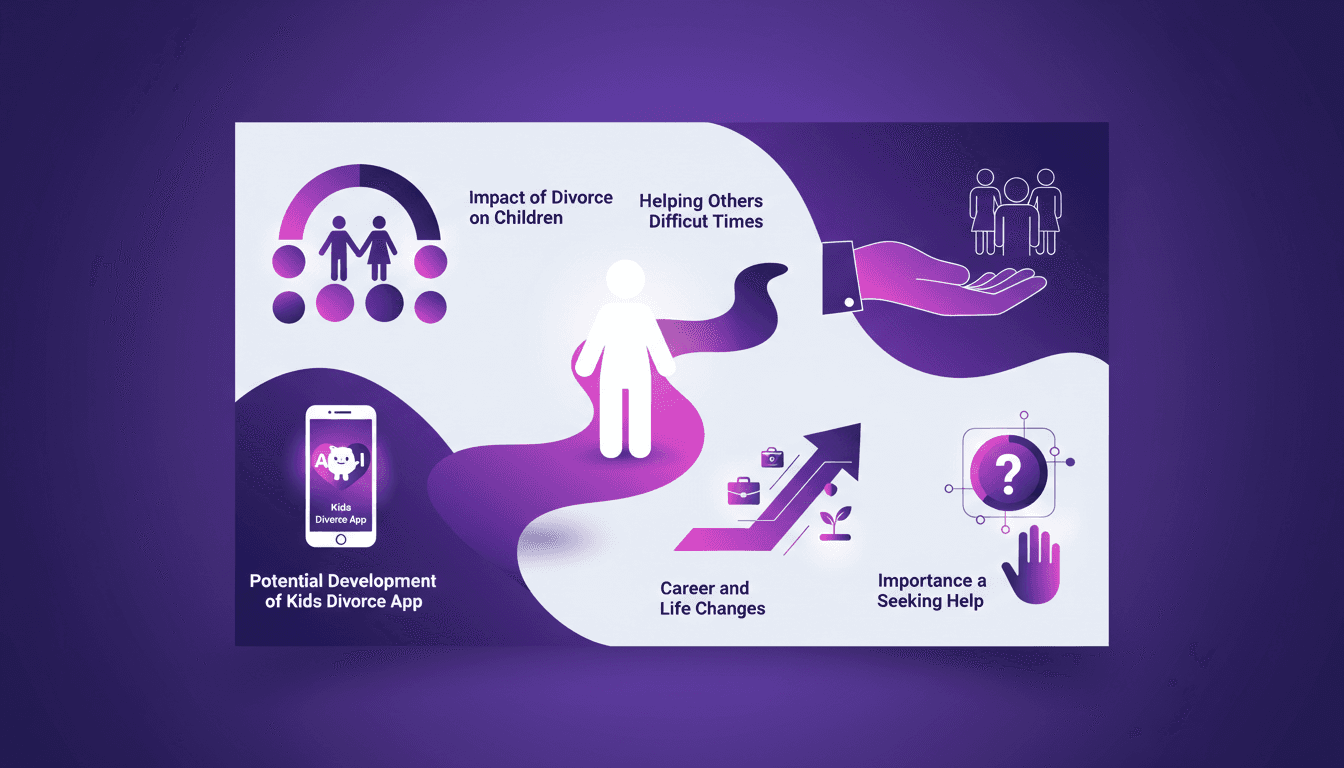
I've been through a divorce, and let me tell you, it's like managing a project with shifting deadlines and unexpected challenges. First, you focus on your personal happiness. Why? Because if you're not grounded, everything else crumbles. As a project manager in financial services, I've learned to use my skills to navigate these turbulent waters. I want to share what works: from the impact on kids to how to seek help. Divorce affects not just the couple but the whole family. So how do you stay steady? Maybe even the idea of developing a divorce app for kids could help. Let's talk strategies for personal happiness and managing life changes.
Starting a Skateboarding Business: First Steps
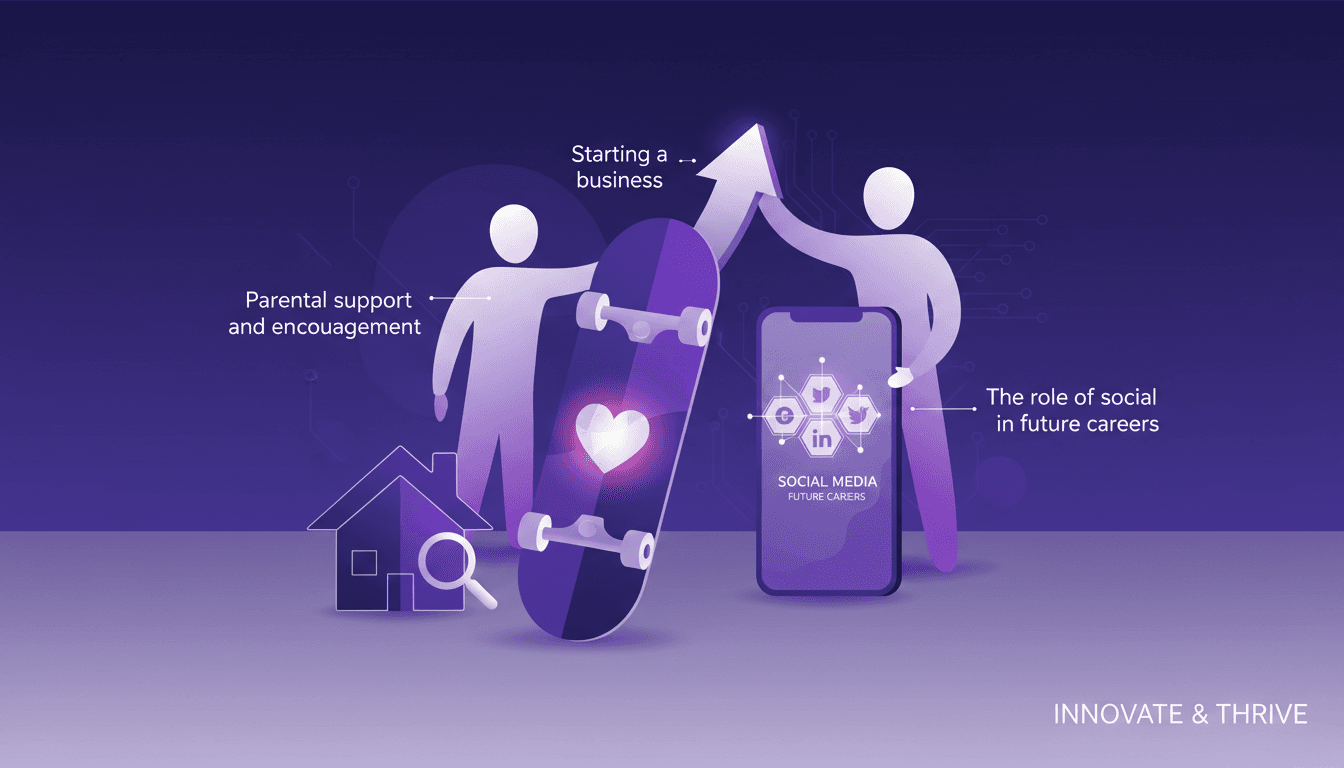
I remember the first time I turned my skateboarding hobby into a real business. It was a mix of excitement and uncertainty, but finding joy in what you do is truly a game-changer. Recently, I had a conversation with a young aspiring entrepreneur and his father, where we explored how to turn passions into careers, the role of social media, and why joy is crucial in career choices. It's not just about business; it's about life. We dive into the steps for starting a skateboarding business, and I'll share the mistakes I made and the lessons I learned along the way.
Securing AI: Integrating Prompt Fu at OpenAI
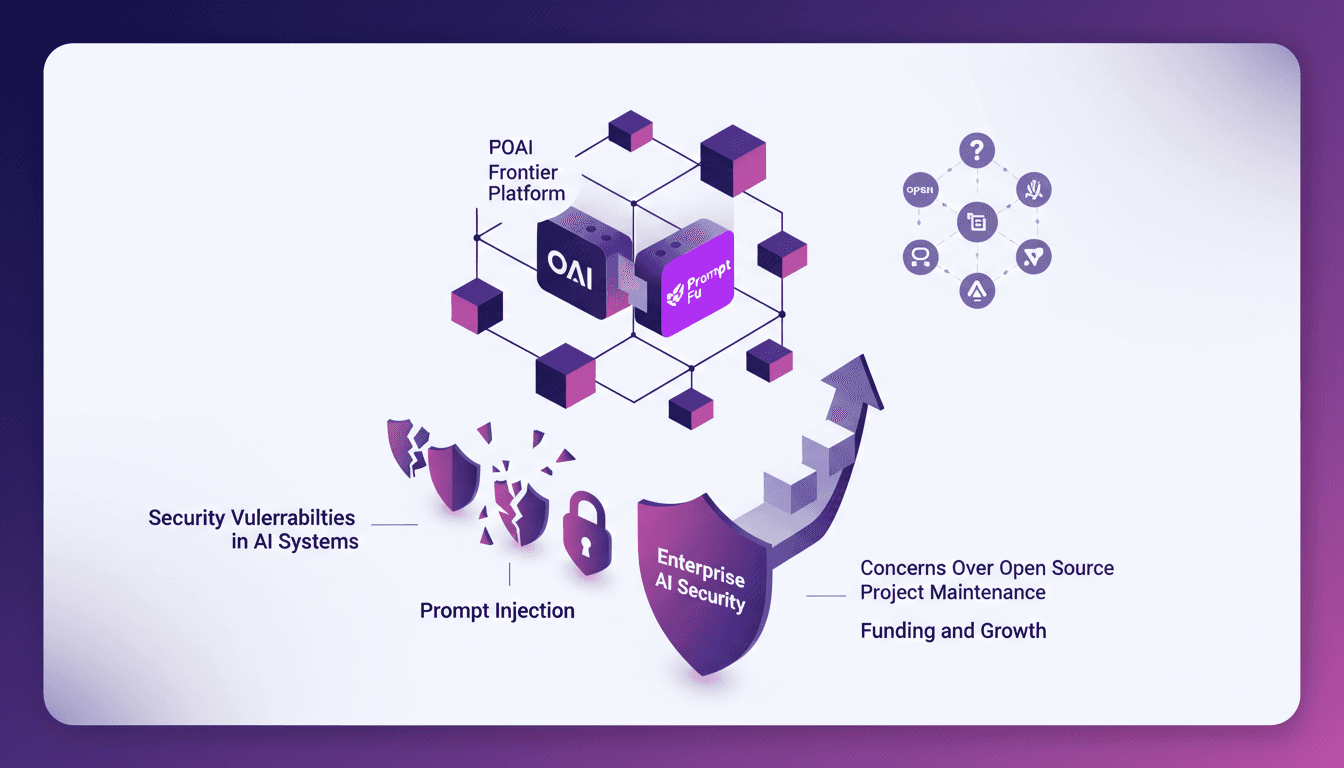
I remember the first time I encountered a security breach in an AI system. It was a wake-up call that security wasn't just a checkbox but a critical component of AI deployment. OpenAI's acquisition of Prompt Fu feels like a game changer. By integrating Prompt Fu into their Frontier platform, OpenAI is set to enhance security and redefine how we protect AI. With over 125,000 developers using Prompt Fu and a quarter of the Fortune 500 companies trusting it, this strategic move promises to transform AI system security, addressing concerns over open-source project maintenance and prompt injection vulnerabilities.
Business Models to Fulfill Your Dreams
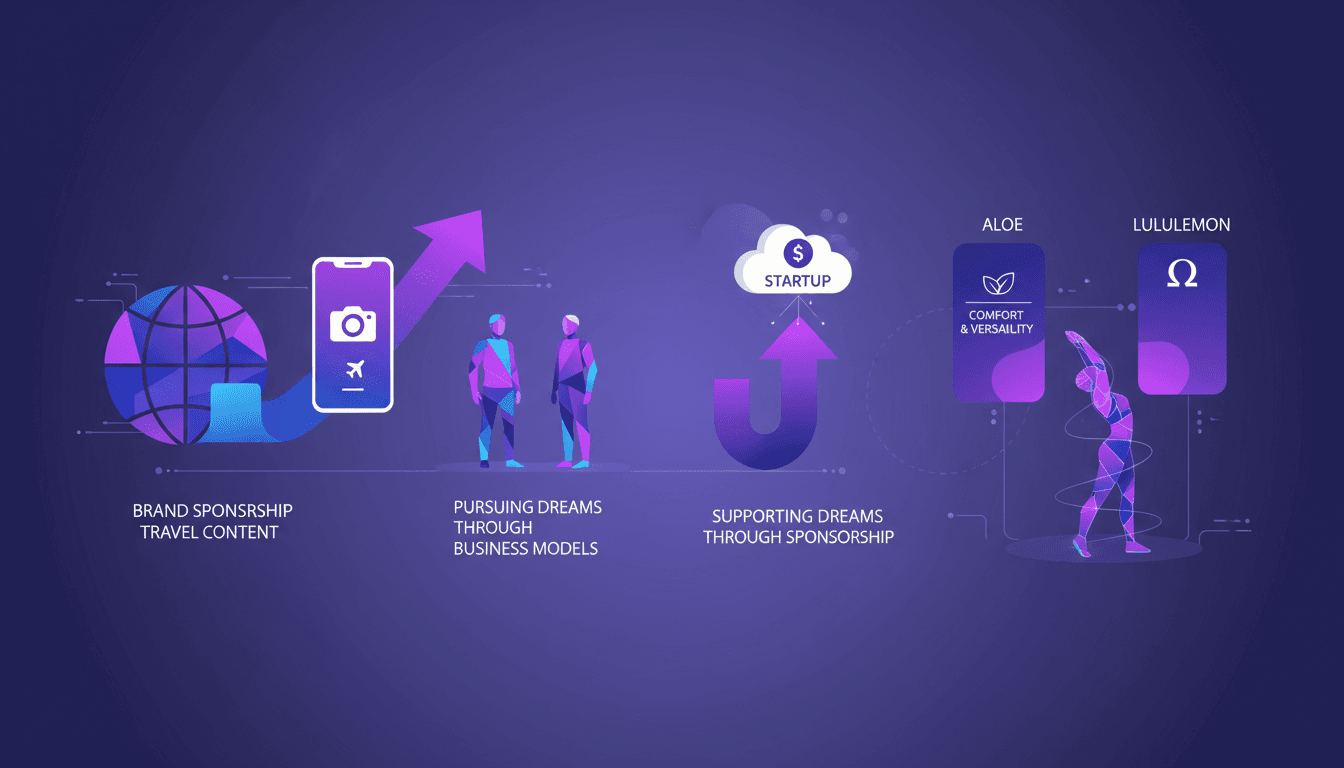
I remember the first time I realized my dreams could have a business model. It was a game changer. I wasn't just chasing dreams; I was structuring them for success. In this interview, we dive into how business models and brand sponsorships can turn dreams into concrete realities. We break down the steps, focusing on how comfort and versatility are key in securing sponsors. We also spotlight Aloe and Lululemon to see how clothing can support or hinder our ambitions. It's a straight look at what truly works to turn your passions into a viable business.
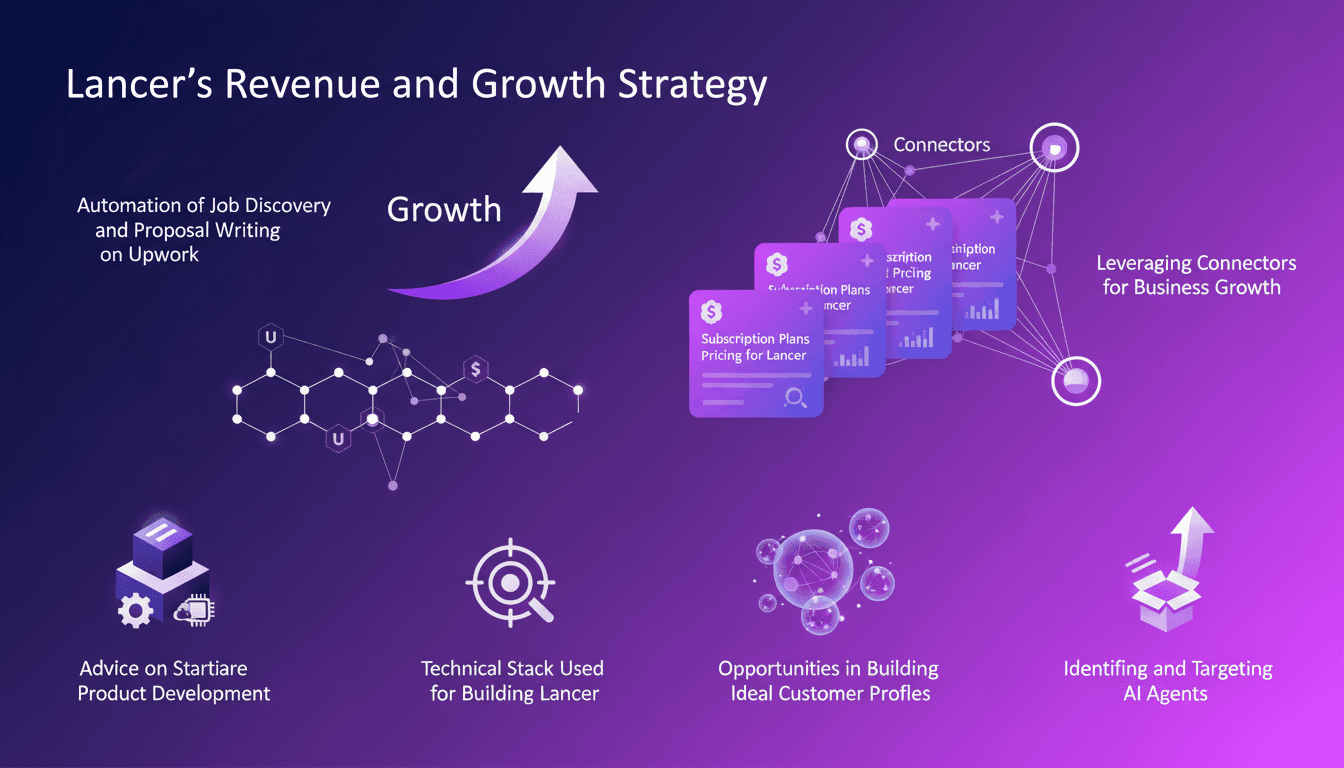
Profitable AI Agent: Strategies and Tools
I built an AI agent that rakes in $10K a month without spending a dime on ads. Sounds crazy? Here’s how I did it. In a world where efficiency and automation are key, I developed Lancer, an AI agent that transforms how freelancers and agencies operate on platforms like Upwork. By automating job discovery and proposal writing, Lancer has revolutionized our approach. I share how I leveraged connectors for business growth, crafted subscription plans and pricing, and the opportunities I discovered in building AI agents. I'll also explain the mistakes I made, the tools I used, and how you can start your own software product development.