Training AI for Proactive Healthcare
I've been diving into the world of AI in healthcare, and trust me, it's not just about algorithms—it's about reshaping how we think about care. When I first started training AI models for healthcare, the potential was clear, but so were the challenges. Building AI that truly makes a difference in the medical field is quite the journey. From integrating AI models into healthcare systems to protecting patient data, every step demands attention. And then there's ChatGPT Health, which is a game changer for millions of patients every day. With a cohort of 250 physicians, we're evaluating solutions that are not just reactive, but proactive. Want to know how we get there? That's exactly what I'm diving into here.
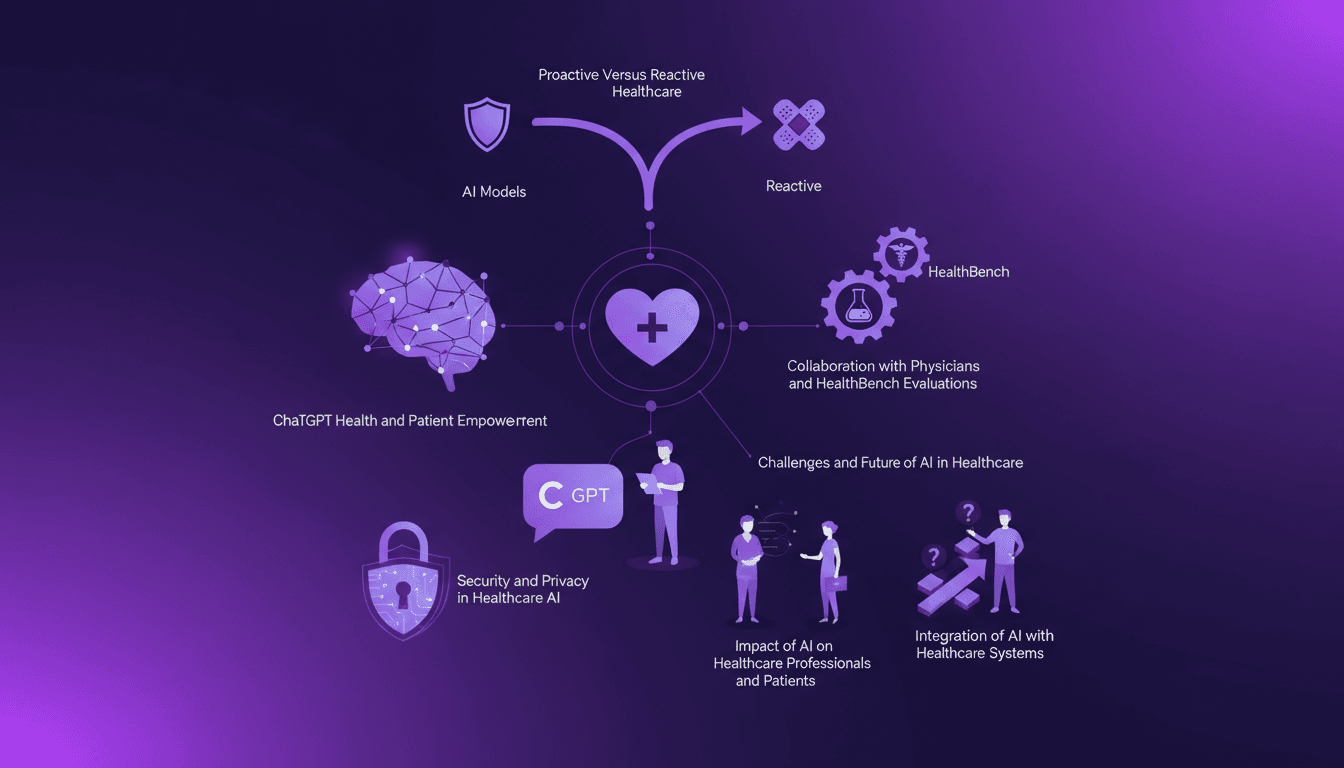
I've been diving into the world of AI in healthcare, and trust me, it's not just about algorithms—it's about reshaping how we think about care. When I first started training AI models for healthcare, the potential was clear, but so were the challenges. Building AI that truly makes a difference is quite the journey. First, you have to integrate these models into existing systems without disrupting workflows. Then there's patient data protection, a non-negotiable priority. With ChatGPT Health, we're talking about a real revolution: 900 million users weekly and 40 million health-related queries daily. But remember, responsible AI integration and usage require close collaboration with physicians. With a cohort of 250 doctors, we're evaluating solutions that are not just reactive but proactive. The impact is immense, both for healthcare professionals and patients. In this episode of the OpenAI Podcast, I take you behind the scenes of AI training and integration in healthcare.
Training AI Models for Healthcare
When I first started training AI models tailored for healthcare, I knew the key was focusing on specific outcomes. It wasn't about creating a generic model but addressing real medical issues head-on. Early on, the challenge of acquiring reliable and accurate data hit me hard. Yes, data is often touted as crucial, but until you're in the field, you don't realize just how critical it is.
I used HealthBench evaluations to measure performance across 49,000 dimensions. It's a fantastic tool to validate our work, but beware, it's not something to rely on blindly. You always have to keep the model's limitations in mind. Then there's AGI (Artificial General Intelligence), which promises to revolutionize how we tackle these challenges. But again, caution, as AGI is still an evolving concept.
"OpenAI's mission is to ensure that AGI benefits all of humanity, with a particular focus on healthcare."
Proactive vs. Reactive Healthcare
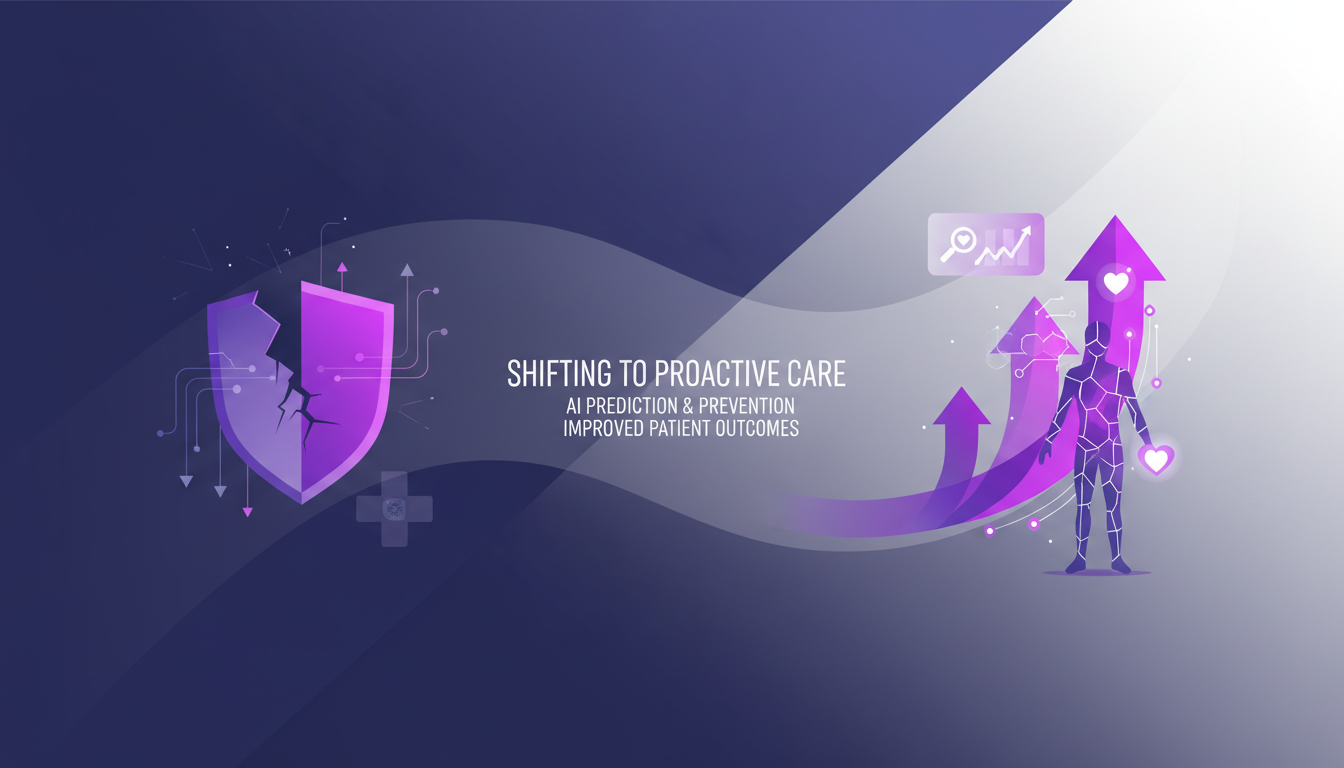
Shifting from reactive to proactive care is crucial. Today's healthcare is fragmented and reactive, leading to gaps in care. AI can predict and prevent health issues before they become critical. Imagine reducing hospital readmissions by 30% through proactive care. That's huge!
But there are challenges to overcome. Integrating these proactive systems into existing healthcare frameworks isn't simple. I've seen cases where AI has enabled the discovery of forgotten medications that have a direct impact on patient lives. This isn't just theoretical; it's concrete.
ChatGPT Health and Patient Empowerment
ChatGPT Health is truly a tool for patient empowerment. Every day, 40 million people use ChatGPT for health-related queries. That's massive! What's even more impressive is how this tool fosters collaboration between AI and physicians. This is where we talk about "zero or one" capabilities in AI, meaning the AI can either answer a question or recognize that it can't, passing the baton to a healthcare professional.
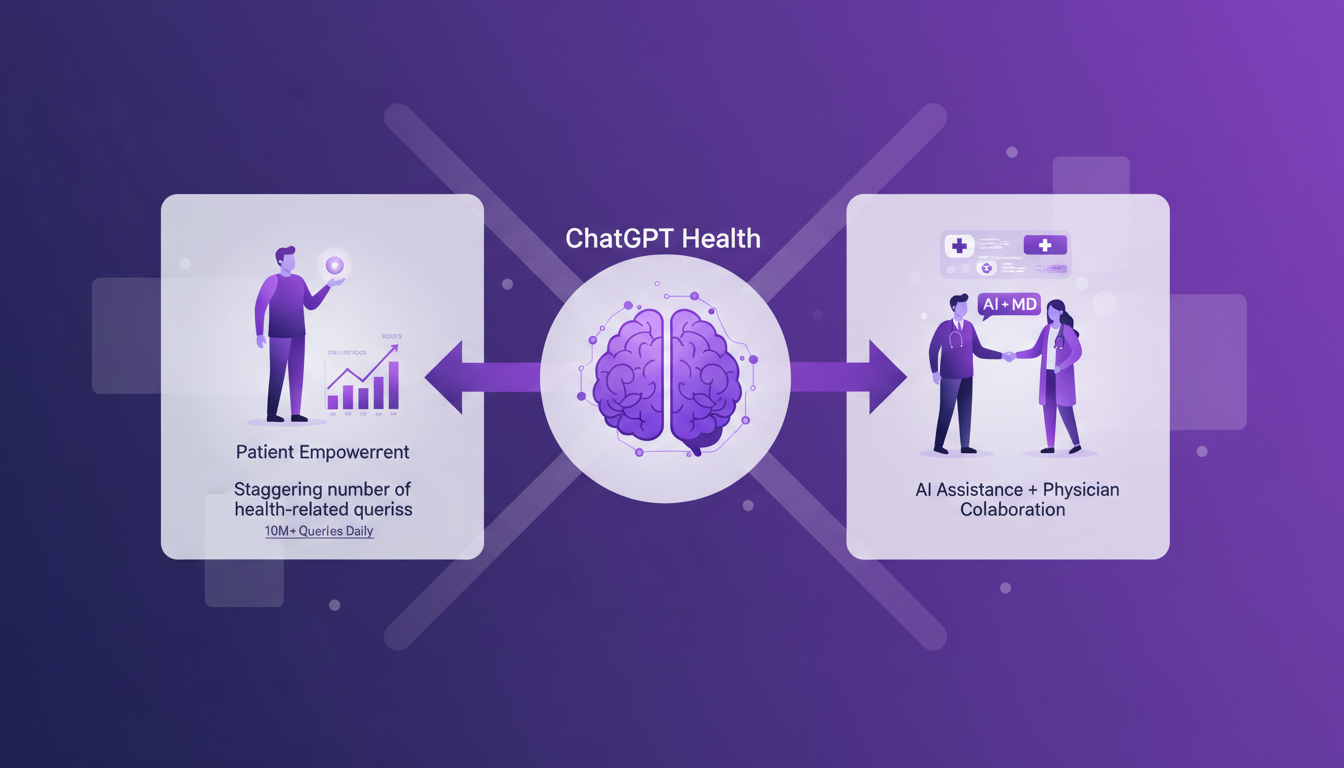
The real-world impacts are tangible. Not only does it improve patient satisfaction, but it also increases their engagement with their own health. And that is a real paradigm shift.
Security and Privacy in Healthcare AI
Working with AI in healthcare means navigating the complex waters of HIPAA compliance. Data security and patient privacy are paramount. To ensure this, I use techniques like data encryption and regular security audits. Yes, it's an investment, but it's essential.
"The importance of transparency in AI-driven healthcare solutions cannot be underestimated."
There's always a trade-off between accessibility and security. Sometimes, it's faster to sacrifice a bit of security for better accessibility, but be careful not to go too far.
Future challenges will be maintaining privacy as AI evolves. With each iteration, it's crucial to reevaluate and adjust security protocols.
Integration of AI with Healthcare Systems
Integrating AI into existing healthcare systems requires an orchestrated approach. I started by collaborating with a cohort of 250 physicians to understand their needs and concerns. Collaboration is key here. You have to overcome barriers to integration and adoption, which is no small feat.
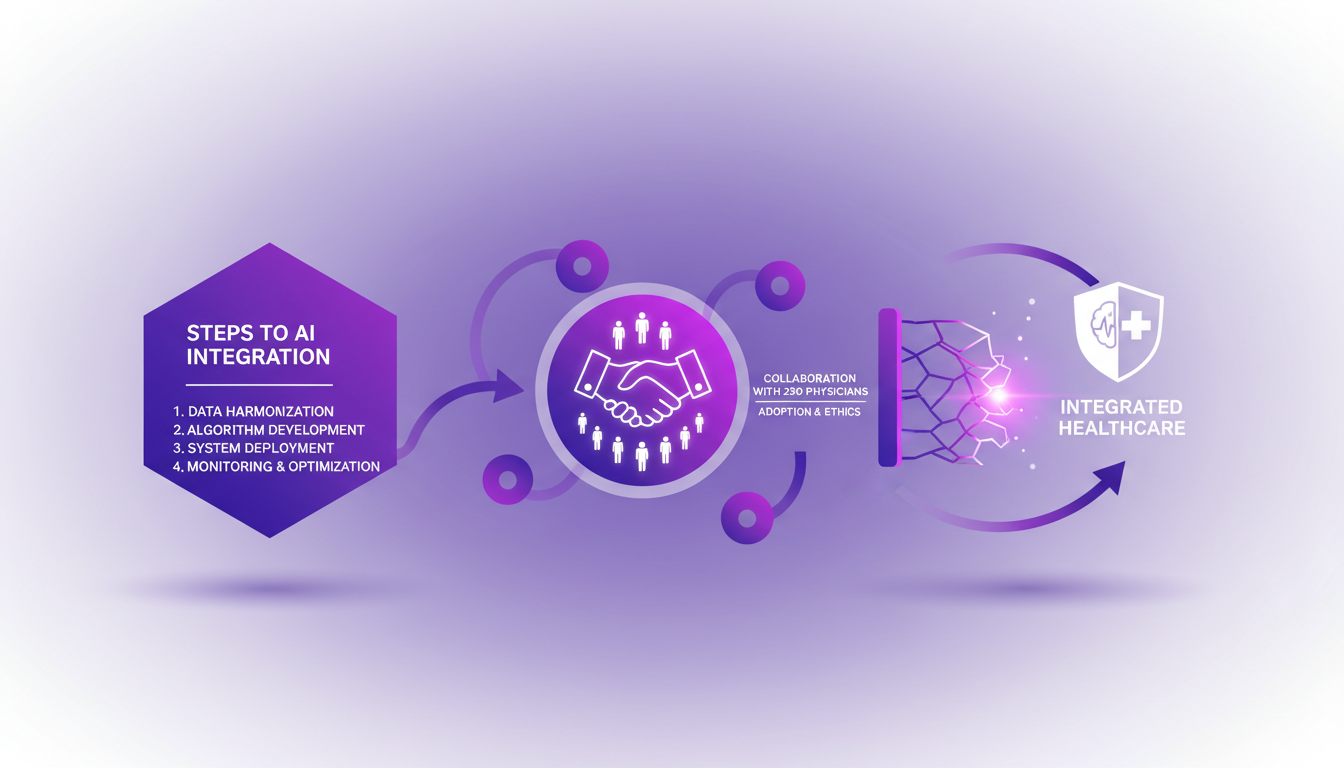
The direct impacts are visible: healthcare professionals can offer more personalized care, and patients benefit from more accurate diagnoses. Looking to the future, AI integration will continue to evolve with new technologies and methods to improve healthcare.
In conclusion, AI in healthcare isn't a question of "if," but "how" and "when." The future is promising, but there's still much to do to overcome current and future challenges.
- HealthBench evaluations cover 49,000 dimensions of performance.
- Collaboration with 250 physicians was essential for development.
- 40 million health-related queries are handled daily by ChatGPT.
- Proactive care reduces hospital readmissions by 30%.
- Patient privacy remains a top priority in AI health development.
Building AI for healthcare isn't just about stacking up technology – it's about weaving it into existing healthcare frameworks to genuinely improve patient outcomes. Here's what I gather from the field:
- Collaboration with physicians: I’ve seen how a cohort of 250 physicians worked together to refine AI models. This is key to credible results.
- Proactive vs reactive healthcare: I’ve orchestrated systems that anticipate patient needs rather than just react. It’s a game changer, but watch out for resource limits.
- Patient empowerment with ChatGPT Health: 40 million people use it daily for health queries. That’s massive, but data confidentiality and security must be ensured.
Looking ahead, remember that AI in healthcare is like building a bridge – every step counts, but you must ensure its robustness. If you're considering integrating AI into your healthcare practice, start small, focus on specific outcomes, and always prioritize patient privacy and security.
To really dive deep into these dynamics, I recommend watching the full OpenAI podcast episode: "Building AI for better healthcare". That's where it all comes together.
Frequently Asked Questions

Thibault Le Balier
Co-fondateur & CTO
Coming from the tech startup ecosystem, Thibault has developed expertise in AI solution architecture that he now puts at the service of large companies (Atos, BNP Paribas, beta.gouv). He works on two axes: mastering AI deployments (local LLMs, MCP security) and optimizing inference costs (offloading, compression, token management).
Related Articles
Discover more articles on similar topics
Open Clow's GitHub Surge and Global Impact
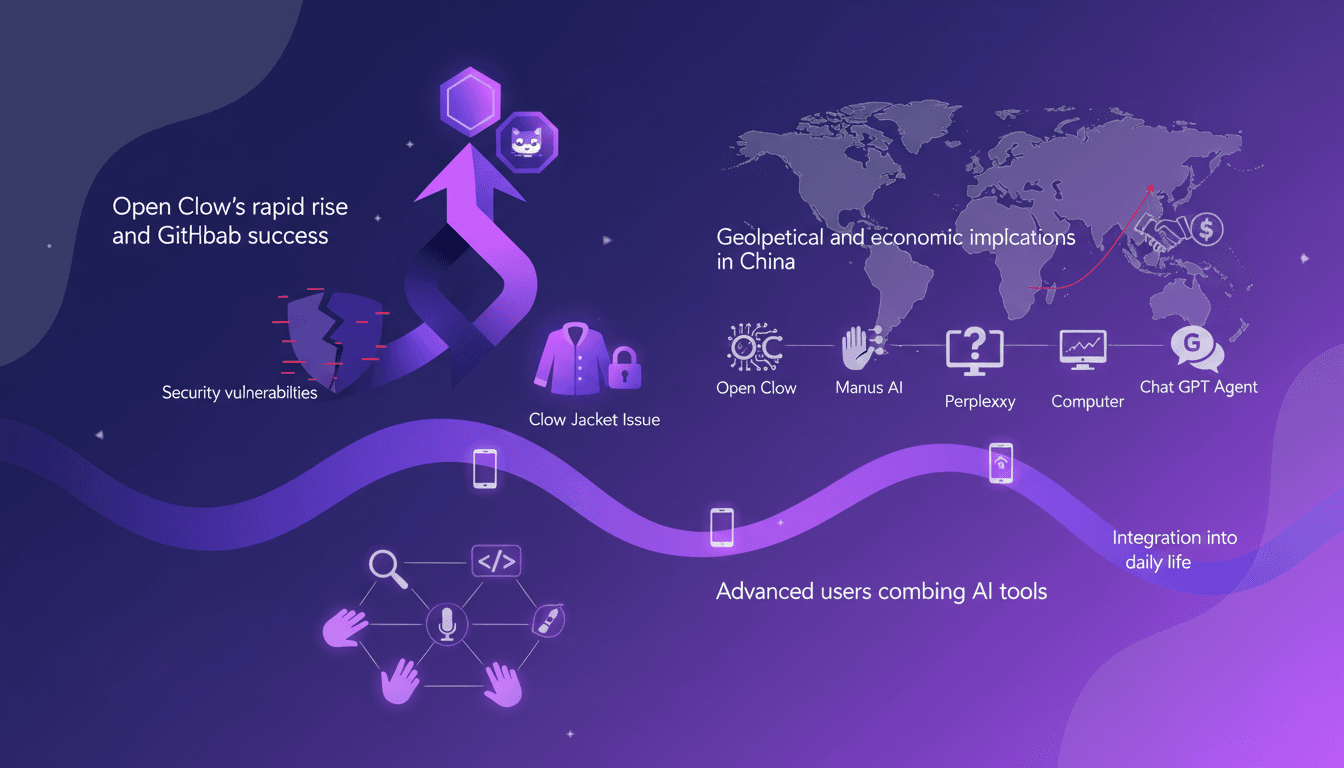
I watched Open Clow skyrocket to 250,000 GitHub stars in just 90 days, and it was clear something big was unfolding. As a builder, I'm asking what this means for our AI tools. Open Clow isn’t just about numbers—it's a game changer with serious security and geopolitical implications. China has already jumped on this, issuing 10 alerts in March. Let's dive into how this impacts our daily work and compare it to platforms like Manus AI and Chat GPT Agent. This is a pivotal moment for advanced users blending various AI tools, and I'm here to guide you through this tech maze.
Google Gémini: Transforming Office AI
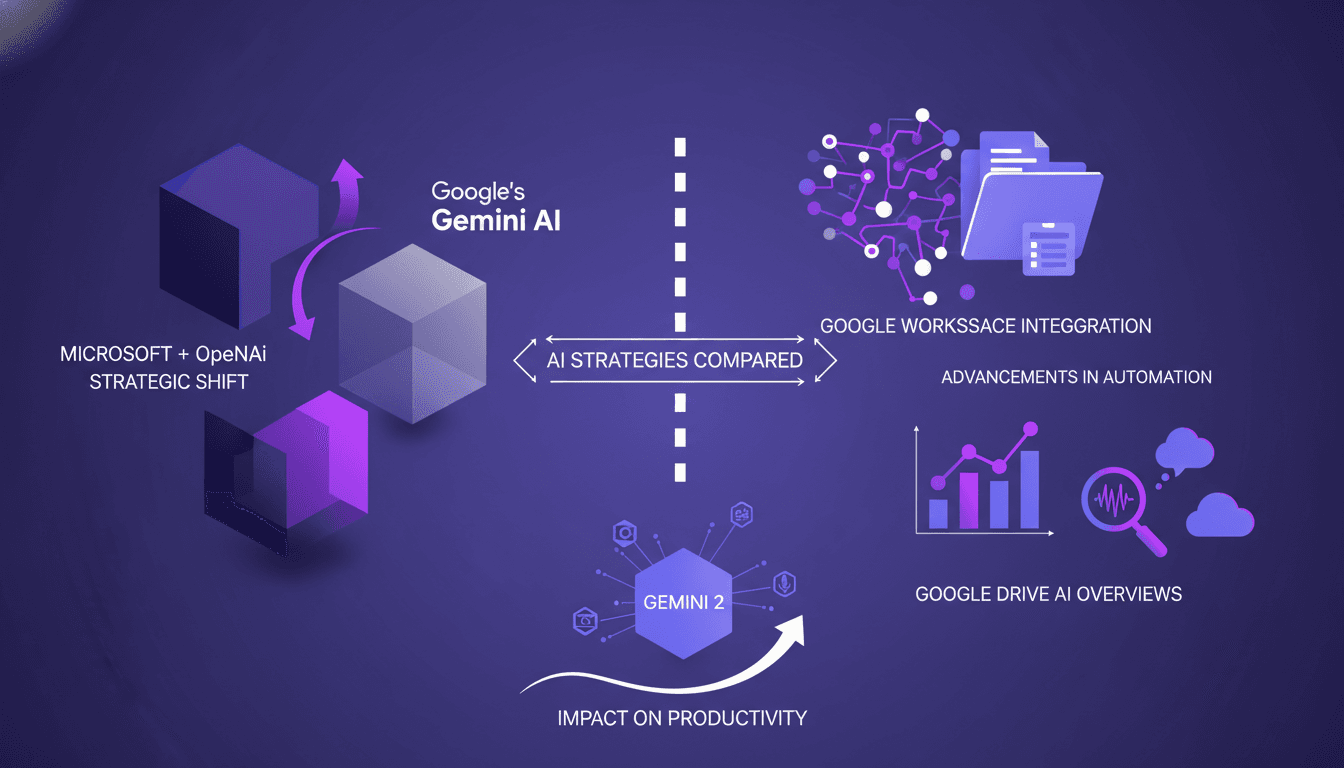
I remember the first time I plugged an AI tool into my workflow—it was like unlocking a new superpower. But what Google and Microsoft are doing now goes beyond mere upgrades. Microsoft's massive $13 billion investment in Open AI and Google's bold move with Gémini are reshaping the landscape of productivity tools. Google Gémini, with its multimodal embedding tech, is setting new standards with a 70% success rate on independent benchmarks. And Microsoft's investment? It's not just for show—it's about redefining document and spreadsheet automation. This is a crucial moment to grasp how these advancements are revolutionizing our daily tools and impacting real workflows.
Tech Stack Behind a $440k/Month App: My Journey
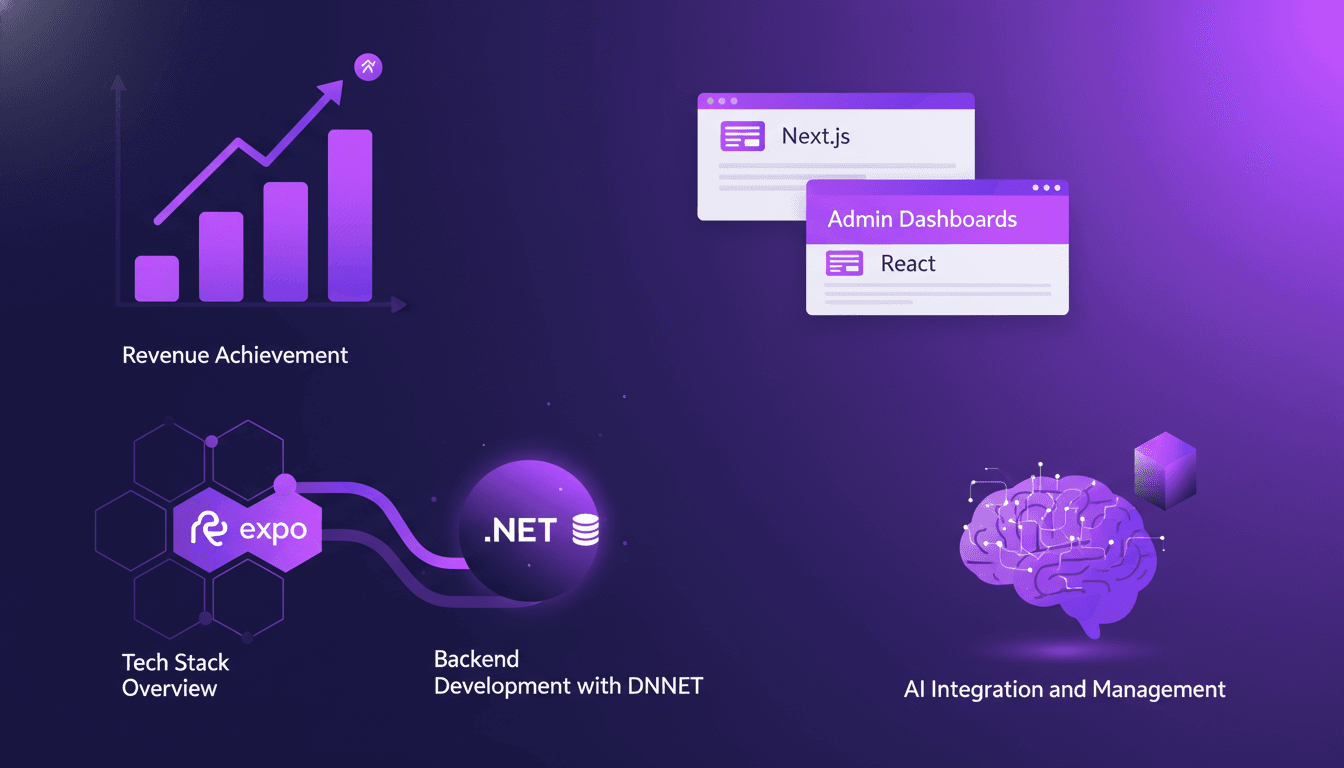
I remember the day we hit $440,000 in monthly revenue. No magic involved, just a carefully orchestrated tech stack. In this article, I walk you through our technical journey. We dive into using React Native and Expo for the frontend, DNNET for the backend, and admin dashboards with Next and React. Plus, how AI integration really made a difference. Every tech choice had a direct impact on our success. Watch out for the limits I hit along the way (and how I overcame them). It's not just about code, but a tech strategy that pays off.
Tesla Humanoids: Revolution or Economic Risk?
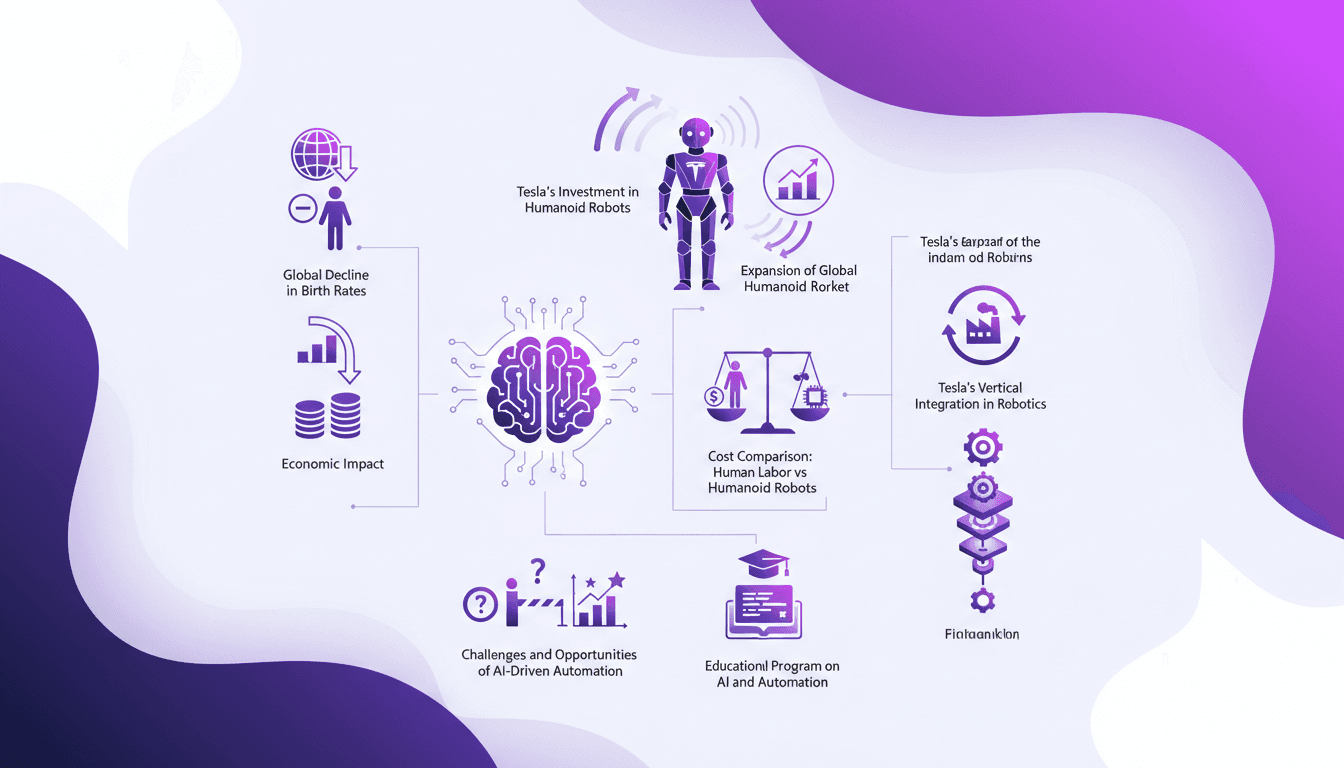
I was skeptical. A robot replacing human jobs at $2 an hour? Sounds like sci-fi, right? But as I dug into Tesla's approach to humanoid robots, it started to make sense. This isn't just a tech gimmick. With global birth rates declining, the economic impact of this innovation could be massive. Tesla isn't just dreaming; they're investing heavily to make this vision a reality. What really struck me was the potential cost reduction compared to human labor, and the implications it could have on the job market. So, revolution or economic risk? It's time to dive into the details.
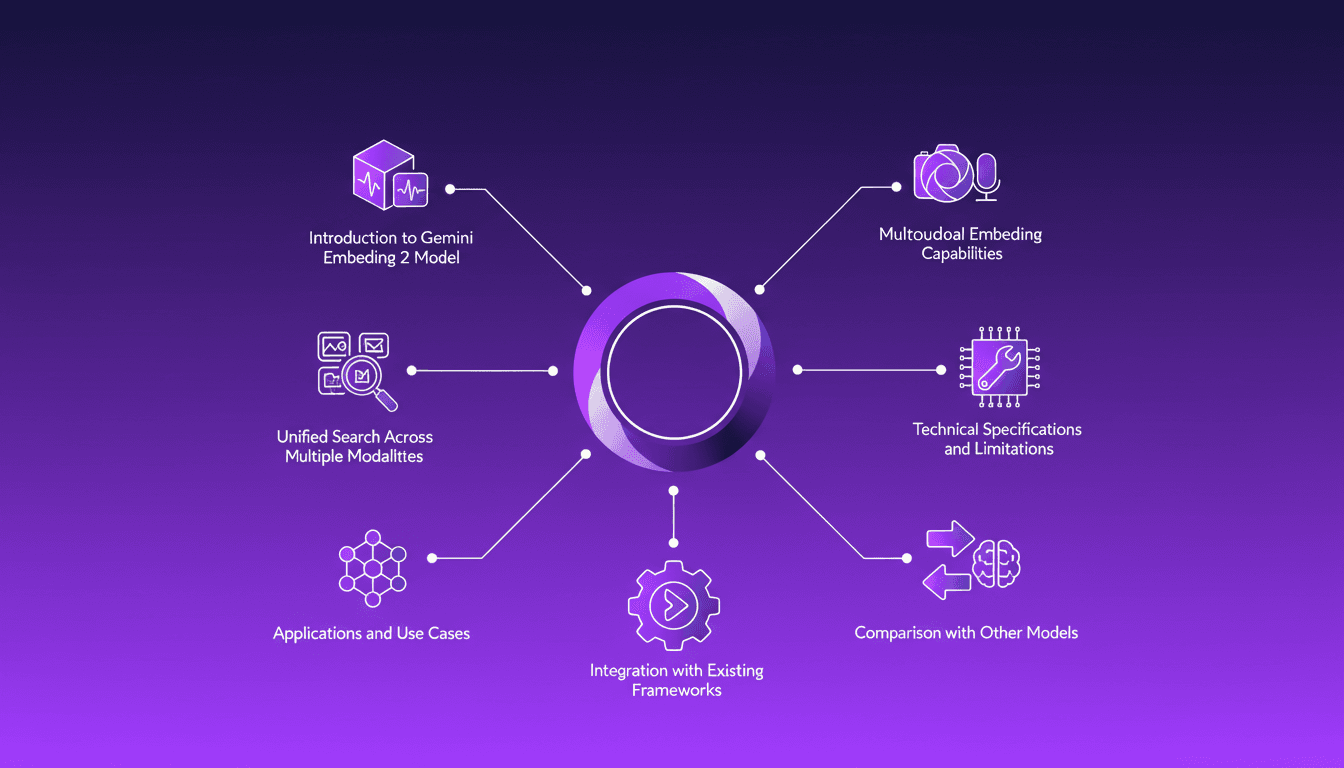
Integrating Gemini Embedding 2: A Practical Guide
I dove into Gemini Embedding 2 to streamline how I handle audio, text, images, and videos. Imagine this: a unified approach to multimodal embedding that actually delivers. I put this promise to the test myself, and trust me, there are critical nuances you'll need to leverage its full potential. Whether you're looking to unify your searches across multiple media types or integrate this model into your existing frameworks, this practical guide will show you how. Be wary of some technical limitations that might catch you off guard, but with the right orchestration, the results speak for themselves. Let's dive in, and I'll show you how I've integrated it into my workflows for direct, measurable impact.