Tesla Humanoids: Revolution or Economic Risk?
I was skeptical. A robot replacing human jobs at $2 an hour? Sounds like sci-fi, right? But as I dug into Tesla's approach to humanoid robots, it started to make sense. This isn't just a tech gimmick. With global birth rates declining, the economic impact of this innovation could be massive. Tesla isn't just dreaming; they're investing heavily to make this vision a reality. What really struck me was the potential cost reduction compared to human labor, and the implications it could have on the job market. So, revolution or economic risk? It's time to dive into the details.
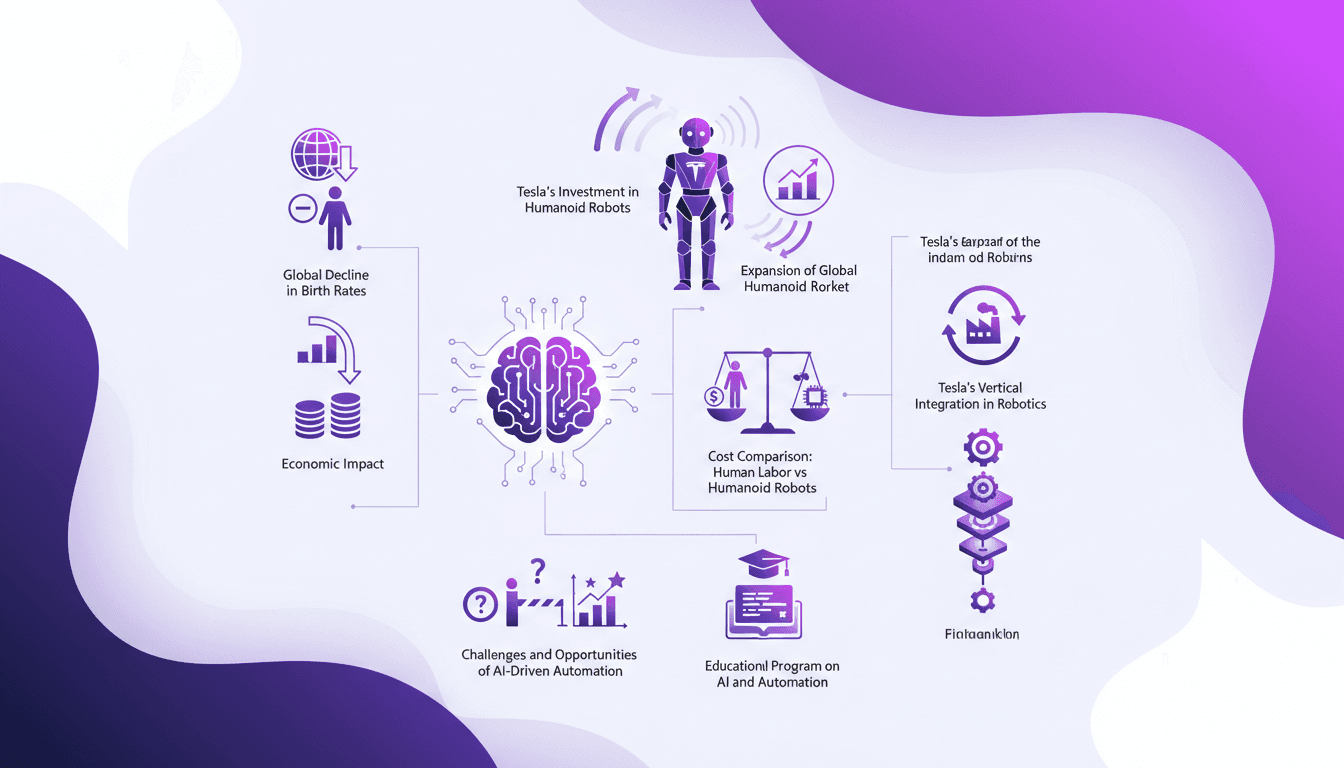
When I first heard about Tesla's humanoid robots costing $2 an hour, I laughed. Really, replacing workers at that rate? But as I dug deeper into Tesla's strategies, I started to see things differently. Global birth rates are declining, shifting the economic landscape, and Tesla is betting big on humanoid robots as a solution. I dove into the numbers, the cost comparisons between human labor (averaging $46 an hour in the U.S.) and these machines. Then I considered Jevons' paradox and the implications of deep automation. What's fascinating is how Tesla vertically integrates all this, paving the way for a burgeoning humanoid robot market. Sure, there are challenges, but there are opportunities, too. Join me as we explore whether we're facing a revolution or a major economic risk.
Understanding the Economic Shift
We've seen it coming, this global decline in birth rates, but who would have thought it would have such a massive impact on our workforce? Take South Korea, for example, where the fertility rate has dropped to 0.7 children per woman. Unprecedented. And it's not just an Asian problem. In the United States, the average cost of an hour of human labor reaches $46. Imagine, every product you buy includes this cost. So, how are companies responding? Through robotization. Tesla, for example, is investing massively in humanoid robots.
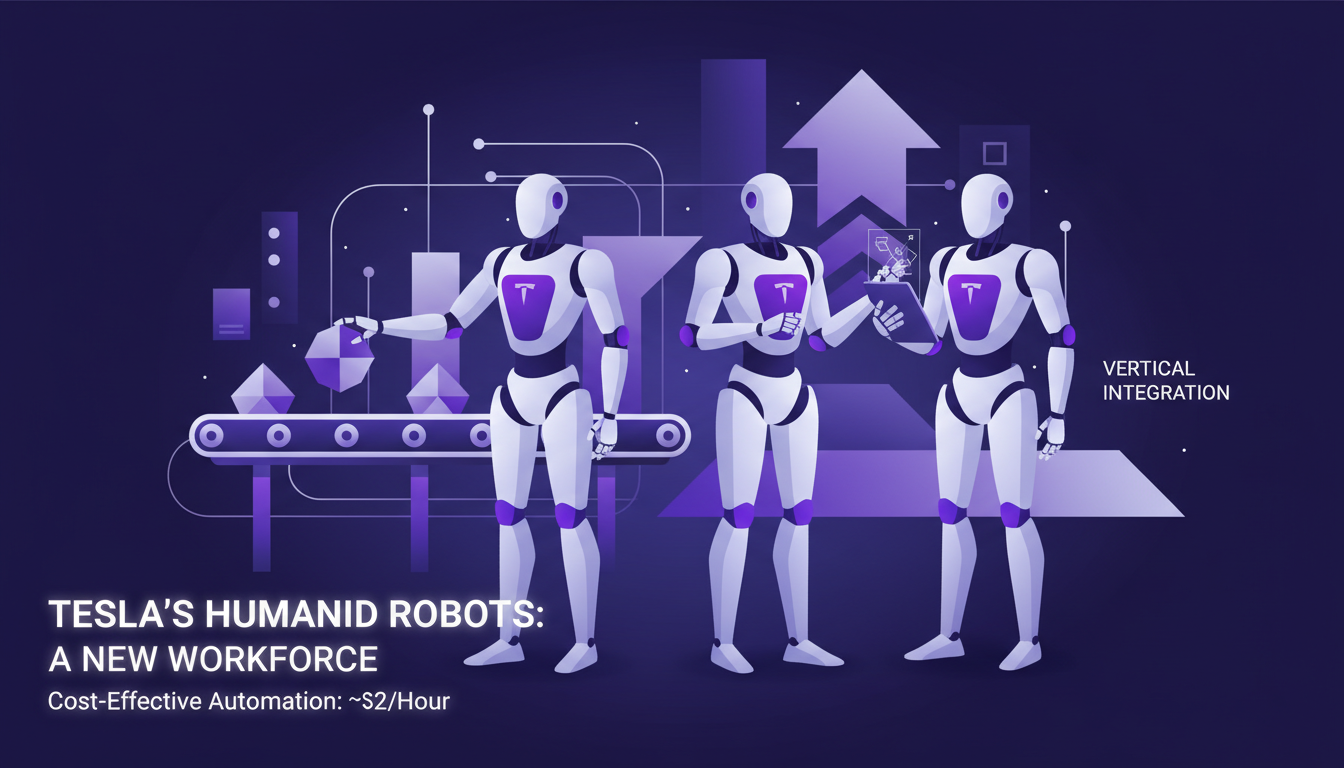
In terms of costs, projections indicate that the hourly cost of a robot could drop between $1.50 and $2. That's a radical transformation. If we compare this with the $48 cost for a human, it's a colossal savings. Tesla is not alone; many companies are following this path, driven by economic necessity but also by the opportunity to recreate industry sectors.
Tesla's Humanoid Robots: A New Workforce
I found myself sitting with the engineers orchestrating Tesla's shift to robots. Their goal? Achieve an hourly cost of $2. How? Through vertical integration. Tesla designs its own chips, software, and manufacturing infrastructure. It's a model of efficiency. I've seen firsthand how these robots are integrated into production lines, gradually replacing repetitive tasks performed by humans.
But watch out, it's not without challenges. The technical questions are numerous, and there are also ethical considerations. What to do with lost jobs? How to manage the transition? These are questions for which there is not yet a clear answer.
The Jevons Paradox in Automation
Have you ever heard of the Jevons Paradox? It's fascinating. Basically, the more efficient we become, the more demand increases. I've seen this happen with AI-driven automation. One might think it reduces the need for labor, but in fact, it creates new opportunities and increased demand for products and services. It's a complex balance between efficiency and economic impact.
This is exactly what we see with humanoid robots. Their efficiency could very well create new jobs in areas we have not yet imagined.
Global Market Expansion and Opportunities
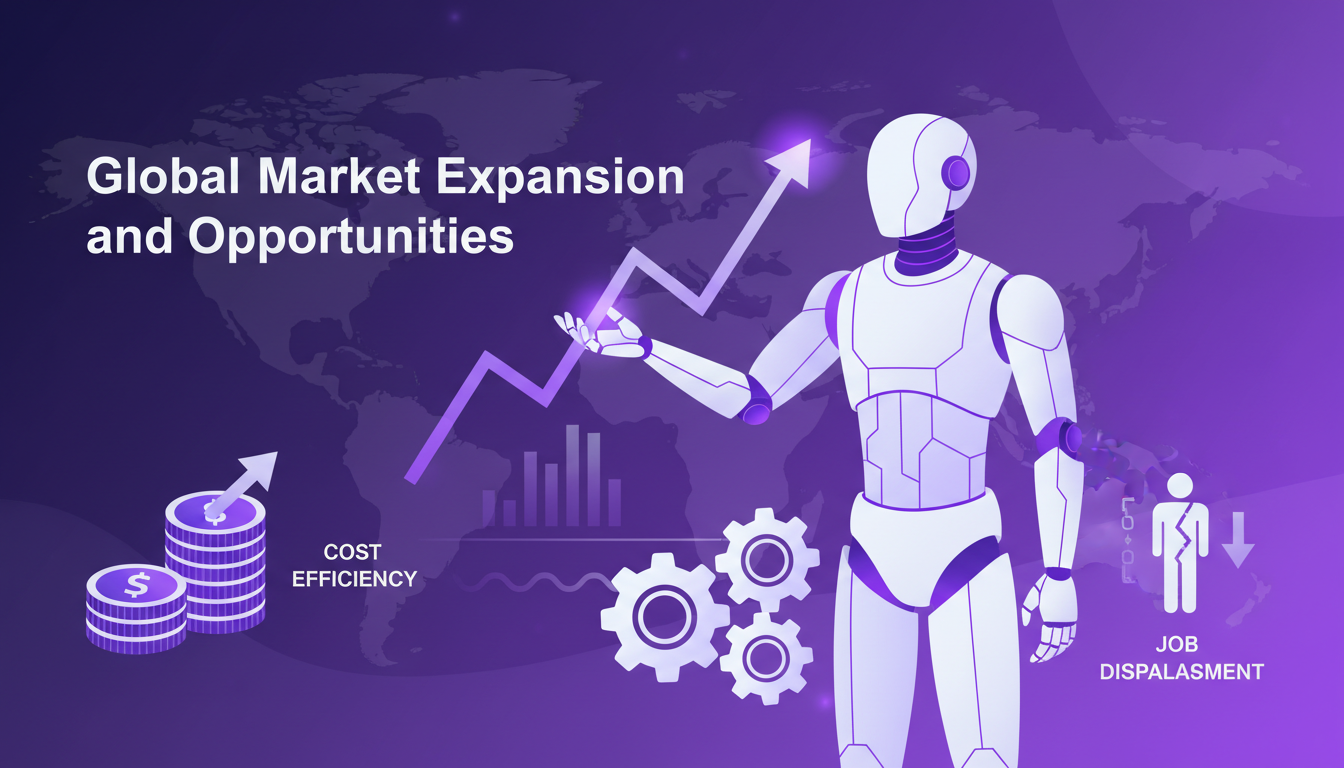
The humanoid robot market is expanding worldwide. Figure AI, Agility Robotics, Unitri... Opportunities for businesses are multiplying. I've had the chance to participate in conferences where these companies share their advancements. The potential is enormous. But there's a flip side, of course. Cost efficiency must be balanced with the issue of job displacement. Tesla, with its integrated approach, plays a key role in this changing market.
Educating for an Automated Future
Preparing our workforce for this transition is crucial. Educational programs in AI and automation are becoming indispensable. Tesla, for example, is investing in AI education initiatives. I've seen these programs up close, and believe me, they are essential to preparing future workers.
The possible careers in a robot-driven economy are vast and varied. Whether in design, maintenance, or AI ethics, the paths are numerous. And it's now that we must prepare, not tomorrow.
In conclusion, robotization and automation are not just buzzwords. They represent a fundamental change in our way of working. As always, there are challenges to overcome, but the opportunities are there for those ready to seize them.
So, I've really dived into Tesla's humanoid robots, and let me tell you, it's about way more than just cutting costs. It's a huge shift in how we think about work and technology. First, there's that tempting $2/hour promise, but we have to weigh it against the broader economic impact. Then, there's the cost comparison: $46 for an hour of human labor in the U.S. versus a potential $2 for a robot. And don't forget the Jevons paradox reminding us that automation comes with its own set of implications. What excites me the most though is the idea that education and adaptation are going to be key in navigating this new terrain.
Looking ahead, let's view this technological revolution as a way to complement and enhance human potential, not replace it. Ready to integrate AI and automation into your business? Start by understanding the trade-offs and opportunities. I highly recommend checking out the full video to dive deeper into the topic: YouTube link.
Frequently Asked Questions

Thibault Le Balier
Co-fondateur & CTO
Coming from the tech startup ecosystem, Thibault has developed expertise in AI solution architecture that he now puts at the service of large companies (Atos, BNP Paribas, beta.gouv). He works on two axes: mastering AI deployments (local LLMs, MCP security) and optimizing inference costs (offloading, compression, token management).
Related Articles
Discover more articles on similar topics
Humanoid Robots: Moya and Iron, Challenges Ahead
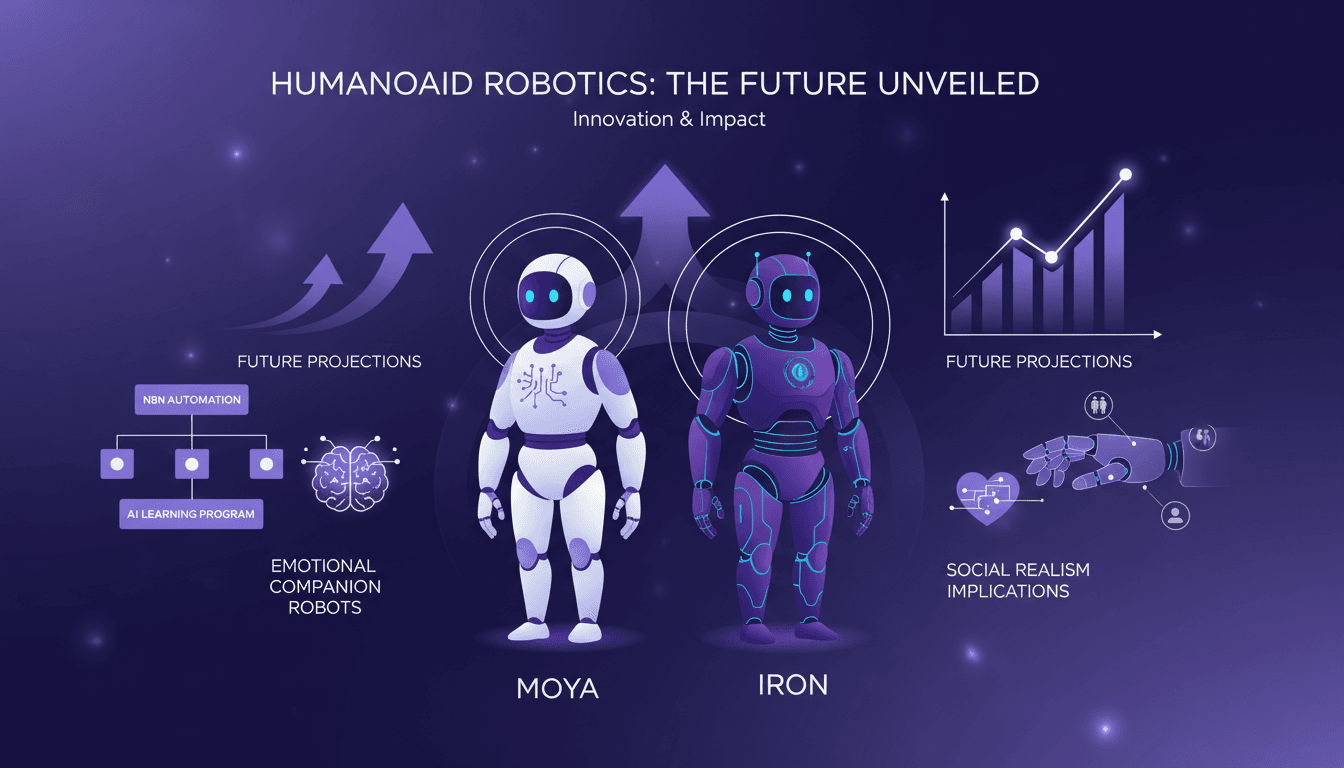
I shook Moya's hand, and the warmth was uncanny. It's not just about replicating human features; it's about pushing the boundaries of robotics. With the humanoid robotics market projected to grow rapidly, understanding the tech advancements and market dynamics is crucial. I dive into how humanoid robots like Moya and Iron are reshaping the field. From robot design to AI integration, and automation using N8N, these robots are redefining our relationship with technology. Watch out, Moya's skin reaches 36°C, eerily similar to a human's. Ready to dive into this fascinating world?
Revolutionize Presentations with Google Notebook LM
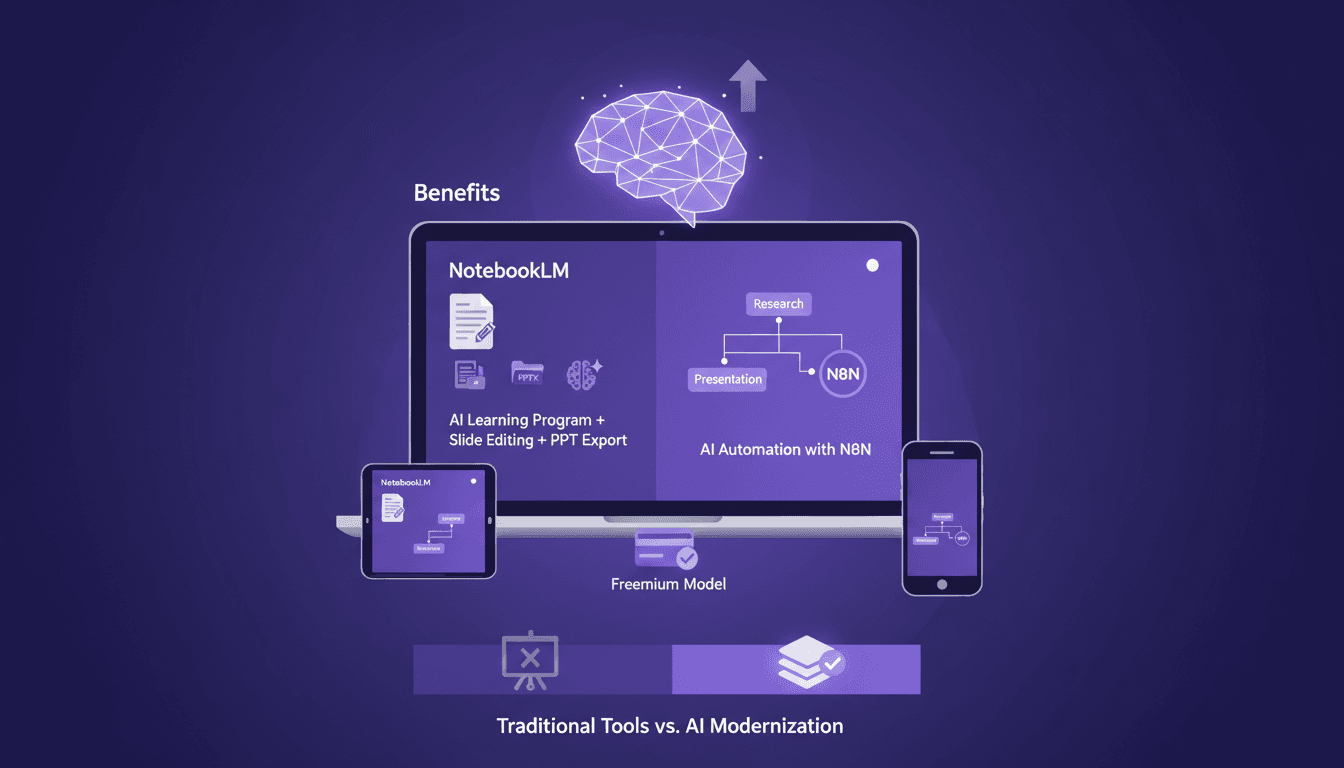
On February 17, 2026, I ditched PowerPoint for Google’s Notebook LM. It wasn't just another tool—it was a game-changer in how we create presentations. With slide editing and AI automation through N8N, it's setting new standards. But like any tool, it's not without its quirks and trade-offs. I'll show you how I've been using it, what works, and where you might hit some bumps.
Accelerate Software Development with Codex
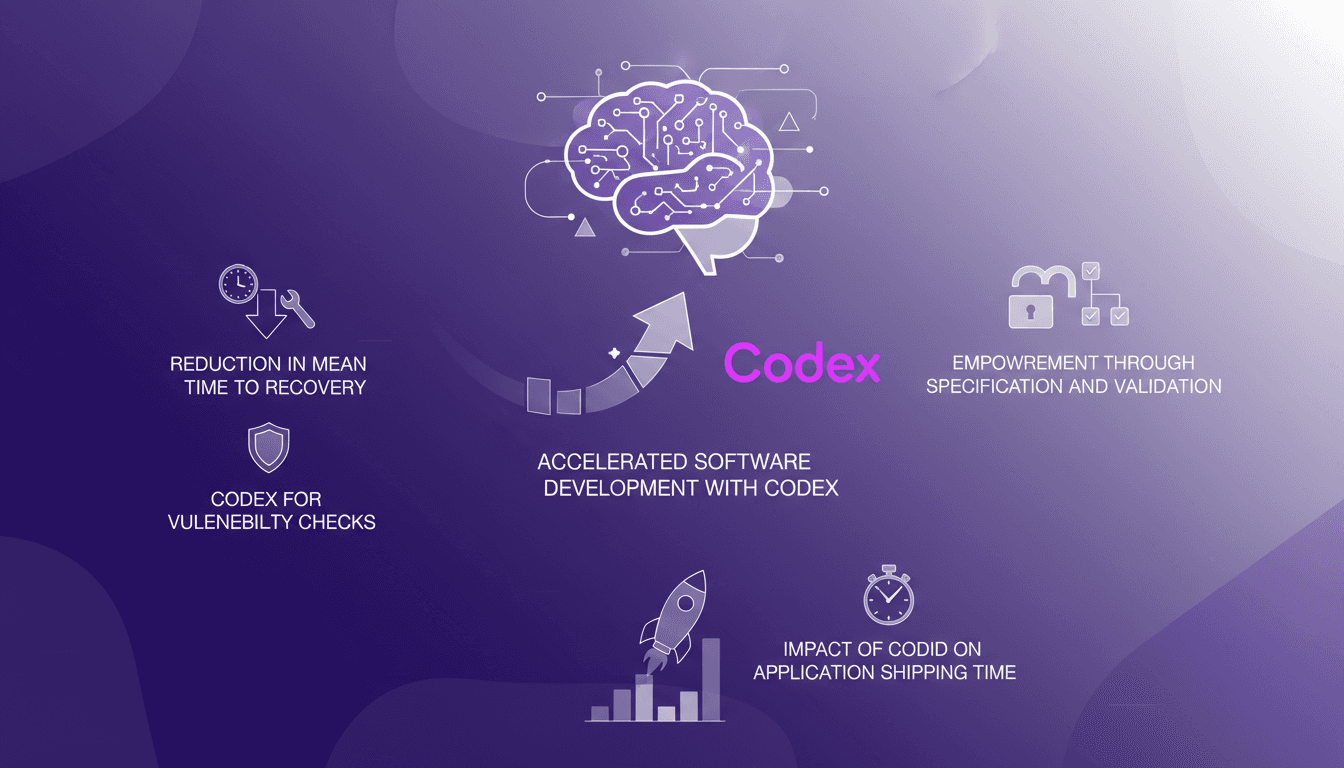
I've been deep in the trenches with Rakuten, navigating the labyrinth of software development, and I can tell you Codex has revolutionized our workflow. Cutting our mean time to recovery by 50% isn't just a theoretical win—it's a real-world game changer. Picture this: I connect Codex for vulnerability checks, I orchestrate it for specification and validation, and suddenly, our product application shipping time shrinks dramatically. It's been a true game changer for us, and I'm going to walk you through how we've tapped into this goldmine.
Turning a Shy DJ into a Stage Star
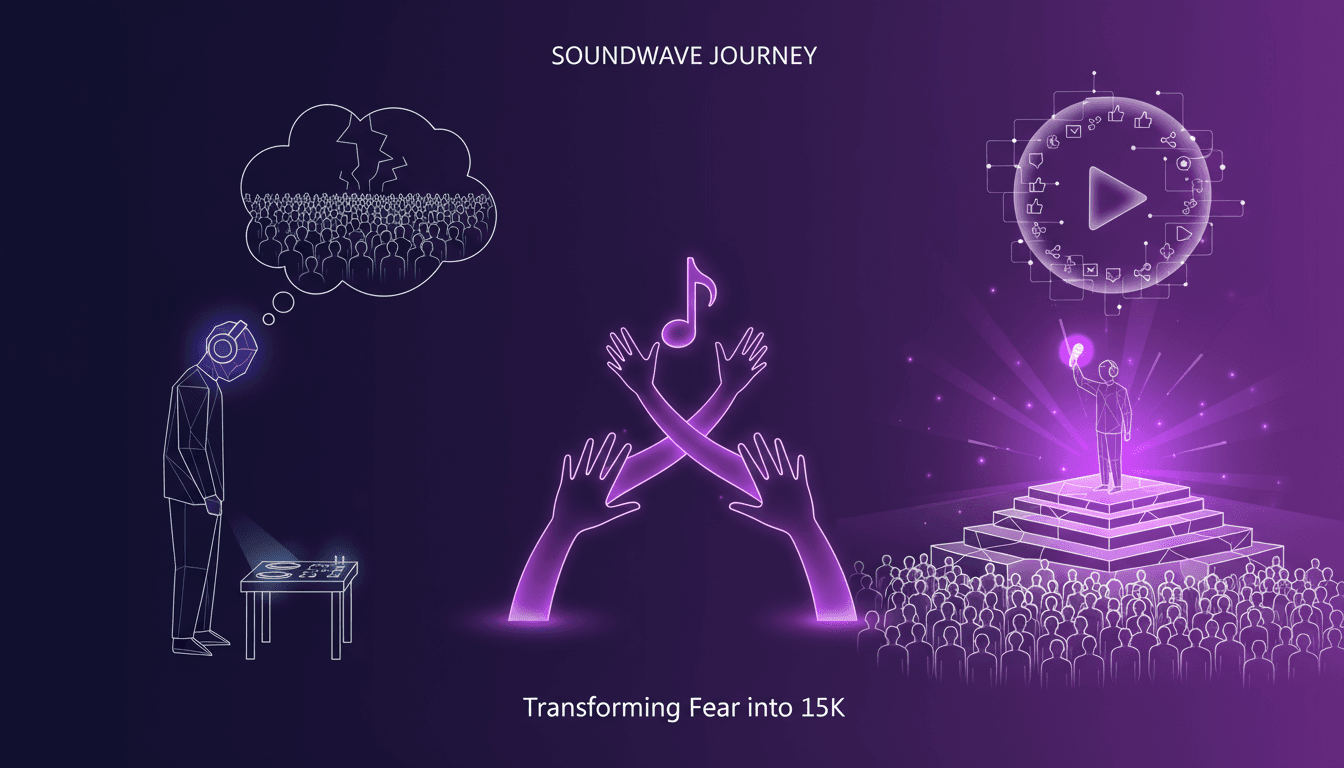
I remember my first time standing in front of a massive crowd, heart pounding like a bass drum. Daryl, a 19-year-old DJ, took on the daring challenge of performing for 15,000 people. With mentors like Simon and Jax Jones, he conquered his shyness and perfectionism. This motivational documentary dives into how mentorship, risk-taking, and courage can turn dreams into reality. It's a captivating look at Daryl's transformation, the impact of social media, and the opportunities available for aspiring artists.
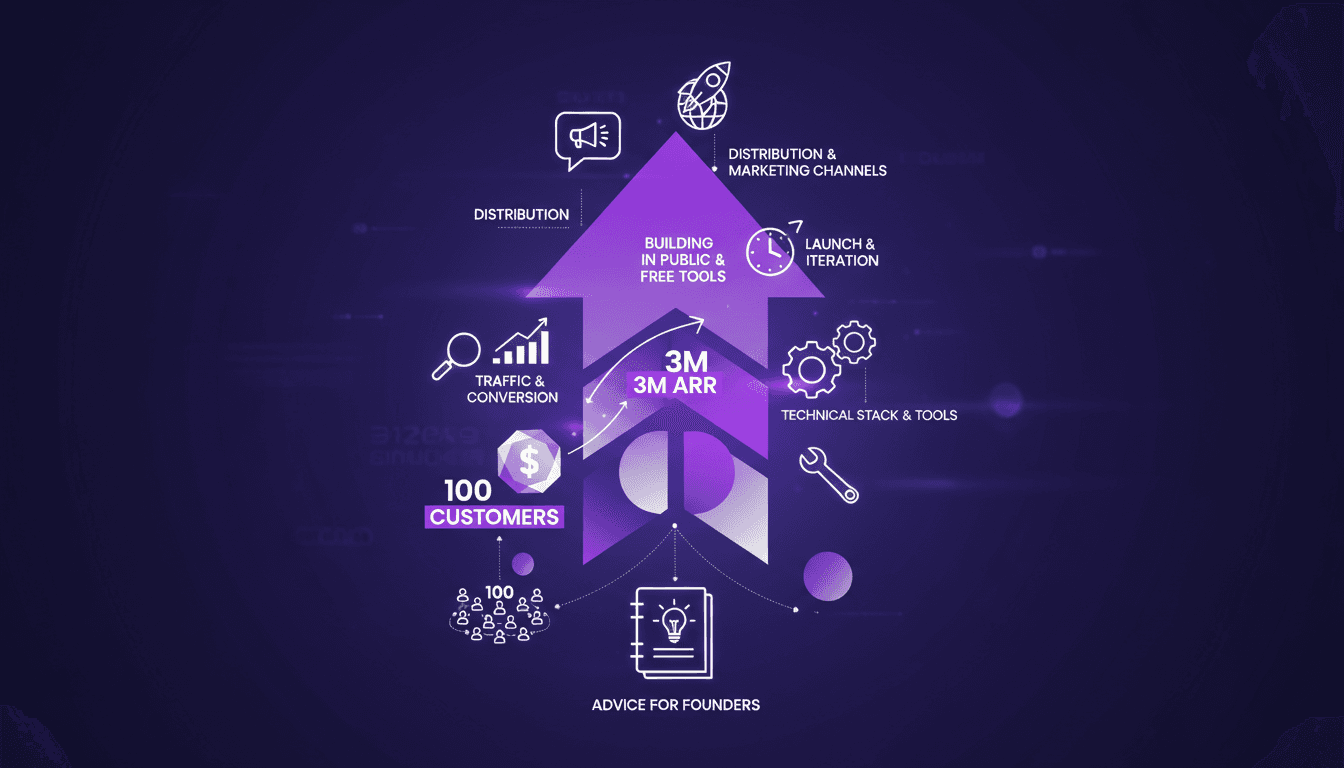
How I Got My First 100 SaaS Users: A Playbook
Hitting 100 users on my SaaS felt like conquering Everest. But it wasn't luck; it was precise tactics and relentless iteration. In this article, I'll break down how I scaled my SaaS to $3 million ARR. You don't need a groundbreaking idea, just solid execution, market understanding, and the right tools. I'm sharing my playbook: acquiring the first users, traffic and conversion strategies, and why early launch and iteration are crucial.