How I Got My First 100 SaaS Users: A Playbook
Hitting 100 users on my SaaS felt like conquering Everest. But it wasn't luck; it was precise tactics and relentless iteration. In this article, I'll break down how I scaled my SaaS to $3 million ARR. You don't need a groundbreaking idea, just solid execution, market understanding, and the right tools. I'm sharing my playbook: acquiring the first users, traffic and conversion strategies, and why early launch and iteration are crucial.
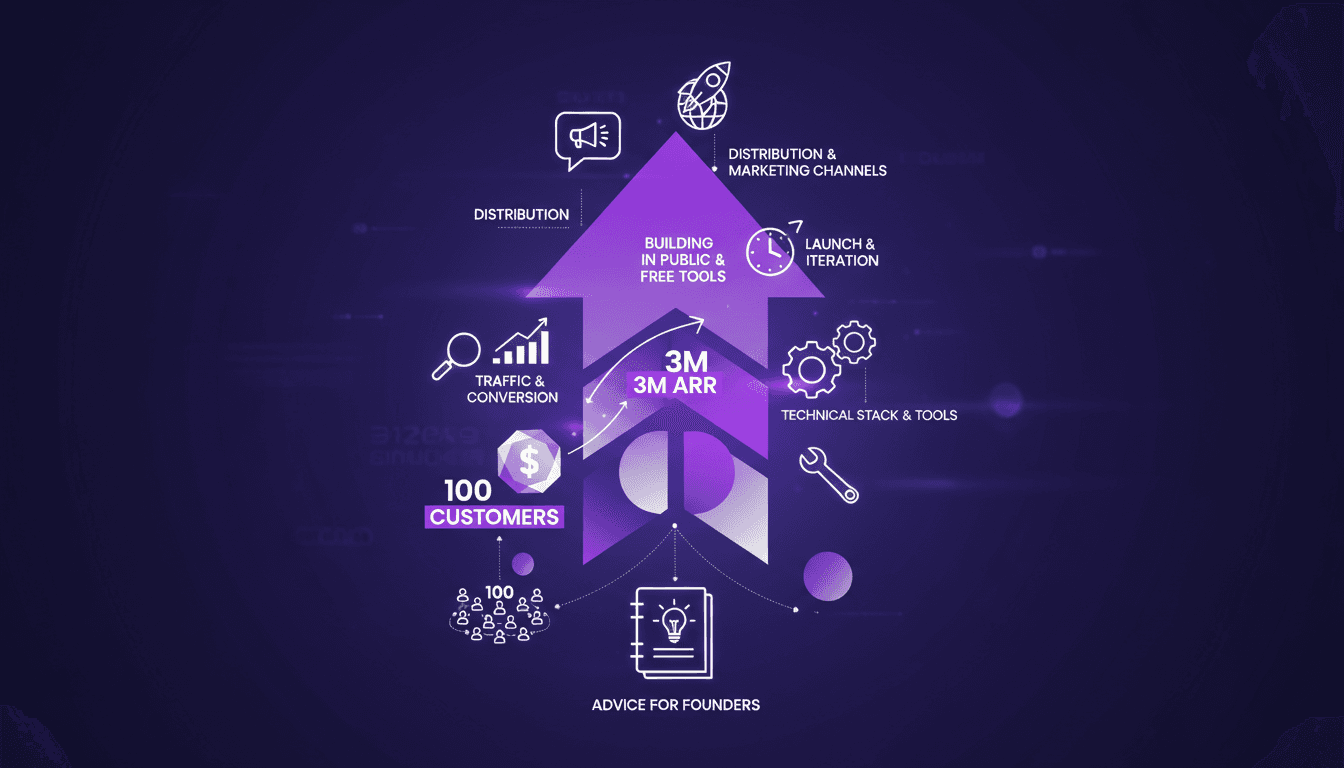
I remember the day I hit 100 users on my SaaS. It felt like conquering Everest. But getting there wasn't about luck; it was about precise tactics and relentless iteration. Let me show you how I scaled my SaaS to a $3 million ARR powerhouse. It all starts with the first user, but that's just the beginning of the journey. I had to deeply understand my market, leverage the right tools, and launch early to iterate often. In this article, I'm walking you through my playbook: acquiring those first users, traffic and conversion strategies, and the importance of public marketing and free tools. Beware, it's not just about having a great idea; execution is key. If you're an aspiring SaaS founder, this guide is for you.
Laying the Groundwork: Early Validation and Iteration
I started by validating the idea with a small audience. Prototyping quickly and iterating based on feedback was crucial. Building in public on platforms like LinkedIn helped create transparency and trust. It also attracted early adopters. Early launches, even if imperfect, provided real-world feedback that guided product development. But watch out, balancing the speed of iteration with product stability is key. It's not just about building, but building smartly and iteratively.

- Rapid prototyping for immediate feedback
- Building in public to generate trust
- Launching early for real-world adjustments
- Balancing speed with stability
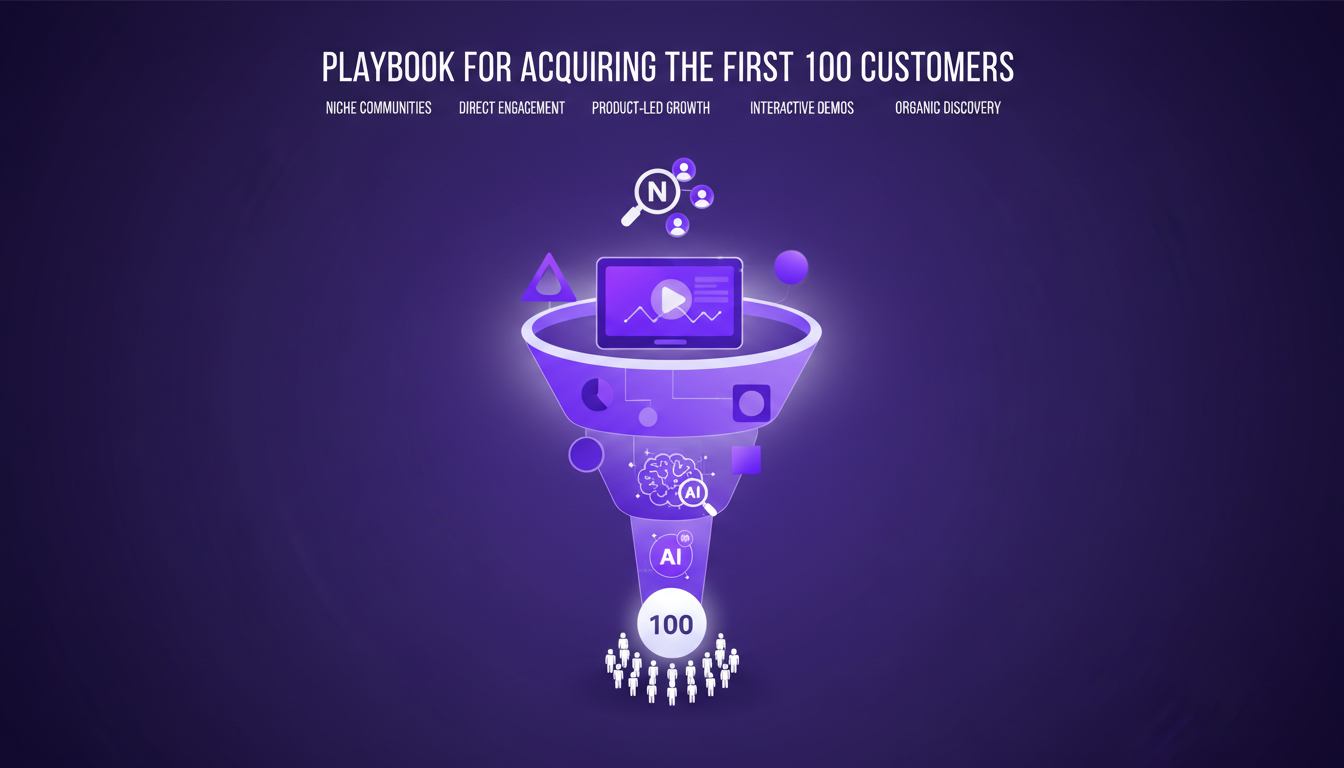
Playbook for Acquiring the First 100 Customers
I focused on niche communities where potential users gathered, engaging directly was key. Product-led growth was my primary strategy. I let the product speak for itself through interactive demos. SEO and leveraging LLM traffic were instrumental in driving organic discovery. But watch out, over-relying on one channel can be risky. Success lies in diversifying acquisition channels and techniques.
- Focus on niche communities
- Product-led growth
- SEO for organic discovery
- Don't over-rely on one channel
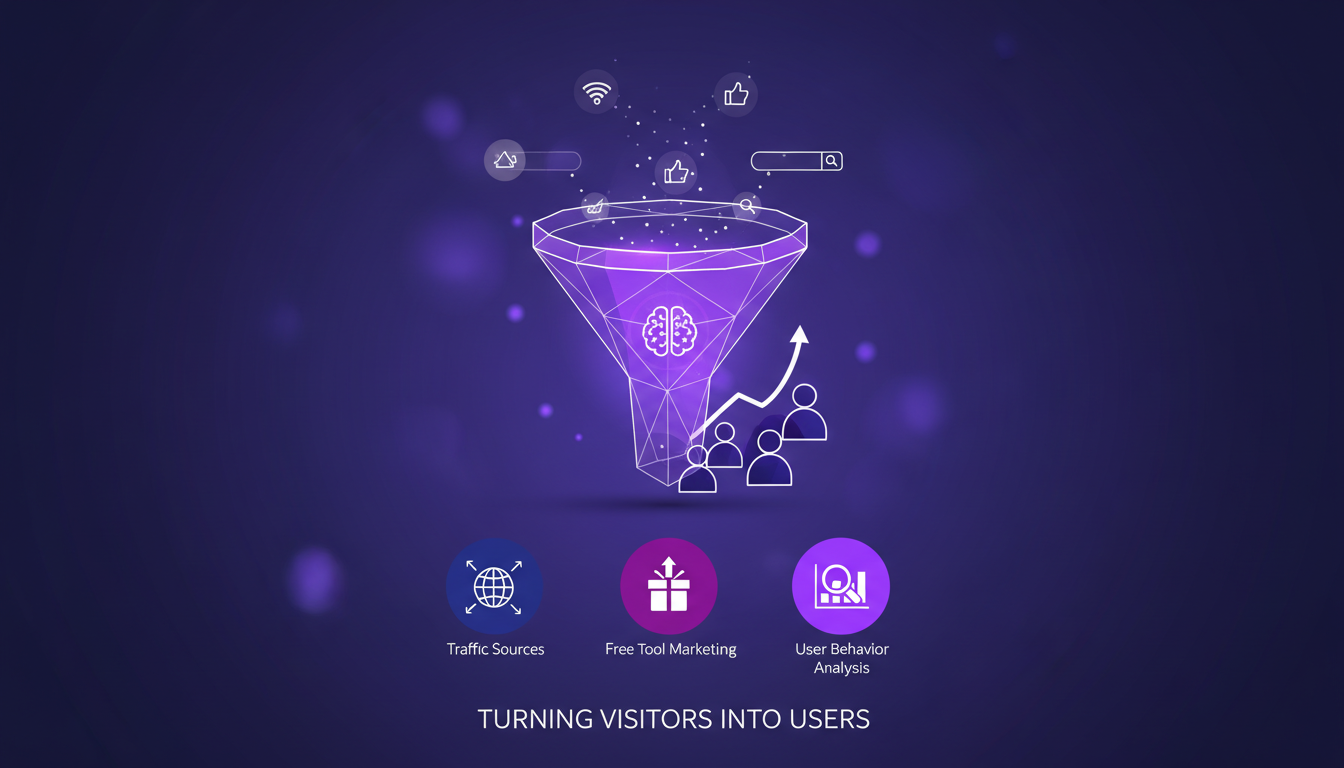
Traffic and Conversion: Turning Visitors into Users
Understanding traffic sources and optimizing conversion rates was a game changer. I utilized free tool marketing to provide value upfront, leading to higher conversion rates. Analyzing user behavior and adjusting strategies accordingly was essential. But not all traffic converts equally; focus on quality over quantity.
- Understanding traffic sources
- Free tool marketing to boost conversion
- User behavior analysis
- Focus on traffic quality
Technical Stack: Tools and Infrastructure
Choosing the right technical stack was critical for scalability and efficiency. I integrated tools that supported automation and reduced manual workload. Regularly reviewing and optimizing the stack to ensure it met evolving needs saved costs. Caution, overcomplicating the stack can lead to maintenance headaches.
- Choosing a scalable stack
- Integrating automation tools
- Regular optimization to cut costs
- Avoiding over-complexity
Advice for Aspiring SaaS Founders
Start small but think big. Focus on solving a real problem first. Don't underestimate the power of community and building in public. Iterate based on data, not assumptions. Metrics should guide decision-making. Remember, patience and persistence are as important as the product itself.
- Start small, think big
- Never underestimate the power of community
- Iterate based on data
- Patience and persistence
In conclusion, whether you're just starting your SaaS journey or looking to optimize your strategy, these practical and proven steps can guide you to success. For deeper insights, I recommend exploring additional resources such as the Medium guide on getting the first 100 SaaS customers, offering valuable perspectives to strengthen your strategy.
For more advanced strategies on building AI solutions, feel free to explore our article on building profitable AI agent strategies and tools.
Scaling a SaaS to $3 million ARR isn't magic, it's a series of calculated moves. First, I validate ideas. Then, I optimize my technical stack at every step, because every detail matters. Here are the key takeaways:
- I started by acquiring my first 100 users. No traction without them.
- I bet on the 'building in public' strategy, sharing 20% of my progress on LinkedIn. It builds trust and interest.
- Reaching $3 million ARR takes work. Every conversion, every bit of traffic counts.
Looking forward, I'm genuinely excited about how these strategies can transform other SaaS businesses. It's a real game changer, but watch out, there are no shortcuts.
Ready to scale your SaaS? Implement these strategies, iterate, and share your progress with your community. Watch the original video for deeper insights: YouTube link. It's like a detailed playbook – let's build something great together.
Frequently Asked Questions

Thibault Le Balier
Co-fondateur & CTO
Coming from the tech startup ecosystem, Thibault has developed expertise in AI solution architecture that he now puts at the service of large companies (Atos, BNP Paribas, beta.gouv). He works on two axes: mastering AI deployments (local LLMs, MCP security) and optimizing inference costs (offloading, compression, token management).
Related Articles
Discover more articles on similar topics
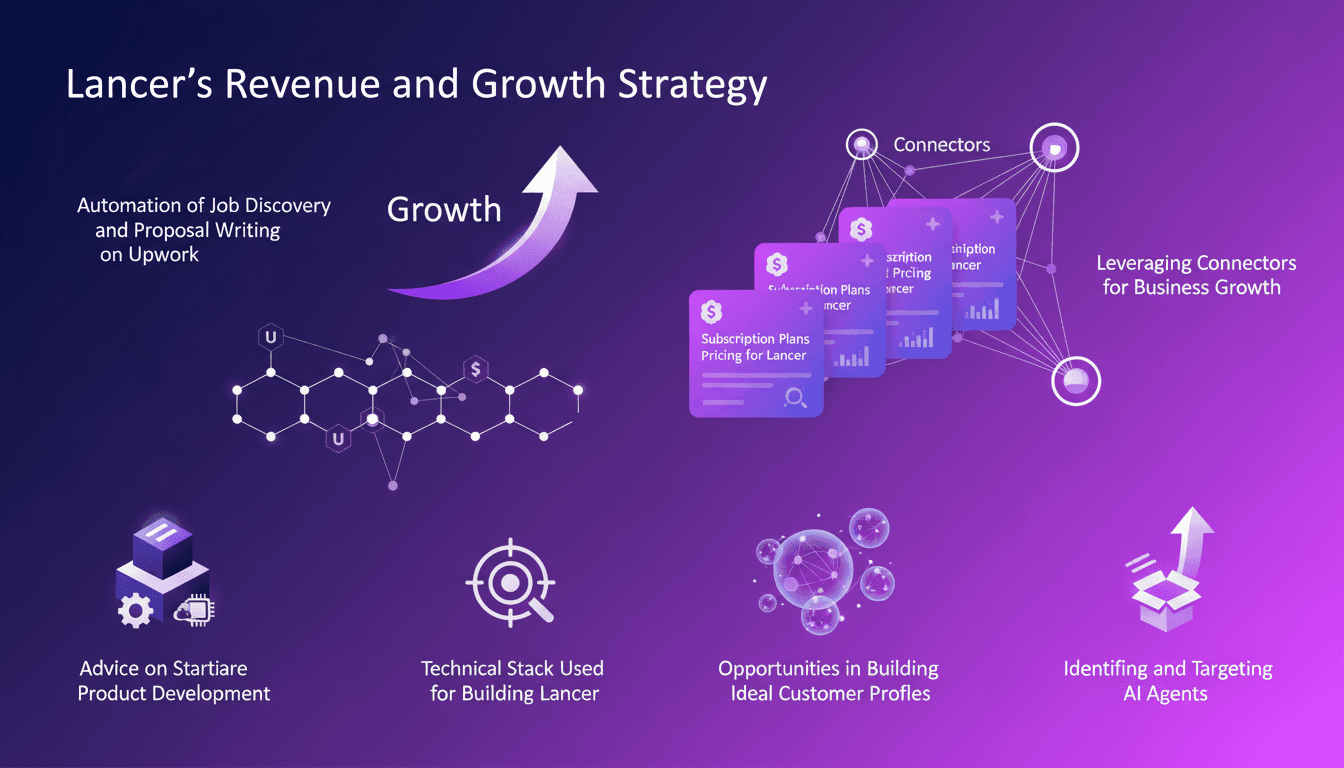
Profitable AI Agent: Strategies and Tools
I built an AI agent that rakes in $10K a month without spending a dime on ads. Sounds crazy? Here’s how I did it. In a world where efficiency and automation are key, I developed Lancer, an AI agent that transforms how freelancers and agencies operate on platforms like Upwork. By automating job discovery and proposal writing, Lancer has revolutionized our approach. I share how I leveraged connectors for business growth, crafted subscription plans and pricing, and the opportunities I discovered in building AI agents. I'll also explain the mistakes I made, the tools I used, and how you can start your own software product development.

Solving AI Hallucinations: Practical Strategies
I vividly remember being knee-deep in AI model training when I first encountered hallucinations. Imagine a model confidently spewing nonsense—quite the wake-up call. Turns out, these hallucinations aren't just quirky bugs but costly and pervasive issues. Understanding H Neurons and their impact is crucial. In this video, I'll walk you through how we can identify and mitigate these hallucinations with proven strategies and real-time detection systems. If you're working on AI models, watch out: the difference between small and large models can be crucial in managing these off-the-rails moments.
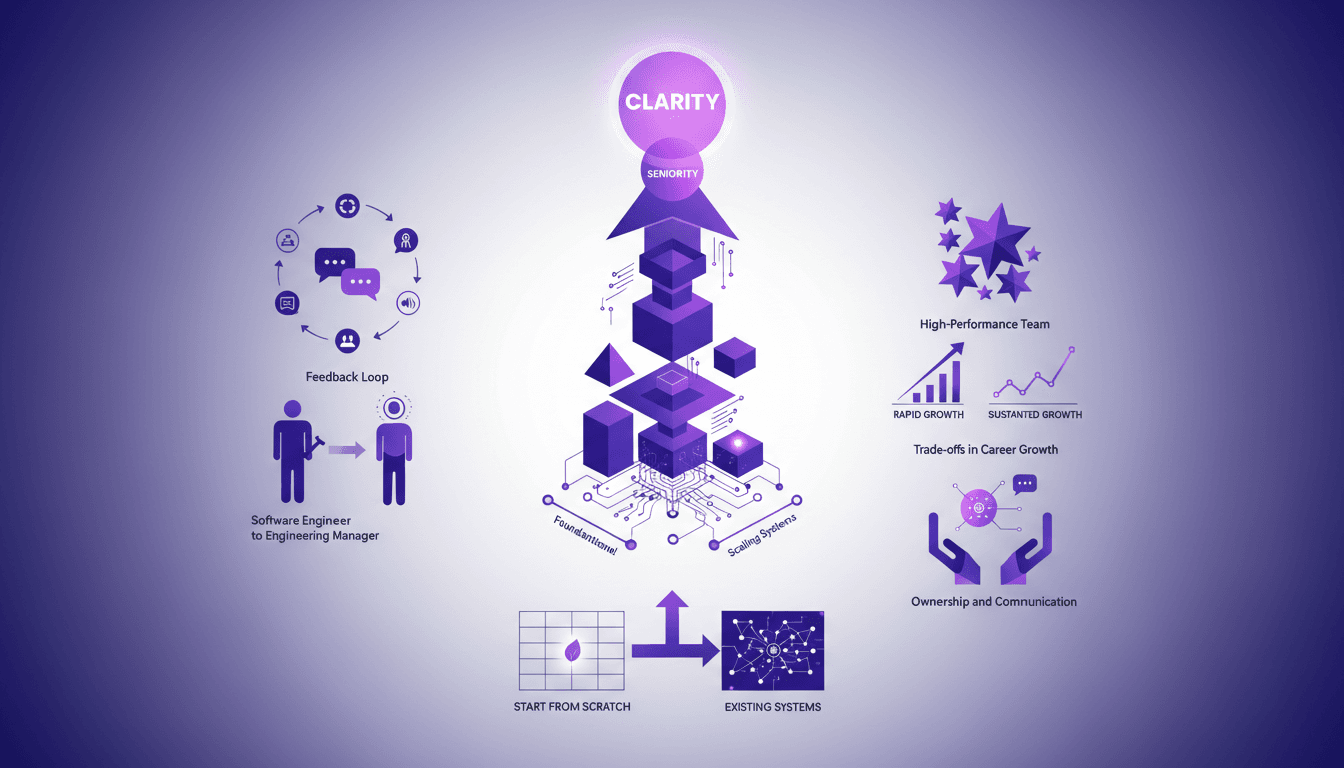
Clarity Over Seniority: Managing Teams
When I transitioned from developer to manager at Uber, I quickly realized clarity always beats seniority. Scaling systems from 2,000 to 5 million users isn’t just about tech. It’s about architecture, feedback loops, and career trade-offs. Let me show you how I navigated these waters, building and managing high-performance teams. Trust me, when you’re starting from scratch or reinventing systems, the real key is clarity and team communication. Don’t get fooled by titles—they’re not what drive projects forward.

Managing Technical Debt: Practical Strategies
I've been in the trenches of tech development long enough to know that technical debt can be a silent killer. It's like a credit card with a hidden interest rate. You don't see it coming until it hits hard. Technical debt isn't just a buzzword; it's a real challenge for startups and large enterprises alike. If it's not managed, it can cripple your project. Let me walk you through how I manage this beast daily, from a builder's perspective. We'll dive into understanding and managing technical debt, the role of the CTO, the impact of language and tool choices, and much more. Get ready to dive into the nitty-gritty.
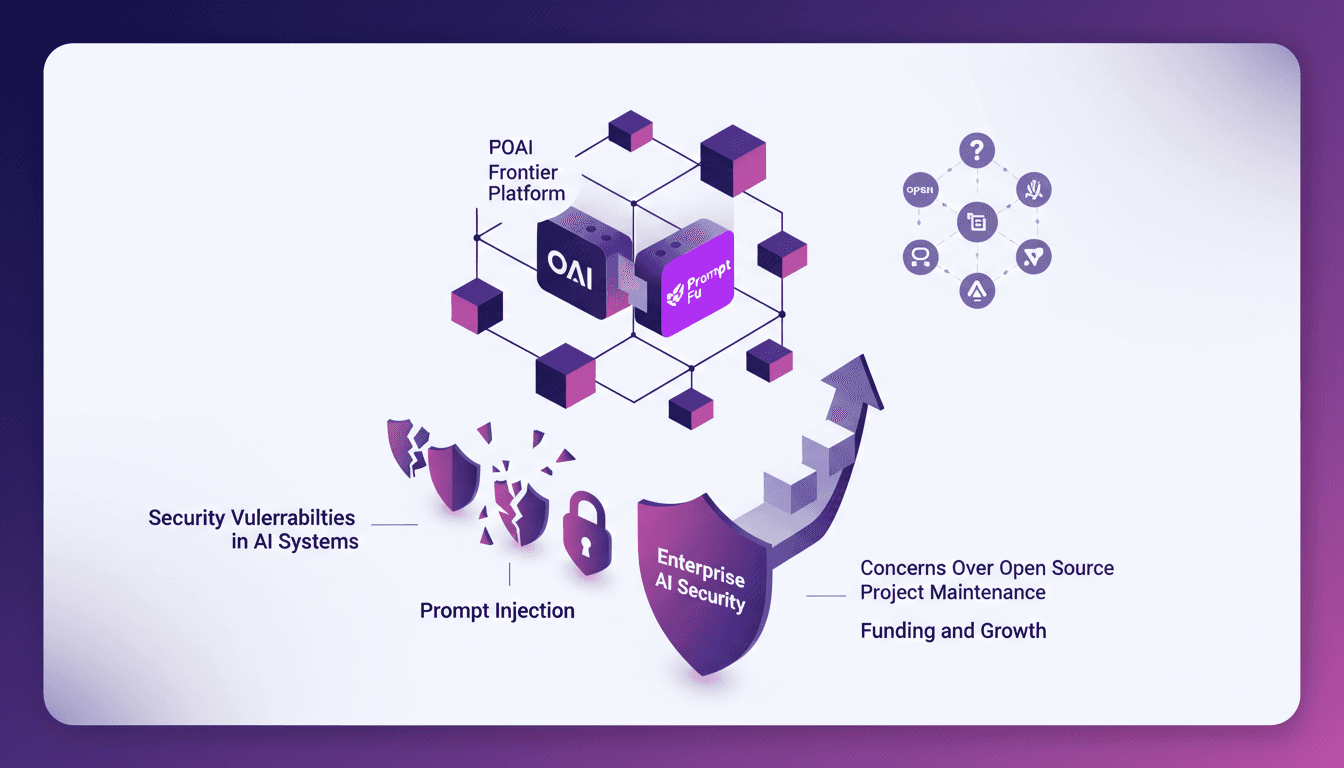
Securing AI: Integrating Prompt Fu at OpenAI
I remember the first time I encountered a security breach in an AI system. It was a wake-up call that security wasn't just a checkbox but a critical component of AI deployment. OpenAI's acquisition of Prompt Fu feels like a game changer. By integrating Prompt Fu into their Frontier platform, OpenAI is set to enhance security and redefine how we protect AI. With over 125,000 developers using Prompt Fu and a quarter of the Fortune 500 companies trusting it, this strategic move promises to transform AI system security, addressing concerns over open-source project maintenance and prompt injection vulnerabilities.